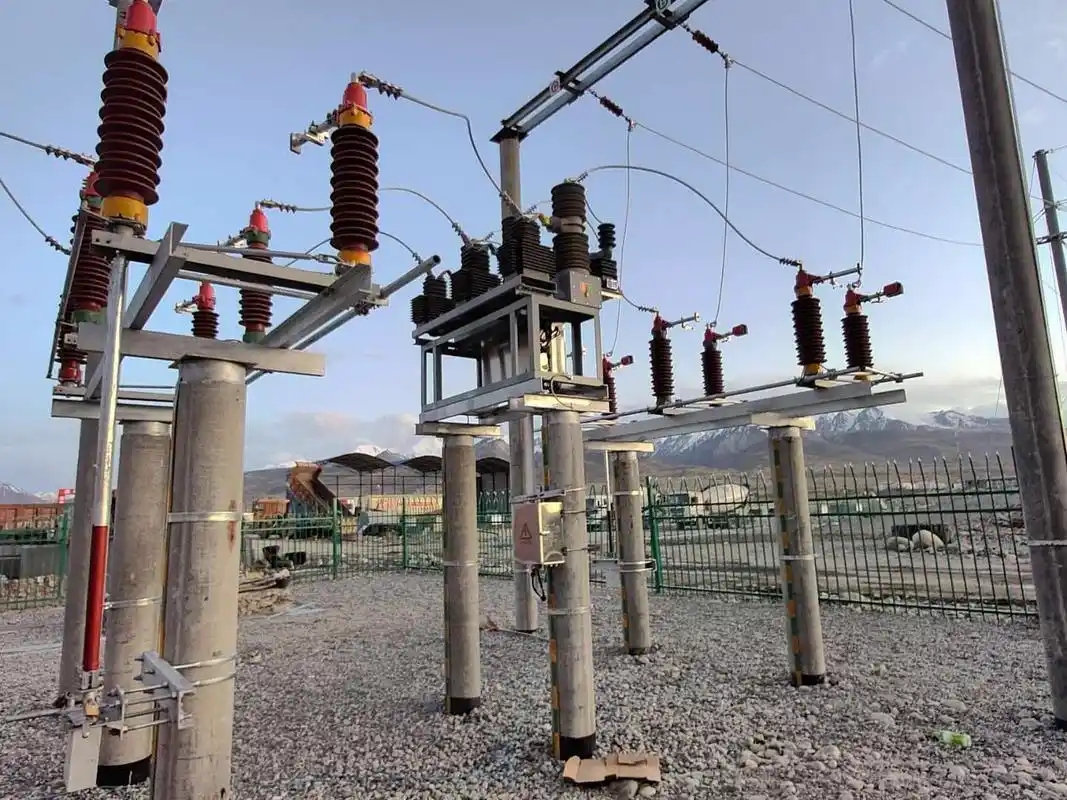
Question 1: Load-Break Capability vs. Isolation
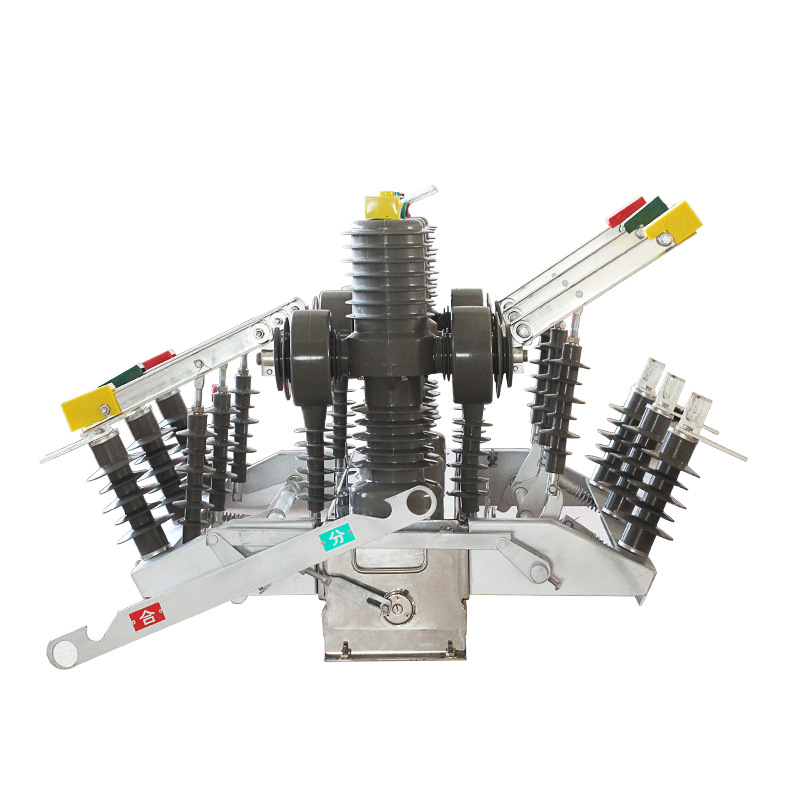
When sourcing components for industrial power distribution, the first of the 5 Key Questions Before Buying Disconnect Switches involves the fundamental physics of the device. Are you trying to stop a running motor, or are you simply verifying a circuit is dead for maintenance? Confusing these two functions is the most common cause of switchgear failure.
Understanding the Difference: Load Break vs. No-Load
There is a critical distinction between a load break disconnect switch and a standard electrical isolation switch (or isolator).
Load-Break Switches: These are engineered with arc-quenching technology (like arc chutes). They are designed to safely interrupt the flow of current while the equipment is fully energized and running.
No-Load Isolators: These are strictly for isolation. They provide a physical air gap only after the circuit has already been de-energized by an upstream circuit breaker.
The Danger Zone: Arcing and Equipment Failure
Opening a no-load isolator while current is flowing is a recipe for disaster. Without arc suppression, the electricity jumps the gap, creating a sustained arc. This leads to:
Catastrophic Equipment Damage: Melted contacts and destroyed switchgear.
Arc Flash Incidents: Severe risk of explosion and injury to personnel.
Downtime: Unplanned outages that cost thousands per hour.
Arc flash mitigation starts with selecting the right switch type. Never rely on a standard isolator to break a load.
Identifying Your Need
To choose correctly, analyze your operational requirements:
Frequent Switching: If the switch is used to turn motors or machinery on and off regularly, you require a switch with a specific horsepower rating and load-break capability.
Maintenance Isolation: If the switch is only operated during scheduled shutdowns to ensure crew safety, a visible break isolator is often sufficient and more cost-effective.
WEISHO Recommendation: Prioritize Compliance
At WEISHO, we believe safety is non-negotiable. We recommend prioritizing IEC compliant disconnector designs and switches that meet UL standards for your specific region. Whether you need a robust load-break solution or a high-voltage isolator, ensure the device is certified to handle the dynamic stresses of your system. Look for designs compliant with IEC 62271 to ensure they can withstand the rigors of real-world industrial environments.
Question 2: Visible Break and LOTO Compliance
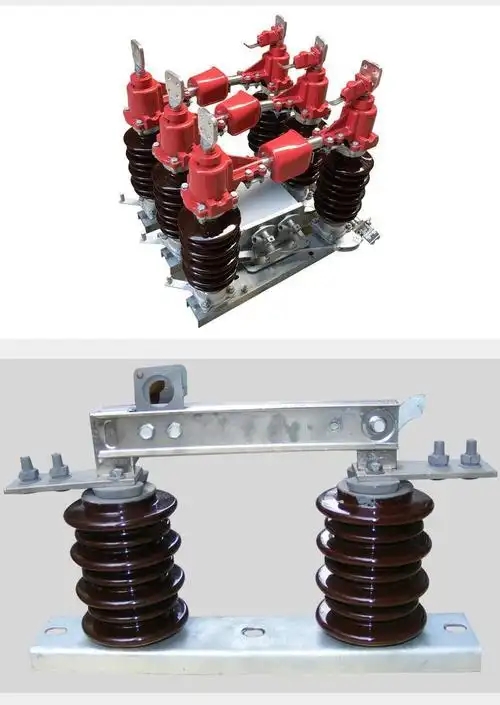
When maintenance crews are working on the line, guessing isn’t an option. The primary job of an electrical isolation switch is to provide a clear, physical separation in the circuit. You need a visible break isolator—an air gap you can actually see—to confirm that the equipment is de-energized. While modern indicators are helpful, nothing beats the visual verification of open contacts to prevent accidental re-energization.
Lockout Tagout (LOTO) Compatibility
For facilities in the United States, adhering to OSHA regulations is mandatory. A safety disconnect switch must feature Lockout tagout LOTO compatibility. This means the handle or operating mechanism must have durable provisions for padlocks, ensuring that once the switch is thrown open, it stays open until the specific worker removes their tag. At Weisho, we design our manual and motorized operating mechanisms to support robust locking procedures, preventing unauthorized operation during critical maintenance windows.
Verifiable De-energization
Different designs offer different visual cues. Knife blade switches offer the most obvious visual break, while rotary and vertical break designs save space but must still provide a clear viewing window or position indicator. To ensure complete safety, many of our disconnects are mechanically interlocked with a grounding switch. This combination not only isolates the power but also automatically grounds the load side, draining any residual static charge and ensuring the system is safe to touch.
Question 3: Voltage, Current, and Environmental Ratings
Selecting the correct high voltage disconnect switch starts with strictly matching the electrical ratings to your system’s specific architecture. You cannot simply guess; the rated voltage must align with your grid, typically ranging from 12kV for medium voltage distribution up to 126kV for transmission applications. Equally important is the continuous current rating—commonly 630A, 800A, or 1250A in our Weisho product line—which dictates the maximum load the switch carries indefinitely without overheating. If you are unsure about the baseline requirements, reviewing the fundamentals of what is a disconnect switch can help clarify the distinction between rated and maximum voltage.
Beyond normal operation, you must verify the short-time withstand current (Icw) and peak withstand ratings. This spec confirms the switch can physically survive the intense thermal and mechanical stress of a short circuit fault until the upstream protection clears it.
Key Environmental Considerations:
Enclosure Protection: For external installations, specify an outdoor disconnect switch NEMA 3R or NEMA 4X equivalent (often IP54 or higher in IEC standards) to prevent ingress from rain, ice, and dust.
Altitude Derating: Standard air insulation is rated for 1,000 meters. If your site is at a higher elevation, the thinner air reduces dielectric strength, requiring derated equipment or specialized vacuum/SF6 designs.
Pollution Levels: In coastal or heavy industrial areas, salt spray and contaminants can compromise insulators. We recommend checking creepage distances and opting for silicone rubber or high-grade porcelain insulators to prevent flashovers.
Question 4: Mechanical and Electrical Interlocks
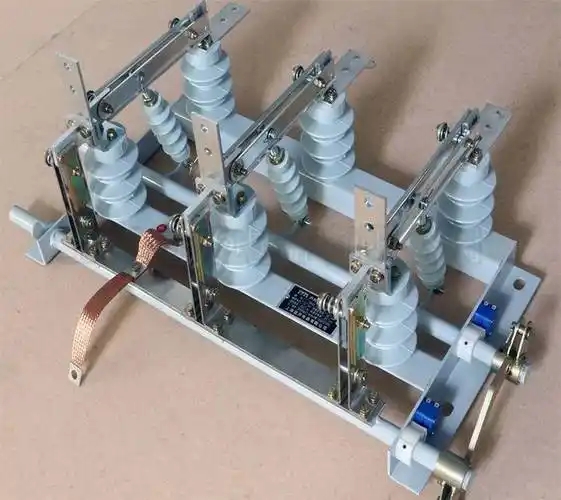
Safety isn’t just about training; it’s about engineering out the possibility of a mistake. In industrial power distribution, human error can be catastrophic. That’s where mechanical and electrical interlocks come in. They force a specific sequence of operations, ensuring you can’t open a disconnect switch while current is flowing unless it’s specifically designed to handle that arc.
Preventing Human Error with Smart Integration
You need a system where the disconnect, grounding switch, and main breaker work in harmony. A proper interlock ensures the grounding switch can only close when the main disconnect is fully open. It works hand-in-hand with your SF6 circuit breaker to ensure the circuit is dead before anyone touches it. Without these safeguards, a momentary lapse in concentration could lead to an arc flash or equipment explosion.
The “Five Prevention” Rules for Substation Safety
We strictly adhere to the “Five Prevention” rules, which are the standard for any high voltage disconnect switch installation. These rules are non-negotiable for protecting personnel:
Prevent opening or closing the disconnect switch under load.
Prevent closing the grounding switch while the circuit is live.
Prevent energizing the circuit while the grounding switch is closed.
Prevent accidental entry into energized compartments.
Prevent circuit breaker operation errors.
WEISHO Feature Spotlight: Durable Interlock Systems
At WEISHO, we don’t cut corners on safety mechanisms. Our WEISHO disconnect solutions feature heavy-duty, durable interlock systems designed for harsh industrial environments. Unlike cheaper alternatives that jam or wear out, our interlocks are built to withstand thousands of cycles. Whether you are using a standard isolator or a specialized load break switch, we ensure the mechanical logic holds up, keeping your maintenance crews safe every single time they perform a lockout.
Question 5: Total Cost of Ownership (TCO)
Looking Beyond the Sticker Price
When evaluating a disconnect switch selection guide, it is tempting to focus solely on the initial purchase price. However, the upfront cost is only a fraction of what you will spend over the equipment’s 30-year operational life. A “bargain” switch that fails prematurely leads to expensive downtime, emergency replacement labor, and potential safety hazards. We focus on Total Cost of Ownership (TCO), which factors in installation efficiency, maintenance intervals, and expected lifespan under load.
Mechanical Endurance and Maintenance
Reliability is defined by mechanical endurance. Industrial power distribution requires switches that can handle thousands of operations without seizing or misaligning.
Endurance Classes: Look for switches rated M1 (1,000 cycles) or M2 (2,000+ cycles) to ensure longevity.
Maintenance Needs: Low-quality mechanisms require frequent lubrication and adjustment.
Downtime Costs: Every hour your facility is offline for switch maintenance costs significantly more than the price difference between a standard and a premium unit.
Material Matters: Durability in Design
The materials used in construction directly impact TCO. We prioritize silver-plated contacts to minimize contact resistance and prevent overheating, which is a common failure point in cheaper alternatives. Stainless steel hardware is essential for resisting corrosion in harsh environments. To understand what separates a reliable unit from a liability, you should know how to assess high voltage disconnector quality before signing a purchase order. High-grade insulation and robust chassis construction ensure the switch survives environmental stress without needing early replacement.
Fused vs. Non-Fused: Operational Costs
Choosing between a fusible vs non-fusible disconnect also changes your long-term cost structure:
Fused Disconnects: Lower initial equipment cost compared to circuit breakers, but they carry the recurring cost of stocking and replacing fuses after a fault. They offer excellent high-interrupting capacity for motor circuits.
Non-Fused Switches: These act strictly as isolation devices. They have lower maintenance costs (no fuses to buy) but must be paired with an upstream breaker for protection.
Balancing these factors ensures you aren’t just buying a switch, but investing in a reliable asset that won’t drain your budget with hidden maintenance costs later.
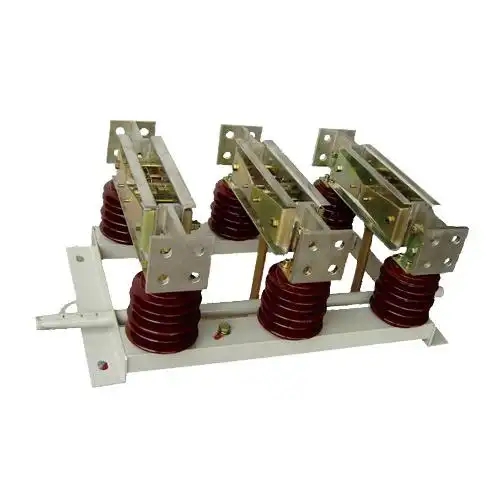
Quick Comparison: Fused vs. Non-Fused Disconnects
Choosing between a fusible and non-fusible disconnect often comes down to your protection strategy and existing circuit architecture. At Weisho, we see this decision daily when configuring Ring Main Units (RMUs) and switchgear lineups. You need to decide if the switch is just an isolation point or if it needs to actively protect downstream equipment.
When to Choose Fused Disconnects
If your setup lacks upstream overcurrent protection, a fused disconnect is the right call. These units combine the isolation capability of a switch with the fault protection of fuses.
Equipment Protection: Essential for protecting transformers and motors from short circuits and overloads without the high cost of a vacuum circuit breaker.
Fault Current Limiting: Fuses react faster than many mechanical breakers, limiting the thermal energy (I²t) that passes through to your equipment during a fault.
Cost Efficiency: For many MV applications, a load break switch-fuse combination is significantly cheaper than a full circuit breaker setup.
When to Choose Non-Fused Switches
Select a non-fused disconnect (isolator) when you already have a comprehensive breaker protecting the circuit upstream.
Simple Isolation: The primary goal is creating a visible break for maintenance safety and Lockout Tagout (LOTO) compliance.
Lower Maintenance: No fuses to stock or replace after a fault; you simply reset the upstream breaker.
Compact Design: Without the fuse holders, these units are smaller, making them ideal for tight spaces in compact substations.
Sizing and Mounting Considerations
Whether you are installing an indoor cabinet or a pole-mounted outdoor load break switch, sizing is critical.
Horsepower & Motor Loads: Ensure the switch is rated for the specific horsepower (HP) and inductive load of the motor. Standard isolators cannot break load current; ensure you are using a proper Load Break Switch (LBS) if switching under load is required.
Space Constraints: Fused units require vertical clearance for fuse replacement. If space is tight, a non-fused switch paired with a remote breaker might fit better.
Comparison at a Glance
| Feature | Fused Disconnect (Switch-Fuse) | Non-Fused Disconnect (Isolator) |
|---|---|---|
| Primary Function | Isolation + Overcurrent Protection | Isolation Only |
| Protection Level | High (Short circuit & Overload) | None (Relies on upstream device) |
| Maintenance | Requires fuse replacement after fault | Low (Mechanical check only) |
| Cost | Moderate | Low |
| Best For | Transformer protection, Service entrance | Maintenance isolation, Sectionalizing |
FAQs: Buying Disconnect Switches
Navigating the technical requirements for Disconnect Switches and Isolator Switches can be tricky. Here are the honest answers to the most common questions our engineering team at Weisho receives from procurement officers and facility managers.
What is the main difference between a disconnect switch and a circuit breaker?
This is the most critical distinction in power distribution. A circuit breaker is designed to automatically interrupt power during a fault condition, such as a short circuit or overload. It is a protective device. In contrast, a disconnect switch (or isolator) is primarily used to visually isolate a section of the circuit for safety during maintenance.
While a standard isolator cannot break load current, a load break disconnect switch can manually interrupt normal operating currents. However, disconnects generally do not provide automatic fault protection unless fused. For a deeper dive into how protective devices operate during faults, check out our insights on high-voltage switchgear tripping solutions.
Do I really need a fused disconnect for a motor?
It depends on your upstream protection. If your main feeder already has a circuit breaker sized correctly for the motor’s protection, a non-fused safety disconnect switch is often sufficient to provide local isolation for maintenance crews (meeting NEC requirements for “within sight”). However, if you need localized short-circuit protection or if the upstream breaker’s rating is too high for the specific motor, a fused disconnect is the smart choice. It provides both isolation and targeted protection.
Which NEMA rating is required for outdoor disconnect switches?
For most outdoor industrial applications in the US, NEMA 3R is the standard baseline. It protects against falling rain, sleet, and external ice formation. However, if your facility is in a coastal area with salt spray or a chemical plant with corrosive elements, we recommend upgrading to NEMA 4X. This ensures the enclosure—usually stainless steel—won’t corrode and compromise the internal mechanism. As Disconnect Switches Manufacturers, we verify these environmental ratings during our type testing to ensure longevity.
How do I know if a switch is LOTO compliant?
Lockout Tagout (LOTO) compatibility isn’t just a feature; it’s a legal safety requirement. A compliant switch must have a handle or mechanism that can be physically locked in the “OFF” position with a padlock.
Visual Verification: You should be able to see the physical break in the contacts (visible break) or a reliable mechanical indicator.
Mechanical Interlock: The enclosure door should not open unless the switch is OFF, and the switch should not turn ON while the door is open (unless overridden by qualified personnel).
Can standard disconnect switches handle high-altitude installations?
Not always. Standard Disconnect Switches are typically rated for operation up to 1,000 meters (3,300 feet) above sea level. Beyond this altitude, the air becomes thinner, which reduces its insulating properties and cooling capacity.
Derating Required: For high-altitude sites (like mines in Colorado or projects in the Andes), the equipment must be derated.
Dielectric Strength: The clearance distance may need to increase to prevent flashovers.
Always consult with our engineers about your specific site conditions. We can adjust the design to ensure the Disconnect Switches price includes the necessary modifications for safety at altitude, rather than risking failure with off-the-shelf standard units.