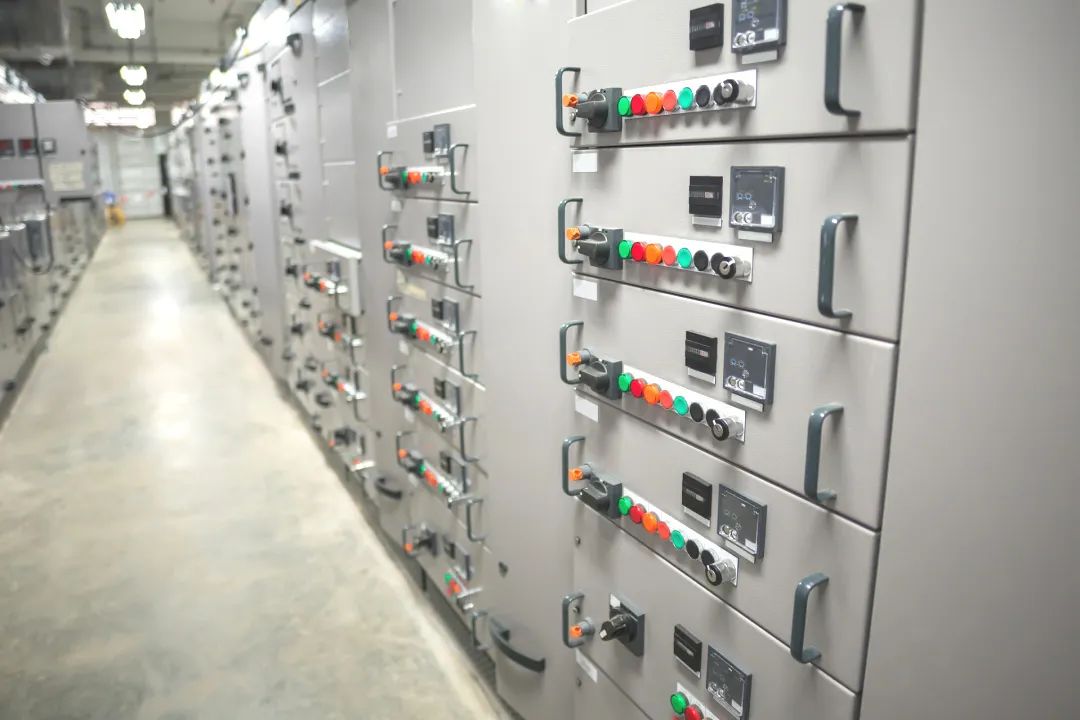
In the daily operations of any business, a stable power supply is critical. High-voltage switchgear is crucial for a company's electrical system.
If it trips without warning, it can cause production to stop. This can create serious safety risks.
Knowing how to diagnose and fix electrical faults is key. It ensures industrial power safety.
I'm Thor, an electrical engineer at Weishoe Electric Co., Ltd. Today, I'll explore common causes of high-voltage switchgear tripping. I'll also explain how to fix them.
I aim to give you practical tips. These will help you solve problems with efficiency and precision. This will keep your company's power efficient and stable. I will also share insights on optimizing your power system.
Common Tripping Causes and Solutions
Overload and Current Surges
Causes: This occurs when the load current is too high for the equipment. It can also happen when motors start.
Motor starts cause quick, temporary current spikes. These spikes can be several times higher than the running current.
Solutions:
Balance or Reduce the Load: Check all electrical equipment. Use a power monitoring system or testers to measure real-time power use.
If you see unbalanced loads, spread out equipment usage times. This helps prevent overloads in specific areas.
If the load on the switchgear is too high, shut down non-essential equipment. You can optimize production processes to reduce power use and improve energy efficiency.
Use current limiters or variable frequency drives (VFDs) to manage starting current. Install a current limiter to regulate the starting current.
This device sets the current limit based on the motor's rated current. This helps prevent damaging surges when starting up.
A variable frequency drive (VFD) offers more flexibility. It controls motor acceleration by gradually increasing the power frequency.
This method ensures a gradual increase in the starting current. It helps manage the load during this important phase.
Short Circuit Faults
Causes: These can result from a short circuit in the wiring. An internal short in equipment, such as a transformer coil, or a bursting light bulb can also cause them.
Solutions:
Inspect wiring, switches, and electrical components. Replace damaged parts.
When doing an electrical safety check, use an insulation resistance tester. It measures the insulation resistance of each wiring section.
A very low reading shows possible insulation damage and a short circuit. This needs a quick wire replacement.
Examine switches and other components for any signs of burning, deformation, or cracks. Replace any faulty parts right away. For example, if a contactor has serious burn damage, replace it with the same model.
Troubleshoot busbars and transformers for short-circuit points. First, turn off the power to the busbars.
Then, ensure safety by grounding them before checking for shorts. Use a specialized short circuit fault locator.
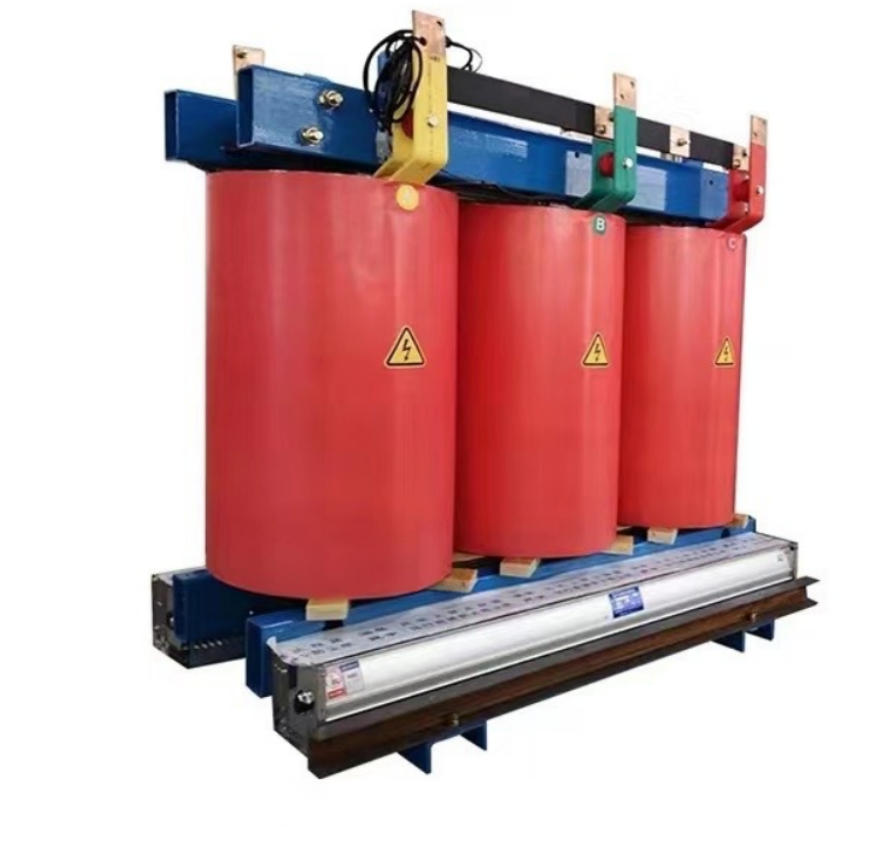
It finds the exact location by sensing magnetic fields or other signs from the fault current. Oil chromatograph analysis can show abnormal gas levels in transformer oil. This often indicates an internal fault for internal transformer shorts.
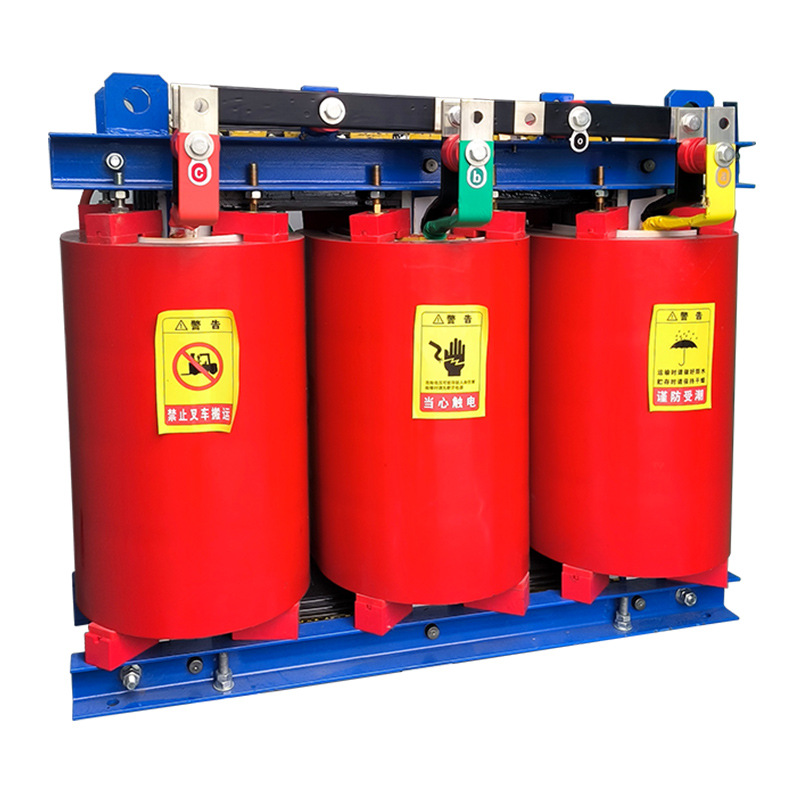
If confirmed, we will need a core inspection. This checks the windings or cores for shorting. Then, we will either repair or replace parts based on where the short circuit is.
Protection Device Issues
Causes: These problems happen when protective devices misfire. This can be due to incorrect settings, old relays, or faulty tap changers.
This results in uneven current distribution.
Solutions:
Adjust Protection Settings: During relay commissioning, set the overcurrent and instantaneous protection settings. Use a professional relay protection tester for accuracy.
These changes need to match the actual operating current, starting current, and maximum fault current of the connected equipment. They must also follow the relevant power design codes and standards.
For example, a line that usually carries 500A has a starting current of 2000A, which is four times greater. To ensure safety, set overcurrent protection at about 800A. Instantaneous protection could be around 3000A.
Always retest to ensure the device works well during faults. This helps avoid nuisance tripping and achieve proper system coordination.
Replace old tap changers or relays. If a tap changer is old, check its contacts. Look for wear or changes in resistance.
If necessary, replace it with a new, compatible unit. Ensure correct and secure wiring during replacement to prevent new faults.
For aging relays, check: Operating time, Reset time, and Contact resistance. This helps to assess their functionality.
If parameters are out of range, replace them with a quality relay that meets the correct specs. Run thorough performance tests. This should include reliability and sensitivity checks. These steps will confirm the electrical equipment's reliability.
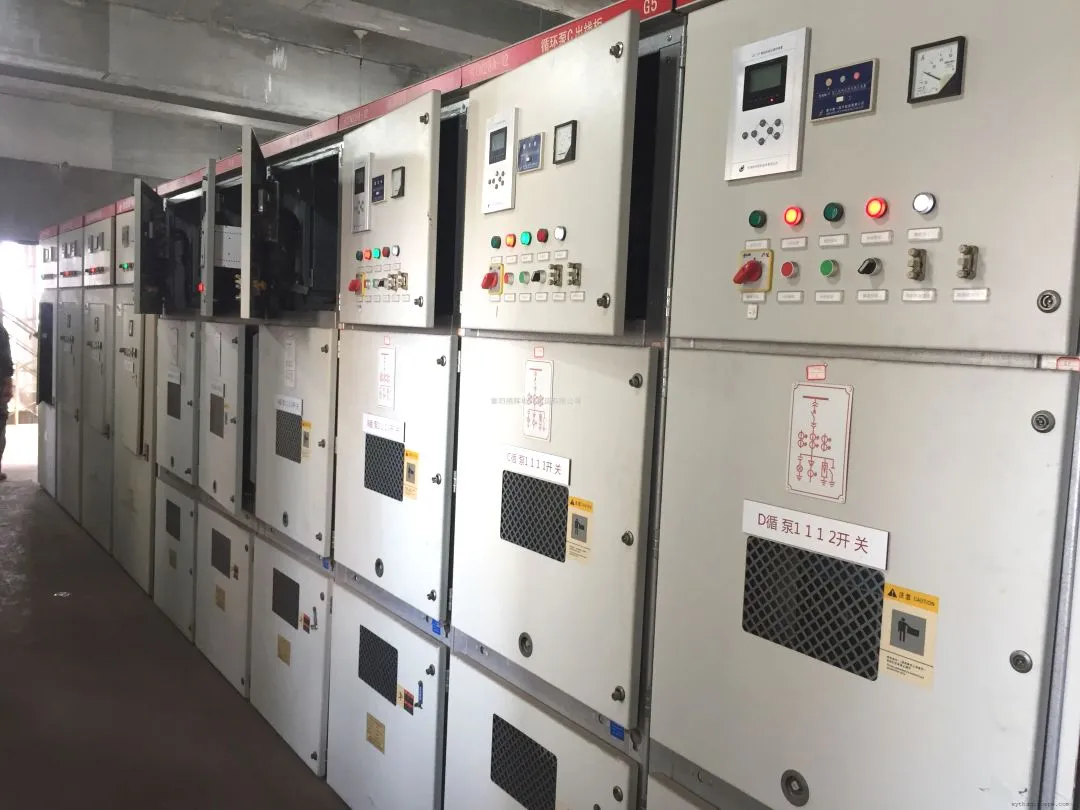
Equipment Aging and Poor Contact
Causes: Aging tap changers, capacitors, and oxidized contacts can cause poor electrical connections.
Solutions:
Inspect and Replace Old Parts Often: Set up a clear inspection plan. Include how often to check (like monthly or quarterly) and which parts to inspect.
Focus on aging components, such as tap changers and capacitors. Inspect the tap changers for any visible damage.
Then, use special tools to confirm resistance stability and change accuracy. For capacitors, measure capacitance and dissipation factors to assess performance degradation.
Replace tap changers if the resistance changes a lot. Also, replace capacitors if their capacitance falls below 10% of the nominal value. Always follow installation manuals for new component installation.
Clean Oxidized Contacts: First, turn off the equipment and ensure safety. Then, clean the oxidized contactors or plug contacts.
Use sandpaper or a special contact cleaner to gently remove the oxidation. Keep going until the metal shines. Be gentle to avoid damaging the contacts.
Next, spread a thin layer of conductive grease. This helps lower contact resistance and stops future oxidation. Check the contact pressure.
If it is not enough, adjust the contactor's mechanical structure. This will help ensure a strong electrical connection and fix poor contact issues.
Environmental and Operational Factors
Causes: These include changes in operating conditions. Examples are high temperatures, humidity, or operational overvoltages.
This can happen when vacuum circuit breakers interrupt inductive loads.
Solutions:
Optimize Environmental Conditions (Ventilation and Cooling): Ensure good ventilation in the switchgear room. Use axial fans or industrial exhaust fans for this.
This helps air circulate quickly and cool down the space. Strategically place vents for optimal airflow.
In hot summer months, use an air conditioning system. Keep the switchgear room between 20-40°C. Also, regularly check the ventilation systems. Clean fan blades to ensure they work well.
Install lightning arresters or RC snubbers to control overvoltage. Place them at the incoming and outgoing ends of the high-voltage switchgear.
Make sure they match the system voltage and overvoltage conditions. These devices quickly divert overvoltage energy to the ground, protecting internal electrical equipment.
For frequent overvoltages, such as when vacuum circuit breakers manage inductive loads, use RC snubbers. RC snubbers use resistors and capacitors to absorb overvoltage.
They reduce both their strength and length. This helps with surge suppression and maintains the smooth operation of the switchgear. Always follow product manuals for correct wiring and commissioning.
Cable Faults
Causes: Cable faults often result from phase-to-phase short circuits. A single-phase short circuit can turn into a two- or three-phase short if it lasts too long.
Solutions:
Find the Fault Point: Use a pro cable fault locator. Use both the low-voltage pulse method and the high-voltage flashover method. This way, you can ensure thorough testing.
The low-voltage pulse method works well for finding low-resistance shorts and open circuits. It identifies faults by looking at reflected pulses.
For high-resistance shorts, the high-voltage flashover method causes arcing at the fault point. This helps locate the fault by detecting the pulse signals that follow. When testing, observe all branches and joints with close attention. These are common spots for faults.
Re-energize Only After Fault Resolution: First, find the fault. If the insulation damage is small, you can fix it. Use cable insulation repair materials. Follow the steps for cleaning, preparing, and applying the material.
For severe, irreparable damage, replace the faulty cable section. Make sure the new cable matches the original specs. Also, ensure connections are secure through crimping or welding. This keeps electrical and mechanical integrity intact.
After fixing or replacing the cable, use the cable fault locator to retest it. This confirms the fault is fully cleared before turning the power back on.
Voltage Transformer (VT) Faults
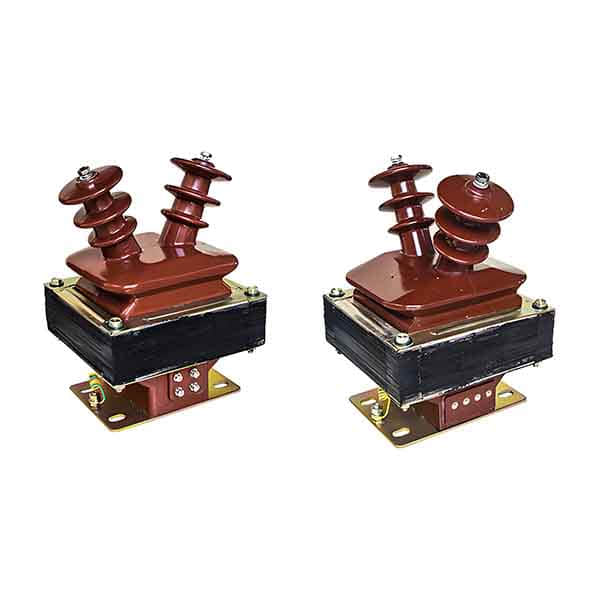
Causes: VT faults typically involve the primary fuse blowing. This can happen due to short circuits between turns, layers, or phases. It may also be caused by a ground fault in one phase of the VT.
An oversized secondary fuse can also lead to primary fuse failure. If one phase of a 10 kV power supply is grounded, the voltage of the other two phases can rise by three times. This can lead to too much current, which may burn out the fuse.
Solutions:
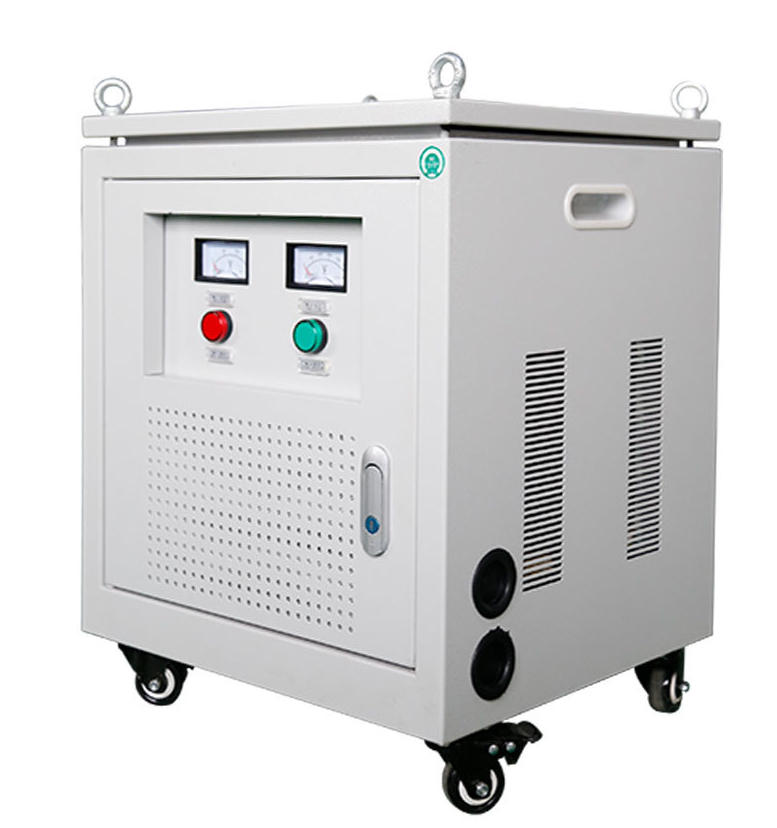
To blow the primary fuse: First, de-energize the voltage transformer. Then, follow safety procedures. Use grounding and put up warning signs.
Check the VT for smoke, strange smells, or bulging. These signs may point to internal short circuits. Check the insulation resistance of these parts using an insulation resistance meter: primary winding, secondary winding, and winding to the ground.
If readings are low, insulation damage is likely. If the fuse blew due to an internal fault, contact qualified repair personnel. They can help with service or replacement. Replace the fuse with one that has the same specifications. This ensures that the current rating and tripping features are correct.
For Oversized Secondary Fuse: Re-evaluate the actual current draw of the secondary load. Find the right secondary fuse rating.
First, add up the total current needed for all connected instruments and relays. Then, include a safety margin. Replace the fuse with one that matches this calculation.
Then, check the secondary circuit. Make sure the wiring is correct and secure. Look for any shorts or open circuits. Check and maintain secondary load devices often. This prevents unusual current spikes that could damage fuses or the voltage transformer.
For a 10 kV single-phase ground fault: Activate emergency protocols right away. Notify the relevant personnel. Share information about possible power fault risks.
Quickly gather experts to inspect the 10 kV supply system. Focus on wiring and equipment insulation to find the ground fault. Tools like insulation resistance testers and fault indicators can assist.
Rank outdoor areas before indoor ones during the inspection. Focus on the main lines first, then the branches. This will help narrow down the search. Once you find the ground fault, repair any insulation damage. If needed, replace faulty parts. Once the fault is cleared, run a full system test. This checks that all parameters are normal before restoring power. Increase daily system checks and maintenance. Regularly test insulation performance to identify and address any safety issues promptly.
Lightning Arrester Faults
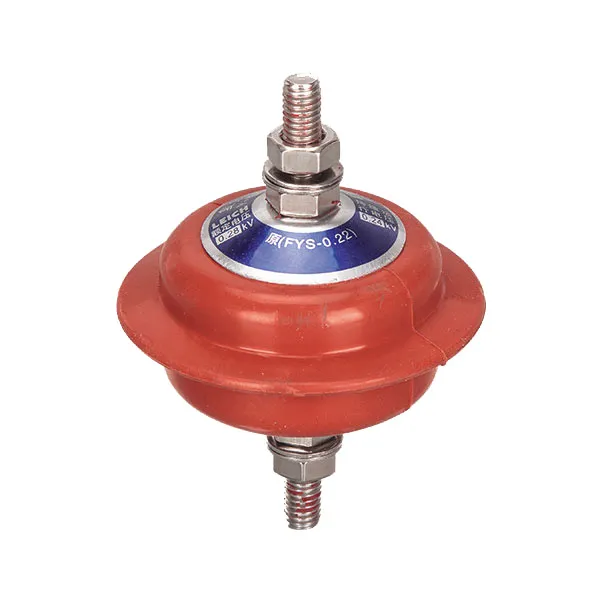
Causes: Lightning arresters are crucial protective components that require regular maintenance. Faults usually involve damage to magnetic insulation or can result in direct explosions.
We must replace the faulty lightning arrester immediately.
Solutions:
Regular Inspection: Create a lightning arrester inspection plan. Set the inspection frequency to at least once a year for a thorough check.
Base procedures on the type of arrester, the environment, and the relevant standards. Check the arrester's porcelain casing during inspection. Look for cracks, damage, and discharge marks. Also, examine the metal parts for corrosion or deformation. Use specialized lightning arrester testing tools. Measure key electrical performance parameters. These include insulation resistance, DC reference voltage, and leakage current. Compare readings against initial parameters and standards to assess functionality. Consider replacing arresters with significant performance degradation or a long service life.
If a lightning arrester has damaged insulation, low resistance, or explodes, act right away. First, de-energize related equipment and ensure safety.
Follow the operating procedures to remove the faulty arrester. Be sure to protect nearby equipment and personnel from any leftover energy or debris. Install a new arrester with the same model and specifications. Make sure it is installed correctly and securely. After replacing it, check the new arrester's electrical performance. This ensures it works well before you slowly restore power. Document the fault well. This helps identify the cause. Then, you can manage maintenance better to avoid it from happening again.
Current Transformer (CT) Faults
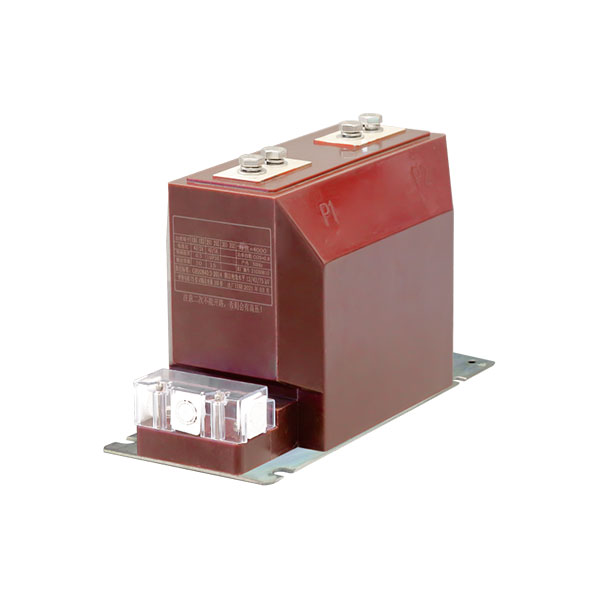
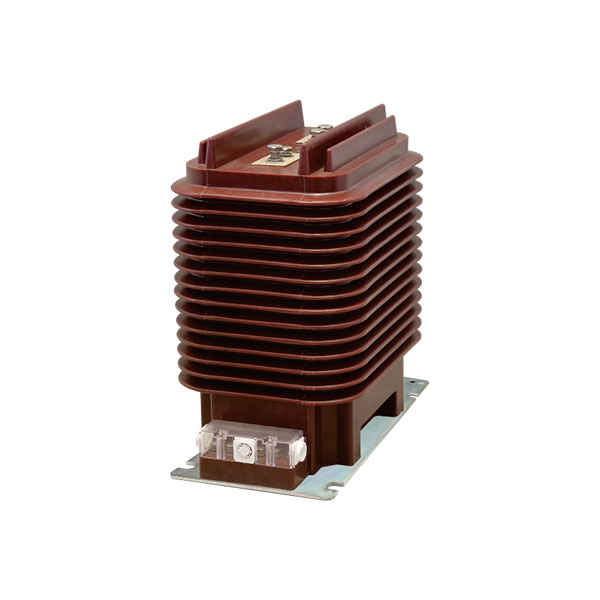
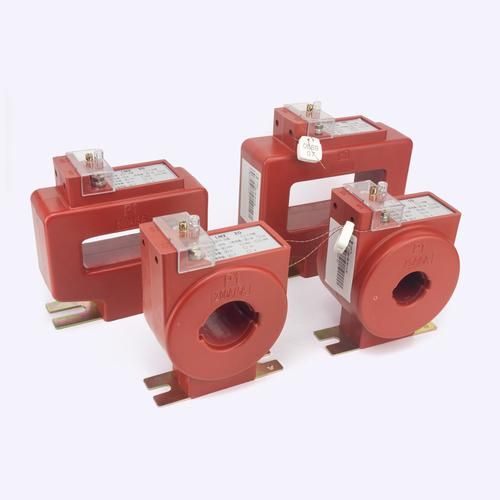
Causes: CT faults often come from core overheating. This can seriously damage the CT or even cause it to explode.
Abnormal noise during operation can come from: an overloaded CT, an open secondary circuit, or damaged insulation. When this happens, we need to analyze the cause and take steps to fix the issue.
Solutions:
For Core Overheating: Check the circuit load linked to the CT right away. Use a power check to measure the current and see if there is an overload.
If so, reduce or balance the load as described earlier to bring the CT's operating current back to normal. Also, check the CT's ventilation to ensure good airflow and no obstructions.
If overheating comes from an internal problem with magnetic flux, turn off the CT. Then, call a professional for disassembly, inspection, and repair. After repairs, do thorough electrical tests and temperature rise tests. This ensures the overheating problem is fixed before you turn the power back on.
For Open Secondary Circuit: If a CT secondary circuit opens, wear safety gear. De-energize the related equipment right away. This stops high voltages from hurting equipment or people.
Carefully inspect the secondary circuit wiring for loose connections, disconnections, or breaks. For loose connections, re-tighten terminals.
Replace broken parts in the secondary circuit right away. This includes bad relay contacts and blown fuses. First, fix the open circuit. Then, use a multimeter to check the secondary circuit for continuity. You can restore power gradually at last. To prevent this from happening again, add a line break protection device to the secondary circuit. This device will check its integrity and alert you if an open circuit occurs.
De-energize the CT. Also, use strict safety measures for insulation damage that causes discharge. Use specialized tools for insulation testing.
These include an insulation resistance tester and a partial discharge detector. These tools help you check the CT's insulation performance. They also find the extent and location of any damage.
For small insulation damage, use the right repair materials if they are allowed. Then, retest to make sure it meets standards before re-energizing. If damage is severe and irreparable, replace the CT. During replacement, strictly follow installation guidelines to ensure quality.
Inspect and improve the CT's operating environment. This helps prevent insulation damage from humidity or contamination. Boost daily patrols and maintenance. Test insulation often to find and fix problems quickly.
Special Tripping Types
Zero-Sequence Tripping
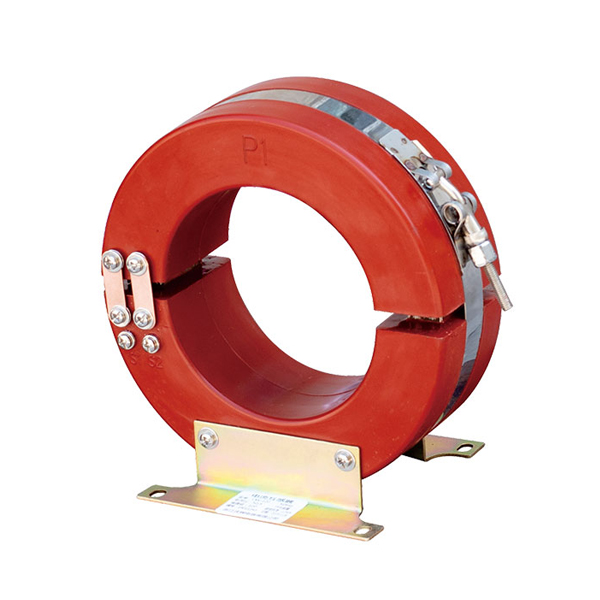
Causes: This shows a ground fault in the line, a capacitor issue, or an unbalanced three-phase load.
Solutions:
Check Grounding Resistance: Use a grounding resistance tester to measure the line's resistance. Compare the measured value with relevant standards.
If it is outside the acceptable range, it suggests poor grounding or a ground fault. If you find issues, fix or strengthen the grounding connection. You can reinstall the grounding electrode to ensure it meets the resistance requirements. If an electrode's resistance increases due to soil corrosion, consider replacing it. Use corrosion-resistant materials, such as copper-clad steel. Add a grounding resistance-reducing agent to significantly lower the resistance.
Replace Faulty Capacitors: Visually inspect capacitors for bulging, leaks, or cracks. Use a capacitance meter to measure capacitance.
If the capacitor changes a lot or tests show shorts or open circuits, replace it with a new one of the same type. First, discharge the capacitor safely with a discharge resistor. Install it in the proper manner and ensure that the wiring is secure.
Adjust Three-Phase Load: Use power monitoring equipment to continuously check three-phase current. Calculate load imbalance to determine its severity.
For unbalanced loads, move single-phase loads from higher-current phases to lower-current ones. This helps balance the loads better. Check and adjust the three-phase load at regular intervals. For complex imbalances, use a smart load-balancing device. It adjusts load distribution based on real-time current data. This keeps the three-phase current imbalance under 10%, optimizing balance.
Upstream Tripping (Cascade Tripping)
Causes: This occurs when an upstream protection device trips unexpectedly. It can also happen if a downstream protection device fails to operate.
Solutions:
Optimize Protection Device Coordination Logic: Have experts review and analyze the protection devices in the power system. Reassess the operating times and current settings for each protection level.
Use real operating conditions, equipment parameters, and short-circuit current calculations. Use "staged coordination for selective operation." Make sure downstream protection devices react 0.3 to 0.5 seconds quicker than upstream ones.
This creates a cascading protection scheme. Use a relay protection tester. It simulates faults and checks if the protection devices work accurately and reliably. If nuisance tripping occurs, check the wiring. Also, look for interference in the secondary circuit. If needed, replace devices with more stable ones to ensure proper relay protection.
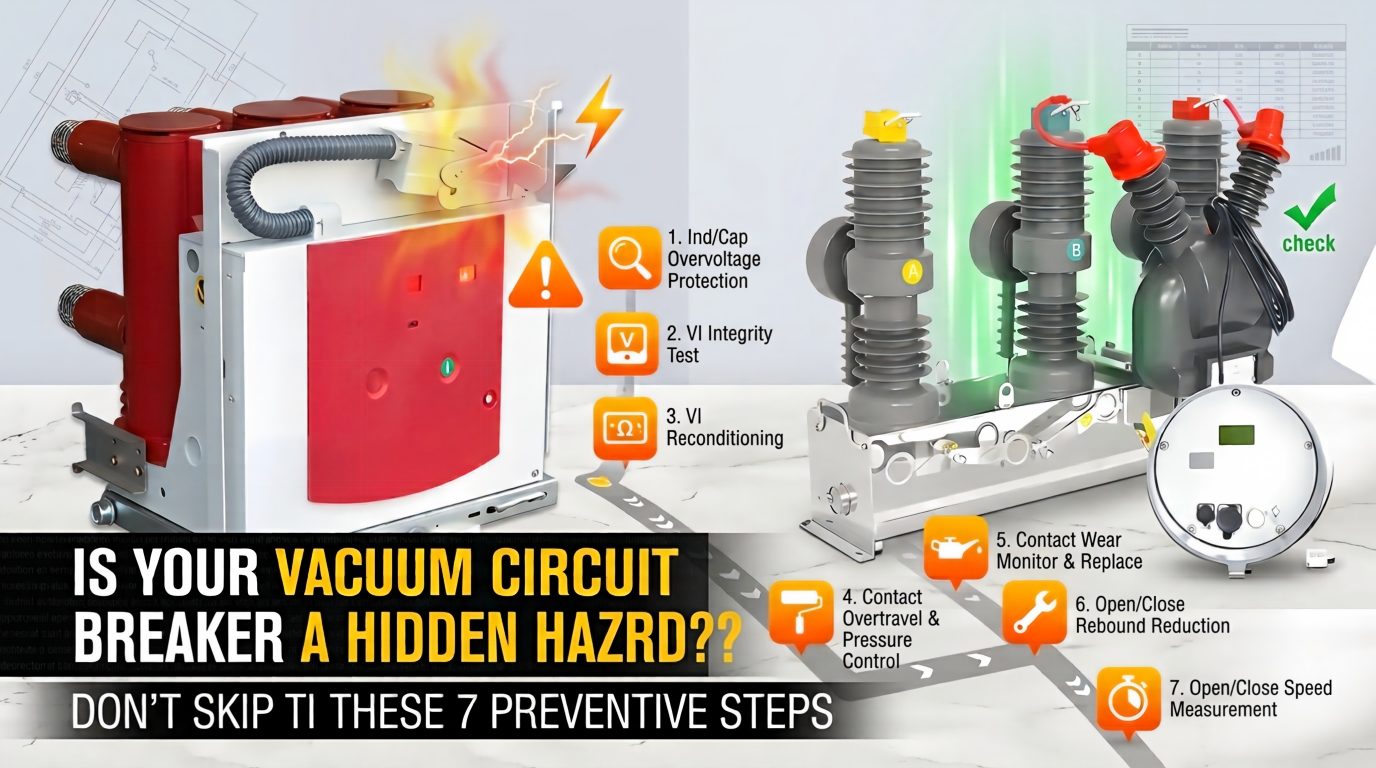
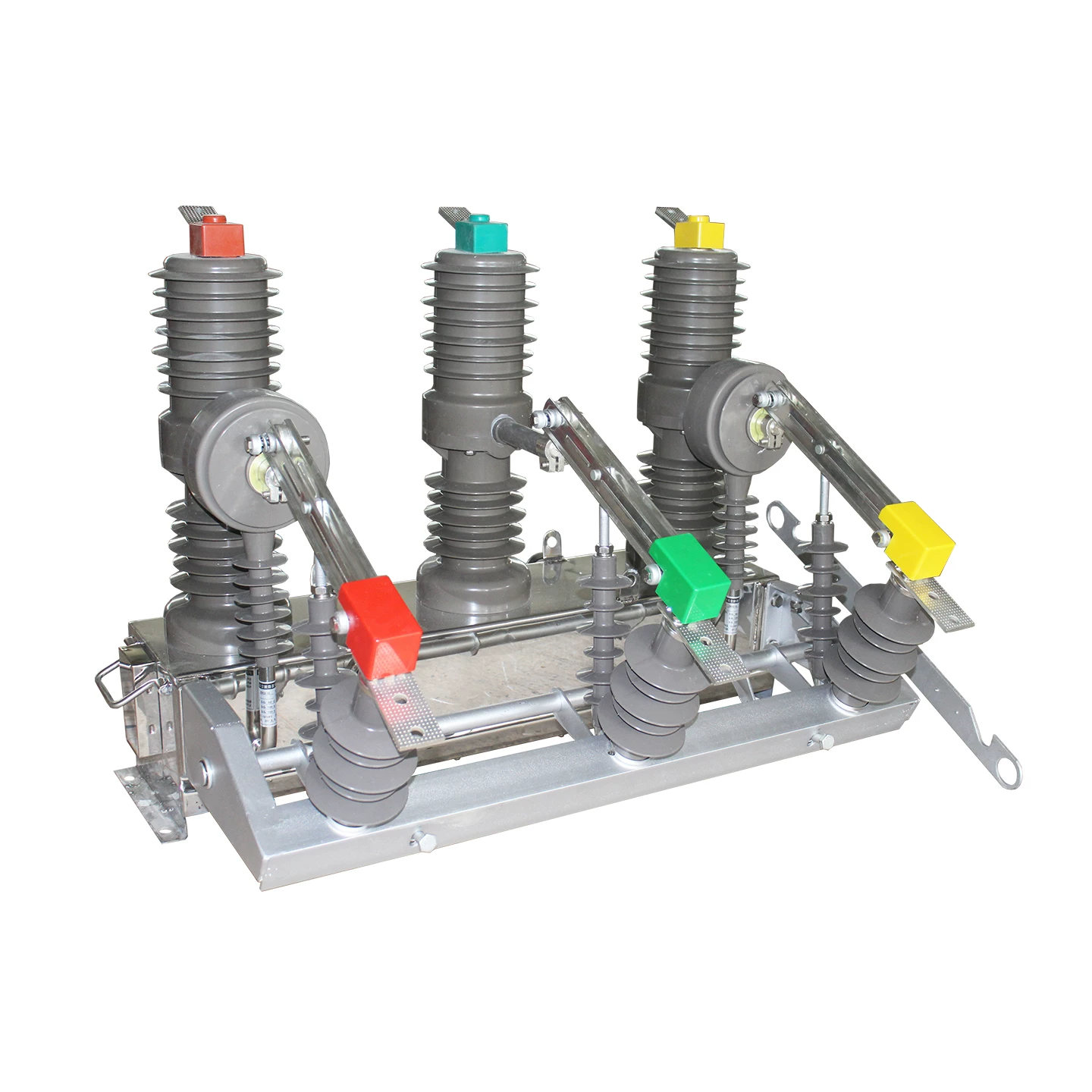
Check Circuit Breaker Performance: Review the operating time of each circuit breaker. Assess its breaking capacity. Test the closing reliability.
Use a high-voltage switchgear tester to check key parameters. Measure intrinsic opening and closing times. Also, check synchronicity. Compare your results with the manufacturer's specifications.
Long operating times or low breaking capacity can slow down fault clearing. This may lead to upstream tripping. Repair or replace circuit breakers that do not meet requirements.
During repairs, check the contact wear and spring energy storage. Also, inspect the hydraulic and pneumatic system seals. This will help restore the circuit breaker's performance. Regularly test to ensure reliability in both normal and fault conditions. This helps prevent protection failure.
Maintenance and Management Recommendations
Regular Inspections
Comprehensive inspections use an infrared thermal imager to find hotspots. Hotspots can occur at electrical connections.
This includes busbar joints and circuit breaker contacts. Also, the inspections check cable insulation for any damage or signs of aging.
Parameter Optimization
High-voltage switchgear load conditions will change as equipment and production processes evolve. It's important to review and optimize protection device settings at least once a year.
Recalculate the rated currents, greatest load currents, and short-circuit currents. Use the actual power consumption data for this. Then, adjust the settings for overcurrent, instantaneous, and zero-sequence protection as needed.
Keep up with new power industry technologies and standards. Upgrade protection devices to improve sensitivity and reliability when necessary.
Integrating smart diagnostic functions into protection devices offers many benefits. First, it enables real-time monitoring. Then, it allows for automatic fault analysis. Immediate alarms also provide accurate information for resolving faults. This integration helps optimize the power system.
Emergency Handling Procedures
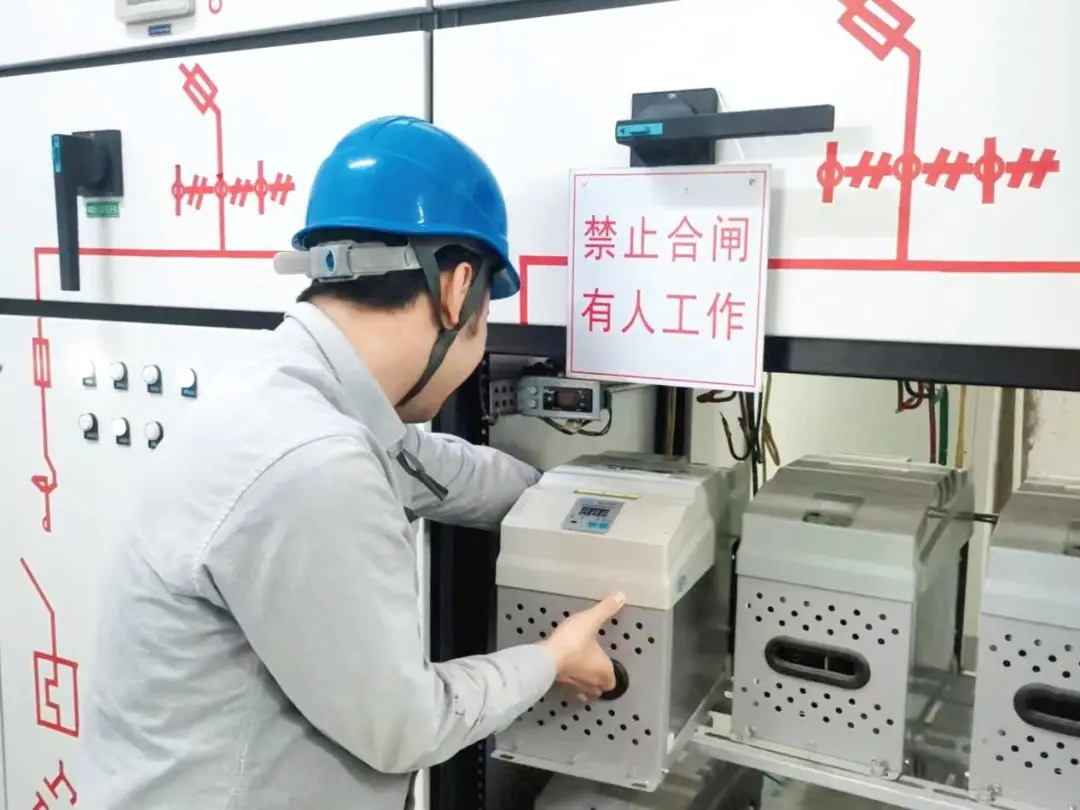
Create a detailed emergency response plan for high-voltage switchgear tripping. Also, train and drill staff regularly so they can act quickly and smoothly when a trip occurs.
When switchgear trips, operators should first check the indicator lights and meters. Also, they need to look at the protection device actions to find the likely cause. For minor overloads or short circuits, first confirm the fault is cleared. Then, close the isolator and circuit breaker to restore power.
If the cause is unclear or the issue is serious, report it right away. Then, contact a professional for electrical maintenance. While you wait for them, put up warning signs. This will keep unauthorized people out. Document the trip. Include the time, pre-trip status, and actions of protection devices. This will help with future fault analysis.
Conclusion
In power system operation, any unexpected event can disrupt production and daily life. Weishoe Electric Co., Ltd. is a top manufacturer and supplier of quality electrical solutions.
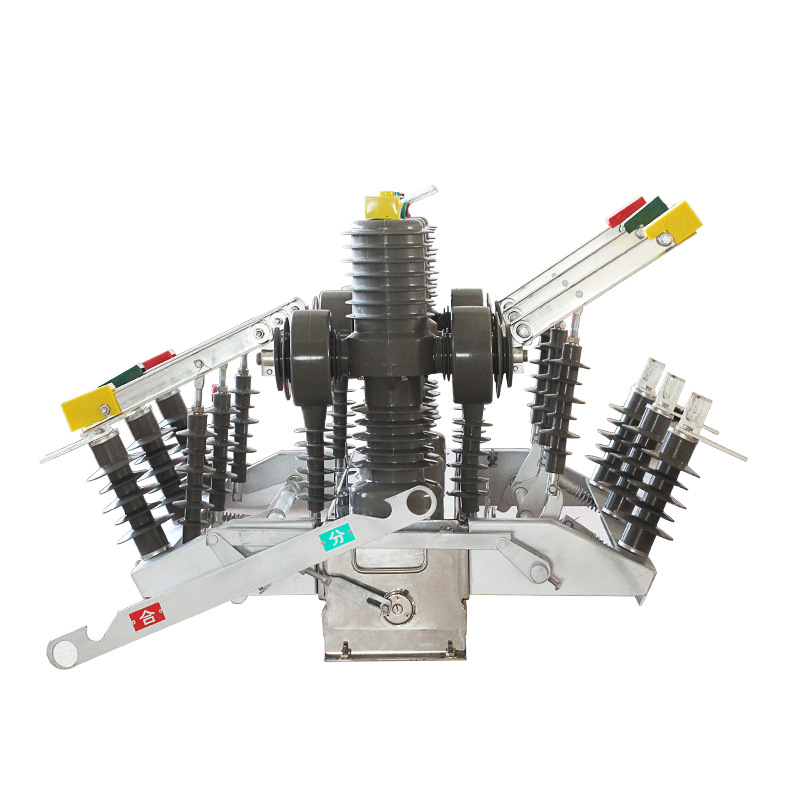
We offer automatic reclosers, vacuum circuit breakers, switchgear, and prefabricated substations. We have over ten years of experience.
We provide reliable, innovative, and customizable electrical products. Our products meet international standards like UL, IEC, and ANSI. We provide fault diagnosis and efficient solutions. They boost power distribution efficiency, improve grid reliability, and enhance system automation. This applies to industrial, commercial, and utility sectors globally. We also focus on preventive maintenance.
If you have issues with high-voltage switchgear tripping, reach out for help. I work as an electrical engineer at Weishoe Electric Co., Ltd.
My team and I provide reliable electrical solutions. We use our skills and experience to keep your power systems running smoothly.
Contact Us:
Phone: +86-0577-62788197 WhatsApp: +86 159 5777 0984 Email: [email protected]
Frequently Asked Questions (FAQ)
Q1: Are all electrical cabinet sizes the same?
A1: No, they're not.
Electrical cabinet sizes depend on three main factors:
Voltage level
Current capacity
Equipment complexity
High-voltage incoming cabinets are larger than low-voltage outgoing cabinets in most cases. Weishoe Electric can provide customized electrical cabinet solutions to meet specific client needs.
Q2: What are the main aspects of routine electrical cabinet maintenance?
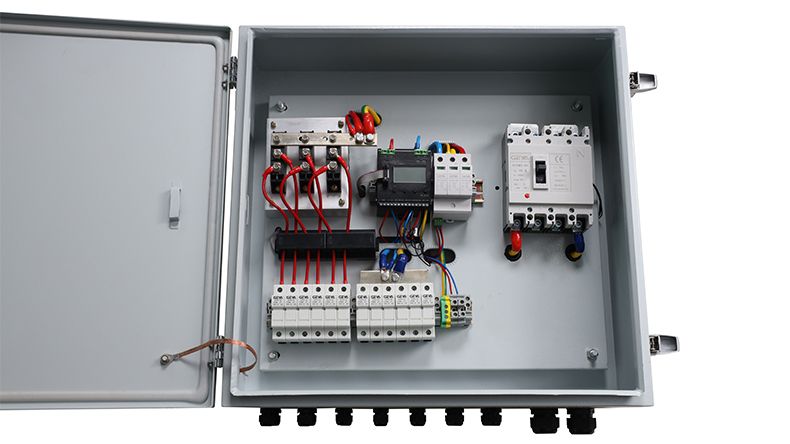
A2: Routine maintenance involves checking the cabinet for damage. It also includes cleaning out dust and ensuring connections are tight. It also includes testing protective devices like circuit breakers. Plus, it monitors the status of current and voltage transformers and meters. Regular maintenance is key to ensuring the long-term, stable operation of the equipment.
Q3: How do smart power distribution systems affect the functionality of these electrical cabinets?
A3: Smart power distribution systems use sensors, communication modules, and control units. This setup helps electrical cabinets with remote monitoring, self-diagnosis, and automation. Smart tie cabinets can switch in the blink of an eye. This greatly improves the reliability of the power supply.
Q4: Why is an isolation cabinet so crucial for maintenance safety?
An isolation cabinet provides clear separation between maintenance and live areas. It has a visible disconnect point and several interlock systems. This design removes the risk of electric shock completely. It is the last and most important barrier for keeping electrical workers safe.
Q5: What kind of support can Weishoe Electric provide in the electrical cabinet field?
A5: Weishoe Electric is a power equipment supplier based in China. We make high-quality electrical cabinets, including incoming, outgoing, and metering cabinets. Our main clients are in Europe, America, and other international markets. We offer custom designs, technical consulting, and after-sales support. This helps maintain the safe and efficient operation of your power systems.