Introduction
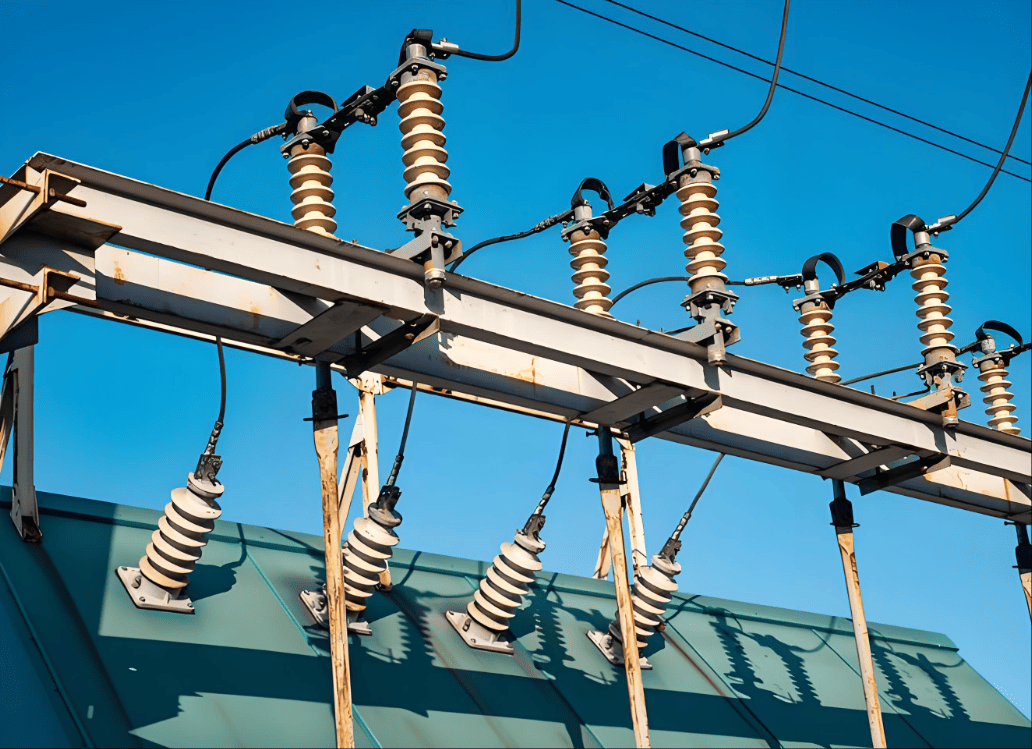
High-voltage isolators play a crucial role in modern power transmission and distribution systems.
They ensure maintenance safety and directly impact system reliability and operational efficiency.
This guide provides a comprehensive overview from a high-voltage electrical engineer’s perspective.
It covers definitions, operating principles, types, selection logic, installation, maintenance, international case studies, and cost analysis.
Real-world project data, standard interpretations, operation tables, and ROI calculations are included.
These insights offer practical and credible guidance for engineers and project managers worldwide.
What is a High Voltage Isolator?
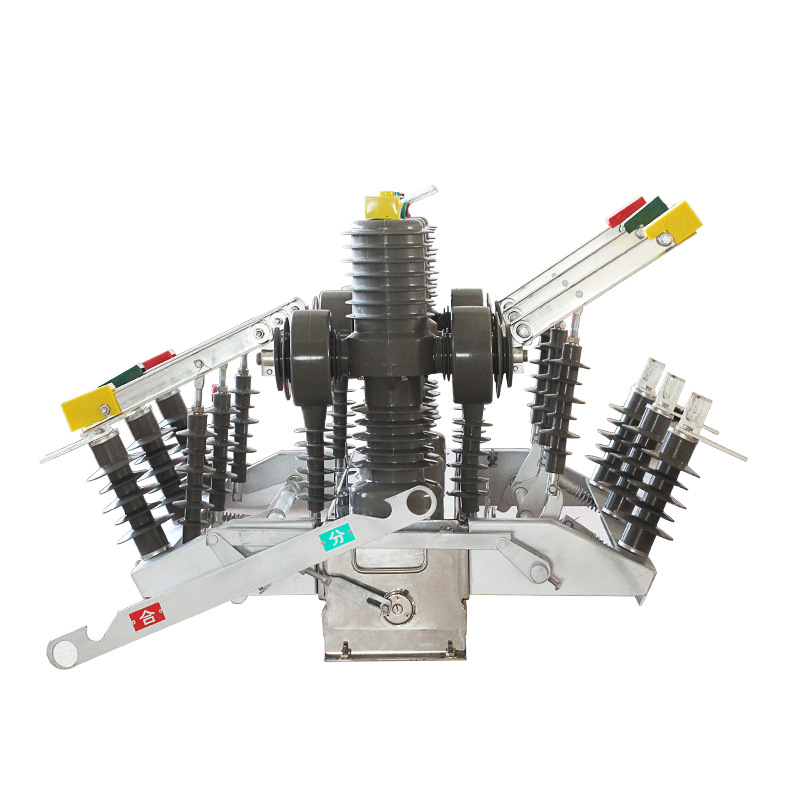
A high-voltage isolator is a mechanical switch used to safely disconnect electrical circuits.
It is installed to allow maintenance work without exposing personnel to live conductors.
High voltage isolators are more complex than low voltage ones.
They must meet strict mechanical, insulation, environmental, and safety requirements.
Key Functions
Safely disconnect high voltage circuits to prevent electrical hazards.
Provide visible break points to confirm full disconnection.
Work together with grounding switches for total isolation.
Reduce human error and improve system reliability.
Keywords embedded: what is an isolator in electrical engineering, what is an isolator in electrical
How Does a High Voltage Isolator Work?
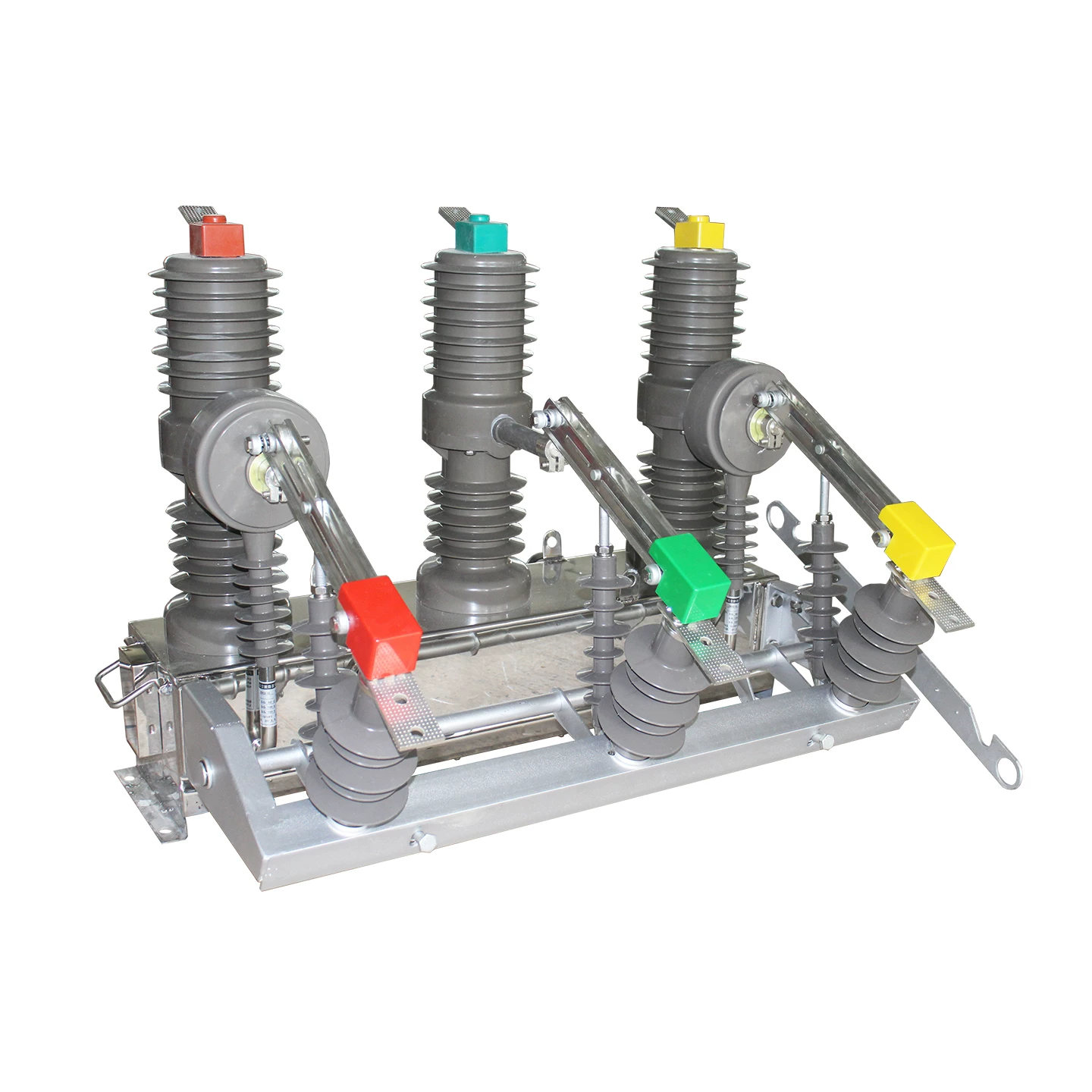
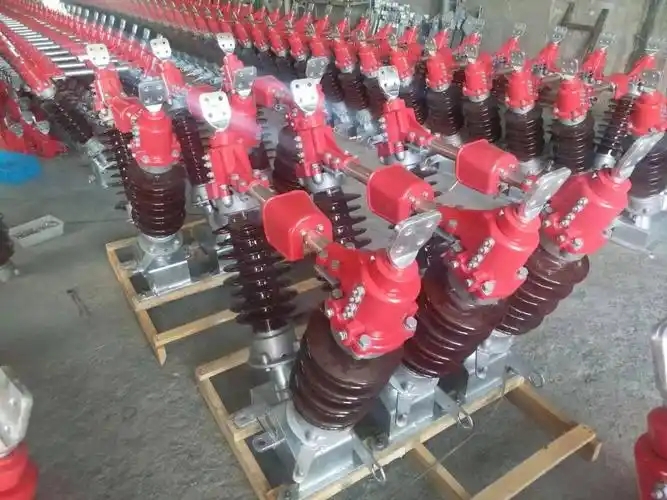
High-voltage isolators operate mechanically to open or close the conductive path.
Their components are designed to safely carry high currents while allowing precise operation.
| Component | Function |
|---|---|
| Moving Contact | Opens or closes the circuit to control current flow |
| Fixed Contact | Provides a stable electrical connection |
| Operating Mechanism | Manual or motorized actuation |
| Grounding Blade | Grounds the circuit after disconnection for safety |
Operating Procedure
Verify the circuit’s voltage status before any operation.
Open the isolator manually or remotely.
Ensure the moving contact fully disengages.
Check that the visible break point is separated.
Operate the grounding blade to achieve full isolation.
Close the isolator in reverse order after maintenance.
Types of High Voltage Isolators
Knife Blade Isolator: Classic outdoor design.
Simple structure and easy to maintain.Post Insulator Mounted Isolator: Mounted on insulator posts.
Ideal for high wind or humid environments.Composite Insulator Isolator: Uses advanced composite materials.
Reduces maintenance frequency in polluted areas.Indoor High Voltage Isolator: Designed for GIS or indoor switchgear.
Saves space and supports remote operation.
Selection, Installation, and Maintenance
Selection Guidelines
| Parameter | Recommendation | Details |
|---|---|---|
| Voltage Rating | Match system nominal voltage | Common ratings: 11kV, 33kV, 66kV, 110kV |
| Current Capacity | Match load and short-circuit current | Ensure contacts and conductors handle operational and fault currents |
| Installation Environment | Indoor/outdoor, pollution level | Composite insulators are recommended for harsh conditions |
| Operation Type | Manual or motorized | Remote control preferred for automation and monitoring |
| Maintenance Requirements | Lubrication intervals, contact life | Shorter intervals for high-pollution environments |
Installation and Maintenance Tips
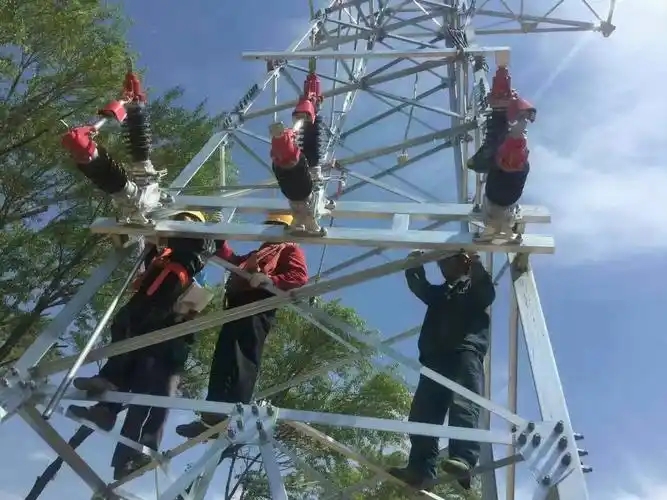
Ensure visible break points to verify safe isolation.
Regularly check contact wear, mechanical lubrication, and insulator integrity.
Never operate the grounding blade before confirming full disconnection.
Follow IEC and IEEE standard procedures during operation.
International Project Case Studies
| Project | Country | Voltage | Model | Key Insights |
|---|---|---|---|---|
| North Sea Offshore Wind Substation | Germany | 33kV | GIS HV Isolator | Composite insulation reduced maintenance by 50%. Salt spray corrosion required protective coating. |
| California Transmission Line | USA | 66kV | Outdoor Post Insulator Isolator | Wind-induced vibrations caused contact instability. Anti-vibration design solved the issue. |
| Manchester Industrial Substation | UK | 11kV | Knife Blade Isolator | Visible break points and mechanical interlocks improved safety and minimized human error. |
| Rotterdam Port HV System | Netherlands | 110kV | Composite Insulator Isolator | High pollution environment. Composite material extended service life from 15 to 25 years. |
| Houston Industrial Park | USA | 33kV | Post Insulator Isolator | High temperatures caused contact misalignment. Adjusted installation spacing solved the problem. |
Standards and Compliance
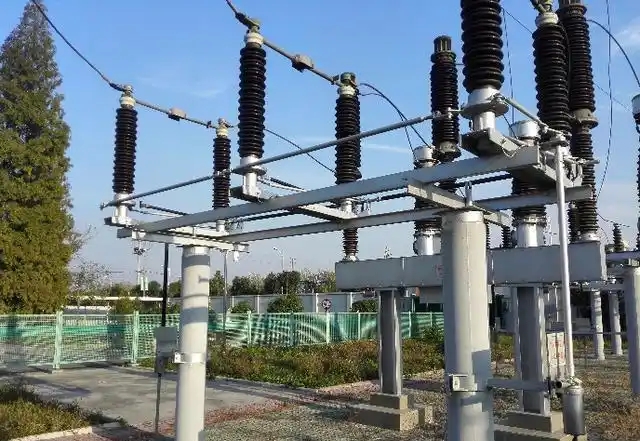
IEC 62271-102: High voltage disconnectors and grounding blades standard.
Specifies contact spacing, grounding procedures, and safety clearances.IEEE C37.30: Operation and safety requirements for HV switches and disconnectors.
Covers mechanical life, operation frequency, and insulation performance.
External reference links:
Cost Analysis and ROI
| Factor | Considerations | Real-World Example |
|---|---|---|
| Procurement | Model, voltage rating | 33kV composite isolator ~$10,000 per unit |
| Installation | Civil works, supports, cabling | Offshore wind farms ~$2,000 per unit |
| Maintenance | Frequency, lubrication, inspection | Composite isolators reduce maintenance by 50% |
| Service Life | Material and environment adaptation | Traditional knife blade ~15 years, composite ~25 years |
| ROI | Total cost vs downtime savings | Composite isolators reduce outage costs, ROI ~20% |
Frequently Asked Questions (FAQ)
Can high-voltage isolators operate under load?
No. They are designed for isolation only. Load switching requires a load break switch or circuit breaker.
Why must grounding blades be confirmed before operation?
They ensure the circuit is fully grounded. Prevents accidental energization and complies with IEC standards.
How often should high-voltage isolators be maintained?
Typically, every 6–12 months for mechanical inspection and contact lubrication. Composite isolators can extend intervals beyond 12 months.
What is the difference between composite and traditional knife blade isolators?
Composite isolators offer higher pollution resistance and longer lifespan. Knife blade designs are lower cost but more sensitive to environmental factors.
How can you verify that an isolator is safely disconnected?
Check the visible break point and mechanical interlocks. Measure with a voltage detector to ensure no voltage is present.
In what environments are high-voltage isolators suitable?
Indoor GIS, polluted outdoor areas, offshore wind farms, and industrial substations. Model selection depends on insulation and environmental requirements.
Conclusion
High-voltage isolators are essential for ensuring the safety and reliability of power systems.
Proper selection, correct installation, and regular maintenance effectively reduce outage risks and operational costs.
International case studies show that composite materials and advanced designs significantly enhance service life and safety.
Understanding standards, mastering operation procedures, and learning from real-world projects is critical for every high voltage engineer.
Applying this knowledge allows engineers to deliver practical safety and economic value for their projects.
Author and Company Information
Author: Thor | High Voltage Electrical Engineer
Company: Wei Shoe Electric Co., Ltd.
Contact: Phone: +86-0577-62788197 | WhatsApp: +86 159 5777 0984 | Email: [email protected]