In today's power systems, high-voltage transmission networks are like the "arteries" that keep society running. High-voltage insulators are the key safety protectors of these systems. This article aims to analyze how high-voltage insulators work. This document will serve as a helpful guide for energy professionals, researchers, and anyone interested in power infrastructure.
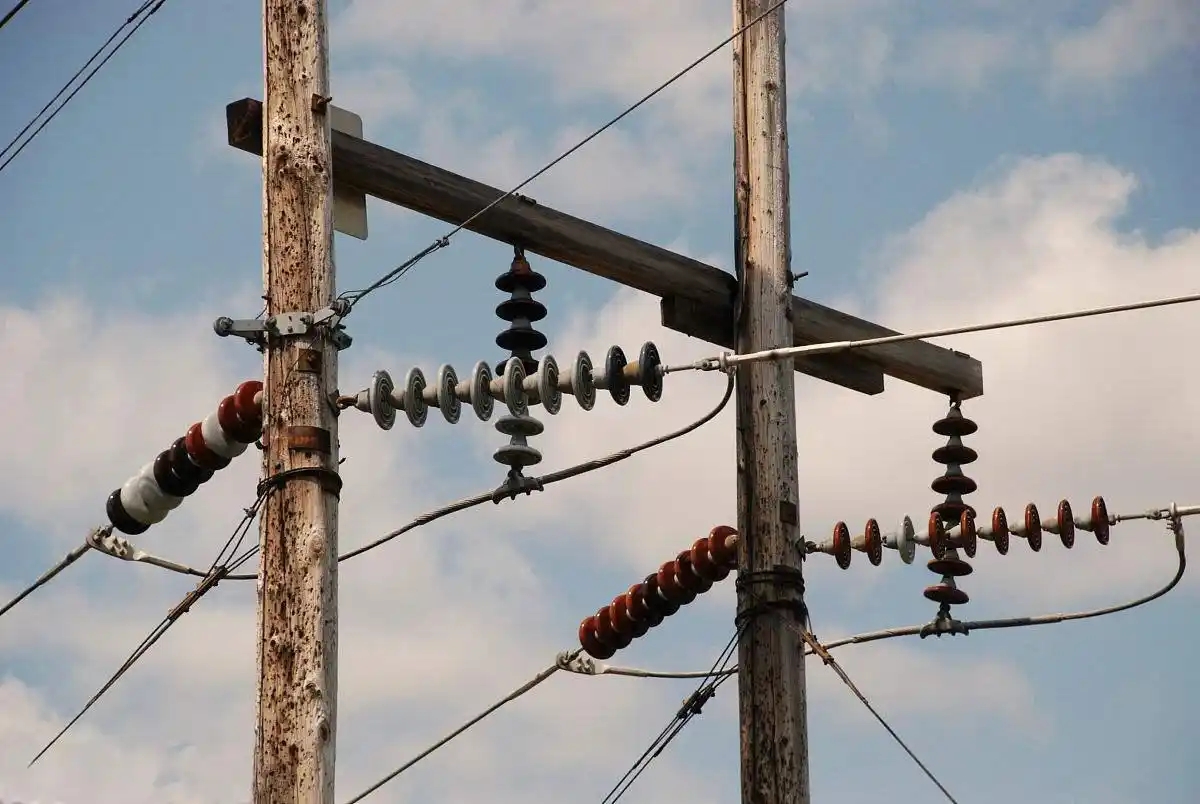
High Voltage Lines and Insulators
High-voltage power lines are not unfamiliar to most people, as we often see them along the roads. If you look closely, you may see white ceramic objects placed between the high-voltage lines and towers. These white ceramic objects are usually disc-shaped and come in different sizes. They all serve the same purpose: to increase creepage distance and provide insulation.
What Are High-Voltage Insulators?
A high-voltage insulator is a special material. It can handle the strong electric fields of high-voltage electricity. At the same time, it keeps the power line insulated.
High-voltage transmission lines carry extremely high voltage, which makes the role of insulators especially important. They protect high-voltage lines from electrical interference. They also stop electric current from affecting the environment and living things.
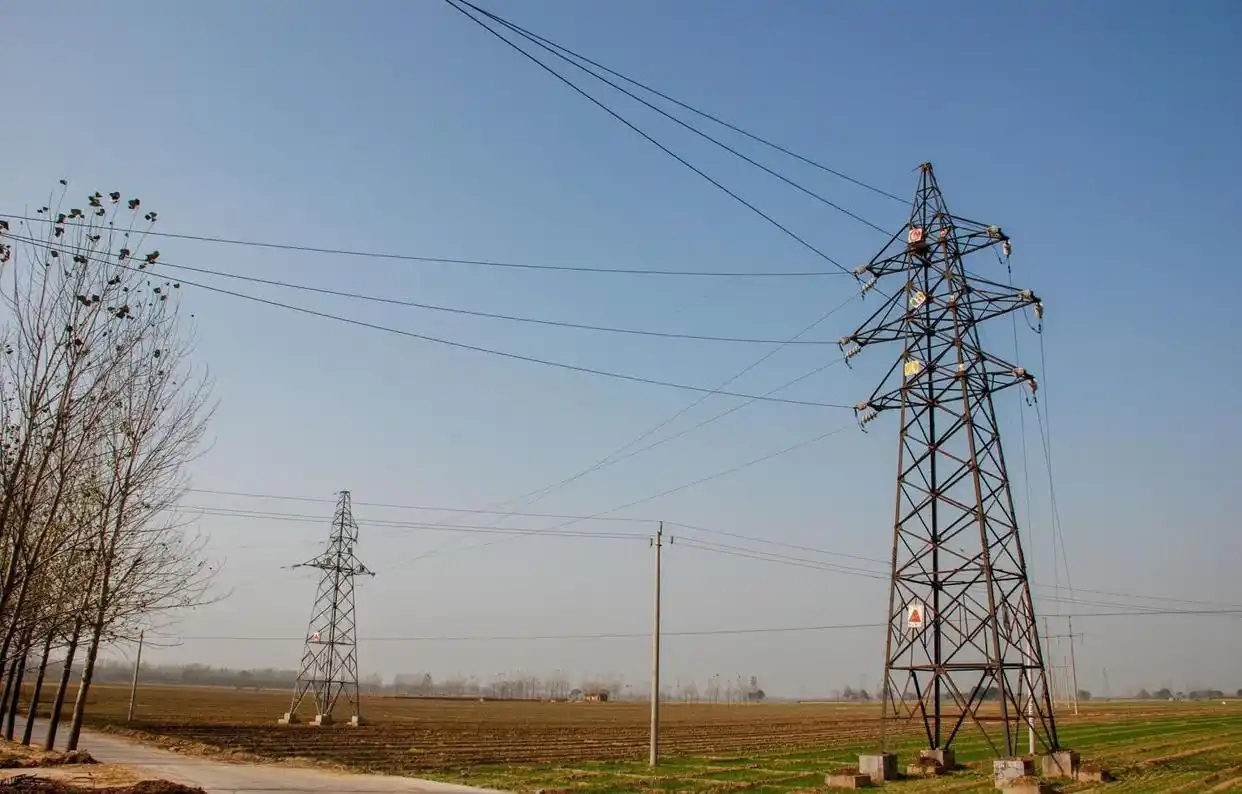
Category of High-Voltage Insulators
By Material:
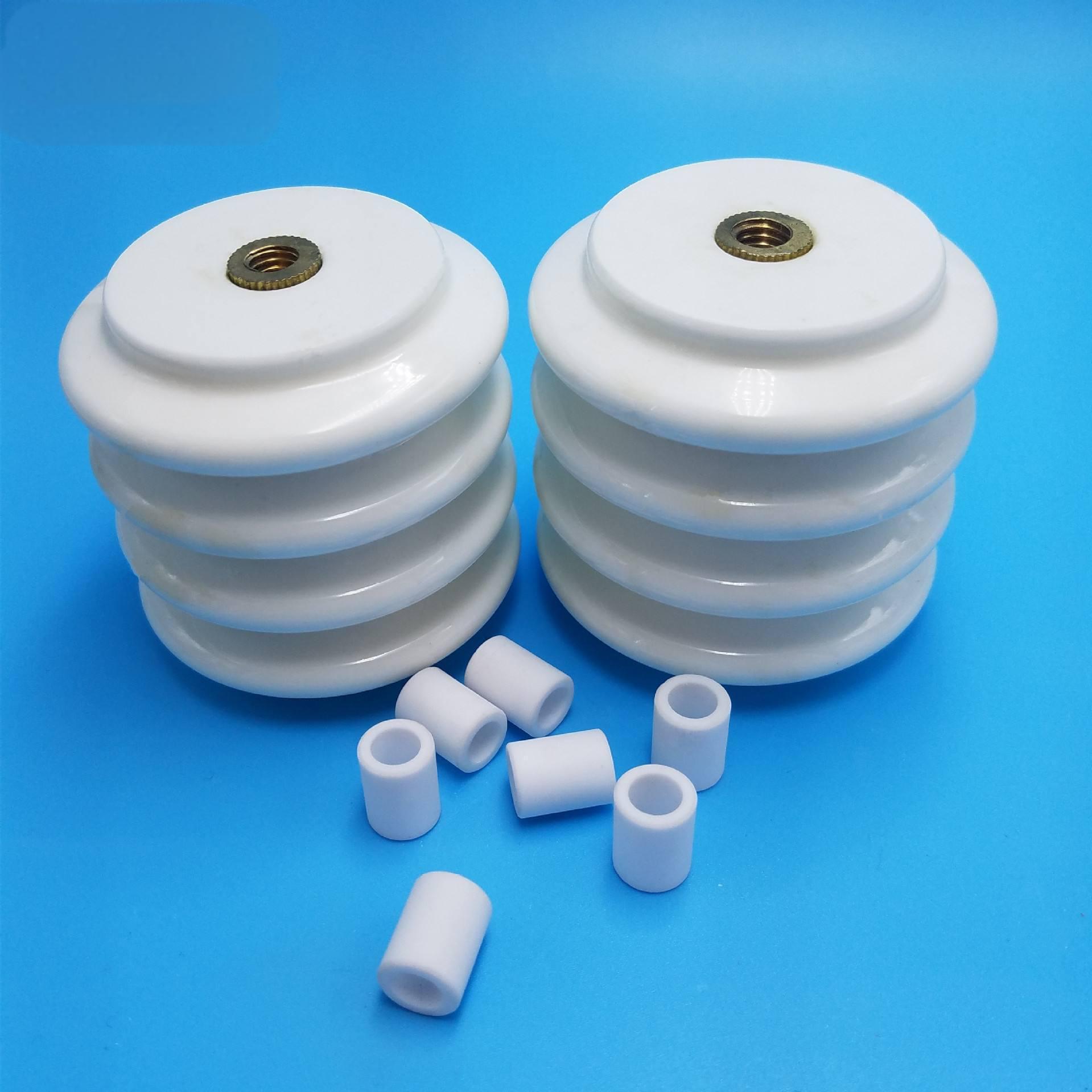
1. Ceramic Insulators:
Ceramic insulators are made from natural minerals such as clay, quartz, and feldspar, which are fired at high temperatures. The crystalline and glass phases formed inside give them unique physical and chemical properties. Commonly used in transmission lines with voltages of 110kV and higher, especially in main lines that need strong support.
• Brittleness: Ceramic insulators can crack or break when exposed to strong shocks or long vibrations. This can reduce their insulating properties.
• Poor Self-Cleaning Performance: Their surfaces easily attract dust and oil, which may cause surface discharges in humid environments. To address this, we need to clean regularly or coat surfaces with anti-pollution materials.
• Excellent Compressive Strength: They can handle mechanical pressure of several dozen tons. This makes them great for spanning long distances over valleys and rivers.
• Excellent High-Temperature Resistance: They perform well in temperatures from -40°C to 120°C. They stay strong even in hot summer months or near industrial heat sources.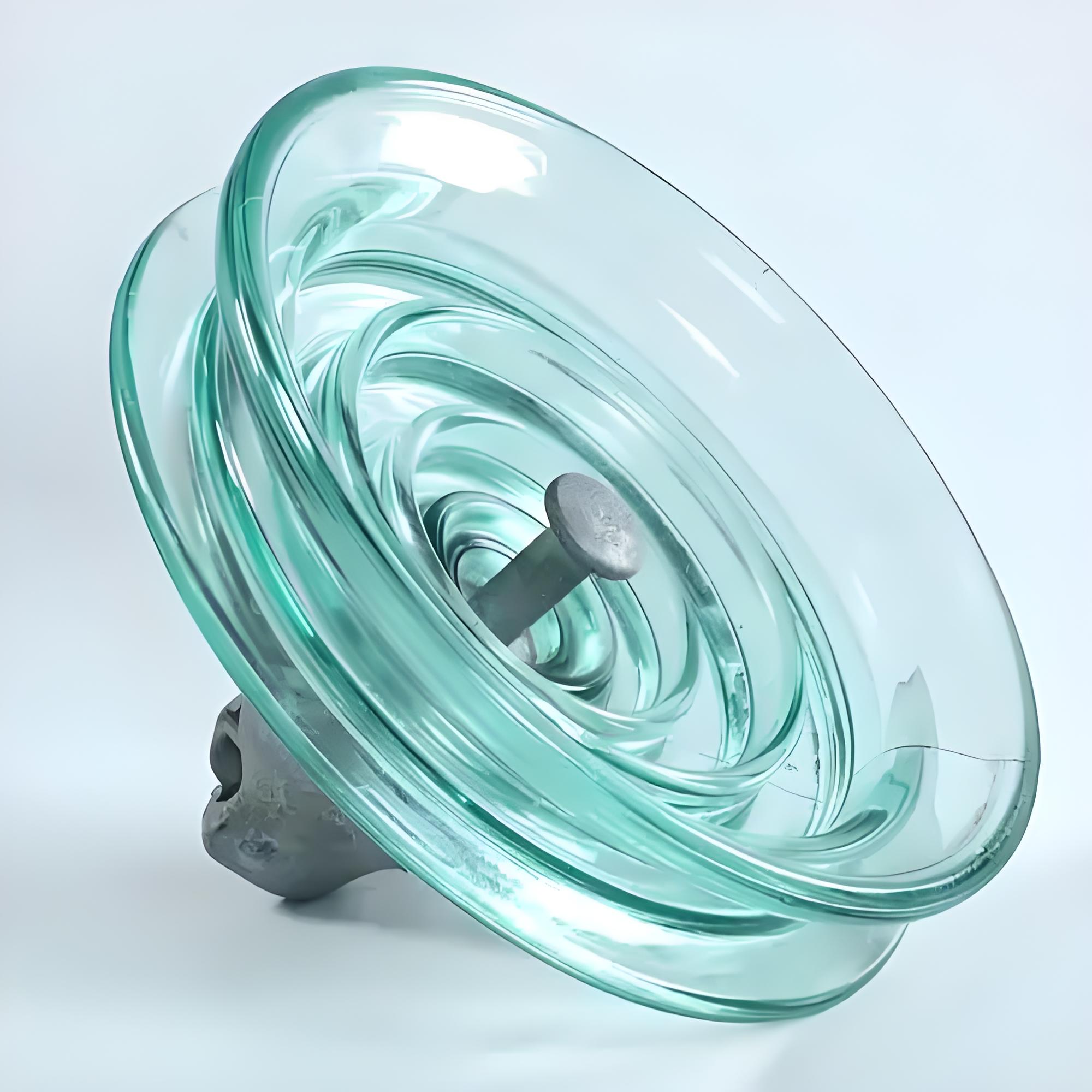
2. Glass Insulators:
Glass insulators are made by melting quartz sand, soda, and borax at high temperatures and then forming them into shape. Their internal structure is amorphous, which gives them good transparency and uniformity.
Manufacturers make glass insulators by melting quartz sand, soda, and borax at high heat. After melting, they shape into a form.
Their internal structure is amorphous, which gives them good transparency and Consistency. People mainly use this in transmission lines with voltages of 220kV and higher. Especially useful in places with heavy pollution or extreme weather.
• Limited High-Temperature Performance: In high-temperature environments, glass insulators may soften, reducing their mechanical strength.
• Complex Manufacturing Process: Making glass insulators requires careful control of the melting temperature and shaping process. This raises production costs.
• Excellent Electrical Performance: Glass has a low dielectric constant. This reduces local discharge under high-voltage electric fields. It can also handle higher voltage levels.
• Good Mechanical Properties: Glass insulators are strong and can resist impacts. This makes them good for tough environments and heavy loads.
By Shape:
: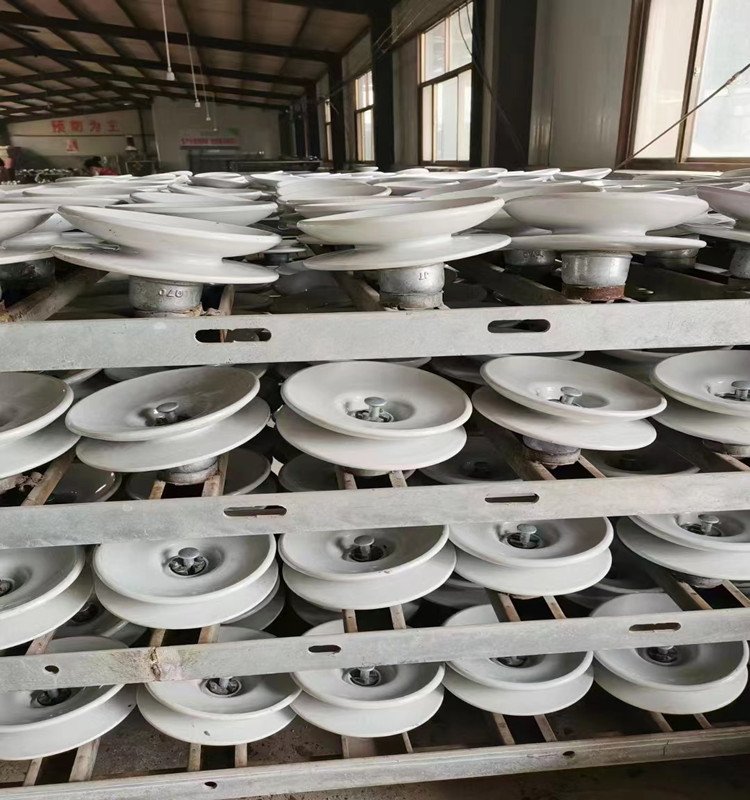
1. Disc-Type Insulators:
Disc-type insulators are round. They have several insulators linked by steel pins and caps. This creates an insulator string that hangs on transmission towers. Their large surface area and the gaps between adjacent insulators increase the creepage distance.
Used often in overhead transmission lines at different voltage levels. This is especially true in inland areas with low pollution and stable weather.
• Mechanical Stability: The string arrangement may cause Lack of stability in windy conditions or under mechanical tension, requiring additional design measures to prevent damage.
• Higher Installation and Maintenance Costs: The string setup makes installation and maintenance more complex. If you damage an insulator, you must take apart the whole string to replace it.
• Even Electric Field Distribution: The round shape spreads the electric field evenly across the surface. This reduces the chance of surface discharges.
• Strong Pollution Resistance: The larger surface area allows more dirt and dust to collect. The insulator string design helps stop discharge, even in dirty environments.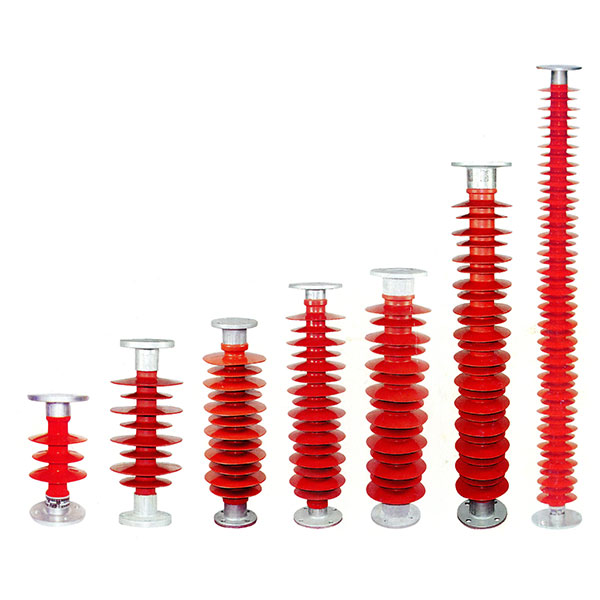
Rod-type insulators are solid. Manufacturers usually make them of one or more rods. These rods connect to metal fittings at both ends. This links the insulator to the tower and the power line.
Their compact structure offers high mechanical strength. This is mainly used in transmission lines over 110kV. Especially important in places needing high strength, like railways, highways, and rivers.
• Limited Insulation Distance: The small surface area of the rod limits its creepage distance. This can cause surface discharge in dirty or humid environments.
• Higher Cost: The high mechanical strength and manufacturing precision required result in a higher production cost.
• Excellent Mechanical Properties: The solid rod design offers strong resistance to bending, tension, and twisting. This makes it perfect for places with heavy mechanical load needs.
• Easy Installation and Maintenance: The strong design makes installation and maintenance simple. You can replace the whole insulator at once.
By Purpose:
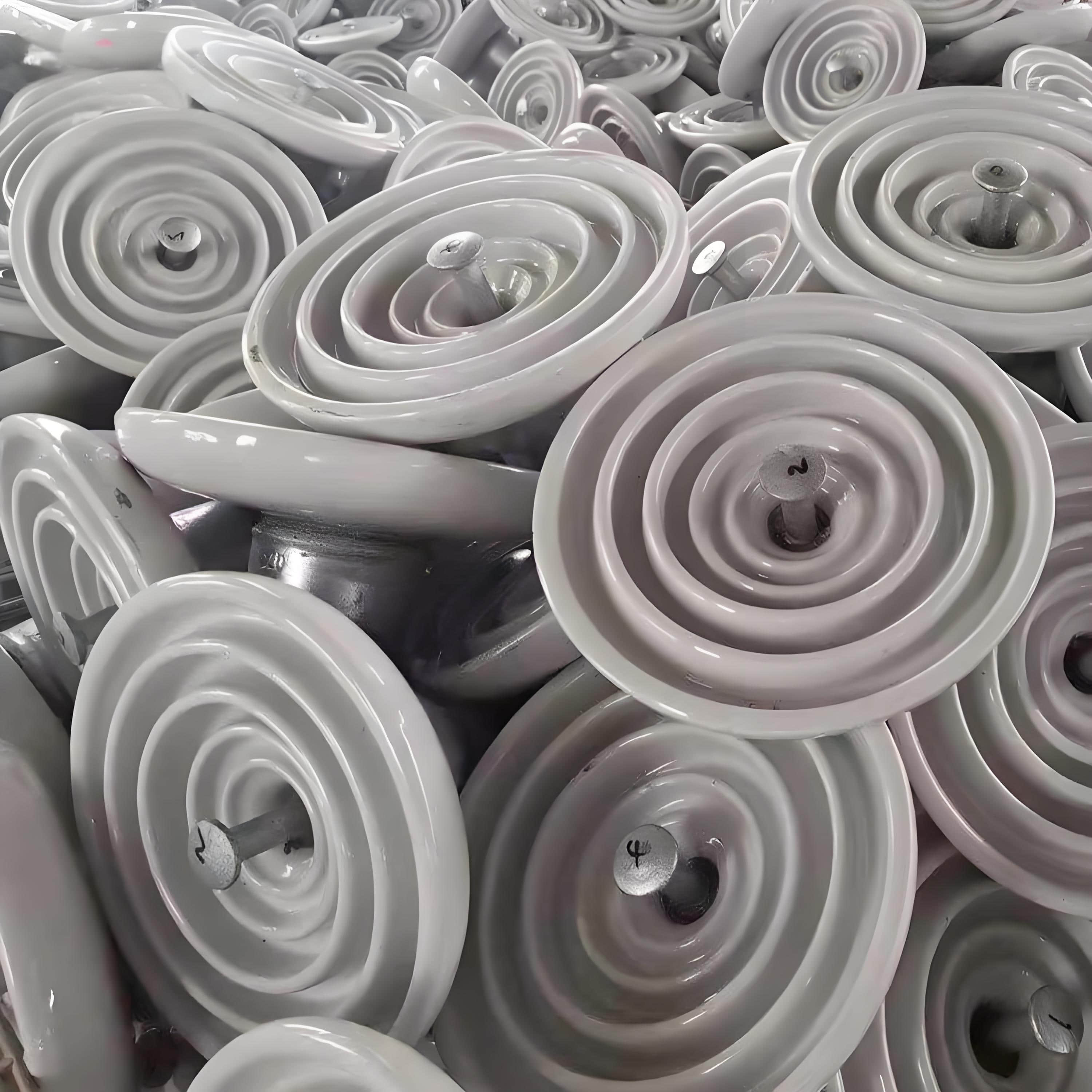
1. Standard Insulators:
These are used in general conditions where environmental pollution and humidity are not severe.
Applications:
Common in transmission lines from 10kV to 220kV, especially in rural or inland areas with mild weather.
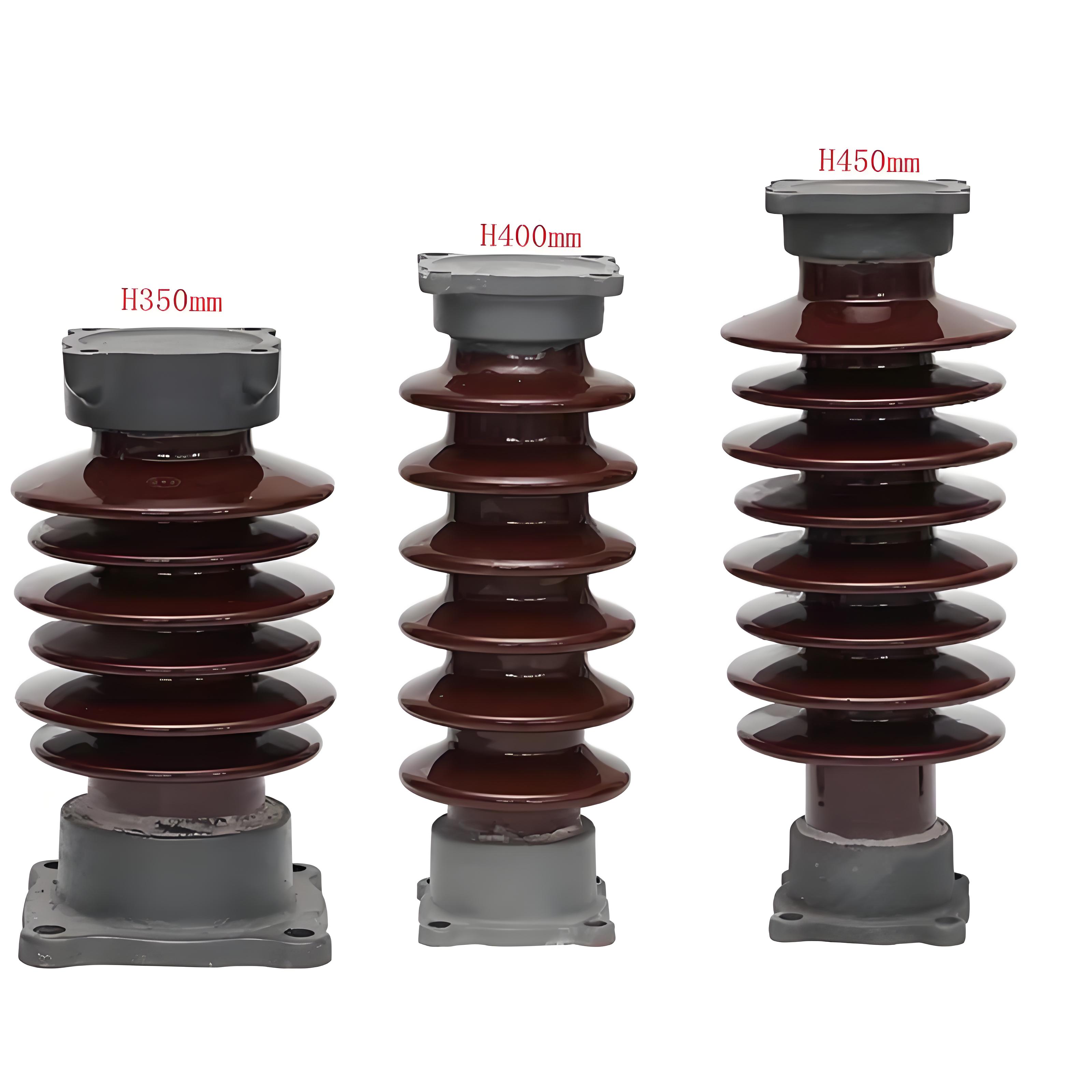
This product handles heavy pollution in places like coastal areas, industrial zones, and mining sites. These areas have high levels of salt, dust, and other harmful substances in the air.
Used in transmission lines with voltage levels of 110kV and higher. This is common in polluted areas like coastal cities and industrial zones.
• Special Structure: The large and small skirts of the insulator alternate. This design increases the creepage distance and stops dirt from building up.
• High Pollution Flashover Resistance: These insulators can withstand higher flashover voltages compared to standard insulators, making them ideal for areas with heavy pollution.
Features of High-Voltage Insulators
• High Voltage Tolerance: They can handle strong electric fields from high-voltage electricity. This ensures power lines operate safely.
• Good Mechanical Performance: They must endure external forces, ensuring stability and durability.
• Excellent Electrical Performance: They must resist high voltages and currents without breaking down.
• High-Temperature Resistance: They can operate in high-temperature environments without failure.
• Low Loss: Their performance remains stable over long-term use with minimal energy loss.
High-voltage insulators are crucial components in power systems. Their performance and quality directly impact the safe and stable operation of the power grid and the economy. Whether it's traditional ceramic insulators, glass insulators with self-diagnostic features, or advanced composite insulators, each type is important for different uses.
If you need help with high-voltage insulator selection, buying, installing, or maintaining, contact us at Email: [email protected] We are a professional service provider in the Chinese power industry.