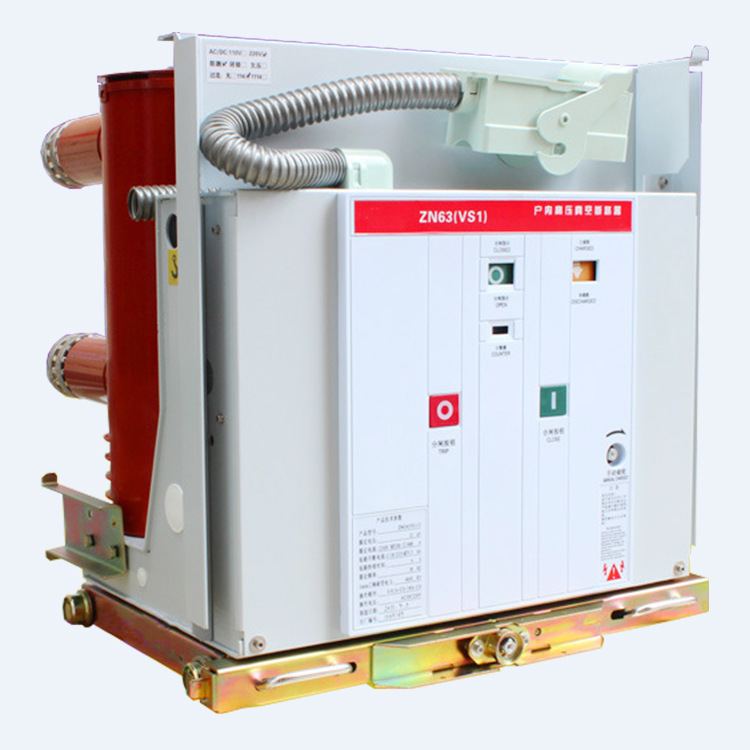
Are you unsure if your current electrical protection can truly handle the harsh realities of a mine site?
We know that equipment failure here isn’t just an inconvenience; it’s a critical safety risk. That’s why understanding How to Select Mining Power Distribution Circuit Breakers is one of the most important decisions you will make for your infrastructure.
In this guide, I’m cutting through the technical noise to give you a proven framework based on safety standards and operational efficiency. You’ll learn exactly what specifications matter and how to secure your power supply against costly downtime.
Let’s get to work.
Understanding the Role of Vacuum Circuit Breakers in Mining Power Systems
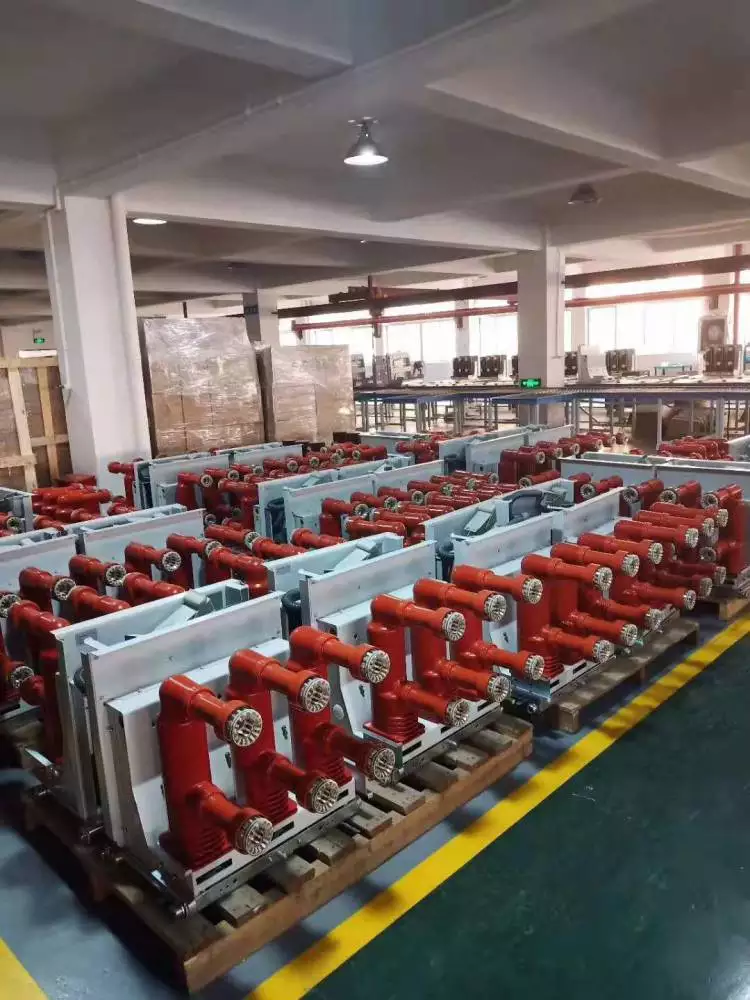
Mining operations demand robust electrical infrastructure capable of withstanding extreme conditions. In these high-stakes environments, the Vacuum Circuit Breaker (VCB) serves as the critical line of defense, ensuring power stability and personnel safety. As a professional manufacturer with over 20 years of experience, we prioritize engineering precision to meet the rigorous demands of global mining power distribution.
What is a Mining-Specific Vacuum Circuit Breaker (VCB)?
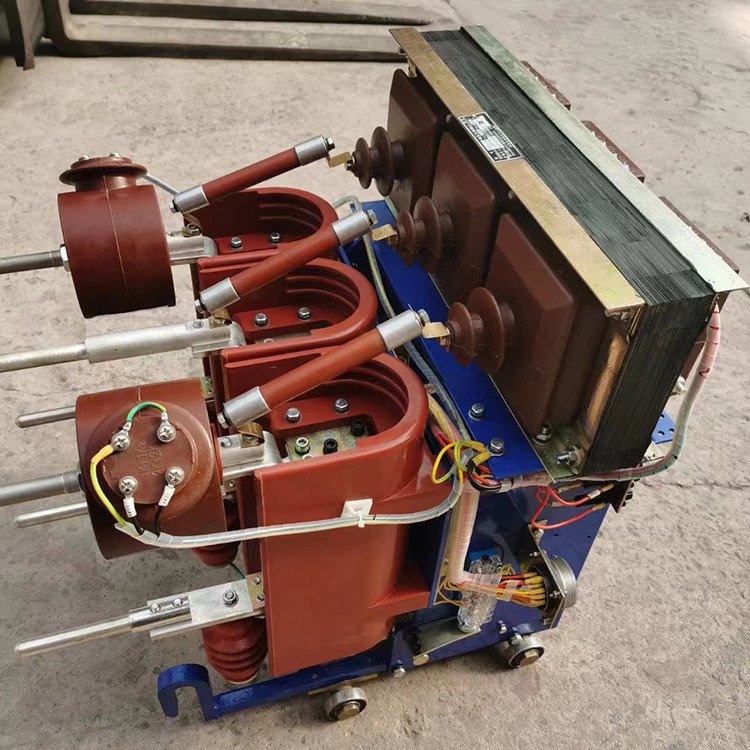
A mining-specific VCB is a specialized switchgear device designed to interrupt current flow within a vacuum bottle (interrupter). Unlike standard breakers, these units are engineered to handle the unique challenges of medium-voltage mining environments, such as underground substations and heavy machinery distribution.
These breakers function as the central control for protecting transformers, motors, and capacitor banks. They are essential for isolating faults in the coal mine power distribution room, preventing catastrophic equipment failure and ensuring the continuous operation of critical extraction machinery.
Core Benefits: Reliability, Safety, and Arc Quenching Efficiency
For mining operators, the selection of power distribution equipment hinges on three non-negotiable factors: reliability, safety, and performance.
Superior Arc Extinction: The vacuum medium provides exceptional insulation strength, allowing for rapid arc extinction and preventing dangerous flashovers during fault clearing.
High Electrical Life: Designed for frequent switching, high-quality breakers utilize durable materials like silver alloy contacts (95% silver content) to minimize wear and extend operational lifecycles.
Safety Compliance: Our approach integrates strict adherence to IEC standards and safety certifications (CE, TUV), ensuring that protection mechanisms activate precisely during overload or short-circuit events.
Difference Between Standard and Mining-Grade Circuit Breakers
Standard commercial breakers cannot survive the harsh realities of a mining site. Mining-grade breakers, such as robust Air Circuit Breakers (ACB) and heavy-duty VCBs, are built with reinforced components to resist vibration, dust, and thermal stress.
| Feature | Standard Circuit Breaker | Mining-Grade Circuit Breaker |
|---|---|---|
| Shell Material | Standard Plastic | Flame-Retardant & High-Temp Resistant |
| Contact Material | Standard Copper/Alloy | Thickened Copper & Silver Alloy |
| Vibration Resistance | Low | High (Impact Resistant) |
| Operating Environment | Clean, Controlled Indoor | Dusty, Humid, -5°C to +40°C |
| Breaking Capacity | Standard Icu/Ics | High Breaking Capacity (Icu) |
Choosing the right protection means selecting equipment engineered with high-precision trip mechanisms and durable construction, ensuring your mining infrastructure remains powered and protected against the unpredictable.
Key Electrical Specifications for VCB Selection
Verifying Rated Voltage and Basic Insulation Levels (BIL)
Selecting the correct VCB-rated voltage is the foundation of a safe mining power system. In medium-voltage mining environments, the circuit breaker must handle not just the nominal system voltage (e.g., 12kV or 24kV), but also the maximum operating voltage which can fluctuate due to heavy machinery startup. We strictly adhere to IEC standards to ensure our equipment withstands these variations.
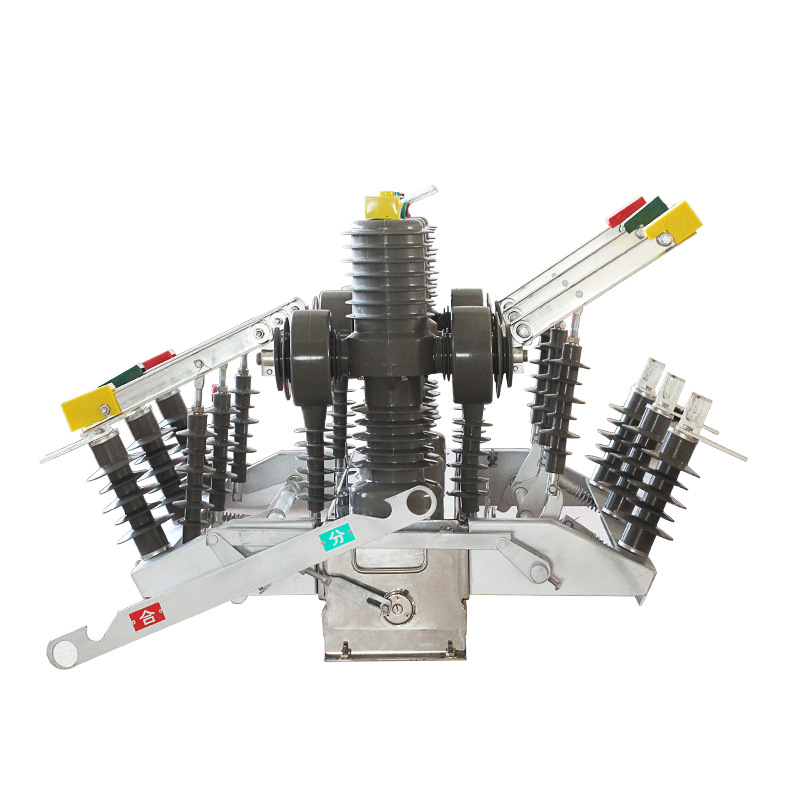
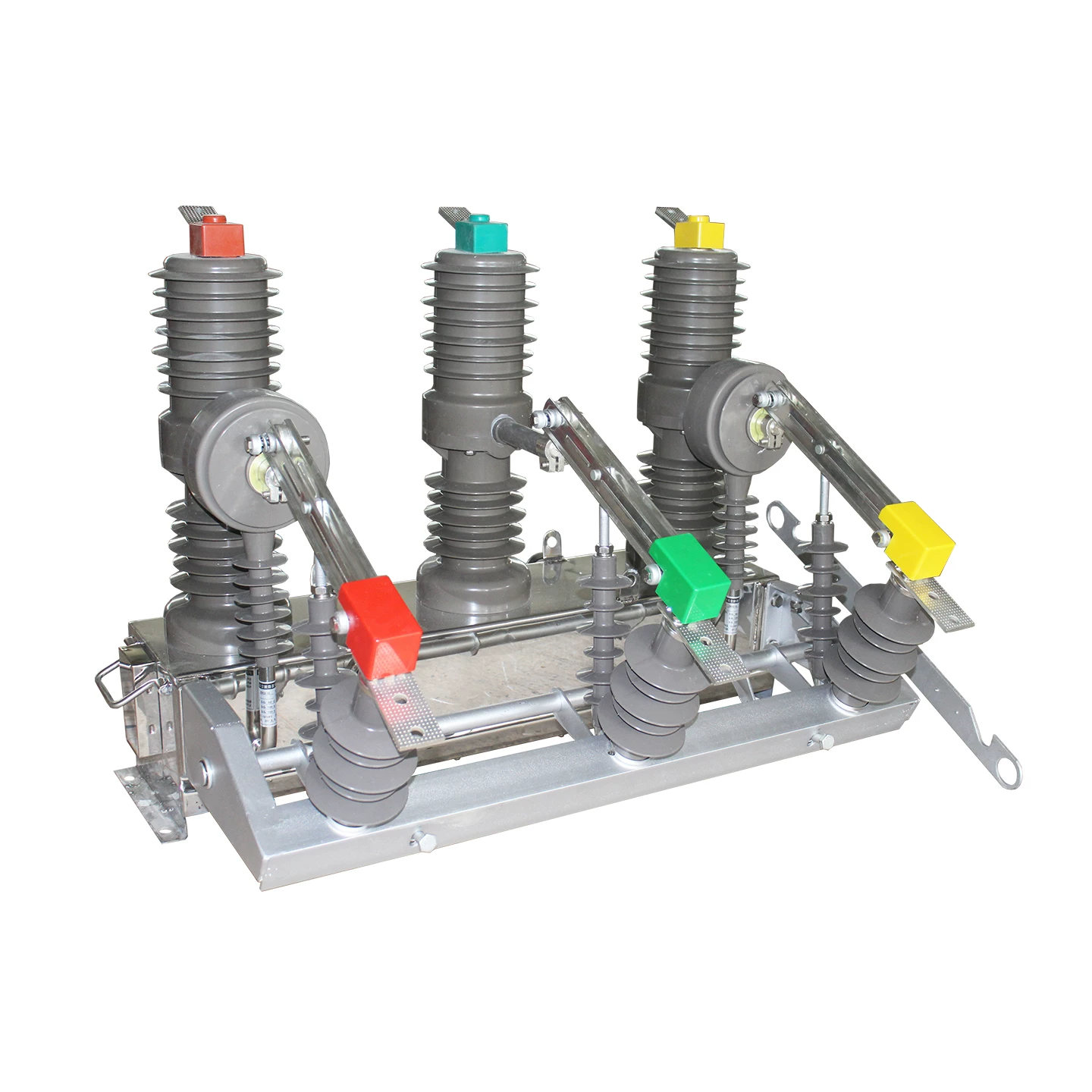
Equally important is the Basic Insulation Level (BIL). Mining sites are prone to switching surges and lightning strikes on overhead lines. High BIL ratings ensure the vacuum interrupter and insulation materials do not fail under dielectric stress. For rugged outdoor applications, our ZW10-12 Outdoor Vacuum Circuit Breakers provide the necessary insulation coordination to prevent flashovers in harsh conditions.
Determining Rated Continuous Current and Load Growth Requirements
When specifying the rated continuous current, we never size solely for the current load. Mining operations expand rapidly, so we recommend calculating the total connected load and adding a 20-30% margin for future growth. This prevents premature tripping or the need for costly upgrades when new conveyors or pumps are added.
At WEISHO, we focus on thermal stability. We utilize thickened copper parts and 95% silver alloy contacts in our conductive paths. This design minimizes resistance and heat generation, allowing the breaker to carry its full rated current continuously without exceeding temperature rise limits in a hot power distribution room.
Key Current Selection Factors:
Load Type: Inductive loads (motors) vs. Resistive loads.
Ambient Temperature: De-rating required for temps above 40°C.
Harmonics: Presence of Variable Frequency Drives (VFDs).
Calculating Short-Circuit Breaking and Making Capacity
The breaking capacity is the non-negotiable safety net of your electrical infrastructure. In the event of a fault, the VCB must interrupt the massive energy of a short circuit instantly. We analyze the prospective fault current at the installation location to ensure the breaker’s rated short-circuit breaking current (Isc) is higher than the maximum fault level of the grid.
We also verify the making capacity, which is the ability of the breaker to close onto an existing short circuit without welding contacts or exploding. This is critical for operator safety during maintenance switching.
| Specification | Description | Criticality for Mining |
|---|---|---|
| Rated Voltage (Ur) | Max voltage the VCB can operate at continuously. | High: Must match grid class (e.g., 12kV). |
| Rated Current (Ir) | Current carried without overheating. | Medium: Size for peak load + growth. |
| Breaking Capacity (Isc) | Max fault current the VCB can interrupt. | Critical: Prevents catastrophic failure. |
| Short-Time Withstand (Ik) | Ability to hold a fault for a specific time (e.g., 3s). | High: Allows downstream protection to clear first. |
Evaluating Environmental Factors in Mining Sites
Moisture, Dust, and Corrosion Protection Standards
Mining environments are notoriously harsh, often exposing equipment to high levels of humidity, coal dust, and corrosive gases. Standard switchgear simply cannot survive these conditions. When selecting breakers, we prioritize ingress protection ratings suitable for the specific installation location. For surface operations exposed to the elements, deploying robust solutions like the ZW32-12MF series outdoor boundary vacuum circuit breaker is essential to prevent moisture ingress and insulation failure. Internally, we utilize corrosion-resistant materials, including thickened copper parts and silver alloy contacts, to maintain conductivity and prevent oxidation over time.
Managing High-Altitude De-rating and Extreme Temperatures
Geography plays a massive role in equipment performance. Many mines are located at high altitudes where thinner air reduces the dielectric strength of the insulation. If your site exceeds 1,000 meters, we must apply de-rating factors to the VCB rated voltage and continuous current to prevent flashovers. Temperature fluctuations are equally critical. Our breakers are designed to operate stably within standard industrial ranges (-5°C to +40°C), but for medium-voltage mining environments facing extreme cold or heat, we verify the thermal stability of the shell materials to ensure they do not become brittle or overheat under load.
Impact Resistance and Vibration Durability for Underground Use
Underground mines are dynamic environments filled with vibration from drilling, blasting, and heavy transport machinery. A standard circuit breaker might suffer from mechanical fatigue or nuisance tripping due to these constant tremors. We focus on high-endurance mechanical designs that secure the latching mechanism against external shocks.
Structural Integrity: Reinforced chassis to withstand physical impact.
Mechanism Stability: Precision-engineered trip units that distinguish between actual faults and vibration.
Component Security: Locking fasteners to prevent loosening over years of operation.
Matching VCB Types to Mining Application Scenarios
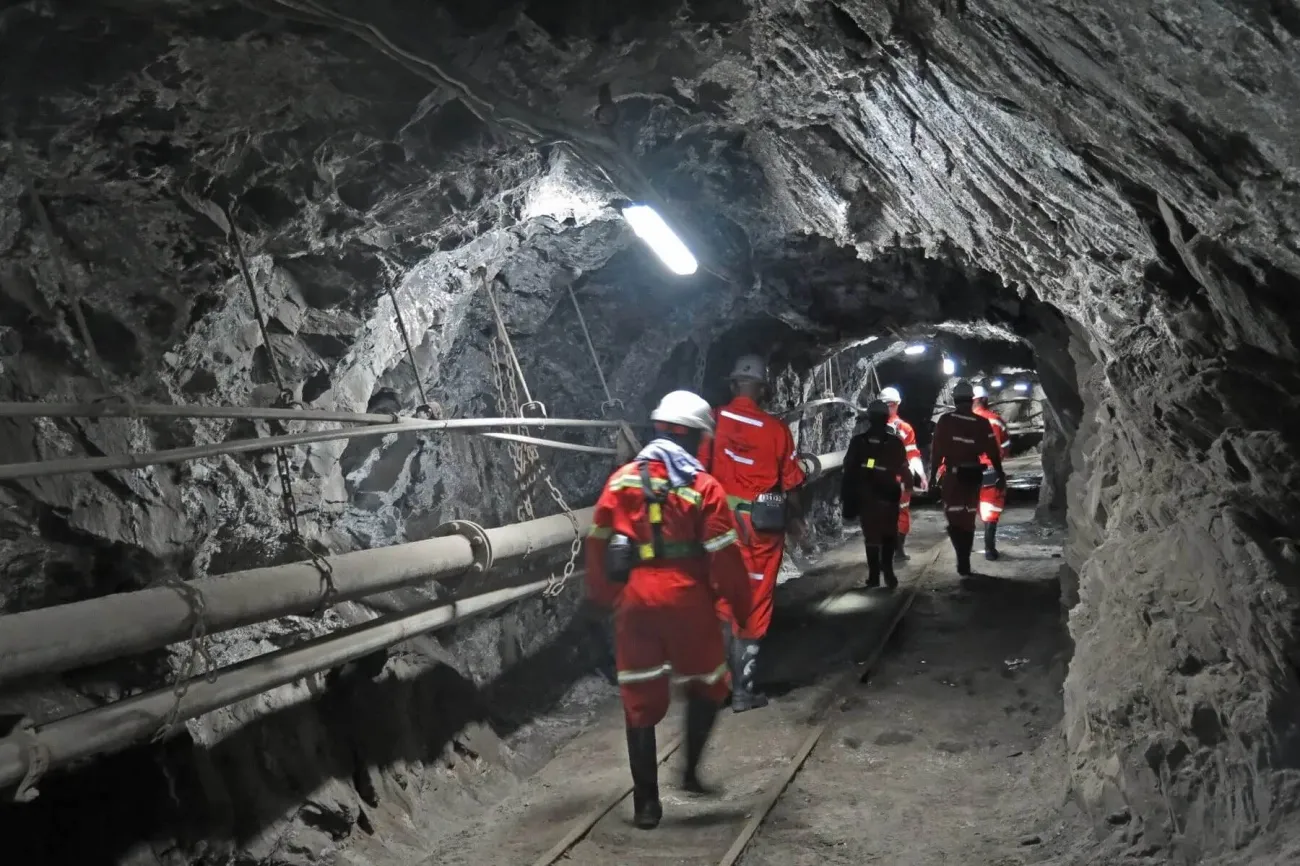
Selecting the right Mining Power Distribution Circuit Breakers isn’t just about matching voltage; it is about understanding the specific stress each piece of equipment puts on the grid. In our experience manufacturing industrial-grade components, different mining operations demand distinct breaking characteristics to ensure safety and minimize downtime.
Power Distribution for Mining Hoists and Winders
Mining hoists and winders are the lifelines of underground operations, requiring absolute stability. A standard breaker often struggles here due to the significant regenerative currents and voltage fluctuations that occur during hoisting cycles. For these applications, we recommend vacuum circuit breakers (VCB) with high mechanical endurance and superior latching mechanisms.
The breaker must handle:
High reliability: Zero tolerance for nuisance tripping during personnel transport.
Rapid fault clearing: Protecting the drive systems from short circuits immediately.
Stable contact resistance: Ensuring consistent performance over thousands of operations.
High-Duty Cycle Switching for Electric Arc Furnaces (EAF)
Electric Arc Furnaces (EAF) represent one of the harshest environments for electrical switching. The operational cycle involves frequent switching—often dozens of times a day—which can destroy standard contacts quickly. In this scenario, the mechanical life of the breaker is just as critical as its electrical specs.
We focus on supplying breakers equipped with high-endurance vacuum interrupters specifically designed for frequent operation. These units utilize specialized contact materials, like copper-chromium alloys, to resist erosion caused by the intense arc energy. Standard distribution breakers simply cannot withstand the repetitive stress of EAF duty cycles and will lead to premature failure and costly maintenance gaps.
Frequent-Start Motor Drives and Conveyor Protection
Conveyor belts and large ventilation fans require robust motor protection. These systems face high inrush currents during startup, which can be mistaken for faults by less sophisticated protection devices. It is vital to distinguish between a temporary starting surge and a genuine overload.
For these circuits, we advise using VCBs integrated with intelligent protection relays that offer thermal memory and adjustable trip curves. It is also important to understand the differences between load switches, isolators, and vacuum circuit breakers to ensure you are not just installing a switch where full fault protection is required. A dedicated VCB ensures that if a motor stalls or a belt jams, the circuit is interrupted instantly to prevent fire hazards, while still allowing for the frequent start-stop nature of conveyor operations.
Mechanical and Electrical Endurance Requirements
In the mining industry, equipment failure isn’t just an inconvenience; it stops production and creates safety hazards. When we select circuit breakers for these rugged environments, we prioritize units that can withstand rigorous operation cycles without faltering. The mechanical and electrical life of the breaker dictates its total cost of ownership and reliability in the field.
Choosing Between M1 and M2 Mechanical Endurance Classes
For mining applications, the standard endurance ratings often fall short. We look at the specific IEC classifications to match the breaker to the operational intensity of the mine.
Class M1 (Standard Endurance): Suitable for systems where the breaker is not operated frequently. This typically covers 2,000 mechanical operations. It fits stable distribution circuits that rarely trip.
Class M2 (Extended Endurance): This is the gold standard for mining power distribution. These breakers are designed for frequent switching operations, capable of enduring 10,000 mechanical cycles without requiring major maintenance.
If your site involves frequent motor starts or controls heavy machinery like hoists, specifying M2 class equipment ensures the high-endurance performance required to minimize downtime.
Operating Mechanisms: Spring-Operated vs. Magnetic Actuators
The mechanism driving the contacts is critical for consistent arc extinction. We generally compare two primary mechanism types based on maintenance needs and reliability.
| Feature | Spring-Operated Mechanism (VS1) | Permanent Magnet Actuator |
|---|---|---|
| Reliability | Proven technology, purely mechanical energy storage. | Fewer moving parts, electronically controlled. |
| Maintenance | Requires periodic lubrication and mechanical checks. | “Fit and forget” low maintenance design. |
| Life Cycle | High mechanical life but complex assembly. | Extremely high endurance (up to 100,000 ops). |
| Best For | General power distribution and standard protection. | Frequent switching loads and smart grid integration. |
For many modern upgrades, we see a shift toward permanent magnet actuators because they eliminate many mechanical failure points. However, the traditional spring-operated VS1 vacuum circuit breaker remains a robust, cost-effective choice for standard installations. You can explore more about these configurations in our comprehensive guide to medium voltage vacuum circuit breakers, which details how these mechanisms impact long-term performance.
Vacuum Integrity and Contact Erosion Life Cycles
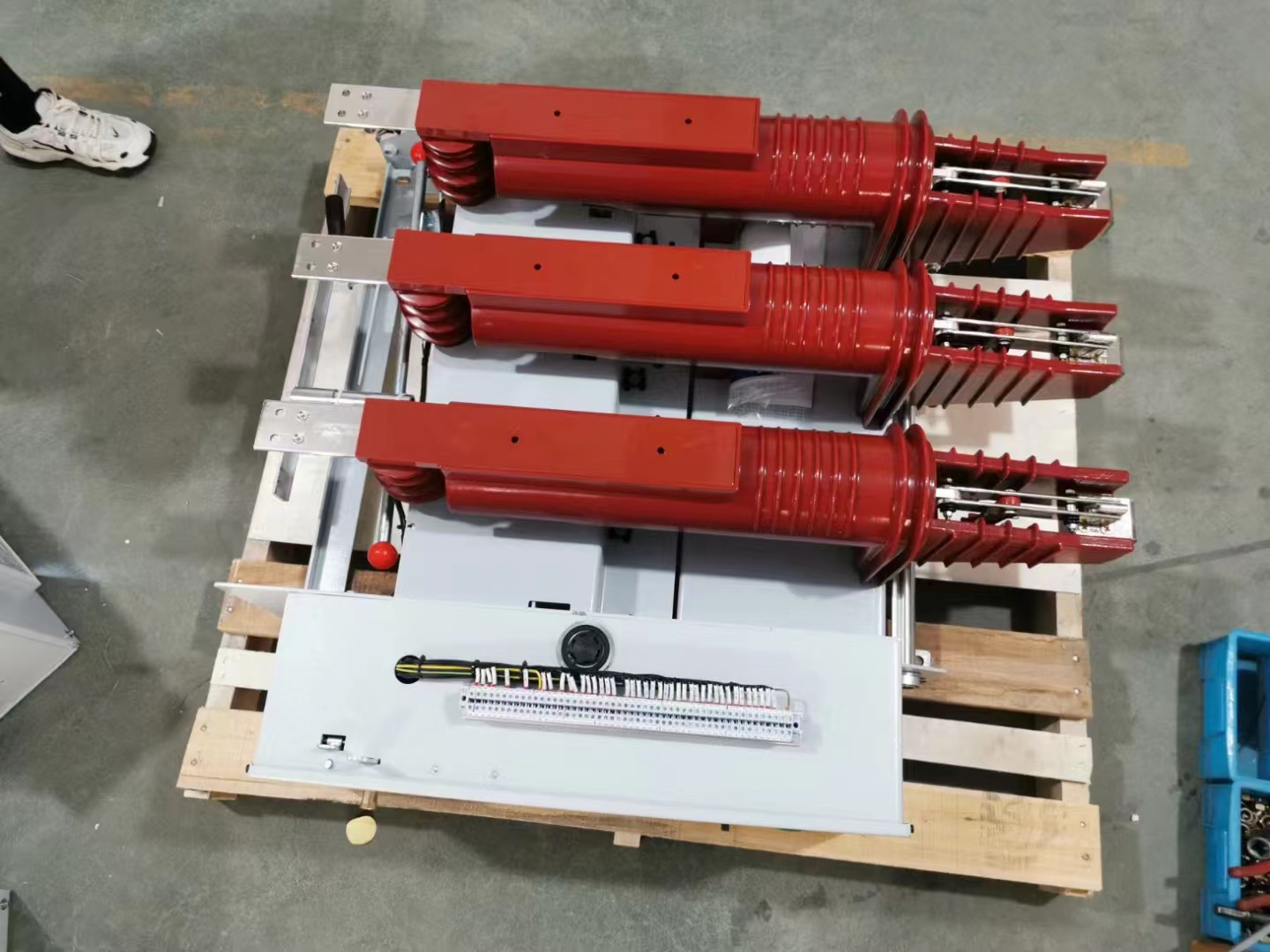
The vacuum interrupter is the heart of the breaker. In mining, where dust and vibration are constant, preserving vacuum integrity is non-negotiable. We recommend solid-sealed pole technology, where the vacuum interrupter is embedded in epoxy resin. This protects the vacuum bottle from external impact, moisture, and conductive dust common in coal mines.
You must also monitor contact erosion. Every time the breaker clears a fault, the contacts degrade slightly. High-quality breakers feature visual indicators or sensor outputs to track this wear. Ensuring the electrical circuit protection device has a high electrical life (Class E2) allows it to clear short-circuit currents repeatedly without needing immediate replacement, securing your critical busbar sections.
Safety Compliance and Advanced Protection Features
Integration with Protective Relays and Smart Monitoring
In the volatile environment of a mine, relying on basic thermal-magnetic trips is often insufficient. We advocate for integrating circuit breakers with advanced protective relays and intelligent controllers, similar to those found in our WSW1 Air Circuit Breaker series. This integration allows for real-time monitoring of the power system protection mechanism, tracking critical data such as voltage stability, current load, and harmonics.
By connecting these smart devices to a central monitoring system, operators can identify anomalies before they escalate into failures. This proactive approach ensures that your vacuum circuit breaker maintenance guide protocols are data-driven, significantly reducing the risk of unexpected downtime in the coal mine power distribution room.
Arc Flash Mitigation and Explosion-Proof Enclosures
Underground mining sites are high-risk zones where combustible dust and gas are common. An arc flash in these conditions can be catastrophic. To mitigate this, we prioritize arc extinction efficiency by using high-quality components, such as 95% silver alloy contacts and thickened copper parts, which ensure rapid arc quenching.
For hazardous locations, the circuit breaker must be housed within an explosion-proof enclosure. This containment prevents any internal arc or spark from igniting the external atmosphere. Ensuring your equipment meets these engineering specifications is vital for protecting both personnel and infrastructure from the dangers of high-energy faults.
Compliance with International Mining Safety Standards
Safety compliance is non-negotiable. Our manufacturing process strictly adheres to global benchmarks to ensure reliability in harsh industrial conditions. We hold multiple certifications, including ISO9001, CE, CB, and TUV, confirming that our products meet rigorous IEC standards and NEC standards for safety and performance.
Essential Certifications for Mining Breakers:
| Certification | Purpose | Benefit |
|---|---|---|
| ISO9001 | Quality Management | Ensures consistent manufacturing quality and reliability. |
| CE / TUV | Safety Compliance | Verifies adherence to strict European safety regulations. |
| RoHS | Material Safety | Guarantees the restriction of hazardous substances in components. |
Selecting breakers with these verified credentials ensures your mining operation meets all necessary legal and safety requirements for both indoor and outdoor installations.
Maintenance and Long-Term Operational Support
Routine Inspection Intervals and Early Issue Detection
In the harsh reality of a mining site, you cannot simply install a breaker and forget it. We recommend setting strict routine inspection intervals based on your specific duty cycle and environmental conditions. For high-endurance applications involving frequent switching, you must check the mechanical linkages and vacuum interrupter integrity more often than standard installations. Early issue detection is critical; spotting slight discoloration from overheating or unusual noise during operation can save you from catastrophic failures. Regular maintenance ensures your mining power distribution circuit breakers remain reliable, preventing costly unplanned downtime.
Evaluating Manufacturer Reputation and Spare Parts Availability
When selecting equipment for critical infrastructure, the manufacturer’s track record is as important as the spec sheet. You need a partner with a proven history of stability. At WEISHO, we have spent over 20 years perfecting our manufacturing process, exporting to over 80 countries with full ISO9001 and CE compliance. This experience ensures that when you need technical support or specific spare parts, we are ready to assist. Always verify that your supplier offers consistent aftermarket support and isn’t just a reseller with no technical depth. Reliable access to components ensures your engineering specifications are maintained throughout the equipment’s life.
Total Cost of Ownership (TCO) and Lifecycle Management
Do not let a low initial price tag fool you. In mining, the real cost is downtime and replacement frequency. A breaker with high mechanical and electrical life, like our series using 95% silver alloy contacts and thickened copper parts, pays for itself by lasting longer under stress. Calculating the Total Cost of Ownership (TCO) involves analyzing maintenance costs, energy efficiency, and the lifespan of the unit. Proper lifecycle management ensures your understanding of power grids translates into a stable, profitable operation. Investing in quality materials upfront reduces the frequency of replacements and secures your power system protection strategy for the long haul.