Are you struggling to figure out exactly how to select vacuum circuit breakers for cold and high-altitude regions?
You might already know that harsh environments can absolutely wreck standard electrical equipment…
But what specific specs and features do you actually need to ensure long-term reliability?
Well, you’re in for a treat because I’ve put together a complete, step-by-step guide.
In this post, you’re going to learn exactly how high altitude affects dielectric strength and how extreme cold impacts mechanical components. I’ll walk you through derating voltage, finding the correct short-circuit breaking capacity, and choosing between indoor vs. outdoor VCBs for maximum durability.
So if you want to eliminate costly downtime and conquer the toughest climates, this guide is for you.
Let’s dive right in.
Understanding the Impact of Cold and High-Altitude Environments on VCBs
Operating a reliable electrical system in extreme environmental conditions requires specialized equipment. When deploying a high-voltage vacuum circuit breaker in freezing, high-elevation regions, standard commercial units often fall short. Achieving optimal environmental adaptability and ensuring long-term durability requires a strict understanding of exactly how severe climates impact your infrastructure.
How High Altitude Affects Dielectric Strength and Insulation
As elevation increases, the operational environment changes drastically. Lower air pressure significantly reduces the external dielectric strength of the VCB, directly increasing the likelihood of insulation flashovers.
Key high-altitude impacts include:
Reduced Insulation Limits: Thinner air dictates a strict derating of your voltage and current ratings to prevent catastrophic arc failures.
Thermal Challenges: Thinner air reduces convective cooling efficiency, directly affecting the specific power requirements for both indoor switchgear and outdoor installations.
UV Degradation: Increased solar radiation at higher altitudes accelerates the aging and degradation of external insulating materials.
Whether your project utilizes 10KV switchgear or spans across an 11-33 kV network, compensating for altitude is a mandatory selection criteria necessary to meet the stringent IEC standard.
The Impact of Extreme Cold on Mechanical Components
Plummeting ambient temperature severely threatens the physical integrity and operation of an outdoor vacuum circuit breaker. Under freezing conditions, standard greases solidify, and metals become dangerously brittle.
The primary cold-weather threats are:
Mechanical Sluggishness: Freezing temperatures slow down the critical opening and closing speeds of operating mechanisms, including units like the ZN28 type vacuum switch.
Material Brittleness: Sub-zero cold creates a highly vulnerable high shock environment for internal springs, latches, and transmission rods during actuation.
Condensation and Rust: Rapid temperature fluctuations introduce heavy moisture and corrosion, which can rapidly degrade the protective cabinet type enclosure and internal wiring.
Maintaining absolute weather resistance in freezing regions demands selecting circuit breakers with specialized low-temperature lubricants and cold-resistant alloys engineered specifically for sub-zero performance.
Key Electrical Specifications for Harsh Conditions
When we move away from standard sea-level conditions, the rulebook for selecting electrical equipment changes. Standard ratings often fail in extreme environments because the physical properties of the air itself are different. To ensure environmental adaptability, we have to look closely at specific modifications to the voltage and current ratings.
Derating Voltage and Continuous Current for High Altitudes
The biggest challenge at high altitudes is lower air pressure. As the air gets thinner, its ability to insulate decreases significantly. This means a 10KV switchgear that performs perfectly at sea level might arc or fail at 3,000 meters if not properly adjusted.
To combat this, I always apply derating factors to the rated insulation voltage and continuous current. We essentially need “oversized” insulation to handle the same electrical load safely. For reliable operation, our outdoor vacuum circuit breakers are designed with these specific atmospheric corrections in mind.
Here is a quick reference table I use for altitude correction factors based on IEC standards:
| Altitude (Meters) | Rated Power Frequency Withstand Voltage Correction | Rated Lightning Impulse Withstand Voltage Correction |
|---|---|---|
| < 1000m | 1.00 (Standard) | 1.00 (Standard) |
| 2000m | 1.10 | 1.10 |
| 3000m | 1.25 | 1.25 |
| 4000m | 1.43 | 1.43 |
Determining the Correct Short-Circuit Breaking Capacity
In remote cold regions, the power grid is often weaker and prone to instability. We cannot just look at the normal load; we have to account for specific power requirements during faults. The short-circuit breaking capacity must be robust enough to handle surges without welding the contacts shut.
For these harsh environments, I recommend selecting a VCB with a breaking capacity slightly higher than the calculated maximum fault current. This provides a safety margin against the increased stress caused by extreme cold on the mechanical latching systems. Ensuring your equipment meets the rigorous IEC standard for switching performance under these conditions is non-negotiable for long-term safety.
Essential Features to Look for in High-Altitude Vacuum Circuit Breakers
When selecting a high-voltage vacuum circuit breaker for extreme environments, environmental adaptability is non-negotiable. Lower air pressure and drastic shifts in ambient temperature demand specific hardware upgrades to ensure the stability of your electrical system. Here is what we prioritize when configuring VCBs for harsh climates.
Enhanced Weather Resistance and Anti-Condensation Designs
Extreme cold mixed with operational heat often leads to internal condensation, which is a fast track to moisture and corrosion. To prevent this, the equipment needs built-in anti-condensation space heaters and smart ventilation. Whether you are deploying an outdoor vacuum circuit breaker or integrating units into indoor medium voltage switchgear, upgraded weather resistance guarantees that critical components will not freeze or short out during rapid temperature drops.
Optimized Enclosures and High Protection Levels (IP Ratings)
The physical housing of your VCB is your first line of defense. Outdoor installations face punishing environmental conditions, including increased solar radiation, snow, and severe winds.
Cabinet Type: Choose heavily insulated, double-layer cabinet types to passively regulate internal temperatures.
IP Ratings: Opt for IP54 or IP65 ratings to entirely block ingress from fine dust, ice, and driving rain.
Structural Integrity: Enclosures must be built to withstand a high shock environment, ensuring the internal mechanical components stay perfectly aligned even during heavy storms or seismic events.
Compliance with High-Altitude and Low-Temperature Standards
Never guess on durability. Whether you are using a ZN28 type vacuum switch or a standard 11-33 kV unit, it must be certified for the exact altitude and temperature profile of your specific site.
Key Selection Criteria Checklist:
| Feature | Standard/Requirement | Purpose |
|---|---|---|
| Certification | IEC Standard compliance | Ensures global safety and high-altitude performance benchmarks are met. |
| Temperature | Rated down to -40°C | Maintains mechanical flexibility, lubrication, and switching speed. |
| Altitude | Tested >2000m to 4000m | Compensates for lower air pressure affecting dielectric strength and insulation. |
By prioritizing these specific power requirements and rugged features, we ensure our high-altitude VCBs deliver consistent, safe performance without unexpected downtime.
Indoor vs. Outdoor VCBs: Selecting the Right Configuration
When determining how to select vacuum circuit breakers for cold and high-altitude regions, choosing between an indoor or outdoor setup is a critical baseline. We base this decision entirely on your local environmental conditions and infrastructure capabilities.
Evaluating Installation Environment and Footprint
Your site layout and operational environment directly dictate the physical setup of your equipment.
Indoor Setups: Housing a VCB inside a climate-controlled building or within robust 10KV switchgear shields it from extreme weather. This setup naturally provides better environmental adaptability against increased solar radiation, wind chill, and heavy snow. However, indoor setups demand a larger building footprint. When optimizing a compact cabinet type for high altitudes, integrating a reliable vertically-phased indoor disconnect switch helps maximize space efficiency while managing the electrical stresses caused by lower air pressure.
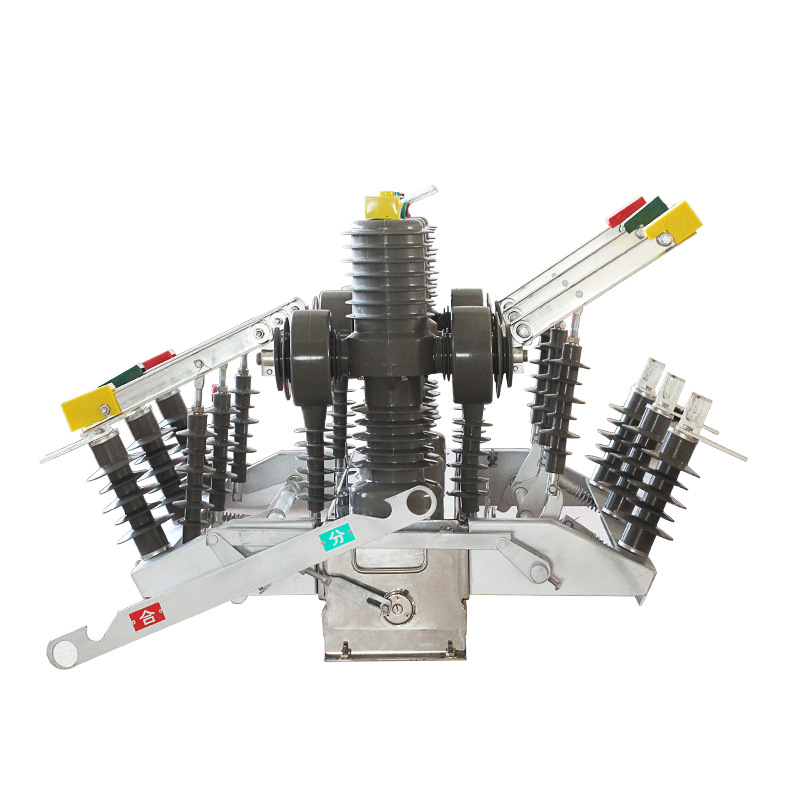
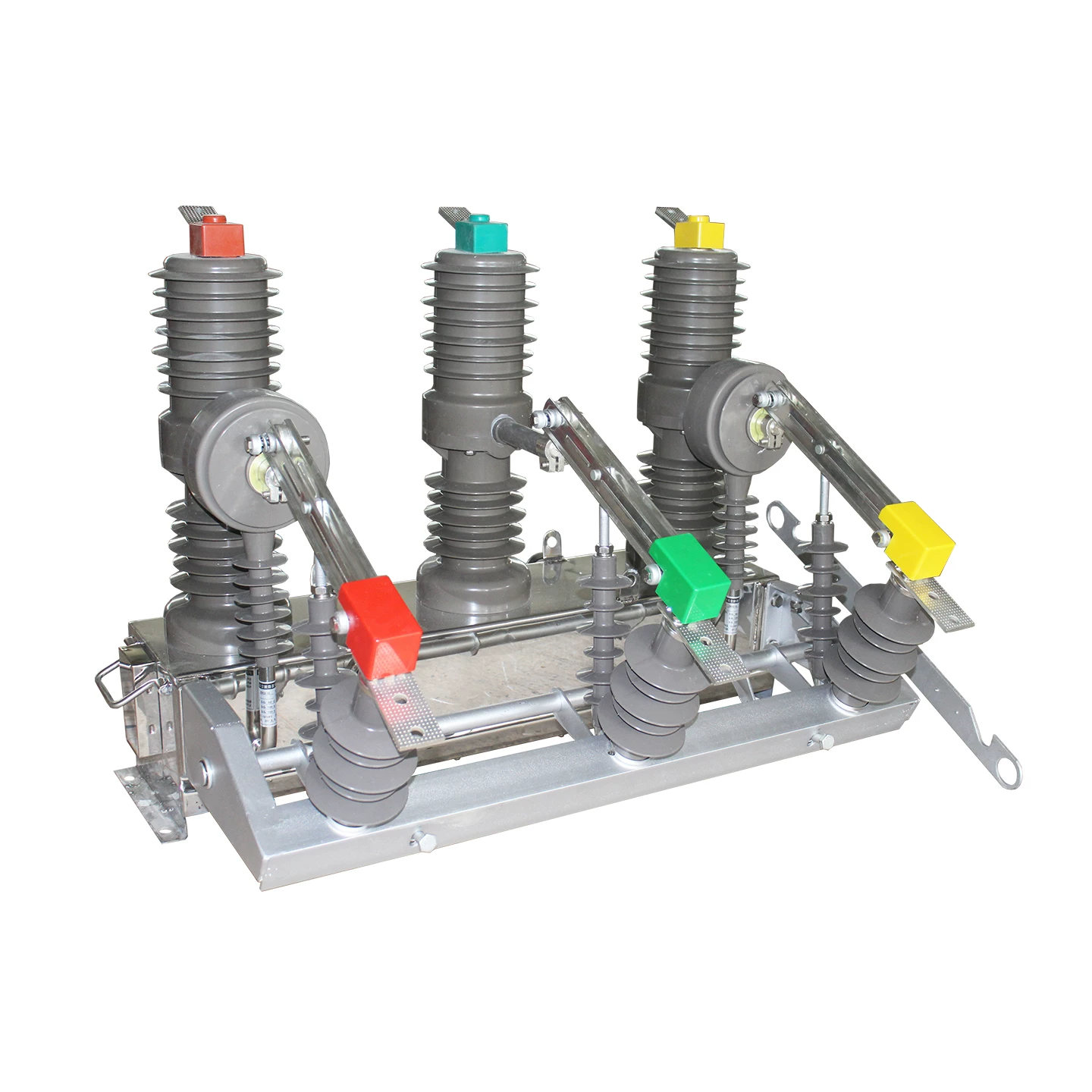
Outdoor Setups: For remote locations where building an enclosed substation isn’t practical, outdoor installations are strictly necessary. An outdoor vacuum circuit breaker faces the elements directly, meaning its physical footprint is smaller, but its housing must be heavily reinforced to match your specific power requirements and survive exposed conditions.
Comparing Long-Term Cost Efficiency and Durability
We never look at just the initial purchase price. True cost efficiency comes from balancing upfront infrastructure expenses against long-term maintenance demands in harsh climates.
| Configuration | Initial Investment | Maintenance Needs | Durability Focus |
|---|---|---|---|
| Indoor Switchgear | High (requires building infrastructure) | Low | Relies on stable ambient temperature for component longevity. |
| Outdoor VCB | Low (minimal infrastructure required) | Moderate to High | Requires extreme moisture and corrosion durability. |
An outdoor high-voltage vacuum circuit breaker must guarantee exceptional weather resistance and meet strict IEC standards to survive a high shock environment and deep winter freezes. To protect the integrity of the entire electrical system in exposed environments, we consistently pair these breakers with a highly durable outdoor disconnect switch to prevent mechanical and isolation failures during severe icing events.
Installation, Maintenance, and Manufacturer Selection
When figuring out how to select vacuum circuit breakers for cold and high-altitude regions, the upfront specs are only half the battle. Long-term success comes down to how easily you can maintain the equipment and who stands behind it.
Overcoming Maintenance Challenges in Remote and Harsh Areas
High-altitude and freezing locations are usually remote. Dispatching a maintenance crew in the middle of a winter storm is costly and dangerous. Therefore, your VCB needs exceptional environmental adaptability to handle severe drops in ambient temperature without constant oversight.
Focus on Weather Resistance: Choose sealed mechanisms that prevent ice buildup and moisture ingress.
Implement Remote Monitoring: Track your operational environment and breaker health digitally to catch issues before they cause failures.
Train for the Environment: When a trip happens, your team needs to act fast. Mastering HV breaker fault troubleshooting is essential for minimizing downtime in freezing conditions.
Assessing Manufacturer Reputation and After-Sales Support
Your selection criteria must prioritize the manufacturer just as much as the hardware. A high-voltage vacuum circuit breaker built for extreme climates requires specialized engineering and rigorous testing.
Demand Proven Durability: Ensure the manufacturer physically tests their equipment in simulated high-altitude and low-temperature labs, not just on paper.
Verify IEC Standard Compliance: The equipment must meet or exceed global standards for extreme weather environments.
Assess Parts and Support: Remote installations require suppliers with fast shipping and responsive technical teams.
Partnering with a trusted manufacturer and choosing a specialized outdoor high-voltage vacuum circuit breaker ensures your electrical system remains stable, regardless of extreme weather or elevation.

Frequently Asked Questions (FAQs)
How do you adjust VCB ratings for altitudes above 2000 meters?
When deploying a high-voltage vacuum circuit breaker above 2000 meters, the lower air pressure significantly reduces the dielectric strength of the air. To ensure proper environmental adaptability, we must apply specific derating factors to the equipment.
Voltage and Current Ratings: For every 100 meters above the standard 1000m baseline set by the IEC standard, insulation levels typically drop by about 1%.
Thermal Adjustments: Thinner air reduces natural cooling efficiency. You must derate continuous current limits to prevent overheating and safely meet your specific power requirements.
Can standard vacuum circuit breakers operate reliably in sub-zero temperatures?
Generally, no. A standard VCB is designed for a moderate ambient temperature. In severe sub-zero weather, standard lubricants thicken and harden, which easily causes mechanical failures in standard units like a 10KV switchgear or a ZN28 type vacuum switch. To safely handle these harsh environmental conditions, we rely on specialized cold-weather breakers. These units are built with aviation-grade low-temperature greases, upgraded weather seals, and automated heaters inside the cabinet type enclosure to actively fight off moisture and corrosion.
What specific maintenance is required for outdoor VCBs in cold climates?
An outdoor vacuum circuit breaker requires a strict, proactive maintenance routine to survive a freezing operational environment. To maintain optimal weather resistance and long-term durability, we implement the following cold-weather checks:
Verify Enclosure Heaters: Regularly confirm that all anti-condensation heaters are active to stop internal ice build-up.
Inspect Weather Seals: Check all external gaskets and insulation points for cold-induced cracking or brittleness.
Test Moving Mechanisms: Periodically operate the breaker manually to ensure mechanical linkages move smoothly without stiffness.
Review Connections: Just as we advise when servicing an outdoor high-voltage SF6 circuit breaker during the winter, you must routinely inspect all terminal connections. Extreme temperature drops can cause dangerous metal contraction, leading to loose connections and system faults.