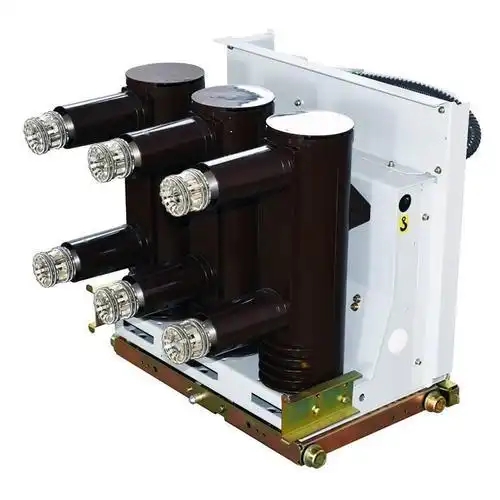
Running a substation well depends on the high-voltage circuit breaker control circuits. Older substations often face failures in these circuits. Mishandling can lead to long outages or cascading issues.
This guide helps you troubleshoot circuit breaker problems with clear methods. We mix basic principles with hands-on experience. This helps maintenance staff find problems and restore power quickly.
About the Author
Thor
Thor has 12 years of experience with high-voltage electrical equipment. He manages operations, maintenance, and fixes issues for these systems. Now, he is an Electrical Engineer at Weishoelec Co., Ltd.
Weishoelec is a Chinese manufacturer focused on developing and producing high-voltage electrical equipment. Their products meet international standards such as IEC and ANSI. They serve clients in Europe, the Americas, the Middle East, and areas in the "Belt and Road" initiative.
Core Principles for Troubleshooting High-Voltage Circuit Breaker Control Circuit Faults
Troubleshooting high-voltage circuit breaker control circuits is simple. Start with basic issues, then check electrical problems, followed by mechanical issues. Finally, address common problems before rare ones.
Watch out for fragile parts, such as indicator lights and terminal blocks. They cause more than 60% of failures. First, check the indicator light status to spot electrical issues. Then, look at the mechanical parts.
Always follow the "two-person operation" rule: one person operates while the other supervises. This helps to prevent mistakes or safety hazards.
1. High Voltage Circuit Breaker Indicator Light Failure: Tackling Common Hot Spots
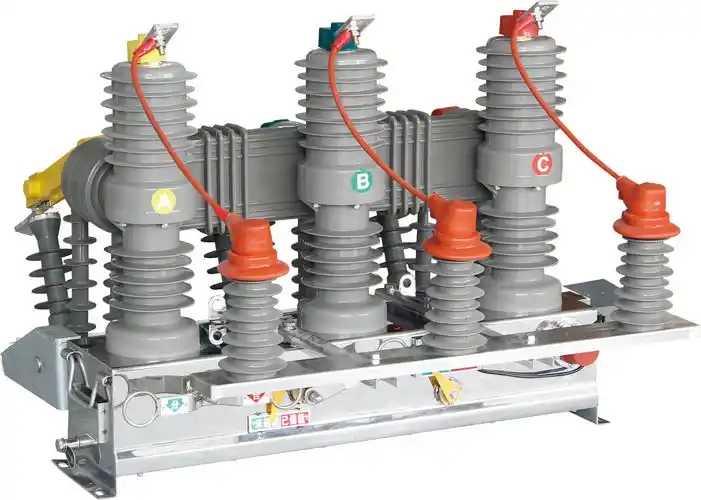
The indicator lights show the control circuit status. Red means closed, and green means open. A dark light often signals a circuit breaker fault. Resolving these issues requires two people.
If both lights are on, refer to my article "How to Fix Circuit Breaker Red and Green Light Issues."
When replacing bulbs, keep the control power on. This prevents losing DC power and avoids triggering protective relays. Before disconnecting power, tell dispatch. Ensure that you ground properly. Also, check the status of protective devices before turning the power back on.
Detailed Troubleshooting Steps (Ranked by Failure Rate):
• Basic Component Inspection: Common Circuit Breaker Indicator Light Fault Causes
Check the bulb for damage, then test it with a spare. Look to see if the control power circuit breaker has tripped. If it has, search for short circuits or overloads.
Check terminal blocks closely. Pay attention to crimped copper lugs and screws. They can loosen due to oxidation or vibration.
Case Study: An old substation had a loose terminal screw in the control circuit. This caused the indicator light to go out. Tightening it immediately solved the issue.
• Auxiliary Component Inspection: Pinpointing Indicator Light Problems
Auxiliary Resistors: Measure resistance with a multimeter. It should match the rated value. Replace if the deviation exceeds 10%. These auxiliary resistors limit coil current to prevent overheating.
Auxiliary Contacts: Operate the circuit breaker by hand. Check if the contacts move together. A little contact cleaner can fix oxidation issues.
Case Study: A thin layer of oxidation on the auxiliary contacts caused the flickering indicator light. This caused an intermittent connection. Light sanding with fine sandpaper fixed it.
• Lockout and Power Checks: Spring Energy Storage and Gas Pressure Impacts
Operating Mechanism: For spring energy storage, check the energy storage indicator. If it lacks a full charge, the lockout contacts remain open, causing the indicator light to turn off.
Gas Circuit Breakers: Check the gas pressure gauge. If the value is too low, the lockout contacts will open. Refill the gas according to the manufacturer's specifications.
• Core Circuit Inspection: Coil and Relay Fault Troubleshooting
Trip/Close Coils: Use a multimeter to test continuity. A broken coil will interrupt the circuit, causing the indicator light to go off.
Control Switch and Anti-Pumping Relay: Simulate switch operation and measure contact continuity. The anti-pumping relay prevents quick reclosing during faults. If its coil fails, it also cuts off the indicator light circuit.
2. High Voltage Circuit Breaker Failure to Close: Understanding Green Light Status
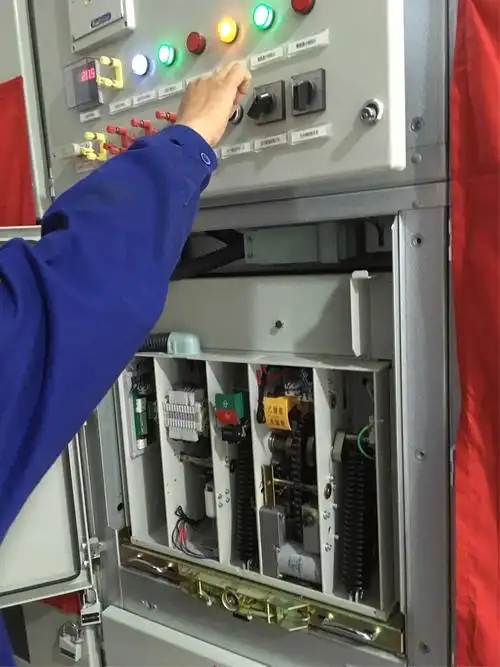
When a high-voltage circuit breaker fails to close, check the green light status. Here's how to interpret it: • Green Light On: This means the breaker is ready and should close. • Green Light Off: If the light is off, the breaker might have a problem and may not close when needed.
Knowing the status helps diagnose issues promptly. Failure to close is a common circuit breaker fault affecting power transmission. First, check the green light. If it's off, follow the "Indicator Light Failure" procedure. If it's on but the breaker won't close, check the closing circuit.
Electrical Circuit Troubleshooting Steps: Resolving Circuit Breaker Failure to Close
• Protection and Lockout Checks: Primary Reasons for Closing Obstructions
Review protection panel messages. Overcurrent or gas relay protection operations will lock out the closing. Reset the protection before trying to close again.
Closing Lockout Solenoid: Measure the coil voltage. It should energize and pull in. No voltage means there is a problem in the lockout circuit. If the coil burns out, replace it.
• Actuating Component Checks: Control Power and Switch for Closing Operation
Closing Rectifier Module: Use a multimeter to check the DC output voltage. It should read 220V or 110V. If there's no output, replace the module.
Control Switch: Ensure the switch engages completely during operation. If the handle isn't pushed all the way, it can lead to poor contact, requiring a proper operating force.
A new maintenance operator did not engage the handle completely. This caused the door to fail to close. Training on proper operating force resolved the issue.
Mechanical Fault Diagnosis and Resolution: Analyzing Circuit Breaker Closing Weakness
If all electrical checks are normal, inspect the mechanical structure.
Fault Phenomenon Quick Diagnosis Common Cause Resolution Method
• Failure to Close (Green Light On)
Operate the mechanism by hand to check for resistance. Cause: Sticking closing linkage; leaky buffer. Solution: Lubricate linkage; replace buffer (professional repair needed).
• Incomplete Closure
Check the mechanism for proper closure. Cause: Buffer failure. Solution: Replace the buffer for complete engagement.
• Weak Closing Force
Check if the power supply is stable. Cause: Fatigue of the stored energy spring. Solution: Inspect the energy storage mechanism or spring (professional repair needed).
If you encounter the problem where both the red light and green light of the circuit breaker are on, please refer to my article How to Fix Circuit Breaker Red & Green Light Issues.
3. High Voltage Circuit Breaker Failure to Trip: Rapid Assessment and Isolation Measures
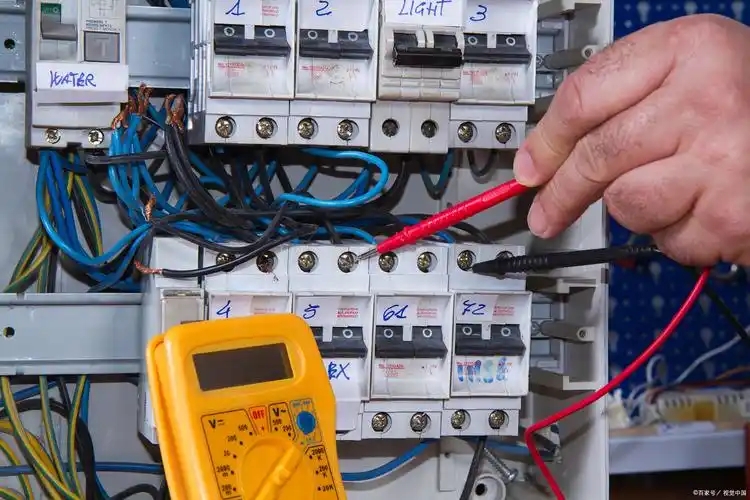
Trip failure is riskier than closing failure. If a circuit breaker won’t trip, check for electrical or mechanical issues. Then, take action right away.
Quick Diagnosis Method: Distinguishing Electrical from Mechanical Faults
Press the manual trip button on the breaker body at the test position. • If it trips, the problem is electrical. • If it doesn’t trip, it is a mechanical fault needing immediate isolation.
Electrical Circuit Troubleshooting: Resolving Electrical Issues That Prevent Circuit Breakers from Tripping
Closed Position Light Off: Check the trip coil and control switch contacts. Follow the "Indicator Light Failure" steps.
Closed Position Light On But Won't Trip: Check if the control switch operation is complete. Clean oxidized contacts with fine sandpaper if needed.
Mechanical Fault Resolution: Emergency Handling of Substation Circuit Breaker Trip Failure
For mechanical faults, rank grid operation to ensure continuity. • Use a bypass circuit breaker to transfer the load, but always check the phase sequence. • If there’s no bypass, use the upstream circuit breaker to isolate the faulty equipment. After isolation, hang a "Do Not Operate" tag.
• Notify maintenance personnel immediately, focusing on inspecting the trip spring and tripping mechanism. Avoid forceful operation to prevent further damage.
4. FAQ: High Voltage Circuit Breaker Control Circuit Fault Prevention and Response
How can I prevent control circuit faults during routine inspections?
Weekly, check terminal blocks with an infrared thermometer. If temperatures are more than 10°C above the ambient temperature, take action. Operate the circuit breaker by hand once a month to prevent contact oxidation. Inspect energy storage and gas pressure quarterly or monthly for older substations.
Can one high-voltage circuit breaker failure lead to a major power outage?
A fault in one circuit breaker control circuit will not directly lead to a widespread outage. Delays in handling can widen the fault's impact. If the faulty equipment doesn't trip, it may affect many customers and areas.
Are there differences in control circuit faults between imported and domestic circuit breakers?
The core principles are consistent across both types of equipment. Imported equipment can have unique features or complex lockout logic. So, it is often important to check the original manufacturer's manuals.
5. Practical Advice and Action Guidelines: Enhancing Substation O&M Skills
• Tool Preparation: Always keep a troubleshooting kit. It should have a multimeter, spare bulbs, contact cleaner, and insulating gloves.
• Case Accumulation: After fixing a fault, note the "fault phenomenon - troubleshooting steps, solution." This helps to create your manual.
• Technical Exchange: For complex electrical fault exclusion, contact the Weishoelec technical team. We provide free remote guidance.
The power grid operates without incidents due to the care and skill of every O&M worker. Starting today, see every fault as a chance to learn. Gather knowledge and skills to become a "guardian" of the power grid.
Note: Working with high-voltage equipment is risky. This article is a troubleshooting guide. Before starting operations, always check the manufacturer's manual. Follow safety rules and procedures for the power industry. Also, work with qualified personnel who will guide you.
If you need more help with control circuit principles or troubleshooting, reach out to us.
Contact:
Phone: +86-0577-62788197
WhatsApp: +86 159 5777 0984
Email: [email protected]
Let's work together to ensure reliable power delivery every time.