
Previous
Next
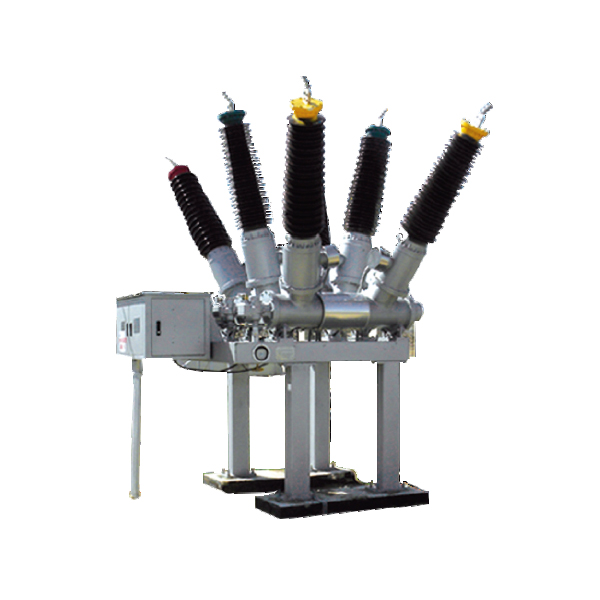
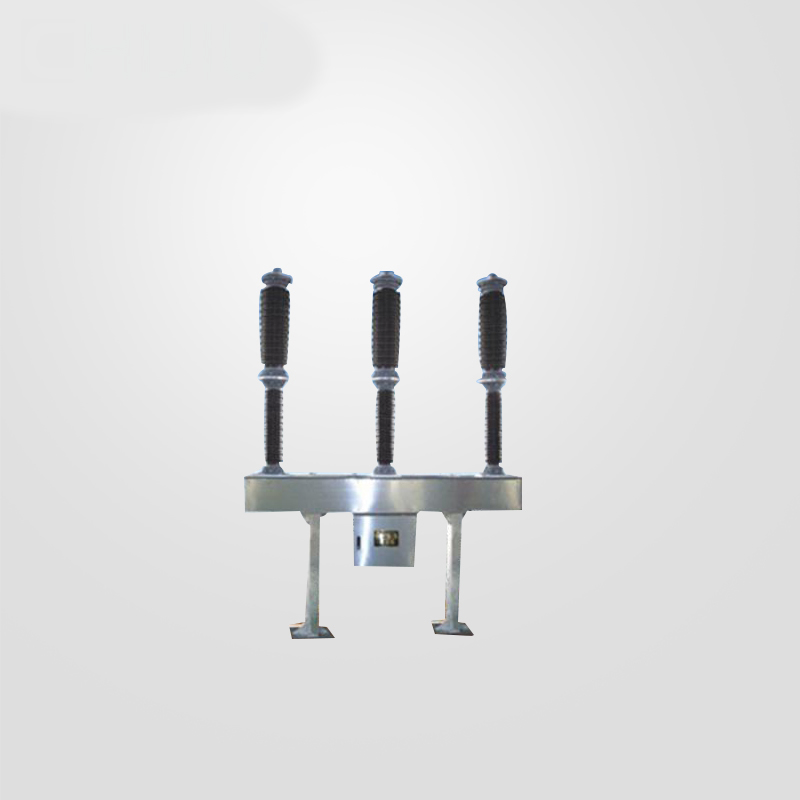
LW38-72.5KV Outdoor High-Voltage SF6 Circuit Breaker
1. Basic Product Positioning
The LW38-72.5 is a three-phase AC 50Hz sulfur hexafluoride (SF₆) circuit breaker specifically designed for 72.5kV (corresponding to 66kV systems) outdoor high-voltage power transmission and distribution networks. It uses SF₆ gas as the arc-extinguishing and insulating medium, and its core functions include controlling power lines and transformers as well as protecting against faults. It is particularly suitable for regional power transmission and transformation scenarios that require high breaking reliability and mechanical stability, and can be used as a main protection circuit breaker or a power grid interconnection device.
2. Core Technical Principles and Performance Highlights
2.1 Efficient Arc Extinction and Low-Energy Operation
It adopts the self-energized arc-extinguishing principle (some models are compatible with auxiliary pressure-blast structures). During opening, the thermal energy from the arc itself heats the SF₆ gas to form a high-pressure gas flow, which, combined with mechanical auxiliary pressure-blast, blows the arc precisely to achieve rapid extinction when the current passes through zero. This design ensures short arcing time and no current chopping, effectively preventing equipment damage caused by overvoltage. Equipped with the mature CT20-type spring operating mechanism, its operating energy consumption is reduced by more than 30% compared with traditional pressure-blast circuit breakers, while operating noise is significantly lowered. The mechanical action response is more rapid—opening time can be controlled within 55~65ms (DC operation), and closing time is ≤100ms, fully meeting the requirements for fast protection.
2.2 Excellent Electrical and Mechanical Reliability
Strong Electrical Performance: The rated short-circuit breaking current reaches 40kA, and it can continuously break fault currents 8 times without maintenance; the rated short-circuit making current (peak value) is 100kA, enabling reliable making of short-circuit faults, making it suitable for industrial distribution networks and regional transmission lines with large short-circuit currents.
Long Mechanical Life: Relying on a single-break three-pole interlocking structure and a high-precision transmission system, the mechanical life stably reaches 6,000 operations, far exceeding the basic standards of conventional circuit breakers, reducing the frequency of equipment replacement and lowering the total life-cycle cost.
Stable Insulation Performance: The rated pressure of SF₆ gas is 0.45MPa (gauge pressure at 20℃), and the gas moisture content is ≤150ppm(v/v), ensuring insulation reliability; the rated lightning impulse withstand voltage reaches 200kV (to ground) and 220kV (fracture), and the power frequency withstand voltage is 140kV (to ground) and 160kV (fracture), adapting to complex insulation environments.
2.3 Strong Environmental Adaptability
The standard model can withstand an extreme temperature range of -45℃~+40℃ and has a wind load resistance of ≤34m/s, adapting to diverse climates such as alpine and arid regions; by optimizing the creepage distance of the porcelain insulator (optional specifications of 25mm/kV and above), it can meet the requirements of pollution level Ⅲ and above, and can operate stably in polluted environments such as industrial areas and plateau edges. The standard model is suitable for areas with an altitude of less than 1,000 meters, and a plateau-enhanced version can be customized according to needs to further expand the scope of application.


3. Key Technical Parameters

4. Structural Design and Maintenance Advantages
4.1 Compact and Reliable Structural Layout
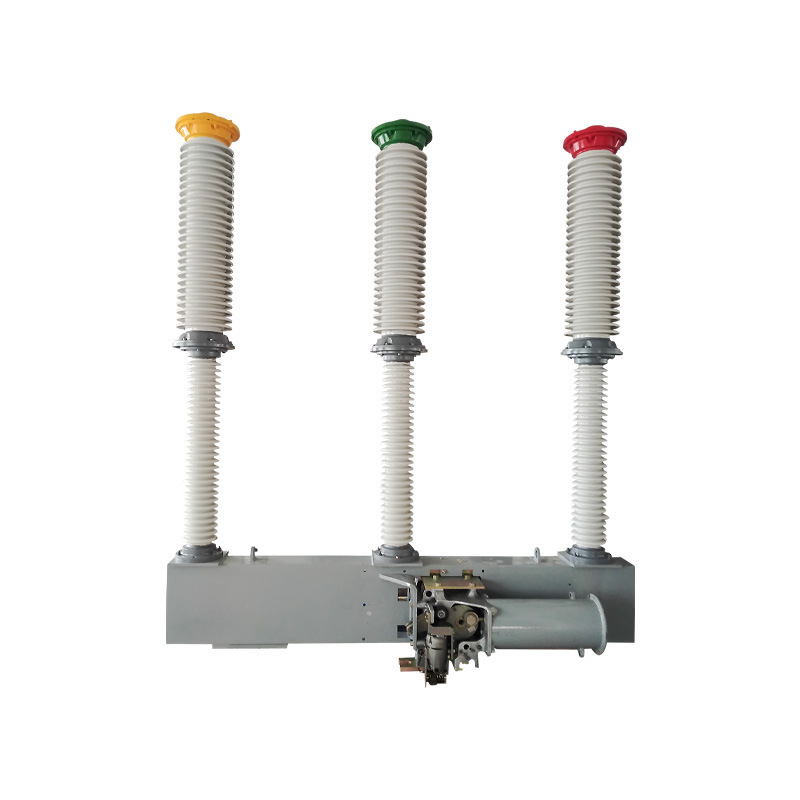
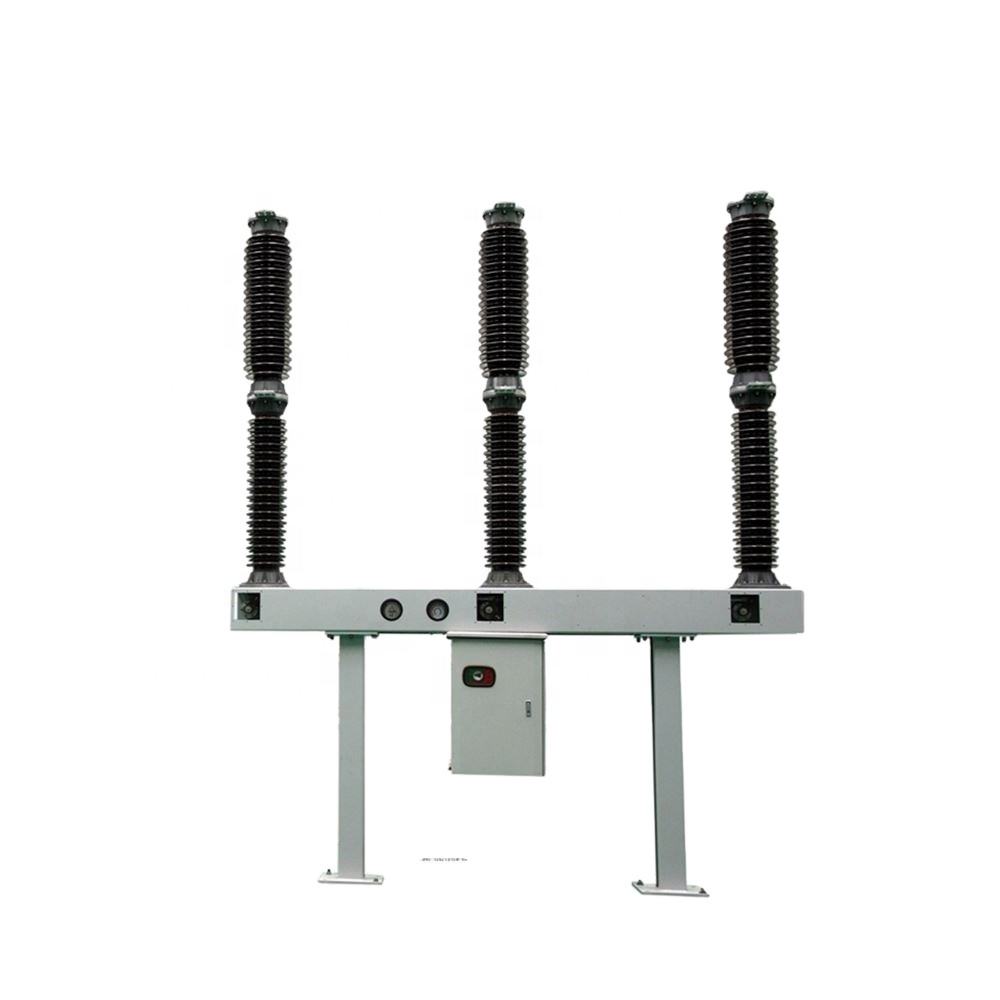
It adopts a three-phase separate porcelain post-type + single-break design. The three poles are fixed on the same common underframe and realize mechanical interlocking through a transmission mechanism. The structure is simple and compact, significantly reducing the outdoor installation area. The SF₆ gas of the three phases is connected through steel pipes to ensure balanced pressure; the arc-extinguishing chamber integrates core components such as static contacts, moving contacts, and nozzles. Combined with the motion conversion mechanism of the transmission box, it realizes the vertical and precise movement of the moving contacts, resulting in high transmission efficiency and low wear. In addition, built-in current transformers (CT) can be configured according to measurement needs, and the integrated design reduces the failure risk of external components.
4.2 Practical Design for Low Maintenance
Convenient Gas Management: Equipped with an SF₆ density gauge for real-time pressure monitoring. When the pressure drops to 0.42MPa, gas replenishment is required; when it drops to 0.40MPa, the operation is automatically locked to avoid insulation and arc-extinguishing failure. The annual gas leakage rate is ≤1%, ensuring a long gas replenishment cycle and reducing maintenance workload.
Built-in Adsorption Protection: A molecular sieve is installed on the side of the transmission box, which can efficiently adsorb moisture in SF₆ gas and low fluorides generated by decomposition, delaying the corrosion of internal components and extending the service life of the equipment.
Adaptable to Intelligent Maintenance: The operating mechanism supports multiple AC and DC voltage levels (closing coil: AC220V/DC48V/110V/220V), and can be connected to a bay control cabinet to realize local-remote control switching. Combined with a microcomputer monitoring system, it can meet the needs of unattended operation.
5. Application Scenarios
66kV Regional Substations: As the main protection equipment, it undertakes the breaking of short-circuit faults and the control of normal currents for transformers and outgoing lines, and is suitable for core nodes of power transmission and distribution in suburban and county areas.
Industrial Distribution Networks: Meets the high-current and high-reliability requirements of 66kV self-owned power stations in large enterprises such as metallurgy and chemical industries, and can withstand frequent operations and complex load impacts.
New Energy Grid-Connection Lines: Suitable for the output circuits of 66kV step-up stations in wind power and photovoltaic power plants, and can reliably break the fluctuating currents of new energy power generation to ensure grid-connection stability.
Alpine Area Distribution: With a low-temperature resistance of -45℃, it is suitable for alpine regions such as Northeast and Northwest China, avoiding the impact of low temperatures on seals and operating mechanisms and ensuring stable operation in winter.
6. Compliance Standards
The product fully complies with the requirements of the national standard GB1984 AC High-Voltage Circuit Breakers and the International Electrotechnical Commission (IEC) standard IEC56. It has passed type tests and full-item factory inspections to ensure that its electrical performance, mechanical reliability, and safety protection meet general industry specifications, making it compatible with mainstream 72.5kV power distribution systems at home and abroad.
7. Frequently Asked Questions (FAQ)
Q1: Can this circuit breaker be adapted to plateau areas with an altitude exceeding 1,000 meters?
A1: The standard model is designed for areas with an altitude of less than 1,000 meters. If it needs to be used in higher-altitude areas (such as 2,000~3,000 meters), a plateau-enhanced version can be customized. This version improves insulation strength to cope with low-pressure environments by increasing the creepage distance of the porcelain insulator and optimizing the SF₆ gas pressure compensation mechanism. It is recommended to specify the specific altitude during procurement so that the manufacturer can adjust the parameters accordingly.
Q2: After the SF₆ gas lockout pressure is triggered, what steps should be taken to resume use?
A2: When the pressure drops to 0.40±0.01MPa and lockout is triggered, the following steps should be taken: ① Immediately take the circuit breaker out of service and isolate it from the power system; ② Use an SF₆ leak detector to check the sealing points (such as the arc-extinguishing chamber flange and gas pipeline joints) to locate and repair the leak; ③ Fill the equipment with qualified SF₆ gas that meets GB/T 12022 standards until the pressure rises back to 0.45MPa (at 20℃); ④ After standing for 24 hours, re-test the gas pressure and moisture content, and put the circuit breaker back into operation only after confirming that the indicators meet the standards. The entire process must be operated by professional maintenance personnel.
Q3: After reaching the mechanical life of 6,000 operations, is it necessary to replace the entire equipment?
A3: It is not necessary to replace the entire equipment. The mechanical life of 6,000 operations refers to the design wear limit of the core transmission components. At this point, you can contact the manufacturer for an overhaul: replace worn vulnerable parts such as contacts, seals, and buffers, and debug and calibrate the operating mechanism to restore the mechanical performance of the equipment and extend its service life. It is recommended to arrange preventive testing in advance after 5,000 operations to avoid sudden failures.
Q4: How to select the appropriate pollution level for the porcelain insulator?
A4: The selection should be based on the pollution conditions of the installation site: For ordinary suburban areas, porcelain insulators with pollution level Ⅲ (creepage distance ≥25mm/kV) can be selected; for heavily polluted areas such as industrial zones and coal mining areas, it is necessary to upgrade to porcelain insulators with pollution level Ⅳ (creepage distance ≥31mm/kV) or add an anti-pollution flashover coating. You can provide the environmental assessment report of the specific installation site, and the manufacturer will provide customization suggestions.
Q5: Can this circuit breaker be interlocked with relay protection devices of different brands?
A5: Yes, it is compatible. The secondary control circuit of the LW38-72.5 adopts a universal industry interface, supporting passive contact signal output and conventional control voltage input, and can be connected to relay protection devices and microcomputer monitoring systems of mainstream domestic and foreign brands. It is recommended to provide the technical manual of the protection device (such as control voltage and signal type) so that the manufacturer can assist in completing circuit adaptation and debugging.
Contact Us
Related Products