
Previous
Next
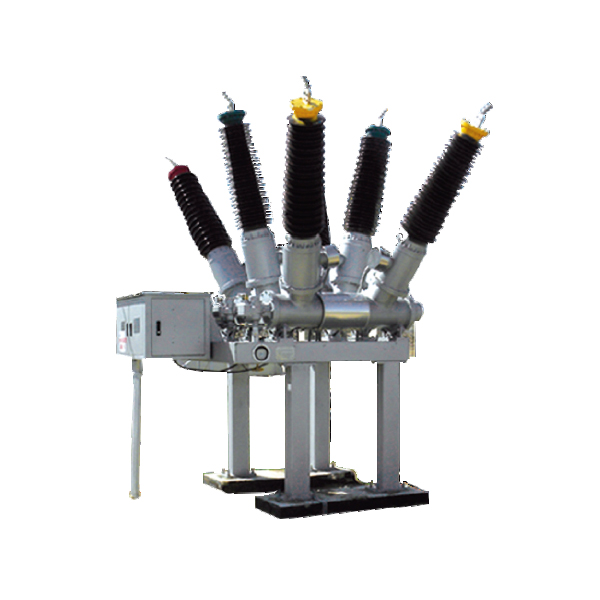
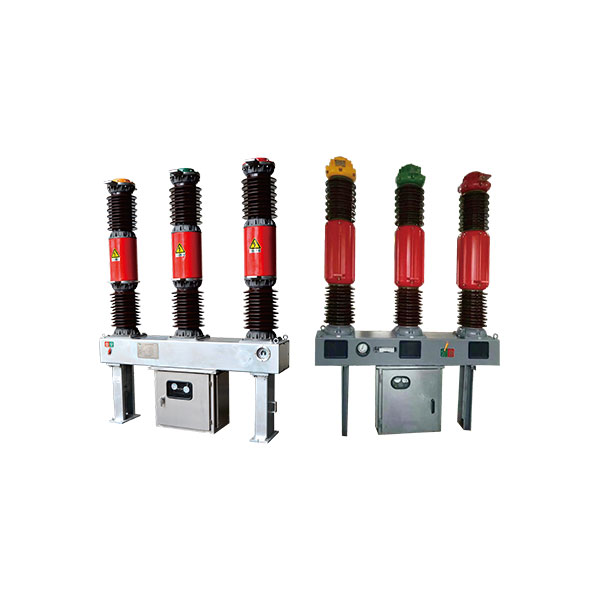
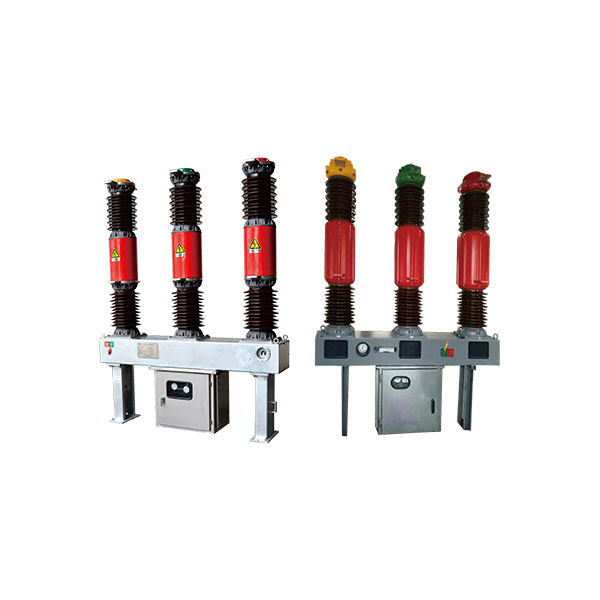
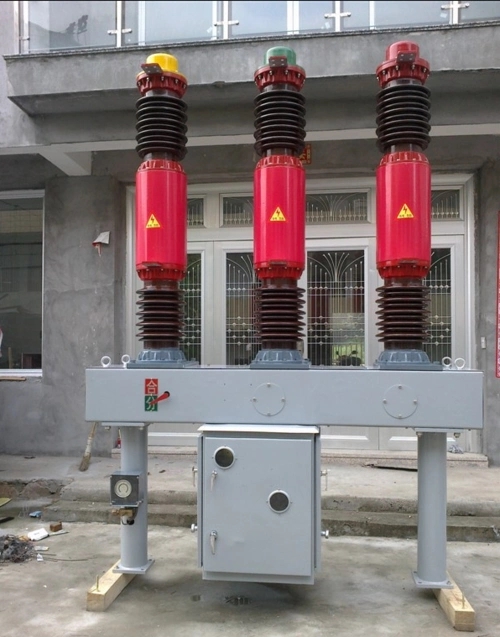
LW36-40.5 Outdoor High-Voltage Sulfur Hexafluoride (SF₆) Circuit Breaker
1. Basic Product Positioning
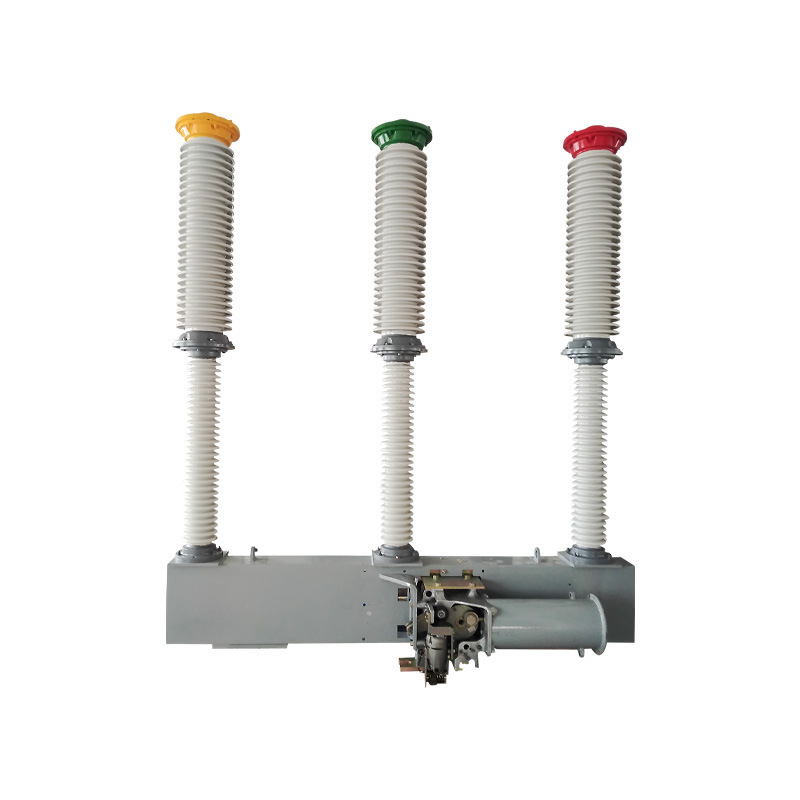
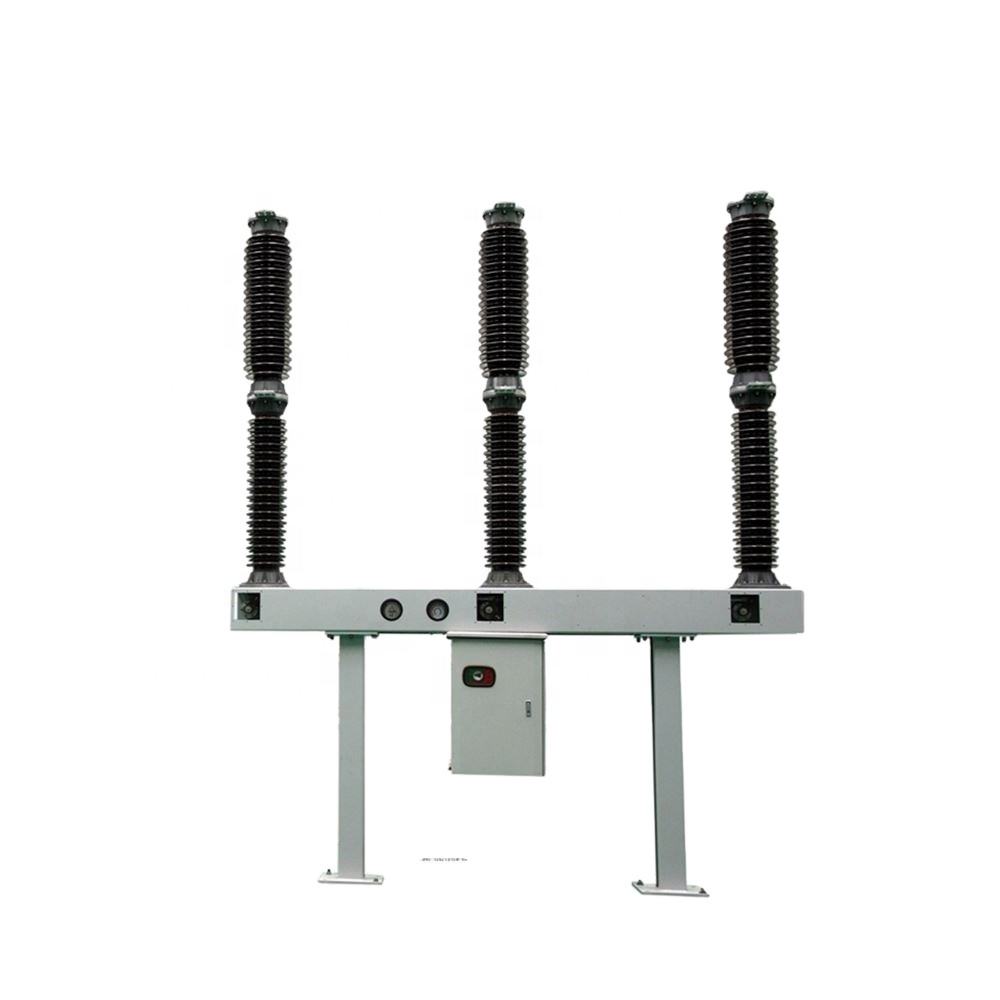
The LW36-40.5 is a three-phase AC 50Hz sulfur hexafluoride (SF₆) circuit breaker specifically designed for 40.5kV (corresponding to 35kV systems) outdoor high-voltage power transmission and distribution scenarios. Its core functions are control and protection of power systems, and it can be used as a protection device for lines and transformers, as well as an interconnection circuit breaker for power grids. It is particularly suitable for distribution scenarios with high requirements for operating energy consumption and breaking stability.
2. Core Technical Principles and Performance Highlights
2.1 Self-Energized Arc Extinction for High Efficiency and Energy Savings
It adopts the self-energized arc-extinguishing principle (some models are equipped with an auxiliary pressure-blast structure), where the arc-extinguishing energy is mainly derived from the thermal energy generated by the arc itself: When opening, the moving and fixed contacts separate to form an arc, which heats the SF₆ gas in the arc-extinguishing chamber, causing the gas to expand due to heat and form a high-pressure gas flow; at the same time, with the assistance of a small amount of mechanical pressure-blast, the high-pressure gas flow blows the arc precisely through the nozzle, prompting the arc to extinguish quickly when the current passes through zero.
Compared with traditional pressure-blast structures, this design reduces operating energy consumption by 30%~50% (the energy storage consumption of the spring operating mechanism is only 800J~1000J), resulting in lower load on the operating mechanism and lower energy consumption during long-term operation. Additionally, there is no current chopping when breaking small currents (such as unloaded transformers and cable lines), effectively preventing equipment damage caused by overvoltage and ensuring better breaking stability.
2.2 Excellent Electrical Life and Mechanical Reliability
Outstanding Electrical Life: Under-rated voltage, it can continuously break 31.5kA/40kA short-circuit current for 18~21 times without maintenance or replacement of SF₆ gas; some high-specification models support a rated short-circuit breaking current of 50kA, making them suitable for complex distribution networks with large short-circuit currents.
Long Mechanical Life: Relying on the low-wear structural design of the self-energized arc-extinguishing chamber, the mechanical life stably reaches ≥5000 operations, far exceeding the basic standards of conventional circuit breakers, reducing the frequency of equipment replacement and lowering the total life-cycle cost.
2.3 Strong Environmental Adaptability
It has excellent outdoor weather resistance. The standard model can withstand an ambient temperature range of -30℃~+40℃ (low-temperature customized models can be adapted to -40℃); it has a wind load resistance of ≤34m/s, an ice coating thickness resistance of ≤10mm, and is compatible with pollution levels Ⅲ~Ⅳ specified in GB/T 5582, enabling stable operation in complex environments such as mountainous areas, plateaus, and industrial zones.
3. Key Technical Parameters
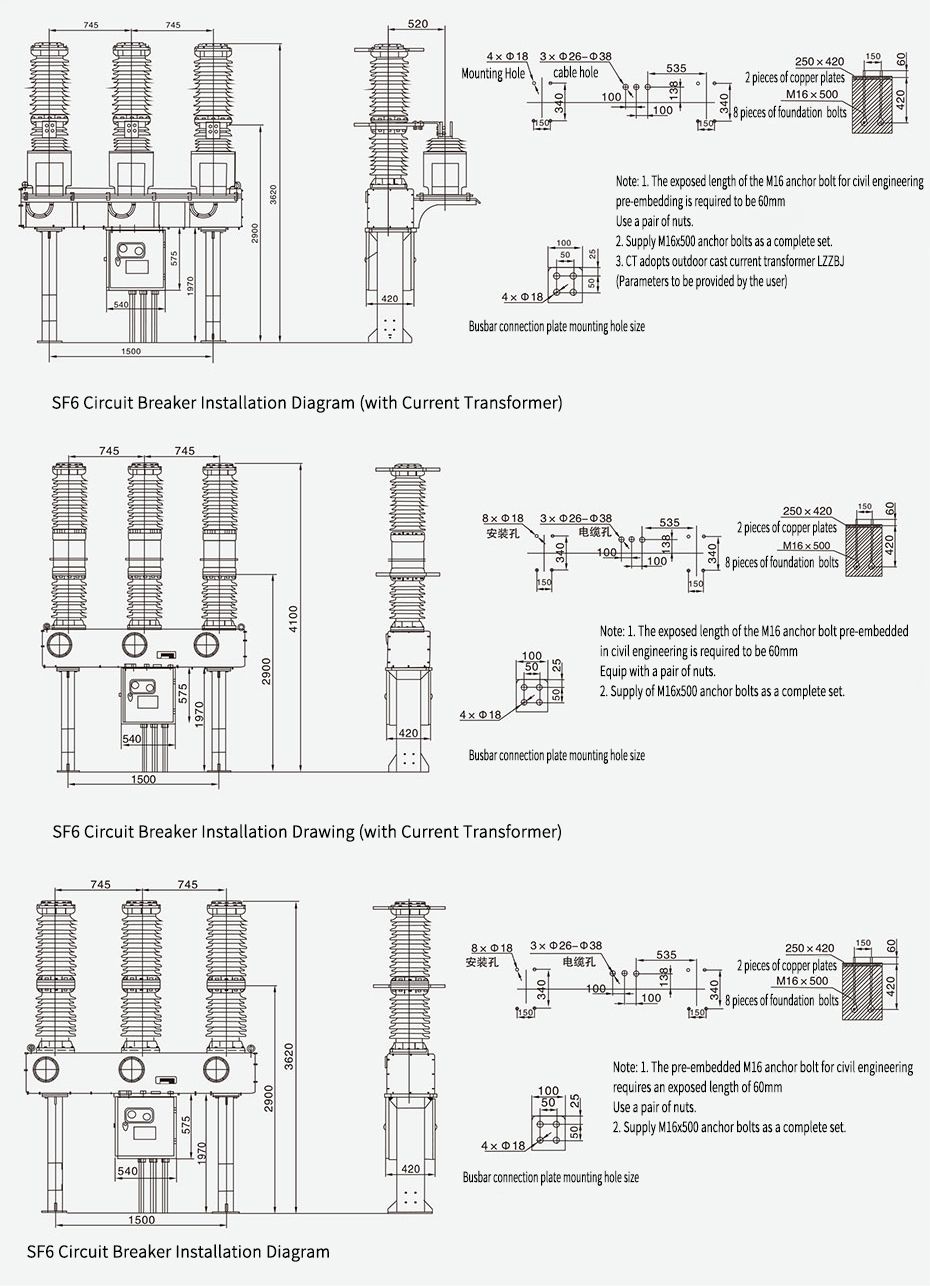
4. Structural Design and Maintenance Advantages
4.1 Compact and Lightweight Structure
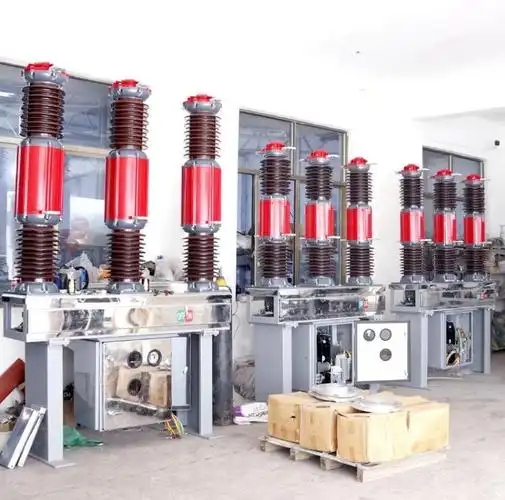
Optimized Overall Layout: Adopts a three-phase porcelain post-type structure, and the underframe is designed with lightweight section steel splicing. Compared with pressure-blast circuit breakers of the same class, it is 10%~15% lighter, which not only reduces transportation costs but also lowers the foundation load requirements during installation. It is particularly suitable for scenarios with limited transportation and installation conditions, such as mountainous areas and plateaus.
Current Transformer Configuration: Mainly uses built-in current transformers. Generally, 3~6 transformers can be installed, supporting accuracy classes such as 0.2S/0.5/10P, which meet the basic needs of power system measurement and protection. While simplifying the structure, it reduces the failure risk of external components and improves the overall reliability of the equipment.
4.2 Convenient Maintenance Design
SF₆ Gas Monitoring: Some models are equipped with electronic density relays, which support remote real-time monitoring of SF₆ gas pressure and can automatically alarm when the pressure is abnormal, eliminating the need for frequent manual inspections; the basic models are equipped with standard pointer-type density gauges, whose readings are not affected by temperature changes, making them intuitive and convenient to use.
Low Maintenance Requirements: The arc-extinguishing chamber has a reliable sealing structure with an annual gas leakage rate of ≤0.3%, resulting in a long SF₆ gas refilling cycle; key components (such as the operating mechanism and contacts) adopt a maintenance-free design. Under normal operation, only a visual inspection and pressure verification are required every 1~2 years, significantly reducing maintenance workload.
5. Application Scenarios
Regional Substations: As the main protection equipment for the 35kV side of 110kV/35kV substations, it is suitable for scenarios that require control and short-circuit protection of lines and transformers, with moderate operation frequency and high requirements for energy consumption and stability.
Plateau/Mountainous Distribution: The lightweight structure is suitable for remote areas with inconvenient transportation, and the low operating energy design reduces the energy consumption pressure of the local power supply system. It is suitable for distribution networks supporting new energy (wind power, photovoltaic) grid connection.
Power Grid Interconnection Lines: Suitable for cross-regional interconnection lines that require stable breaking of short-circuit currents of different levels and focus on long-term energy savings, ensuring power supply reliability during grid interconnection.
Industrial Park Distribution: Suitable for distribution systems in industrial parks with large short-circuit currents and high requirements for equipment pollution resistance, such as protection of high-voltage power supply circuits in chemical and metallurgical parks.
6. Compliance Standards
The product complies with the national standard GB1984-2003 AC High-Voltage Circuit Breakers and the International Electrotechnical Commission (IEC) standard IEC62271-100 High-Voltage AC Circuit Breakers. It has passed strict type tests and factory inspections to ensure that its performance indicators meet the general specifications of the power industry, guaranteeing equipment compatibility and operational safety.
7. Frequently Asked Questions (FAQ)
Q1: Can the LW36-40.5 circuit breaker be customized for extremely cold regions with temperatures below -40℃?
A1: Yes, customized low-temperature versions are available. For regions with temperatures below -40℃, we optimize key components such as seals (using low-temperature-resistant rubber materials) and lubricants (adopting special low-temperature lubricating grease) to ensure the circuit breaker can start and operate normally in extremely cold environments. It is recommended to provide the specific minimum ambient temperature during customization to ensure optimal performance.
Q2: What is the difference between the models with electronic density relays and pointer-type density gauges? Which one is more suitable for remote monitoring systems?
A2: The pointer-type density gauge is a cost-effective option that allows on-site personnel to directly read SF₆ gas pressure without power supply, suitable for scenarios with regular on-site inspections. The electronic density relay can transmit pressure data to the remote monitoring system in real time and trigger an alarm when the pressure is abnormal (e.g., sending a signal to the control room), which is more suitable for unattended substations or large-scale power grids that require centralized remote monitoring.
Q3: Does the LW36-40.5 support parallel operation with other brands of 40.5kV electrical equipment (such as disconnect switches, surge arresters)?
A3: Yes, it supports parallel operation. The LW36-40.5 is designed in accordance with universal industry standards (GB1984-2003, IEC62271-100), and its interface dimensions, electrical parameters, and control signal protocols are compatible with most mainstream brands of 40.5kV electrical equipment. To ensure seamless coordination, it is recommended to provide the technical specifications of the matching equipment to the supplier for pre-verification.
Q4: How long is the typical service life of the LW36-40.5 circuit breaker, and what factors may affect its service life?
A4: The typical design service life of the LW36-40.5 is 20~25 years under normal operation and regular maintenance. Key factors affecting service life include: (1) SF₆ gas quality (impurities or excessive moisture may corrode internal components); (2) environmental conditions (long-term exposure to high pollution, strong ultraviolet radiation, or frequent vibrations may accelerate component aging); (3) operation frequency (exceeding the rated mechanical life of 5000 operations may require replacing worn parts). Regular maintenance (such as gas purity testing, contact wear inspection) can effectively extend the service life.
Q5: What should be done if the SF₆ gas pressure of the circuit breaker drops suddenly?
A5: First, immediately isolate the circuit breaker from the power system to avoid equipment damage caused by insufficient insulation or arc-extinguishing capacity. Then, use a leak detector to check for gas leaks (focus on sealing points such as the arc-extinguishing chamber flange and gas pipeline joints). Do not attempt to refill SF₆ gas before locating the leak—after repairing the leak, refill with qualified SF₆ gas (meeting GB/T 12022 standards) and verify the pressure and gas purity before putting the circuit breaker back into operation. It is recommended to contact professional maintenance personnel for leak detection and repair.
Contact Us
Related Products