Key Steps to Choose the Right Voltage Transformer
Selecting the correct electric transformer is critical for protecting your equipment and ensuring optimal energy efficiency. Whether you are setting up a commercial power supply or a heavy-duty voltage converter for industrial load demands, securing the right equipment is non-negotiable. Follow these core steps to guarantee your setup operates safely and efficiently.
Step 1: Calculate Your System Load Requirements
The foundation of proper transformer sizing is determining the exact power requirements of your connected devices. Accurate load calculations prevent overheating, equipment damage, and system failures.
Locate Specifications: Check the data plates on your equipment to find the required volts and amps.
Determine Total Wattage: Calculate the base power requirement by multiplying Volts by Amps (Watts = Volts × Amps).
Build in a Surge Margin: Motors and certain electronics require extra power at startup. Always add a 20% to 25% safety buffer to your base wattage to determine the minimum transformer capacity.
Quick Sizing Reference
| Metric | Purpose | Calculation Example |
|---|---|---|
| Base Load | The continuous running wattage of your equipment. | 120V × 10A = 1200W |
| Surge Margin | The 20% to 25% safety buffer for startup spikes. | 1200W × 0.25 = 300W |
| Transformer Rating | The minimum capacity required for safe operation. | 1500W (1.5 kVA) |
Step 2: Match Primary and Secondary Voltages
Your transformer acts as the critical bridge between the main power line and your hardware. The input voltage and output voltage are key specifications that dictate compatibility.
Primary (Input) Voltage: This must match the supply voltage coming directly from your facility’s power source or local grid.
Secondary (Output) Voltage: This is the specific voltage rating required to operate your machinery safely.
Verification: Double-check that your transformer type seamlessly steps up or steps down the power to exactly match your equipment’s voltage rating. Getting this wrong will result in immediate hardware failure.
Step 3: Determine the Proper Operating Frequency
Voltage is only half the equation; frequency matching is equally vital for operational stability.
US Market Standards: In the United States, the standard utility frequency is strictly 60 Hz.
Equipment Rating: Ensure your transformer and your connected load are both rated for 60 Hz.
International Machinery: If you are operating imported equipment rated for 50 Hz, standard voltage transformers will not change the frequency. You must verify that your equipment can safely operate at 60 Hz, or you will need to invest in a specialized frequency converter to regulate motor speeds and prevent overheating.
Understanding Core Transformer Ratings
To lock in the right transformer sizing, we need to completely understand the numbers on the equipment nameplate. Getting these ratings right ensures the power supply easily handles all load demands without failing.
Decoding Transformer Capacity in kVA and kW
When I evaluate a power line transformer rating, I look primarily at the capacity listed in kVA (Kilovolt-Amperes) rather than just kW (Kilowatts). Here is how we break it down:
kW (Real Power): The actual total wattage the connected equipment consumes to perform work.
kVA (Apparent Power): The total power the electric transformer must supply to the circuit, encompassing both working power and reactive power.
We must base our transformer capacity on kVA. Sizing a system based strictly on watts without accounting for the power factor will often leave the setup dangerously undersized.
Using Formulas for Accurate Load Conversion
To properly calculate kVA, I start by gathering the input voltage, output voltage, and the total amps required by the load.
Here are the standard formulas we use in the field:
Single-Phase Calculation: (Volts × Amps) / 1000 = kVA
Three-Phase Calculation: (Volts × Amps × 1.732) / 1000 = kVA
The math changes depending on whether we are installing single-phase or three-phase transformers. I always add a 20% surge margin above the absolute maximum load. This crucial buffer absorbs startup spikes safely and prevents the coils from overheating.
Evaluating Operational Efficiency
Energy efficiency is just as critical as total capacity. We look### Decoding Transformer Capacity in kVA and kW
When I evaluate a power line transformer rating, I look primarily at the capacity listed in kVA (Kilovolt-Amperes) rather than just kW (Kilowatts). Here is how we break it down:
kW (Real Power): The actual total wattage the connected equipment consumes to perform work.
kVA (Apparent Power): The total power the electric transformer must supply to the circuit, encompassing both working power and reactive power.
We must base our transformer capacity on kVA. Sizing a system based strictly on watts without accounting for the power factor will often leave the setup dangerously undersized.
Selecting the Ideal Transformer Type

Finding the right electric transformer means looking beyond just the total wattage. We know that to guarantee energy efficiency and reliable performance, you must perfectly match the transformer type to your actual environment and operational needs.
Matching Transformer Types to Specific Applications
Not all systems share the same load demands. Using the wrong equipment leads to overheating and premature failure. Here is a quick guide to matching your application:
Residential & Landscape: Low voltage transformers are the standard for outdoor lighting, irrigation systems, and small home installations.
Commercial & Industrial Distribution: You will need a heavy-duty power line transformer built to sustain massive loads and continuous factory operation.
Sensitive Electronics: Isolation transformers are required to protect delicate control panels from electrical noise.
Always verify your key specifications, such as the exact voltage rating, and stick to CSA-certified transformers to guarantee safety and compliance within the US market.
Selecting a Transformer for a Voltage Regulator
When pairing your equipment with a voltage regulator or a voltage converter, stability is the main goal. The transformer must act as a seamless bridge for your power supply.
Align Voltages: Ensure the input voltage and output voltage match your regulator’s specifications precisely.
Check Tolerances: The transformer needs to handle standard grid fluctuations without disrupting the regulated output.
Planning for Future System Expansion
Never buy a transformer that only meets your current requirements. Equipment upgrades and facility expansions will eventually increase your power draw.
Always factor in a surge margin to handle equipment startup spikes, and build in room for future growth. A standard industry practice is to add at least 20% to 25% extra capacity to your current transformer capacity watts volts amps. If you are planning an upgrade and want to ensure you have enough headroom, knowing how to properly calculate transformer power will keep your system safe. Factoring in future growth during your initial transformer sizing saves you from expensive replacements down the road.
Physical and Environmental Factors

Assessing Transformer Size and Dimensions
When selecting a voltage transformer, the physical footprint is often just as critical as the electrical specs. You cannot simply choose a unit based on kVA capacity; you must ensure it physically fits within your facility’s constraints. Whether you are retrofitting an existing plant or designing a new compact substation, accurate measurement of the available clearance is mandatory. We always advise our clients to cross-reference the transformer’s dimensions with their current infrastructure to avoid costly modifications later. A transformer that is too large for its enclosure or pad will create immediate installation headaches and potential safety violations.
Choosing the Optimal Installation Location
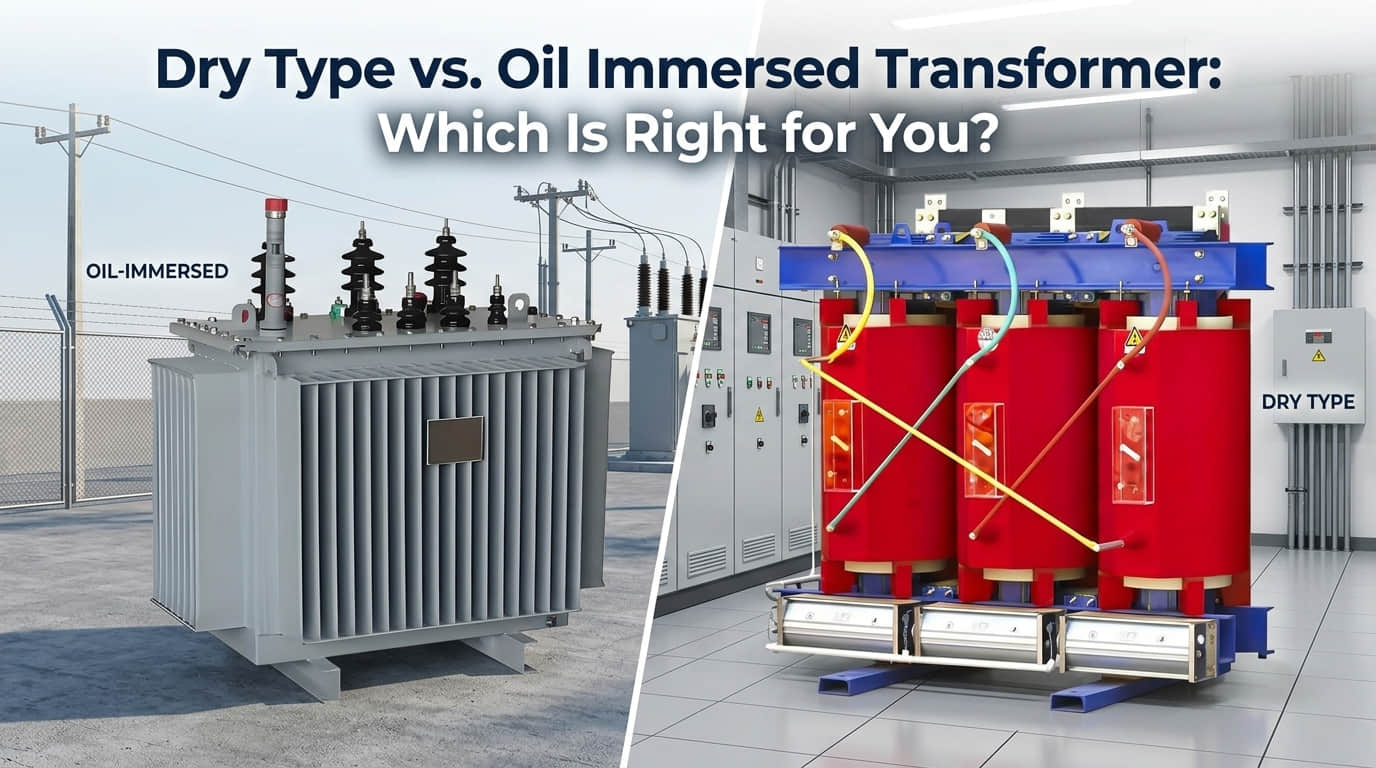
The location of your equipment dictates the technology you should deploy. For indoor applications, particularly in commercial buildings or factories where fire safety is a priority, we typically recommend **Dry Type Transformers**. These units are air-cooled and safer for enclosed spaces, often integrating seamlessly with medium voltage switchgear assemblies. Conversely, for outdoor utility grids or heavy industrial sites, **Oil Immersed Transformers** are the standard. They offer superior cooling and durability for high-load operations but require specific containment measures for the oil.
Protecting Equipment from Environmental Conditions
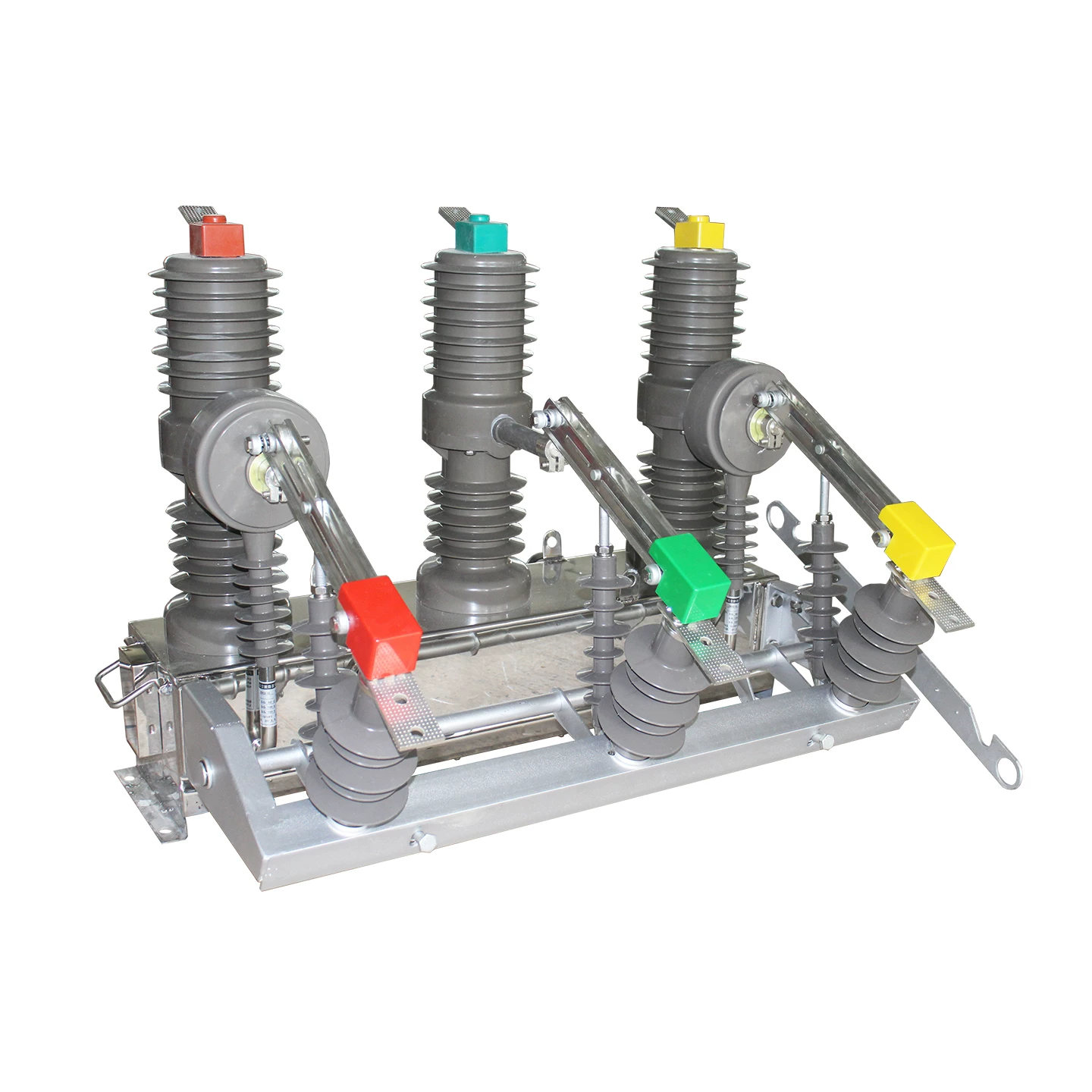
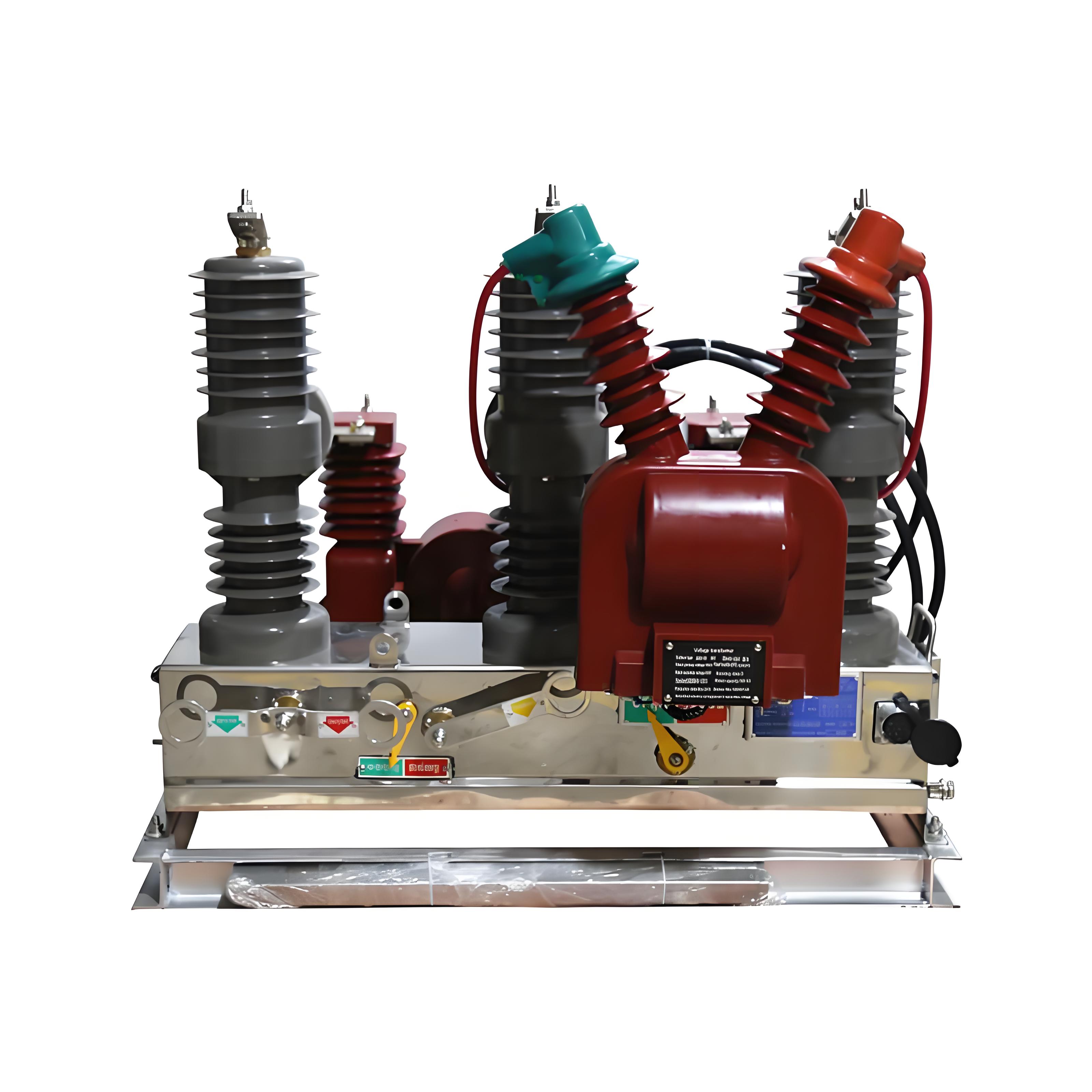
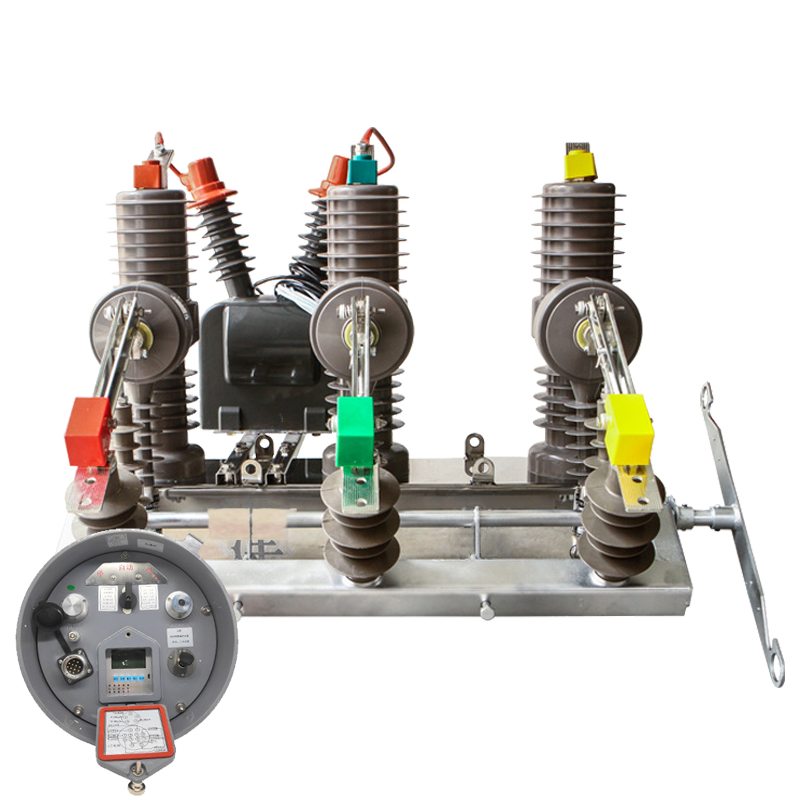
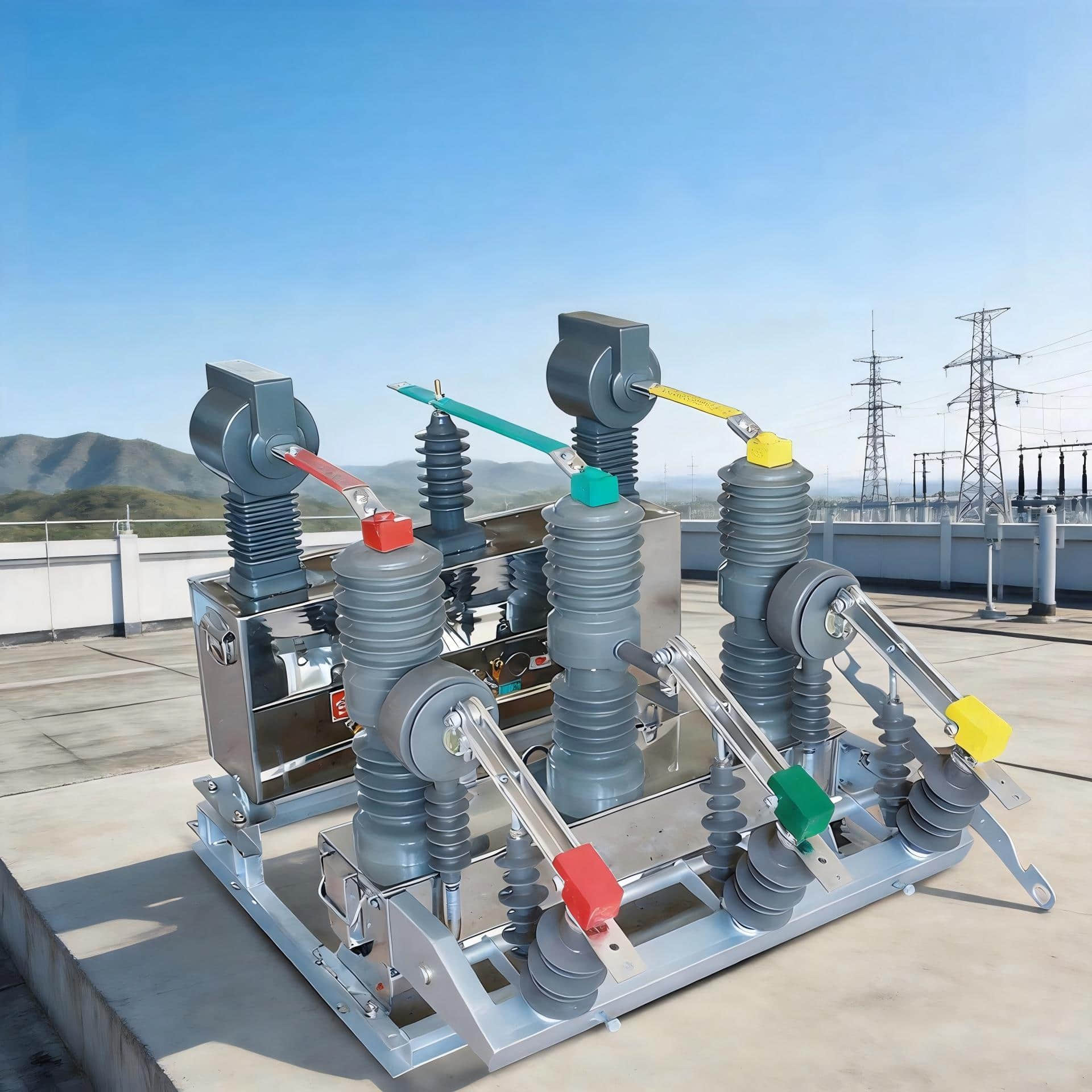
Industrial environments are rarely forgiving, and your power distribution equipment must be built to survive them. We engineer our solutions to withstand diverse extremes, from the humidity of Amazonian climates to the dust of mining operations. If your transformer is installed outdoors, it must be paired with robust protection components. For instance, integrating outdoor vacuum circuit breakers ensures your system remains stable during electrical surges or severe weather events. Always verify that your equipment’s insulation levels and voltage ratings (such as 15kV to 38kV) are rated for the specific altitude, temperature, and pollution levels of your site to prevent premature failure.
Navigating Compliance and Safety Standards
When you are setting up a power system, skipping over safety standards isn’t just risky—it’s often illegal. In the United States, electrical equipment is strictly regulated to prevent fires, shocks, and system failures. Choosing a transformer that meets these standards is non-negotiable for protecting your investment and your team.
Meeting Industry Regulatory Requirements
You need to ensure any equipment you install is up to code. In North America, this usually means looking for specific certifications on the nameplate. If a transformer doesn’t have a recognized safety mark, you shouldn’t install it.
For the US market, look for compliance with standards set by organizations like UL (Underwriters Laboratories) or IEEE (Institute of Electrical and Electronics Engineers). If you are operating near the border or sourcing equipment that might be used in Canada, CSA-certified transformers are the standard to watch for. These certifications verify that the unit has been rigorously tested for safety under various load demands and environmental conditions.
Key Certifications to Look For:
| Certification Body | Relevance | Typical Application |
|---|---|---|
| UL (Underwriters Laboratories) | Essential for US safety compliance. | General industrial and commercial use. |
| IEEE | Sets technical standards for performance. | High-voltage and utility applications. |
| CSA (Canadian Standards Association) | Crucial for cross-border compatibility. | Equipment used in or imported to Canada. |
| NEMA (National Electrical Manufacturers Association) | Defines enclosure ratings (e.g., NEMA 3R). | Outdoor vs. indoor installation suitability. |
Ensuring Long-term Operational Reliability
Compliance gets you in the door, but reliability keeps the lights on. A transformer that barely meets the minimum safety specs might fail if pushed too hard. Long-term reliability comes from selecting a unit designed with a safety margin that exceeds your basic calculations.
Reliability is also tied to how the transformer handles stress. High-quality units are built to withstand thermal cycling (heating up and cooling down) without degrading the insulation. If you are dealing with critical infrastructure, you might consider robust options like a gas-insulated ring main unit to protect the broader distribution network.
Factors that boost reliability:
High-quality insulation materials: Prevents internal arcing.
Proper cooling ratings: Ensures the unit doesn’t overheat under peak load.
Surge protection: Handles unexpected spikes in input voltage.
Investing in a compliant, well-built transformer now prevents expensive downtime and dangerous failures later.

Practical Tips for Voltage Matching and Setup
When we configure a power system, getting the final setup right is just as critical as the hardware itself. How to choose the right voltage transformer for your system ultimately comes down to precise math and careful matching to ensure maximum energy efficiency and safety.
Best Practices for Accurate Load Calculation
We always tell our clients that guessing is the enemy of a reliable power supply. To prevent overloads and ensure longevity, keep these practices in mind when calculating your system’s load demands:
Factor in the Surge Margin: Don’t just calculate the continuous running load. Always add a 20% to 25% surge margin to your total wattage to handle equipment startup spikes without tripping breakers.
Understand Your Metrics: Be clear on the transformer capacity watts volts amps relationship. To accurately calculate kVA, multiply the volts by the amps, then divide by 1,000 for single-phase systems (multiply by 1.732 for three-phase).
Size Up for Safety: Proper transformer sizing means choosing a rating that exceeds your peak load. If your calculated requirement is 45 kVA, bump your transformer rating up to the next standard commercial size, typically 50 kVA.
Expert Tips for Successful Voltage Matching
Matching your input voltage (primary) to the facility’s utility power and your output voltage (secondary) to your equipment is non-negotiable. Here are the core guidelines we follow for successful integration:
| Setup Focus | Key Action |
|---|---|
| Verify the Source | Confirm the actual line voltage from your utility provider before ordering. Do not rely solely on old blueprints or equipment labels. |
| Select the Right Equipment | Choose a high-quality voltage transformer that strictly matches your specific voltage rating requirements to prevent equipment damage. |
| Integrate Regulators | If your local grid experiences frequent fluctuations, pair your setup with a dedicated voltage regulator or voltage converter to stabilize the feed. |
| Check Compliance | Always opt for UL-listed or CSA-certified transformers to meet strict US safety and building codes. |
Whether we are installing localized low-voltage transformers or a heavy-duty power line transformer, verifying these key specifications before installation ensures your electric transformer runs safely and efficiently from day one.