What Is a Low Voltage Transformer? Key Fundamentals
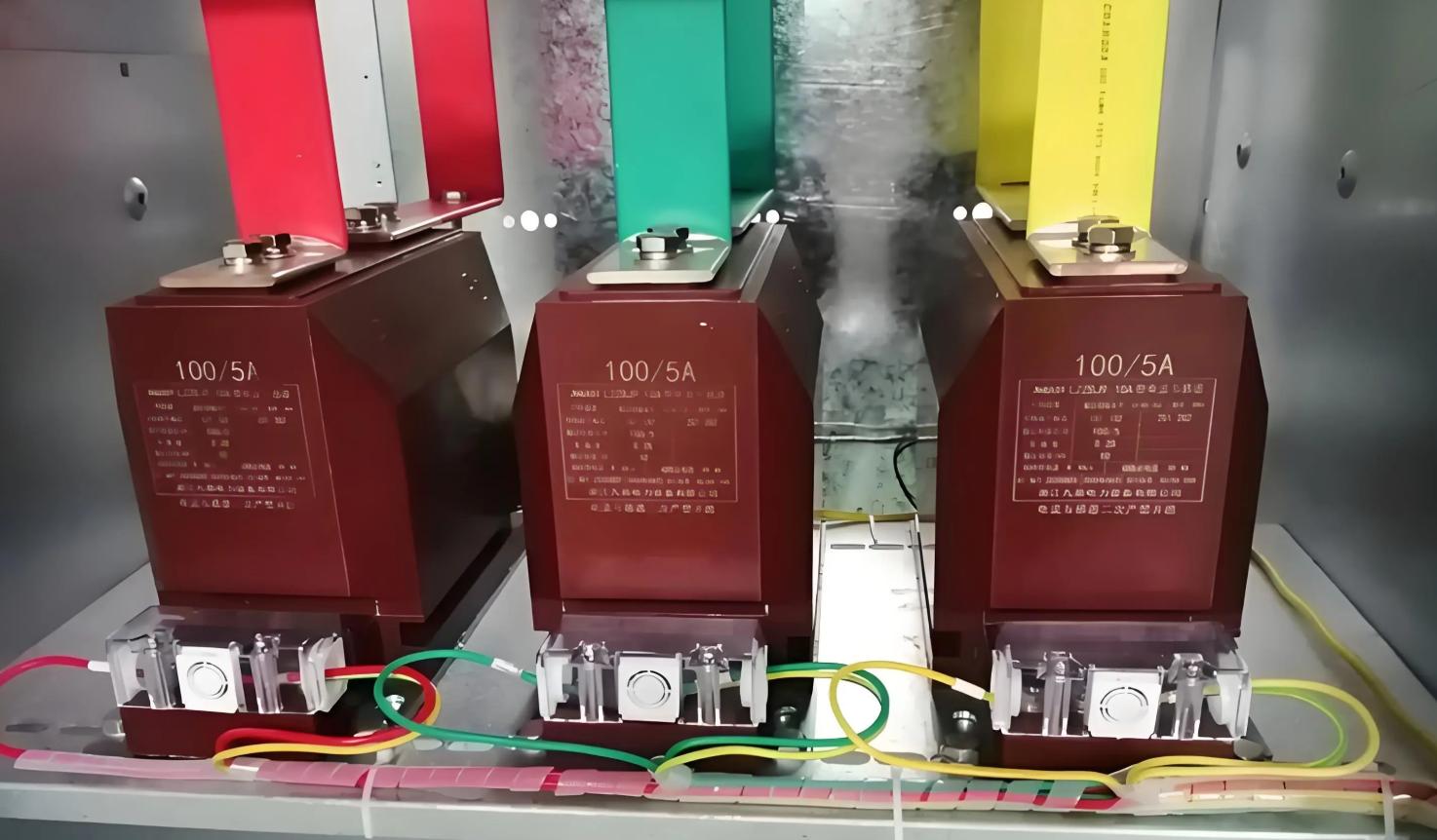
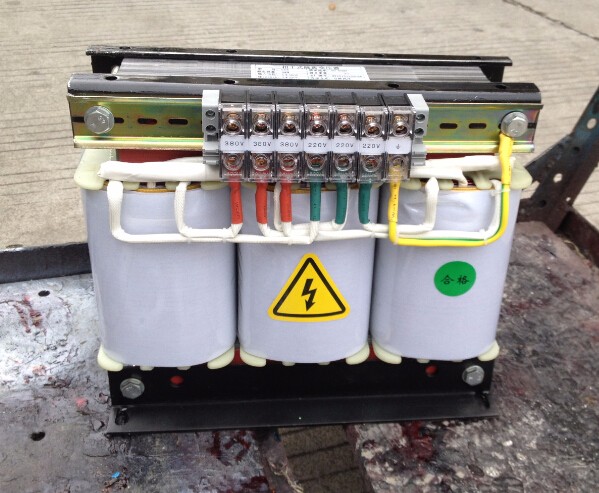
A low-voltage transformer is a static electrical device that transfers energy between two or more circuits through electromagnetic induction. Just like the massive High-Voltage Transformers and Dry-Type Transformers we manufacture for grid substations, these smaller units rely on primary and secondary windings to safely convert voltage levels while maintaining frequency.
Standard Definitions and Voltage Limits
While we often deal with 12kV to 38kV equipment in our switchgear solutions, the definition of “low voltage” is specific. According to ANSI and IEC standards—international benchmarks we strictly adhere to for quality compliance—a transformer is generally classified as low voltage if its primary and secondary windings are rated at 600V or less.
Common Input/Output Configurations
In most applications, these units function as a step-down transformer. They take standard utility power and convert it to safer, usable levels:
Primary Input: Typically 120V, 240V, or 480V (Line Voltage).
Secondary Output: Commonly 12V or 24V (Extra Low Voltage).
The Role in Modern Electrical Systems
Whether it is for residential safety or industrial automation, the low-voltage transformer is the backbone of efficient energy usage. It isolates downstream equipment from high-power spikes, allowing sensitive electronics—such as control panels or LED arrays—to operate without the risk of overload. Just as our Compact Substations ensure grid reliability, these transformers ensure the stability of the final load.
Primary Classifications: Technology and Core Design
When categorizing low voltage transformer types, the biggest divide is the technology inside the box. You generally have two choices: the traditional magnetic build or the modern electronic design. Each handles power conversion differently, impacting everything from weight to noise levels.
Magnetic Low Voltage Transformers (MLV)
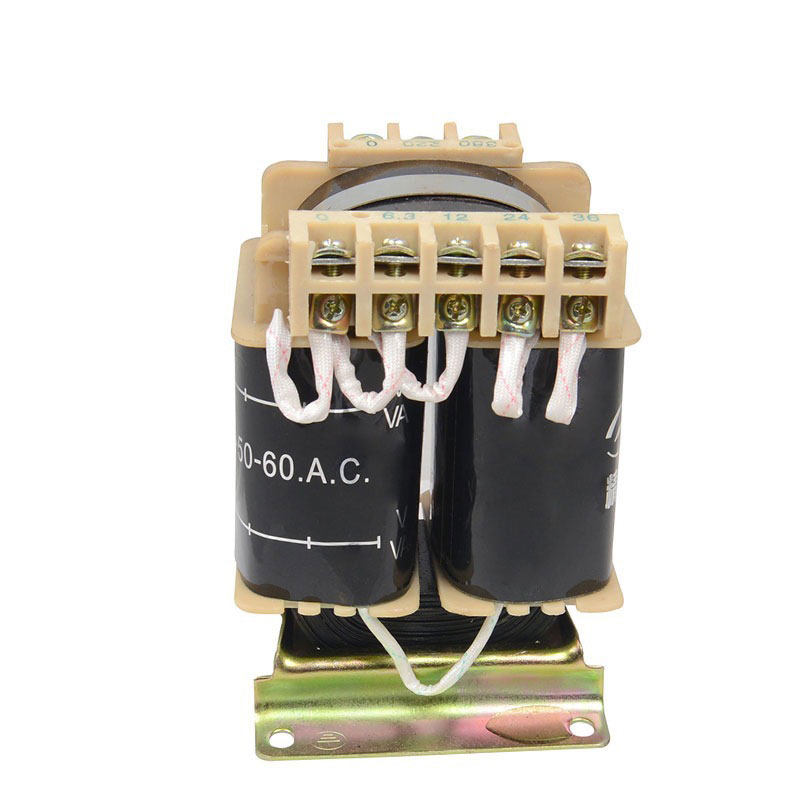
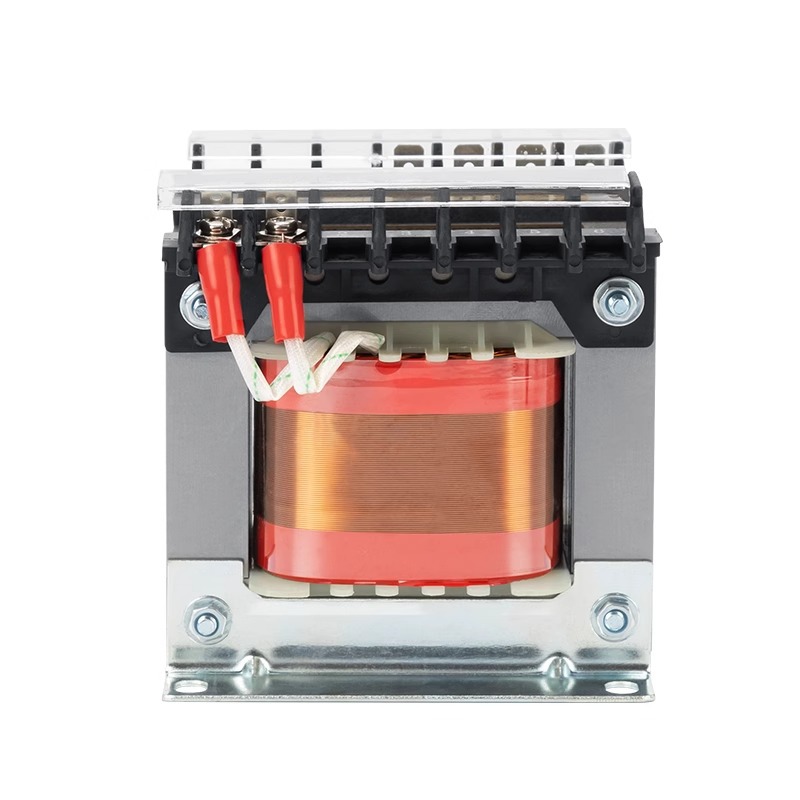
These are the heavy-duty workhorses of the industry. A magnetic low voltage transformer relies on pure physics—two coils of copper wire wrapped around an iron or steel core. Because they rely on simple electromagnetic induction, they are incredibly durable and can last for decades.
Stack-Laminated (EI Core): The most common type. It uses stacked sheets of steel. Reliable and cost-effective, though they can hum slightly.
Toroidal Core: Shaped like a donut. Toroidal vs laminated transformer debates usually end with toroidal winning on efficiency and low noise, but they cost more.
Pros: Proven reliability, long lifespan, and they handle heat/overloads well.
Cons: Heavy, bulky, and can be more expensive upfront.
Electronic Low Voltage Transformers (ELV)
An electronic low voltage transformer uses circuitry to invert the voltage at a very high frequency (often 20k-50k Hz). Instead of a massive iron core, they use compact electronic components to step down the power.
Pros: Extremely lightweight, compact profile (easy to hide), and often cheaper.
Cons: Sensitive to heat, shorter lifespan compared to magnetic versions, and potential for buzzing or interference with some LED dimmers.
Comparison: Magnetic vs. Electronic
Choosing between these technologies depends on your installation environment and load requirements.
| Feature | Magnetic (MLV) | Electronic (ELV) |
|---|---|---|
| Operating Principle | Copper coils & Iron core | Electronic Circuits & Inverters |
| Size & Weight | Large, Heavy | Small, Lightweight |
| Noise Level | Low hum (Laminated) to Silent (Toroidal) | Silent (but can cause dimmer buzz) |
| Lifespan | Long (15-25+ years) | Moderate (5-10 years) |
| Primary Application | Outdoor landscape, Heavy-duty commercial | Indoor track lighting, Under-cabinet LEDs |
| Efficiency | High (especially at full load) | High (but sensitive to minimum loads) |
Classifications by Insulation and Cooling
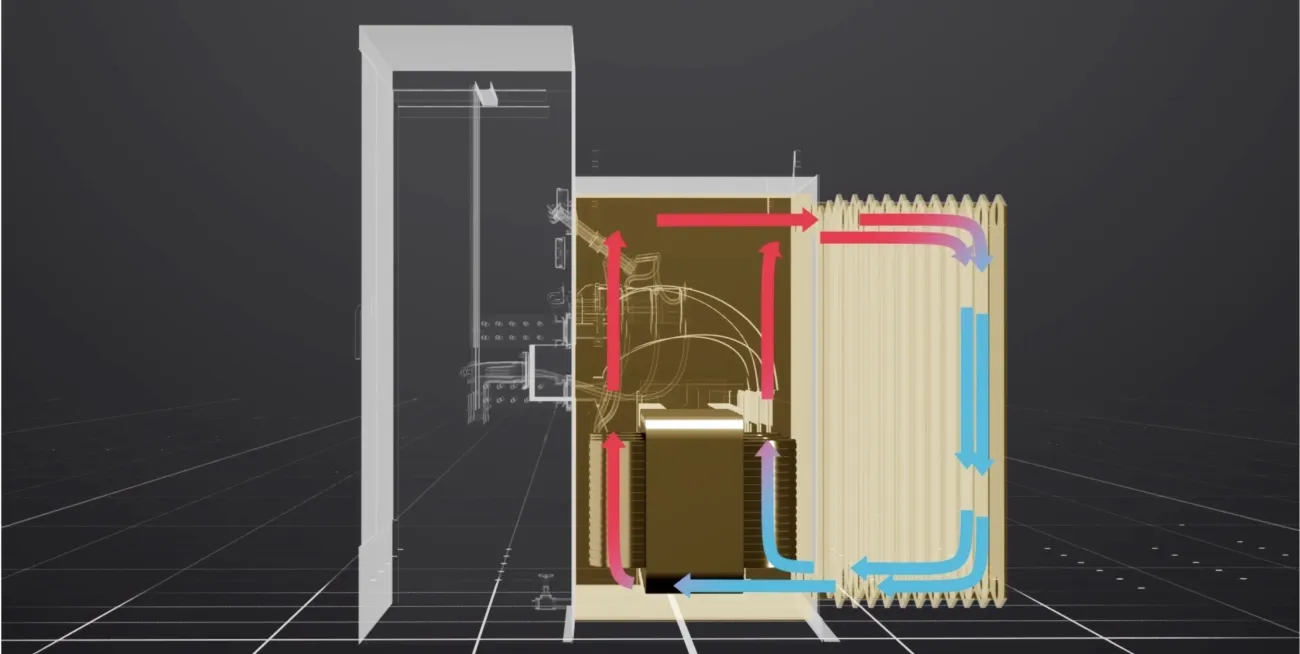
When we look at how transformers manage heat and protect their internal windings, we generally split them into two main camps: dry-type and liquid-filled. Choosing the right insulation method is critical for safety, maintenance, and determining exactly where you can install the unit within your facility.
Dry-Type Low Voltage Transformers
For the vast majority of low voltage applications—especially indoors—the dry type low voltage transformer is the standard choice. These units rely on natural air circulation or forced fans to keep the core cool. The windings are typically encapsulated in resin or pressure-impregnated varnish (VPI) to provide solid electrical insulation and mechanical strength.
Safety First: Since they do not use flammable liquids, they are the preferred option for commercial buildings, hospitals, and schools where fire safety is paramount.
Low Maintenance: There are no fluids to check, test, or clean up, making them a reliable solution for facility managers who need consistent uptime.
System Integration: You will frequently find these units installed in electrical rooms, working in tandem with various types of switchgear to step down power for local distribution.
Oil-Immersed (Liquid-Filled) Transformers
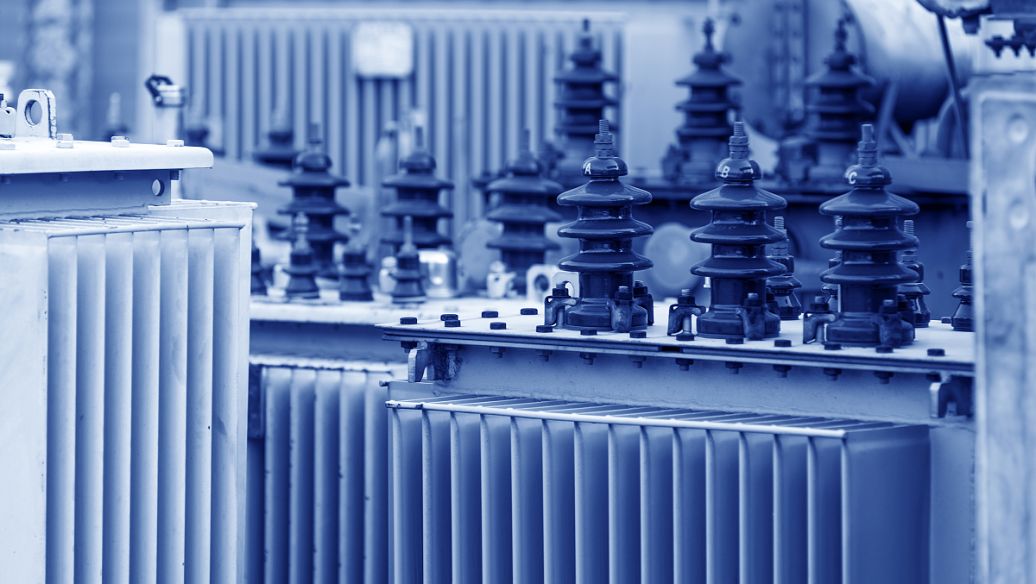
While we typically manufacture oil immersed transformers for higher voltage utility grids (like our pole-mounted barrel units), the technology exists in specific low voltage industrial applications. These designs use oil to cool the windings and insulate the core, with the liquid circulating through external fins to dissipate heat.
Superior Cooling: Oil is a significantly more efficient coolant than air, allowing these units to handle higher loads and severe overloads better than their dry counterparts.
Outdoor Durability: The sealed tank design offers excellent protection against dust, moisture, and corrosive elements, making them suitable for harsh outdoor environments.
The Verdict for Low Voltage
In the low voltage sector (typically under 600V), dry-type technology dominates. The complexity and maintenance requirements of oil-filled units are generally unnecessary for standard 120V, 240V, or 480V applications. Unless you are dealing with a specialized mining operation or extreme environmental conditions, a ventilated or encapsulated dry-type model offers the best balance of cost, safety, and performance.
Classifications by Phase and Output Type
When categorizing low voltage transformers, we look beyond just the core technology to how the power is delivered and utilized. Understanding the phase configuration and output type is critical for matching the transformer to the specific electrical load, whether it’s a simple home circuit or a complex industrial machine.
Single-Phase Transformers
For most residential and light commercial applications, single-phase transformers are the standard. These units operate on a two-wire alternating current system and are ideal for lighting, heating, and small motor loads. In our manufacturing experience, we see high demand for reliable single-phase pole-mounted barrel transformers (available in 15 kVA, 25 kVA, and 100 kVA ratings) which serve as the final step-down point to bring safe voltage levels to homes and small businesses.
Three-Phase Transformers
Industrial environments require more stable and consistent power for heavy-duty equipment. Three-Phase transformers are designed to handle these larger, balanced loads with greater efficiency than single-phase options. They are essential for powering large motors, pumps, and manufacturing lines where vibration and power continuity are concerns. We often deploy advanced non-encapsulated dry-type power transformers in these settings because they offer excellent fire resistance and require minimal maintenance indoors.
Output-Specific: AC/AC vs. AC/DC
The final classification depends on what the connected device actually needs:
AC/AC Transformers: These are traditional step-down transformers. They take 120V AC in and put 12V or 24V AC out. They are robust and commonly used for standard landscape lighting and doorbells.
AC/DC Drivers: Many modern electronics, specifically LED lighting and security cameras, operate on Direct Current (DC). An AC to DC low voltage converter (often called a driver) combines a transformer with a rectifier to output steady DC power, preventing the flicker often associated with using AC power on DC-native devices.
Specialized Types by Application
When we engineer power solutions, the application always dictates the design. While general-purpose units handle basic power conversion, specialized environments require specific features to ensure safety, efficiency, and longevity. Here is how we classify low voltage transformers based on their specific utility in the field.
Landscape and Outdoor Lighting Transformers
In the U.S. residential and commercial markets, landscape lighting transformers are the most recognizable low voltage type. These units act as a step-down transformer low voltage solution, typically converting standard 120V line voltage to a safer 12V or 24V.
Multi-tap outputs: Essential for compensating for voltage drop over long cable runs in large gardens or walkways.
Weatherproofing: Built with sealed enclosures to withstand rain, snow, and UV exposure.
Control features: Often integrated with photocells or timers to automate operation based on ambient light.
Control Transformers
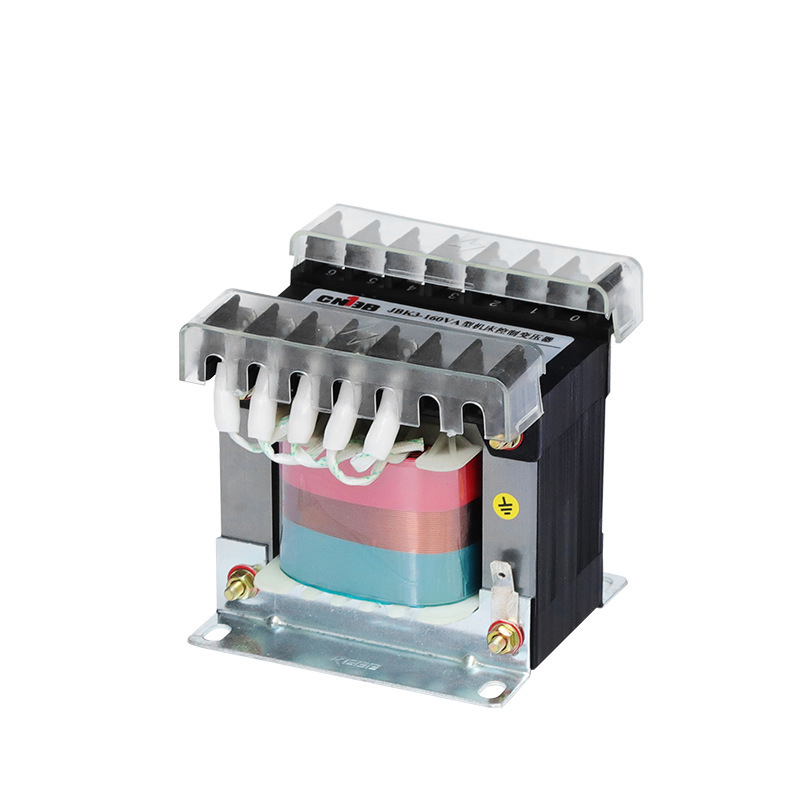
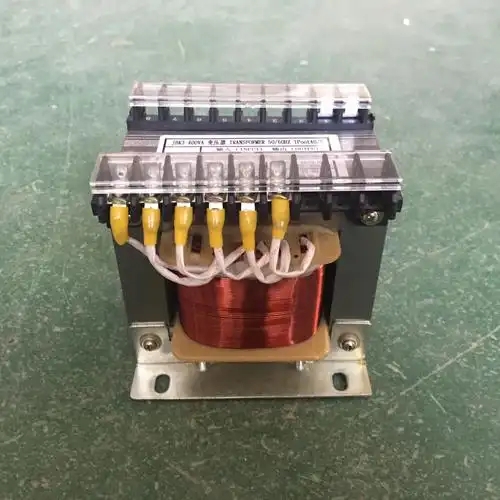
In industrial panels and manufacturing floors, control transformer applications are critical for powering electromagnetic devices like solenoids, relays, and contactors. These transformers are designed to handle high inrush currents without allowing the output voltage to collapse, ensuring machine stability. They provide precise voltage regulation to keep automated systems running smoothly, acting as the heartbeat of industrial motor control centers.
Isolation Transformers
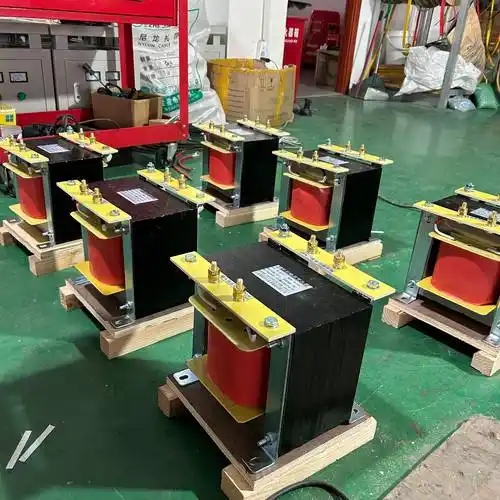
When personnel safety and equipment protection are non-negotiable, an isolation transformer low-voltage unit is the standard choice. Unlike autotransformers, these feature separate primary and secondary windings to galvanically isolate the load from the supply source. This separation prevents the transmission of DC noise and reduces shock hazards. In complex distribution networks, using isolation equipment effectively is as vital as using a high-quality isolator to physically disconnect circuits for safe maintenance.
Autotransformers
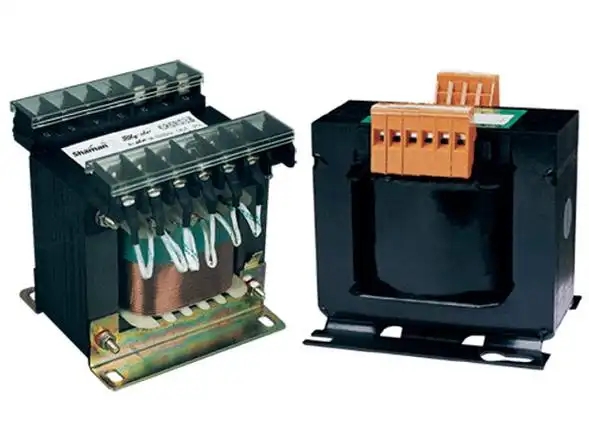
For applications where electrical isolation between the input and output is not required, autotransformers offer a compact and cost-effective solution. They utilize a single shared winding to step the voltage up or down. Because they use less copper and steel core material, they are generally smaller, lighter, and more energy-efficient than isolation transformers, making them ideal for slight voltage adjustments in stable environments.
Mining and Specialty Transformers
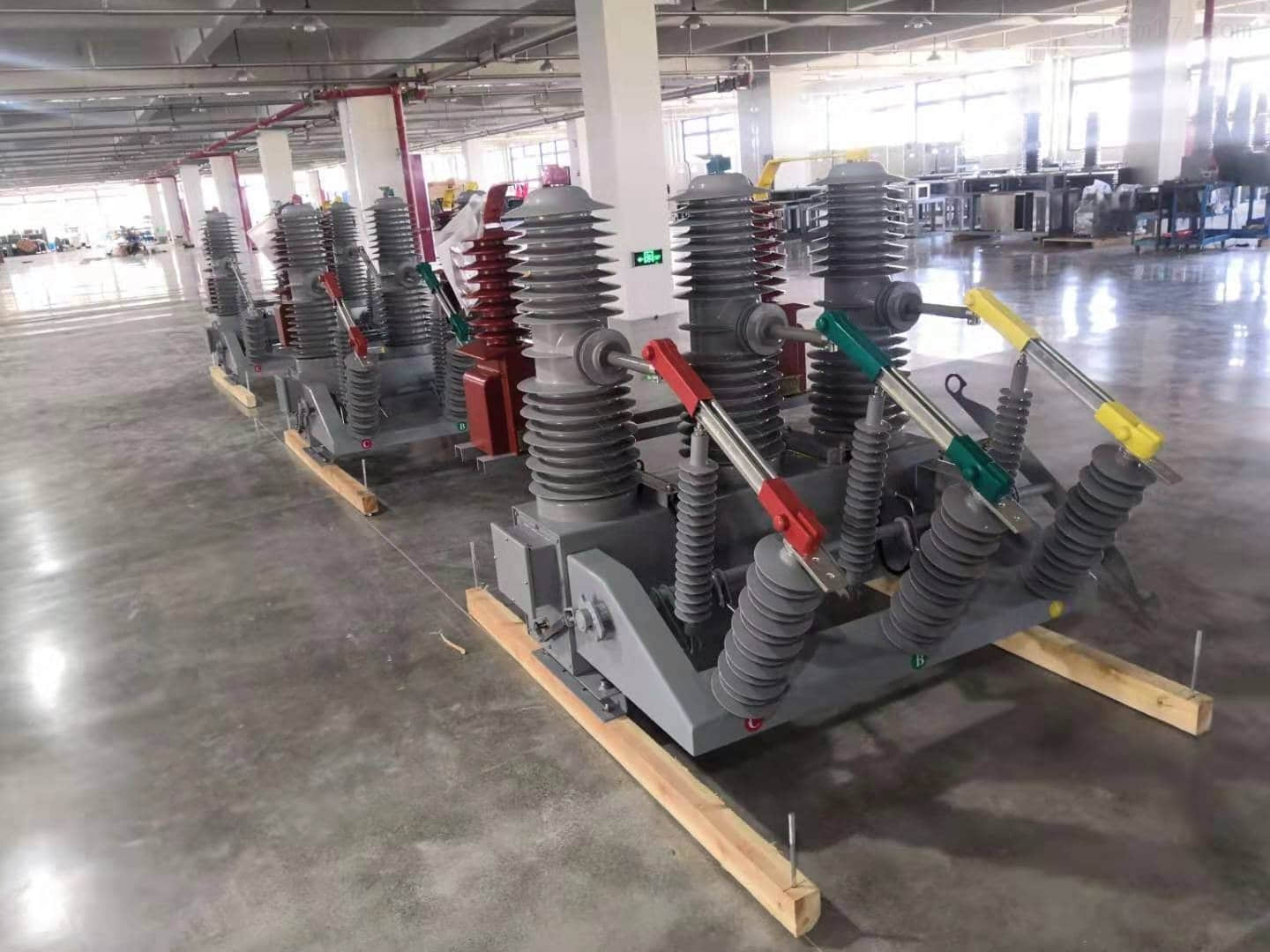
Harsh environments demand rugged engineering. Mining transformers are built with reinforced insulation and heavy-duty enclosures to resist extreme vibration, dust, and moisture. In these high-stakes sectors, reliability is paramount. These transformers often operate alongside robust protection systems, such as an outdoor self-energy type circuit breaker, to immediately interrupt faults and prevent catastrophic failure in remote or hazardous locations. Other notables in this category include buck-boost transformers for correcting line voltage and smart transformers integrated with IoT sensors for real-time load monitoring.
How to Choose the Right Low Voltage Transformer
Selecting the correct low voltage transformer types for your specific application requires more than just matching voltage numbers. As a manufacturer committed to high-quality electrical solutions, we know that system reliability starts with proper specification. Whether you are dealing with industrial control panels or outdoor infrastructure, the goal is ensuring safety and longevity.
Key Selection Factors
To avoid system failure, you must evaluate three critical areas: load capacity, distance, and environment.
Wattage and Load Calculation: Never run a transformer at 100% capacity. We recommend sizing your unit so the total load is only 80% of the transformer’s maximum wattage. This “headroom” prevents overheating and extends the lifespan of the equipment.
Voltage Drop Compensation: For long cable runs, resistance increases, causing voltage to drop before it reaches the fixture or device. You must select a transformer with multi-tap outputs or ensure your cabling is thick enough to handle the distance. Understanding the relationship between amperage and conductor thickness is vital; for instance, knowing what size wire for 60 amp loads helps illustrate how critical proper wire gauging is for maintaining voltage stability.
Environmental Rating: If the installation is outdoors, the enclosure must be weatherproof (NEMA 3R or IP rated). For indoor industrial settings, an energy efficient low voltage transformer with proper ventilation is standard.
Efficiency, Standards, and Common Pitfalls
Adhering to international standards is non-negotiable for safety. At WEISHO, our equipment complies with UL, IEC, and ANSI standards, ensuring robust performance under fault conditions.
Avoid these common mistakes:
Overloading: Connecting too many fixtures results in tripping breakers or permanent coil damage.
Ignoring Inrush Current: Some loads (like motors or large contactors) draw a high current upon startup.
Poor Compatibility: Using an electronic transformer with LED lights that require a magnetic driver can cause flickering or failure.
WEISHO’s Advantage: Proven Reliability
While many generic options exist, industrial and commercial projects require proven reliability. Our background in manufacturing high-voltage equipment, such as Compact Substations and Oil Immersed Transformers, informs how we approach every power solution. We focus on:
1. Customizable Solutions: Tailoring specs to meet unique grid or facility requirements.
2. Strict Quality Control: Every unit undergoes rigorous testing to ensure it meets the listed service life.
3. Comprehensive Support: From Vacuum Circuit Breakers to transformer integration, we provide end-to-end technical backing.
Quick Selection Guide
| Factor | Recommendation |
|---|---|
| Total Load | Keep the continuous load under 80% of rated capacity. |
| Location | Use Resin/Epoxy Sealed for outdoor; Vented for indoor dry use. |
| Compatibility | Match transformer type (Magnetic vs. Electronic) to the load type (Motor vs. LED). |
| Certification | Ensure UL or IEC listing for insurance and safety compliance. |
Frequently Asked Questions (FAQs)
What is the difference between magnetic and electronic low voltage transformers?
The main difference lies in how they handle the current. A magnetic low voltage transformer relies on traditional heavy copper coils and an iron core to step down voltage. They are heavier, operate at lower frequencies, and are known for extreme durability. In contrast, an electronic low voltage transformer uses complex circuitry to switch current at very high frequencies. This makes them significantly lighter, smaller, and often quieter, but they can be sensitive to heat and compatibility issues with certain dimmers.
Can I use an indoor transformer for outdoor landscape lighting?
No, you should never use an indoor-rated unit outside. An outdoor low voltage transformer is specifically engineered with weather-resistant enclosures (often NEMA rated) to withstand rain, dust, and temperature fluctuations. Using an indoor model outside exposes the components to moisture, creating a serious safety hazard and guaranteeing equipment failure. Always verify the IP rating before installation.
How do I size a low voltage transformer for my project?
Sizing requires simple math and a safety buffer. First, add up the total wattage of all lights or devices you plan to connect. Then, add a 10% to 20% “headroom” buffer to prevent the unit from running at maximum capacity, which extends its lifespan. When selecting a reliable step-down transformer, ensuring your total load doesn’t exceed 80% of the transformer’s rated capacity is the industry standard for safety and efficiency.
Do low voltage transformers save electricity?
Not directly on their own. The transformer itself consumes a small amount of power to function (core loss). However, energy efficient low voltage transformers enable the use of low-wattage devices, such as LED lighting systems. While the transformer converts the power, the electricity savings come from the high-efficiency fixtures connected to the system rather than the voltage conversion process itself.