Are you struggling to figure out exactly when an isolation transformer is needed? Making the wrong choice can leave your sensitive electronics exposed to dangerous power surges and electrical noise.
As an industry expert, I know that investing in the right power protection is crucial for safety and performance. I will give you advice that goes far beyond the basic manuals.
You might already know that these devices provide essential galvanic isolation…
But what are the exact environments—like medical facilities or complex IT setups—where they are absolutely non-negotiable?
Well, you’re in for a treat because I’ve put together a complete guide.
In this post, you’re going to learn exactly how an isolation transformer works, the key benefits of Faraday shielding, and how to assess your voltage requirements to choose the perfect unit, step by step.
Let’s dive right in.
What is an Isolation Transformer and How Does It Work?
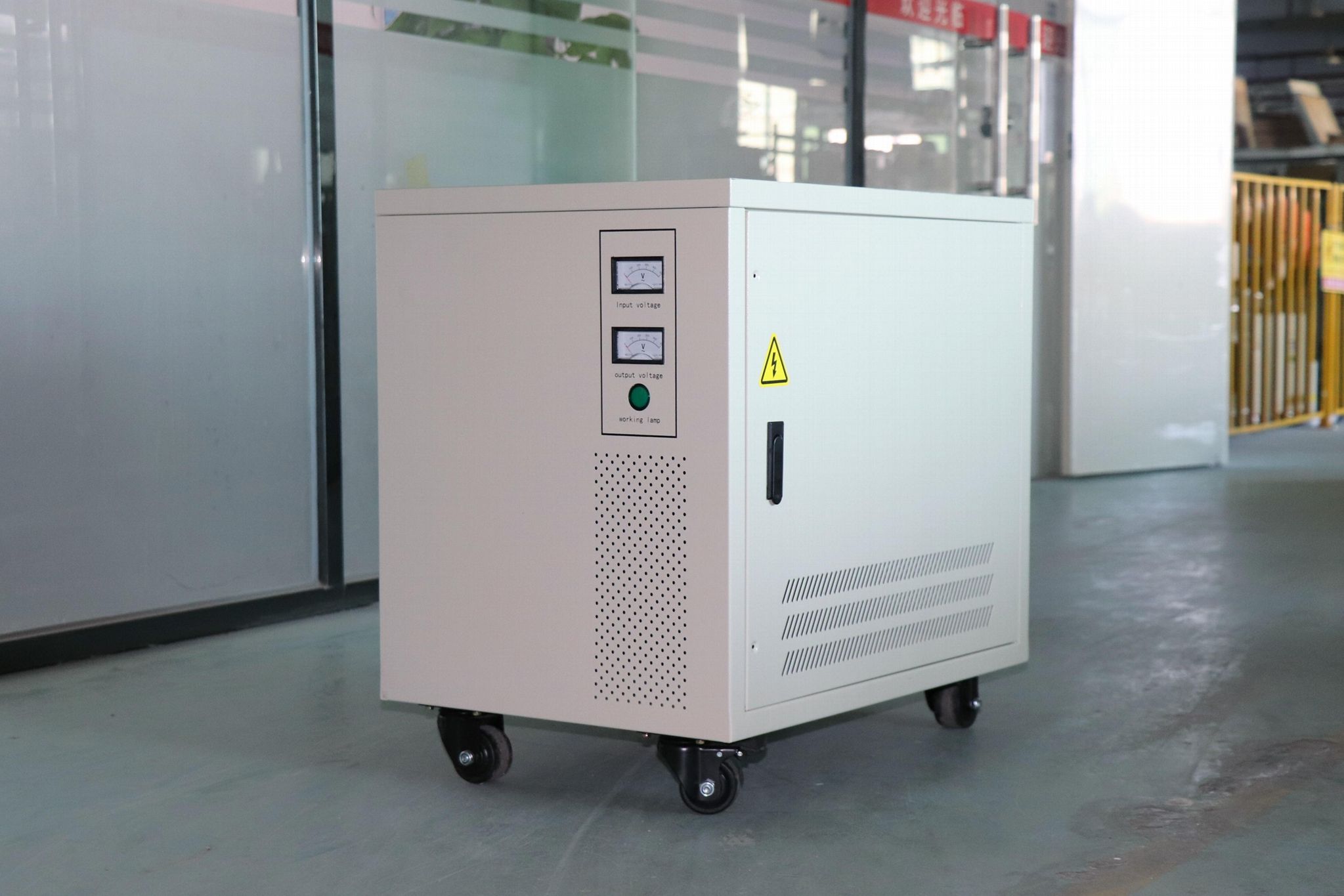
An isolation transformer is a specialized electrical component engineered to transfer alternating current (AC) power from a source to a specific device while completely decoupling the two circuits. This vital separation safeguards sensitive equipment and establishes a secure power environment by preventing any direct electrical connection between the input and output lines.
The Principle of Galvanic Isolation
The absolute foundation of this equipment is galvanic isolation. This principle ensures zero direct conduction path exists between the power source and the connected load. Instead of sharing a hardwired circuit, power is transferred purely through a magnetic field.
Breaks ground loops: Eliminates unwanted current flow between different ground potentials.
Blocks direct current (DC): Prevents hazardous DC voltages from passing into sensitive AC systems.
Enhances safety: Drastically cuts the risk of electric shock by isolating the load from the main earth ground.
Eliminating Electrical Noise with Faraday Shielding
Commercial power grids across the United States frequently suffer from line noise, voltage transients, and unpredictable surges. To mitigate this, high-performance isolation transformers are equipped with Faraday shielding. This grounded electrostatic shield sits between the coils to intercept and neutralize common-mode interference.
Filters EMI and RFI: Actively blocks electromagnetic and radio frequency interference from contaminating the power supply.
Diverts transients: Safely routes dangerous electrical spikes and high-frequency noise directly to the ground.
Delivers clean power: Guarantees a smooth, uninterrupted power wave for critical IT, audio, and medical infrastructure.
Primary vs. Secondary Winding Functions
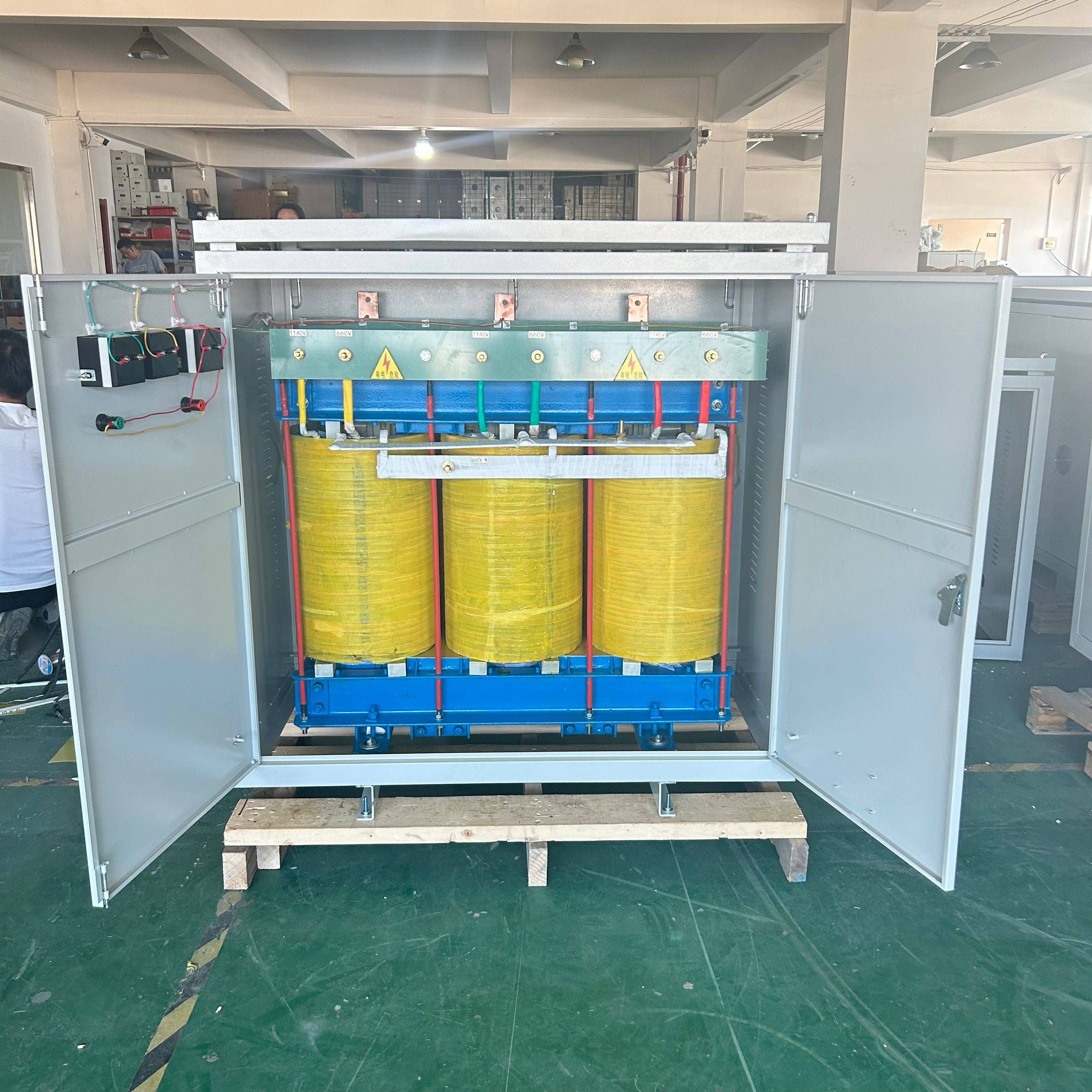
The physical mechanics of an isolation transformer rely on two completely separate wire coils wrapped around a highly conductive magnetic core.
Primary Winding (Input): Connected directly to the utility power source. It takes the incoming AC voltage and creates an alternating magnetic field within the core.
Secondary Winding (Output): Connected directly to your load. The magnetic field from the primary side induces an identical, yet physically detached, voltage in this coil to power the equipment.
For pure isolation purposes, these windings typically maintain a 1:1 turns ratio. This means the voltage remains exactly the same from input to output, delivering the required power while maintaining absolute electrical separation.
Key Benefits of Using an Isolation Transformer
To answer the common question of when an isolation transformer is needed, we first have to look at the massive upgrades it brings to your electrical system. We build these units to solve three main problems: safety hazards, dirty power, and equipment damage.
Enhancing Electrical Safety and Shock Prevention
The biggest advantage is keeping people safe. By physically separating the primary and secondary power sources, galvanic isolation stops the current from finding a path to the ground through a person’s body.
Eliminates ground loops: Prevents dangerous stray currents from traveling through your facility.
Stops shock hazards: Touching a single live conductor on the secondary side won’t result in a shock because the ground path is broken.
Safety compliance: Helps US facilities easily meet strict OSHA workplace safety standards.
Improving Overall Power Quality
Dirty power ruins sensitive electronics. While a standard electrical transformer simply steps voltage up or down, an isolation unit actively cleans the supply. It blocks common-mode noise and electromagnetic interference (EMI) originating from the main grid, preventing it from entering your local circuit. If you run servers, complex automation arrays, or lab equipment, this clean power is completely non-negotiable.
Reducing Harmonics and Power Surges
Power surges and harmonic distortion wear out heavy-duty motors and fry delicate circuit boards. Isolation transformers act as a massive buffer against unpredictable grid spikes.
Quick Breakdown of Protection Capabilities:
| Grid Threat | How the Transformer Protects Your Load |
|---|---|
| Voltage Spikes | Absorbs and dissipates sudden utility surges before they can reach your equipment. |
| Harmonic Distortion | Cancels out triplen harmonics, preventing your neutral cables and breaker panels from overheating. |
| Electrical Transients | Internal Faraday shields physically block high-frequency electrical noise from passing between the coils. |
When figuring out when an isolation transformer is needed, looking at how often you deal with these specific power threats will give you your answer.
When is an Isolation Transformer Needed?
Knowing exactly when an isolation transformer is needed is critical for safety and system reliability. In the US market, we constantly see facilities where raw, unfiltered grid power simply isn’t good enough. Here are the main scenarios where deploying one is an absolute necessity.
Medical Environments for Patient Safety
In hospitals, clinics, and surgical centers, patient safety is the ultimate priority. US electrical codes, specifically NEC Article 517, mandate strict power requirements for critical care areas. We install medical-grade isolation transformers in these environments to eliminate electrical risks.
Micro-Shock Prevention: Blocks dangerous leakage currents from reaching patients connected to sensitive diagnostic equipment.
Fault Tolerance: Allows life-support systems and monitors to continue running safely even if a first-line ground fault occurs, preventing immediate power loss.
Clean Grounding: Establishes a highly secure, localized ground reference.
Protecting Sensitive Electronics and IT Equipment
Data centers, research labs, and high-end audio-video studios rely heavily on flawless power. Standard electrical grids carry a massive amount of invisible electrical noise generated by industrial machinery, weather, and basic grid fluctuations.
Just as facility managers must understand how voltage stabilizers work to correct unsafe voltage dips, it is equally important to use isolation transformers to scrub that power clean of high-frequency interference before it reaches delicate IT hardware.
Eliminates Ground Loops: Breaks the direct electrical connection, stopping the hum and buzz that ruins audio/video signals.
Blocks Common-Mode Noise: Acts as a wall against electrical static that causes data packet loss, server crashes, and corrupt files.
Integration with UPS Systems for Power Stability
An Uninterruptible Power Supply (UPS) is your safety net during a blackout, but a UPS alone doesn’t always solve complex power quality issues. We frequently pair isolation transformers directly with UPS systems to create an impenetrable power defense.
| UPS Integration Benefit | Why It Matters for Your Setup |
|---|---|
| New Neutral-Ground Bond | Establishes a clean, locally derived neutral point to eliminate voltage drift on sensitive loads. |
| Harmonic Filtering | Traps harmonic distortion created by the load, preventing it from reflecting back into the main grid. |
| Inverter Protection | Shields the fragile internal components of the UPS from massive load-side electrical faults. |
Common Types of Isolation Transformers
When figuring out exactly when is an isolation transformer needed, we first have to look at the specific application. There is no one-size-fits-all in power protection. Different environments demand different builds, and here are the most common configurations we provide to facilities across the United States.
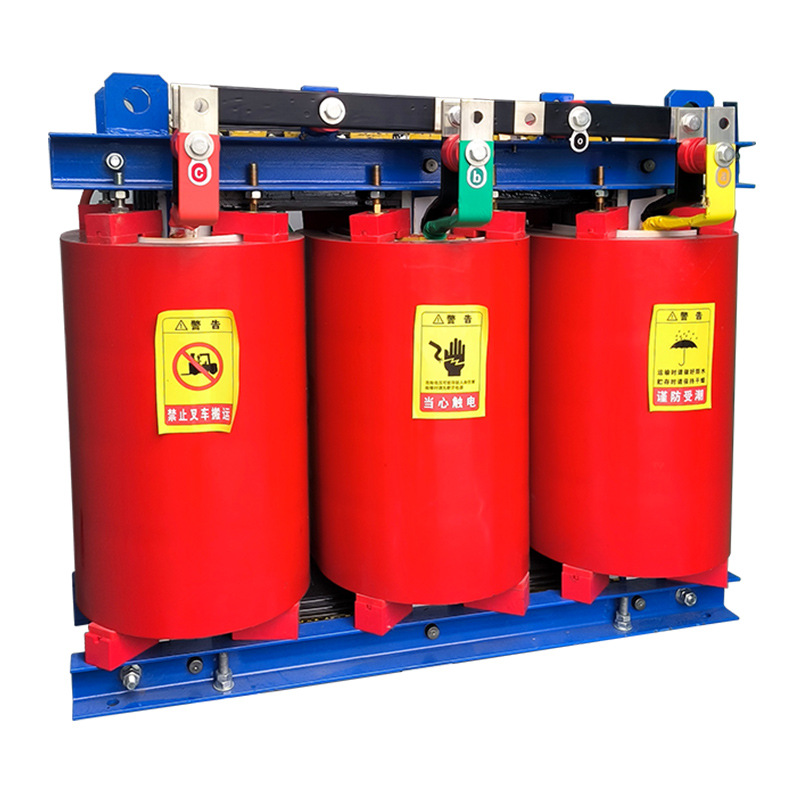
Galvanic and Dry-Type Isolation Transformers
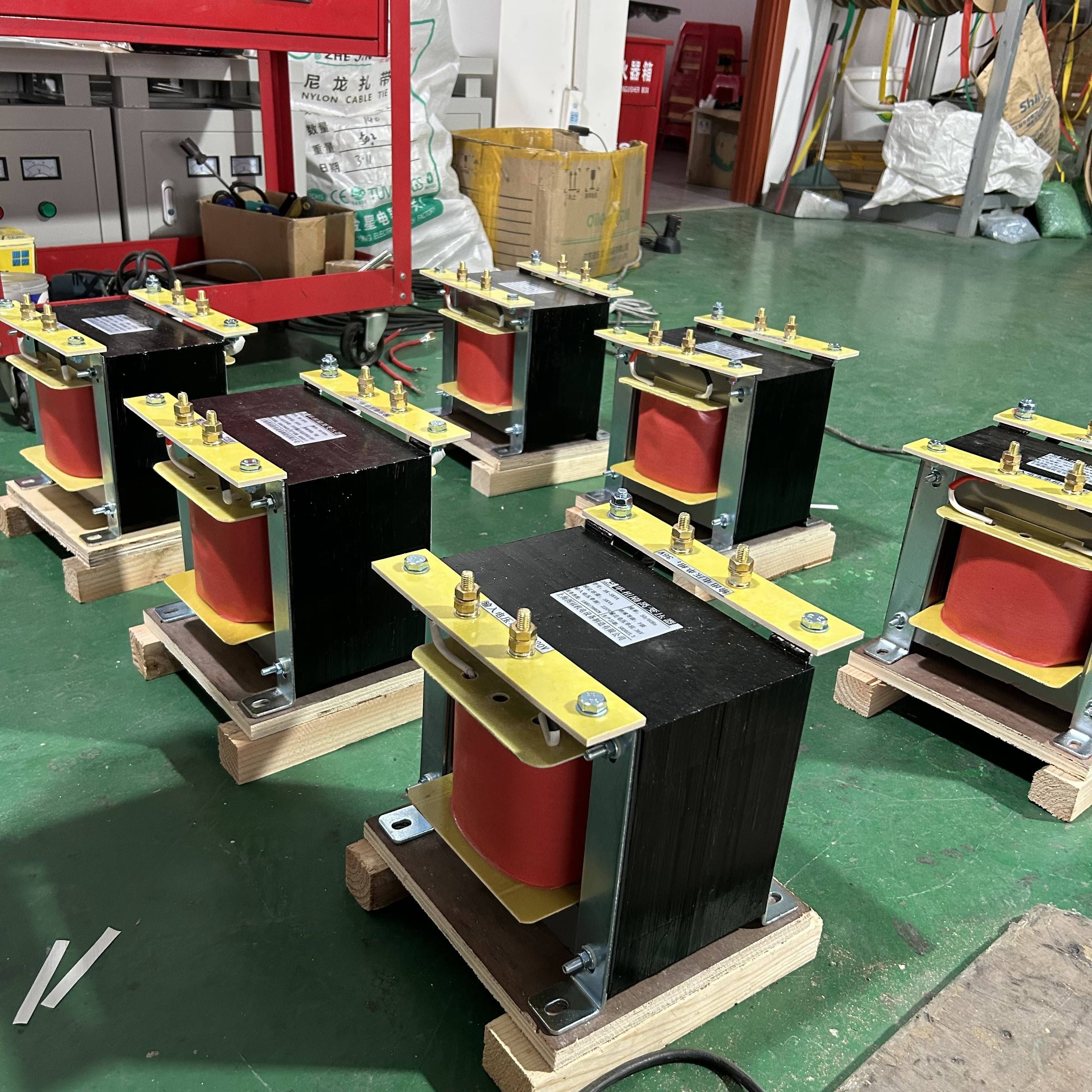
Almost all isolation transformers rely on the principle of galvanic isolation, meaning there is zero direct physical electrical path between the input source and the output load. For most commercial and indoor industrial setups, dry-type models are the go-to standard.
Unlike an outdoor, heavy-duty single phase pole mounted distribution transformer that relies on oil for cooling, a dry-type unit uses natural air circulation or fans to dissipate heat.
Best for: Commercial buildings, indoor facilities, and light manufacturing.
Key advantage: Low maintenance, eco-friendly, and significantly lower fire risk.
Ultra Isolation Transformers for High-Stakes Protection
If you manage a server farm, a healthcare facility, or a high-tech research lab, standard isolation isn’t enough. Ultra isolation transformers step up the defense by incorporating double or triple Faraday shields between the primary and secondary windings.
This aggressive shielding blocks out extreme common-mode electrical noise and high-frequency voltage spikes that would otherwise fry sensitive IT equipment.
Noise attenuation: Can easily exceed 140 dB for maximum signal clarity.
Primary application: Protecting mission-critical servers, telecommunications, and sensitive electronics from severe grid pollution.
Drive Isolation Transformers for Motor Loads
Variable Frequency Drives (VFDs) are incredibly common in modern US manufacturing, but they are notorious for creating severe harmonic distortion that feeds right back into your facility’s power grid. We recommend drive isolation transformers precisely because they are built to handle the mechanical and electrical abuse generated by these heavy motor loads.
Why drive isolation is critical for VFDs:
Rugged construction: The coils are mechanically braced to withstand the severe forces caused by potential short circuits.
Harmonic management: Designed specifically to isolate and trap unwanted harmonic currents so they do not overheat the core.
Thermal endurance: Engineered with higher-grade insulation to handle the intense heat buildup associated with VFD operations.
Isolation Transformers vs. Alternative Solutions

When outfitting a facility, I often see clients weighing different power control options. Knowing exactly when an isolation transformer is needed requires looking at how it stacks up against cheaper or more common electrical alternatives on the market.
Isolation Transformers vs. Autotransformers
The main difference between these two boils down to safety through physical separation.
Autotransformers: These use a single continuous winding for both the input and output. They are smaller, lighter, and cheaper to produce. However, they offer zero galvanic isolation. If a severe power surge hits the line, it passes straight through to your connected equipment.
Isolation Transformers: These feature completely separate primary and secondary windings. This physical gap breaks the direct electrical connection, creating a necessary safety barrier against electrical shocks and severe line noise.
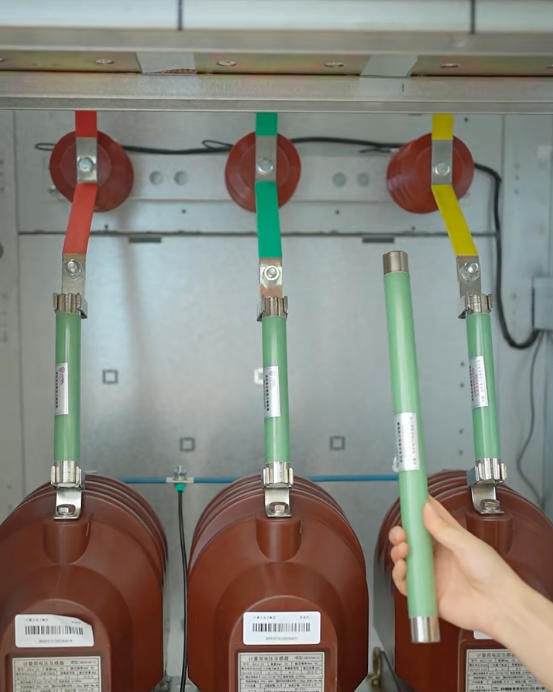
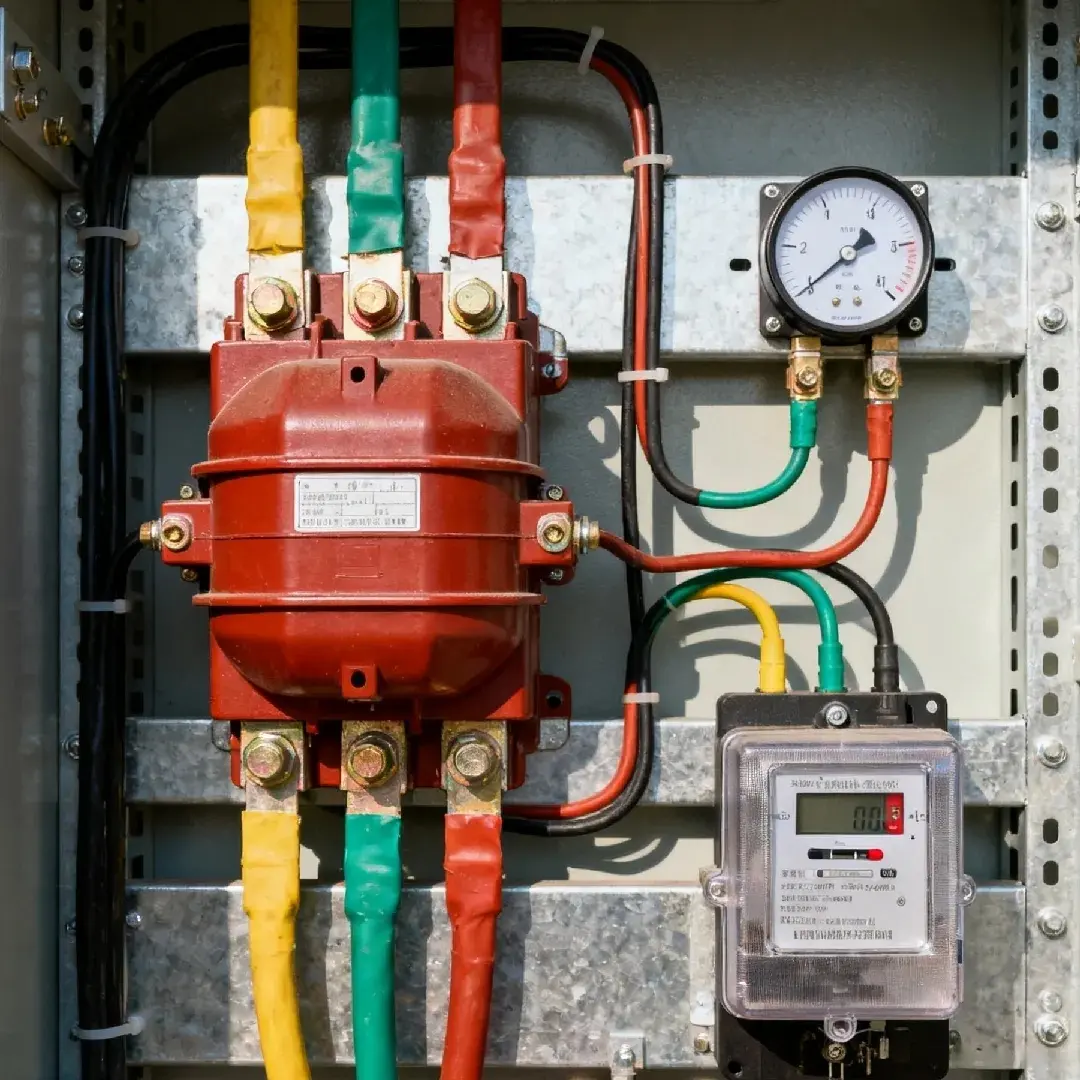
Just as a potential transformer handles highly specific voltage scaling for system metering, an autotransformer has its niche—but it should never be your choice when safety and noise reduction are the priority.
Isolation Transformers vs. Standard Power Transformers
While both devices transfer electrical energy, their core design priorities differ entirely.
Standard Power Transformers: These are built primarily to step voltage up or down for general power distribution, similar to the heavy-duty commercial units you might find integrated into a box-type substation. They usually lack specialized internal shielding.
Isolation Transformers: These are built specifically to clean up power. Even in a straight 1:1 ratio setup where the voltage doesn’t change at all, they utilize internal Faraday shields to actively block high-frequency electrical noise, transient spikes, and harmonic distortion.
Cost-Benefit Analysis: Upfront Investment vs. Protection
Are isolation transformers worth the extra money? Here is how the reality of the math breaks down:
| Factor | Isolation Transformer | Alternative Solutions |
|---|---|---|
| Upfront Cost | Higher | Lower |
| Equipment Protection | Maximum (blocks surges & noise) | Minimal to None |
| Long-Term ROI | High (prevents costly downtime) | Low (higher risk of catastrophic failure) |
You will pay more upfront for an isolation transformer. But if a sudden power surge fries a $50,000 piece of sensitive medical gear or takes your facility’s data servers offline, that initial budget savings disappears in a second. You need an isolation transformer when the replacement cost of your equipment and the financial hit of operational downtime far outweigh the initial price tag of proper power protection.
How to Choose the Right Isolation Transformer
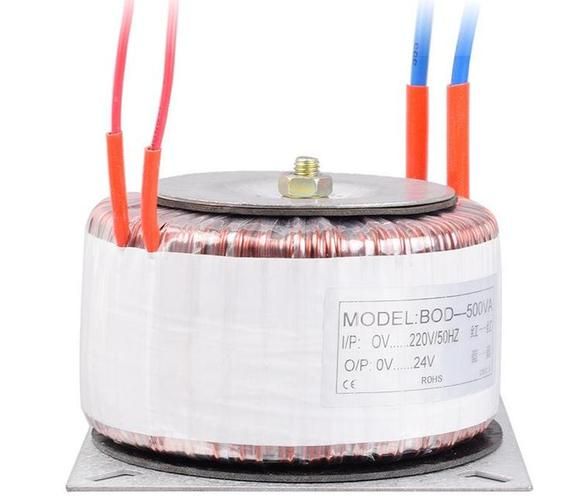
Once you have determined when an isolation transformer is needed for your facility, picking the right unit is the next critical step. Sizing it incorrectly can lead to equipment failure, overheating, or severe safety hazards. Here is how we guide our customers through the selection process to ensure maximum protection.
Assessing Voltage, Load, and Power Rating Requirements
The core of your decision comes down to accurately matching the transformer to your specific electrical load. You must ensure the unit can handle your continuous power demands without breaking a sweat.
Voltage Matching: Verify your exact input (primary) and output (secondary) voltage requirements. Common US commercial and industrial configurations include 120V, 208V, 240V, and 480V.
Power Rating (kVA): Calculate your total connected load in kilovolt-amperes. We always recommend adding a 20% to 25% safety margin to accommodate future expansion or unexpected startup surge currents.
Phase Configuration: Check your panel to determine if your equipment requires a single-phase or a three-phase transformer.
| Sizing Factor | Key Consideration |
|---|---|
| Continuous Load | The total running wattage must not exceed the unit’s rated kVA. |
| Inrush Current | Factor in startup surges, especially if powering motors or heavy machinery. |
| Grid Frequency | Ensure the transformer is rated for the standard US 60Hz electrical grid. |
Installation and Environmental Considerations
Where you install the equipment dictates the physical build you need. We factor in the surrounding environment to guarantee the transformer’s longevity and reliable performance.
NEMA Enclosure Ratings: If you are installing outdoors or in a dusty industrial plant, you need NEMA 3R, NEMA 4, or NEMA 4X enclosures to protect against weather and debris. Standard NEMA 1 enclosures are strictly for clean, dry indoor spaces.
Cooling Method: Choose between dry-type (air-cooled) and liquid-filled units. Dry-type transformers are the standard, low-maintenance choice for most indoor commercial, IT, and medical applications.
Footprint and Weight: These units are heavy due to their internal copper or aluminum windings. Verify your floor’s structural load capacity and ensure there is adequate physical clearance around the unit for proper ventilation.
Meeting Compliance and International Safety Standards
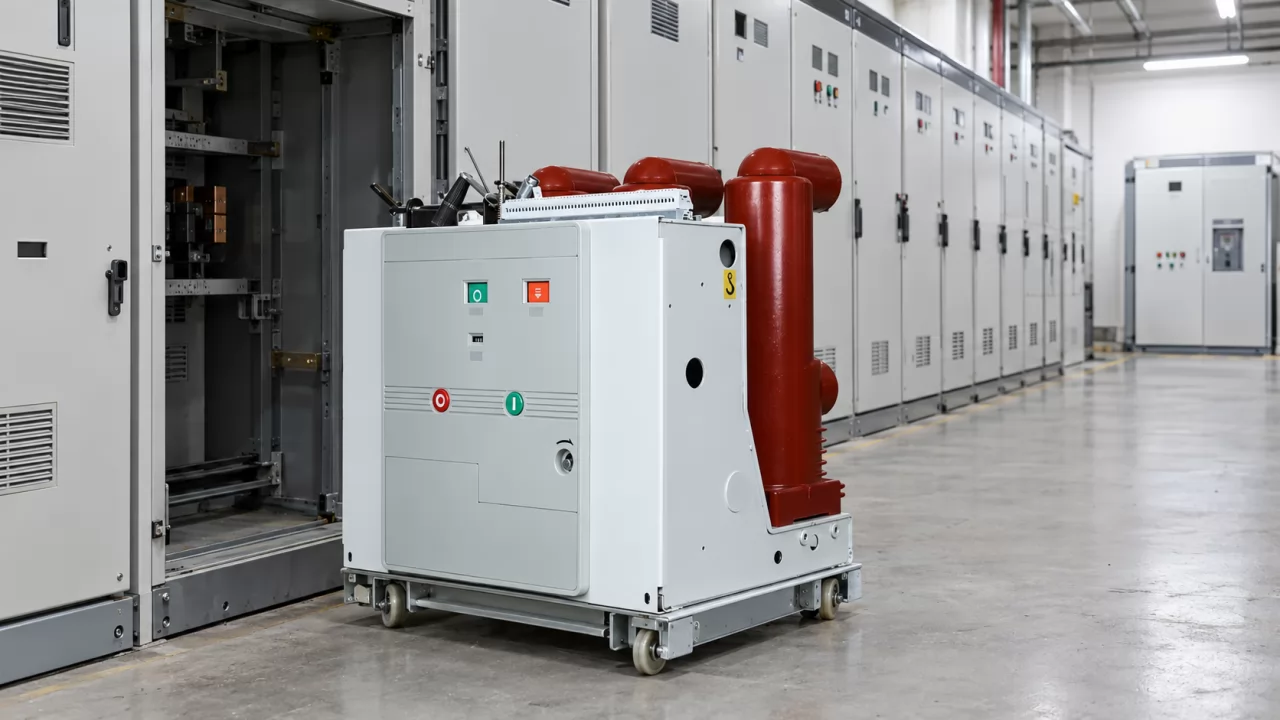
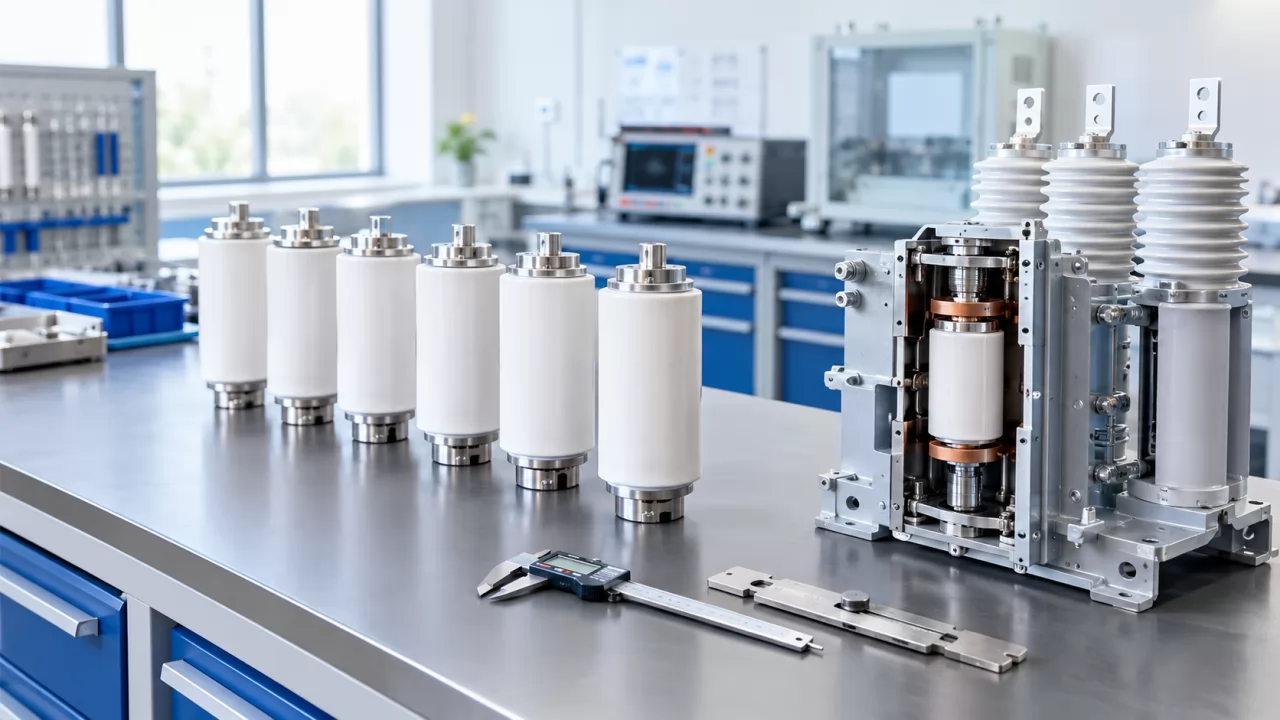
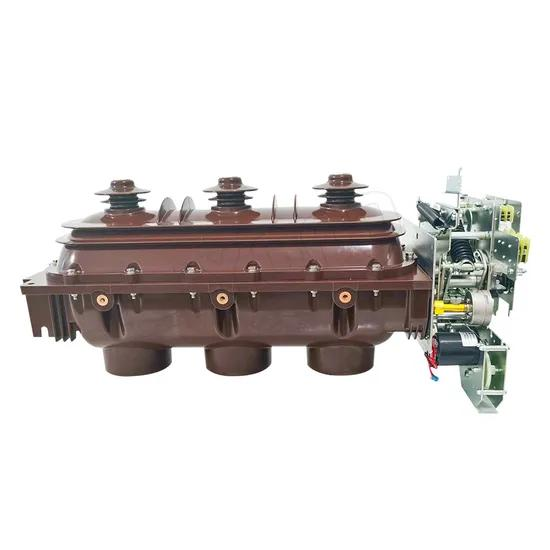
Electrical safety is non-negotiable. Whether you are outfitting a server room or a heavy manufacturing floor, your equipment must meet strict regulatory standards. Just as you would rely on a robust 11kV vacuum circuit breaker to safely manage high-voltage system faults, your isolation transformer must be certified to handle its specific daily application safely.
UL Certification: Always look for Underwriters Laboratories (UL) or cUL listings. This is the absolute baseline for electrical safety and reliability in the US market.
NEC Compliance: Your installation must strictly adhere to the National Electrical Code (NEC) guidelines, specifically regarding proper grounding and bonding procedures.
Medical Grade Standards: If you are operating in a healthcare environment, the transformer must meet UL 60601-1 medical safety standards to guarantee maximum patient and operator protection against leakage currents.