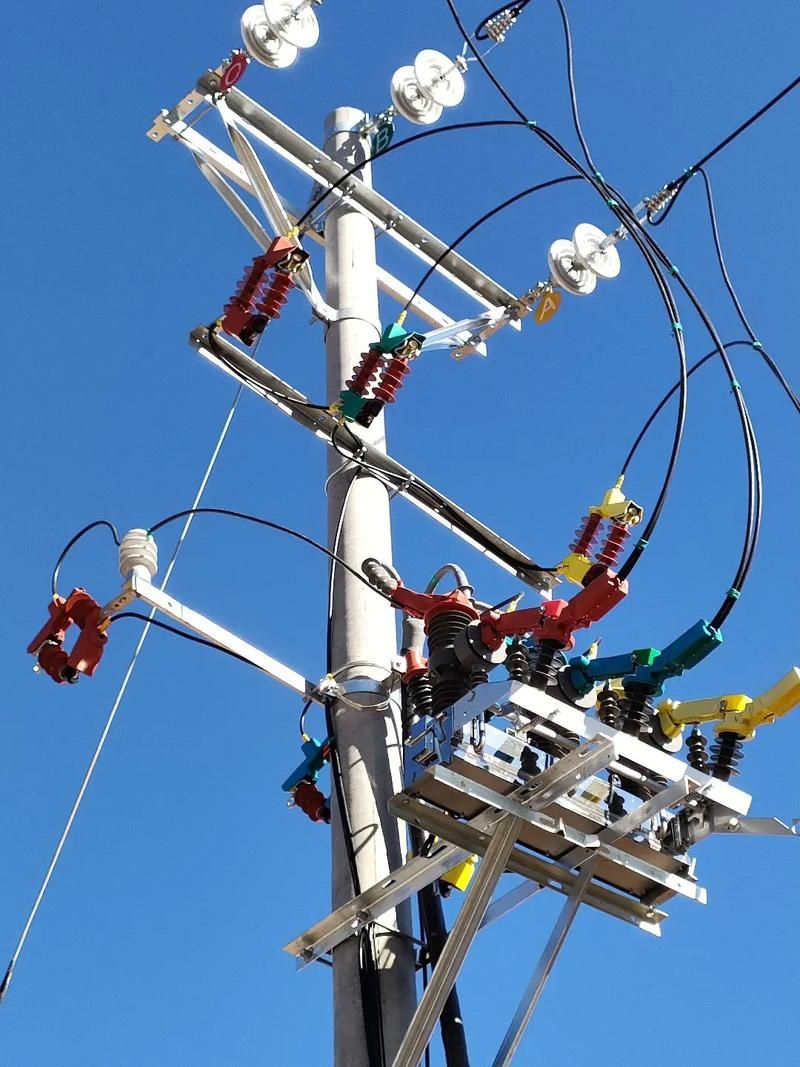
Overview of 15kV Vacuum Circuit Breakers
A 15kV vacuum circuit breaker (VCB) is a critical piece of medium-voltage switchgear designed to protect and control electrical power systems. Rated for systems operating at or near 15,000 volts, these breakers are the primary defense against overloads and short circuits. By utilizing a vacuum as the arc-quenching medium, the 15kV VCB ensures rapid circuit interruption, safeguarding expensive downstream equipment and maintaining grid stability.
Working Principle of Vacuum Interruption
The operation of a 15kV VCB centers on the vacuum interrupter. When a fault is detected, the breaker’s contacts separate within a hermetically sealed vacuum chamber.
Arc Formation: As the contacts part, a metal vapor arc is generated from the contact material itself.
Rapid Extinction: Because there is no gas or air to ionize, the metal vapor quickly condenses on the internal shields as the current reaches its first zero point.
Dielectric Recovery: The vacuum environment provides near-instantaneous recovery of dielectric strength, preventing the arc from re-striking and ensuring a clean break in the electrical flow.
Advantages over SF6 and Air Circuit Breakers
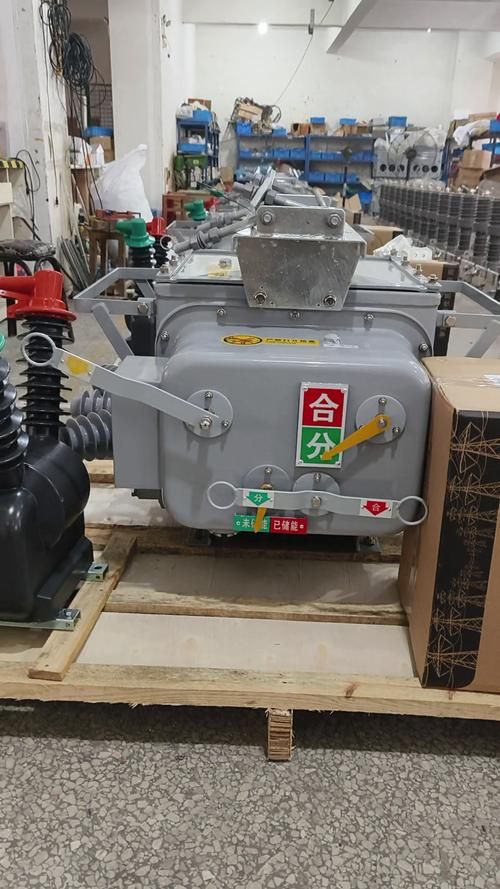
Choosing a 15kV vacuum circuit breaker offers significant operational and environmental benefits over traditional SF6 (Sulfur Hexafluoride) or air-insulated alternatives:
Environmental Sustainability: VCBs eliminate the use of SF6 gas, a potent greenhouse gas, making them the preferred choice for “green” energy initiatives.
Minimal Maintenance: The vacuum interrupter is a sealed-for-life component. Unlike air breakers, there are no nozzles to clean or gases to refill, significantly reducing O&M costs.
Compact Footprint: Due to the high dielectric strength of a vacuum, the distance between contacts can be much smaller, allowing for a more compact switchgear design.
Enhanced Safety: There is no risk of gas leakage or pressurized explosions, providing a safer environment for personnel in indoor or confined installations.
Long Operational Life: VCBs are capable of thousands of mechanical operations and multiple full-rated short-circuit interruptions without degradation.
Key Features and Technical Specifications
When I look at the technical side of a 15kv vacuum circuit breaker, I focus on the parameters that guarantee reliability under heavy loads. These units are built to handle the rigorous demands of modern power grids without breaking a sweat.
Voltage and Current Ratings
I ensure our 15kV VCBs meet high-performance benchmarks to handle both steady-state operation and sudden faults. The following table s the core electrical specs you can expect:
| Parameter | Standard Range |
|---|---|
| Rated Voltage | 12kV – 15kV |
| Rated Current | 630A / 1250A / 2000A / 3150A |
| Short-circuit Breaking Current | 20kA / 25kA / 31.5kA / 40kA |
| Rated Frequency | 50Hz / 60Hz |
| Short-time Withstand Current (3s) | Up to 40kA |
Insulation and Safety Standards
Safety is non-negotiable. Our breakers feature high dielectric strength and are tested for Basic Insulation Levels (BIL) typically reaching 95kV or 110kV. To maintain this level of safety, I recommend integrating a high-performance lightning arrester within the circuit to protect the vacuum interrupter from transient overvoltages and atmospheric surges. This setup ensures the equipment remains operational even during severe weather or switching transients.
Mechanical Endurance and Lifecycle
One of the biggest wins with a 15kv vacuum circuit breaker is how long it lasts. I’ve seen these units perform flawlessly for over 10,000 mechanical operations (M2 Class).
Maintenance-free interrupters: The vacuum bottle is sealed for life.
Durable Linkages: High-strength alloy components prevent wear during high-speed switching.
Consistent Timing: Precise opening and closing times (usually under 50ms) reduce arc energy and extend contact life.
Compact Design for Distribution Switchgear
Space is expensive in modern substations. I design these breakers to be as compact as possible without sacrificing clearance. The modular architecture allows them to fit perfectly into standard metal-clad switchgear. Whether you are upgrading an old panel or building a new one, the small footprint of the 15kV VCB simplifies the layout and reduces the overall size of the enclosure. This makes it much easier to manage cable terminations and secondary wiring within the cubicle.
Primary Applications and Industries
The 15kv vacuum circuit breaker is a versatile workhorse in the electrical world. We see these units deployed wherever reliability and fast arc quenching are non-negotiable. From city grids to remote industrial sites, they provide the essential protection needed to keep the lights on and equipment safe.
Utility Distribution Networks
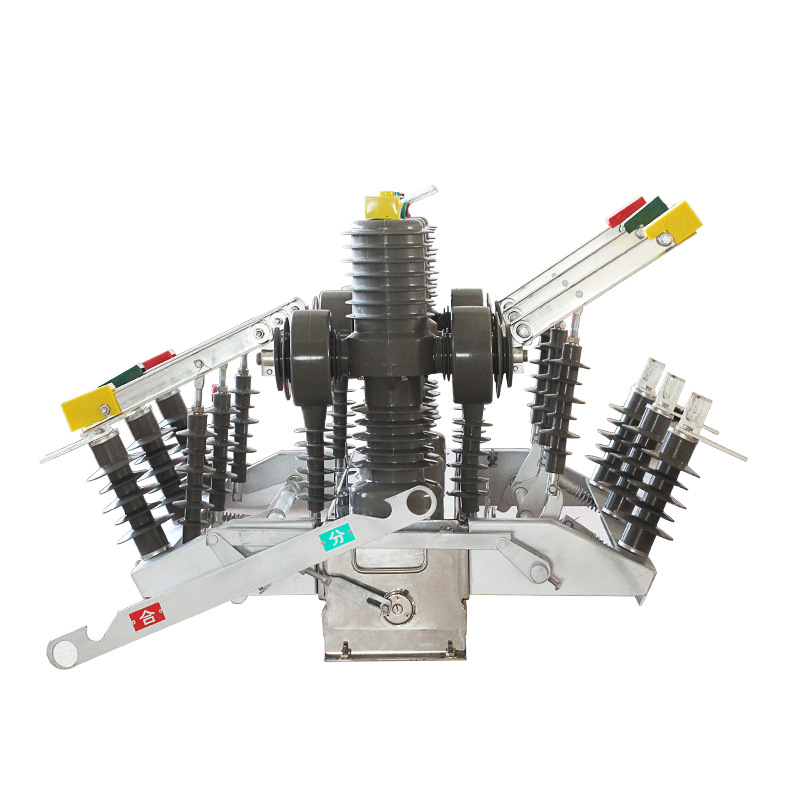
We rely on these breakers to manage power flow across medium-voltage distribution lines. They are the first line of defense against short circuits and overloads in substations. For overhead distribution, using a specialized outdoor vacuum circuit breaker allows us to automate the grid and quickly isolate faults, minimizing the number of customers affected by a blackout.
Industrial Facilities and Manufacturing
In heavy industry, power quality is everything. We install 15kv VCBs in manufacturing plants to protect high-capacity motors, furnaces, and transformers. These breakers are built to handle:
High-frequency switching for heavy machinery.
Harsh environments with dust or chemical exposure.
Instantaneous protection to prevent expensive equipment damage.
Renewable Energy Projects
Wind farms and solar plants require robust switching solutions to handle fluctuating energy inputs. We use 15kv vacuum circuit breakers at the collector stations to bridge the gap between the renewable source and the main utility grid. Their ability to handle transient voltages makes them ideal for the unique demands of green energy infrastructure.
Data Centers and Critical Infrastructure
For data centers, hospitals, and transit systems, power failure isn’t an option. We choose vacuum technology for these sites because it offers the highest mechanical endurance and the fastest response times. The compact footprint of a 15kv vacuum circuit breaker also makes it easier to fit into the tight switchgear rooms often found in urban infrastructure projects.
Types of 15kV Vacuum Circuit Breakers
Choosing the right 15kV vacuum circuit breaker depends entirely on your installation environment and how often you need to operate the equipment. We categorize these breakers based on their housing, mounting style, and the mechanism that drives the contact movement.
Indoor vs. Outdoor Configurations
Indoor VCBs: These are designed to sit inside metal-clad switchgear or control cabinets. They are compact and rely on the enclosure for protection against dust and moisture.
Outdoor VCBs: These units feature rugged, weather-resistant porcelain or polymer housings. They are built to withstand rain, snow, and UV exposure. In many utility applications, we integrate this technology into automatic circuit reclosers for MV networks to handle overhead line faults and improve grid reliability.
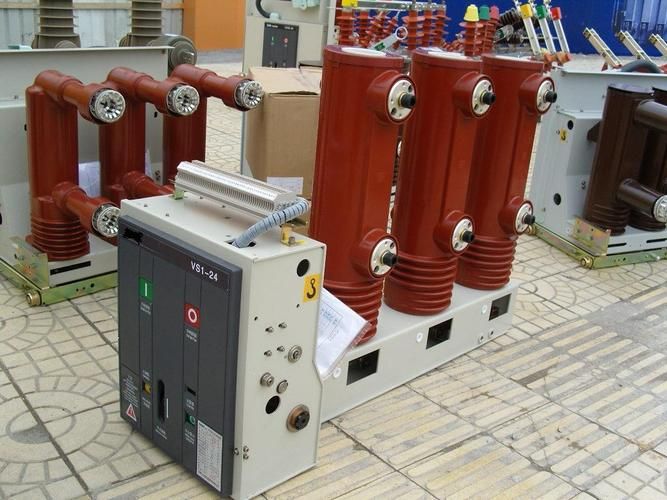
Fixed Mount vs. Drawout Type
Fixed Mount: The breaker is bolted directly to the switchgear frame. It is a cost-effective, straightforward solution for permanent installations where frequent removal for maintenance is not expected.
Drawout (Withdrawable) Type: This is our standard recommendation for industrial facilities. The breaker is mounted on a “truck” or rail system, allowing you to rack it out for inspection without de-energizing the entire busbar. This design provides a visible isolation gap, which is a critical safety feature for maintenance teams.
Spring Operated vs. Magnetic Actuators
Spring-Charged Mechanisms: This is the traditional industry workhorse. It uses mechanical energy stored in a spring to snap the contacts open or shut. It is reliable, well-understood by technicians, and easy to service.
Magnetic Actuators: A modern, high-tech alternative that uses permanent magnets and an electronic controller. Because it has significantly fewer moving parts than a spring mechanism, it offers a much longer mechanical life and is virtually maintenance-free. We typically use these for high-cycle applications like arc furnace control.
Selection Guide for 15kV VCBs
Choosing the right 15kv vacuum circuit breaker is a critical decision that impacts the safety and reliability of your entire electrical network. I always tell my clients that a breaker isn’t just a switch; it is the primary defense mechanism for your infrastructure. You need to match the hardware to the specific electrical environment of your site.
Determining Load and Fault Current Requirements
The first step is identifying your system’s continuous load and the potential short-circuit current. If you underspecify the rated current, the breaker will overheat. If the short-circuit breaking capacity is too low, the VCB might fail catastrophically during a fault.
Rated Continuous Current: Common ratings include 630A, 1250A, 2000A, and 3150A. Choose a rating that exceeds your peak load by at least 20% to allow for future expansion.
Short-Circuit Breaking Capacity: This is the maximum current the breaker can safely interrupt. For 15kV systems, this usually ranges from 20kA to 40kA.
Duty Cycle: Consider how often the breaker will operate. Standard duty cycles (O-0.3s-CO-180s-CO) are essential for auto-reclosing applications in utility grids.
Compliance with IEC and ANSI/IEEE Standards
Standards aren’t just red tape; they are your guarantee of quality. Depending on your location, your 15kv vacuum circuit breaker must adhere to specific global benchmarks. Most international projects follow IEC 62271-100, while North American installations typically require ANSI/IEEE C37.04 and C37.06 compliance.
When integrating these units into a larger system, having solid medium-voltage metal-clad switchgear knowledge is vital to ensure the VCB interacts correctly with protective relays and busbars. Proper compliance ensures the breaker has passed rigorous type tests, including temperature rise, mechanical endurance, and short-time withstand current tests.
Comparing Top Manufacturers and Models
When I evaluate different models, I look beyond the price tag. Reliability and the availability of spare parts are what keep a facility running in the long term.
| Selection Criteria | What to Look For | Importance |
|---|---|---|
| Interrupter Quality | High-grade alumina ceramic insulation | Prevents vacuum leaks and flashovers |
| Mechanism Type | Modular spring-charged or magnetic | Affects maintenance frequency |
| Installation Type | Fixed or Drawout (Withdrawable) | Drawout is better for quick replacement |
| Service Life | 10,000 to 30,000 operations | Determines the total cost of ownership |
| Environmental Rating | Indoor (IP3X) vs Outdoor (NEMA 3R/4X) | Must match the installation site |
I recommend focusing on manufacturers that provide comprehensive type-test reports and local technical support. A high-quality 15kv vacuum circuit breaker should offer a “fit and forget” level of reliability, requiring only minimal routine inspections to stay in peak condition for decades.
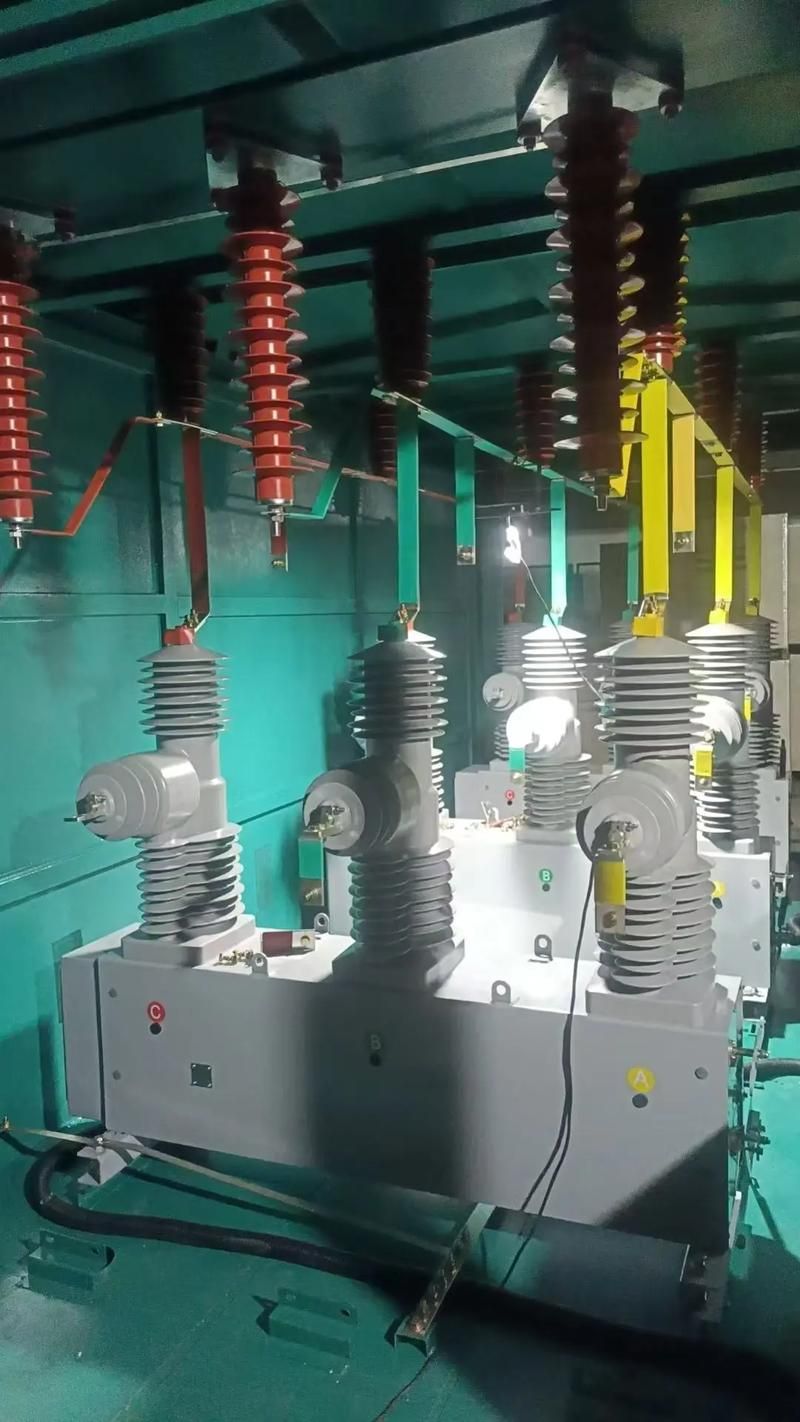
Installation, Maintenance, and Support
Installation Best Practices
Setting up a 15kv vacuum circuit breaker requires precision to ensure long-term grid stability. During installation, we always prioritize a clean, dry environment to prevent surface flashovers on the insulation components. For those deploying units in harsh environments, our outdoor vacuum circuit breaker options are specifically engineered to handle extreme weather, but proper leveling and secure mounting remain non-negotiable for all models. Always verify that the primary connections are torqued to specification to prevent overheating during peak loads.
Routine Testing and Inspection Protocols
Maintenance isn’t just a suggestion; it’s a necessity for operational safety. We recommend a strict schedule that focuses on the following key areas:
Vacuum Integrity Tests: Use a portable Hi-Pot tester to confirm the vacuum bottle is still providing the necessary dielectric strength.
Contact Resistance Measurement: Check the primary circuit to ensure minimal power loss and prevent localized heating.
Mechanical Lubrication: Keep the operating mechanism smooth with approved lubricants to prevent sluggish response times or mechanical jams.
Insulation Cleaning: Wipe down bushings and supports to remove dust or salt deposits that could lead to tracking.
Troubleshooting Common Issues
If you run into trouble with your 15kv VCB, most issues stem from the control circuit or mechanical wear. If the breaker fails to close, check the charging motor and the secondary wiring connections first. For vacuum loss—though rare—a visual inspection of the ceramic envelope for cracks or discoloration is your first line of defense. We provide full technical support and replacement parts to ensure your power distribution remains uninterrupted and your infrastructure stays protected against faults.