Understanding Cold Shrink Cable Terminations
What is Cold Shrink Technology?
Cold shrink technology represents a significant leap forward in electrical insulation and sealing. Unlike traditional methods that rely on heat sources, cold shrink products are manufactured from specially formulated silicone rubber or EPDM (Ethylene Propylene Diene Monomer). These materials are pre-stretched onto a removable plastic core during the manufacturing process.
This technology is designed to provide a “living seal.” Because the rubber is expanded and held in tension, it retains a permanent radial pressure. Once installed, the material constantly attempts to return to its original, smaller diameter. This dynamic memory ensures that the termination maintains a tight, active grip on the cable throughout its lifespan, regardless of cable expansion and contraction due to thermal cycling or load changes.
How Cold Shrink Terminations Work
The installation mechanism of cold shrink terminations is ingeniously simple, eliminating the need for torches, heat guns, or special tools. The process relies on the stored energy within the pre-stretched elastomer.
The installation typically follows these steps:
Positioning: The termination unit, supported by its spiral plastic core, is slid over the prepared cable end.
Core Removal: The installer manually unwinds the plastic support core by pulling on a loose tab.
Contraction: As the core is removed, the rubber insulation immediately shrinks down tightly onto the cable surface.
This action creates a void-free, permanent interface between the termination and the cable insulation. The constant radial pressure ensures excellent electrical performance and moisture resistance without the risks associated with uneven heating or open flames found in heat shrink alternatives. This method is particularly advantageous in hazardous environments where flammable gases may be present, making it a safe and efficient choice for modern power distribution.
Key Features and Advantages of Cold Shrink
When securing power networks, reliability is non-negotiable. Our cold shrink cable termination kits deliver unmatched performance, built to handle the rigorous demands of modern electrical infrastructure.
Superior Mechanical Protection and Active Sealing
The standout advantage of cold shrink technology is “active sealing.” The pre-expanded rubber memory constantly applies inward radial pressure on XLPE power cables and solid dielectric shielded power cable setups.
Dynamic Fit: The material expands and contracts alongside the cable during thermal cycling, ensuring the seal never breaks.
Watertight Barrier: Delivers a permanent, void-free moisture block without requiring heat tools or heavy tapes.
Excellent Ultraviolet (UV) Resistance
Outdoor electrical connections endure harsh elements daily. The specially formulated silicone and EPDM materials in our termination kits are inherently UV stable. This excellent ultraviolet resistance stops the insulating tube from hardening, cracking, or losing its flex over time. It is the perfect defense for polymeric cables exposed directly to intense sunlight and severe weather.
Advanced Tracking Prevention
Surface electrical tracking can easily destroy medium voltage cable terminations. Cold shrink materials are engineered to naturally resist the formation of carbon paths on the surface. This advanced tracking prevention ensures total safety and longevity, which is especially critical when routing underground cables to switchgear in heavy-duty medium and high voltage applications.
Cold Shrink Performance Overview
| Core Feature | Mechanism | Real-World Benefit |
|---|---|---|
| Active Sealing | Constant inward radial pressure | Delivers a permanent moisture and environmental barrier |
| UV Resistance | Premium silicone/EPDM composition | Eliminates cracking and extends outdoor lifespan |
| Anti-Tracking | Resists surface electrical pathways | Prevents flashovers and ensures grid stability |
Cold Shrink vs. Heat Shrink Terminations
When sealing electrical connections in the field, choosing the right method is critical for long-term reliability. In our industry, we constantly see the debate between cold shrink and heat shrink technologies. While both are used as termination kits, their core mechanics and field efficiencies are vastly different.
Sealing and Environmental Protection
The most significant difference between these two methods is how they maintain their seal over time.
Cold shrink technology delivers what we call an “active seal.” Because the specially formulated rubber constantly wants to shrink back to its much smaller original size, it applies continuous, uniform inward pressure on the cable. When solid dielectric polymeric cables expand and contract under heavy electrical loads, the cold shrink tubing moves with them. It stays tight.
On the other hand, a standard heat shrink insulating tube provides a “passive seal.” Once you apply heat and the material cools, it becomes rigid. If the cable shifts or expands during high voltage applications—such as those routing power from a high-voltage transformer—the heat shrink cannot flex to maintain that tight bond. For critical underground cable accessories, the constant pressure of a Cold Shrink Cable Termination easily wins out by actively preventing moisture and dust ingress.
Installation Time and Efficiency
Time on the job site directly impacts your bottom line. When comparing medium voltage cable terminations, the installation experience is night and day.
No Torches or Hot Work Permits: Heat shrink requires gas torches, which means safety hazards, uneven heating risks, and mandatory hot work permits. Cold shrink requires zero special tools.
Ultimate Safety: Removing open flames makes cold shrink the only logical choice for hazardous environments, tight vaults, or when installing an indoor termination kit.
Unmatched Speed: Whether you are working with XLPE power cables, shielded power cable, or lead sheathed power cables, cold shrink installs in a fraction of the time. You position the tube, pull the spiral plastic core, and it instantly snaps into a perfect fit.
Quick Comparison
| Feature | Cold Shrink Cable Termination | Heat Shrink Tubing |
|---|---|---|
| Sealing Type | Active (Breathes with the cable) | Passive (Rigid once cooled) |
| Installation Tools | None (Pull-tab core) | Heat gun or open-flame torch |
| Safety Factor | Extremely High (No flames) | Moderate (Fire and burn hazards) |
| Installation Speed | Very fast | Slower (Requires careful, even heating) |
| Ideal Applications | High-end wire splicing, underground, tight spaces | Basic surface sealing, non-critical joints |
Types of Cold Shrink Cable Terminations
When it comes to securing your power networks, selecting the exact type of cold shrink cable termination is critical for long-term safety. We categorize these accessories primarily by their voltage capacity and their intended operating environment, ensuring you get a reliable, active seal for your specific project.
Medium Voltage (MV) Cold Shrink Terminations
Our medium voltage cable terminations are engineered for demanding grid infrastructure, bridging the gap between heavy power delivery and safe distribution. Built to handle standard MV ranges (typically 11kV up to 36kV), they deliver constant radial pressure that expands and contracts with the cable during high electrical loads.
These kits are highly versatile and accommodate various cable constructions. They work seamlessly with:
XLPE power cables and EPR insulated lines.
Solid dielectric shielded power cable systems.
Standard tape shield, wire shield, and unshielded polymeric cables.
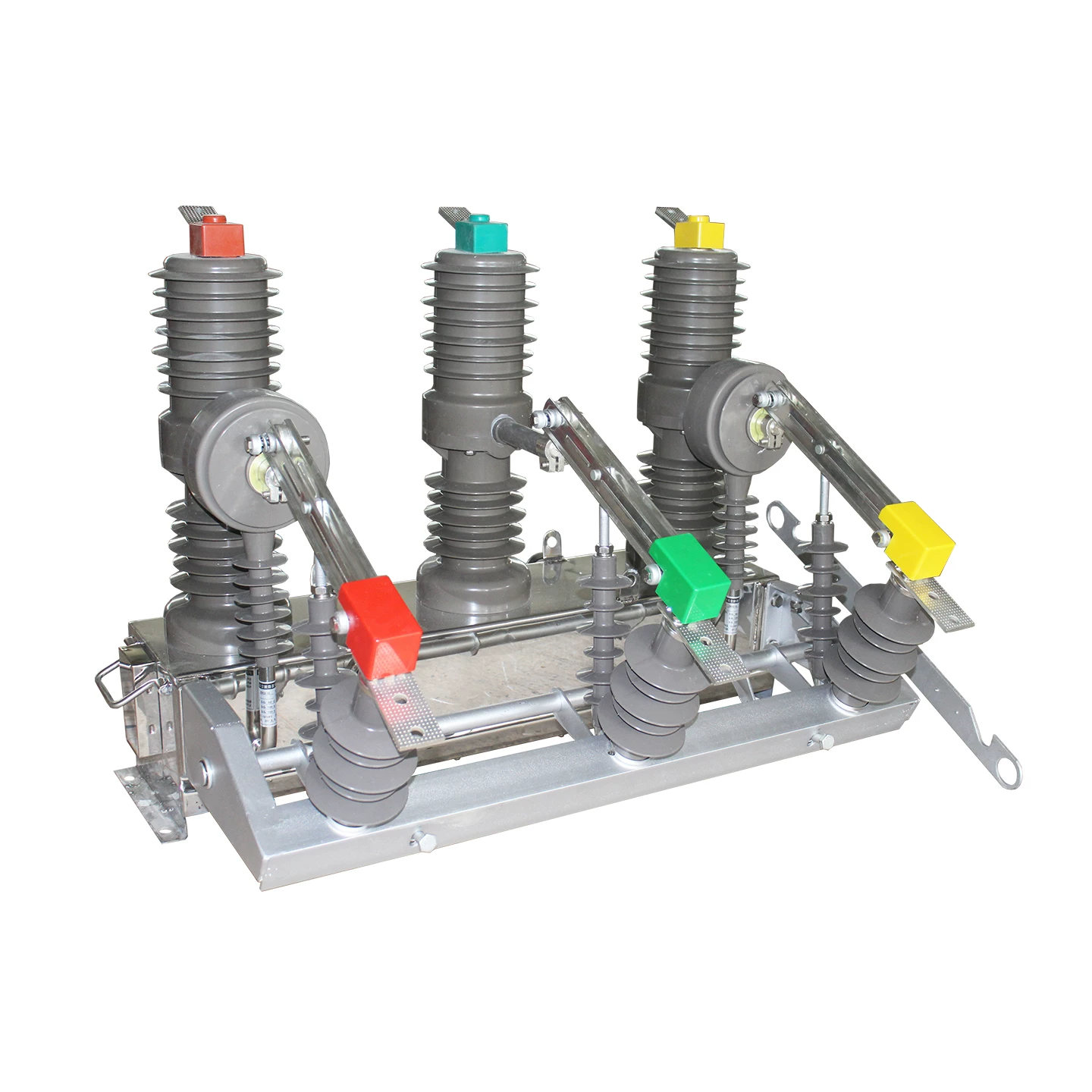
Because they don’t require open flames or hot work permits, these terminations are the safest choice when routing underground cables up to surface-level equipment, such as feeding power directly into high-voltage outdoor switchgear units.
Indoor vs. Outdoor Termination Kits
The installation environment strictly dictates the design of the cold shrink tubing you need. We divide these into two main builds to combat different environmental stressors.
Indoor Termination Kits: These are designed for controlled, sheltered environments. Because they are protected from rain, snow, and severe UV exposure, indoor kits have a streamlined, tubular profile. They are optimized for tight spaces, making them the standard choice for sealing electrical connections inside enclosed motor control centers or compact electrical switchgear cabinets.
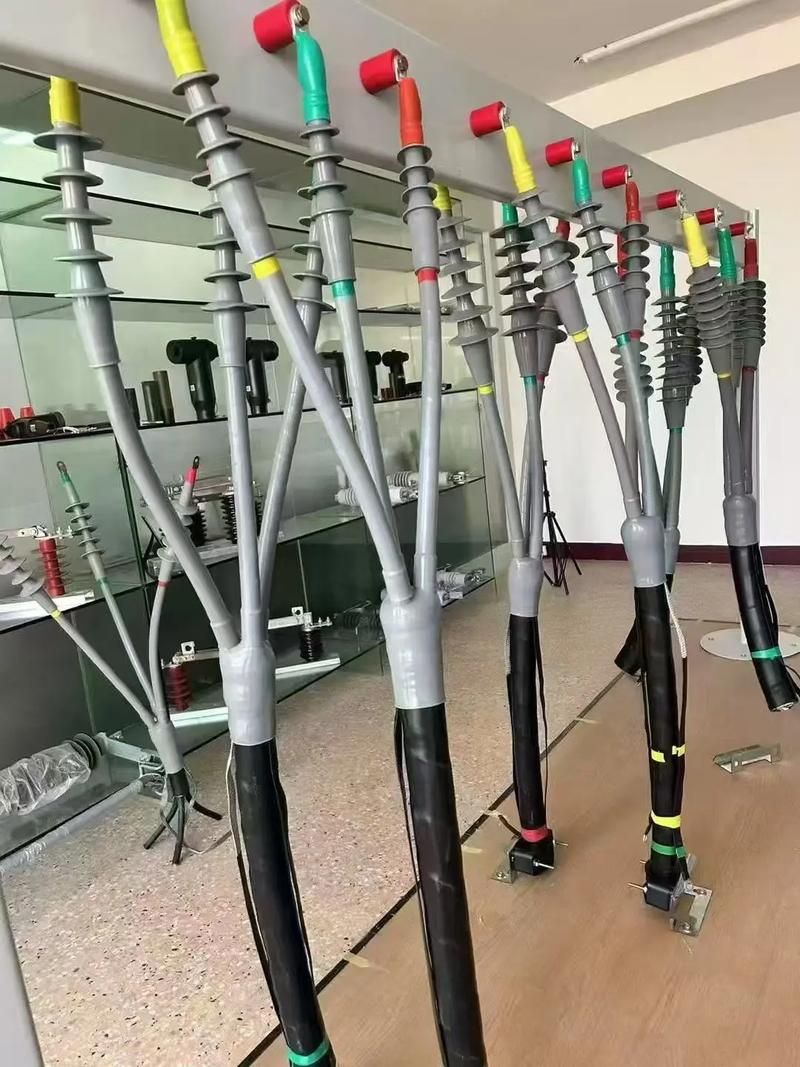
Outdoor Termination Kits: Built specifically to survive harsh, exposed conditions. Outdoor terminations feature integrated rain sheds (or moisture skirts). These skirts break up the continuous path of surface moisture, preventing electrical tracking and flashovers during heavy rain. They also utilize specialized silicone formulations to provide extreme UV resistance and defend against industrial pollution, salt fog, and extreme temperature fluctuations.
Applications and Industries Served
Power Distribution and Utility Networks
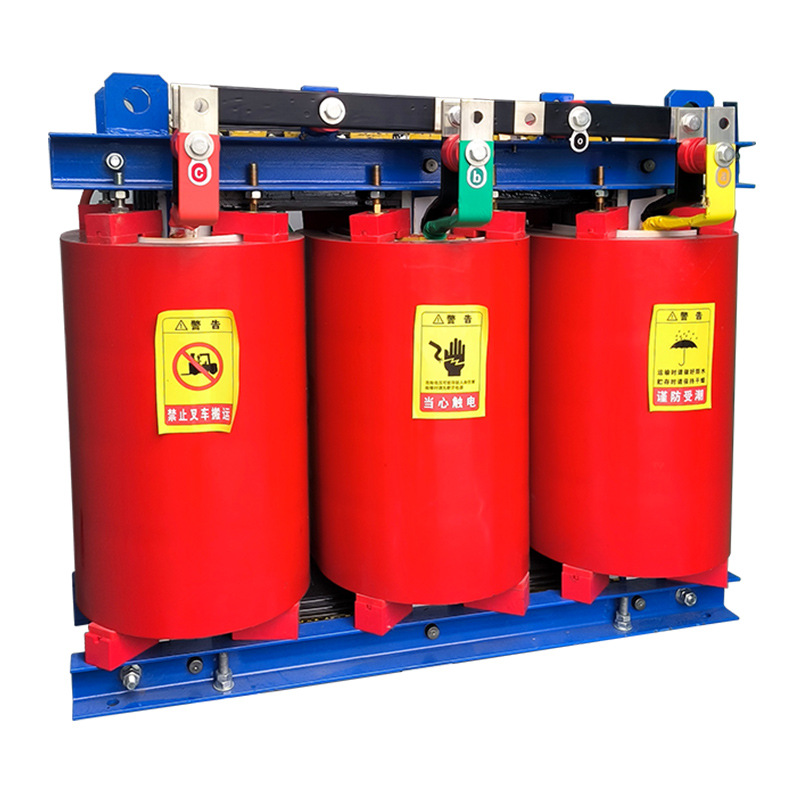
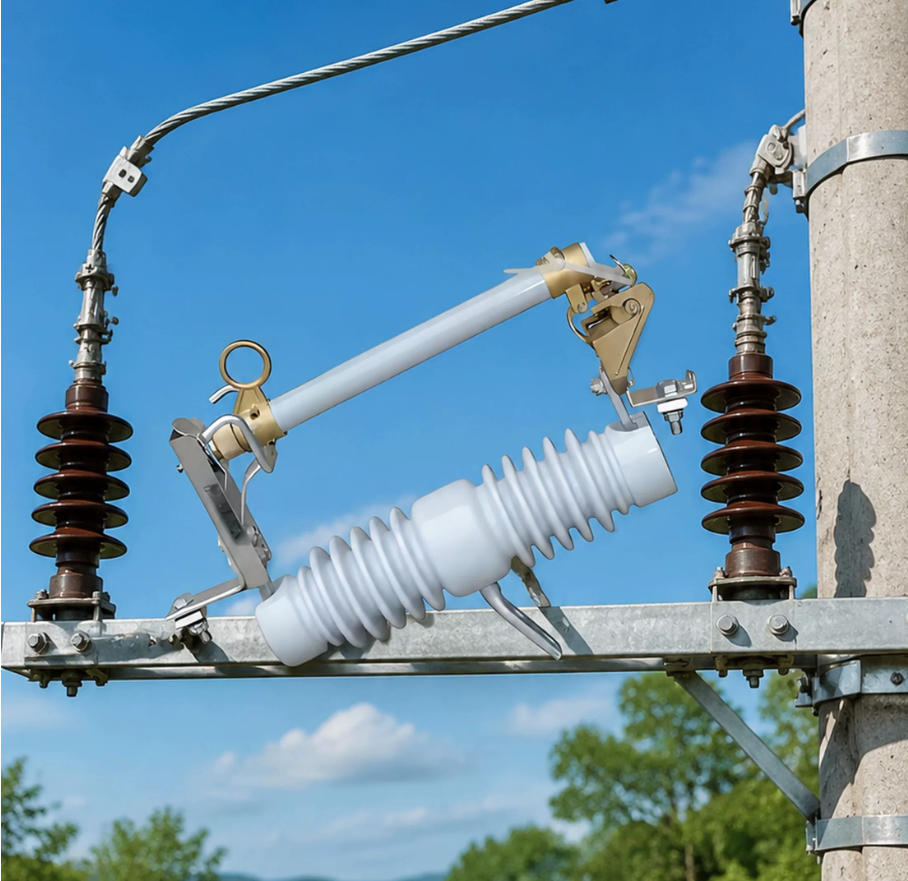
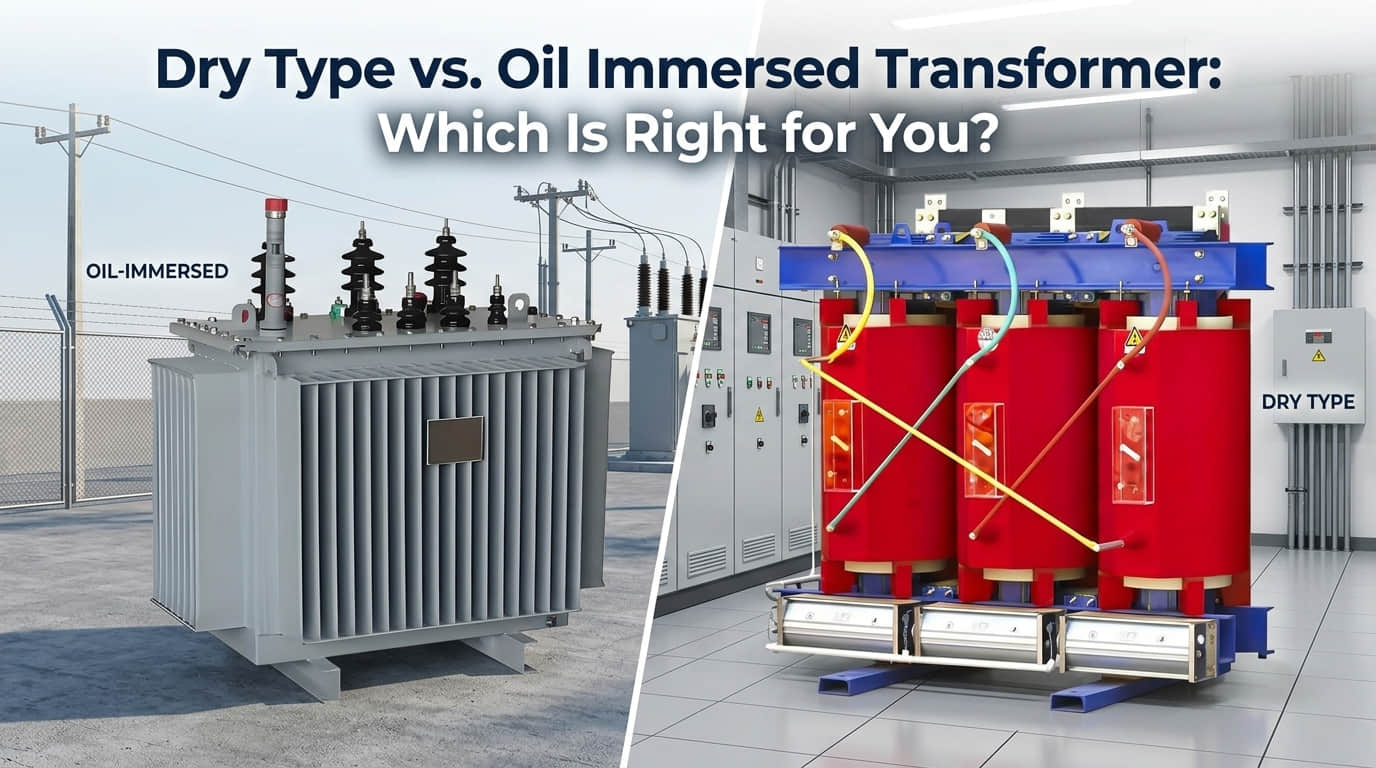
In the utility sector, maintaining grid stability is the top priority. Cold shrink cable terminations are widely used in substations and distribution networks to connect high voltage applications XLPE power cables to essential equipment like transformers and switchgear. Because these kits do not require open flames or heat sources, they are safer for field technicians working in remote or hazardous environments. They provide a robust seal for underground cable accessories and overhead lines, ensuring long-term reliability even in extreme weather. These terminations are critical for creating secure connection points near protection devices, such as lightning arresters, to prevent outages and maintain continuous service.
Commercial and Industrial Projects
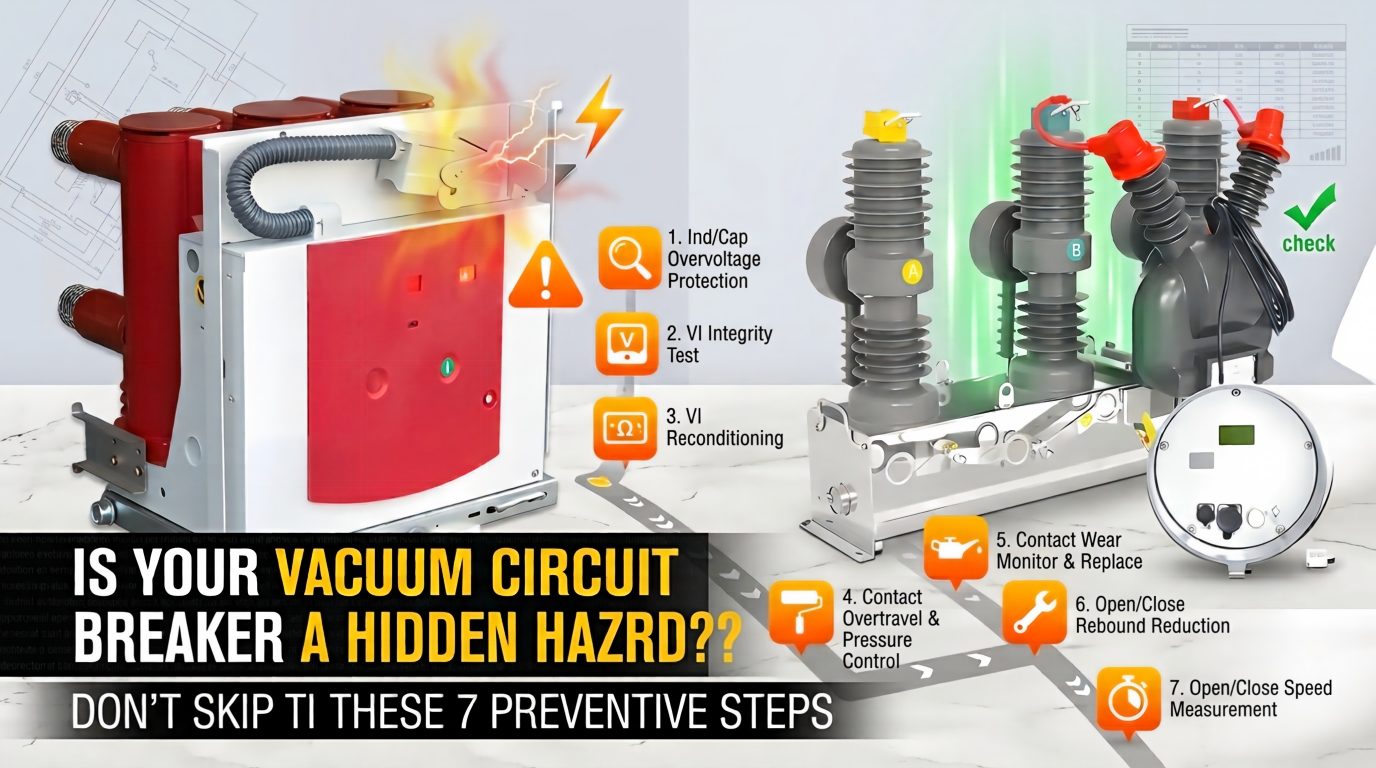
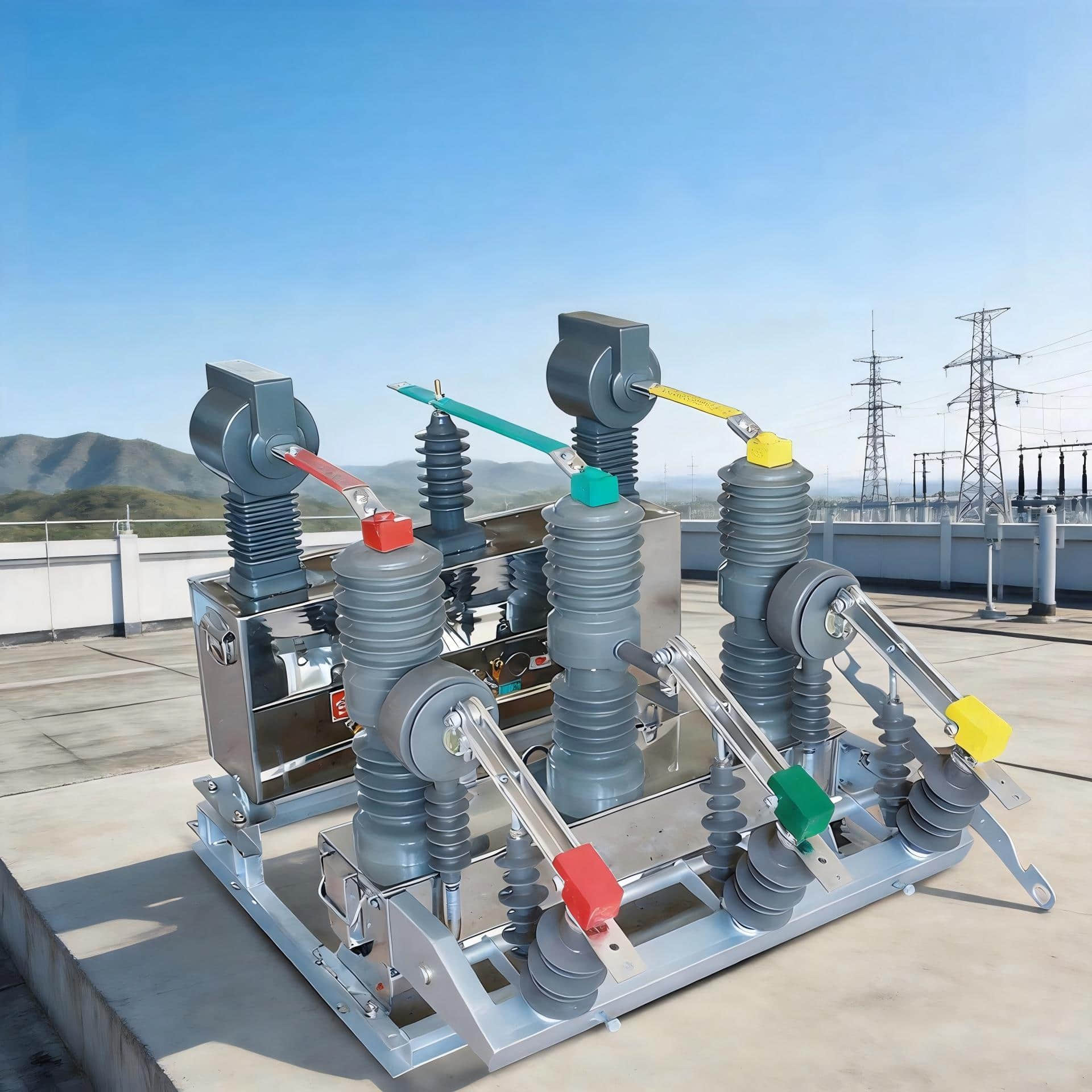
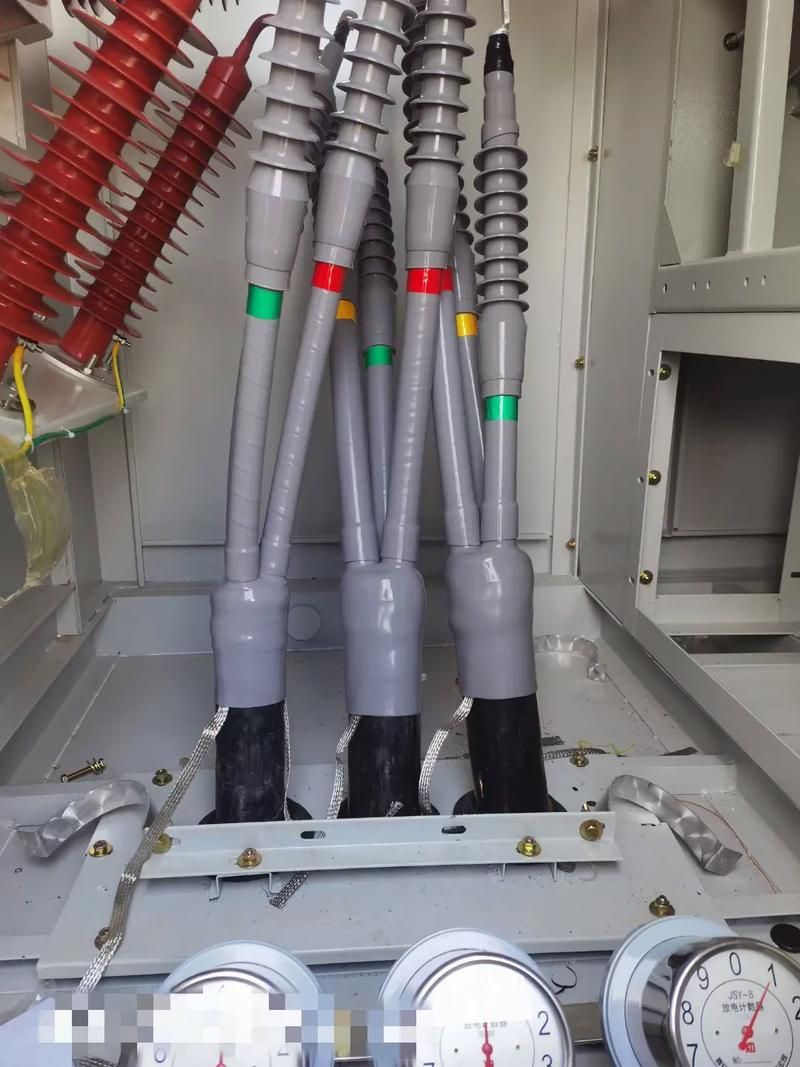
For industrial facilities and large commercial complexes, minimizing downtime during installation or maintenance is crucial. We supply termination solutions that streamline the connection of solid dielectric shielded power cable systems within factories, data centers, and mining operations. These kits are favored for their ease of installation in confined spaces, such as inside metal-clad switchgear cabinets. They effectively manage electrical stress at the cable end, preventing tracking and flashovers. This technology is essential for safely linking main power feeds to indoor vacuum circuit breakers, ensuring that heavy machinery and building infrastructure receive consistent, safe power.
Choosing the Right Cold Shrink Termination Kit
Selecting the correct cold shrink cable termination is critical for safely sealing electrical connections and preventing system failures. We know that picking the wrong kit leads to poor active sealing and potential safety hazards. You need to match the specific kit to your exact cable setup to ensure reliable performance.
Important Product Specifications to Consider
When sourcing underground cable accessories and termination kits, you must look closely at the cable’s physical and electrical makeup. Not all cold shrink tubing is universally compatible.
Here are the key specifications you must evaluate:
| Specification | Selection Criteria |
|---|---|
| Cable Outer Diameter (O.D.) | The cold shrink insulating tube must accommodate the exact O.D. for a tight, active seal. |
| Shielding Type | Specify if you are working with a tape shield, wire shield, copper tape, or unishield cables. |
| Dielectric Material | Confirm compatibility with solid dielectric, XLPE power cables, or EPR materials. |
| Operating Environment | Choose an indoor termination kit for controlled spaces, or an outdoor kit for high UV and weather exposure. |
Selecting Based on Voltage and Cable Type
Your operating voltage directly dictates the termination design. Medium voltage cable terminations (typically 5kV to 35kV) require different stress control mechanisms compared to low or high voltage applications.
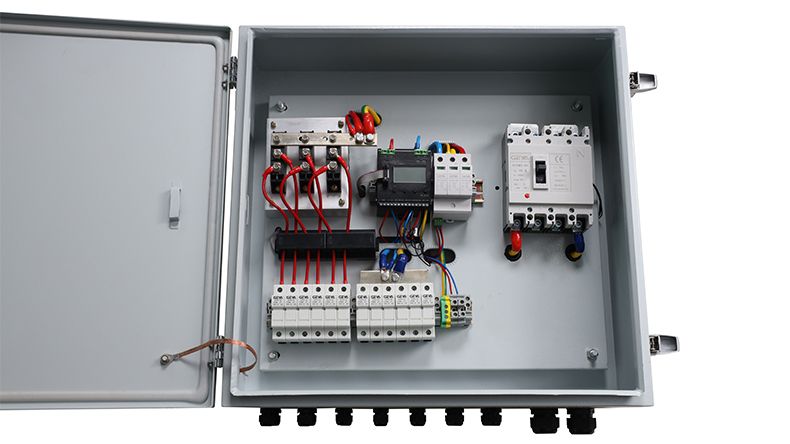
You must also account for the cable construction itself. Whether you are dealing with modern polymeric cables or older lead sheathed power cables, the kit must match the specific cable architecture. For instance, when routing power from main lines into a cable branch box, ensuring the termination rating matches the exact voltage and cable type of the box is non-negotiable for system stability. Always verify the maximum voltage rating of the power cable connectors before finalizing your selection.