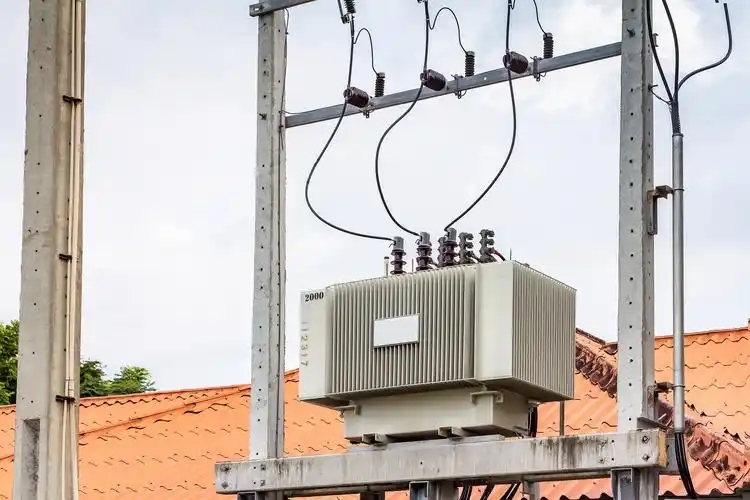
As an electrical engineer with 12 years of industry experience, I'm often asked a seemingly simple question: "How much electricity does a high-voltage transformer produce per hour?" The answer is quite direct, but it reveals a common misconception.
To be clear, a high-voltage transformer does not produce electricity. It doesn't have any power generation capability, like a generator that converts mechanical or chemical energy into electrical energy. Its core function is to transform or change the voltage level of the electricity it receives.
Think of it like a water pump; a pump doesn’t produce water, it just changes the water's pressure to make it flow to higher places. This article will use my professional perspective to thoroughly explain how a transformer works and answer the most pressing questions, such as "How much electricity does a high-voltage transformer produce per year?"
Function: Transformation, Not Generation
To understand a transformer, the most crucial thing to grasp is that it follows a fundamental law of physics: energy is conserved. It doesn't create energy; it's just an energy mover. You can think of a transformer as the "gearbox" of a power system. Just as a car's gearbox doesn't create engine power but changes the ratio of speed and torque, a transformer changes the ratio of voltage and current to achieve efficient power transmission.
To better visualize how a transformer works, please watch the video below. It uses clear animations to show you exactly how coils step voltage up or down.
In the power system, there are two main types of transformers. Step-up transformers are used at power plants to boost the low-voltage electricity from a generator to ultra-high voltages for long-distance transmission. They do this to significantly reduce power loss along the lines, as the loss (P = I²R) is proportional to the square of the current.
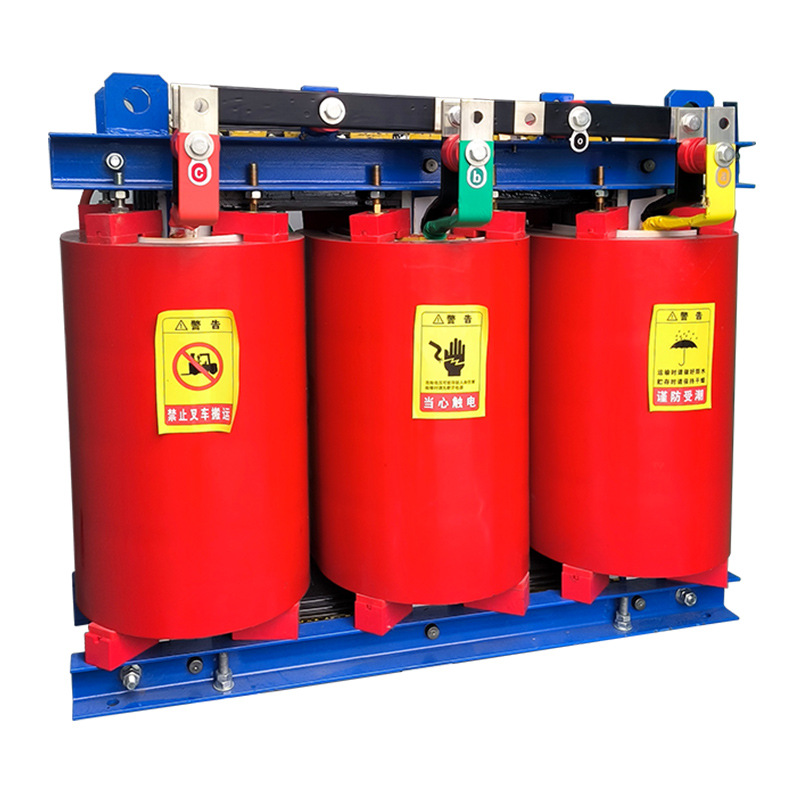
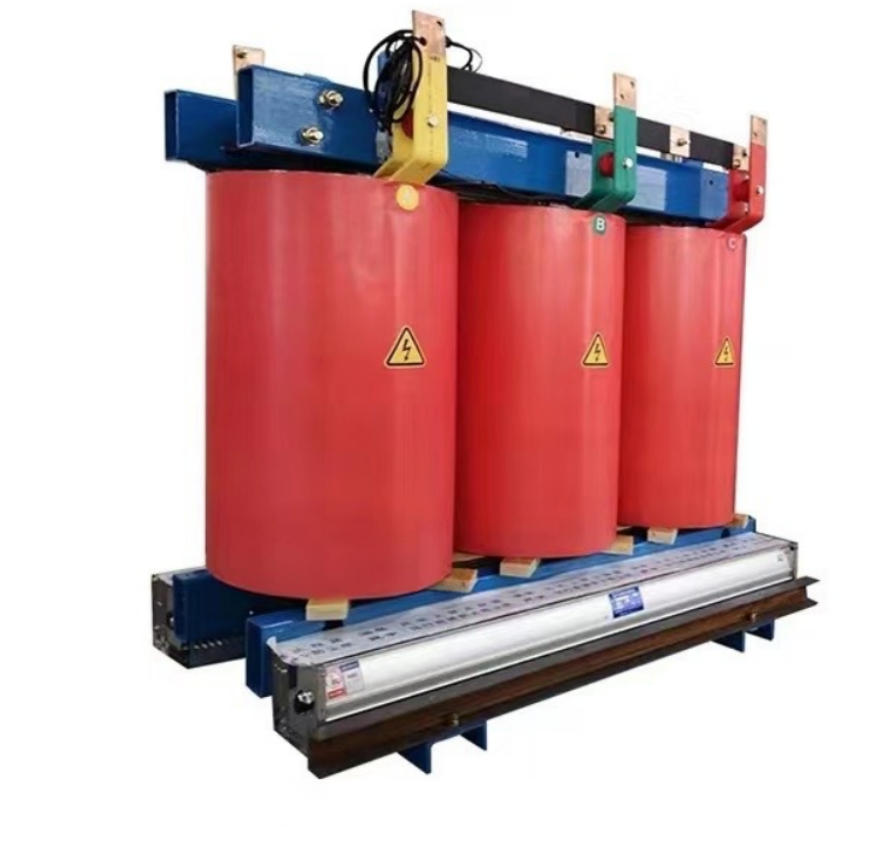
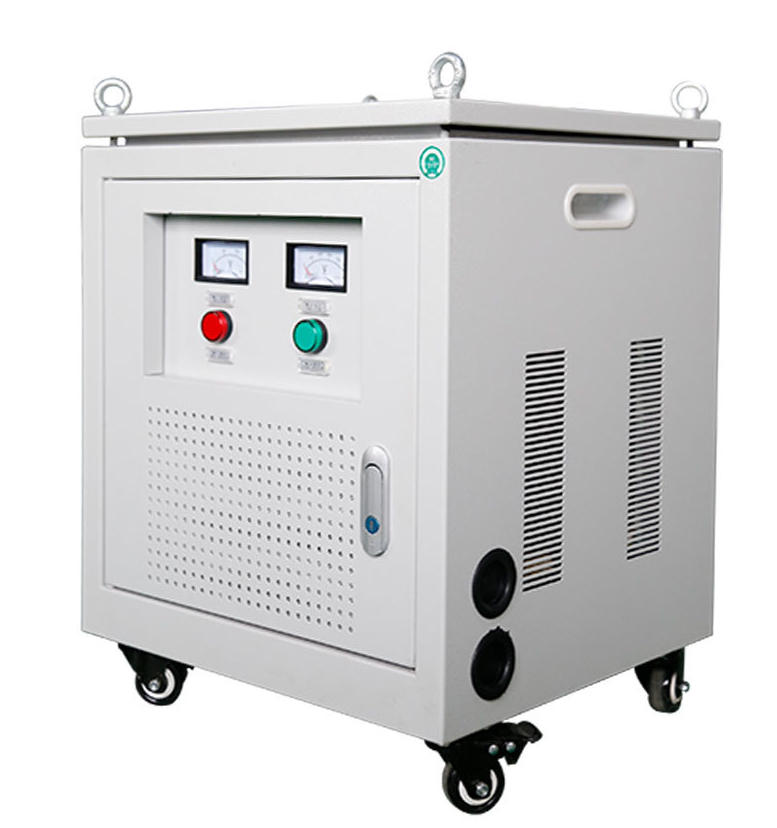
Conversely, step-down transformers work to lower the high-voltage electricity from the grid. This makes the power safe for distribution to factories, commercial buildings, and your home. There are many different types of transformers, but the most common are oil-immersed transformers and dry-type transformers.
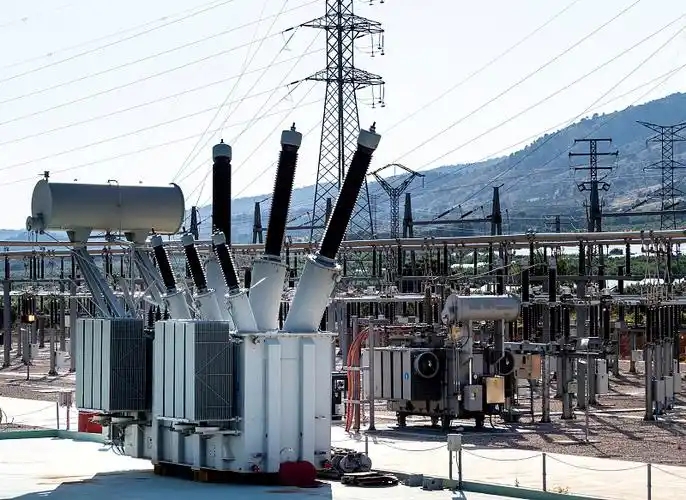
Oil-immersed transformers use oil for cooling and insulation, and they are typically used in large outdoor applications. On the other hand, dry-type transformers don't use oil, making them safer and more environmentally friendly for indoor use.
The Principle of Energy Conservation: Transformer Efficiency
As we've established, a transformer is an energy conversion device. Theoretically, its output power should equal its input power. However, in reality, what is the efficiency of a high-voltage transformer? Generally speaking, modern transformers are highly efficient, with efficiencies typically ranging between 95% and 99%.
So, why aren't transformers 100% efficient? The answer lies in the unavoidable losses that occur during the energy conversion process. These losses are primarily divided into two types:
Copper Losses: This is the energy lost as heat due to the resistance in the transformer's wire windings. The amount of loss is proportional to the square of the current.
Iron Losses: This refers to the heat generated within the transformer's magnetic core due to hysteresis and eddy current effects caused by the alternating magnetic field.
To help you understand these two critical losses and how they impact a transformer's performance, you can read our detailed article:
While these losses can't be eliminated, engineers have perfected transformer efficiency through optimized design and the use of high-quality materials.
Capacity: Understanding the kVA Rating
Since a transformer doesn't produce electricity, how is its power measured? That's where the critical kVA rating comes in.
What does a 1000 kVA transformer mean? It doesn't mean it produces 1000 kVA of power; it means it can safely handle a maximum of 1000 kVA of apparent power. This rating is typically used for medium-sized industrial facilities or large commercial buildings.
So why isn't the more familiar kW (kilowatts) used? Because a transformer has to handle not only real power (kW) but also reactive power (kVAR). Both of these power types contribute to the heat generated in the windings. The kVA (kilovolt-amperes) rating accurately reflects the total apparent power the transformer can safely transfer without overloading.
With this knowledge, let's look at some real-world applications of transformer sizes and ratings.
Real-World Case Studies:
Case Study 1: Factory Transformer Sizing. A factory needs to power several motors and lighting systems. An engineer first calculates the total kW of all equipment and, considering the power factor, uses the kVA rating of the transformer formula to determine the required total capacity. The final selection is a transformer from the standard transformer sizes list (kVA) that is slightly larger than the calculated value, for instance, a 1250 kVA unit, as standard transformer sizes above 1000 kva are often measured in MVA.
Case Study 2: Consequences of Transformer Overloading. If you incorrectly connect a 70 kVA load to a 50 kVA transformer, it will run in a constant state of overload. This will lead to accelerated heat in the windings, rapid insulation degradation, and potentially a catastrophic failure.
Daily Maintenance & FAQs
As a core component of the electrical system, regular maintenance of transformers is crucial.
Routine Transformer Maintenance:
Check oil levels and color: For oil-immersed units, oil is key for cooling and insulation. Low oil levels or degraded oil quality can cause serious issues.
Listen for abnormal sounds: A healthy transformer usually emits a low, steady "hum." A sudden increase in volume or a change to a sharp buzzing sound can signal a potential internal problem.
Frequently Asked Questions
Q: How much electricity does a high-voltage transformer produce per year?
A: Zero. Transformers don't produce electricity. They are part of the power transmission network and simply transfer energy.
Q: Why do transformers hum?
A: This humming is normal and is caused by the tiny vibrations in the magnetic core, an effect known as magnetostriction. However, a change in the hum can indicate an issue.
Q: How can I tell if a transformer is overloaded?
A: The most obvious sign is a significant temperature rise. While a transformer naturally heats up, if the temperature gauge is above the normal range or it feels abnormally hot to the touch, it may be overloaded.
Q: What is the lifespan of a transformer?
A: Generally, a well-maintained transformer can last for 20 to 40 years, but its lifespan is heavily impacted by load conditions, ambient temperature, and maintenance frequency.
Conclusion: The Transformer's True Value
In short, a high-voltage transformer is an indispensable piece of static equipment. It doesn't create electricity; it simply uses the principle of electromagnetic induction to convert energy from one voltage level to another, enabling safe and efficient long-distance transmission.
The transformer is the true unsung hero of the power grid. It ensures that electricity can travel thousands of miles and arrive safely at our doorstep, powering the modern world.
Author Information & Resources:
Author: Thor, 12-Year Electrical Engineer
Company: Weisho Electric Co., Ltd.
Contact Info:
📞 Phone: +86-0577-62788197
📱 WhatsApp: +86 159 5777 0984
✉ Email: [email protected]
🌐 Website: weishoelec.com