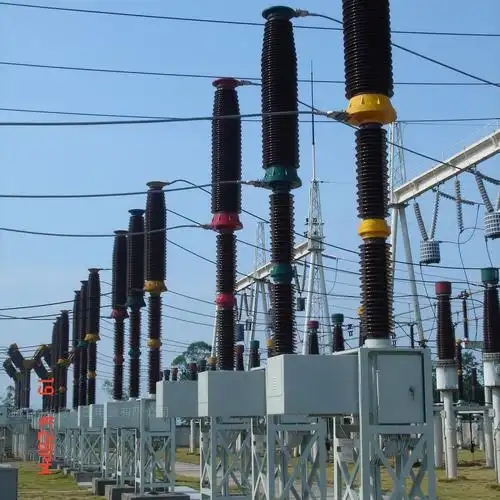
Unmatched Dielectric and Arc-Quenching Performance
Superior Dielectric Strength of SF₆ Gas
SF₆ circuit breakers dominate medium and high-voltage power distribution because SF₆ gas offers exceptional insulation performance:
Dielectric strength ~89 kV/mm versus ~30 kV/mm for air under comparable conditions
Higher withstand voltage allows:
Shorter contact gaps
More compact interrupter designs
Higher voltage ratings in the same footprint
In practical terms, SF₆ breakers can safely handle higher system voltages and overvoltages with less space and lower risk of insulation failure than air or simple solid-insulated designs.
Electronegative Gas and Stable Arc Interruption
SF₆ is a strongly electronegative gas, which means it readily captures free electrons in the arc:
Reduces free electron density and quickly de-ionizes the arc path
Restores insulation strength in the gap within a few milliseconds
Enables high thermal interruption capability for severe short-circuit faults
This behavior is critical at high system voltages and high fault currents, where the breaker must clear the arc at the first current zero and prevent re-ignition.
Self-Blast, Puffer, and Double-Motion Mechanisms
Modern SF₆ circuit breakers use advanced interrupter mechanisms to maximize arc-quenching efficiency:
Puffer-type designs
A moving piston compresses SF₆ gas and blasts it through the arc
Delivers high-pressure cooling exactly when the contacts separate
Self-blast (auto-puffer) designs
Use the energy of the arc itself to increase gas pressure
Reduce operating energy, allowing smaller drives and faster operation
Double-motion contacts
Both contacts move, effectively doubling the contact velocity
Improve arc stretching and cooling, especially in high-current applications
These mechanisms, combined with SF₆’s gas properties, deliver highly repeatable and stable interruption even under demanding grid conditions.
Real-World Short-Circuit Ratings up to 63 kA and Beyond
In actual utility and industrial installations, SF₆ circuit breakers routinely carry and interrupt short-circuit currents of 40 kA, 50 kA, and up to 63 kA (3 s) at transmission-level voltages:
Common ratings according to IEC 62271-100 include:
Up to 245 kV / 63 kA
Up to 420 kV / 50–63 kA
Breakers maintain:
High number of mechanical and breaking operations
Stable performance across wide temperature ranges
This combination of high dielectric strength, fast de-ionization, and robust mechanical design explains why SF₆ circuit breakers remain the benchmark for reliable high-duty fault interruption in modern medium and high-voltage networks.
Compact Footprint & the GIS Revolution with SF₆ Circuit Breakers
SF₆ circuit breakers are the backbone of modern Gas Insulated Switchgear (GIS), and space savings are the main reason utilities and industrial users in the U.S. keep choosing them.
GIS vs. Air-Insulated: Size and Space
Compared with traditional air‑insulated switchgear (AIS), SF₆-based GIS can shrink the substation footprint dramatically:
Up to 70–90% smaller than AIS at the same voltage level
Equipment can be stacked vertically and arranged in compact lineups
Metal-enclosed, sealed construction lets you build closer to buildings, roads, and other infrastructure
For utilities planning protection and switching layouts, GIS often sits alongside other equipment like disconnectors in tight configurations; that’s why a lot of U.S. engineers look at the full switchgear and protection layout when deciding on SF₆ GIS solutions.
Ideal for Urban and Offshore Substations
In dense U.S. city centers and high-value industrial zones, land is expensive, and permits are tough. SF₆ GIS helps solve that:
Urban substations: Built inside buildings, basements, tunnels, or on rooftops
Offshore platforms and coastal sites: Small footprint and sealed design are ideal where every square foot and every pound of steel matters
Brownfield upgrades: Easy to replace aging AIS with GIS in existing yards without expanding the site
Real-World 400 kV GIS Example
To see the impact, look at a typical 400 kV GIS substation in a city environment:
A 400 kV GIS yard can fit on a fraction of an acre and be fully enclosed in a building
A comparable AIS yard at 400 kV might need several acres of open land, larger clearances, and higher structures
For U.S. utilities trying to reinforce urban grids or connect new loads like data centers and large commercial projects, SF₆ GIS at 230 kV–400 kV makes high‑voltage infrastructure possible in locations where AIS simply won’t fit.
SF6 Circuit Breakers: Proven Reliability and Long Service Life
When I look at why SF6 circuit breakers still dominate medium- and high-voltage power distribution in the U.S., “reliability over decades” is at the top of the list.
30–40 Years of Service with Minimal Maintenance
Well-designed SF6 circuit breakers routinely stay in service for 30–40 years with only periodic inspections and gas checks. Compared with many air or oil solutions, you get:
Long intervals between overhauls
Very little wear on contacts thanks to superior arc quenching
Stable dielectric performance as long as gas pressure and purity are maintained
For utilities and industrial users in the U.S., this kind of stability directly reduces truck rolls, outages, and operating costs over the life of the asset.
Low Failure Rates Backed by CIGRE Data
Global field studies (including CIGRE statistics often referenced by OEMs) show very low failure rates for modern SF6 circuit breakers, especially in transmission-class gear. In practice, that means:
Fewer unplanned outages on critical feeders and transformers
High confidence for protection engineers when clearing high fault currents
Better reliability indices (SAIDI/SAIFI) for utilities under regulatory pressure
Built for Seismic and Harsh Environments
SF6 GIS and outdoor breakers are also proven in some of the toughest conditions U.S. operators deal with:
Seismic zones (West Coast, Alaska): structures and interrupter housings are type-tested to IEC/IEEE seismic standards
Harsh climates: coastal salt fog, desert dust, industrial pollution, and wide temperature swings
Compact, sealed designs reduce exposure of live parts to contamination and moisture
That’s also why I like pairing SF6-based systems with rugged components like an indoor disconnect switch or a ring main unit designed for distribution networks when we build out reliable, space-efficient medium-voltage solutions.
In short, if you need a breaker to sit in a substation for decades, clear faults when it counts, and keep operating through earthquakes, storms, and heatwaves, SF6 circuit breakers still set the reliability benchmark in 2025.
4. Economic Advantages of SF6 Circuit Breakers in 2025
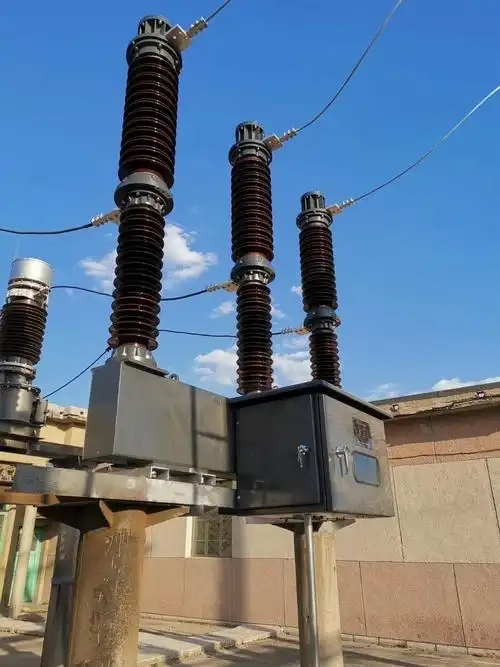
When I examine real project budgets in the U.S. today, SF6 circuit breakers still make considerable economic sense in many medium- and high-voltage applications.
Lower Total Cost of Ownership (TCO)
Even if the upfront price is similar or slightly higher than some vacuum or “green gas” options, SF6 breakers often win over the full life cycle because they offer:
Long service life (30+ years when maintained properly)
Fewer overhauls thanks to stable SF6 insulation and proven mechanics
High reliability, which means fewer outage costs and emergency callouts
For utilities, industrial plants, and data centers, that reliability translates directly into avoided downtime, fewer penalties, and better power quality for customers.
CapEx vs. OpEx: SF6 vs. Vacuum and New Alternatives
Here’s how the economics usually break down in 2025:
CapEx (upfront cost)
SF6 switchgear is often cost-competitive with vacuum in medium voltage and usually cheaper than most SF6‑free gases at high voltage.
New eco-gas or “clean air” solutions tend to carry a premium due to more complex designs and smaller production volumes.
OpEx (operating cost)
SF6 breakers need less frequent maintenance than many older vacuum or oil designs.
Spare parts, tools, and field expertise are widely available, which keeps maintenance and repair costs realistic.
Environmental reporting and SF6 handling training add some cost, but for most U.S. users today, that’s still modest compared to the cost of unplanned outages.
If you’re already using modern outdoor vacuum circuit breakers in parts of your system, they can complement SF6 GIS economically—vacuum for standard medium-voltage feeders, SF6 for compact, high-fault-duty, or critical bays.
Global Spare Parts and Service Ecosystem
Another big economic edge: SF6 circuit breakers are a global standard. That gives you:
Fast access to spare parts and retrofit kits anywhere in the U.S.
Plenty of trained technicians familiar with SF6 handling and IEC 62271‑100 requirements
Predictable service pricing thanks to competition among service providers
For owners, that global ecosystem cuts risk. You’re not betting your substation on a niche technology with limited support; you’re using equipment that thousands of utilities and industrial users rely on every day.
If you’re planning a full substation build that also needs surge protection, pairing SF6 switchgear with a proven lightning arrester disconnector or gapless lightning arrester from the same supplier helps keep both CapEx and long‑term maintenance under tight control, because your protection and switching gear are engineered to work together.
The Environmental Challenge: 23,500× CO₂ and F-Gas Rules
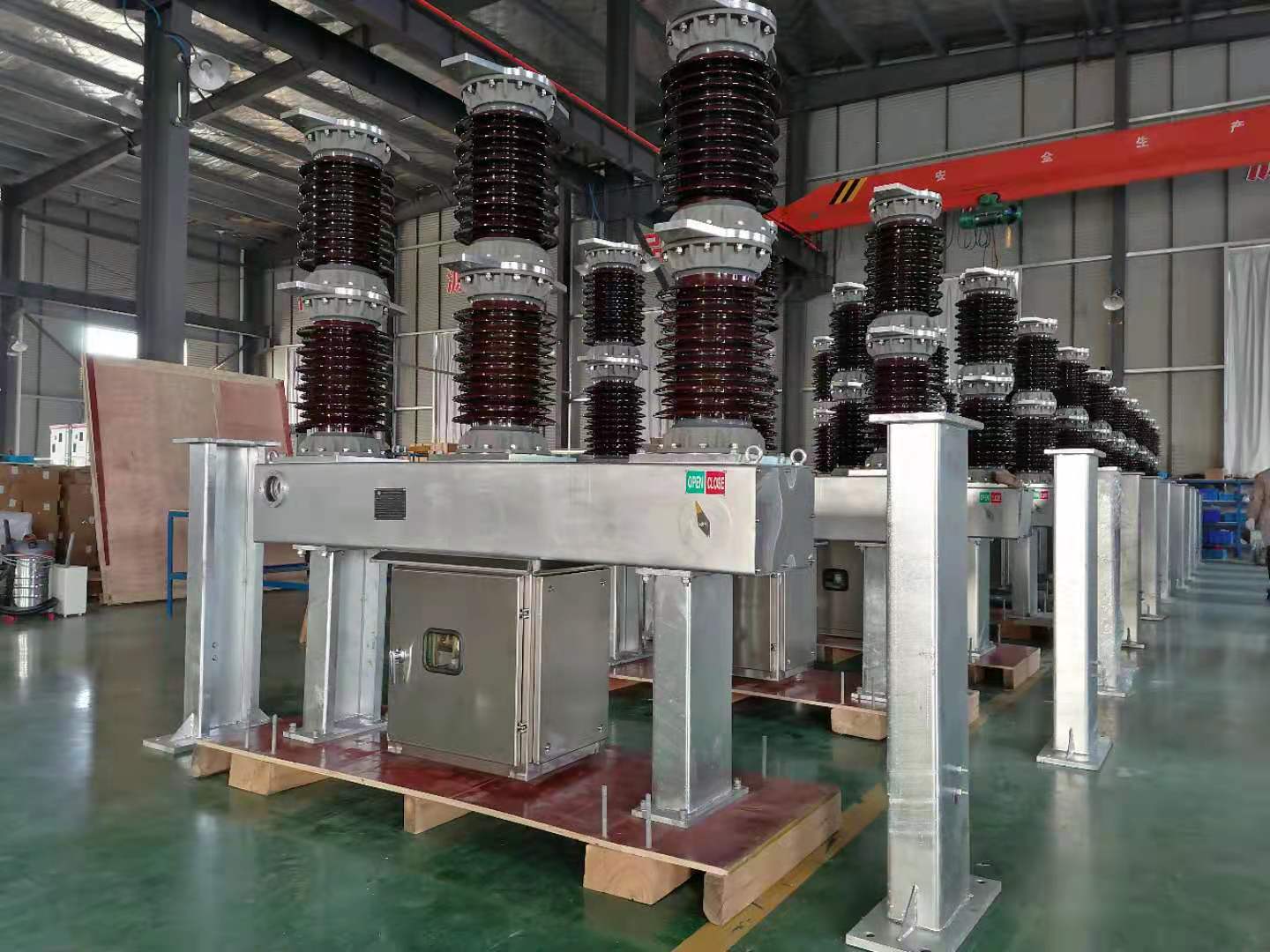
SF₆ circuit breakers come with a real environmental price tag, and in 2025, nobody in the U.S. utility or industrial market can ignore it anymore.
SF6 GWP and Real-World Leakage
SF₆ has a global warming potential (GWP)of ~23,500× CO₂ over 100 years. Even small leaks matter.
The good news: modern SF₆ GIS and breakers typically leak less than 0.1% per year when built with welded tanks, high‑quality seals, and proper pressure monitoring.
For a typical high‑voltage bay, that means:
Very low annual gas loss
But high climate impact per kilogram, so every pound of SF₆ is under scrutiny.
F-Gas Regulation and Phase-Down
In Europe, the EU F-Gas regulation is driving a phase-down from 2025–2032, with:
Tighter quotas on fluorinated gases
Stricter reporting and leak detection rules
Growing pressure to switch to SF₆‑free gear, especially at medium voltage
Even if you’re designing for the U.S. market, these EU rules matter:
They shape global product roadmaps
They affect technology availability and long‑term support
Net-Zero Pressure on Utilities and Industry
If you’re a U.S. utility, data center operator, or industrial plant, you’re feeling it from all sides:
Corporate net‑zero targets and ESG reporting push you to:
Track SF₆ inventory and leakage
Prove compliance and reduction year over year
Justify every new SF₆ installation against lower‑carbon alternatives
Investors and large customers are now asking:
“What’s your SF₆ footprint?”
“What’s your roadmap to move away from F‑gases?”
In other words, SF₆ circuit breakers still deliver top technical performance, but in 2025 you must treat SF₆ as a high‑impact greenhouse gas and design around strict leak limits, F‑gas rules, and net‑zero commitments from day one.
6. Emerging SF6 Alternatives – Are They Really Ready?
Eco-friendly circuit breaker technology is finally real, not just marketing—but in 2025, SF₆ circuit breakers still aren’t fully replaced, especially in medium and high-voltage transmission.
Main SF6-Free Technologies in 2025
g³ (GE – “Green Gas for Grid”)
Gas mix based on CO₂ + O₂ + fluoronitrile
Available today up to 245 kV class in some projects
Pros: Up to ~99% lower GWP than SF₆, similar switching performance
Cons: Larger equipment than SF₆ GIS, still limited suppliers, and tighter temperature limits in very cold climates
Clean Air (Siemens Energy)
Uses natural air (N₂ + O₂) at higher pressure, no fluorinated gases
Commercial up to 145 kV and expanding
Pros: Zero GWP, no F-gas regulation issues
Cons: Bigger footprint vs. SF₆ GIS, higher-pressure tanks, more steel, higher CapEx in many retrofit projects
Fluoronitrile / Fluoroketone Mixtures (Various OEMs)
Similar concept to g³ from other manufacturers
Pros: Much lower GWP vs SF₆ with strong dielectric strength
Cons: Supply chain is still young, long-term field data is limited, not yet fully standardized everywhere
Vacuum + Air: Medium Voltage and up to 145 kV
In the U.S. distribution and industrial market, vacuum circuit breakers with solid insulation or air insulation are already the default at medium voltage:
Widely used from 5 kV up to 38 kV
Fast progress for 72.5–145 kV vacuum + clean air designs
Best fit for utilities upgrading metal-clad switchgear, mining systems, and compact substations (for example, paired with mobile or box-type substations similar to how we package our mining mobile substation solutions)
Performance Trade-Offs vs SF6
When we compare SF₆ vs vacuum and SF₆ alternatives, the trade-offs in 2025 are very real:
Size & weight:
SF₆ GIS stays the most compact for tight urban and offshore sites
Clean Air and some g³ GIS can be 10–30% larger
Ratings:
SF₆ still leads at the highest short-circuit ratings and EHV ≥ 420 kV
Vacuum + air is strong up to 145 kV, still maturing at higher voltages
Temperature performance:
Alternatives can struggle in extreme cold (–40 °C and below)
Additional heaters, insulation, or derating may be needed
Market Adoption Numbers in 2025
Here’s how I see adoption shaking out right now (global picture, with strong growth in North America and Europe):
Medium voltage (≤ 38 kV)
>80% of new installations are SF₆-free (vacuum breakers dominate)
High voltage 72.5–145 kV
SF₆-free share growing fast, roughly 15–25% of new GIS/breakers in advanced markets
≥ 245 kV and EHV
SF₆-free tech is still in pilot and early commercial stages, maybe <5–10% of new projects
Bottom line: in 2025, SF₆ alternatives are ready in many medium-voltage and some high-voltage ranges, but for the very highest voltages, the toughest climates, and the most demanding short-circuit levels, SF₆ circuit breakers still hold the advantage.
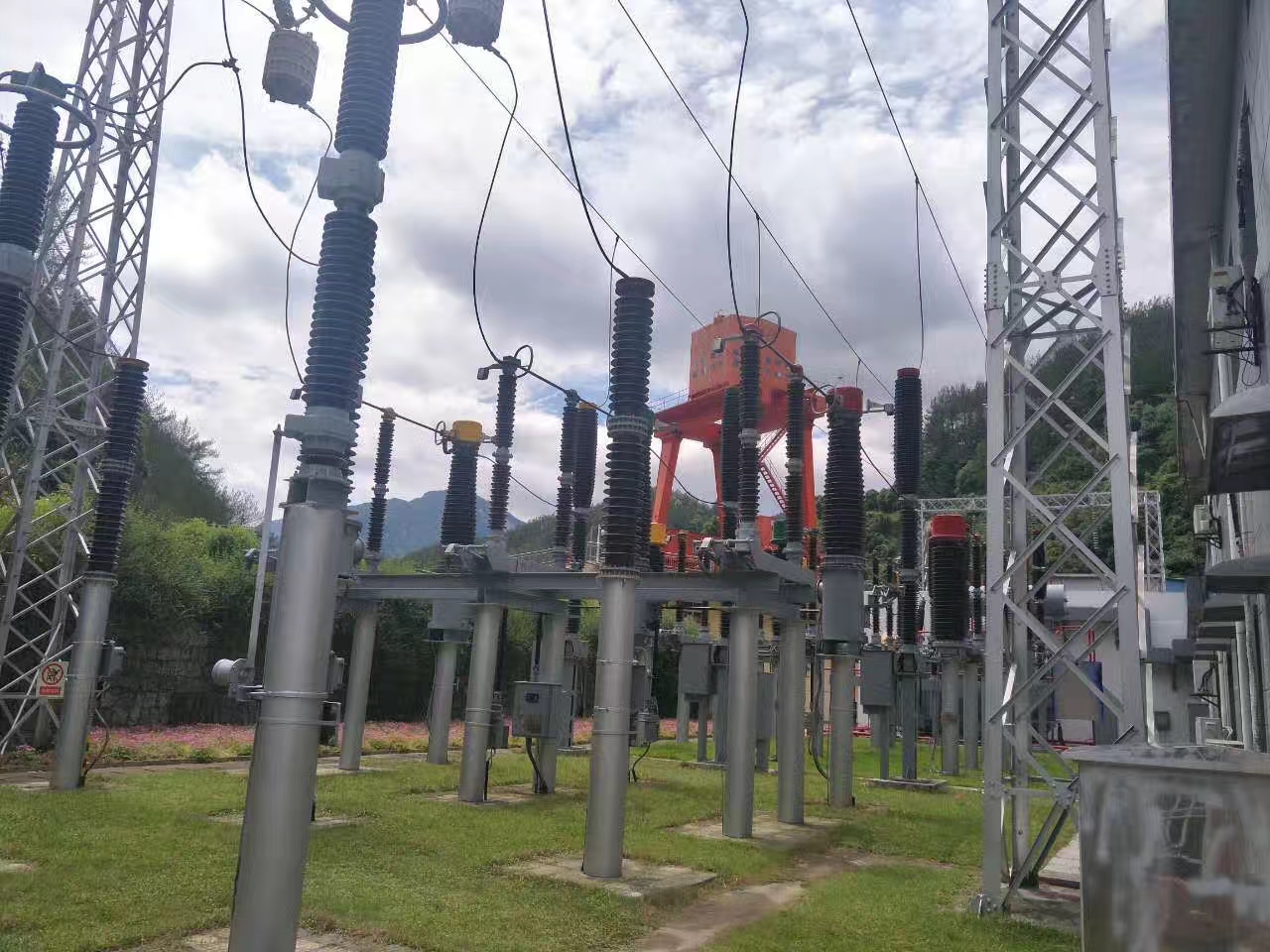
When SF₆ Circuit Breakers Are Still the Only Practical Choice in 2025
Even with all the eco-friendly talk and new tech coming in, there are cases where SF₆ circuit breakers are still the only realistic option in 2025—especially for utilities and heavy industry in the U.S.
1. Extra‑High Voltage (EHV ≥ 420 kV)
Once you get to 420 kV and above, the game changes:
Dielectric strength and clearances: SF₆ has the dielectric strength and arc‑quenching performance needed to handle EHV without massive clearances or oversized yards.
GIS at 500 kV / 765 kV: For compact extra‑high-voltage GIS substations, SF₆ is still the only proven, widely available option with full-scale field experience.
System stability and grid codes: U.S. transmission operators (PJM, CAISO, ERCOT, etc.) need breakers that can clear faults fast and reliably across long lines—SF₆ breakers are the benchmark here.
2. Extreme Cold Climates (Down to –50 °C)
In places like the upper Midwest, Alaska, and parts of Canada tied into U.S. grids, winter is brutal.
Stable operation at –40 °F to –58 °F (–40 °C to –50 °C): SF₆ maintains consistent insulation and arc‑quenching at very low temperatures, where some alternative gases and designs face derating or need heating systems.
Outdoor switchyards in remote areas: For unstaffed, remote outdoor substations, reliability in deep cold usually pushes the choice back to SF₆ breakers rather than newer “green” gas blends that are still maturing.
If you’re pairing these breakers with indoor switchgear at lower voltage levels, we typically look at indoor vacuum solutions like modern 40.5 kV vacuum circuit breakers integrated into metal‑clad switchgear lineups to balance footprint, cost, and reliability.
3. Highest Short‑Circuit Levels
In dense urban networks and big industrial sites (steel, petrochemical, data centers), fault currents can push 50–63 kA and beyond:
High interrupting duty: SF₆ circuit breakers are field‑proven at the top end of short‑circuit ratings, especially in EHV and large transmission substations.
Multiple close‑open duty cycles: They handle demanding duty cycles (e.g., out‑of‑phase switching, frequent reclosing) better than most emerging alternatives at these ratings.
Network expansion headroom: If you expect future short‑circuit levels to rise as you add generation, interties, or large loads, SF₆ gives you more margin.
4. When I Recommend SF₆ in 202
Future-Proof Strategies for SF6 Circuit Breakers
If you’re running medium or high-voltage networks in the U.S., SF₆ isn’t going away overnight—but the way you use it absolutely has to change. Here’s how I look at future-proofing SF6 circuit breakers so you can stay reliable, compliant, and on track for net-zero.
1. Go Leak-Tight and “Sealed-for-Life.”
The first move is design, not gas replacement.
Use sealed-for-life SF6 compartments with welded tanks, double O-rings, and controlled filling in the factory.
Add online density and pressure monitoring so you catch micro-leaks early instead of after a compliance issue.
With modern sealed designs, realistic leakage can drop below 0.1% per year, which dramatically cuts the greenhouse gas impact over the breaker’s lifetime.
For outdoor substations, pairing sealed SF6 equipment with robust insulators (similar to the construction used in a post-type high-voltage insulator) helps keep mechanical integrity and leak paths under control.
2. Build SF6 Reclamation and Recycling into Your Standard
Treat SF6 like a closed-loop asset, not a consumable.
Recover SF6 during maintenance and end-of-life using certified recovery carts.
Send reclaimed gas through filtration, drying, and lab analysis so it can be reused instead of being vented.
Work only with partners that follow IEC 62271 and EPA guidelines for SF6 handling and documentation.
Over a 30–40-year life, a solid recovery and recycling program saves gas purchase cost, cuts emissions, and keeps you ahead of tightening F-gas-style regulations.
3. Use Hybrid and Mixed-Technology Switchgear
You don’t need to flip everything to SF6-free in one go. Instead, phase it:
Medium voltage: use vacuum interrupters for switching + SF6 or clean gas only where absolutely needed for insulation.
High voltage: deploy hybrid yards that combine gas-insulated sections in tight spaces with air-insulated gear where land is cheaper.
Use SF6 only for the critical sections with demanding short-circuit ratings or compact layout needs.
This mixed approach lets you cut SF6 inventory while still leveraging its strengths in your toughest installations.
4. Set a Real SF6-Free Roadmap (2030–2050)
To stay in front of regulations and investor pressure, utilities and industrial users should put SF6 on a timeline:
By 2030
Stop specifying SF6 for new medium-voltage projects where viable vacuum or clean-air alternatives exist.
Standardize SF6 leak monitoring, reporting, and reclamation across your fleet.
By 2040
Prioritize SF6-free tech for all new builds and major retrofits where ratings and climate allow.
Start systematic replacement of the oldest, leakiest SF6 bays first.
By 2050
Keep SF6 only in hard cases (very high voltage, extreme short-circuit levels, or severe climates) while planning long-term replacements as technology matures.
The key is clarity: keep SF6 where it’s still the only practical solution, but stop adding it everywhere else. That’s how you protect reliability, manage life cycle cost, and still align with net-zero and F-gas style policy trends in the U.S. and globally.