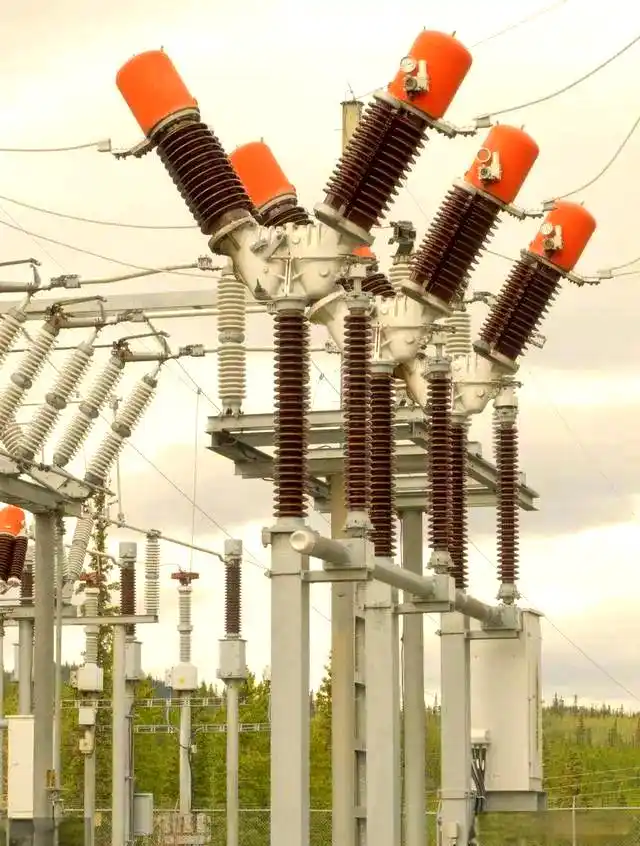
What is a Medium-Voltage Circuit Breaker?
Definition and Voltage Range
A medium-voltage circuit breaker is an electrical device designed to interrupt current flow in power systems operating typically between 1 kV and 36 kV. It serves as a critical component for controlling and protecting medium-voltage electrical networks by safely breaking fault currents without damaging connected equipment.
Core Functions in Electrical Systems
Its primary role is to switch electrical circuits on and off under both normal and abnormal conditions. Medium-voltage circuit breakers isolate electrical faults, enabling maintenance and preventing damage to transformers, generators, and distribution lines. They ensure system stability by quickly disconnecting malfunctioning sections while maintaining power flow in healthy circuits.
Importance of Overload and Short-Circuit Protection
Overload and short-circuit events can cause severe equipment damage, fires, and outages. Medium-voltage circuit breakers are engineered to detect these faults rapidly and interrupt current, minimizing risks to personnel and infrastructure. Reliable protection extends the lifespan of the electrical system and enhances operational safety, preventing costly downtime and catastrophic failures.
Types of Medium-Voltage Circuit Breakers by Insulation Medium
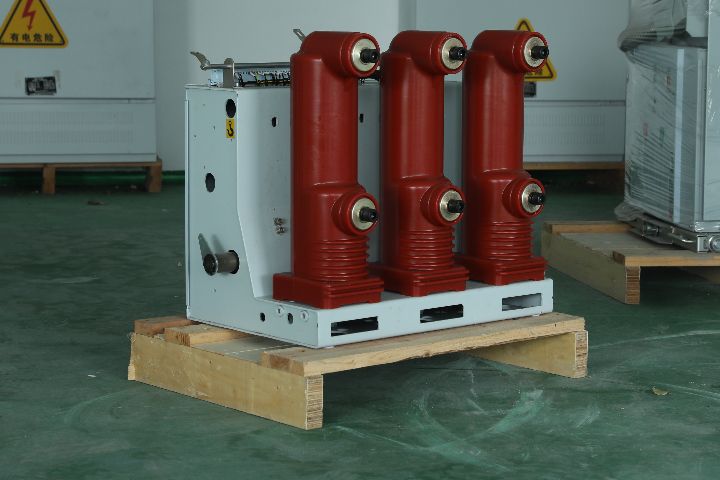
Vacuum Circuit Breakers (VCB)
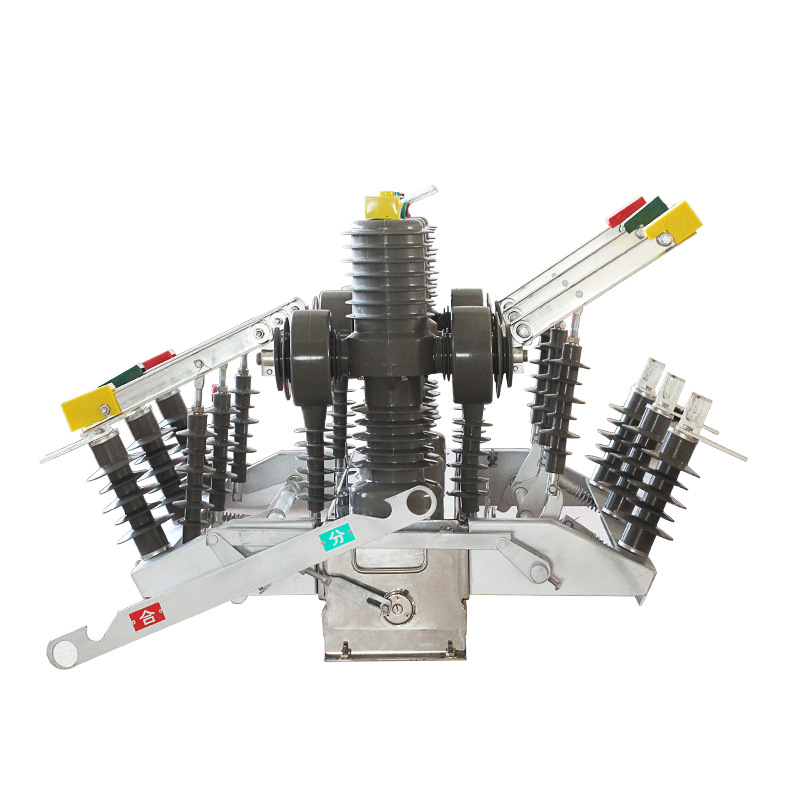
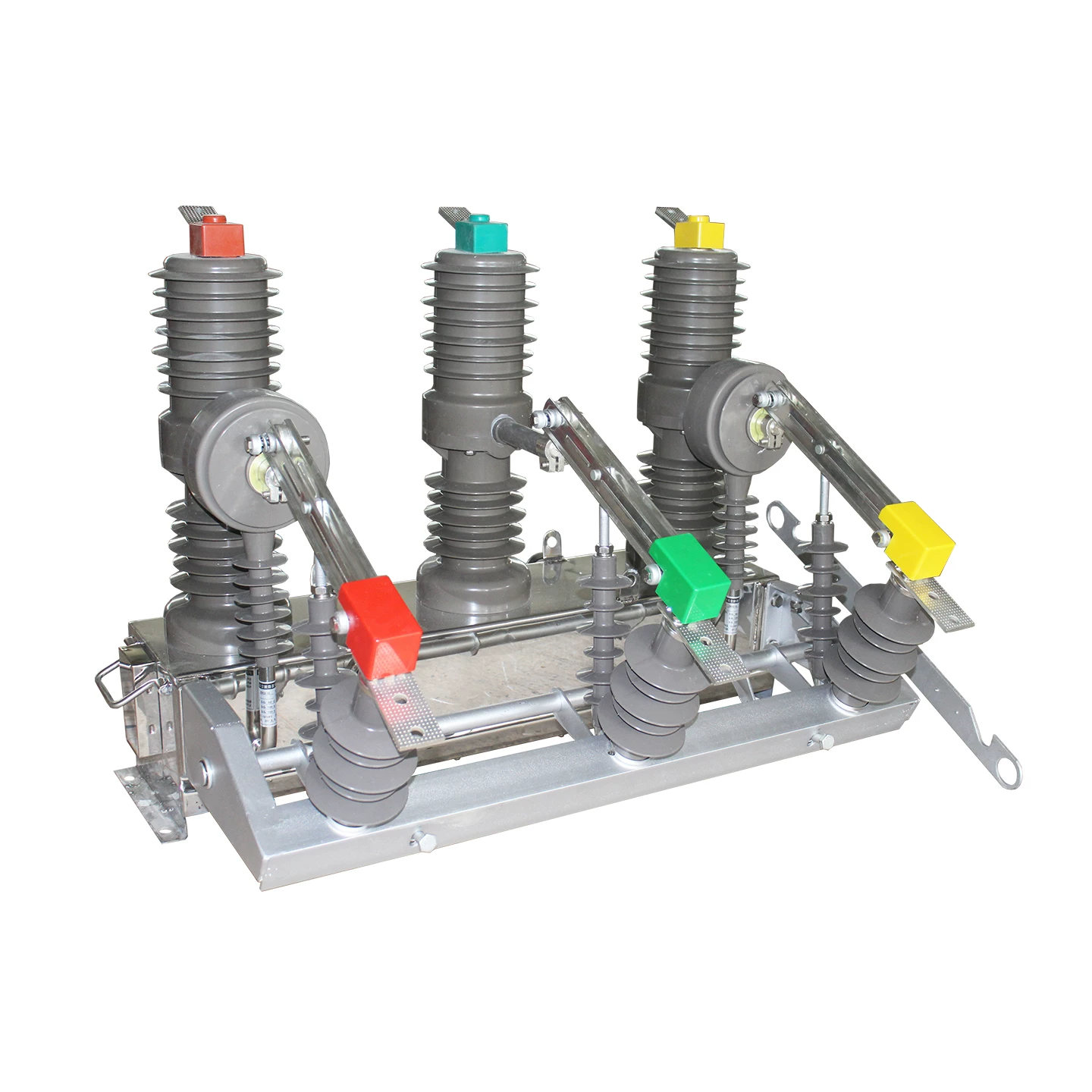
Vacuum circuit breakers use vacuum as the insulating and arc-quenching medium. When the contacts separate, the arc is quickly extinguished inside the vacuum chamber, which prevents further current flow. VCBs are highly reliable, require minimal maintenance, and are compact in size. They are ideal for medium-voltage systems due to their fast interruption capabilities and long service life. For reliable 11kV applications, vacuum breakers provide excellent protection with environmentally friendly operation, as detailed in our overview of 11kV vacuum circuit breakers.
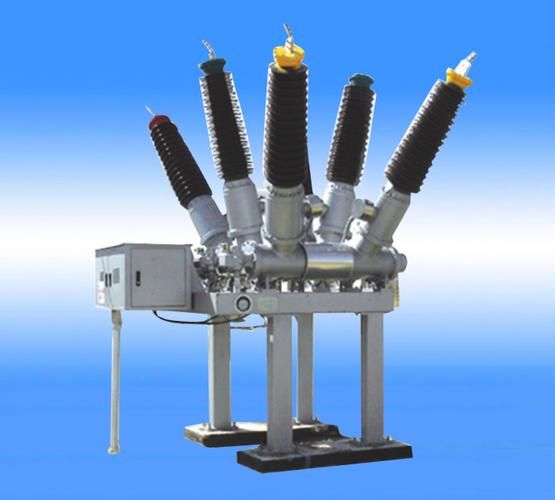
SF6 (Sulfur Hexafluoride) Circuit Breakers
SF6 circuit breakers utilize sulfur hexafluoride gas, a highly electronegative gas, to extinguish the arc. This medium offers superior dielectric strength and arc quenching, making SF6 breakers suitable for higher-voltage and demanding environments. They offer excellent insulation and cooling properties, allowing for compact designs with high interrupting capacities. Despite their performance benefits, environmental concerns regarding greenhouse gas emissions have increased interest in alternative technologies.
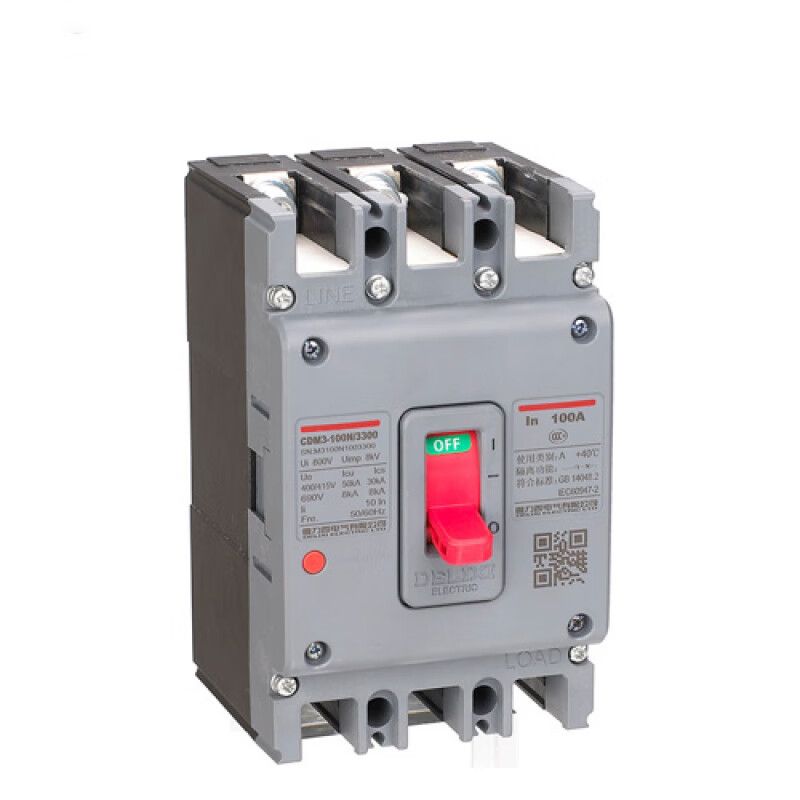
Air and Oil Circuit Breakers
Air circuit breakers use compressed air as the arc extinguishing medium and were common in older medium-voltage installations. While effective, they require regular maintenance due to mechanical complexity and moisture sensitivity. Oil circuit breakers submerge contacts in insulating oil, which cools and quenches the arc. Though oil breakers provide good insulation and arc interruption, they present risks such as oil leakage and fire hazards. As a result, modern installations often favor vacuum or SF6 breakers, with air and oil types gradually being phased out in many applications.
Where Medium-Voltage Circuit Breakers are Installed: Primary Locations
Electrical Power Substations
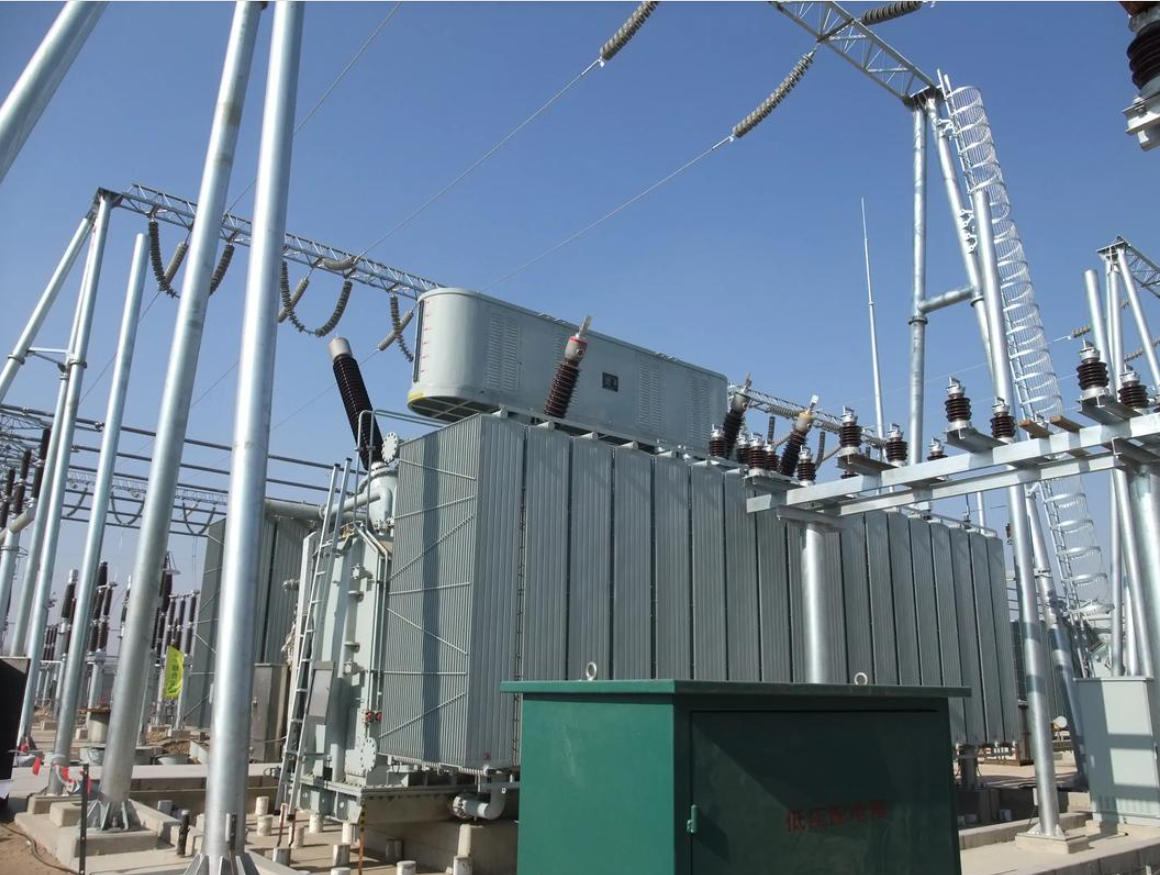
Medium-voltage circuit breakers play a critical role in electrical power substations, where they manage and protect the flow of electricity between transmission lines, transformers, and distribution networks. These breakers ensure quick disconnection during fault conditions, preventing damage to equipment and maintaining grid stability. Their installation in substations is essential for handling large loads and safeguarding high-capacity electrical infrastructure.
Industrial Manufacturing Plants
In industrial manufacturing environments, medium-voltage circuit breakers are installed to protect heavy machinery, motors, and equipment from overloads and short circuits. These plants often operate high-power systems that demand reliable interruption devices to avoid costly downtime and equipment damage. Using circuit breakers in such plants ensures operational continuity and safety for both personnel and production lines.
Renewable Energy Sites (Solar and Wind Farms)
Renewable energy facilities like solar and wind farms rely on medium-voltage circuit breakers to integrate generated power safely into the grid or local systems. These breakers help manage fluctuations in power output and isolate faults quickly, protecting valuable renewable assets. Proper placement of circuit breakers at these sites enables efficient control and enhances the longevity of the electrical infrastructure supporting clean energy generation.
Installation Within Different Switchgear Configurations
Metal-Clad and Metal-Enclosed Switchgear
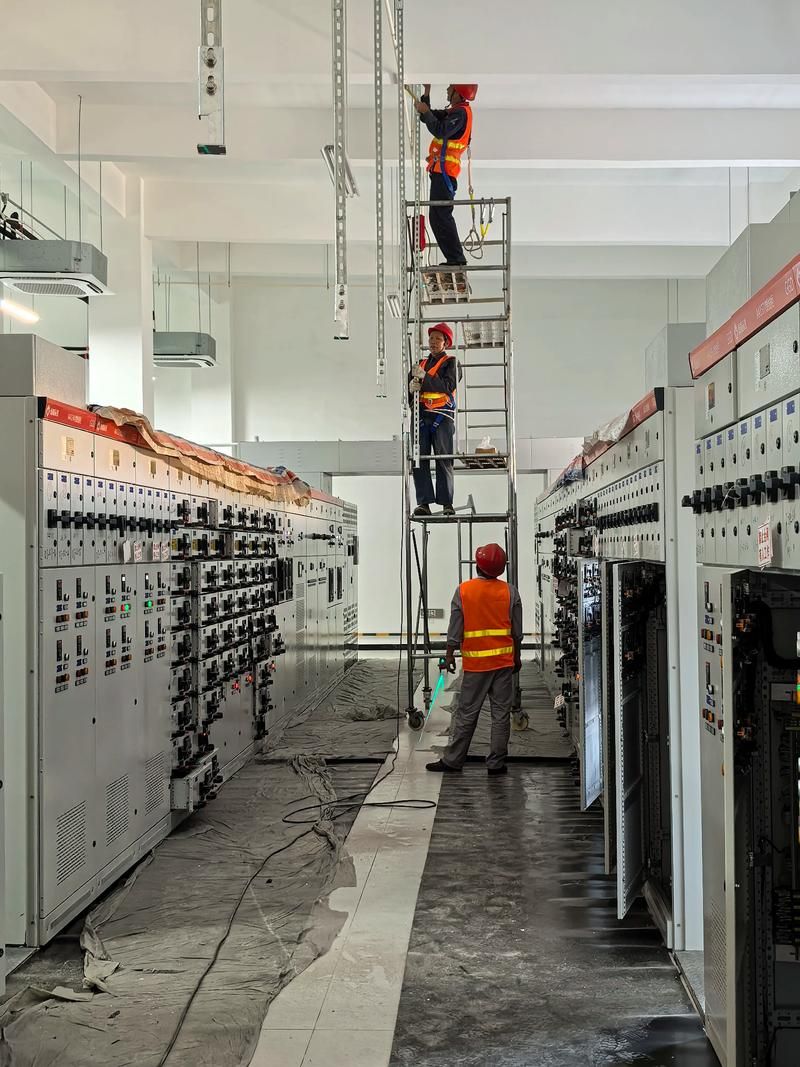
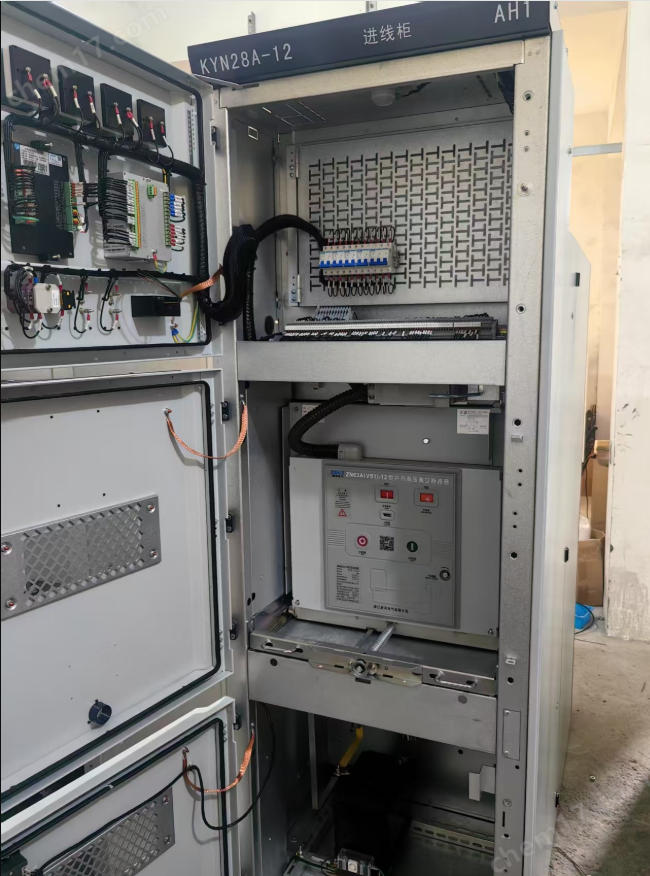
Medium-voltage circuit breakers are commonly installed inside metal-clad or metal-enclosed switchgear. These enclosures provide a secure, compact environment with segregated compartments for breakers and busbars, ensuring safety and ease of maintenance. The robust metal housing guards against environmental contaminants and electrical faults. Metal-clad switchgear is especially favored for indoor installations where space optimization and personnel protection are priorities.
Outdoor Pad-Mounted Installations
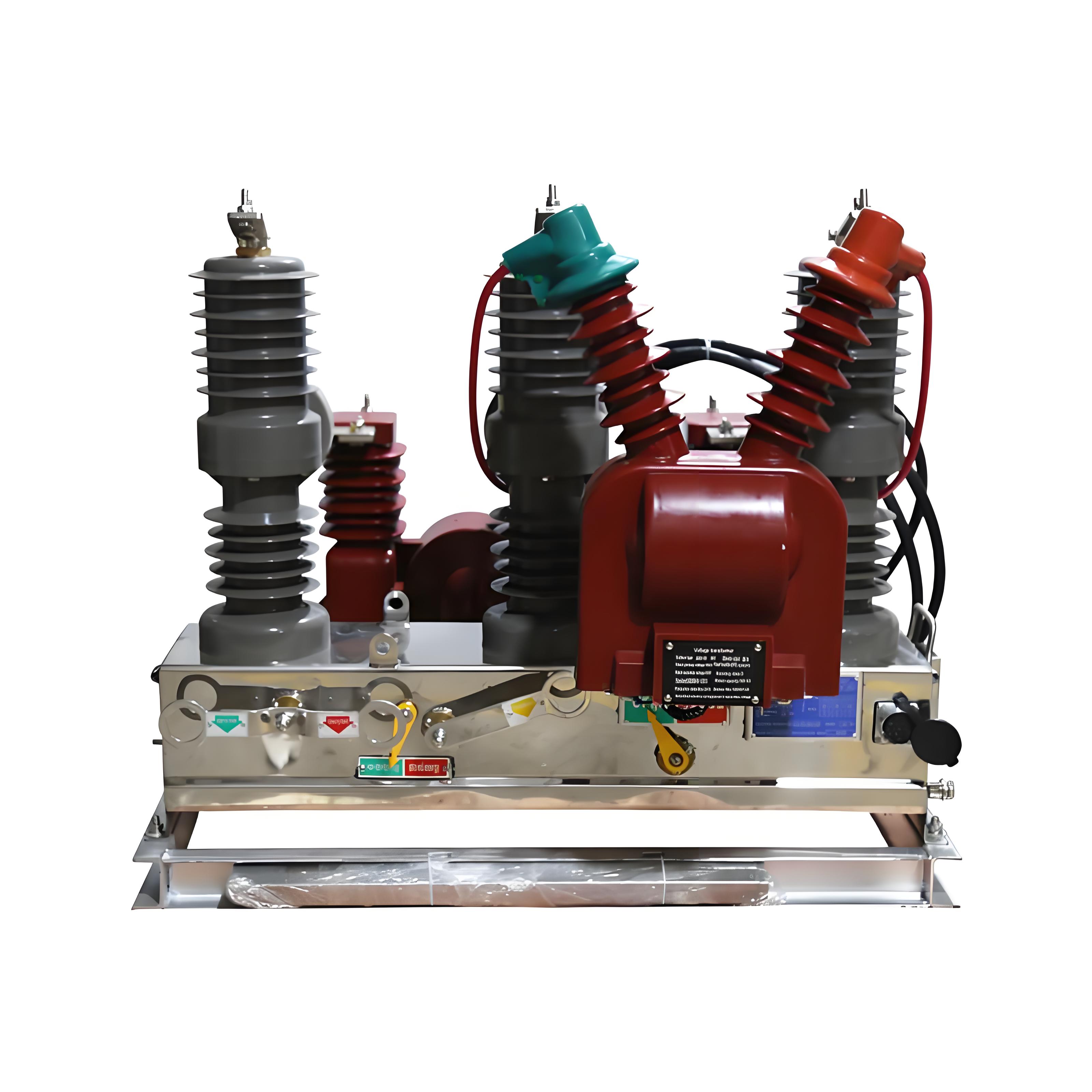
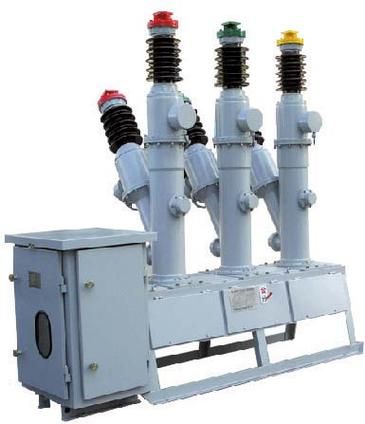
For outdoor applications, medium-voltage breakers are often mounted in weatherproof, pad-mounted switchgear. These units offer protection against harsh weather and vandalism while allowing straightforward access for utility and industrial service points. Pad-mounted installations are ideal for distribution networks in residential, commercial, or industrial zones where underground cables are common. They provide space-saving solutions without compromising reliability.
Vault and Subsurface Environments
In urban or densely populated areas, medium-voltage circuit breakers may be installed in vaults or subsurface chambers. This setup helps preserve aboveground space and maintains aesthetic appeal. Vaults protect electrical equipment from environmental hazards and facilitate secure cable terminations. These environments demand strict adherence to ventilation, drainage, and fire safety standards to ensure durability and operational safety.
| Installation Type | Typical Environment | Key Benefits |
|---|---|---|
| Metal-Clad/Enclosed | Indoor substations, industrial | Safety, compact design, easy service |
| Outdoor Pad-Mounted | Outdoor distribution, residential | Weatherproof, secure, space-efficient |
| Vault/Subsurface | Urban underground networks | Space-saving, protected environment |
Medium-voltage breakers integrated within these switchgear configurations ensure reliable system protection tailored to specific site conditions and operational demands. For examples on outdoor SF6 breaker installations, you can refer to detailed resources on outdoor SF6 circuit breakers.
Key Application Scenarios for MV Circuit Breakers
Data Centers and Critical Infrastructure
Medium-voltage circuit breakers are crucial in data centers and critical infrastructure to ensure an uninterrupted power supply and protect sensitive equipment. They isolate faults quickly, minimizing downtime and avoiding damage to servers and network components. Their rapid interruption of overloads and short circuits maintains operational stability in environments where power quality and reliability are non-negotiable.
Large Commercial Buildings and Hospitals
In large commercial buildings and hospitals, medium-voltage circuit breakers safeguard complex electrical systems supplying essential services. They handle high-load demands and prevent outages that could disrupt operations or jeopardize patient safety. Proper installation within switchgear systems ensures compliance with safety standards while providing reliable fault protection for elevators, HVAC, medical devices, and emergency systems.
Railway and Transportation Power Systems
Medium-voltage circuit breakers form a backbone in railway and transportation power networks. They ensure secure power distribution and fault isolation across signaling systems, traction power, and station facilities. Quick interruption of electrical faults enhances safety and reduces downtime, maintaining smooth transit operations. Their robust design suits harsh environments often encountered in outdoor railway substations and control centers.
Factors Influencing Installation and Selection
Environmental Conditions and Indoor vs. Outdoor Use
Medium-voltage circuit breakers must be chosen based on the environment they will operate in. Indoor installations typically demand compact, dust-proof, and humidity-resistant designs like metal-enclosed switchgear. Outdoor use requires weatherproof, corrosion-resistant units that can endure temperature swings, rain, and UV exposure. For outdoor settings, gas-insulated switchgear with SF6 breakers offers superior insulation and compactness, minimizing space and maintenance. Proper sealing and enclosure ratings (e.g., IP or NEMA) ensure durability in harsh environments.
Safety Standards and Regulatory Compliance
Compliance with local and international safety standards is critical in selecting medium-voltage circuit breakers. Adhering to standards such as IEC, ANSI, or IEEE ensures reliable operation and protection against faults. Breakers must meet regulations for interrupting capacity, dielectric strength, and fault current ratings specific to the installation’s voltage and load profile. Certification by accredited bodies guarantees that the equipment passes rigorous tests and fulfills performance criteria, safeguarding personnel and infrastructure.
Maintenance Requirements and Accessibility
Regular maintenance is key to the long-term reliability of medium-voltage circuit breakers. Installation sites should allow easy access for inspection, testing, and repairs without disrupting vital operations. Designs with modular components or vacuum interrupters reduce the need for frequent service. Accessibility considerations include enough clearance space, ergonomic mounting height, and proximity to other switchgear. Choosing breakers with built-in monitoring features can also minimize downtime by predicting failures before they occur.
| Factor | Indoor Use | Outdoor Use |
|---|---|---|
| Enclosure Type | Metal-clad, metal-enclosed | Weatherproof, pad-mounted |
| Protection Needs | Dust, humidity | UV, rain, corrosion |
| Maintenance Frequency | Moderate | Low to moderate |
| Accessibility | Controlled environment | May require rugged access |
| Compliance Focus | Safety and insulation standards | Weather resilience standards |
Selecting medium-voltage circuit breakers based on these factors ensures optimal performance, safety, and longevity in their intended locations. Proper alignment with environmental conditions, regulatory frameworks, and maintenance practices is essential for effective electrical system protection. For advanced outdoor applications, gas-insulated switchgear with SF6 breakers provides a reliable solution combining compactness and high reliability. More details can be found on the gas-insulated switchgear options suited for challenging environments.
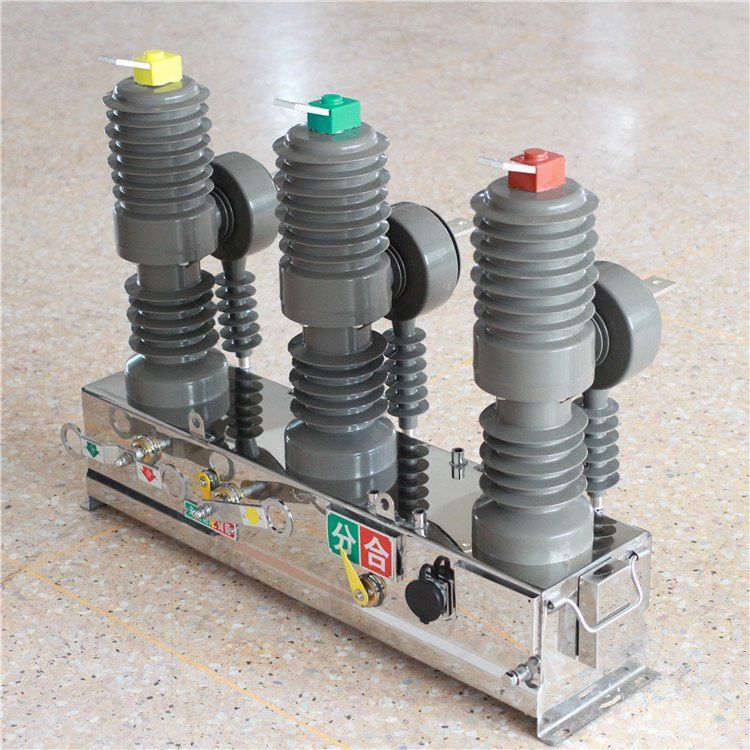
Benefits of Proper Medium-Voltage Circuit Breaker Placement
Enhanced Grid Reliability and Continuity
Correct installation of medium-voltage circuit breakers ensures rapid fault detection and isolation, minimizing power interruptions and preventing widespread outages. This reliable fault management maintains steady power flow across the grid and supports system stability during peak demand or unexpected surges.
Improved Operational Safety for Personnel
Placing circuit breakers strategically reduces risks to engineers and technicians by enabling quick disconnection of faulted sections, preventing arc flash incidents, and electrical hazards. Proper placement within accessible switchgear or substations complies with safety standards, protecting maintenance teams while ensuring safe operation.
Long-term Cost-Effectiveness and Scalability
Efficient breaker positioning lowers downtime and maintenance costs by simplifying inspection and servicing. It also allows easier system expansion or upgrades without major overhauls, preserving investment and supporting future load growth. This strategic approach boosts operational lifespan and reduces lifecycle expenses.
| Benefit | Impact |
|---|---|
| Grid Reliability | Limits outages, ensures steady power |
| Operational Safety | Protects personnel, reduces hazard risk |
| Cost-Effectiveness & Scalability | Lowers O&M costs, enables growth |
Proper placement is crucial for leveraging the full performance and protection capabilities of medium-voltage circuit breakers within power systems. For integrated solutions, compact substations and metal-clad switchgear offer ideal environments tailored to these benefits.
(See options like custom 11kV compact substations for installation-ready configurations.)