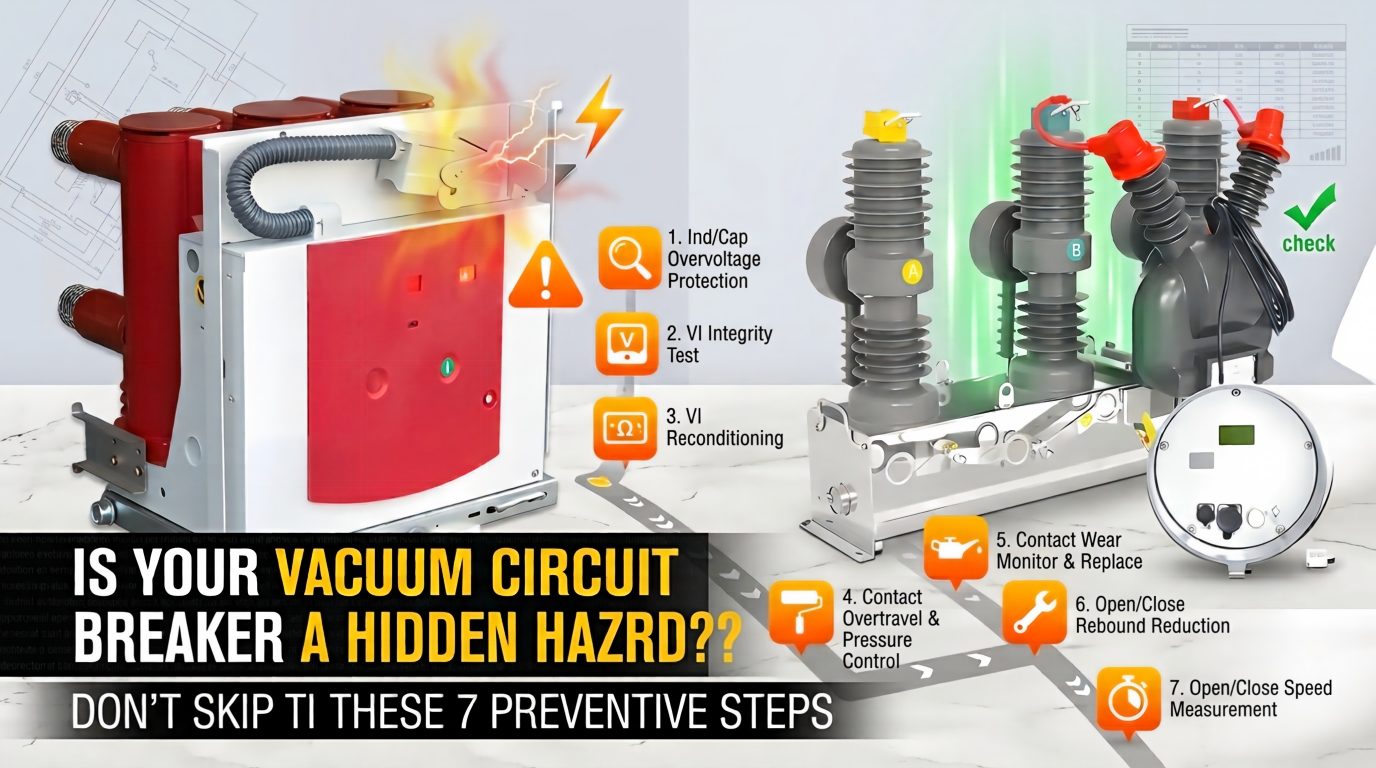
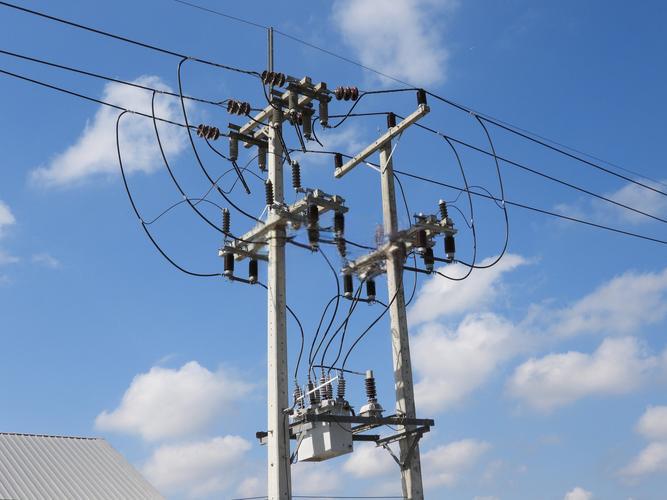
Are you looking to reduce power outage durations and massively improve your grid’s reliability?
Choosing the right automatic circuit recloser can make all the difference in your distribution network’s safety and performance.
You might already know that these devices are essential for clearing temporary faults before they become permanent problems…
But exactly what are 5 different types of reclosers available today?
In this post, I’m going to walk you through everything you need to know. You’ll learn the core advantages of using them, the key differences between a recloser and a sectionalizer, and the exact testing guidelines to keep your substation running flawlessly.
So if you’re ready to master distribution automation and make smarter equipment choices, this complete guide is for you.
Let’s dive right in.
Understanding Automatic Circuit Reclosers
What is a Recloser and Why is it Important?
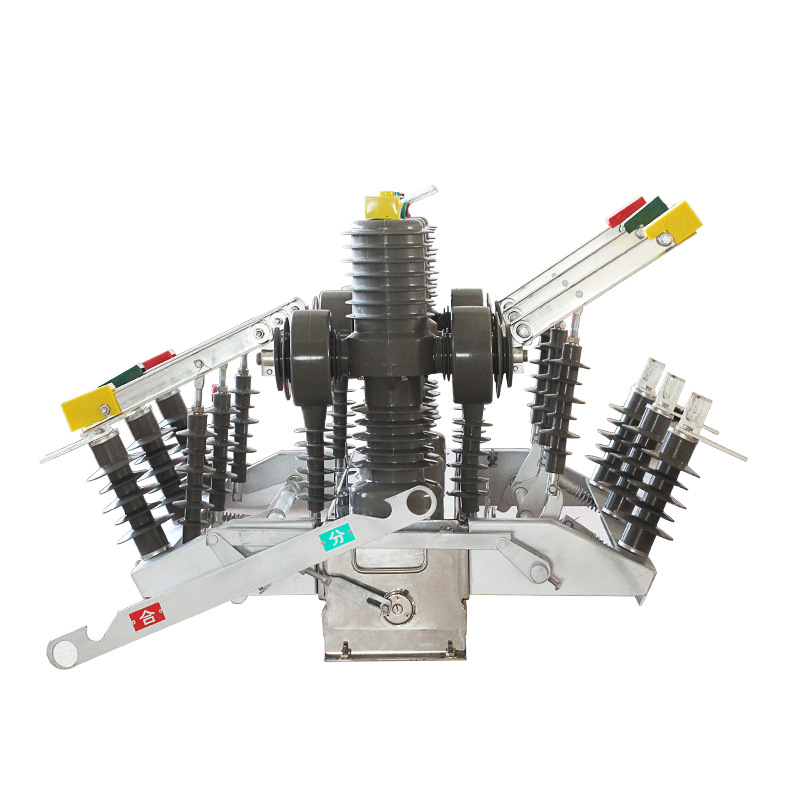
An automatic circuit recloser is an essential high-voltage automatic switch used to maintain stability in power distribution control. Think of it as a highly intelligent, self-resetting circuit breaker. When a fault is detected on the power line, the recloser immediately shuts off the power. However, instead of staying off, it rapidly restores power to test if the issue has naturally cleared. Before exploring what are 5 different types of reclosers available today, it is crucial to understand that this baseline technology is vital for utility networks. It prevents minor glitches from causing prolonged outages, saving operational costs and keeping the grid reliable.
How Does an Auto Recloser Operate?
The operation of an auto recloser relies on rapid, precise fault sensing. It follows a highly specific sequence to ensure safety and network stability:
Rapid Fault Detection: The device continuously monitors electrical currents. If a massive fault current spikes, it instantly trips to break the circuit.
Automatic Reclosing: After a fraction of a second, the mechanism closes the circuit again to see if the line is clear.
Sequential Testing: It will typically repeat this open-and-close cycle up to three or four times.
Lockout: If the fault-sensing system determines the hazard is still present after the final attempt, the recloser locks open entirely, requiring a manual reset by maintenance crews.
Handling Temporary vs. Permanent Faults
The core value of this device lies in its ability to distinguish between a transient fault and a permanent fault, executing immediate fault isolation when necessary.
Transient Faults: Over 80% of power line issues are temporary—such as a tree branch brushing a wire, a bird strike, or a quick lightning surge. The recloser clears these transient faults seamlessly through its fast reclosing cycle, preventing a localized blink from becoming a massive neighborhood blackout.
Permanent Faults: When lines are physically downed by severe storms or heavy equipment accidents, the issue is a permanent fault. In these dangerous scenarios, the recloser’s automated testing concludes, and it definitively locks out to isolate the damaged section, protecting the rest of the electrical grid from cascading failures.
What Are the 5 Different Types of Reclosers?
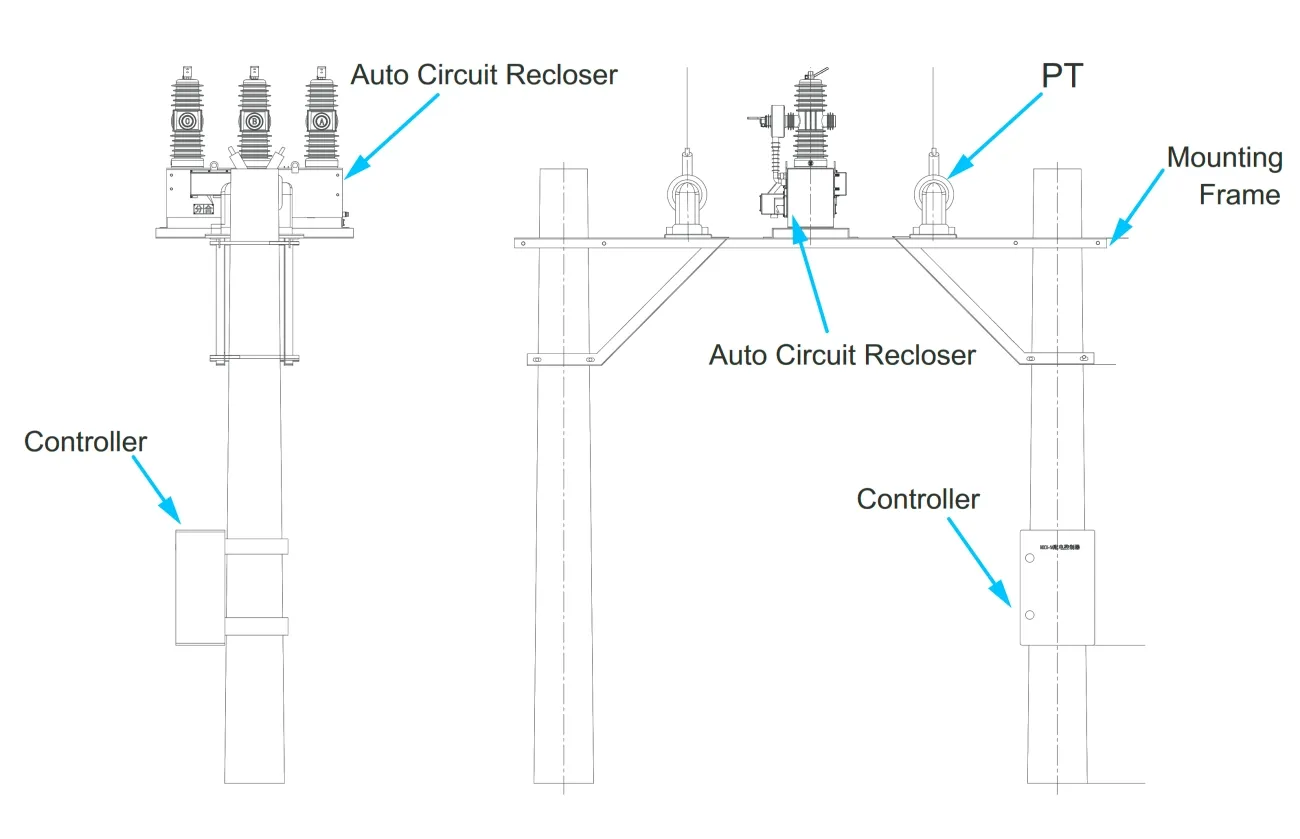
When we upgrade power distribution networks across the US, selecting the right automatic switch is critical for reliable fault isolation. Based on the operating mechanism and the interrupting medium, here is a breakdown of what are 5 different types of reclosers actively used in today’s grid infrastructure.
1. Hydraulic Control Reclosers
A hydraulic recloser is a traditional, mechanically operated device that relies on hydraulic fluid (usually oil) to manage fault sensing and timing. While they are rugged and have served rural grids well for decades, they offer limited flexibility and are generally being phased out in favor of programmable alternatives.
2. Electronic and Microprocessor Reclosers
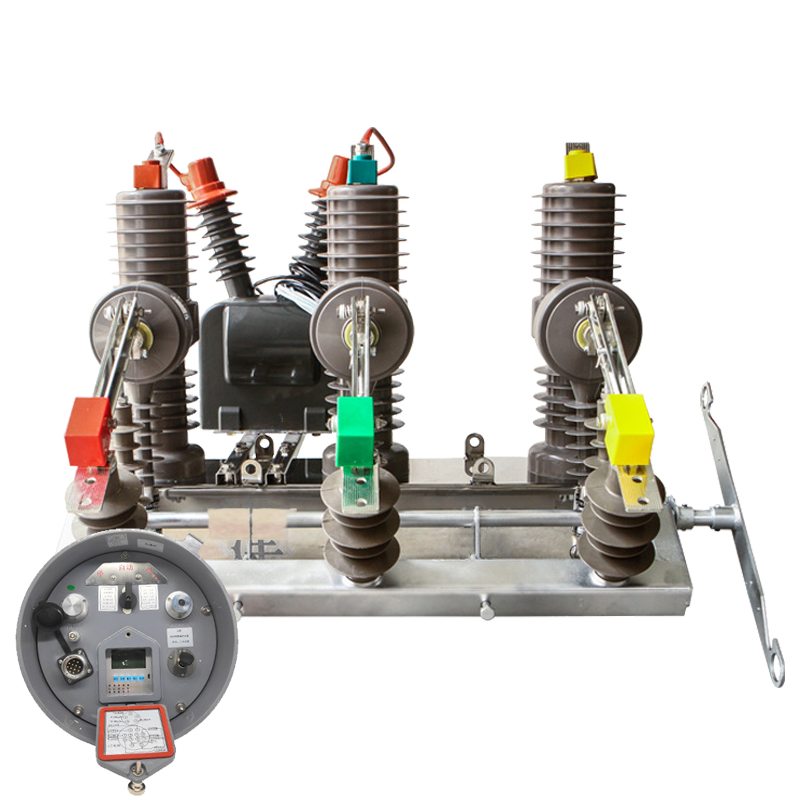
This is the modern industry standard. An electronic recloser uses advanced microprocessor controls to deliver highly accurate, programmable tripping and reclosing sequences. We rely on these units because they easily integrate into digital SCADA systems for seamless power distribution control.
3. Vacuum Reclosers
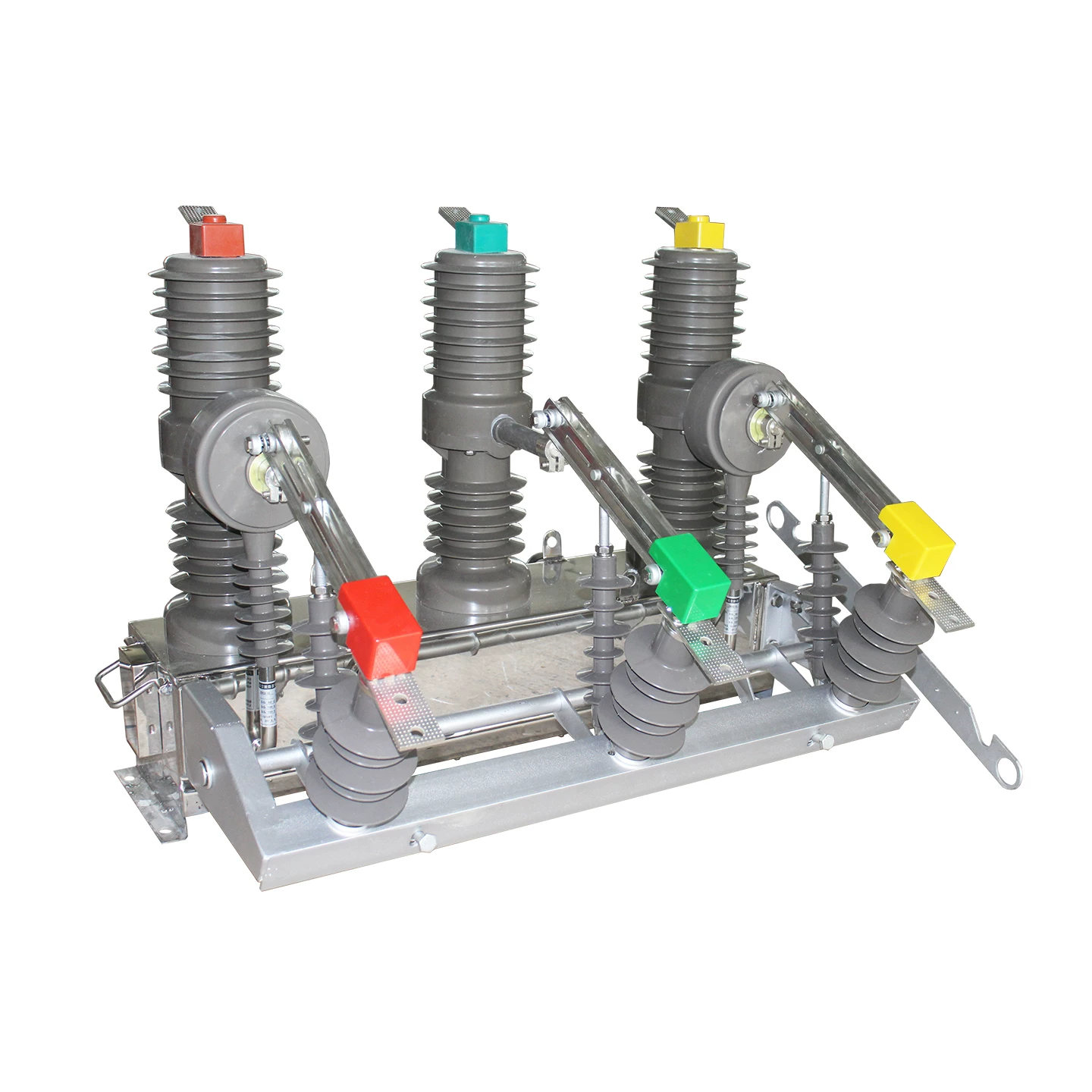
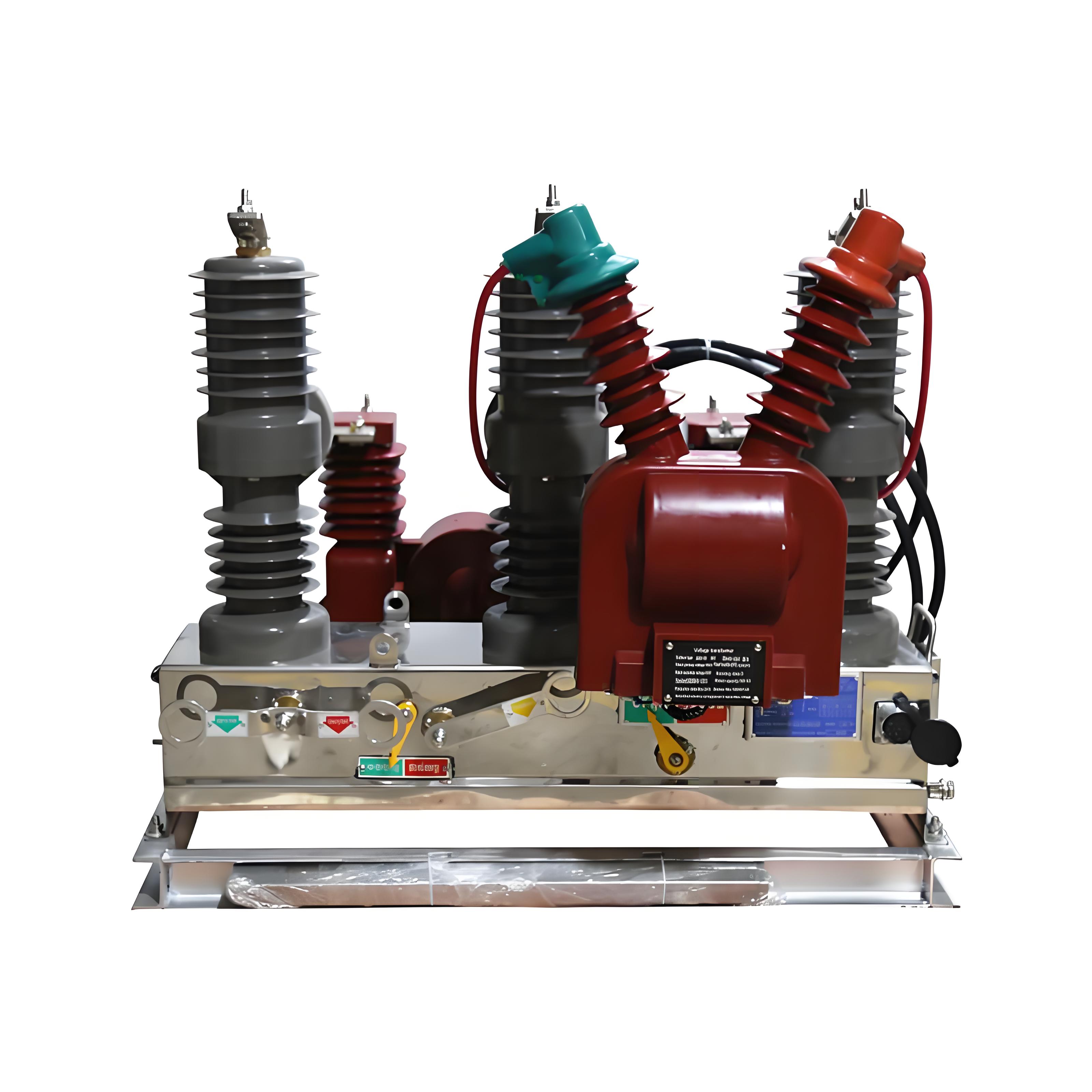
A vacuum recloser uses a sealed vacuum interrupter bottle to quickly and safely extinguish electrical arcs. Because they do not rely on oil or greenhouse gases, they are maintenance-free, environmentally friendly, and highly effective as a high-voltage switch in populated areas.
4. SF6 Gas Reclosers
These units utilize sulfur hexafluoride (SF6) gas for superior electrical insulation and arc quenching. Much like our rugged pole-mounted SF6 load break switches, an SF6 gas recloser is exceptionally compact, making it ideal for tight installations and harsh outdoor environments where maximum dielectric strength is required.
5. Self-Powered and Smart Reclosers
Self-powered reclosers eliminate the need for external auxiliary power by harvesting their operating current directly from the distribution line. Packed with advanced sensors, these smart devices are the ultimate choice for remote grid automation and real-time fault reporting.
Quick Comparison of Recloser Types
To help you choose the right equipment, here is a quick overview of how these technologies compare:
| Recloser Type | Primary Mechanism | Key Advantage | Best Use Case |
|---|---|---|---|
| Hydraulic | Oil-based timing | Simple, rugged design | Basic rural single-phase lines |
| Electronic | Microprocessor logic | Fully programmable | Automated distribution grids |
| Vacuum | Vacuum interrupter | Eco-friendly, low maintenance | Urban high-voltage networks |
| SF6 Gas | SF6 gas insulation | High dielectric strength | Compact, harsh outdoor setups |
| Self-Powered | Line-harvested power | No external power needed | Remote smart grid expansion |
Recloser Classification by Phase Configuration
Before exploring what are 5 different types of reclosers based on their internal mechanisms, we first categorize them by how they handle electrical phases. In our US distribution grids, matching the right phase configuration to the line is critical for effective fault isolation.
Single-Phase Reclosers
We primarily install single-phase reclosers on branches or taps extending off a main feeder line.
Best For: Rural power distribution networks and residential neighborhoods.
Core Function: They quickly sense and clear a transient fault on a single line without dropping power to the rest of the system. While routine grid management might rely on a standard load interrupter switch to break currents manually, a single-phase recloser acts as a smart automatic switch that restores power on its own.
Three-Phase Reclosers
When we are protecting heavy commercial and industrial areas, three-phase reclosers are mandatory equipment.
Best For: Main distribution feeders, substations, and heavy load centers.
Core Function: If a high-voltage fault current is detected, the mechanism trips all three phases simultaneously.
Key Benefit: This synchronized tripping prevents large commercial three-phase motors from suffering severe “single-phasing” damage during a permanent fault.
Triple-Single Reclosers
For maximum flexibility, we rely on triple-single setups. These consist of three electronically linked single-phase units mounted together on a single structure.
Best For: Mixed circuits serving both residential single-phase and commercial three-phase customers.
Core Function: They operate independently to clear a single-phase fault—meaning the other two phases stay online.
Smart Control: If the system detects a major permanent fault, the controller automatically locks out all three phases at once, giving us the ultimate level of power distribution control.
Core Advantages of Using Auto Reclosers
When we look at modernizing local power infrastructure across the United States, the benefits of these devices become clear instantly. They are the frontline defenders for our electrical grids.
Improving Grid Reliability and Safety
Let’s talk about keeping the lights on and doing it safely. When an issue hits the line—like a tree branch brushing a wire during a storm—an auto recloser acts as a highly responsive automatic switch.
Rapid Fault Isolation: It quickly limits the impact of a disturbance, stopping a localized problem from taking down the whole neighborhood.
Surge Protection: By instantly breaking the circuit, it protects downstream equipment and line workers from dangerous spikes in fault current.
Reducing Power Outage Durations
Nobody likes sitting in the dark waiting for a utility truck. The absolute biggest perk of an auto recloser is how it handles temporary issues.
Self-Healing Actions: Instead of a long outage, the device tests the line and automatically restores power in seconds if the fault clears itself.
Fewer Truck Rolls: By automatically resolving these temporary faults, utilities save massive amounts of time and money by not dispatching crews for every minor trip.
Enhancing Distribution Automation and SCADA
Building a smarter grid requires top-tier power distribution control. Today’s advanced reclosers easily tie right into SCADA (Supervisory Control and Data Acquisition) systems.
Real-Time Monitoring: Operators get instant data and can adjust settings or trip circuits remotely straight from a control room.
System Synergy: When integrated into the grid alongside reliable hardware like outdoor load break switches, reclosers form the true backbone of a fully automated, self-healing network.
Common Applications for the 5 Different Types of Reclosers
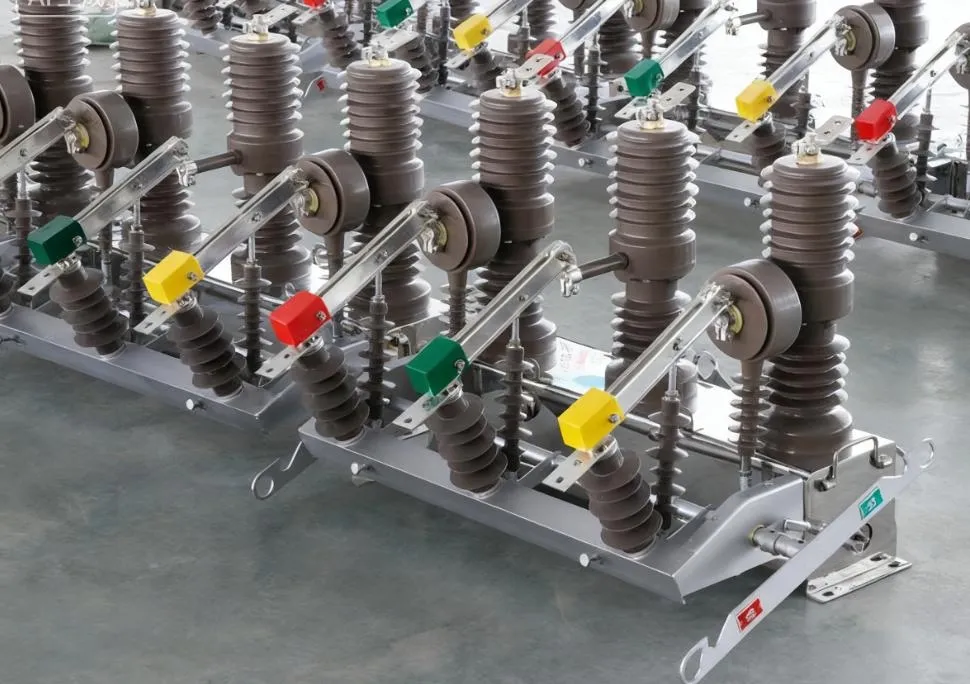
In our US power grid, we rely heavily on automatic switches to keep the lights on and minimize disruptions. Depending on what we are trying to protect, knowing exactly where to install the 5 different types of reclosers is just as important as knowing how they work. Here is how we apply these devices across different sectors of the electrical infrastructure.
Substation Protection and Automation
At the heart of the grid, substations demand rock-solid power distribution control. We use heavy-duty three-phase reclosers here as the primary line of defense.
Fault Sensing: When a massive fault current hits, these units instantly detect the surge.
System Integration: We rely primarily on an electronic recloser at this level because it integrates seamlessly with modern substation automation and SCADA networks.
Rapid Isolation: They handle immediate fault isolation to stop an outage from cascading further down the line.
Urban and Rural Feeder Lines
Out on the utility poles, our equipment choices shift depending on whether we are working in dense city environments or maintaining long country roads.
Urban Grids: Space is tight, and reliability is critical. We typically deploy high-performance outdoor vacuum circuit breakers and SF6 gas reclosers to quickly clear a transient fault before it impacts thousands of city customers.
Rural Lines: Long distribution lines stretching across rural counties are constantly exposed to falling branches and wildlife. Here, single-phase reclosers and traditional hydraulic reclosers (like the reliable Kyle reclosers) do the heavy lifting. They isolate specific line taps, ensuring a localized issue doesn’t turn into a permanent fault that blacks out an entire town.
Renewable Energy and Distributed Generation
As we connect more solar farms and wind turbines across the states, the dynamics of our power grid are fundamentally changing. Traditional power flow used to be a one-way street, but distributed generation requires smarter, adaptive equipment.
We increasingly install self-powered recloser setups at grid interconnection points. Because solar and wind sites can feed power back into the grid, these advanced reclosers are programmed to sense bi-directional power flow. If a fault occurs on the utility side, the recloser instantly trips to isolate the renewable microgrid, protecting both our utility line workers and the facility’s expensive generation equipment.
Auto Recloser vs. Sectionalizer
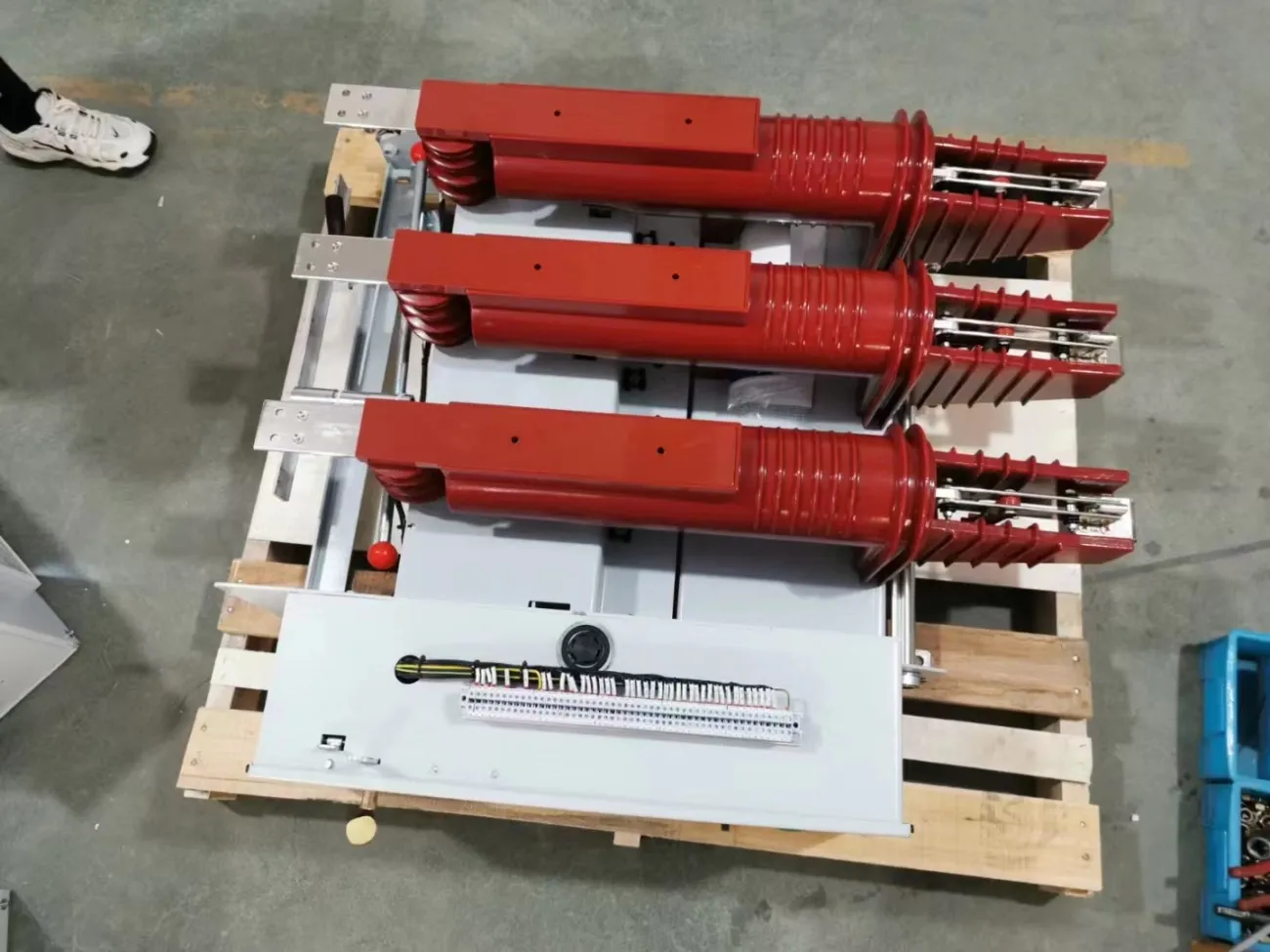
In power distribution control, it is easy to mix up an auto recloser with a sectionalizer. While we use both to keep the grid running smoothly, they serve entirely different roles when a fault hits the line.
Key Differences in Functionality
The main difference lies in how they handle live, high-voltage situations. An auto recloser operates much like a heavy-duty circuit breaker. It actively senses the fault, breaks the fault current, and automatically recloses to see if the issue has cleared.
A sectionalizer lacks this breaking power. It cannot interrupt fault currents while the line is live. Instead, it relies on an upstream device—such as a recloser or one of the grid’s main vacuum circuit breakers—to cut the power first. Once the line is safely de-energized, the sectionalizer opens to drop the damaged line.
Quick Comparison Table:
| Feature | Auto Recloser | Sectionalizer |
|---|---|---|
| Interrupts Fault Current | Yes | No |
| Self-Restoring | Yes (clears transient faults) | No |
| Primary Role | Fault sensing and clearing | Permanent fault isolation |
| Operation Condition | Opens under heavy load | Opens only when the line is dead |
How Both Devices Coordinate Fault Responses
We set up these devices to work closely as a team. Proper coordination is critical for isolating damage while keeping the lights on for everyone else.
Here is how they handle a permanent fault together on the line:
The Recloser Acts: The upstream recloser detects the surge and opens the circuit, temporarily cutting power to the line.
The Sectionalizer Counts: The downstream sectionalizer registers this sudden drop in voltage. It simply keeps count of the recloser’s opening operations.
Fault Isolation: If the fault persists after a set number of attempts, the sectionalizer physically opens its contacts during the “dead time” (the brief window when the recloser has the power turned off).
Power Restored: The recloser closes one final time. Because the sectionalizer has effectively cut off the damaged branch, power is successfully restored to all healthy sections of the grid.
Recloser Testing and Maintenance Guidelines
To maintain reliable power distribution control, routine recloser testing is non-negotiable. At Weisho Electric, we engineer our 15kV to 38kV outdoor automatic reclosers to meet rigorous UL, IEC, and ANSI standards. However, regular field maintenance is essential to ensure these devices perform flawlessly in harsh weather conditions.
Standard Operational Timing Tests
Timing tests verify that the automatic switch opens and closes exactly when it should. If the timing is off, the system might fail to clear a transient fault or lock out properly during a permanent fault.
Trip and Close Times: Measure the exact milliseconds it takes for the contacts to part and close.
Sequence Verification: Ensure the device follows its programmed open-close sequence before locking out.
Mechanical Checks: Inspect the physical linkages in your vacuum recloser to prevent sluggish operation.
Resistance and Primary/Secondary Injection Testing
Injection testing simulates a fault current to verify the unit’s fault sensing capabilities. This guarantees the electronic recloser accurately detects overcurrents and triggers the mechanism.
Primary Injection: Pushes a high current through the main circuit to test the entire fault isolation system.
Secondary Injection: Tests the control module directly to ensure the microprocessor is reading data correctly.
Contact Resistance: Measures the resistance across closed contacts to prevent overheating. Just like the routine checks performed on a withdrawable circuit breaker, keeping contact resistance low is critical for high-voltage switch circuit breaker longevity.
Best Practices for Safe Operation
Safety and consistency drive our manufacturing process, and they should drive your maintenance schedule.
Visual Inspections: Regularly check the outer housing for weather damage, especially in extreme environments.
Manual Trip Tests: Periodically operate the manual recloser trip handle to ensure the mechanical override functions smoothly.
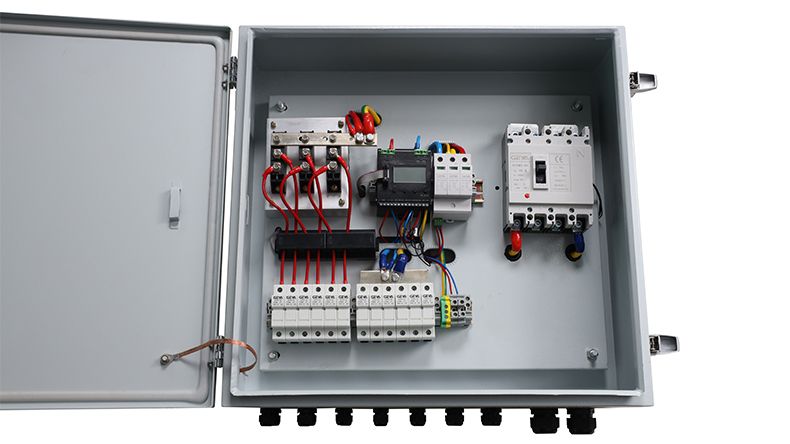
Control Cabinet Checks: Keep the control cabinet clean, dry, and free of pests to protect sensitive electronics.