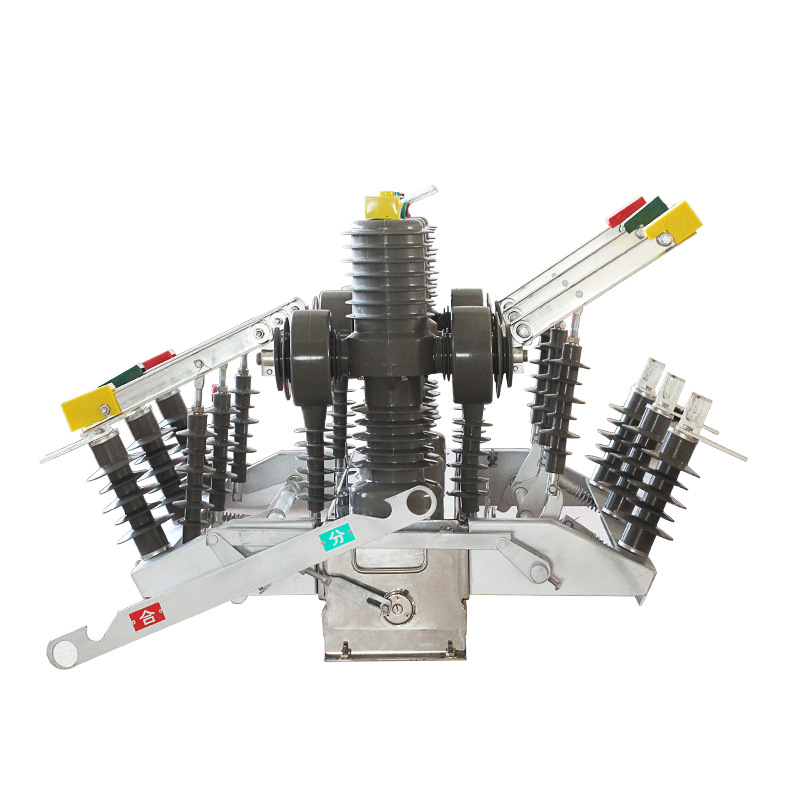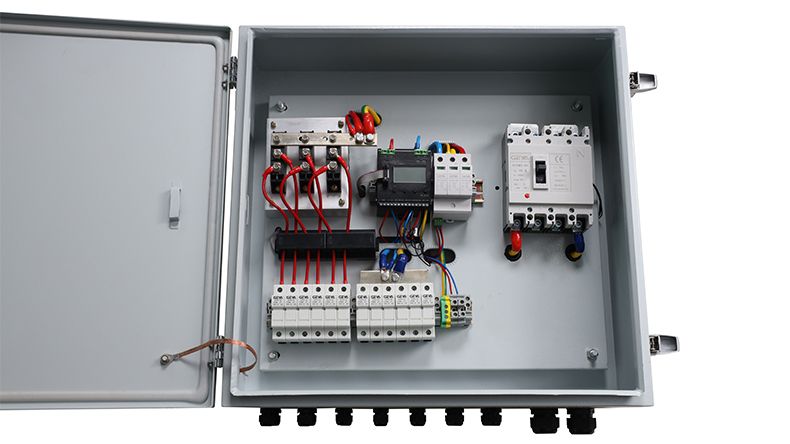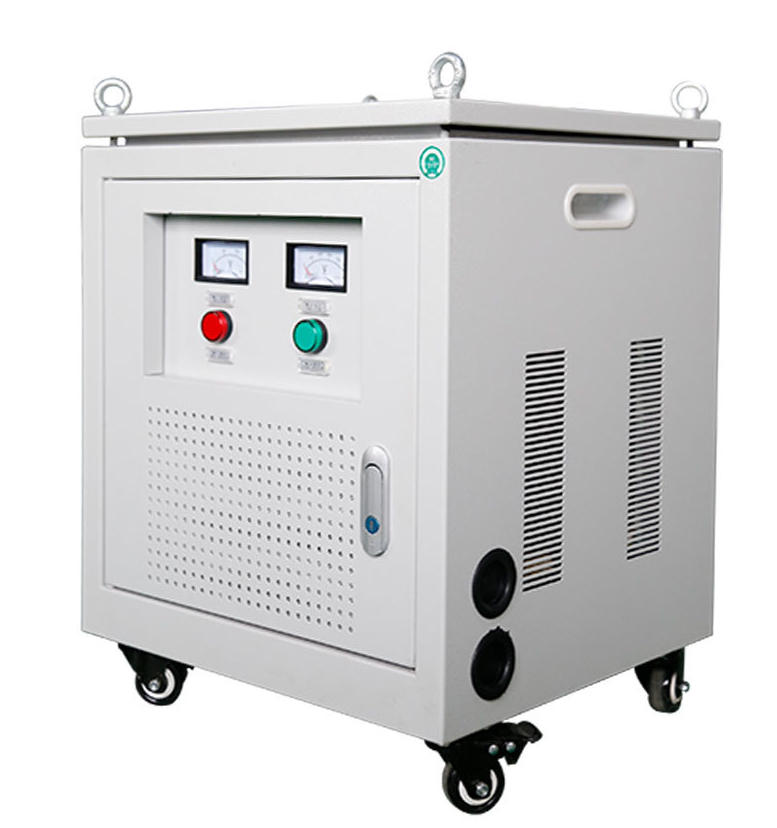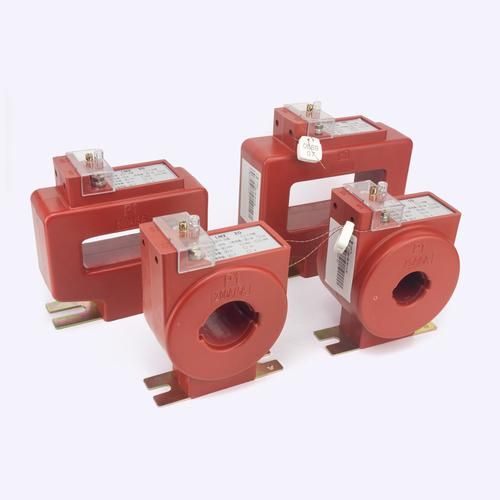
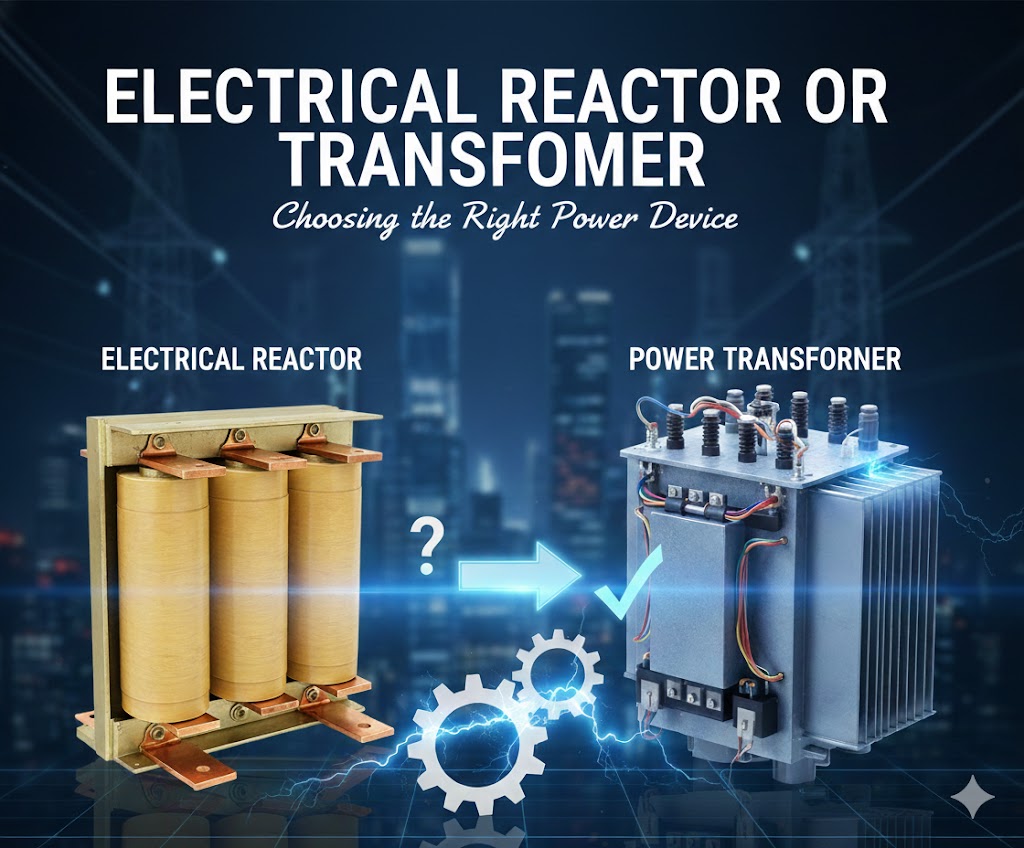
You might already know that Electrical Reactors and Transformers often look nearly identical in a substation…
But do you know exactly which one your grid needs for stability versus efficiency?
Selecting the right device for your power network is critical. A misstep here doesn’t just mean inefficiency; it risks equipment damage, unmanaged harmonics, and costly power outages.
In this post, you’re going to learn the specific engineering distinctions between these two powerhouses. From voltage transformation to reactive power compensation, we’ll break down exactly how to choose the best solution for your infrastructure.
Let’s dive right in.
Understanding the Fundamentals: What Each Device Does
In the complex landscape of power distribution, two electromagnetic heavyweights often get confused: the power transformer and the electrical reactor. While they may share similar physical footprints inside a substation, their roles in your network are fundamentally opposite. At Weisho Electric, we understand that distinguishing between these devices is critical for ensuring grid stability and operational efficiency.
Power Transformers: The Voltage Managers
The power transformer is the workhorse of energy transmission. Its primary function is voltage transformation—stepping voltage up for efficient long-distance transmission or stepping it down for safe utilization at the load end.
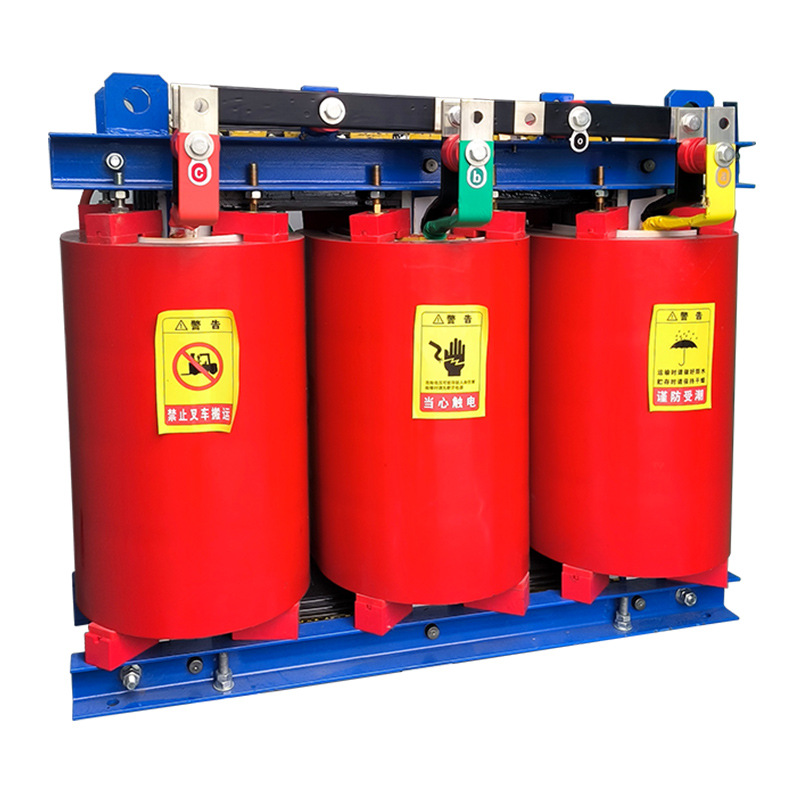
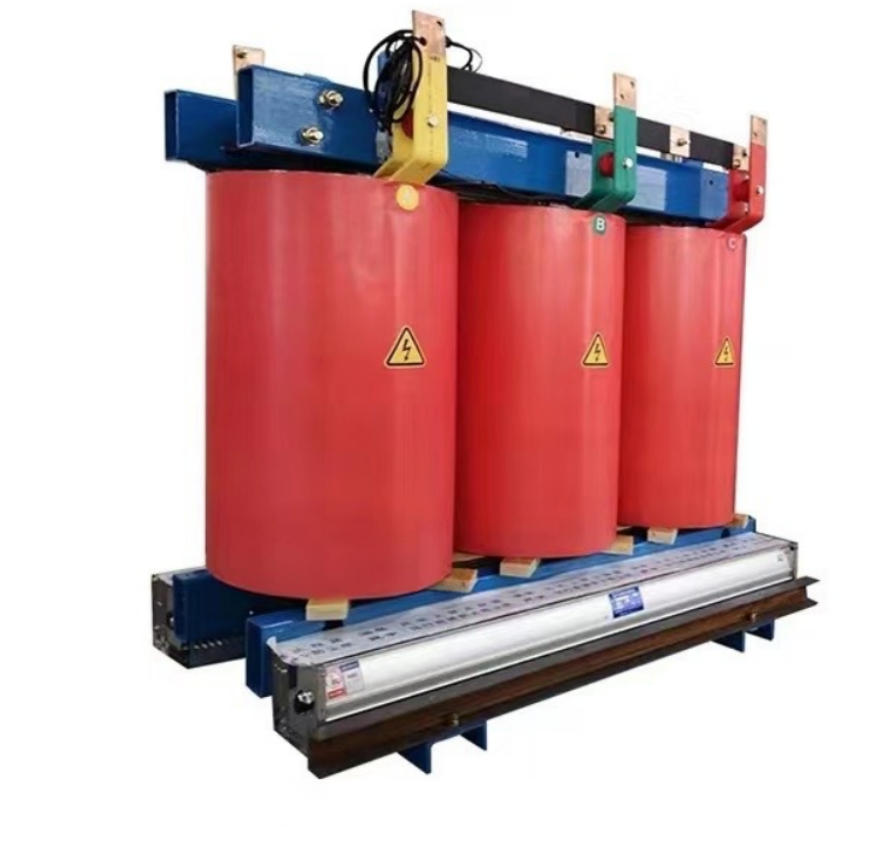
Whether you are deploying our Oil Immersed Transformers for outdoor utility grids or Dry Type Transformers for indoor industrial safety, the core objectives remain the same:
Energy Transfer: Efficiently moving AC power from one circuit to another via electromagnetic induction.
Voltage Regulation: Adjusting levels (e.g., stepping down from 35kV to 400V) to match specific equipment needs.
Circuit Isolation: Providing galvanic separation between high-voltage transmission lines and low-voltage distribution networks.
If your project requires changing voltage levels to power machinery, mining operations, or residential areas, you need a transformer.
Electrical Reactors: The Current Controllers
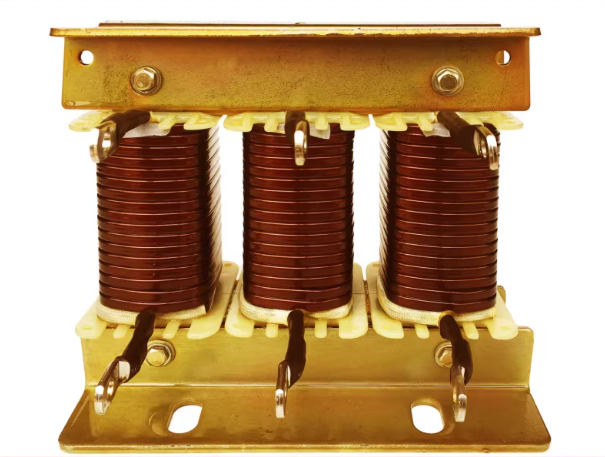
An electrical reactor serves a completely different purpose. It is essentially a large, specialized inductor designed to introduce inductive reactance into the system. Unlike a transformer, it does not transform voltage or transfer energy to a secondary load.
Reactors act as the guardians of power quality and are typically used to:
Limit Fault Currents: Series reactors restrict the magnitude of short-circuit currents, protecting downstream circuit breakers and switchgear from catastrophic damage.
Absorb Reactive Power: Shunt reactors compensate for the capacitive reactive power generated by long transmission lines or underground cables, preventing dangerous voltage rises (the Ferranti effect).
Filter Harmonics: They smooth out current waveforms, essential for networks with heavy non-linear loads like Variable Frequency Drives (VFDs).
Shared Principles, Divergent Goals
Both devices operate on the principles of electromagnetism, but their design philosophies diverge sharply. A power transformer is engineered to maximize magnetic flux linkage between windings for efficient power transfer. In contrast, an electrical reactor is designed to store energy in its magnetic field—often utilizing air gaps in the core—to oppose rapid changes in current.
While the transformer powers the load, the reactor stabilizes the network, delivering that power. Recognizing this difference is the first step in designing a robust electrical substation.
Key Technical Differences Between Reactors and Transformers
While they often share similar external appearances—especially in oil-immersed or dry-type enclosures—the internal engineering of these devices is fundamentally different. The distinction comes down to how they manage magnetic flux and their role in the circuit.
Construction and Core Design
The most visible difference lies in the windings. A standard power transformer utilizes multiple windings (primary and secondary) wound around a closed magnetic core. This design maximizes mutual flux to transfer energy efficiently from one voltage level to another.
In contrast, an electrical reactor typically features a single winding per phase. To handle large magnetizing currents without core saturation, the transformer core vs reactor air gap distinction is critical; reactors are often designed with physical air gaps in the iron core or utilize an air-core design entirely. This structure creates the necessary inductive reactance in power systems to oppose changes in current flow.
Function and Performance
Transformers are built to transfer active power between circuits with minimal loss. We optimize our designs to keep the magnetizing current negligible—usually less than 1% of the rated current—just enough to energize the core.
Reactors operate on the opposite principle. Their primary job is to consume reactive power or limit fault currents. Consequently, the magnetizing current difference is significant; in a reactor, the magnetizing current is essentially the full rated current of the device. This high current capability allows them to act as a buffer against voltage spikes and short circuits.
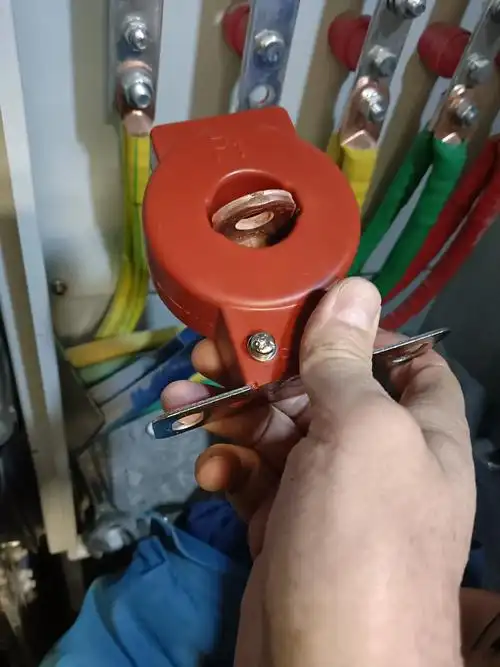
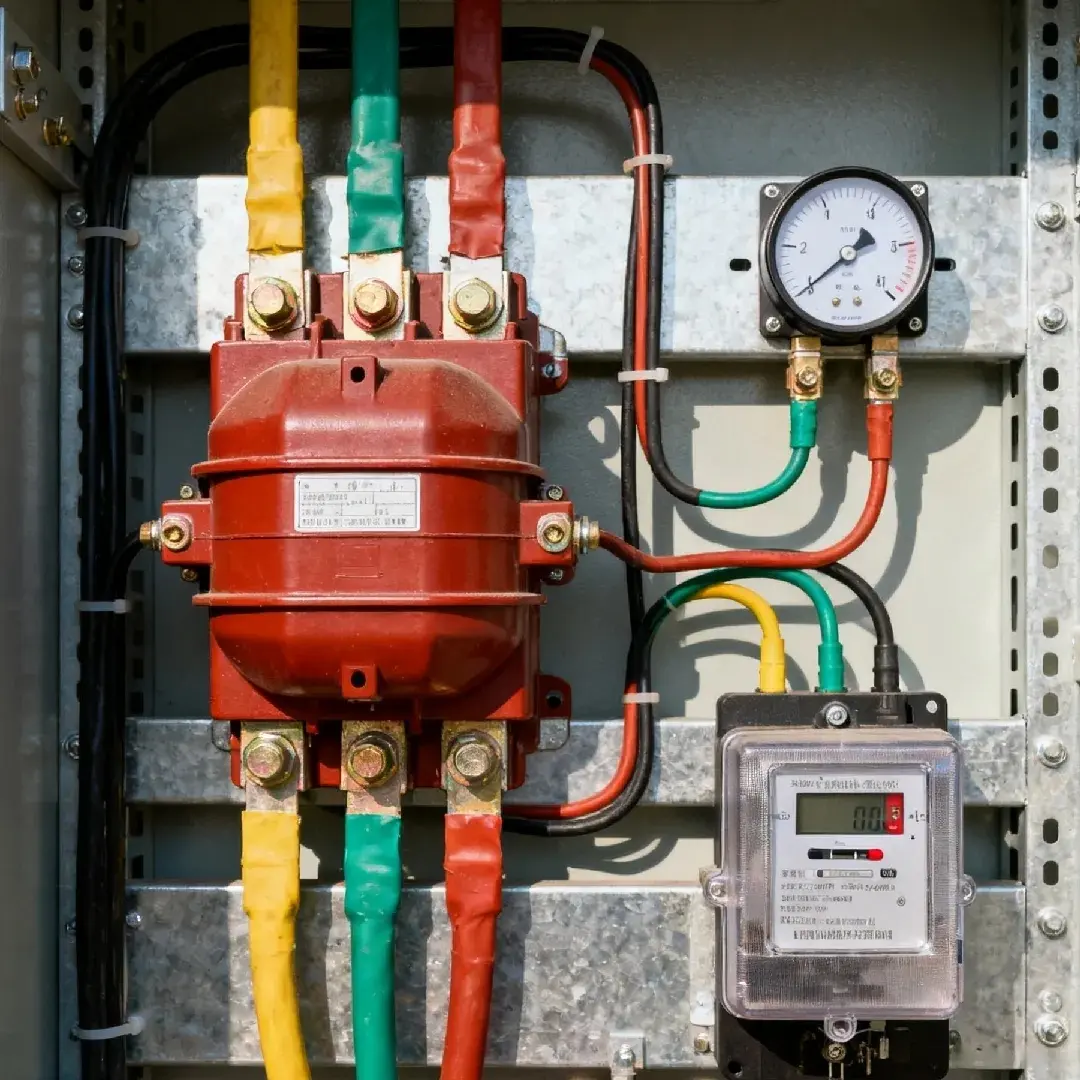
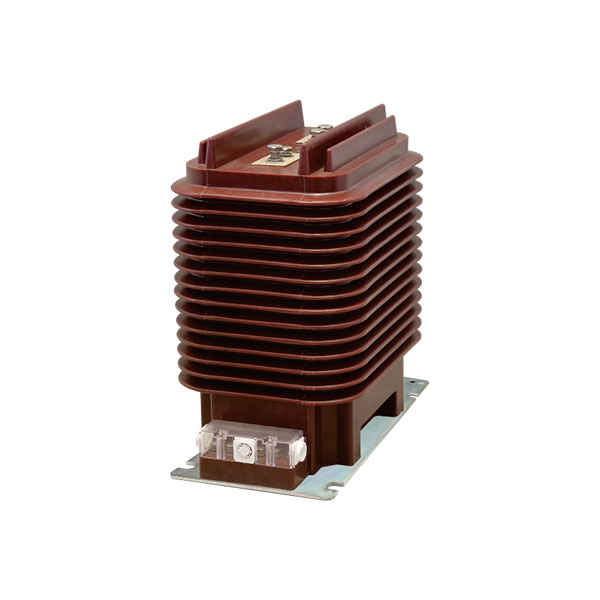
For applications requiring precise measurement alongside power transfer, specialized designs like a combined instrument transformer integrate these magnetic principles to ensure accurate metering and protection simultaneously.
Technical Comparison: Transformer vs. Reactor
| Feature | Power Transformer | Electrical Reactor |
|---|---|---|
| Primary Function | Voltage Transformation & Energy Transfer | Current Limiting & Reactive Power Compensation |
| Circuit Connection | Parallel (Shunt) or Series | Series (Current Limiting) or Shunt (Compensation) |
| Windings | Multiple (Primary/Secondary) | Single Winding |
| Core Design | Closed Iron Core (Low Reluctance) | Iron Core with Air Gaps or Air Core (High Reluctance) |
| Magnetizing Current | Very Low (Excitation Only) | High (Rated Current) |
| Primary Purpose | Stepping Voltage Up/Down | System Stability & Fault Protection |
Common Types and Specific Roles in Power Networks
At Weisho Electric, we categorize these electromagnetic devices based on their specific function within the grid infrastructure. While they may look similar on the outside, their internal architecture dictates whether they transform voltage or manage current flow.
Power Transformers: The Voltage Converters
Transformers are the backbone of transmission and distribution, primarily focused on stepping voltage levels up or down.
Oil-Immersed Transformers: These are the standard for high-capacity, outdoor applications where efficient cooling is critical. To ensure longevity in these units, operators often implement protection devices like an oil surge relay to monitor internal pressure changes.
Dry-Type Transformers: We often recommend these for indoor installations, such as commercial buildings or mines, where fire safety is paramount.
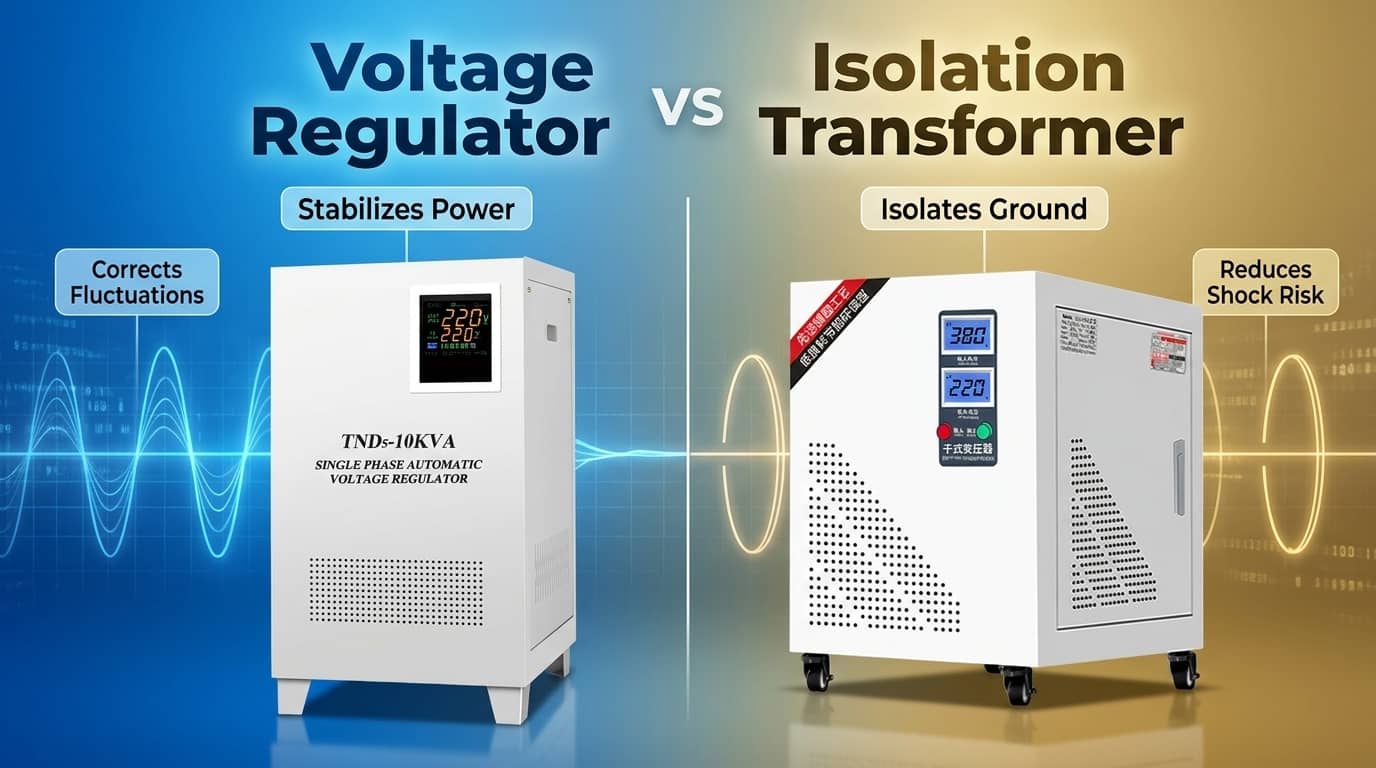
Specialized Roles: Beyond standard distribution, isolation transformers are used to decouple circuits for safety, while grounding transformers provide a neutral point in three-wire systems.
Electrical Reactors: The Stability Enforcers
Reactors do not convert voltage; instead, they introduce inductive reactance to stabilize the system and protect equipment.
Shunt Reactors: These are connected in parallel to the system. Their primary job is reactive power compensation, absorbing excess VARs in long transmission lines to prevent dangerous overvoltage (often caused by the Ferranti effect).
Series Reactors: Connected in series, these act as current limiters. They increase impedance to restrict fault current, ensuring that downstream circuit breakers can safely interrupt a short circuit.
Line Reactors: Commonly found in industrial settings, these are placed before Variable Frequency Drives (VFDs). They function to filter out harmonics and protect drive electronics from grid surges.
Real-World Application: You will typically see shunt reactors deployed in high-voltage substations to balance capacitive loads on long lines, whereas line reactors are standard fixtures on factory floors to smooth out power for sensitive motor drives.
When to Choose a Transformer vs. a Reactor
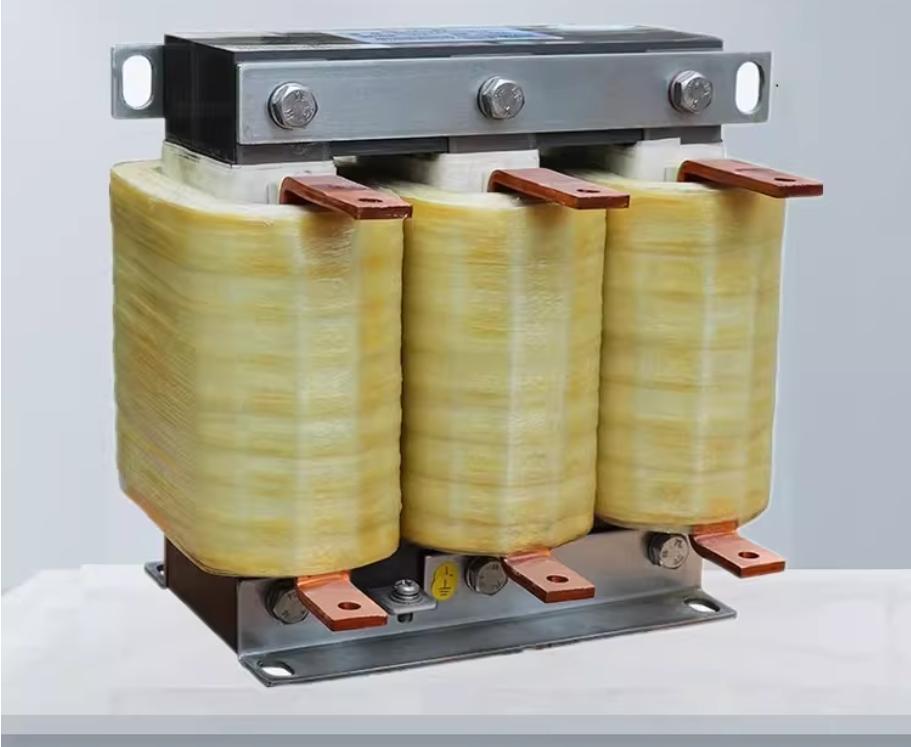
Deciding between these two electromagnetic devices comes down to your primary grid objective: changing voltage or controlling current stability. While they look similar on the manufacturing floor, their roles in your power network are distinct.
Opt for a Power Transformer
You should select a transformer when the goal is voltage transformation or circuit isolation. This is the standard choice for substations, renewable energy integration, and industrial distribution where voltage levels must be stepped up for transmission or stepped down for usage.
Voltage Adjustment: Essential for matching grid voltage to equipment requirements (e.g., 38kV to 12kV).
System Isolation: Separates primary and secondary circuits to enhance safety.
Metering & Protection: In high-voltage setups, integrating a capacitive voltage transformer ensures precise measurement and system protection alongside your main power units.
Opt for an Electrical Reactor
Choose a reactor when your priority is power quality and protection rather than voltage conversion. If your network suffers from instability, high inrush currents, or harmonic distortion, a reactor provides the necessary inductive reactance.
Reactive Power Compensation: Use shunt reactors to absorb excess reactive power in long transmission lines (mitigating the Ferranti effect).
Fault Protection: Series reactors limit short-circuit currents to safe levels.
Harmonic Filtering: Line reactors are critical for protecting Variable Frequency Drives (VFDs) and cleaning up “dirty” power in industrial environments.
Hybrid Scenarios
In many modern applications, you don’t choose one instead of the other—you use them together. Compact substations and wind farms often deploy High Voltage Transformers for efficient power transfer, paired with series reactors to protect the switchgear from fault currents. This integrated approach ensures both efficiency and longevity for the infrastructure.
Step-by-Step Selection Checklist for Your Power Network
Choosing between an electrical reactor and a transformer—or integrating both—requires a clear understanding of your grid’s specific demands. At Weisho, we see many operators struggle with this decision during infrastructure upgrades. To ensure you select the right device for your application, walk through this critical checklist before finalizing your specifications.
Assess Network Requirements: Start with the basics: voltage levels and load type. If your primary goal is stepping voltage up or down (e.g., 12kV to 38kV), a transformer is the only choice. However, if you are dealing with unstable voltage profiles or high capacitive currents on long lines, you likely need a shunt reactor. Always calculate the expected fault levels; if short-circuit currents exceed your equipment’s rating, a series reactor is necessary to limit the current.
Evaluate Environmental Factors: Where will the equipment live? For harsh industrial environments or areas with strict fire codes, a dry-type design might be safer than oil-immersed options. If you are facing severe space constraints in urban settings, you might need to integrate these devices into a compact semi-buried prefabricated substation rather than using standalone outdoor installations.
Consider Standards Compliance: For the US market, adherence to ANSI/IEEE standards is non-negotiable to ensure safety and interoperability. We also ensure our manufacturing meets IEC and UL requirements, guaranteeing that whether you choose a current-limiting reactor or a distribution transformer, it passes rigorous global certification.
Factor in Long-Term Performance: Look beyond the initial price tag. Evaluate the efficiency and total losses (load and no-load). A device with lower losses will significantly reduce operational costs over a 20-year lifespan. Also, consider maintenance needs; cast resin designs often require less upkeep than oil-filled units in remote locations.
Budget and Customization: Finally, balance your initial capital expenditure with operational reliability. Standard off-the-shelf units are cheaper, but a customized electrical solution tailored to your specific reactive power flow and harmonic content often prevents costly downtime later. We specialize in tailoring these high-voltage designs to fit exact project scopes without breaking the bank.
Industry Applications and Case Insights
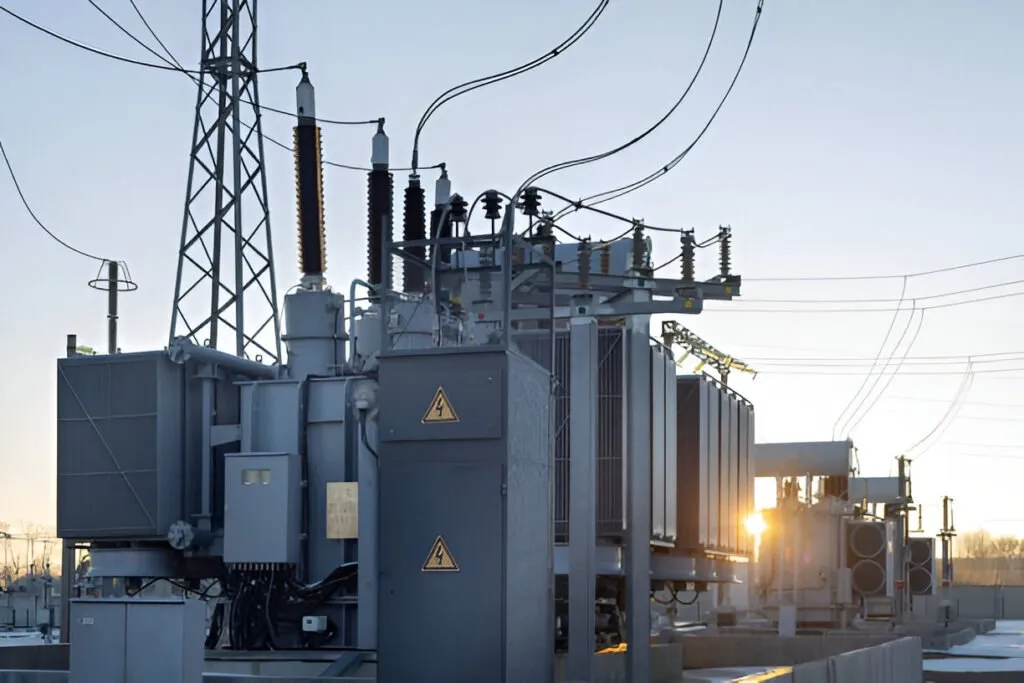
When you analyze a power grid, the choice between an electrical reactor and a transformer usually comes down to the specific problem we are solving—whether it is voltage control or current stability. Across different sectors, we deploy these devices to address unique challenges, from stabilizing long transmission lines to protecting sensitive industrial equipment.
Transmission and Utilities
In long-distance transmission infrastructure, managing voltage rise is critical. We frequently deploy electrical shunt reactors to handle Ferranti effect compensation. This is vital for preventing dangerous voltage spikes at the receiving end of lightly loaded lines. While a transformer is responsible for moving power across the grid, the reactor acts as an anchor, stabilizing the line voltage to keep the entire system safe and within operational limits.
Renewables and Data Centers
Wind farms and solar plants rely heavily on efficient voltage transformation in electrical networks. We supply robust 6kV-22kV oil-immersed power transformers to step up voltage for seamless grid integration. Simultaneously, reactors play a crucial role here in reactive power compensation and harmonic mitigation. They ensure that the variable power generated by renewables or the non-linear loads in data centers do not destabilize the network or overheat equipment.
Industrial and Manufacturing
In heavy industry, the decision often centers on line reactor vs isolation transformer applications. For facilities operating heavy motors, line reactors are the standard solution for VFD protection, smoothing out current spikes and extending drive life. However, if the priority is complete galvanic separation and safety for personnel and equipment, an isolation transformer is the necessary choice.
WEISHO Custom Solutions
Whether you require a high-voltage reactor design for a remote mining operation or a standard distribution transformer for a municipal upgrade, our engineering team tailors the build to your specific requirements. We focus on fault current limitation and long-term reliability, ensuring our equipment meets strict IEC and ANSI standards to withstand the toughest environments in the US market.
Frequently Asked Questions (FAQs)
What is the main difference between a reactor and a transformer?
The fundamental difference lies in their purpose within the circuit. A power transformer is designed to transfer energy between circuits while changing voltage levels (stepping up or down) using electromagnetic induction. In contrast, an electrical reactor is essentially an inductor designed to limit current, filter harmonics, or manage reactive power without changing voltage. While a transformer relies on mutual flux to pass energy, a reactor uses inductive reactance to oppose changes in current flow.
Can a transformer be used as a reactor?
Generally, no. While both devices use coils and magnetic cores, their internal construction differs significantly. Transformers are built with a closed core to maximize mutual flux and minimize magnetizing current. Reactors often feature air gaps in the core to handle high magnetizing currents and store energy. Using a standard transformer as a reactor would likely saturate the core instantly, leading to overheating and failure.
Why are reactors used in transmission lines?
We often deploy electrical shunt reactors in high-voltage transmission networks to manage voltage stability. On long, lightly loaded lines, the Ferranti effect can cause the receiving end voltage to rise dangerously high due to line capacitance. A shunt reactor absorbs this excess reactive power, keeping voltage levels within safe limits and ensuring the stability of the grid.
How do I choose between a line reactor and an isolation transformer?
Your choice depends on whether you need voltage isolation or just impedance.
Choose a Line Reactor if your main goal is to reduce harmonics, limit inrush current for VFDs, or provide a buffer against grid disturbances at a lower cost.
Choose an Isolation Transformer if you require galvanic isolation to protect sensitive equipment from ground loops or if you need to step voltage up or down.
For comprehensive protection, engineers often pair these inductive devices with surge protection components, such as a zinc oxide lightning arrester, to safeguard the network against sudden voltage spikes.