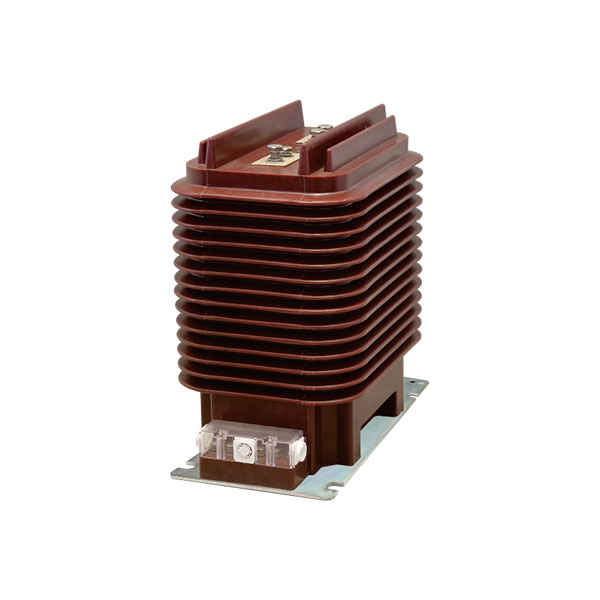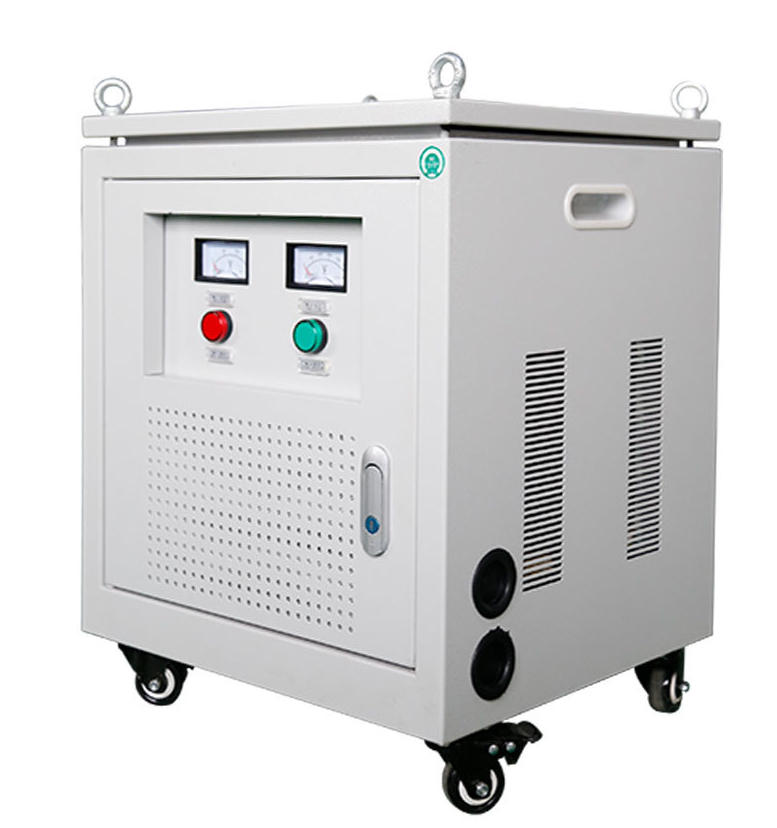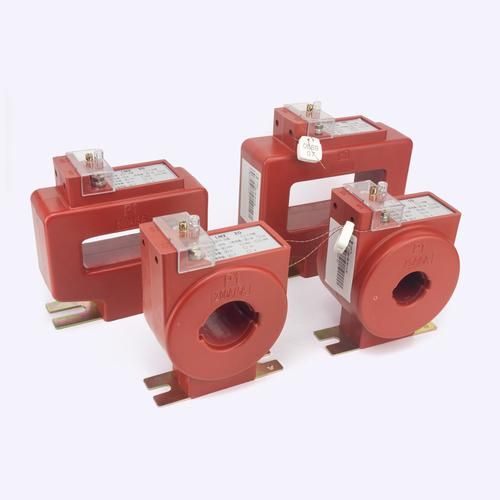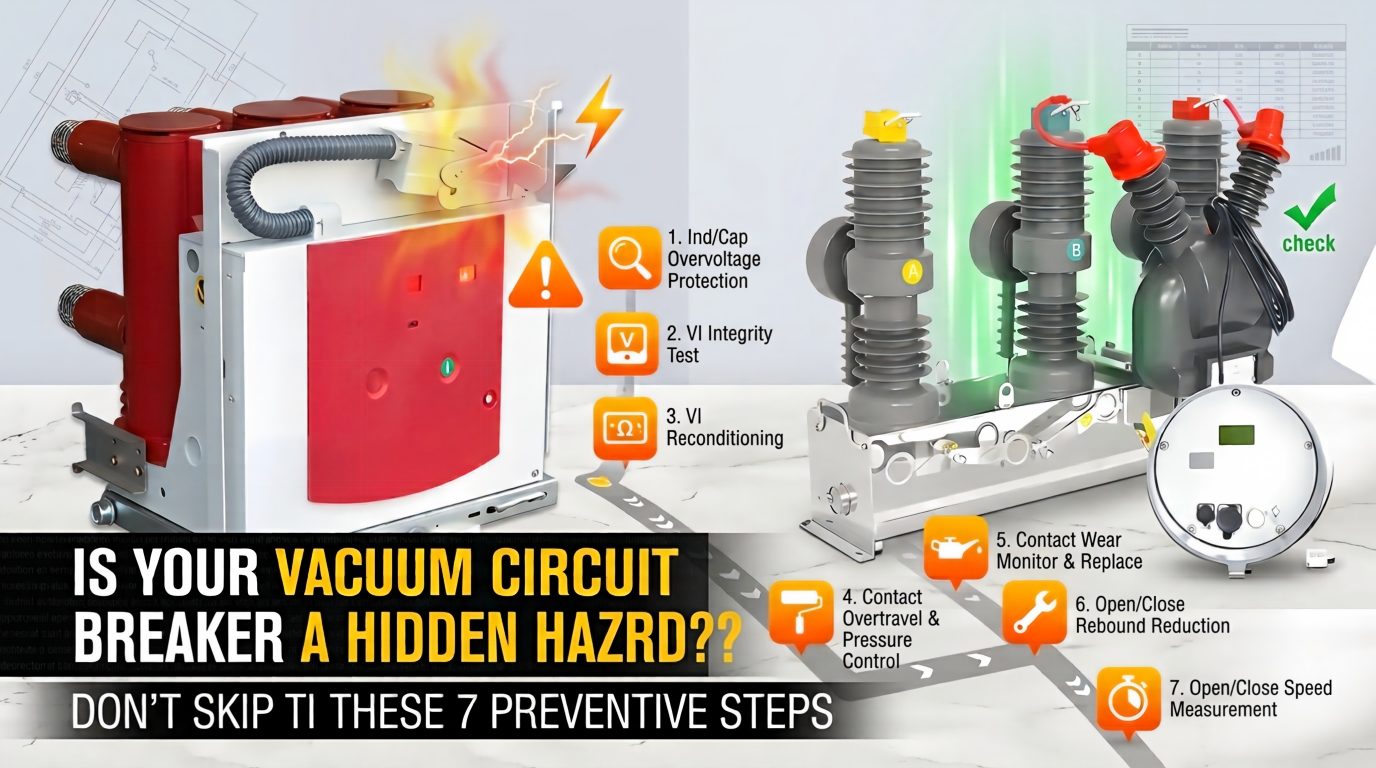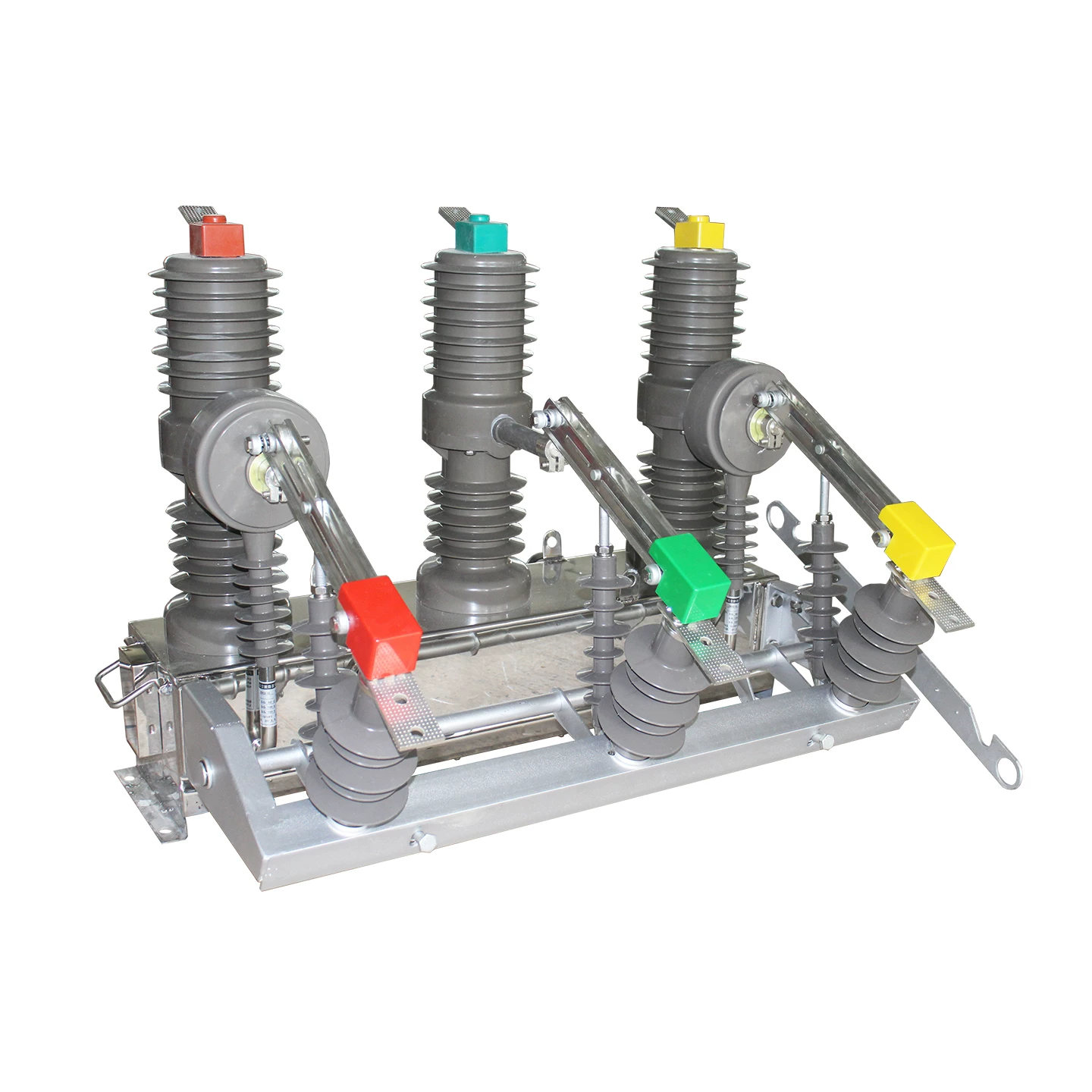
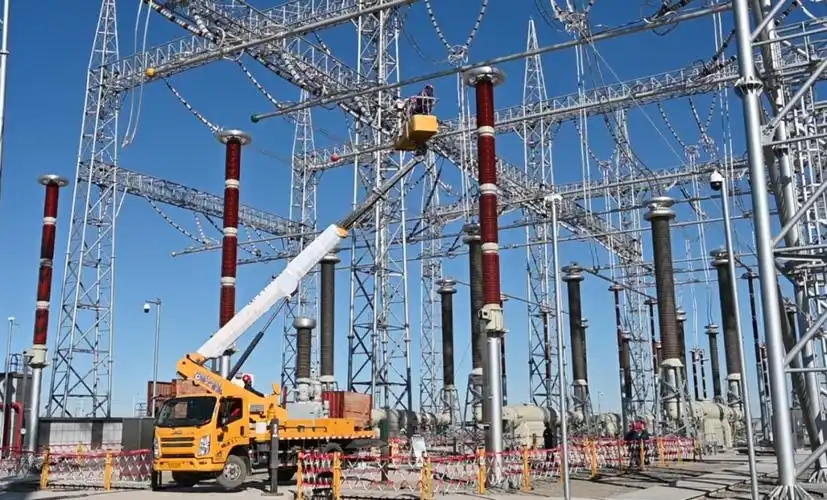
A Capacitive Voltage Transformer (CVT) lets you measure high voltage safely. You see CVTs where you need to lower very high voltage for meters and protection devices. The CVT uses a capacitor voltage divider and a step-down transformer to make the voltage smaller. This setup keeps your measuring tools safe from dangerous voltages. A CVT is not like a Potential Transformer. A CVT can handle much higher voltages with better insulation and safety.
Key Takeaways
A Capacitive Voltage Transformer (CVT) measures high voltages safely. It uses a capacitor voltage divider and a step-down transformer.
CVTs give great signal isolation. This protects sensitive equipment from dangerous high voltages.
CVTs have a small design. This saves space and makes installation easier in substations and power systems.
You must maintain CVTs regularly. This helps get correct readings and stops failures. Check for leaks and clean the outside every year.
CVTs can do two jobs. They measure voltage and help with communication. This means you do not need extra equipment.
Pick the right voltage rating
and accuracy class for your CVT. This is important for safe and reliable use in your power system.
CVTs work well for high-voltage jobs. They are good for transmission lines and substations. Accurate and safe voltage measurement is very important there.
Know the limits of CVTs. These include frequency response and accuracy problems. This helps you choose the best device for your needs.
CVT Working Principle
Voltage Divider Operation
A CVT uses something called a capacitor voltage divider. This means two or more capacitors are joined in a row. When these are hooked to a high voltage line, they break up the voltage into smaller, safer pieces. This way, you can measure very high voltages without hurting your equipment.
The voltage divider in a CVT can change the voltage by a ratio of 10,667.46 to 1.
If you start with 100,000 volts, the divider can make it less than 10 volts.
You end up with a much lower voltage that is easy and safe to use.
This voltage divider is what makes a CVT special compared to a Potential Transformer. The divider lets you measure very high voltages that a Potential Transformer cannot handle safely.
Transformer Role
After the voltage divider works, the step-down transformer does its part. You connect the output from the divider to this transformer. The transformer lowers the voltage even more, so your meters and protection devices can use it.
The step-down transformer gets the already lowered voltage from the divider.
It brings the voltage down to a level your measuring and protection equipment can use.
This step makes sure you get correct readings and your protective relays work well in high-voltage systems.
You can trust this process to keep your equipment safe and your measurements right.
Signal Isolation
Safety is very important when working with high voltage. A CVT gives a strong signal isolation between the high voltage circuit and your measuring devices. This isolation keeps dangerous voltages away from your sensitive equipment.
Here are some common ways used for isolation:
Method | Description |
|---|---|
Optical Isolation | Uses optical couplers or isolators to send signals without a direct electrical connection. |
Electromagnetic Isolation | Uses transformers that magnetically send signals while keeping them electrically apart. |
Uses capacitors to send AC signals but blocks DC, so isolation happens across barriers. |
Capacitive isolation lets AC current pass but stops DC currents.
It sends AC signals between circuits at different DC voltages.
Isolation-rated capacitors can link grounds across barriers, giving a path for quick signals.
You get galvanic isolation, which means there is a real barrier that stops unwanted current flow. Transformers and capacitors both help send signals across this barrier. This keeps your measuring equipment safe from the high voltage side.
CVT Construction
Capacitor Units
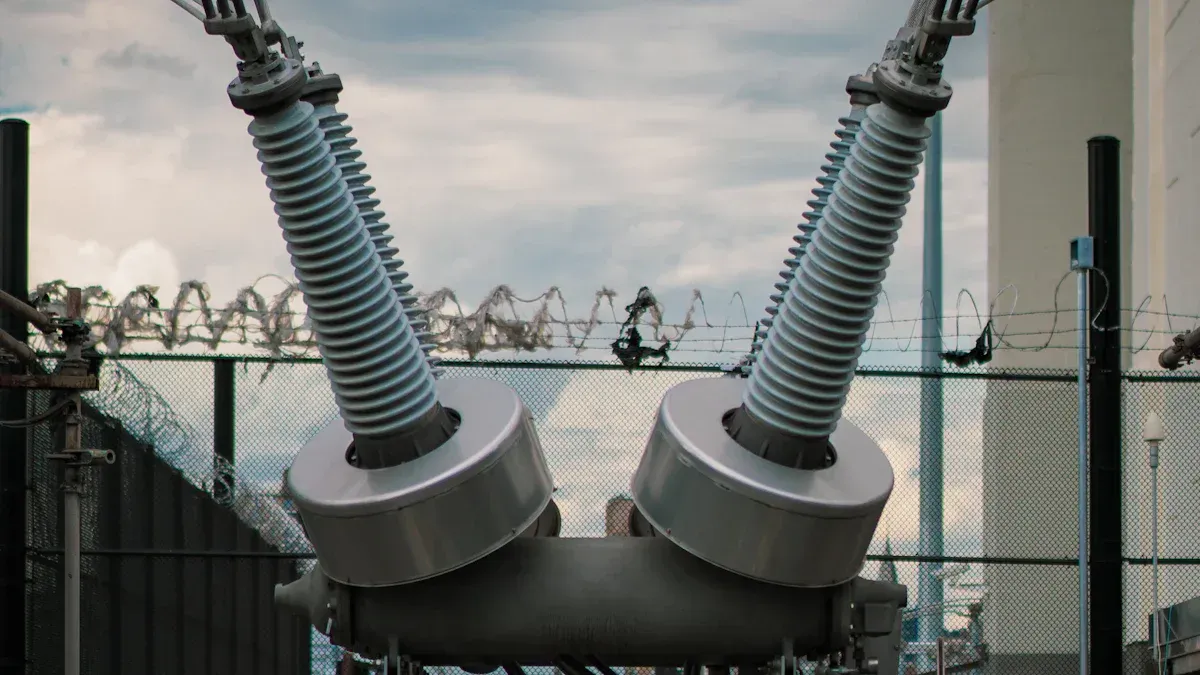
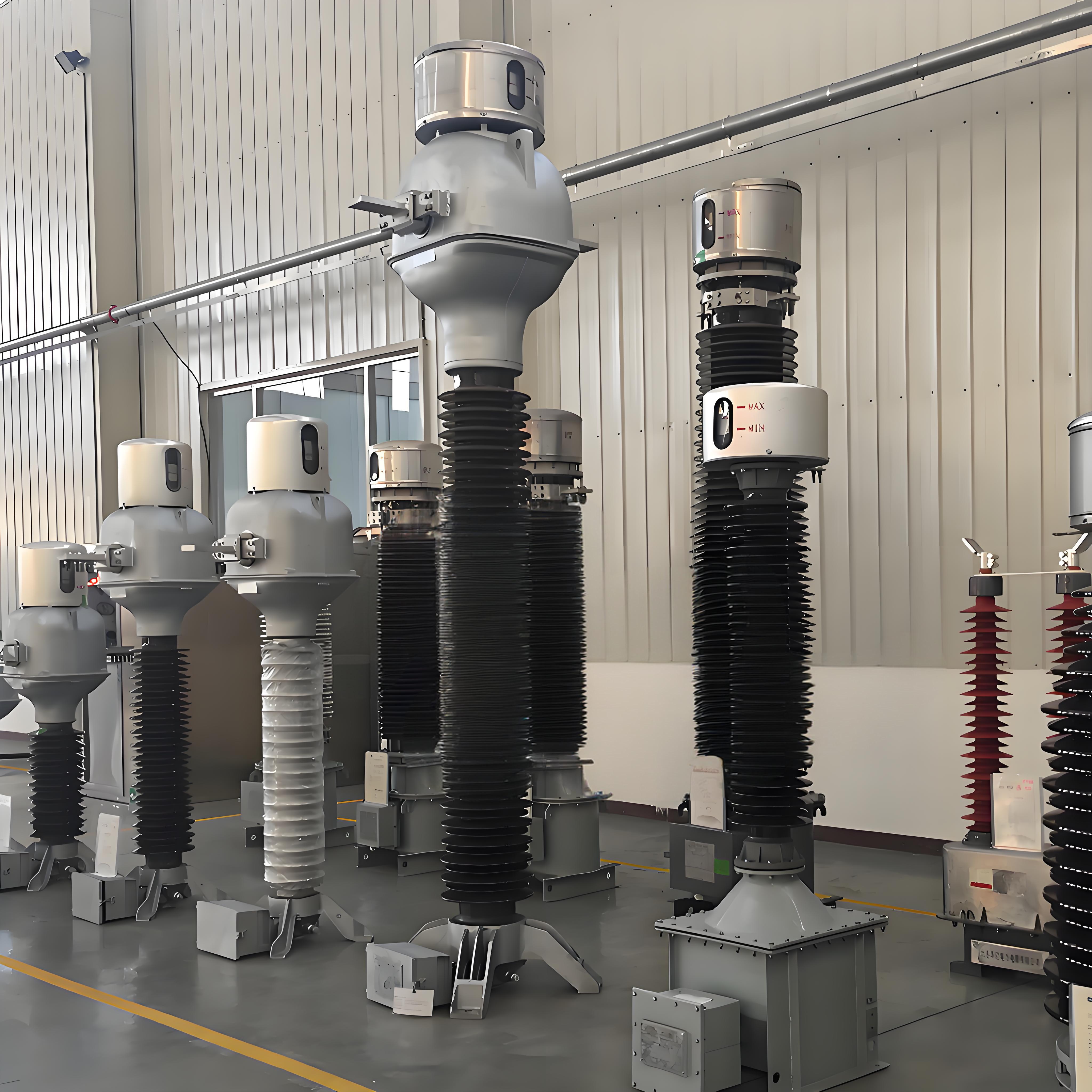
The main part of a CVT is the capacitor units. These units are made to handle high voltage and give correct readings. The voltage divider uses a paper-film material. This material is soaked in a special fluid. The fluid helps the unit work well when it gets hot or cold. Because of this, the readings stay steady and the material stays strong.
The capacitor parts are packed together. Workers put these packs inside insulators made of porcelain or other strong materials. The insulators also hold the special fluid. This keeps the capacitor units safe from weather and too much electricity. Inside the insulator, there are metal bellows made of stainless steel. These bellows let the unit get bigger or smaller when the temperature changes. This stops cracks or leaks from happening. The bellows take in the movement, so the CVT stays safe and works for a long time.
Series Connection
The capacitor units are joined in a row, or series. This makes the high voltage split between many capacitors. Each one only gets a part of the total voltage. This gives better insulation and less chance of problems. The series setup also lets you change the voltage ratio. You can add or remove capacitors to fit the voltage you need. This makes CVTs good for many high-voltage jobs.
Step-Down Transformer
After the voltage goes through the capacitor units, it moves to the step-down transformer. This transformer is inside a strong metal tank. The tank is made of steel and has a coating to stop rust. The tank is filled with transformer oil. The oil keeps the transformer cool and stops electrical problems. This gives a safe place for the transformer to work. The transformer lowers the voltage even more. Now, meters and protection devices can use the output safely.
Tuning Devices
Inside a CVT, there are tuning devices. These help you get correct readings and a good response to different frequencies. The main tuning devices are the reactor and the damping resistor.
Reactor
The reactor works with the capacitor units to keep the circuit balanced. It helps tune the CVT for the right frequency. This makes the readings more accurate because the reactor cuts down errors from frequency changes.
Damping Resistor
The damping resistor stops unwanted shaking in the circuit. It keeps the circuit from making false signals or ringing. This gives you cleaner voltage readings. Some studies show that different damper types can change how well the CVT measures certain voltages. Some dampers work better than others. New ways use neural networks to make the transformation ratio fit better and improve accuracy. You can count on your CVT to give good data, even when there are extra signals in the system.
Protective Enclosure
When you look at a Capacitive Voltage Transformer (CVT), you see a tough shell around it. This shell is called the protective enclosure. It keeps all the important parts inside safe. CVTs work with very high voltages, so protection is needed. Without this shell, the inside parts could get hurt or cause safety issues.
The enclosure uses strong materials. Most CVTs have shells made from steel or porcelain. Steel makes the shell hard and stops things from breaking it. Porcelain helps keep electricity from leaking out. Sometimes, both materials are used together. This gives you both strength and insulation.
You can find some main features in a CVT protective enclosure:
Weatherproofing: The shell keeps rain, dust, and dirt out. You can use CVTs outside in any weather.
Electrical Insulation: The shell holds high voltage inside. You do not have to worry about electricity escaping.
Mechanical Protection: The shell protects against bumps and drops. Your CVT stays safe if something hits it.
Thermal Management: Some shells have cooling fins or vents. These help control heat. Your CVT does not get too hot, even when used a lot.
Sealing: Rubber gaskets or special seals keep water out. This stops rust and corrosion inside the shell.
Tip: Always look for cracks or leaks in the shell before using a CVT. A broken shell can be dangerous.
Some enclosures have special designs for safety. Many shells have rounded edges. This stops sharp points from forming, which could cause electrical problems. Some CVTs use double-layer shells. The extra layer gives more protection against electrical faults.
Here is a simple table showing what a good protective enclosure gives you:
Feature | Benefit |
|---|---|
Strong Material | Stops physical damage |
Insulation | Prevents electrical leakage |
Weatherproofing | Allows outdoor installation |
Sealing | Blocks moisture and dust |
Thermal Control | Keeps the temperature stable |
You should pick a CVT with a strong shell. This keeps you and your equipment safe. The shell also helps your CVT last longer. You will spend less time fixing or maintaining it. When you install a CVT, make sure the shell fits your workplace. If you work where there is lots of rain or dust, choose a shell with extra sealing and weatherproofing.
A protective enclosure does more than just cover the CVT. It acts like a shield. You get safety, reliability, and peace of mind. When you know how the shell works, you can make better choices for your power system.
CVT Applications
High Voltage Measurement
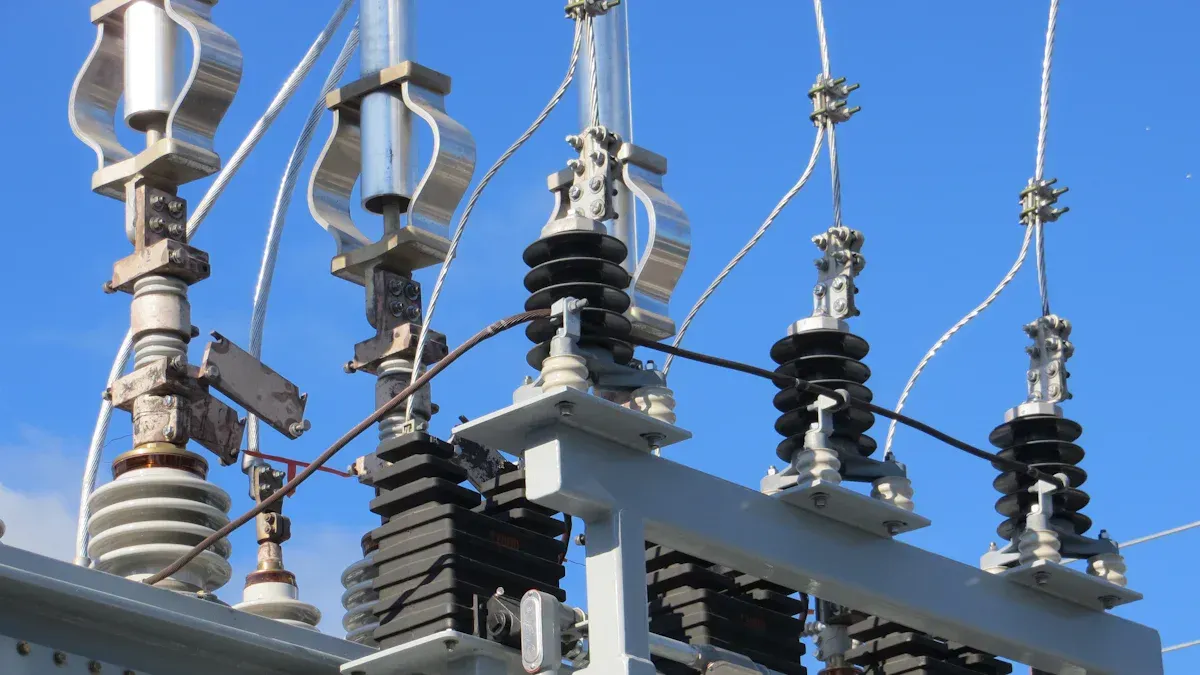
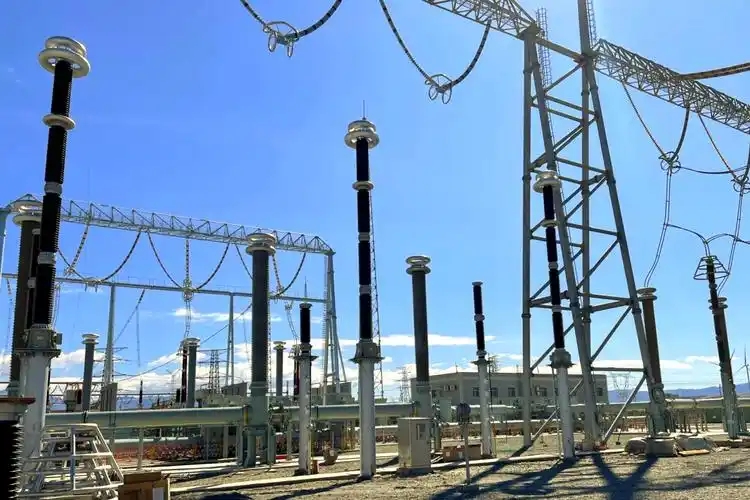
Sometimes, you need to check very high voltages in power systems. A CVT lets you do this safely and easily. If you work with extra-high-voltage lines, you want a device that is simple and not too costly. CVTs are good because they handle big voltage changes. You do not have to use many transformers together. This saves you money and space.
Here are some times when a CVT is better than other transformers:
You measure voltages on high transmission lines like 220 kV or 400 kV.
You do not want to use lots of inductive voltage transformers in a row.
You need a device that can also send communication signals, so it does two jobs.
You work in a substation where space and cost are important.
CVTs help you measure voltage and send signals. This makes them a smart pick for modern power grids. You get good readings and save money on equipment.
Revenue Metering
When you check how much electricity goes through a high-voltage line, you need the correct numbers. Revenue metering needs these numbers to be right. If your measurements are wrong, you could lose money or have billing mistakes. CVTs help you stop these problems.
You see CVTs in high-voltage substations. They let you measure voltage without needing big insulation systems. This makes your setup work better. You can trust the voltage readings from a CVT. Your revenue meters will show the right amount of power used. This is important for power companies and customers. Using a CVT helps keep the power system fair and correct.
Tip: Always check your CVT calibration before using it for revenue metering. Small mistakes can cause big losses over time.
Protection Systems
You want your power system to stay safe when something goes wrong. Protection systems use CVTs to spot voltage changes fast. When a problem happens, your protection relays need the right signal to act quickly. CVTs give you this signal with good accuracy.
You can connect CVTs to protective relays. These relays look for things like short circuits or voltage spikes. When the CVT sends the right signal, the relay can trip a breaker or send an alarm. This quick action keeps your equipment safe and the power on for others.
A CVT also helps you avoid false alarms. Because it gives steady and correct voltage readings, your protection system only acts when needed. This means fewer outages and less damage to your network.
Communication Coupling
Have you ever wondered how a Capacitive Voltage Transformer (CVT) helps with talking between power stations? A CVT does more than just measure voltage. It also helps send signals from one substation to another and to control rooms. This is called power line carrier communication, or PLCC.
PLCC uses special signals that move fast. These signals travel on the same wires that carry electricity. You can use these signals for talking, sending data, or giving commands. The CVT lets these signals move safely over high-voltage lines.
When you hook up a CVT to a transmission line, it acts like a bridge for signals. The CVT lowers the high voltage using a capacitor divider and a transformer. This setup lets you connect to the line without hurting your equipment. You get a safe way to send and receive signals.
Here are some ways a CVT helps with communication coupling:
CVTs let fast signals go through, which is needed for PLCC.
You can use CVTs to link substations for quick and safe talking.
The CVT lowers the voltage so your devices stay safe.
You get good control because the CVT keeps the signal clear.
Note: Using CVTs for communication means you do not need extra wires for signals. You save space and money by using the same wires for power and signals.
You will see CVTs in many substations where PLCC is used. The CVT connects to a coupling capacitor and a line trap. The coupling capacitor lets the fast signal enter or leave the line. The line trap stops the signal from going the wrong way. This setup keeps your communication working well.
Here is a simple table showing how CVTs help with PLCC:
CVT Function | Benefit for Communication |
|---|---|
Steps down high voltage | Protects communication gear |
Passes a high-frequency signal | Enables PLCC |
Provides signal isolation | Prevents interference |
Supports monitoring | Improves control and safety |
You can trust CVTs to keep your signals strong and clear. They help you control your power system and act fast when things change. When you use CVTs for communication, your grid gets smarter and safer. This is why CVTs are important in modern substations.
CVT vs. Potential Transformer
Key Differences
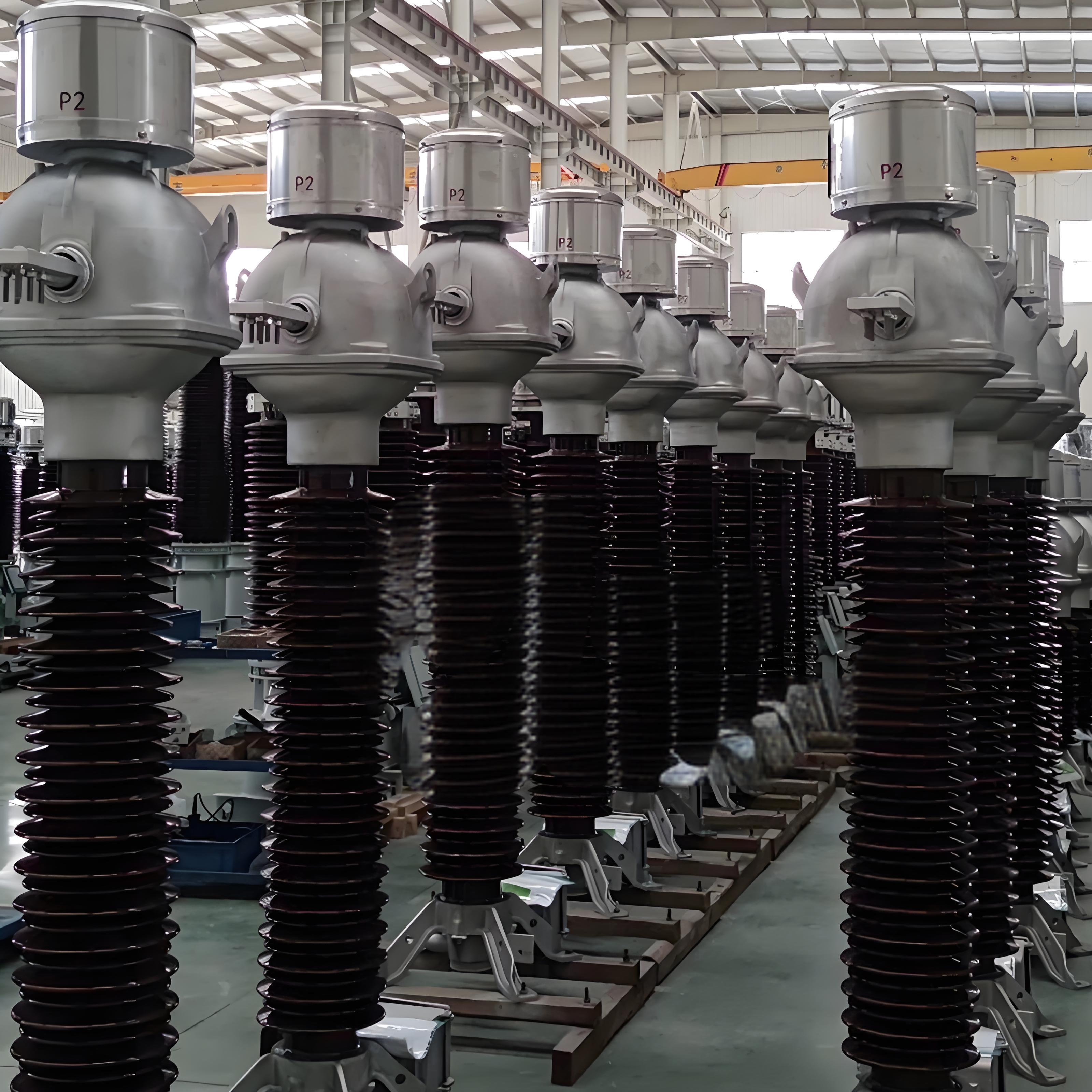
You may wonder how a Capacitive Voltage Transformer is different from a Potential Transformer. Both help you measure high voltage, but they do not work the same way. A CVT uses a capacitor voltage divider. This divider splits high voltage into smaller parts. Then, it sends the lower voltage to a step-down transformer. You get good readings even when the voltage is very high. The capacitor voltage divider is what makes CVTs unique. You will not find this in a Potential Transformer.
A Potential Transformer uses wire coils and a magnetic core. It lowers the voltage directly with these parts. The design is simple, but it works best at lower voltages. If the voltage gets too high, the core can saturate. This means your readings might be wrong.
Here is a table that shows the main differences:
Feature | CVT | Potential Transformer |
|---|---|---|
Voltage Divider Type | Capacitor voltage divider | Magnetic core and windings |
Voltage Range | 110kV and above | Up to 66kV (usually) |
Size and Weight | Smaller and lighter | Larger and heavier |
Core Saturation | No saturation | Can saturate at high voltage |
Accuracy at High Voltage | High | Lower |
Signal Isolation | Excellent | Good |
Frequency Response | Fast | Slower |
CVTs are better for very high voltages. They stay accurate and do not get big or heavy. Potential Transformers are good for lower voltages and easy jobs.
Use Cases
You need to pick the right device for your power system. CVTs and Potential Transformers are used for different jobs. You use a CVT when you work with extra high voltage lines. CVTs are best for voltages of 110kV or more. You see them in long-distance transmission systems. Their small size and light weight make them easy to put in place. You do not have to worry about core saturation, so your readings stay correct. CVTs send fast signals to relay protection devices. This helps your system react quickly when there is a problem.
Here are some places where you should use a CVT:
High-voltage transmission lines (110kV and above)
Ultra-high voltage substations
Long-distance power transmission
Voltage detection in large grids
Relay protection systems need a fast response
You use a Potential Transformer for lower voltage systems. These transformers work well up to 66kV. You see them in local substations and smaller grids. They give good readings for basic metering and protection. You pick a Potential Transformer when you do not need to measure very high voltages.
Here is a quick list to help you choose:
Use a CVT for high voltage, fast response, and light weight.
Use a Potential Transformer for lower voltage and simple measurement.
Tip: Always check your system voltage before you pick a CVT or a Potential Transformer. The right choice keeps your equipment safe and your readings correct.
CVT Advantages
Cost Efficiency
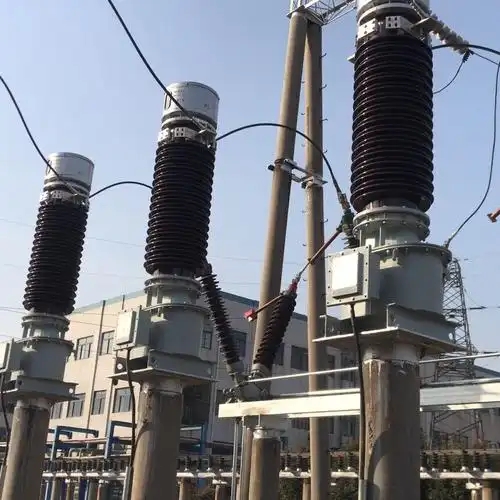
You save money when you pick a Capacitive Voltage Transformer (CVT) for your substation. CVTs help you spend less in many ways. You get better reliability, so there are fewer breakdowns. This means your system does not stop working often. Real-time voltage checks help you find problems early. You can fix issues before they get worse and cost more. CVTs work well with digital substations and smart grids. This makes your system run smoothly and helps you save on daily costs. The modular design lets you add more units as needed. You do not have to spend a lot at once. You can grow your system step by step and control your budget.
With CVTs, you do not need lots of separate devices. This lowers your equipment costs. You also pay less for installation and upkeep because CVTs are easy to handle. Your utility company can manage money better with these savings.
Tip: If you want to save money over time, think about using CVTs for your next substation upgrade.
Compact Design
CVTs are small and fit well in new substations. You do not need much room to put them in place. This helps you use your space better. The small size makes it easy to move and set up CVTs. This is good for places where space is tight.
You can put CVTs close to other gears without problems. The lightweight means you do not need big tools to lift them. This saves time when you install them. It also lowers the chance of accidents because the units are easy to move.
Here is a simple table showing why small size is good:
Feature | Benefit |
|---|---|
Small footprint | Saves space |
Lightweight | Easy to install |
Flexible setup | Fits tight locations |
You get more choices when you plan your substation. The small size of CVTs helps you use your resources well.
Enhanced Insulation
Safety matters most when you work with high voltage. CVTs use special insulation to keep you and your equipment safe. These transformers have strong materials and smart designs. They stop electricity from leaking out. The insulation works well even if the temperature changes or the voltage goes up fast.
A new online check helps you find insulation problems early. This check uses self-supervised learning and autoencoders to monitor the insulation all the time. It looks at secondary voltage changes and ignores the main voltage. You get good information about how healthy your CVT’s insulation is. You can act fast if something is wrong. This keeps your system safe and working right.
You do not have to worry about hidden problems. The strong insulation and smart checks give you peace of mind. Your CVT will keep working well, even when things get tough.
Dual Functionality
When you use a Capacitive Voltage Transformer (CVT), you get more than just a voltage tool. The CVT also helps with communication in your power system. This makes the CVT a smart pick for new substations and power lines.
A CVT has two main parts. One part is the potential divider. It uses capacitors to split high voltage into smaller, safer pieces. The other part is the auxiliary transformer. This transformer lowers the voltage even more. You can connect meters and protection devices to this output. This setup lets you check high voltages without risking your equipment.
But the CVT does more than measure voltage. It also helps with power line carrier communication, or PLCC. PLCC lets you send signals on the same wires that carry electricity. You can use these signals for talking, sending data, or control commands. The CVT lets these fast signals pass through while keeping your measuring tools safe. You do not need extra wires or special gear for communication.
Here is how CVTs help you in two ways:
Voltage Measurement: You get correct readings of high voltage. Your meters and relays stay safe because the CVT lowers the voltage.
Communication Coupling: You can send and receive signals for control and monitoring. The CVT lets these signals go through without losing quality.
Tip: When you pick a CVT, you get both measurement and communication in one device. This saves space, money, and time when you install it.
You can see the benefits of dual functionality in many power stations. Workers use CVTs to watch voltage and talk to other stations. This makes the power grid safer and easier to control.
Here is a simple table to show what you get with a CVT:
Function | What You Gain |
|---|---|
Voltage Measurement | Safe, accurate readings |
Communication | Reliable signal transfer (PLCC) |
You do not need to put in two different devices. The CVT does both jobs at the same time. This makes your system easier and better. You can trust your CVT to keep your equipment safe and your signals working. When you know about this dual functionality, you see why CVTs are important in high-voltage power systems.
CVT Limitations
Frequency Response
A CVT works best at one main frequency, like 50 Hz or 60 Hz. This is the normal frequency for most power systems. CVTs use capacitors to split voltage, but other transformers use wire coils. The way a CVT is made changes how it handles different frequencies.
CVTs are accurate only in a small frequency range. They work well at their set frequency, but not much outside it.
The lowest resonant frequency for a CVT is a few hundred hertz. If you try to measure signals above this, the readings can be wrong.
Both CVTs and regular voltage transformers have trouble with harmonics or high-frequency signals. You need extra tools if you want to measure these.
If you use a CVT for signals that are not at the main frequency, you might get wrong results. This can be a problem if your system has lots of harmonics or quick changes. Always check if your CVT can handle the frequencies you need.
Accuracy Issues
You want your voltage readings to be right. But some things can make a CVT less correct. The main problems come from changes inside the CVT, especially in the insulation and capacitors.
If the capacitance value changes, the voltage reading can be off. Even a small change, like 0.2%, can cause a similar error in your measurement.
The dielectric loss factor shows how much energy the insulation loses. This mostly affects the phase of your voltage reading. A small change here can lead to a phase error of several minutes.
High-voltage and low-voltage capacitors inside the CVT can act differently. This can cause errors in measuring real power and affect the overall accuracy.
You should know that these errors can add up, especially over time or in tough places. If you need very exact measurements, you must check your CVT often and watch for these issues.
Maintenance Needs
To keep your CVT working well, you need to do regular checks. This helps you find problems early and stop bigger failures.
Check the ventilation system often to make sure air moves well.
After five years, look at the capacitors every year for leaks or damage.
Change the capacitor bank every five years to keep it working well.
Clean the porcelain housing with a soft cloth once a year.
Look at the spark gap assembly and the high-frequency earthing point every year.
Use a thermal vision camera to find hot spots in the capacitor stacks.
Check all terminal connections for tightness and cleanliness every year.
Test the insulation's health by checking tan δ every three years.
Tip: Cleaning and checking your CVT often helps you avoid sudden problems and keeps your CVT safe and reliable.
If you follow these steps, your CVT will last longer and work better. Skipping maintenance can cause errors, failures, or even safety risks. Always make a schedule and stick to it for the best results.
Environmental Impact
When you use a Capacitive Voltage Transformer (CVT), you must think about the weather around it. Weather and climate can change how well your CVT works. If you do not pay attention, your CVT may not last as long as you want.
Temperature is very important. Hot weather can make the insulation inside your CVT get old faster. Old insulation cannot protect the inside parts well. This can cause the CVT to get too hot. If it overheats, it might break before its normal life ends. Always check the temperature where you put your CVT.
Humidity matters too. When the air is wet, water can get inside your CVT. This is called moisture ingress. Water makes the insulation weaker. Weak insulation cannot stop electricity from leaking out. This can cause short circuits and hurt your equipment. Keep your CVT dry to stop these problems.
Here is a table that shows what temperature and humidity do to your CVT:
Environmental Factor | Impact on Performance and Lifespan |
|---|---|
Temperature | Speeds up insulation aging, which can cause overheating and early failure. |
Humidity | Letting water in makes insulation weaker and raises the chance of short circuits. |
You should also think about dust, pollution, and chemicals in the air. Dust can pile up on your CVT and make the insulation work less well. Pollution and chemicals can damage the materials in your CVT. Over time, this can cause cracks or leaks.
Tip: Clean your CVT often if you work in a dusty or polluted place. Cleaning helps your CVT last longer.
If your CVT is outside, you need to protect it from rain and sunlight. Rain can cause rust or let water inside. Sunlight can heat the CVT and make it age faster. You can use covers or shelters to keep your CVT safe from bad weather.
Always check your CVT for damage. Look for cracks, leaks, or rust. If you see a problem, fix it right away. This helps you stop bigger failures later.
When you know how the environment affects your CVT, you can protect it better. This keeps your power system safe and helps your equipment last longer.
CVT Selection Tips
Voltage Rating
When you pick a Capacitive Voltage Transformer (CVT), check the voltage rating first. The voltage rating shows how much voltage the CVT can take safely. If you choose the wrong rating, your CVT could get too hot or break. You want your CVT to fit your power system so it works safely.
Here are the main things to check:
Primary Voltage is the voltage from your power source. Make sure your CVT can handle this amount.
Secondary Voltage is what your CVT sends to meters or protection devices. It should be safe and easy to use.
Voltage Rating and Tolerances mean the highest and lowest voltage your CVT can take. If you go past these, your CVT could get damaged.
System Voltage Compatibility means your CVT must match the voltage rules in your area. If it does not, you might have power problems.
Tip: Always look at the voltage rating label on your CVT before you put it in. This helps you avoid big mistakes.
Accuracy Class
You want your voltage readings to be right. The accuracy class tells you how close your readings are to the real number. Different jobs need different accuracy. If you use your CVT for billing or protection, you need high accuracy.
Check these accuracy class facts:
ANSI accuracy classes are 0.3, 0.6, and 1.2. IEC classes are 0.1, 0.2, 0.5, and 1.
Each class has limits for Ratio Error and Phase Angle Error. These errors can change your readings.
Classes like 0.2, 0.5, and special ones like 0.2S and 0.5S have strict error rules.
Lower class numbers mean better accuracy. If you need very exact numbers, pick a lower class.
Note: For revenue metering, always pick a CVT with the best accuracy class you can buy.
Installation
You need to install your CVT the right way to keep your system safe. Good installation helps you avoid accidents and makes your CVT last longer. You should follow rules for fire safety, the environment, and electrical standards.
Here is a table with important installation tips:
Best Practice Category | Key Considerations |
|---|---|
Fire Protection and Hazard Control | Follow NFPA codes, keep fire separation distances, and use explosion protection. |
Environmental Compliance | Do environmental checks, stop pollution, and follow noise rules. |
Accessibility and Safety Regulations | Keep workspaces clear, allow emergency access, and use safe fencing. |
Grounding and Surge Protection Standards | Use good grounding, and put in lightning arresters for safety. |
Documentation and Permits | Get all needed permits, and keep good records of your installation. |
🛠️ Always check local codes and rules before you start your CVT installation. This keeps your site safe and legal.
You can make your power system safer by following these tips. When you pick the right voltage rating, accuracy class, and install your CVT the right way, you protect your equipment and get better results.
Safety Factors
When you pick a Capacitive Voltage Transformer (CVT), safety comes first. High voltage can be very risky. You want to keep yourself, your team, and your tools safe. Thinking about safety helps stop accidents and keeps your power system working well.
Here is a table that lists the main safety factors to think about:
Safety Factor | Description |
|---|---|
Insulation Materials | Use oil, resin, or gas insulation to stop electrical breakdown. |
Environmental Conditions | Check the environment to make sure the CVT works well and stays reliable. |
Installation Practices | Ground the CVT, wire it correctly, and pick a safe location. |
Maintenance Practices | Inspect and service the CVT often to prevent failures and extend its life. |
Insulation Materials
Strong insulation keeps high voltage from leaking out. CVTs use oil, resin, or gas for insulation. Oil and resin help stop electricity from breaking through. Gas insulation is used in some special types. Always check what kind of insulation is inside before you buy a CVT. Good insulation keeps you safe and helps the CVT last longer.
Environmental Conditions
Where you put your CV matters a lot. Hot, cold, wet, or dusty places can change how the CVT works. Water can get inside and cause short circuits. Dust and dirt can build up and make insulation weaker. Pick a CVT that fits your local weather and site. If your area is tough, look for extra protection like weatherproof covers.
Installation Practices
How you set up the CVT affects safety every day. Always ground the CVT well. Good grounding stops dangerous voltages from hurting people or equipment. Use the right wires and connectors. Put the CVT where it will not get hit or broken. Keep it away from things that can catch fire. Follow all local rules and safety codes. If you are not sure, ask an expert for help.
Maintenance Practices
Regular checks keep your CVT safe and working well. Look for leaks, cracks, or signs of damage. Clean the outside to get rid of dust and dirt. Test the insulation and grounding every year. Change the oil or gas if needed. Write down all checks and repairs in a logbook. This helps you find problems early and fix them before they get worse.
🛡️ Tip: Never skip safety checks. A small problem can become a big danger if you ignore it.
When you follow these safety steps, you lower the chance of accidents. You also help your CVT work better and last longer. Safety is not just a rule—it is the best way to protect your power system and everyone who works with it.
A Capacitive Voltage Transformer (CVT) lets you check high voltage safely. It protects your equipment from damage. CVTs help your system stay steady and give correct readings. You save money because CVTs are small and have strong insulation. But you need to be careful about frequency and accuracy problems. Pick a CVT that fits your system’s needs.
They help keep your system steady.
Learning about CVTs helps you stop faults.
Testing CVTs can find problems early.
If you know how CVTs work, you can control your power network better and keep it safe.
FAQ
What is the main job of a CVT?
A CVT helps you measure high voltage safely. It lowers the voltage so your meters and protection devices can use it without risk.
How do you know if a CVT needs maintenance?
You should look for leaks, cracks, or strange noises. Check the insulation and clean the outside. If you see any problems, fix them right away.
Can you use a CVT for both measuring and communication?
Yes! You can use a CVT to measure voltage and send communication signals. This dual function saves you space and money.
How is a CVT different from a Potential Transformer?
A CVT uses capacitors to lower the voltage, while a Potential Transformer uses coils. You pick a CVT for higher voltages and better insulation.
Is a CVT safe to use outdoors?
You can use a CVT outdoors. The strong shell protects it from rain, dust, and sunlight. Always check for cracks or leaks before use.
What happens if you use the wrong voltage rating?
If you use the wrong voltage rating, your CVT can overheat or break. Always match the CVT rating to your system voltage for safety.
Do CVTs work with all frequencies?
CVTs work best at the main power frequency, like 50 Hz or 60 Hz. They may not give correct readings at other frequencies.