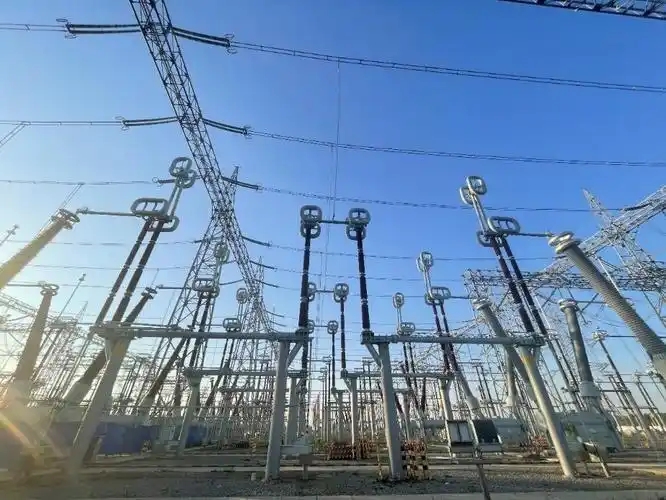
In high-voltage power systems, the normal operation and safety of equipment are of paramount importance. When we talk about these devices, circuit breakers and disconnectors (isolators) are two core components we can't ignore.
For non-professionals and even some beginners, they are often confused due to their similar function of "breaking" an electrical circuit.
In the real electrical world, however, their functions, principles, and operating rules are vastly different. Together, they form a bedrock of safety for the power system.
This article aims to provide you with a comprehensive guide. We'll clearly distinguish the essential differences between HV breakers and disconnectors while also exploring their safety protocols.
We'll answer the core question on everyone's mind: what exactly is the difference between a breaker and a disconnector?
HV Circuit Breakers: The Guardians of the Power System
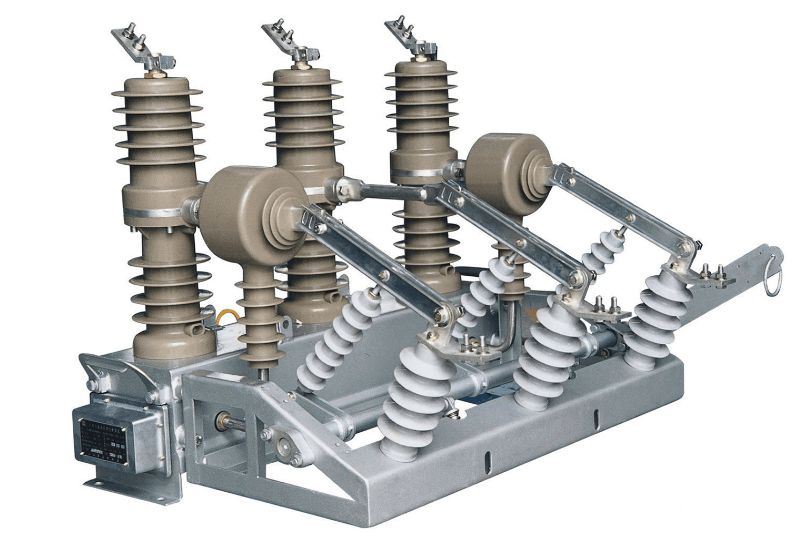
What Is an HV Circuit Breaker?
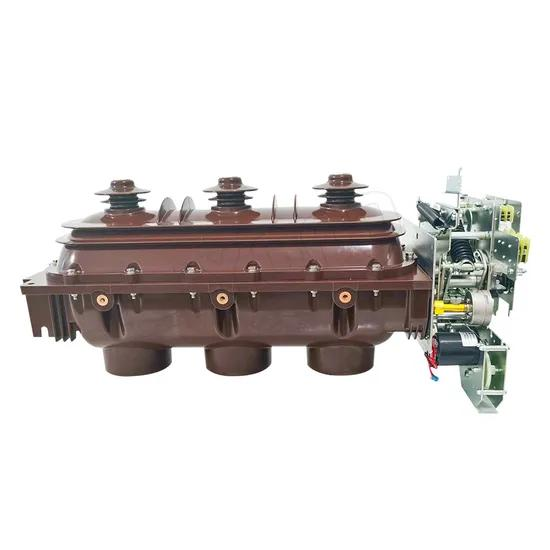
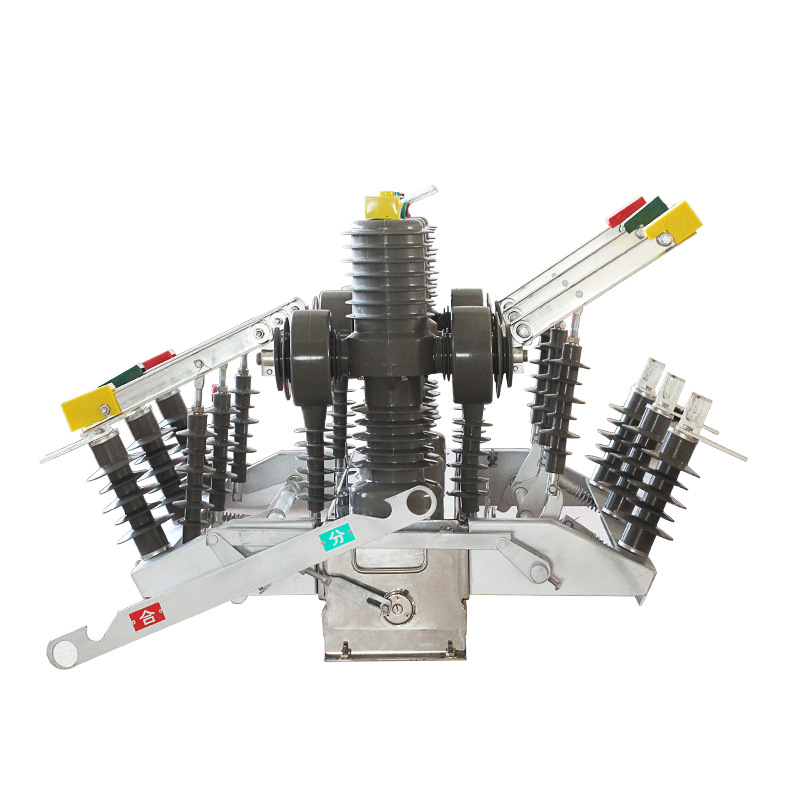
Simply put, an HV circuit breaker is the "guardian" of the power grid. It's a device that can make and break current under normal operating conditions.
Most crucially, it automatically interrupts massive currents during a fault, like a short circuit. This is a critical function that protects the power grid and all downstream equipment from damage.
Core Functions and Operating Principles
A breaker's core function is automatic operation. When the power system experiences an anomaly, a signal from a protective relay instantly triggers the breaker.
This action disconnects the faulty circuit in a fraction of a second, typically within milliseconds. Therefore, it has the unique ability to operate under load, reliably performing its duty even under the most severe fault conditions.
Arc Quenching: How Do Breakers Interrupt Current?
When the contacts of a high-voltage breaker separate under heavy current, a powerful electrical arc is generated. If left unchecked, this arc can reach thousands of degrees, destroying the equipment and causing an explosion.
The key technology of a circuit breaker lies in its unique arc-quenching mechanism. This mechanism uses an insulating medium to extinguish the arc rapidly.
Common media include:
SF6 (Sulfur Hexafluoride) Gas Breakers: These utilize the superior insulating and arc-quenching properties of SF6 gas. A blast of gas rapidly extinguishes the arc under high pressure.
Vacuum Breakers: These take advantage of a vacuum's extremely high dielectric strength. When the contacts separate, the arc cannot be sustained in a vacuum and simply extinguishes itself.
Disconnectors: The "Physical Lock" for Personnel Safety
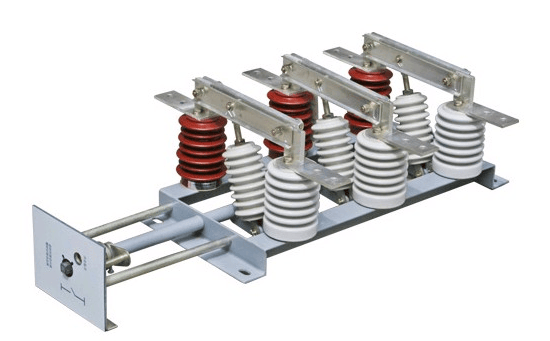
What Is a Disconnector?
If the breaker is the "guardian," then the disconnector is the "safety lock." Its primary purpose is not to interrupt the current.
Instead, it provides a visible and physically de-energized point of isolation for equipment that is undergoing maintenance or repair.
It ensures a visible, absolutely reliable "safety wall" between technicians working on the equipment and any live parts. This is vital for guaranteeing human safety.
Core Functions and Operating Prerequisites
A disconnector is essentially a manually operated mechanical switch. Its core function is to provide isolation, but it must never be used to interrupt an operating current.
For this reason, it has one unwavering rule: it must be operated only under no-load conditions.
This means that before you operate a disconnector, you must first open the upstream breaker to guarantee there is absolutely no current flowing through the line.
Disconnector vs. Isolator: A Conceptual Clarification
In the electrical industry, people often use the terms disconnector and isolator interchangeably. In reality, they refer to the same type of device in most contexts.
Both are designed to provide a safe point of isolation. While "isolator" may be a broader term in some settings, for high-voltage switchgear, the words can be used as synonyms.
Both are types of devices whose core function is physical isolation, without any arc-quenching capability. Therefore, when you search for "isolator and circuit breaker difference," you are essentially asking the same question this article seeks to answer.
Core Differences and Selection Guide
Fundamental Differences in Function, Operation, and Current Interruption
The table above clearly summarizes the most fundamental differences between a breaker and a disconnector. One is for protection, the other for isolation.
Electrical Symbols and Drawing Identifications
On electrical drawings, the symbols for both devices are also clearly different. The symbol for a circuit breaker is typically a small circle with a square and a diagonal line, indicating its arc-quenching capability.
Conversely, the symbol for an isolator is a simple open knife-switch symbol, without any arc-quenching mark. This intuitively reflects its physical isolation function. Understanding these symbols is the first step to being able to read and interpret electrical schematics.


Cost, Wiring, and Installation Considerations
From an engineering perspective, a breaker's complexity, with its internal arc-quenching chamber and operating mechanism, makes it much more expensive than a disconnector.
In terms of wiring and installation, a breaker typically requires complex secondary wiring to interface with protective relays. A disconnector's wiring is relatively simple.
It is primarily used for isolation in series with other devices. When you're comparing HV breakers vs. disconnector prices, you're really looking at a huge difference in functionality and technical complexity.
In-Depth Analysis: The Engineer's Practice and Safety Considerations
Real-World Scenarios and the "Five Preventions"
In power systems, breakers and disconnectors are always used in series. Standard maintenance operations must strictly follow a specific sequence.
First, open the breaker, then the disconnector. Before starting maintenance, you must first open the breaker to interrupt all current. Only then can you open the disconnector to provide a visible point of isolation.
Second, close the disconnector, then the breaker. When restoring power, you must first close the disconnector, and only then can you close the breaker.
This operational sequence is the very core of what we call the "Five Prevention" principles. The first of these principles is to "prevent operating a disconnector under load." This principle is a valuable lesson learned from countless tragic accidents.
Physical and Electrical Interlocking Mechanisms
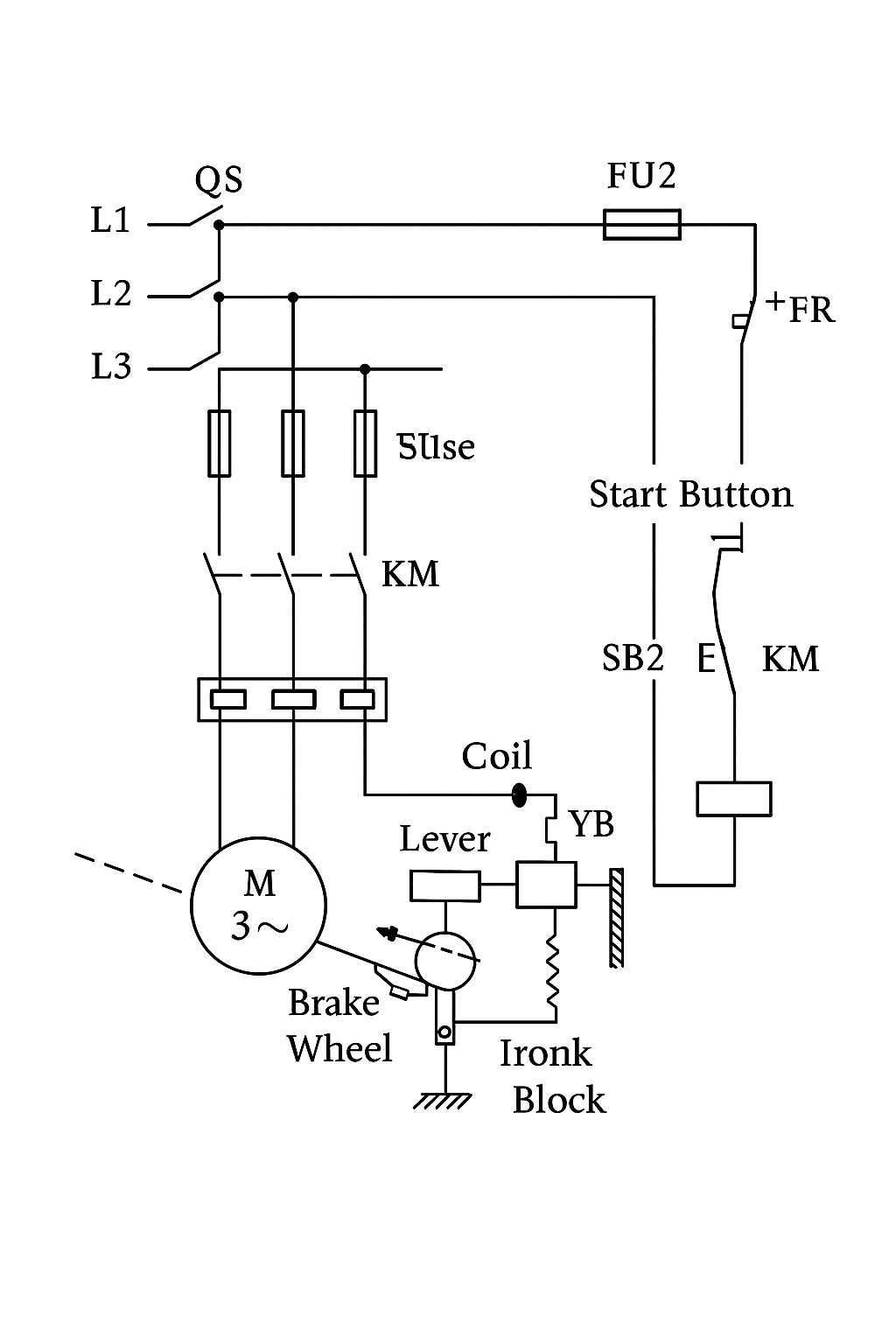
To prevent an operator from making a mistake, modern high-voltage switchgear is equipped with precise interlocking mechanisms. Mechanical interlocks use a physical structure to force an operator to follow the correct sequence.
Electrical interlocks, meanwhile, use control circuits to ensure that the disconnector's control circuit is only unlocked when the breaker is in an open position. These interlocking mechanisms are the final line of defense, ensuring operator safety and preventing catastrophic accidents.
Equipment Lifecycle and Maintenance Essentials
As critical pieces of equipment, both breakers and disconnectors require regular maintenance. A breaker needs periodic assessments of its arc-quenching chamber's lifespan, as well as lubrication and adjustment of its operating mechanism.
This ensures its opening and closing times meet standards. Maintenance for a disconnector is relatively simpler, focusing on contact wear, insulator cleaning, and the reliability of the operating mechanism.
Only with routine maintenance can we ensure that they are reliable when they are needed most.
Conclusion and Outlook
HV breakers and disconnectors are two complementary and indispensable partners in any power system. One is responsible for "protection," ensuring the reliable operation of the system.
The other is responsible for "isolation," acting as the first line of defense for human safety. They each follow strict operating rules and work together to safeguard the power system's stability.
As smart grids and automation technologies continue to advance, these two devices are also evolving, with their control and monitoring becoming increasingly intelligent.
However, their core functions of protection and isolation will always remain the foundation of power system design and operation.