
Table of Contents
Introduction: Why Proper Operation of a VCB Matters
Vacuum circuit breakers are vital in medium and high-voltage power systems. Their reliability directly affects grid safety and stability. Improper operation can cause equipment damage or safety risks. That’s why learning the correct operation steps is crucial. Understanding the principles behind the operation builds confidence and reduces errors.
1. Essential Preparations Before Operation
1.1 Safety always comes first when working with VCBs. Inspect the breaker for visible damage like cracks or leaks. Make sure the vacuum interrupter is airtight and intact.
1.2 Use an insulation resistance tester to check insulation. Confirm the spring mechanism is fully charged or check the power for the electric actuators. Ensure the work area is clear of flammable materials.
1.3 Wear proper protective gear before starting. Only authorized personnel should operate the device. Familiarize yourself with the specific breaker model and control system.

What protective equipment is there?
Insulating gloves
Must comply with high-voltage insulation standards (such as 10 kV and above), and are used to prevent electric shock when hands directly contact live parts.
Before use, check for damage and aging, and conduct an air-tightness test (for example, blow air and pinch the cuff tightly to observe if there is air leakage).
Insulating boots (high-voltage insulating shoes)
Made of insulating materials, they can withstand a certain high voltage, prevent current from flowing to the ground through the feet, and have an anti-slip function at the same time.
The insulation performance needs to be tested regularly to avoid protection failure due to wear and moisture.
Insulating operating rod (link rod)
It is used to operate the opening and closing mechanism of the circuit breaker from a long distance to avoid direct contact of the human body with high - voltage parts. The insulation grade and test date must be marked on the rod body.
High-voltage electroscope
It is used to confirm whether the equipment is live before operation. It needs to match the operating voltage level and be used within the validity period (usually calibrated once a year).
Safety helmet
It prevents tools from falling, parts from popping out unexpectedly, or the head from colliding with hard objects such as cabinet bodies during operation. The chin strap must be fastened tightly to ensure stability.
Protective glasses/face shields
When the vacuum circuit breaker is opened and closed, arcs may be generated (although the arcs in a vacuum environment are small), or metal debris may splash. Protective glasses can protect the eyes from injury.
Long-sleeved work clothes/insulating clothes
Wear long-sleeved work clothes made of cotton or insulating materials to avoid direct exposure of the skin and prevent arc burns or mechanical abrasions. If the operating environment voltage is relatively high (such as 35 kV and above), special high-voltage insulating clothes need to be equipped.
Insulating mat
It is laid on the ground in the operating area to further enhance insulation protection and prevent step-voltage injury (especially in humid environments).
Anti-slip gloves
They are used when operating mechanical handles to increase the friction of hands and prevent tools from slipping, which may lead to misoperation or hand injury.
Safety warning signs and fences
When operating, set up "High Voltage Hazard" warning signs and safety fences around the equipment to prohibit unauthorized personnel from approaching and ensure the safety of the operating area.
2. Basic Operation Steps of a Vacuum Circuit Breaker
2.1 Closing the Circuit (Closing Operation)
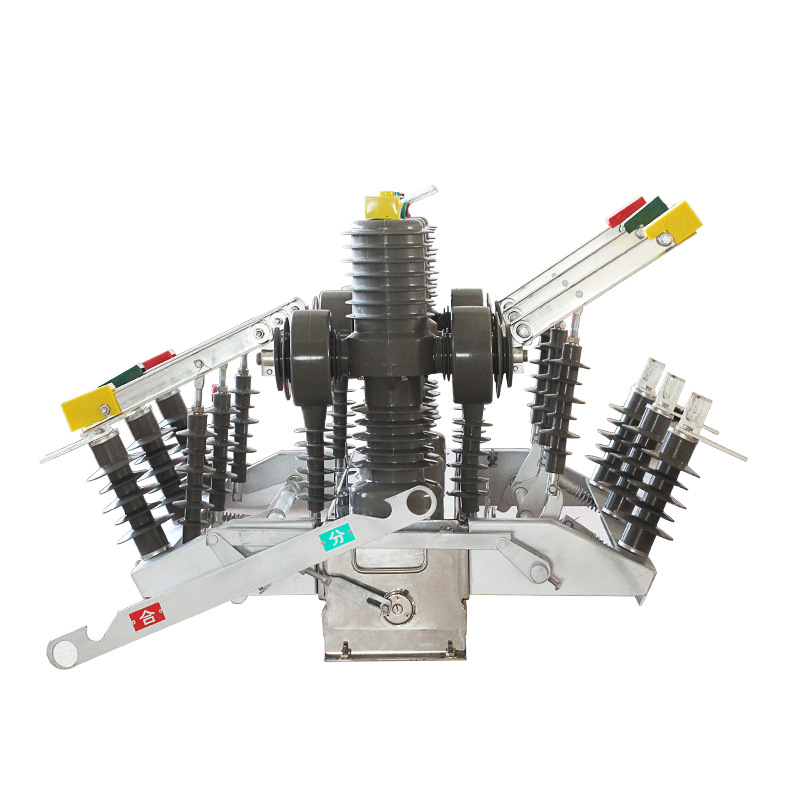
Confirm that the grid conditions allow the breaker to close safely. If spring-charged, make sure the spring is fully charged. Press the "close" button or pull the closing handle.
The mechanism drives the contacts to close rapidly. The circuit is completed as the contacts touch. Watch the indicators to confirm the breaker closed properly.
2.2 Opening the Circuit (Opening Operation)
Press the "open" button or pull the handle to release stored energy. The contacts separate quickly inside the vacuum interrupter. The arc formed between contacts extinguishes instantly.
Confirm the breaker status shows fully open. Wait for the mechanism to reset before the next operation.
3. The Technology Behind the Operation
When contacts separate, current tries to jump the gap, creating an arc. In a vacuum, there is no gas to sustain this arc. The arc quickly heats the contact metal, creating metal vapor.
This vapor cools fast and increases resistance. The arc extinguishes in less than half an AC cycle. This fast extinction reduces contact wear and interruption time.
4. Safety Tips and Precautions
Avoid partial closing that causes persistent arcing and heat. Never close the breaker under unexpected load conditions. Keep the mechanism clean and lubricated to prevent jams.
Verify the spring is fully charged before operating. Only trained personnel should operate the breaker.
5. Troubleshooting Common Operation Issues
| Symptom | Possible Cause | Solution |
|---|---|---|
| Fails to close | Spring not charged, mechanical jam | Charge spring, check mechanism |
| Won’t open | Mechanical blockage, wear | Clean, lubricate, replace parts |
| No control response | Power failure, wiring issue | Check power and wiring |
| Heavy or slow operation | Lubrication is dry or old | Lubricate or repair the mechanism |
| Frequent trips | Vacuum leak or contact wear | Replace the interrupter or contacts |
6. Maintenance Tips to Extend Breaker Life
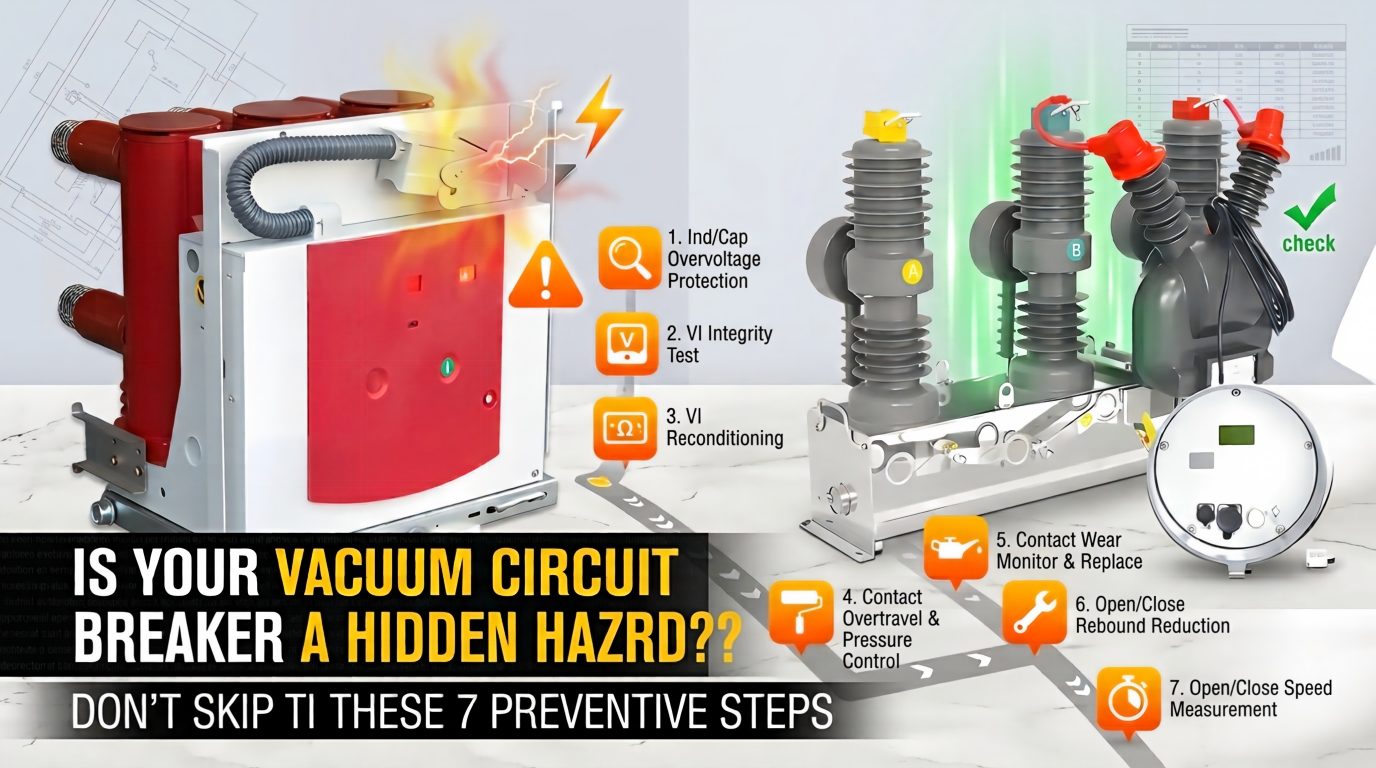
Keep the mechanism clean and lubricated. Regularly test the vacuum interrupter airtightness. Monitor contact wear and replace parts timely.
Record operating cycles and faults. Good maintenance reduces failures and extends life.
7. Frequently Asked Questions (FAQ)
Q1: Why does the VCB fail to close?
A: Often due to an uncharged spring, mechanical jam, or control issues.
Check spring, lubrication, and wiring first.
Q2: How to check if the vacuum interrupter is intact?
A: Use insulation resistance and withstand voltage tests.
Leakage reduces arc extinction and causes failures.
Q3: What if contacts don’t fully open?
A: Likely mechanical binding or low spring energy.
Stop the operation and inspect immediately.
Q4: Manual vs motorized operation?
A: The Manual is for maintenance or emergencies.
Motorized suits automate, frequent, or remote operations.
Q5: Key safety precautions?
A: Wear PPE, verify system status, follow correct procedures.
Stop if abnormal sounds or resistance appear.
Q6: Post-operation checks?
A: Confirm smooth mechanical action.
Lubricate parts and log any issues.
8. Conclusion: Operation Is Both an Art and a Responsibility
Operating a vacuum circuit breaker is more than a mechanical action. It requires skill, care, and responsibility. Your work ensures safe and reliable power delivery. This guide aims to build your confidence and safety. Reach out anytime with questions or to learn more.
9. Take Action Now to Ensure Grid Safety and Stability
Every operation affects the power system’s safety. If you’re unsure or face challenges, review your procedures. Schedule regular professional maintenance.
Contact me, Electrical Engineer Thor, for expert support. Together, we’ll keep the lights on and the grid stable!
Author: Electrical Engineer Thor
Phone: +86-0577-62788197
WhatsApp: +86 159 5777 0984
Email: [email protected]