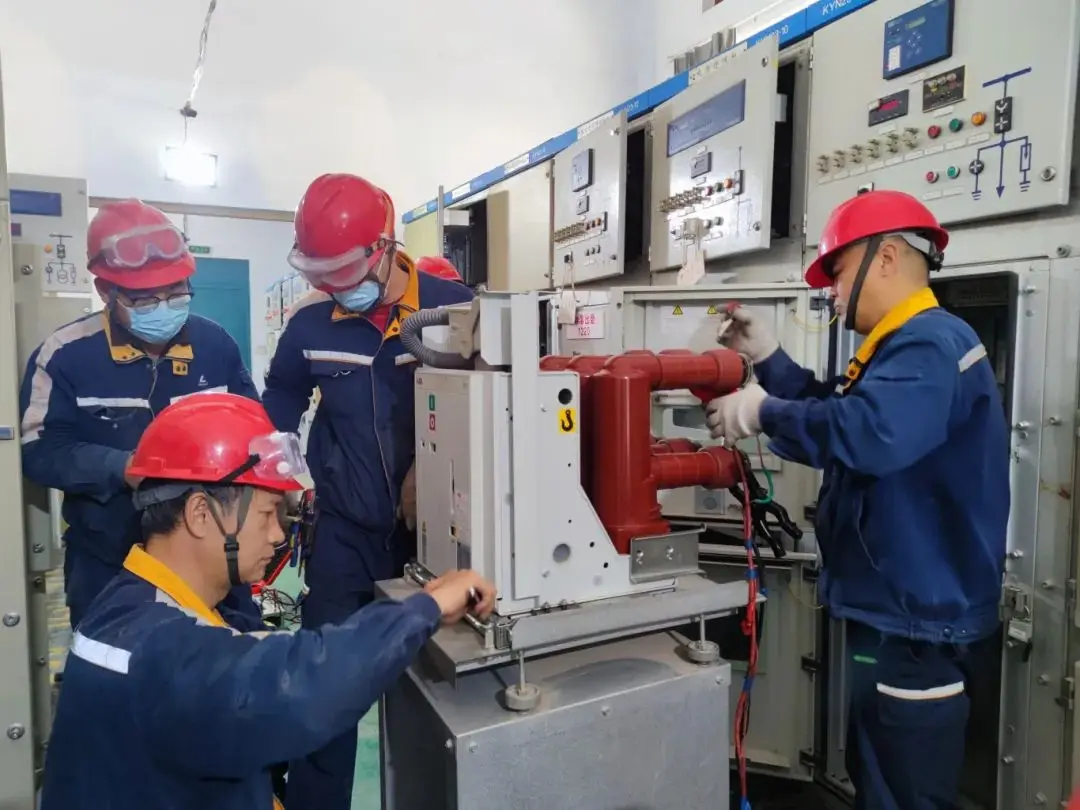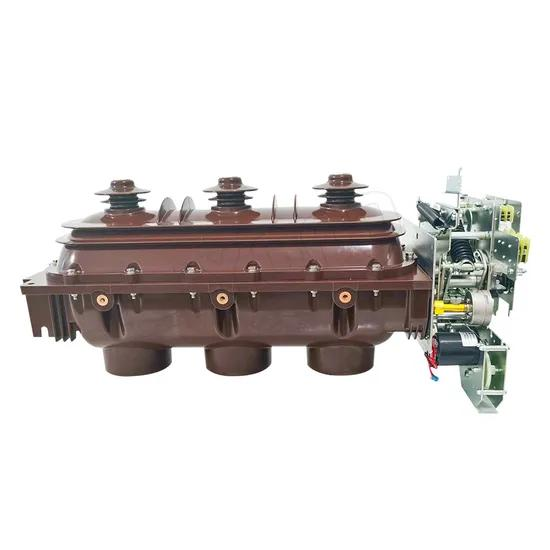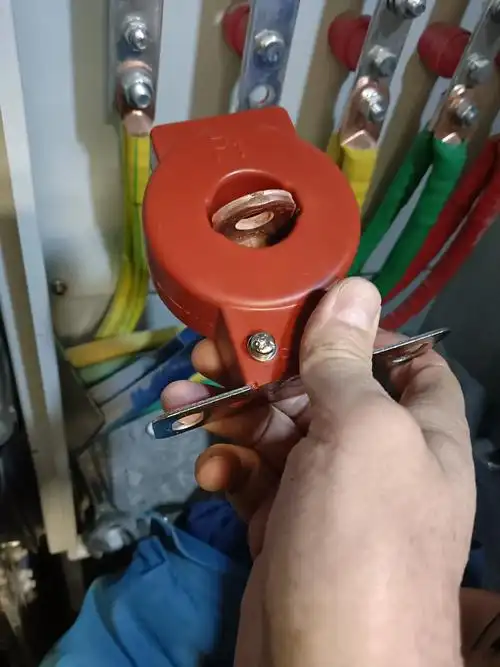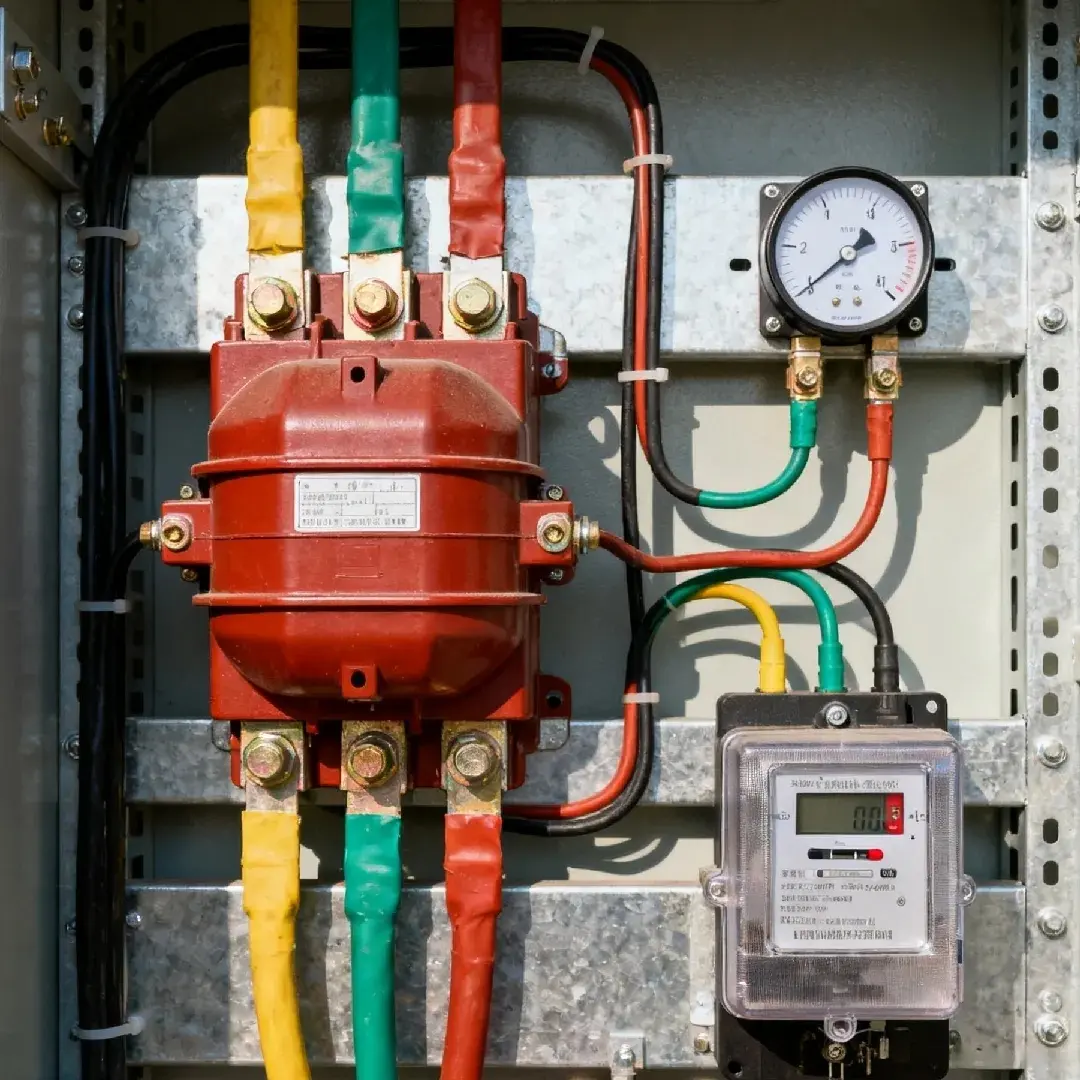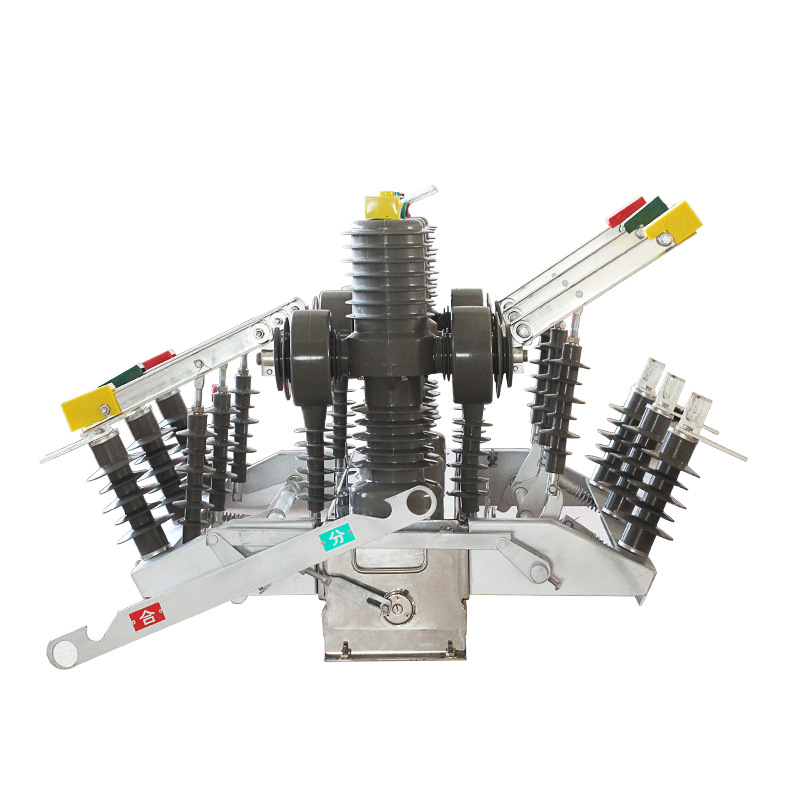
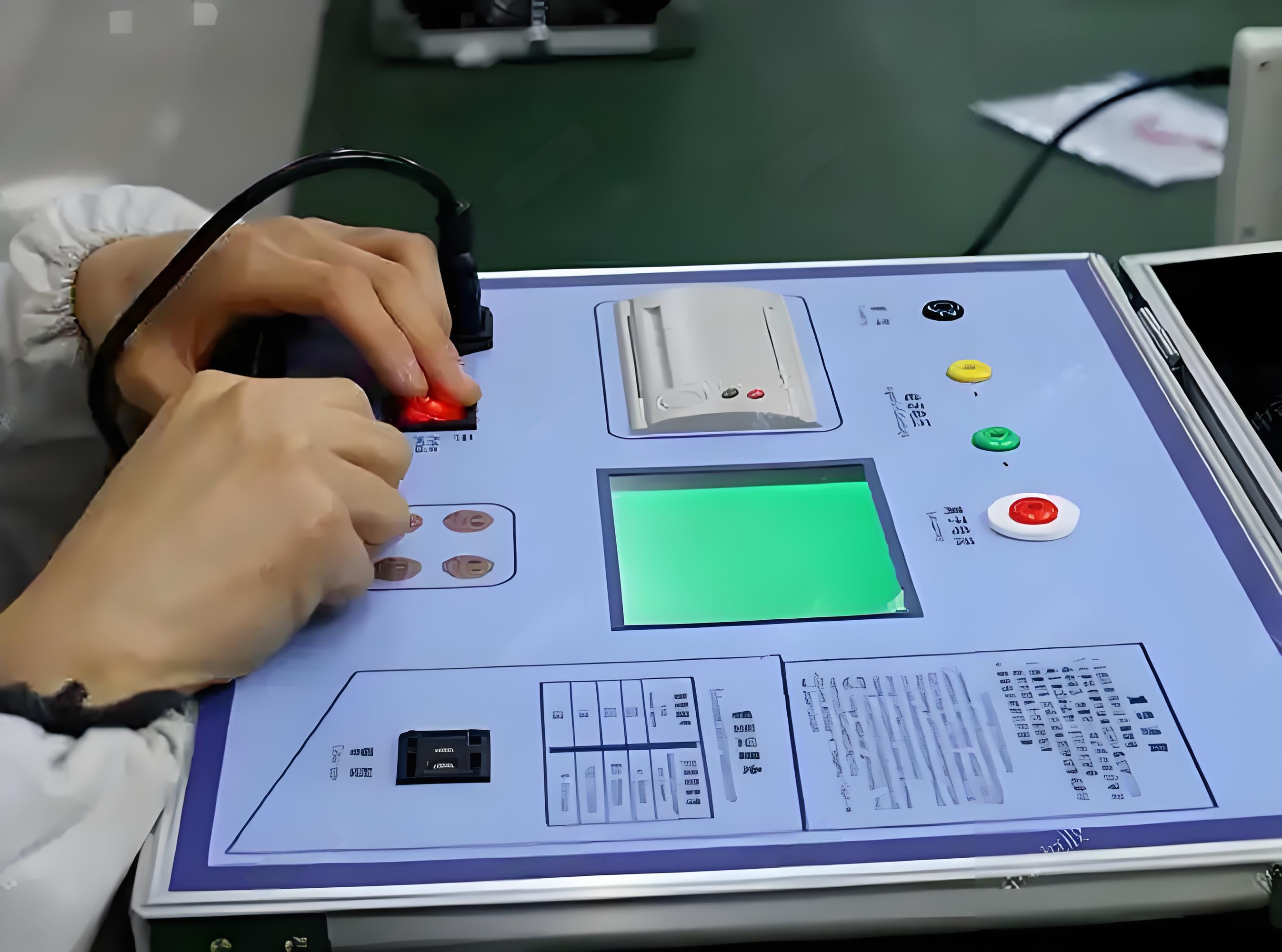
Vacuum circuit breakers (VCBs) are critical components in medium and high-voltage power systems. Their ability to safely interrupt current depends entirely on the integrity of the vacuum inside the interrupter chamber.
If the vacuum breaks down, the circuit breaker's insulation and ability to stop arcs can fail, posing serious risks to equipment and people. This guide will teach you how to check the vacuum in a Vacuum circuit breaker. We will cover both qualitative and quantitative testing methods. We’ll show you how each method works, what tools you need, and how often to test to keep your system safe.
No matter if you are an electrical engineer, maintenance manager, or equipment supplier, this article will help you. It gives you the essential knowledge to keep your VCBs operating safely and reliably.
Why Is Vacuum Checking So Important in VCBs?
The vacuum inside a circuit breaker’s arc chamber plays a vital role in extinguishing electrical arcs when the breaker opens. A high-quality vacuum prevents ionization, ensures insulation, and allows fast arc extinction. If the vacuum degrades over time, due to wear, leakage, or environmental factors, the arc may persist longer or fail to extinguish entirely, causing:
Overheating of contacts
Equipment damage
Arc flash hazards
System downtime
Regular vacuum testing helps detect such risks early and prevents costly failures.
Qualitative Methods to Check Vacuum in VCBs
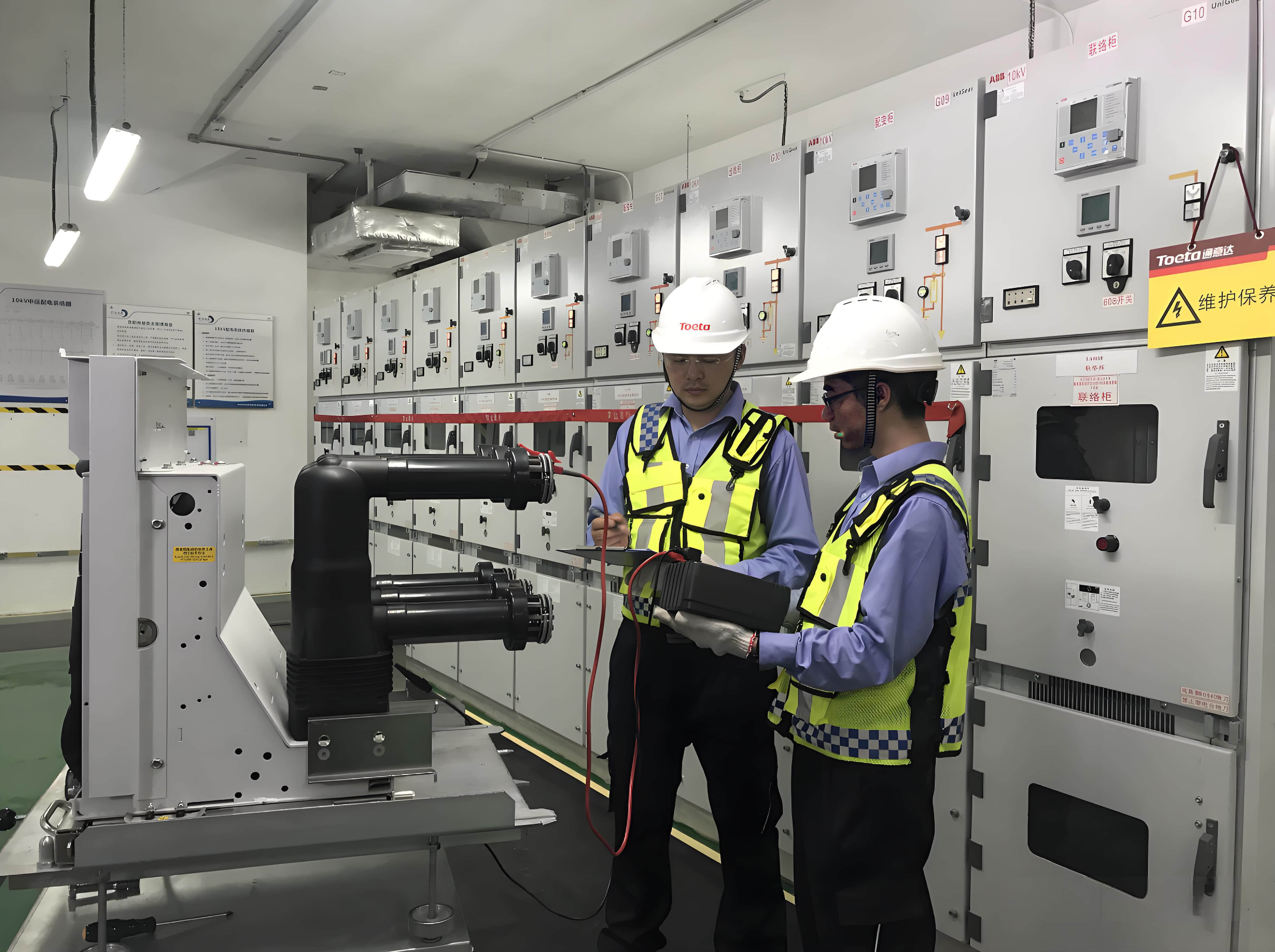
Qualitative testing methods are basic but useful for field inspections and routine maintenance. These methods don’t measure the exact vacuum level but help assess whether a vacuum interrupter is likely to be functioning correctly.
1. Power Frequency Withstand Voltage Test (HiPot)
Principle: Apply a standard test voltage (e.g., 42kV for a 10kV VCB) across open contacts in the breaker. Monitor for breakdown or excessive leakage current.
Procedure:
Gradually increase voltage at 20kV/min
Hold the voltage for at least 10 seconds
If no breakdown occurs and the leakage current stays under 5A, the unit is considered acceptable
Use Case:
Widely used in factory testing and on-site routine inspections
Simple and practical, but cannot provide exact vacuum values
2. Visual Inspection (for Glass Chambers)
Principle: Look for changes in the internal getter film on the inside wall of a glass vacuum interrupter.
Mirror-like surface: good vacuum
Milky or discolored film: Vacuum degradation is likely
Limitation:
Only applies to interrupters with visible glass envelopes
Cannot be used for metal-encapsulated interrupters
3. Spark Tester Method
Principle: Use a handheld high-frequency spark leak detector to scan the surface of the interrupter. Emitted light signals (red/blue glow) may indicate vacuum failure.
Note:
This method is semi-qualitative
Best suited for glass-type vacuum interrupters
Results are indicative, not precise
Quantitative Methods to Measure Vacuum in VCBs
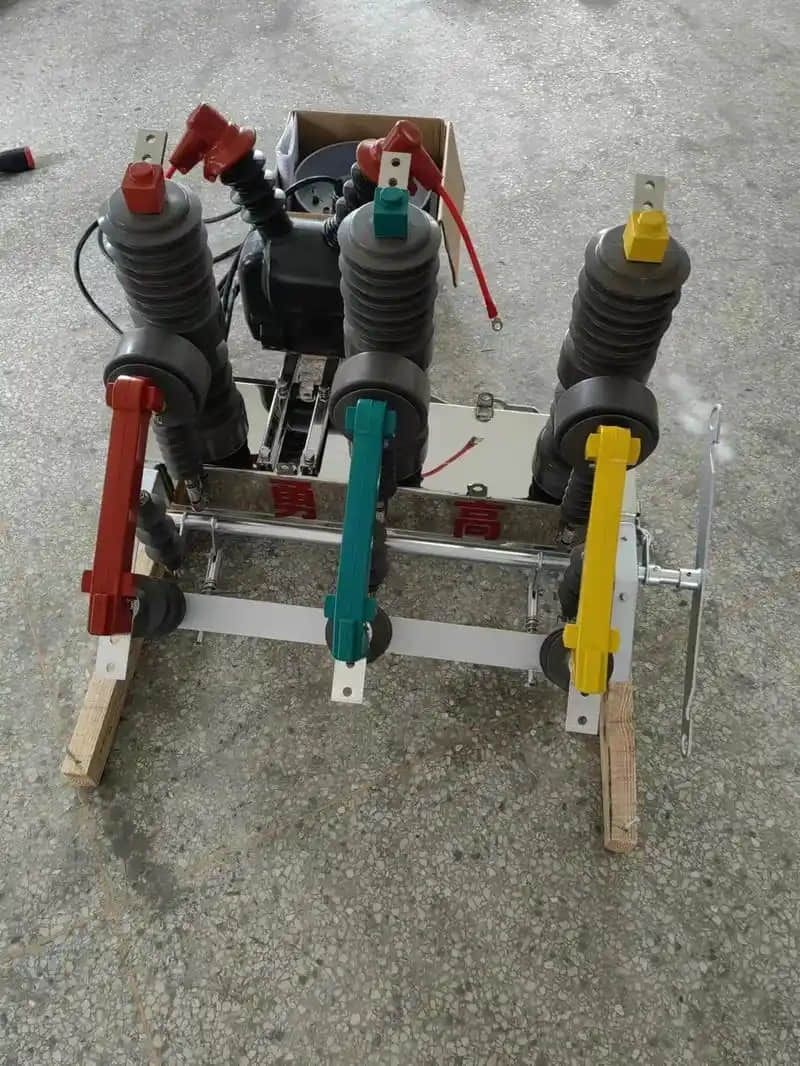
Quantitative testing methods provide measurable data on vacuum pressure inside the interrupter, allowing accurate assessment and maintenance decisions.
1. Magnetic Field Discharge Method
Principle: Apply a high-voltage pulse and synchronize it with a magnetic field to create a spiral motion of electrons in the interrupter. The resulting ionization current correlates with vacuum level.
Procedure:
Open the VCB contacts to the rated distance
Apply a pulse voltage (~30kV) and magnetic field (~400V)
Measure the ionization current and calculate the vacuum level from standard curves
Advantages:
Non-destructive
High accuracy
Suitable for on-site or laboratory use
Equipment Needed:
Magnetic discharge vacuum tester
Pulse high-voltage generator
Magnetic control coils
2. Vacuum Degree Tester (Direct Reading Device)
Function: These portable testers use electric field sensors or ionization detection to directly display the vacuum level, often in Pascal (Pa).
Standards:
Acceptable vacuum: ≤ 0.066 Pa
Must replace vacuum interrupter if vacuum ≥ 0.6 Pa
Applications:
Periodic monitoring during scheduled maintenance
Post-overhaul acceptance tests
Quick diagnostics for suspected degradation
Tip: Always use a tester that matches your interrupter model and rated voltage.
Other Auxiliary Methods
Though less commonly used in field environments, the following methods provide supplemental diagnostic insights:
1. Coupling Capacitor and Electro-Optical Transformation
These techniques allow real-time, online monitoring of vacuum conditions but require specialized equipment and complex setups, making them less practical for standard maintenance tasks.
2. Observing Arc Behavior
When switching high loads, if the arc:
Appears bright white or blue
Fails to extinguish quickly
Produces unusual noise
…it may indicate that the vacuum inside the chamber is deteriorating. While not a definitive test, this real-world observation can guide further diagnostics.
Vacuum Testing Standards and Recommended Intervals
National Standards:
New vacuum interrupters: Vacuum should be ≤ 7.5 × 10⁴ Pa
In-service interrupters: Acceptable limit is ≤ 1.33 × 10² Pa
Testing Frequency:
Routine maintenance: Use a power frequency withstand test or visual methods
When the vacuum is borderline, use a quantitative tester for confirmation
High-risk environments: Test more frequently, possibly annually
Safety Considerations During Testing
Distance: Always maintain a safe distance (≥1 meter) from live parts during high-voltage testing
Connections: Ensure all magnetic coils and test leads are securely connected
Calibration: Regularly calibrate your test instruments to guarantee accurate results
Training: Only trained personnel should operate the vacuum test equipment
Neglecting safety protocols can result in injury or damage to equipment.
Conclusion: Keep Your VCBs Safe with Proper Vacuum Testing
Vacuum circuit breakers are only as reliable as the vacuum inside their arc chambers. Over time, this vacuum can degrade, silently increasing the risk of arc failure and system faults. That’s why it’s essential to regularly check the vacuum level—both qualitatively and quantitatively—using appropriate methods and tools.
By integrating scheduled vacuum testing into your maintenance plan, you can extend equipment life, reduce downtime, and enhance system safety.
📞 Need help choosing the right vacuum testing tools or maintenance strategy?
Contact our engineering team today for expert advice and custom VCB testing solutions.
I’m Thor from Wei Shoe Elec. By choosing the right tools, you’ll protect your team, meet standards, and cut costs. I hope this guide helps you tackle power safety challenges with ease. Need help picking the perfect equipment? Reach out to us at Wei Shoe Elec (Phone: +86-0577-62788197, Email: [email protected]) for a free consultation. Feel free to share this article, but please credit Wei Shoe Elec as the source. Let’s keep your power systems safe and strong!