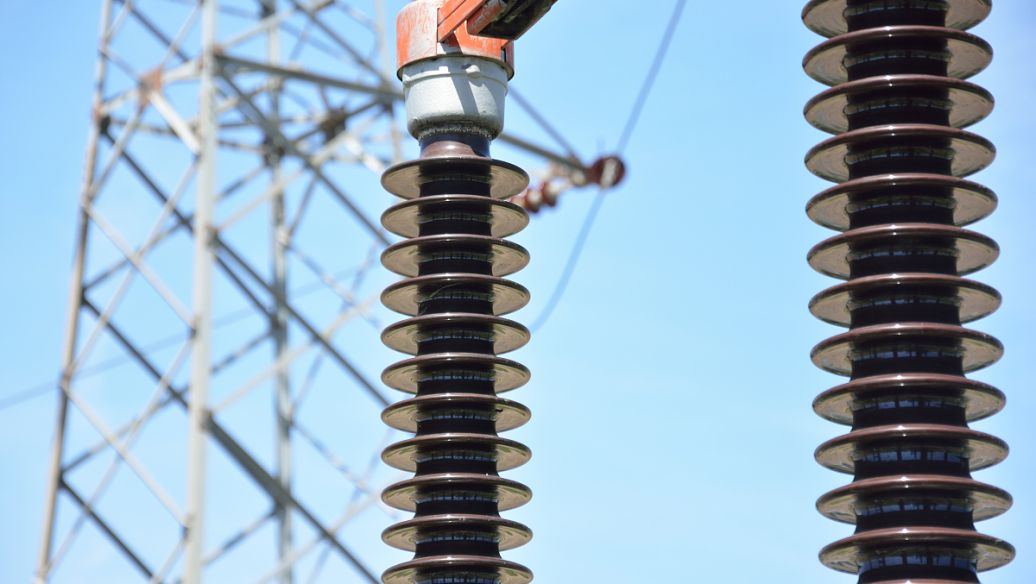
High-voltage insulators keep people safe. They stop electricity from leaving the power lines. These devices help prevent electrical problems. They make sure power travels safely over long distances. People depend on them for electrical isolation. They also give mechanical support. Insulators protect against sudden voltage surges. If you pick and place insulators carefully, you lower the chance of flashovers. Pollution, humidity, or temperature can cause flashovers.
Smart insulator shapes help with pollution problems.
Flashovers often occur because the weather outside changes.
Selecting the right insulators helps power networks function efficiently.
Key Takeaways
High-voltage insulators keep electricity inside power lines. This helps keep people safe and stops leaks. They give support by holding up wires. They help wires stay up during wind, ice, and other strong forces. Insulators protect against too much voltage. This stops damage from surges during storms or when equipment breaks. There are different types of insulators. Pin, suspension, and composite insulators work for certain voltages and places. People check and clean insulators often. This helps find damage early and keeps the system working well. Picking the right insulator for the voltage and weather is very important for safety. New materials and technology make insulators work better. They also help the environment. Following safety rules for high voltage insulators keeps workers and the public safe.
Essential Functions
Electrical Isolation
You need high-voltage insulators to keep electricity inside power lines. These devices stop current from escaping. They use different smart ways to do this job. The table below explains how each part helps keep you safe:
Mechanism | Description |
|---|---|
High Dielectric Strength | The insulator blocks electricity, even when the voltage is very high. |
Weather Resistance | It works well in rain, snow, and sun, so it keeps doing its job in any weather. |
Mechanical Strength | The insulator is tough and does not break when it is under pressure. |
Creepage Distance | Its long, twisty surface stops electricity from moving along the outside, even if the air is dirty or wet. |
Hydrophobic Surface Materials | Water slides off the surface, so electricity cannot use water to escape. |
Pollution Performance | The insulator fights off dirt and pollution, which could let electricity leak if not stopped. |
A high-voltage insulator uses these features to stop dangerous leaks. This makes power lines safer and helps prevent blackouts.
Mechanical Support
Power lines must stay up, even when the weather is bad. High-voltage insulators do more than block electricity. They also hold up the wires. Here is what they do:
They carry the weight of the wires and keep them steady.
They stand strong against wind, ice, and storms.
Their solid shape keeps wires in place, even if the line bends or pulls.
When you pick the right insulator, your power lines stay strong. They do not sag or break. This keeps electricity going to homes and businesses.
Overvoltage Protection
Sometimes, a big surge of electricity hits the power lines. This can happen during lightning or when equipment breaks. You need to stop these spikes. High-voltage insulators help by blocking the surge from jumping to the ground or other things. They keep electricity inside the wires. This helps prevent fires, damage, and blackouts.
Tip: Always look at your insulators for cracks or dirt. Clean or change them when needed to keep your power network safe.
These three jobs—electrical isolation, mechanical support, and overvoltage protection—work together. They help you send electricity safely and reliably, even when the weather or environment changes.
High Voltage Insulator Types
Pin Type
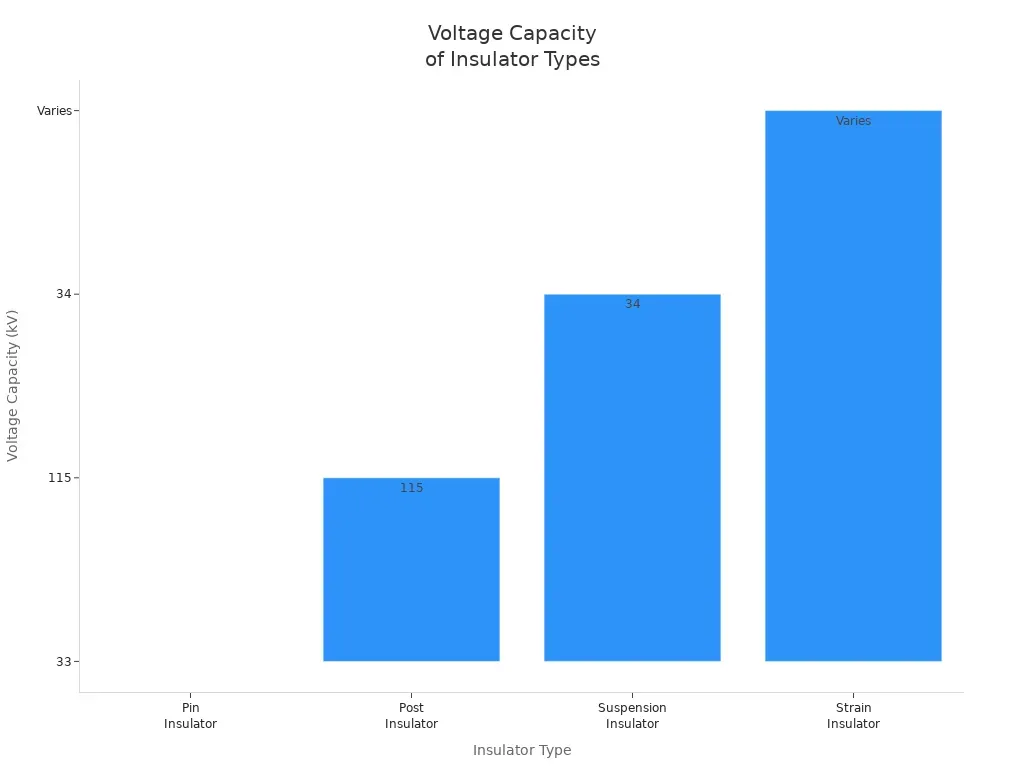
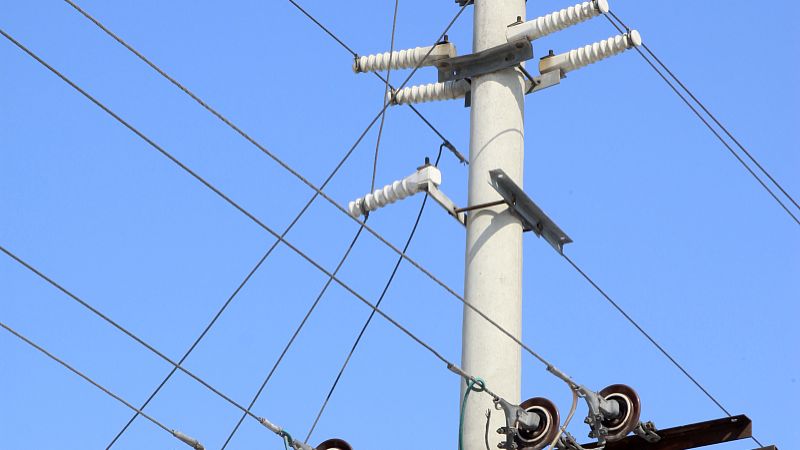
Pin-type insulators are common on power lines. They sit on top of poles and hold wires tightly. You use them for voltages up to 33 kV. Their design is simple and easy to understand. You put them right on a pin that is fixed to the pole. Their shape helps stop electricity from leaking out. People use them where the voltage is not very high.
Insulator Type | Voltage Capacity | Description |
|---|---|---|
Pin Insulator | Up to 33 kV | Mounted on a pin, used for the transmission and distribution of signals and electric power. |
Pin-type insulators work best in dry places. You should check them often for cracks or dirt. If you see damage, you need to change them fast.
Note: Pin type insulators are simple to put in place. They are good for short distances and low voltage lines.
Suspension Type
Suspension-type insulators are for higher voltages. These insulators hang down from towers and hold up wires. Each one looks like a round disc made of glass or porcelain. You can join many discs together for more voltage. Suspension insulators are used for voltages over 33 kV. You see them on long power lines.
Insulator Type | Voltage Capacity | Description |
|---|---|---|
Suspension Insulator | Greater than 33 kV | Composed of glass or porcelain discs, used for high voltage applications, suspended from towers. |
Suspension insulators let you change to different voltages. You add more discs if you need to. They also handle strong wind and ice.
You can swap out one disc if it breaks.
You use them for long spaces between towers.
Strain Type
Strain-type insulators help keep wires tight and safe. You use them where the line turns or ends. These insulators stop wires from snapping. Strain insulators can be cap-and-pin or shackle types. You see them at the end of lines or sharp turns.
Insulator Type | Voltage Capacity | Description |
|---|---|---|
Strain Insulator | Varies | Used at dead-end poles to withstand lateral tension, can be cap-and-pin or shackle types. |
Strain-type insulators protect wires from strong pulls. You need them to keep wires safe in storms or strong winds.
Tip: Always look at strain insulators for damage. Change them if you see any problems.
You pick the right high voltage insulator by looking at voltage, place, and what the wires need. Each type helps keep your power network safe and working well.
Post Type
Post-type insulators help keep power lines steady. You see them standing upright on poles and structures. These insulators work for medium and high voltage systems. You use them when you need strong support and electrical isolation.
Post-type insulators have a thick, solid body. They can hold heavy loads and stand up to strong winds. You find them where wires must stay in place. Their design lets you use them for voltages up to 765 kV. You can stack them to reach higher voltages.
Key features of post-type insulators:
You get strong mechanical strength for heavy wires.
You see good resistance to weather and pollution.
You can install them on flat or upright surfaces.
You use them for bus bars, switches, and transformer links.
Feature | Benefit |
|---|---|
Solid construction | Handles heavy loads and strong forces |
Tall shape | Increases creepage distance |
Easy installation | Saves time during setup |
Pollution resistance | Works well in dirty or industrial areas |
Tip: Check post type insulators often for cracks or chips. Replace any damaged ones to keep your system safe.
Post-type insulators help keep substations and switchyards safe. You depend on them for mechanical support and electrical isolation.
Composite Type
Composite-type insulators use new materials for better performance. You see them made from silicone rubber, fiberglass, and polymer. These materials make the insulators light and strong. You use composite insulators for overhead lines, substations, and railways.
Composite insulators resist water and pollution. Their hydrophobic surface keeps water from sticking. You get less risk of flashover in rain or fog. The lightweight makes installation easier and safer. You can use them in places with lots of pollution or bad weather.
Advantages of composite-type insulators:
You get high voltage handling with less weight.
You see strong resistance to UV rays and chemicals.
You need less cleaning because dirt does not stick easily.
You can use them in areas with heavy rain, snow, or dust.
Type | Material | Main Use | Voltage Range |
|---|---|---|---|
Composite | Silicone rubber, fiberglass | Overhead lines, substations | Up to 800 kV |
Note: Composite insulators last longer in tough places. You save money on repairs and replacements.
You pick composite type insulators for high voltage insulator performance and easy handling. These insulators help keep power networks safe and reliable.
Safety Features
Preventing Leakage
You need high-voltage insulators to keep electricity inside wires. If electricity gets out, it can be very dangerous. Insulators have special shapes and surfaces to help. These features keep the current from escaping. You can see these features in the table below:
Purpose | |
|---|---|
Dielectric Strength | Handles high voltages and stops current from leaking. |
Resistance to Contamination | Works well even with dirt or pollution. |
Creepage Distance | Has enough surface length to stop arcing. |
Surface Design | Keeps dirt away and helps the insulator stay clean. |
A longer creepage distance helps block electricity from reaching the ground. A strong surface design also helps stop leaks. If you pick insulators with these features, you lower the risk of electrical problems. You keep people and equipment safe near power lines.
Tip: Clean insulators work best. Check for dirt or cracks often. Clean them to keep your system safe.
Avoiding Short Circuits
Short circuits can cause blackouts and damage equipment. High-voltage insulators keep wires apart. They stop electricity from jumping between wires. Good insulation coordination helps avoid big problems in power networks. Here are some important facts:
You lower the chance of failures during voltage surges.
You make your transmission system more reliable.
You stop large blackouts and keep power moving.
If you know the risks and use the right insulators, your power network stays safer. Electricity goes where it should. You avoid expensive repairs.
Public and Worker Protection
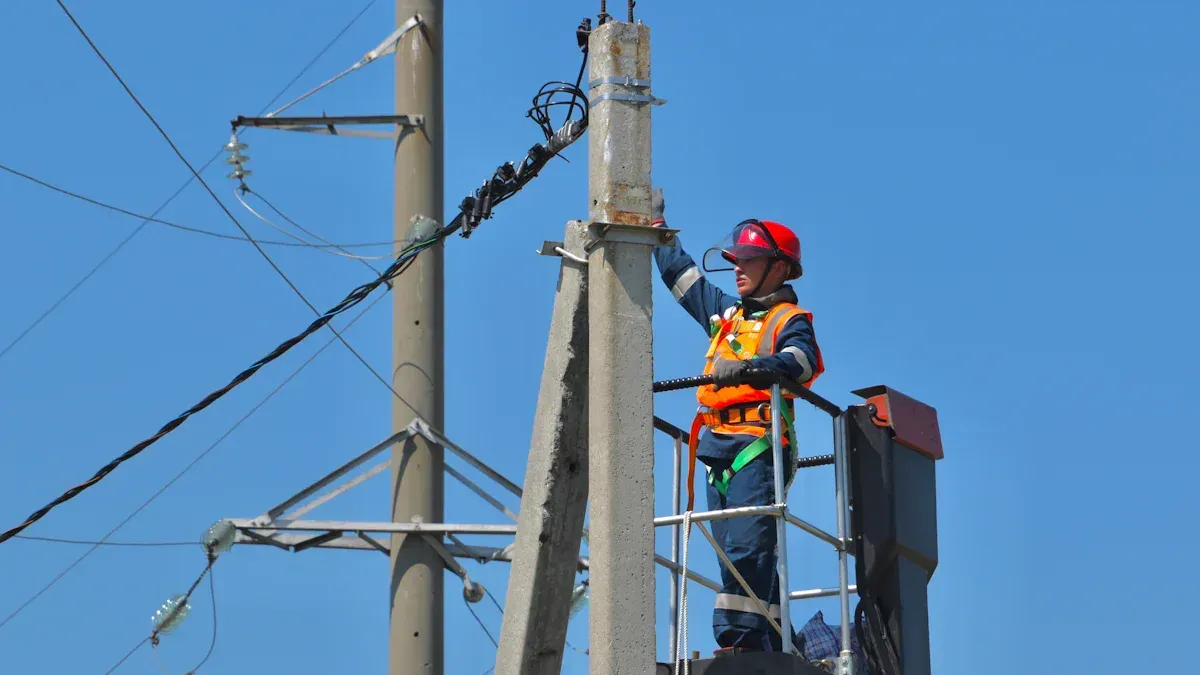
Safety is important for everyone near power lines. You must follow strict rules to protect workers and the public. These rules tell you how to work safely around high-voltage insulators and wires. The table below shows some important regulations:
Regulation | Description |
|---|---|
§2941 | Sets safety rules for work near overhead high voltage lines. |
Insulator Access | Needs safe equipment for reaching insulators. Climbing is only allowed sometimes. |
Inspection | Requires checking poles and structures before climbing. |
Working on Energized Conductors | Needs insulating gloves and special steps for energized equipment. |
You must stay far away from energized lines. If you are not qualified, keep at least 10 feet away from lines up to 50kV. If you are qualified, use insulating gear when working close to energized parts.
Unqualified people keep a 10-foot distance from energized lines.
Qualified people use proper insulation and protective gear.
You keep yourself and others safe by following these rules. High-voltage insulators do their job and protect everyone.
Performance Factors
Durability
You want your power network to last a long time. The durability of each high-voltage insulator depends on its material. Some materials do better in bad weather and pollution. They also handle stress from wind or weight. Borosilicate glass is very strong and resists electricity well. Ceramic insulators work fine, but are not as strong as glass. Composite insulators are light and easy to use. But they might not last as long in rough places.
Material Type | Key Properties |
|---|---|
Borosilicate Glass | Superior mechanical strength, electrical resistance, and environmental resilience |
Ceramic Insulators | Generally, lower mechanical strength compared to glass |
Varies, but often less durable than glass in high-stress environments |
You should check your insulators often for cracks or dirt. Clean or change any that are damaged right away. Picking the right material helps your system stay safe and strong for years.
Tip: Use borosilicate glass in places with bad weather or lots of pollution. It gives you the best durability.
High Voltage Handling
Insulators must handle very high voltages without breaking. When the voltage is high, the insulator needs to withstand stress and keep working. Things like temperature changes and pollution can make this hard. If you ignore these problems, your system could fail.
Temperature changes can hurt the insulator.
Pollution can make the surface dirty and let electricity escape.
Checking and cleaning insulators keeps them working well.
Insulators with low thermal conductivity stop heat from moving through them. Good dielectric strength helps them block electricity from breaking through. Strong insulators can survive storms and hot days.
Glass blocks current flow because it resists electricity.
Longer creepage distance helps stop flashovers.
Smooth surfaces keep dust and dirt away.
If you use good insulators and keep them clean, your network stays safe from surges and blackouts.
Reducing Power Loss
You want your power network to work well and not waste energy. High-voltage insulators help by stopping electricity from leaking out. Using new materials and designs can make them work better, but it costs more. Putting in these insulators needs skilled workers and special tools. Some places may not use advanced insulators because they cost too much.
New insulators cost more because of special materials.
Skilled workers and safety rules make projects cost more.
Composite and polymer insulators need more money than the old types.
If you spend more on better insulators, you lose less power and fix things less often. You need to think about both cost and performance to keep your system working well.
Note: Check and clean your insulators often. This helps stop power loss and keeps your network running smoothly.
Selection Criteria
Voltage Requirements
You need to check the voltage rating first. This shows how much electricity the insulator can handle. If you pick one with a low rating, it might break. Flashovers and power loss can happen if the rating is too low. You should also look at the mechanical strength and the materials. These help the insulator last longer and stay strong. Make sure the insulator fits your circuit breaker. If it does not fit, your system may not work.
Here are the main things to check for voltage needs:
1. Make sure the voltage rating matches your system.
2. Check the mechanical strength and the materials.
3. See if the insulator fits your circuit breaker’s design.
Tip: Always match the voltage rating to your network’s highest voltage. This helps stop electrical faults.
Environmental Conditions
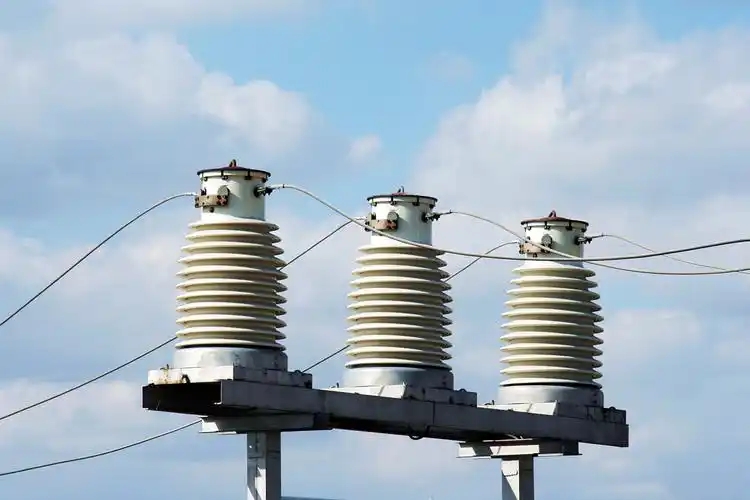
Where you put the insulator changes how well it works. Humidity, pollution, and temperature can cause problems. If the air is humid, water can collect on the insulator. This makes it easier for electricity to leak. Pollution adds dirt and chemicals to the surface. This increases leakage current. When it gets cold and dew forms, you get more condensation. This also raises the risk of electrical problems.
You can see how conditions affect insulator performance in the table:
Environmental Condition | Effect on Insulator Performance |
|---|---|
Humidity (Condensation) | Makes the insulator surface conduct electricity more, causing leaks. |
Pollution (Contamination) | Dirt and chemicals make the surface conduct more, causing leaks. |
Temperature (Dew Point) | Dew forms when it gets cold, making the surface conduct more. |
If you work in a place with lots of pollution or moisture, pick insulators with longer creepage distances and hydrophobic surfaces. These features help block leaks and keep your system safe.
Mechanical Strength
Insulators must handle strong forces. Power lines face wind, ice, and heavy wires. If the insulator breaks, the line can fall and be dangerous. You need to check that your insulator meets the right standards for strength and weather resistance.
Here are two main standards for mechanical strength:
Standard | Description |
|---|---|
Covers strength and weather resistance | |
IEEE C29 | Addresses mechanical strength standards |
When you pick an insulator, look for these standards on the label or in the product details. This helps you know the insulator will last and keep your network safe.
Note: Always check mechanical strength before you install a new insulator. Strong insulators help stop accidents and keep your power lines working.
Maintenance Needs
When you pick high-voltage insulators, think about how easy they are to take care of. Good care keeps your power network safe and working well. If you skip maintenance, you could have blackouts or broken equipment. This can also be dangerous for people.
You should look at the insulators often for dirt or cracks. Pollution, rain, and dust can build up on them. These things make it easier for electricity to leak out. You need to clean insulators to stop flashovers and keep the system strong.
Key maintenance tasks include:
Checking for cracks, chips, or signs of getting old
Cleaning off dirt, salt, and pollution from surfaces
Looking for loose parts or broken pieces
Changing damaged insulators right away
You can use this table to see how each insulator type changes how often you need to do maintenance:
Insulator Type | Maintenance Frequency | Common Issues | Cleaning Method |
|---|---|---|---|
Glass | Low | Cracks, chips | Water spray, brushing |
Ceramic | Medium | Surface dirt, breakage | Water spray, brushing |
Composite | Low | UV damage, pollution | Water spray, gentle wipe |
Tip: Make a regular plan for checking insulators. This helps you find problems early and avoid big repairs.
If you work where there is a lot of pollution or moisture, you need to clean insulators more often. You might use special coatings or hydrophobic materials to help cleaning. These features help keep water and dirt off the surface.
You should also think about how easy it is to change insulators. Some types, like suspension insulators, let you change one disc without taking down the whole line. This saves time and money. Composite insulators are light and easy to move, so you can put them in or swap them out fast.
Maintenance checklist for high voltage insulators:
1. Check for damage every month.
2. Clean surfaces after storms or lots of dirt.
3. Tighten parts and check supports two times a year.
4. Change any insulator that looks worn out.
If you do these steps, your power network stays safe and works well. You lower the chance of accidents and losing power. Good care helps your insulators last longer and do their job better.
Note: Always wear safety gear when you check or clean insulators. This keeps you safe and helps the system run smoothly.
Challenges and Innovations
Environmental Impact
High-voltage insulators can hurt the environment. Making and throwing away insulators creates waste. Materials like epoxy, silicone, and porcelain add to this waste. Many countries have rules for handling insulator waste. The European Parliament wants people to recycle old insulators. They do not want insulators to go to landfills. You can recycle insulators in different ways. These ways include primary, secondary, tertiary, and quaternary recycling. Each way helps reuse resources and protect nature. Picking better recycling methods makes power networks greener.
Aging and Degradation
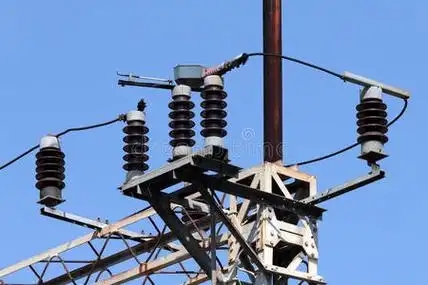
High-voltage insulators get old over time. Bad weather, pollution, and sunlight make them age faster. Ultraviolet light, humidity, and temperature changes cause most aging. These things break down the insulator’s material. The surface can turn chalky or get damaged. Pollution and UV rays make tiny holes in the insulator. The insulator loses its ability to keep water away. When this happens, it gets weaker and less safe.
The table below shows how the environment speeds up damage:
Mechanism of Degradation | Description |
|---|---|
Accumulation of Contaminants | Causes electrical discharges and hurts the insulator’s surface. |
Environmental Pollution | Comes from places near the sea, factories, and bad weather. |
Types of Electrical Discharge | Includes corona, partial discharge, and dry band arcing, which cause harm. |
Chemical Products | Ozone, nitrogen dioxide, and nitric acid form and break down the material. |
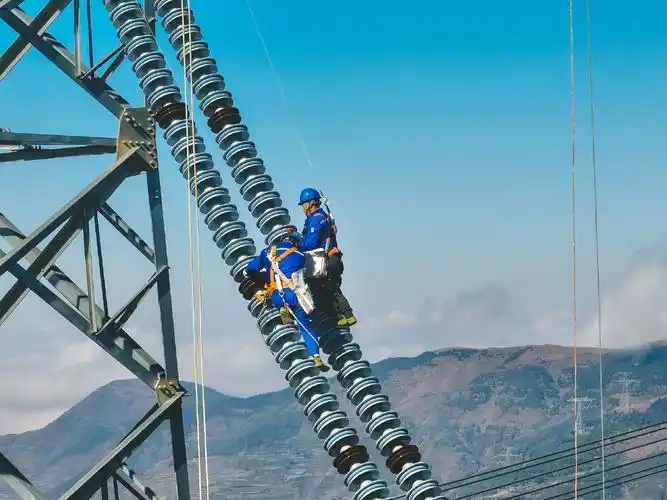
You should check insulators often. Regular checks help you find cracks or dirt before big problems happen.
Defect Detection
Finding problems early keeps power networks safe. New technology helps spot defects in high-voltage insulators. Drones can fly along power lines and take pictures. Deep learning looks at these pictures for cracks or dirt. This works well in hard places or busy backgrounds. Using these tools saves time and makes things safer.
New ideas also help insulators last longer. Here are some new advances:
Advanced materials, like polymeric insulators, last longer and work better.
Self-healing insulators fix small damage by themselves, so you spend less on repairs.
Smart insulation systems use sensors to give updates about the insulator’s health.
Better testing and diagnostics help you find faults early and keep power flowing.
You also face problems like mechanical stress, pollution, earthquakes, lightning, and strict rules. Using new materials and smart systems helps insulators last longer and work better.
High-voltage insulators help keep power lines safe and working well.
Strong insulators stop leaks, short circuits, and failures.
They hold up the wires and block unwanted electricity.
This helps your network run smoothly.
Practice | Why It Matters |
|---|---|
Regular inspections | Spot problems early |
Cleaning and coatings | Help insulators last longer |
Preventive maintenance | Save money and stop failures |
New shapes and smart materials will help insulators last longer. You will see greener choices and better results as power networks get bigger and change.
FAQ
What is the main job of a high-voltage insulator?
A high-voltage insulator keeps electricity inside wires. It stops current from leaking out. It also holds up wires and keeps them safe. Weather and pollution cannot hurt the wires because of the insulator.
How do you know when to replace an insulator?
Check the insulator for cracks, chips, or dirt. If you see damage or it looks old, replace it. Checking often helps you find problems early.
Why do insulators have special shapes?
Special shapes make the surface path longer. This helps stop electricity from leaking out. Even if the air is dirty or wet, the shape helps. Water runs off the surface more easily.
Can you use the same insulator everywhere?
No, you need a different insulator for each place. Think about voltage, weather, and pollution before you choose. Some insulators work better in wet or dirty places. Others are best for dry areas.
What happens if an insulator fails?
If an insulator fails, electricity can leak or jump to the ground. This can cause blackouts, fires, or damage to equipment. You keep your network safe by checking and replacing bad insulators.
How do you clean high-voltage insulators?
Use water spray, brushing, or gentle wipes to clean them. Always turn off the power first. Wear safety gear to protect yourself. Clean insulators work better and last longer.
Are composite insulators better than ceramic ones?
Composite insulators are lighter and resist water and pollution well. Ceramic insulators are strong but heavier. Pick the type that fits your needs and the environment.
Tip: Always follow safety rules near high voltage insulators. This keeps you and others safe.