
Previous
Next
Composite Suspension Insulator for 66–220kV HV Lines
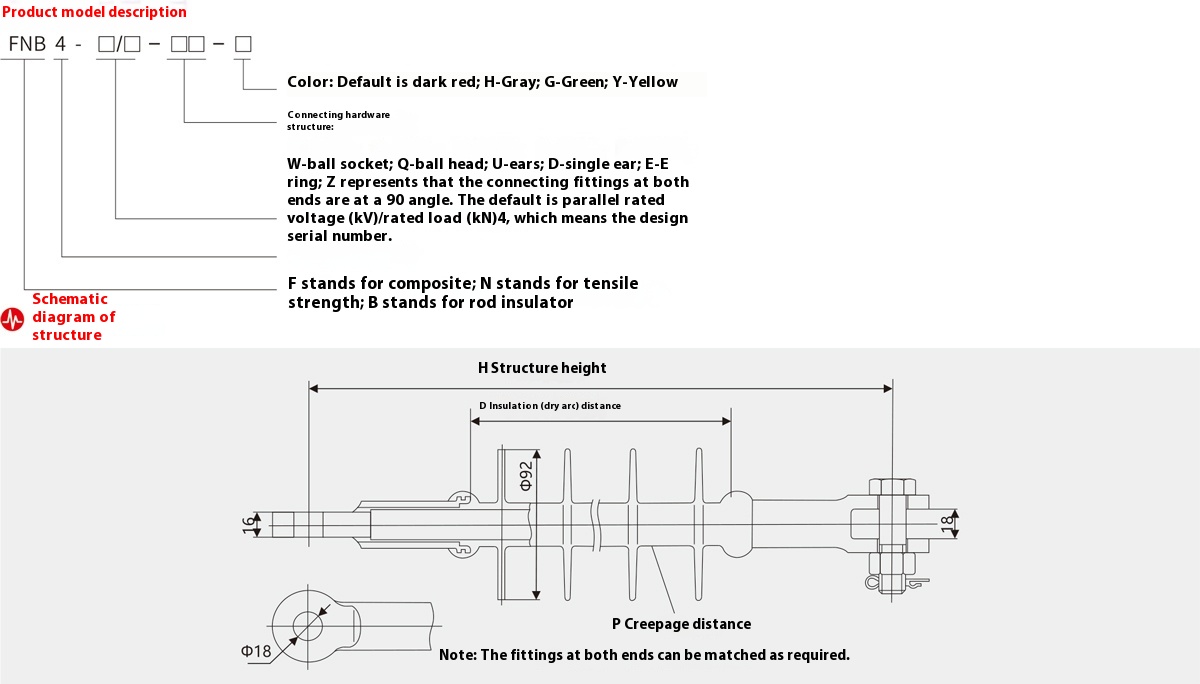
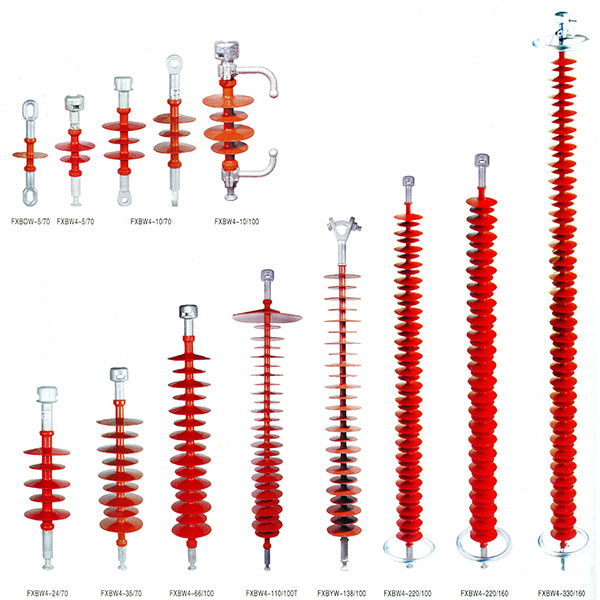
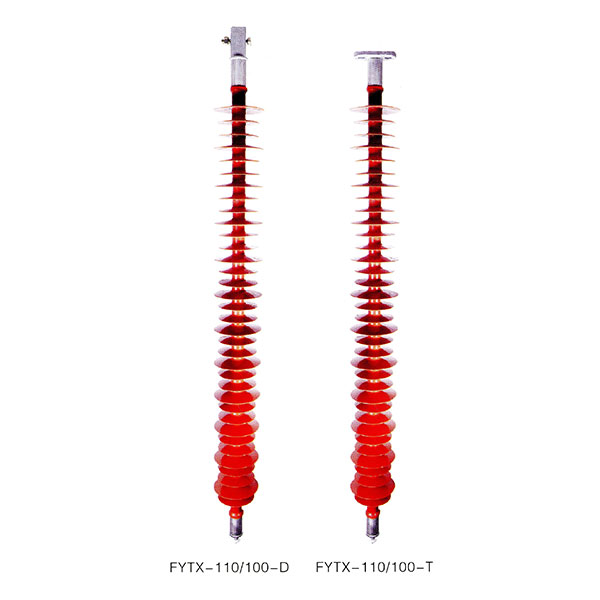
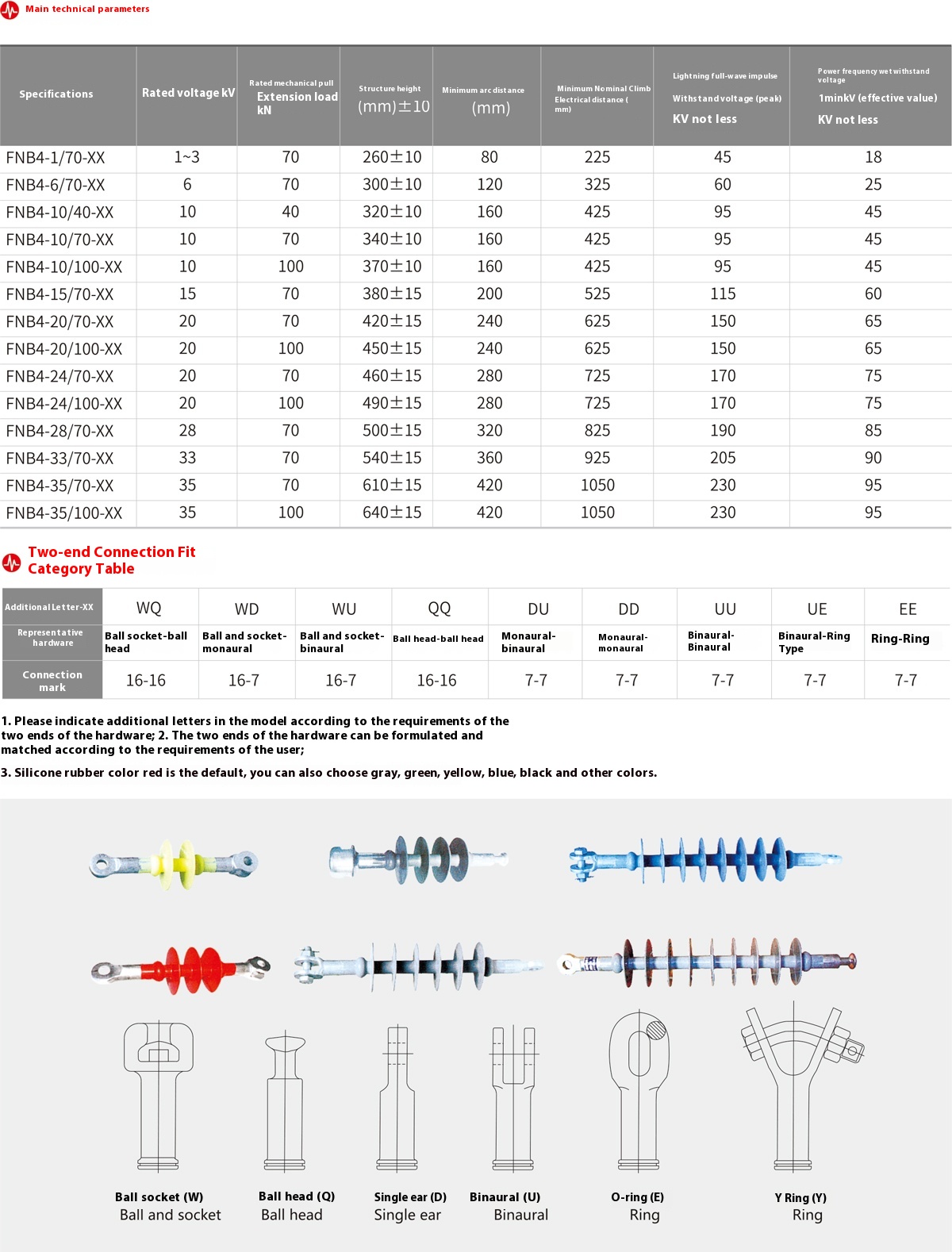
The composite suspension insulator is a high-performance insulating component used in overhead high-voltage power transmission lines. It consists of a fiberglass core rod, HTV silicone rubber housing, and metal end fittings. Designed to replace traditional ceramic or glass types, it offers lighter weight, pollution resistance, and superior hydrophobicity.
🔧 Product Overview
Made from epoxy resin core rods and high-temperature vulcanized silicone rubber, this insulator resists mechanical stress and environmental aging. It is ideal for HVAC and HVDC lines from 66kV up to 220kV, in both polluted and coastal zones.
Core Advantages:
Anti-pollution & self-cleaning surface
High mechanical tensile strength
Excellent anti-aging, UV, and ozone resistance
Up to 30% lighter than porcelain/glass
Maintenance-free and easy to install
📐 Technical Specifications
| Parameter | Typical Value |
|---|---|
| Rated Voltage | 66kV / 110kV / 220kV |
| Mechanical Failing Load (SML) | 70kN / 100kN / 160kN |
| Creepage Distance | ≥ 25 mm/kV |
| Housing Material | HTV Silicone Rubber |
| Core Material | Fiberglass Epoxy Rod |
| End Fitting Type | Ball & Socket / Clevis |
| Standard Compliance | IEC 61109 / ANSI C29.13 |
| Operating Temperature | -40°C ~ +55°C |
🌍 Application Scenarios
High-voltage transmission lines (66–220kV)
Coastal and heavily polluted areas
Mountainous long-span line projects
Substation busbar insulation
Renewable energy transmission corridors (wind/solar)
📊 Case Study: Egypt National Grid Expansion (2022)
In 2022, composite suspension insulators were used in the 220kV Helwan–Asyut transmission project to improve line reliability in desert and salt-fog areas.
Results:
Replaced 15,000 ceramic units
Weight reduction led to faster tower installation
Performance remained stable in 45°C ambient with heavy dust exposure
Source: Egypt Electricity Transmission Company (2022)
🛠 Installation Tips
Clean end fittings and apply anti-seize grease before connection
Match ball/socket or clevis type to tower hardware
Use tension clamps rated ≥ SML (specified mechanical load)
Inspect housing for damage before energizing
Store away from direct sunlight and high humidity if unused
❓ Frequently Asked Questions (FAQ)
1. How does composite compare to porcelain insulators?
Composite insulators are lighter, resistant to breakage, and better in polluted or coastal zones.
2. Can it handle flashover risk in polluted zones?
Yes, silicone surface offers natural self-cleaning and low leakage current.
3. What’s the service life of this insulator?
Typically 20–30 years under normal operating conditions.
4. What standards are met?
Fully compliant with IEC 61109, ANSI C29.13, and IEEE 987-2006.
5. Is it suitable for retrofitting old towers?
Yes. End fittings can be matched or adapted with hardware kits.
📞 Contact for Drawings, Testing Reports, or OEM Orders
Let us assist you with engineering support, type test certificates, and customization.
Engineer: Thor
Company: Wei Shoe Elec
Phone: +86-0577-62788197
WhatsApp: +86 159 5777 0984
Email: [email protected]
We serve utilities, EPC contractors, and renewable energy transmission partners.
Contact Us
Related Products