Are you unsure if your current medium-voltage protection is truly up to the task?
Choosing the right switchgear is critical for both personnel safety and system longevity. In fact, deploying a high-quality 15 kv vacuum circuit breaker can be the difference between seamless operation and costly, unexpected downtime.
In this guide, you’re going to learn exactly how these breakers operate, why they offer superior arc quenching capabilities, and how to select the perfect specifications for your facility’s needs.
Let’s dive in.
Overview of 15 kV Vacuum Circuit Breakers
What is a 15 kV Vacuum Circuit Breaker?
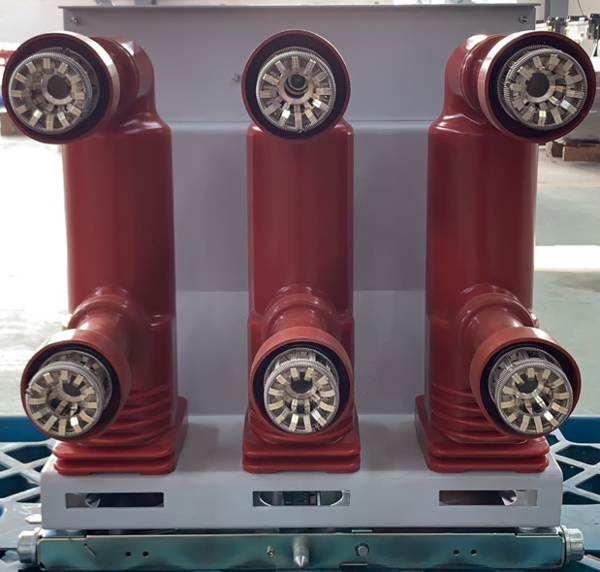
A 15 kV vacuum circuit breaker (VCB) is a critical component in medium voltage electrical systems, designed to control and protect electrical equipment in power grids. At Weisho Electric, our vacuum circuit breakers, such as the VS1 (ZN63A) and ZN85 series, are engineered to handle the rigorous demands of distribution networks that operate within the 15 kV class. These devices serve as the primary defense mechanism, capable of closing, carrying, and breaking currents under normal circuit conditions, as well as interrupting fault current during abnormal conditions like short circuits.
Our VCBs are available in both indoor and outdoor configurations, often integrated into switchgear cabinets. They utilize advanced insulation techniques, including epoxy resin poles (solid insulation) or air insulation, ensuring stable operation in diverse environments ranging from industrial plants to utility substations.
Core Working Principle and Vacuum Interruption
The fundamental operation of our circuit breakers relies on the high dielectric strength of a vacuum interrupter. When a fault is detected or a switching command is issued, the operating mechanism—typically a robust spring mechanism or a permanent magnet system—rapidly separates the moving and fixed contacts.
Arc Quenching: As the contacts separate, a metal vapor arc is generated. However, within the vacuum chamber, the arc diffuses rapidly and is extinguished at the first current zero-crossing.
Dielectric Recovery: The vacuum gap recovers its dielectric strength almost instantly, effectively breaking the circuit and preventing re-ignition.
Mechanism Stability: Our designs feature modular mechanisms integrated with the breaker body, reducing transmission links and ensuring a maintenance-free lifecycle with high mechanical endurance (up to 30,000 cycles).
Role in Medium Voltage Power Distribution
In utility distribution and industrial infrastructure, the 15 kV vacuum circuit breaker acts as the central guardian of the power system. Its primary role is to isolate faulty sections of the network to prevent damage to expensive equipment like transformers and generators, while maintaining power continuity for the rest of the grid.
Key functions include:
Over Current Protection: Automatically disconnecting circuits during overload conditions to prevent thermal damage.
Short Circuit Interruption: Safely handling massive energy surges during faults, with breaking capacities reaching up to 40kA.
Grid Control: Facilitating the routine switching of load currents for maintenance or load management in industrial applications and substations.
By leveraging Weisho’s advanced manufacturing and rigorous quality control, these breakers ensure reliable performance in power plant applications, mining operations, and modern infrastructure projects.
Key Features and Benefits
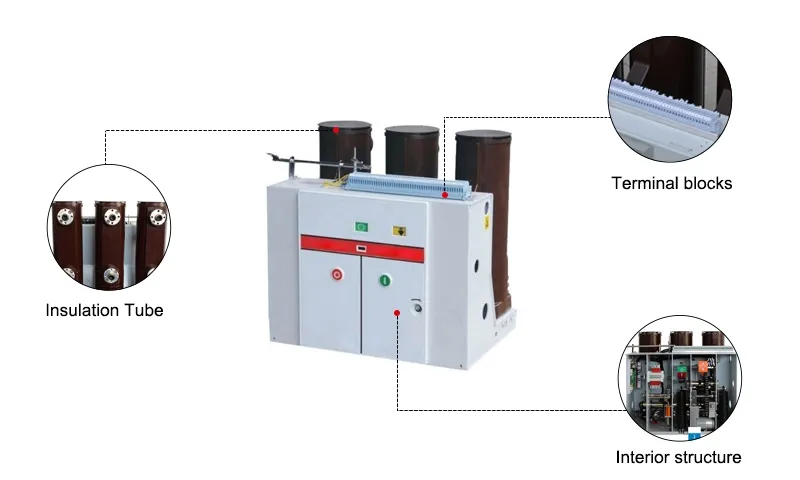
Our 15 kV vacuum circuit breaker solutions are engineered to meet the rigorous demands of modern medium voltage power systems. By integrating advanced manufacturing techniques with robust design principles, we deliver equipment that ensures stability and efficiency for utility and industrial networks.
Enhanced Operational Safety and Protection
Safety is the cornerstone of our design philosophy. The core vacuum interrupter technology rapidly extinguishes arcs within a sealed chamber, preventing external flashovers and significantly reducing fire risks compared to gas and oil alternatives. This design ensures reliable overcurrent protection and effectively isolates fault current to protect downstream equipment.
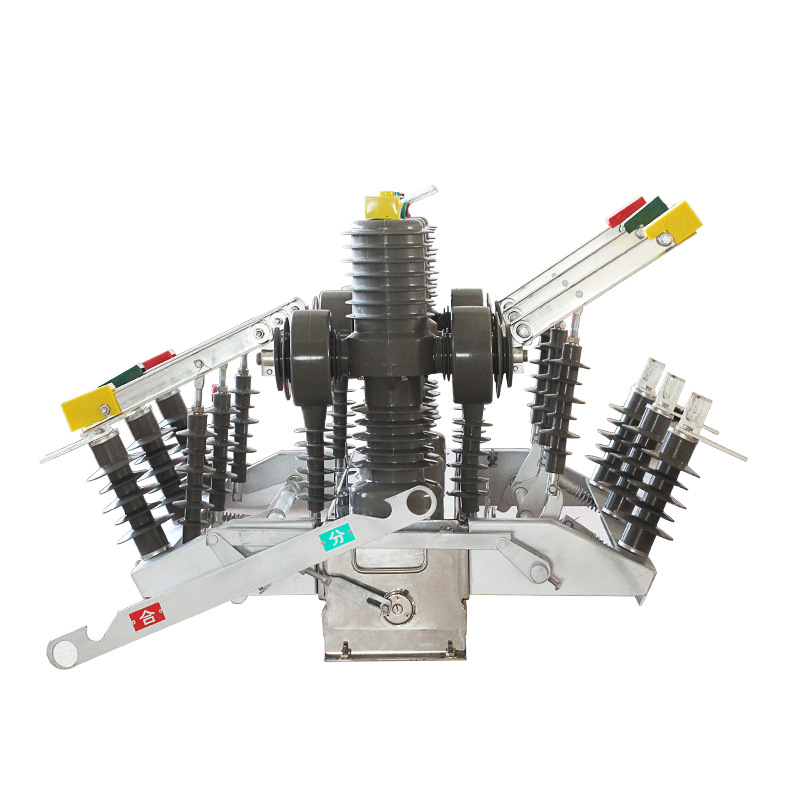
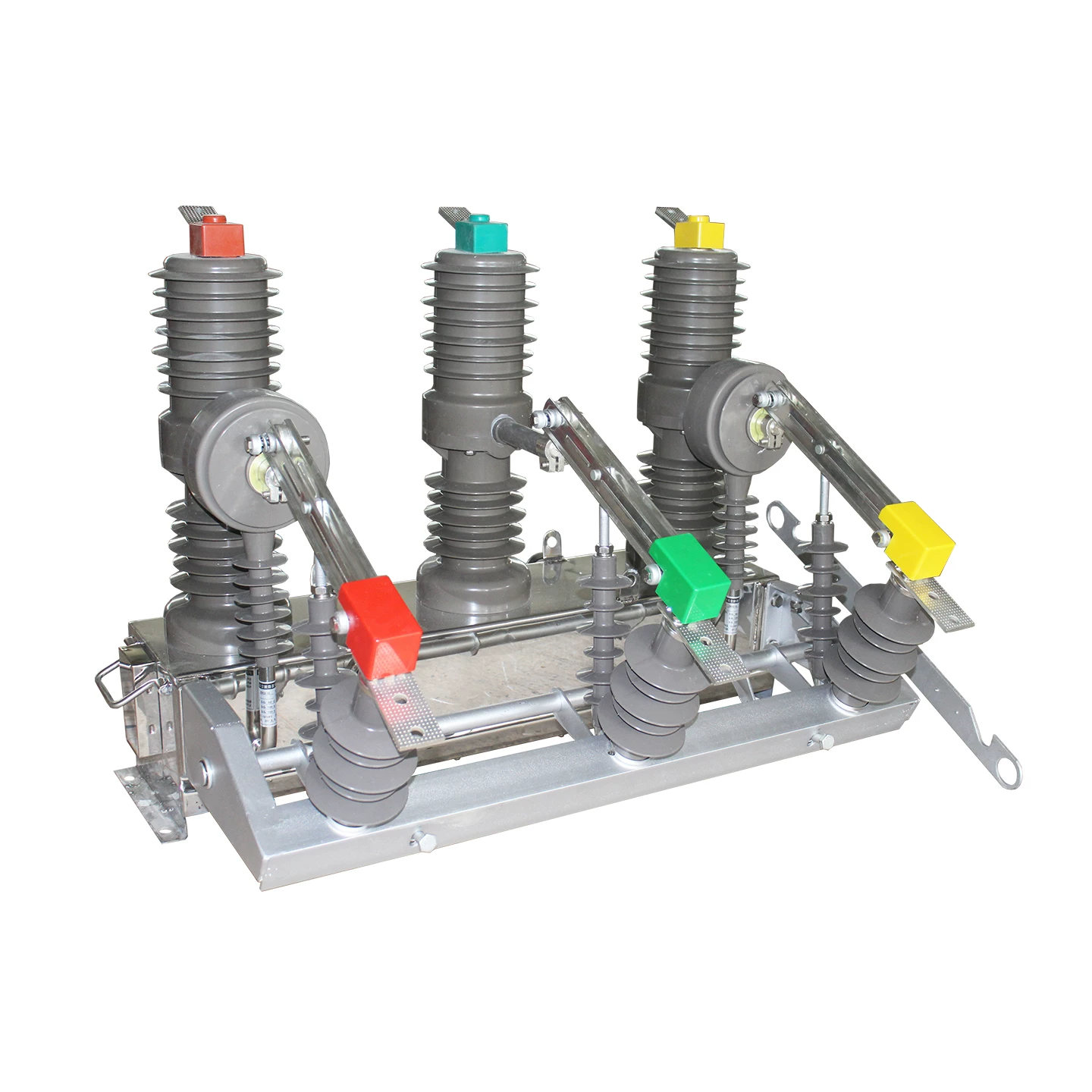
For applications requiring exposure to the elements, our ZW32-12FG outdoor vacuum circuit breaker demonstrates our commitment to safety by providing robust insulation and environmental resistance, ensuring grid stability even in harsh conditions.
High Reliability and Long Service Life
We build our breakers to last. Utilizing a high-performance spring mechanism (specifically in our VS1/ZN63A series), our units achieve exceptional mechanical endurance.
Mechanical Life: Capable of 20,000 to 30,000 operating cycles.
Insulation: Solid embedded poles (epoxy resin) protect the vacuum bottle from external impacts and pollution.
Consistency: The operating mechanism is integrated with the breaker body, reducing transmission loss and improving timing accuracy.
Low Maintenance and High Productivity
Industrial facilities cannot afford downtime. Our vacuum circuit breakers are designed as maintenance-reduced units. The sealed vacuum contacts require no contact adjustments or refilling, unlike older air or oil technologies. This “install and forget” approach lowers operational costs and maximizes uptime for industrial applications.
| Feature | Benefit |
|---|---|
| Sealed Interrupter | Prevents oxidation and contamination of contacts. |
| Durable Mechanism | Reduces the frequency of parts replacement. |
| Simple Control Module | Streamlines inspection and troubleshooting. |
Compact Design for Space Efficiency
Space is often at a premium in substations and manufacturing plants. Our 15 kv vacuum circuit breaker features a compact footprint, making it ideal for integration into indoor metal-clad switchgear. This compactness does not compromise performance; it allows for higher density in power distribution rooms and easier retrofitting into existing infrastructure. The reduced size also supports dead front safety designs, keeping operators safe during routine checks.
Technical Specifications and Ratings
Rated Voltage and Current Capacity
Our vacuum circuit breakers are engineered to exceed the standard requirements for medium voltage applications. While specifically catering to the 15 kV vacuum circuit breaker class, our equipment often utilizes 24kV insulation levels to provide a superior safety margin. We offer a broad range of continuous current ratings to match specific utility distribution needs, from standard 630A and 1200A models up to heavy-duty 2000A and 3150A units for industrial incomers.
For projects demanding even higher voltage thresholds beyond the standard 15kV range, we also engineer specialized solutions like the 40.5kV composite apparatus for wind and solar power, ensuring we cover the full spectrum of distribution grid requirements.
| Parameter | Specification Range |
|---|---|
| Rated Voltage | 12 kV / 15 kV / 24 kV |
| Rated Current | 630A, 1250A, 1600A, 2000A, 2500A, 3150A |
| Frequency | 50 / 60 Hz |
| Insulation Type | Air / Solid (Epoxy Embedded Poles) |
Short-Circuit Breaking and Withstand Ratings
Reliable overcurrent protection is the core of our design. Our VCBs feature a high interrupting rating, capable of clearing fault current surges effectively. The vacuum interrupter technology ensures rapid arc extinction without the need for complex arc chutes found in older air-break technologies.
Rated Short-Circuit Breaking Current: 20kA, 25kA, 31.5kA, up to 40KA.
Short-Time Withstand Current: Matches breaking capacity (4s duration).
Peak Withstand Current: High momentary ratings to resist dynamic electrodynamic forces.
Standards and Compliance (ANSI/IEEE/IEC)
Weisho Electric manufactures equipment that aligns with major international standards to ensure global compatibility. Our production processes are ISO9001 certified, and our products are designed to meet or exceed IEC 62271-100 standards. For markets following North American practices, our designs are compatible with relevant ANSI and IEEE class specifications for medium voltage switchgear, ensuring safety and interoperability in diverse grid infrastructures.
Mechanical and Electrical Endurance Data
Durability is critical for reducing operational costs. Our breakers utilize a robust spring mechanism (modular operating mechanism) or permanent magnet options that require minimal maintenance.
Mechanical Life: Up to 30,000 operating cycles (Class M2), minimizing the need for frequent contact adjustments.
Electrical Life: Class E2, capable of breaking full-rated short-circuit current multiple times without degradation.
Maintenance: Sealed-for-life poles reduce the need for gas or oil handling, making them ideal gas and oil alternatives.
Types and Product Variations
Indoor vs. Outdoor Vacuum Circuit Breakers
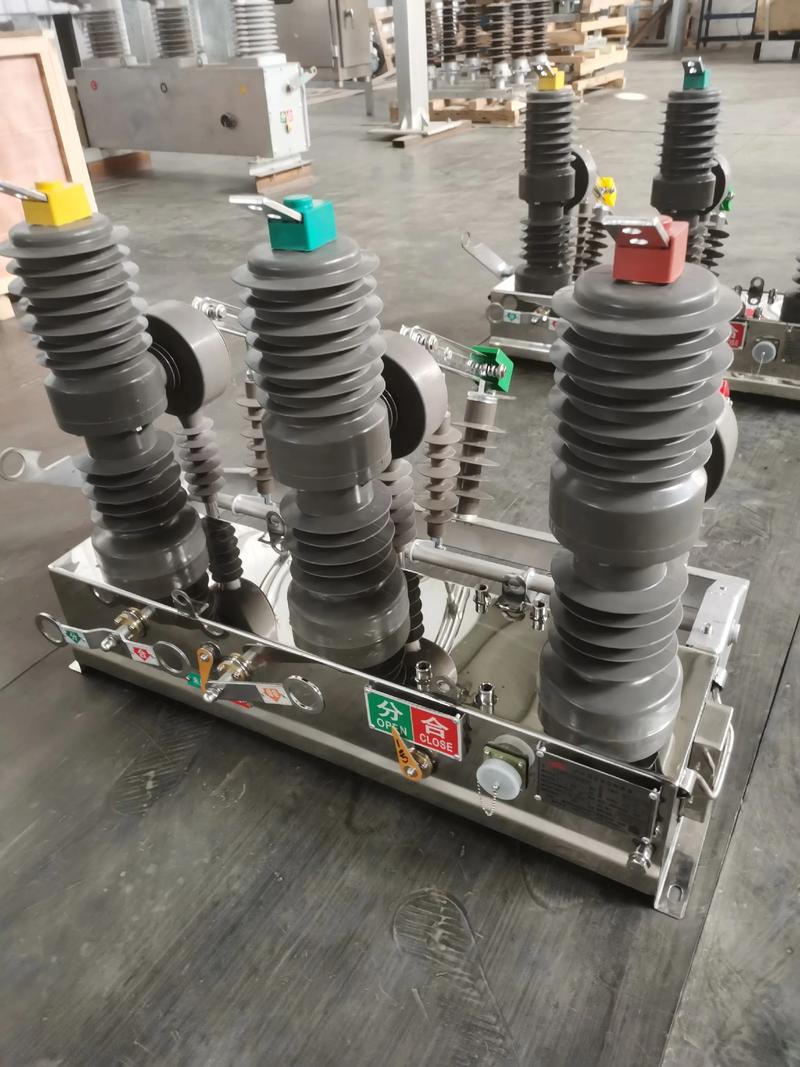
We design our 15 kV vacuum circuit breakers to suit specific environmental demands. Indoor VCBs, such as our VS1 (ZN63A) series, are engineered to fit inside metal-clad switchgear panels. They rely on the controlled environment of the substation room for protection against the elements.
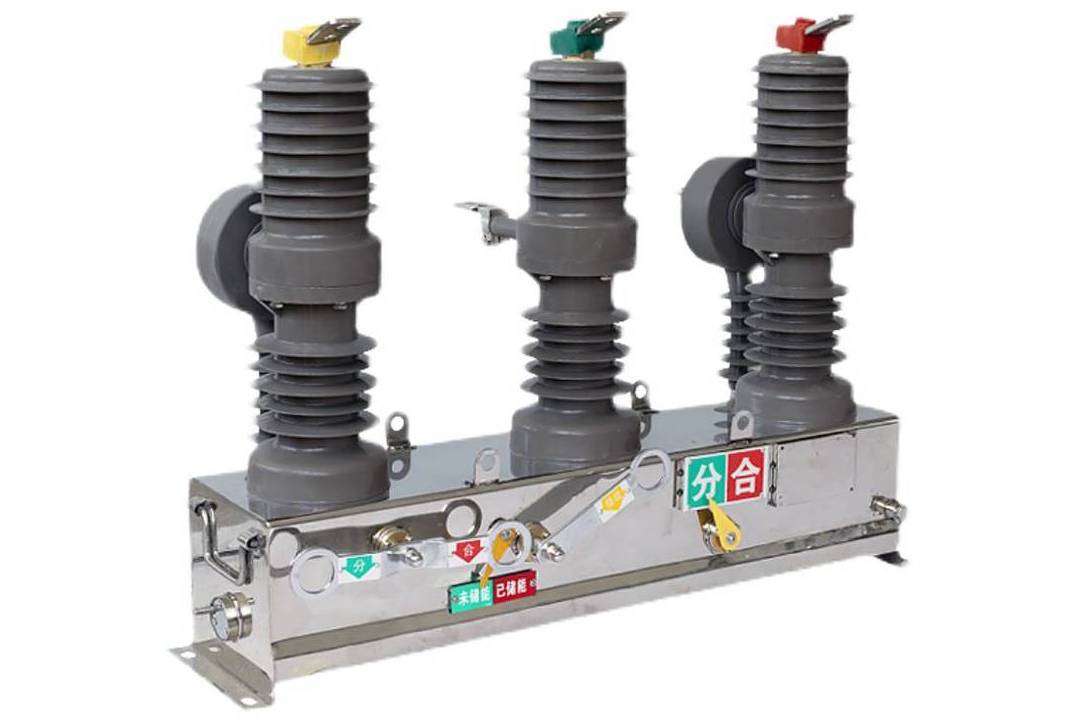
In contrast, our outdoor vacuum circuit breakers are built to withstand rain, dust, and UV radiation. These pole-mounted units often feature silicone rubber or porcelain insulation to handle external weather conditions while managing utility distribution loads. They are essential for overhead lines where building a full substation isn’t feasible.
Fixed and Draw-out Mounting Configurations
Installation flexibility is key for modern medium voltage systems. We offer two primary mounting styles:
Fixed Type: The breaker unit is bolted directly into the switchgear cubicle. This is a cost-effective solution for setups where frequent removal isn’t necessary.
Draw-out (Handcart) Type: The VCB is mounted on a chassis with wheels. This allows operators to physically rack the breaker in and out of the connected position. It simplifies maintenance and provides a clear visual disconnect for safety.
Specialized VCBs for Marine and Mining Applications
Standard equipment often fails in harsh industrial applications. For marine applications, we treat components to resist salt spray and corrosion. The internal spring mechanism is reinforced to handle the constant vibration found on vessels. Similarly, mining breakers are enclosed in rugged housings to prevent coal dust ingress and withstand mechanical shock, ensuring reliable **fault current** interruption even deep underground.
Pad-mounted VCBs for Renewable Energy
With the rise of green energy, we are seeing high demand for padmount switchgear in solar applications and wind farms. These units connect to underground circuits and sit at ground level. We prioritize dead front designs for these installations, meaning there are no exposed live parts, maximizing safety for operators. These compact breakers effectively manage the variable power flows typical of renewable generation.
Primary Application Scenarios
Utility Distribution and Substations
In **utility distribution** networks, our 15 kV vacuum circuit breakers serve as the backbone of grid stability. We engineer these units to manage **medium voltage** power flow in both primary and secondary substations. When faults occur in critical **electrical feed circuits**, the VCB interrupts the current instantly to prevent widespread outages. To ensure complete system safety, these breakers are often deployed alongside protective devices like [zinc oxide lightning arresters](https://www.weishoelec.com/product/lightning-arrester/yh5cx-17-42f-zinc-oxide-lightning-arrester/) to handle voltage surges and maintain continuous service.
Industrial Power Plants and Manufacturing Facilities
For **industrial applications**, unplanned downtime equates to significant revenue loss. We design our breakers to withstand the rigorous demands of **power plant applications** and heavy manufacturing environments. Our equipment is built to handle:
* **High Switching Frequencies:** Ideal for controlling electric arc furnaces and large motors.
* **Heavy Loads:** Reliable performance in steel mills, mining operations, and petrochemical plants.
* **Switchgear Integration:** Seamless fit into metal-clad **switchgear** lineups for centralized control.
Renewable Energy (Solar and Wind) Integration
As the global energy landscape shifts, our technology supports vital solar applications and wind farm projects. 15 kV vacuum circuit breakers are essential for connecting renewable generation sources to the main grid. They safely manage the variable power output characteristic of renewables and provide necessary isolation during maintenance or fault conditions, ensuring green energy is delivered reliably without compromising grid integrity.
Commercial and Institutional Infrastructure
Large commercial complexes, data centers, and hospitals rely on our technology for uninterrupted power. In these settings, the VCB acts as the critical protection device within the facility’s main distribution board. It ensures safety for personnel and infrastructure by isolating faults before they damage sensitive equipment. While VCBs handle fault currents, understanding [how a load break switch works](https://www.weishoelec.com/Blog/how-does-a-load-break-switch-work/) is also useful for designing efficient distribution loops where simple load management is required alongside advanced circuit protection.
Maintenance and Inspection Procedures
Maintenance of the Vacuum Interrupter
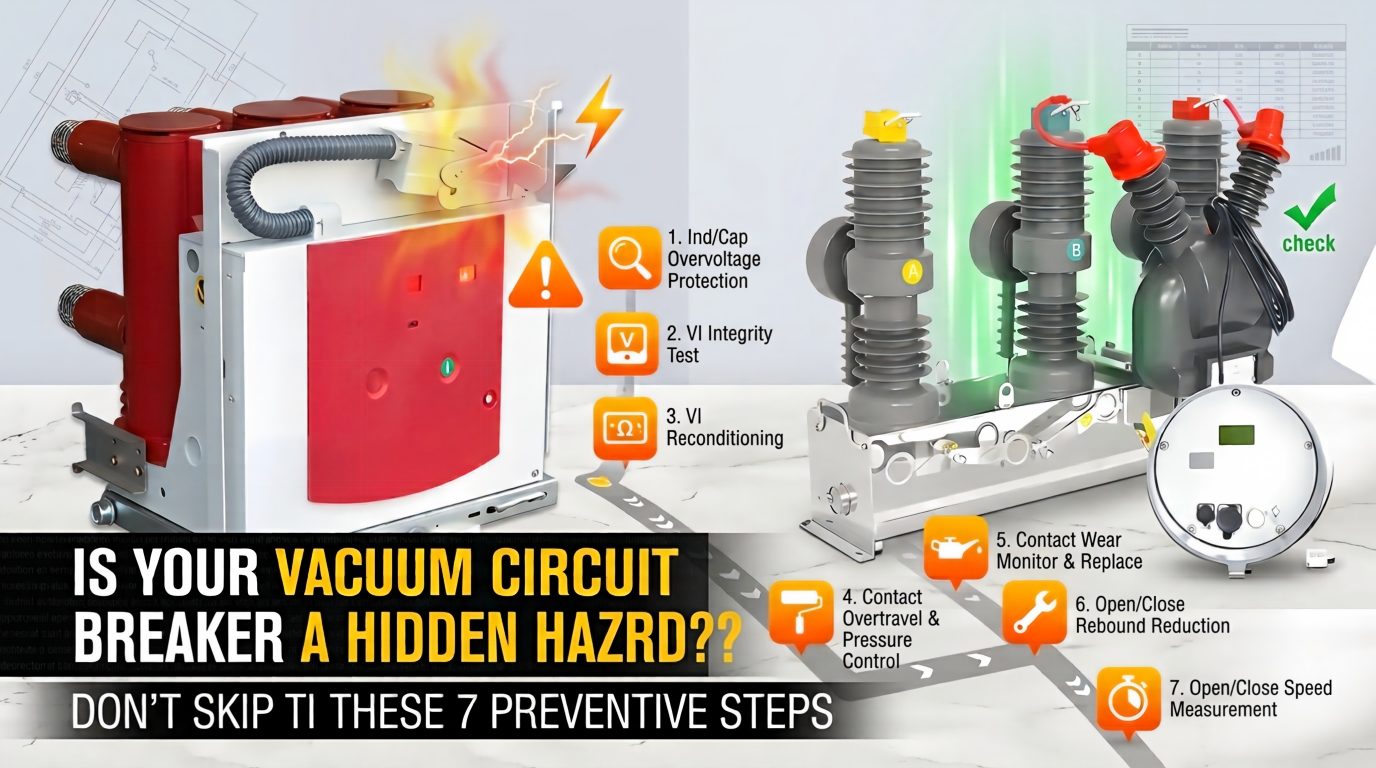
The vacuum interrupter is the heart of our 15 kV systems. While we design these units to be sealed for life, periodic inspection ensures reliability. You do not need to perform internal maintenance on the chamber itself. Instead, focus on the contact adjustments and wear indicators.
* **Vacuum Integrity Test:** Use a power frequency withstand voltage test to confirm the vacuum degree is sufficient.
* **Contact Wear:** Check the over-travel mark on the operating rod. If the contacts have worn beyond the specified limit (usually 3mm), the interrupter must be replaced.
* **Visual Check:** Inspect the ceramic or glass casing for cracks or damage.
Operating Mechanism and Control System Care
The mechanical side of the breaker requires attention to ensure consistent performance. Our spring mechanism is robust, but friction can build up over time.
* **Lubrication:** Clean off old, hardened grease from moving parts like cams and gears, then apply fresh lubricant. This is crucial for maintaining the rated operating speed.
* **Control Module Testing:** Verify that the **control module** and auxiliary coils (trip/close coils) function correctly at minimum and maximum voltages.
* **Fasteners:** Vibration from operations can loosen nuts and bolts. Retighten all hardware to the factory-recommended torque settings.
For facility managers planning long-term upkeep budgets, reviewing our [vacuum circuit breaker price guide](https://www.weishoelec.com/Blog/vacuum-circuit-breaker-price-guide-2026/) can help estimate costs for major spare parts or unit replacements.
Overall Structure and Enclosure Inspection
For **medium voltage** equipment, environmental factors play a huge role in safety. A clean breaker is a safe breaker.
* **Insulation Cleaning:** Wipe down the epoxy resin poles and insulating barriers with a dry, clean cloth to remove dust and moisture, which can cause tracking.
* **Connection Integrity:** Inspect the primary circuit connections for signs of overheating or discoloration. Loose connections in **indoor** switchgear can lead to resistance buildup and failure.
* **Interlocks:** Test the mechanical interlocks to ensure the breaker cannot be withdrawn or inserted while in the closed position, keeping your operators safe.
Selection and Purchase Guide
Selecting the correct 15 kv vacuum circuit breaker requires a precise analysis of your electrical system’s demands. At Weisho Electric, we emphasize matching technical specifications with onsite conditions to ensure long-term reliability and safety.
Determining Load and Fault Current Requirements
The first step is verifying that the breaker can handle both the continuous operational load and potential surge events. You must calculate the maximum continuous current your system draws to prevent nuisance tripping or overheating. Equally important is the interrupting rating, which determines the breaker’s ability to safely clear a short circuit without sustaining damage.
For effective overcurrent protection, compare your system data against standard ratings:
| Parameter | Common Ratings | Selection Tip |
|---|---|---|
| Rated Current | 630A, 1250A, 2000A, 3150A | Select a rating 10-20% higher than your max load. |
| Short-Circuit Breaking Current | 20kA, 25kA, 31.5kA, 40kA | Must exceed the maximum calculated fault current at the installation point. |
| Short-Time Withstand | 3s or 4s | Ensures the breaker holds during momentary surges before tripping. |
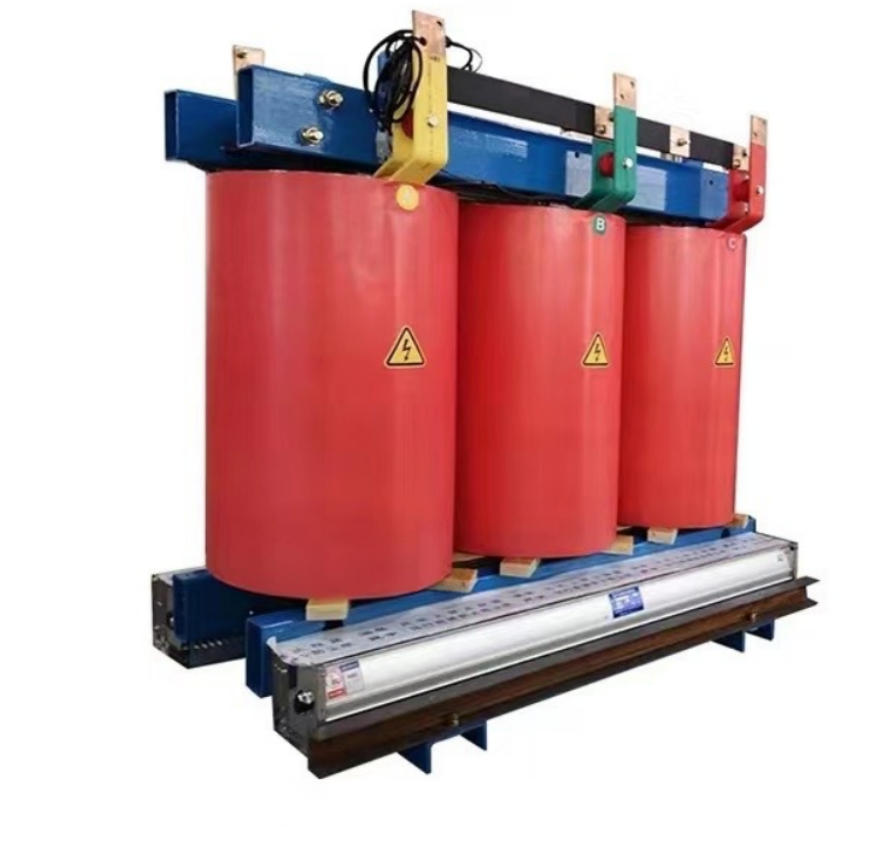
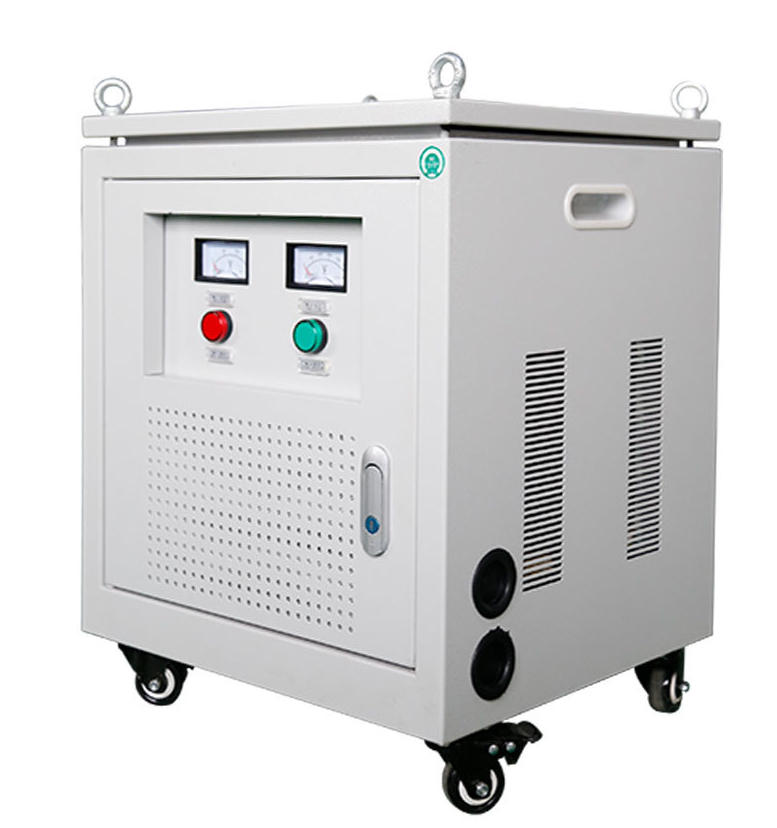
Proper selection ensures the VCB protects downstream assets, such as during transformer installation for high and low voltage power control, where stable switching is critical.
Environmental and Installation Considerations
The operating environment dictates the insulation and enclosure requirements. While standard indoor VCBs work well in controlled switchgear rooms, industrial applications or marine applications often face harsher conditions like high humidity, salt spray, or dust.
Altitude: Standard units are rated for 1000m. For higher elevations, we customize the external insulation to prevent flashovers.
Temperature: Ensure the operating mechanism, especially the spring mechanism, is rated for your ambient temperature range (-15°C to +40°C is standard).
Insulation Type: For dirty or humid environments, embedded pole (solid insulation) designs offer better protection than air-insulated poles.
Evaluating Dimensions and Mounting Compatibility
Physical integration into your existing switchgear is just as critical as electrical performance. Whether you are retrofitting an old cabinet or building a new substation, the mounting dimensions must align perfectly to avoid costly modifications.
Mounting Type: Choose between fixed units for stationary applications or draw-out (handcart) types for easy maintenance and rack-out capability.
Pole Distance: Verify the phase-to-phase distance (e.g., 210mm or 275mm) matches your busbar arrangement.
Mechanism Fit: Ensure the Type VR or spring operating mechanism fits within the cabinet depth, specifically for dead front switchgear designs.
We recommend reviewing the dimensional drawings of our VS1 or ZN85 series to confirm compatibility with your specific 15 kv vacuum circuit breaker requirements.