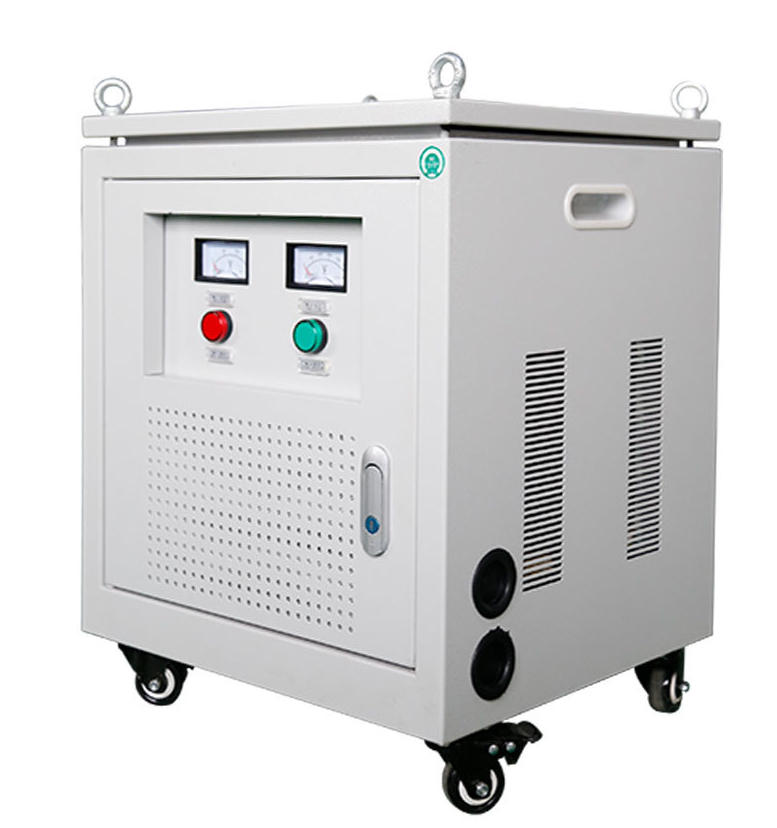
Electrical designers, facility managers, and safety engineers often ask a simple but crucial question: What is the difference between a grounding transformer and an isolation transformer? This article addresses this issue by comparing the purpose, construction, system role, safety implications, and code compliance of U.S. power systems.
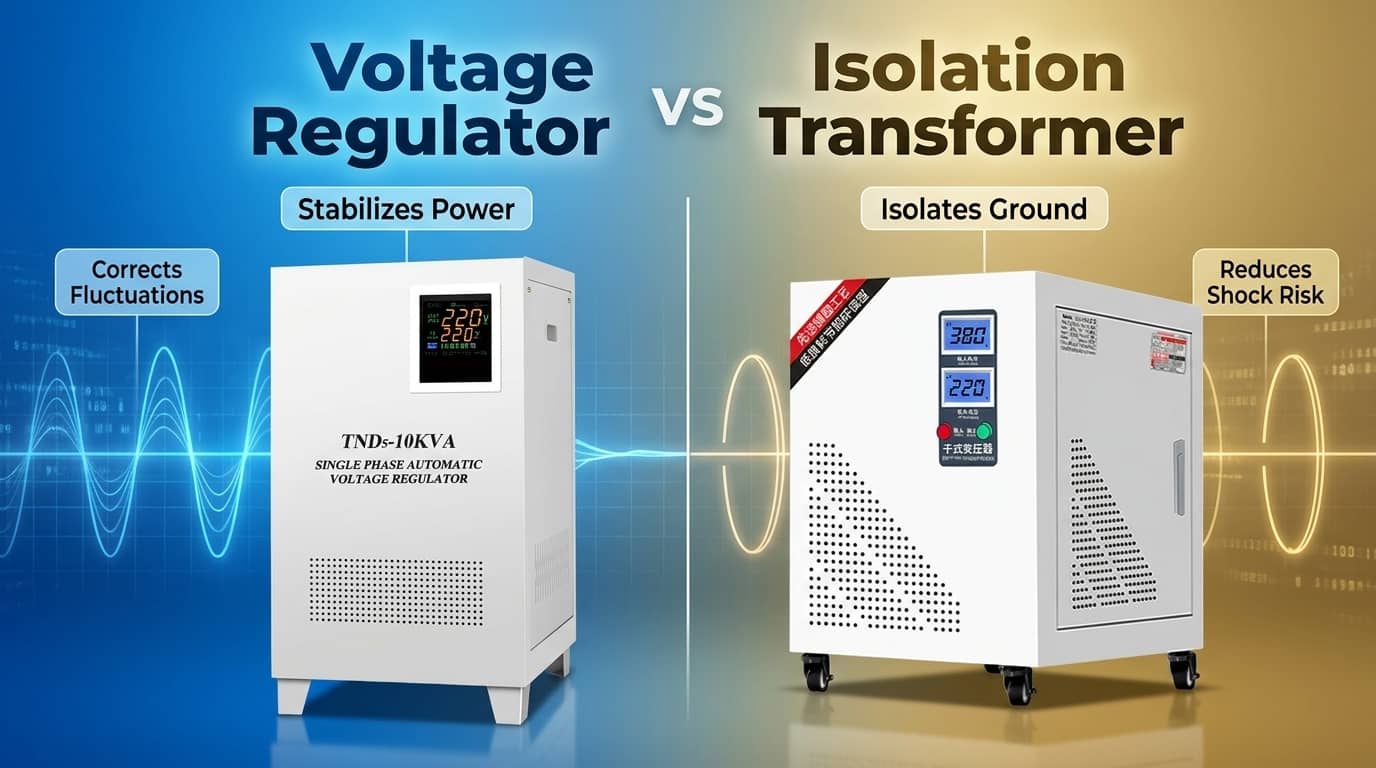
In many American industrial plants, hospitals, and commercial buildings, a grounding transformer provides a neutral reference and helps limit ground-fault currents. On the other hand, an isolation transformer decouples two circuits electrically to reduce noise and add safety for sensitive equipment. The grounding transformer definition centers on the creation of a neutral and the control of fault current, while the isolation transformer definition emphasizes electrical separation and the reduction of common-mode noise.
Later sections lay out clear definitions and common configurations, such as zig-zag and wye-grounded grounding transformers, and the typical isolation transformer types used in single-phase and three-phase systems. We’ll compare grounding vs isolation transformer behavior under faults, discuss touch potential and maintenance safety, review NEC and IEEE considerations, and offer practical examples to guide specification decisions.
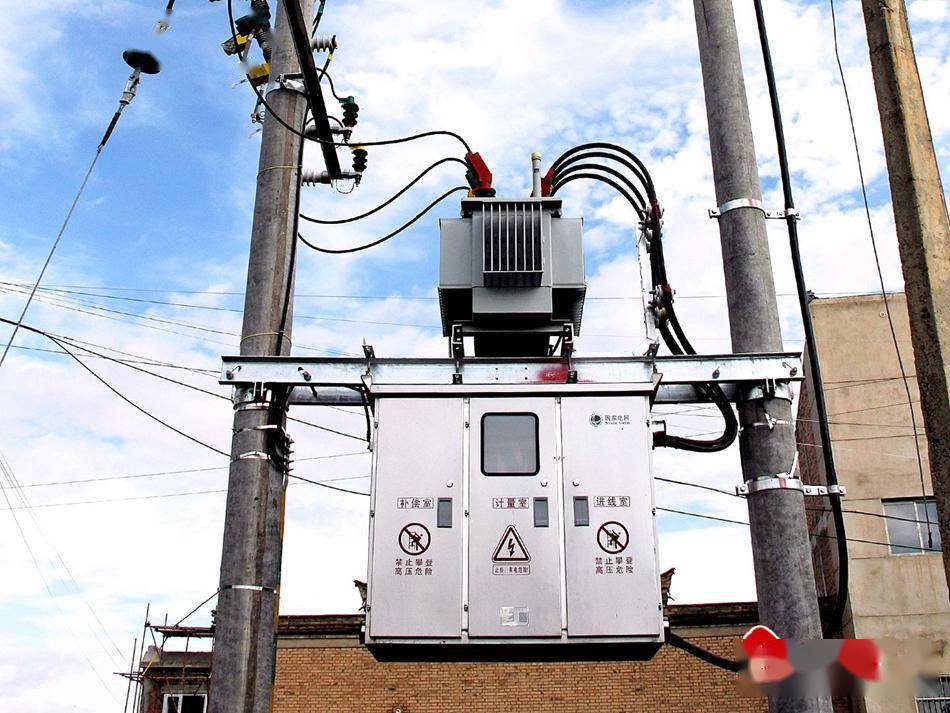
Key Takeaways
Grounding transformer provides a neutral reference and limits ground-fault current.
An isolation transformer electrically separates circuits to reduce noise and improve safety for sensitive loads.
Common grounding configurations include zig-zag and wye-grounded windings.
Fault behavior and touch potential differ significantly between the two types.
NEC and IEEE rules affect selection, installation, and testing in U.S. facilities.
Overview of Transformer Types: Grounding and Isolation
This transformer overview introduces two common families used in power distribution: grounding transformers and isolation transformers. The aim is to orient electrical engineers, facility managers, and contractors so they pick the right device for each role and avoid costly misapplication.
Purpose of the overview
The goal is simple: explain how each transformer works and when to use it. Grounding devices create or stabilize a neutral on systems that lack one. Isolation transformers separate primary and secondary circuits to limit noise and provide a layer of safety in sensitive installations.
Why understanding differences matters for safety and compliance
Wrong selection can compromise transformer safety and lead to delayed fault clearing, equipment damage, or increased downtime. NEC transformer selection and IEEE guidance set the baseline for design and protection in the United States.
The following code keeps installations lawful and reduces liability. Grounding and isolation choices affect protective device coordination and touch-potential risk during faults.
Summary of key distinctions
Grounding transformers establish a system neutral and control ground-fault currents on delta or ungrounded systems. They often use zig-zag or wye-grounded arrangements to provide a stable reference.
Isolation transformers decouple circuits to reduce common-mode noise, support medical and IT equipment, and give functional separation. They do not automatically provide a neutral unless built or connected to do so.
| Aspect | Grounding Transformer | Isolation Transformer |
|---|---|---|
| Primary role | Establish a neutral and control ground-fault currents | Decouple primary and secondary; attenuate common-mode noise |
| Typical configurations | Zig-zag, wye-grounded | Single-phase or three-phase with electrostatic shields |
| Common applications | Delta systems needing a neutral; industrial feeders | Medical equipment, data centers, sensitive electronics |
| Impact on protective devices | Enables ground-fault detection and clearing | May require leakage monitoring; different relay settings |
| Code considerations | NEC transformer selection guidance for grounding and fault current | NEC and IEEE rules for isolation, grounding, and bonding |
What is a grounding transformer
A grounding transformer gives a neutral point to systems without one. It also offers a controlled neutral connection with impedance. This helps stabilize phase voltages and provides a path for ground-fault currents.
It protects equipment and improves relay coordination in many networks.
Definition and basic operation
A grounding transformer is key for systems without a neutral. It connects the system to earth, keeping phase-to-ground voltages steady. When a fault happens, it offers a clear path for fault current.
This helps protection devices to quickly spot and fix the issue.
Common configurations
The zig-zag grounding transformer is a common design. It uses interleaved windings to create a neutral with low fault current. The wye-grounded transformer provides a solidly grounded neutral when possible.
Designers also use resistors or reactors to limit fault current. This is for system protection.
Typical applications in power systems
Grounding transformers are used in industrial plants with a delta distribution. They need a neutral for protective relays and metering. Utilities install them at substations to manage overvoltages and support coordination.
Mines and remote sites use them when lines lack a neutral. This reduces equipment stress and improves safety for maintenance crews.
What is an isolation transformer?
An isolation transformer moves power through magnetic fields between two windings. It does this without a direct electrical link. This makes it great for blocking DC and low-frequency paths between source and load.
Definition and how it isolates circuits
Transformer isolation uses a magnetic core to transfer energy. This method stops fault currents and breaks ground loops. It also cuts down on interference.
Construction differences versus other transformers
Isolation transformers have separate windings without a shared neutral. They often have shields to reduce noise and interference. This is different from regular transformers.
Medical-grade transformers meet strict safety standards. They are designed for use in patient areas, following UL and IEC rules. This makes them safer for medical equipment.
Typical applications in industrial and medical settings
In industries, isolation transformers protect control circuits and reduce noise. They are used in IT and lab settings to keep equipment safe from plant noise.
Hospitals and clinics use them in diagnostic and therapy rooms. They follow NFPA 99 and IEC 60601 guidelines. This ensures patient safety and reliable medical device operation.
Primary functional differences between grounding and isolation transformers
Choosing between grounding and isolation transformers affects how a power system works. It impacts how it handles faults and interacts with protective devices. This section will highlight the main differences, focusing on neutral reference, fault current handling, and protection coordination.
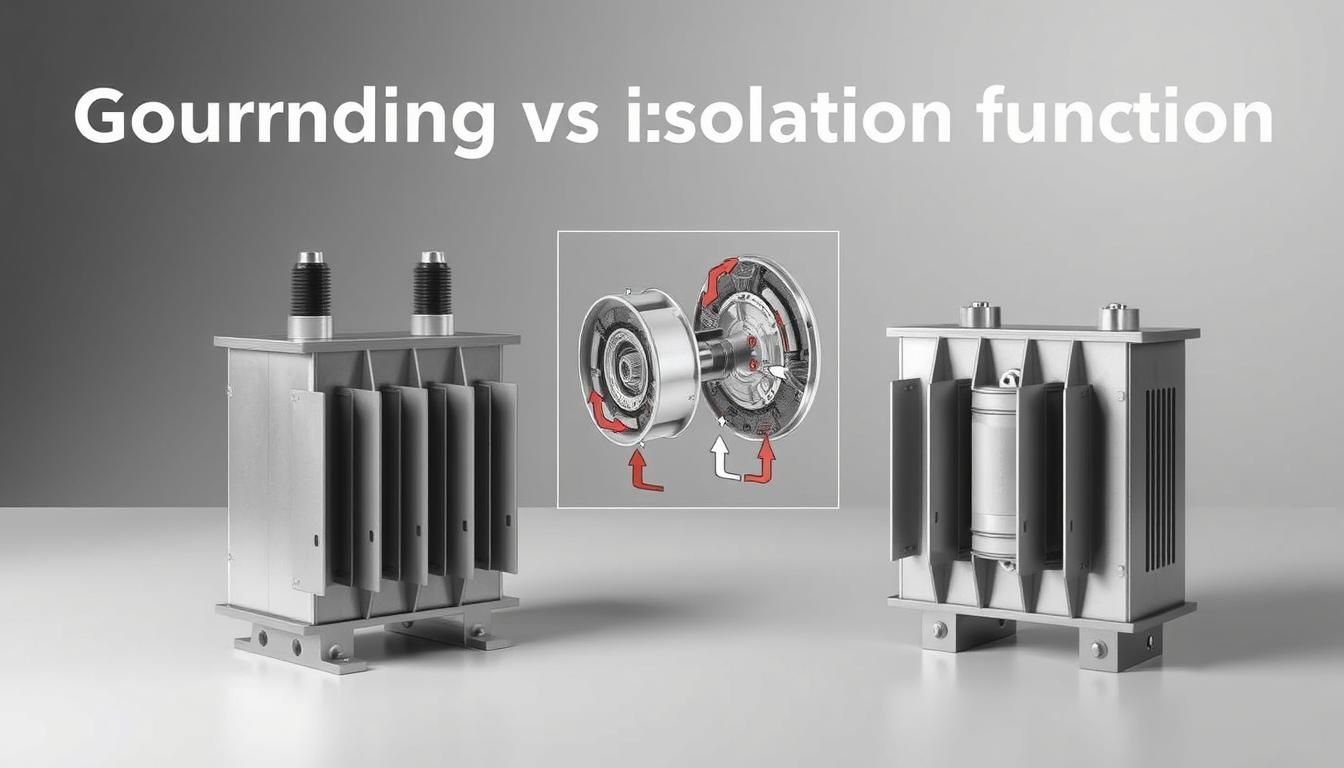
Voltage reference and fault currents
Grounding transformers create a neutral reference to earth. This reference allows ground-fault current to return to the source. Systems with zig-zag or wye-grounded transformers can detect fault currents, helping protective relays and breakers.
Isolation transformers, on the other hand, break the direct path between primary and secondary. This reduces fault current on the isolated side. While it helps some loads, it makes detecting secondary ground faults harder.
Impact on system grounding schemes
Grounding transformers are key in grounded system designs. They set the system's neutral potential and affect fault behavior. Designers choose resistive, reactive, or solid grounding to fine-tune the system's fault response.
Isolation transformers don't provide a neutral reference unless the secondary is bonded to earth. In such cases, designers must add grounding measures. Without this bond, the system acts as a floating source for ground faults.
Role in protective device coordination
With a grounding transformer, overcurrent devices and ground-fault relays can be sized for expected fault currents. Relays from Eaton, Schneider Electric, and ABB use this to ensure fast and selective clearing.
For isolated secondary systems, protection coordination is different. Devices like residual-current devices or modified relay settings may be needed. This is because fault currents are lower and less predictable.
| Aspect | Grounding Transformer | Isolation Transformer |
|---|---|---|
| Voltage reference | Provides a solid or impedance neutral reference to earth | No inherent neutral unless secondary bonded to ground |
| Fault current handling | Allows significant ground-fault currents to return to the source | Often reduces the available ground-fault current on the secondary |
| Neutral reference | Establishes a stable neutral for relays and equipment | Neutral must be created deliberately for grounded behavior |
| Protection coordination | Standard overcurrent and ground-fault relays apply | May require residual-current devices or alternate detection |
| Typical use case | Utility and distribution grounding schemes need defined fault currents | Noise-sensitive loads or special isolation for safety and EMC |
Safety implications and fault behavior
Knowing how transformers act in fault situations is key to safe upkeep. This part looks at the safety of grounding transformers and the dangers of isolation transformer leaks. It aims to guide engineers, electricians, and facility managers.
Grounding transformer behavior during ground faults
A single-line-to-ground fault gets a clear neutral reference from a grounding transformer. This reference path helps protective devices act fast to clear the fault. Grounding resistors or reactors control fault current, protect the gear, and reduce arc energy.
Right-sized grounding parts keep voltages steady, making maintenance safer. This predictability is crucial for safe work near live parts.
Isolation transformer behavior during faults and leakage considerations
An isolation transformer keeps primary and secondary circuits separate. A secondary ground fault might not show up on the primary side, making detection tricky without special monitoring.
Leakage currents from degraded insulation can flow through the transformer. Regular tests and following the codes help manage these risks.
How each affects touch potential and maintenance safety
Grounded neutrals keep voltages stable, reducing touch potential risks. Following ANSI and NEC standards for bonding makes maintenance safer.
Isolation transformers can protect sensitive gear. But, they only work right if the secondary is correctly bonded. Wrong bonding can lead to confusing touch potential risks, making maintenance more dangerous. It's vital to label correctly, bond properly, and check often to stay safe.
System design and grounding requirements
Designers must choose the right transformer for the system's needs, site risks, and code rules. A good grounding plan is key for protection and safety. Here are some tips and code references to help make the right choice.
When to specify a grounding transformer
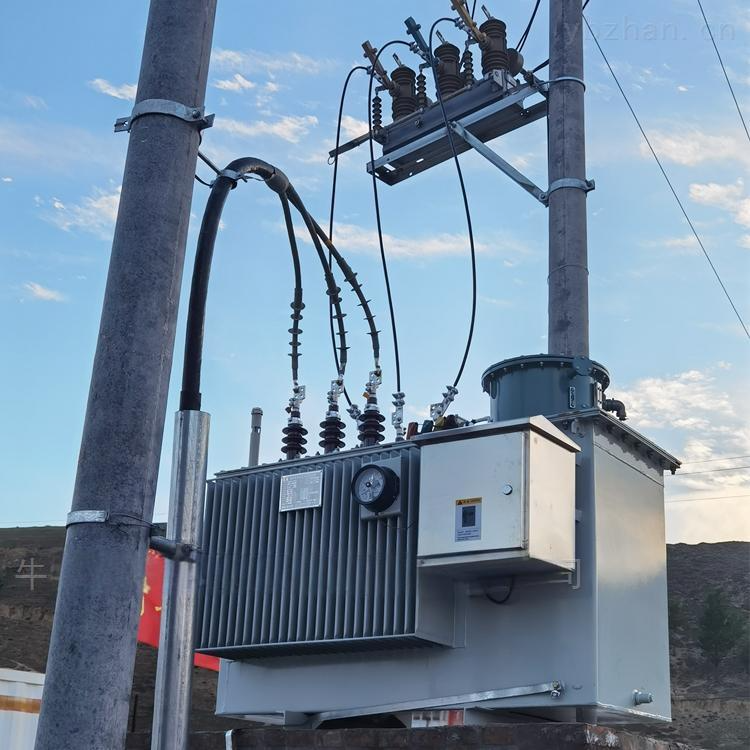
Use a grounding transformer for delta or ungrounded-wye systems. This is needed for relays and protective devices. Large industrial plants or substations also need a neutral for voltage stability and to reduce overvoltages.
Grounding transformers are good for controlled fault currents. This protects equipment and helps with relay and fuse coordination in complex systems.
When an isolation transformer is preferred by designers
Isolation transformers are best for protecting sensitive electronics and medical devices. They reduce noise and improve signal quality. This is great for data centers, instrumentation rooms, and control panels.
Isolation transformers also protect people and equipment from supply disturbances. They are chosen when specific equipment needs are met and when filtering or bonding is required.
Code and standard considerations (NEC, IEEE)
NEC rules in Article 250 cover general grounding and bonding. Articles 517 and 645 have special rules for healthcare and IT equipment. These articles affect how transformers are selected and installed.
IEEE standards like IEEE Std 142 and the C57 series are also important. They guide on grounding practices, transformer design, and testing. These standards help ensure safety and performance.
Always check with local authorities and the utility company when choosing a transformer. Site-specific rules and interconnection requirements can affect the choice of a grounding transformer or an isolation transformer.
Impact on power quality and system stability
Understanding how transformers affect power quality is key for engineers. They must choose the right device for a site. Grounding and isolation transformers have different roles. Each affects harmonics, neutral behavior, and electromagnetic noise.
Effect on neutral stability and harmonics
Grounding transformers create a stable neutral. This helps keep phase-to-ground voltages steady during unbalanced loads. A stable neutral also limits transient overvoltages from arcing ground faults, improving system stability.
Zig-zag grounding transformers offer a low-impedance path for triplen harmonics. This reduces circulating triplen components. It can cut neutral distortion by 30–60% in documented plant retrofits. This often lowers nuisance relay operation and improves power factor correction performance.
Effect on noise attenuation and common-mode voltages
Isolation transformers reduce conducted EMI and common-mode voltages with electrostatic shields. They offer noise attenuation of 20 to 60 dB at high frequencies. This depends on shield design and winding capacitance.
High-quality isolation units improve ride-through behavior and reduce false trips. They are great for sensitive loads like data center UPS systems or imaging suites. The shielded isolation transformer breaks the direct capacitive path, lowering common-mode stress on electronic equipment.
Examples of power quality improvements with each type
At a manufacturing plant, a zig-zag grounding transformer reduced single-line-to-ground fault currents by 40%. It also cut transient overvoltage events. Relay coordination became more reliable, improving overall system stability.
In a hospital, a shielded isolation transformer ahead of an MRI suite showed about 35 dB noise attenuation at key radio-frequency bands. Technicians reported fewer image artifacts and a lower rate of false alarms on monitoring gear.
Site-specific power quality studies are crucial. Field measurements confirm expected reductions in harmonics and noise. They quantify benefits for equipment uptime and protective device performance.
| Aspect | Grounding Transformer Impact | Isolation Transformer Impact |
|---|---|---|
| Neutral stability | Provides a defined neutral, reduces transient phase-to-ground swings | Does not create a system-neutral; secondary may be grounded per design |
| Harmonics | Zig-zag types divert triplen harmonics, lowering neutral distortion by 30–60% | Does not remove harmonics generated on the load side; may limit propagation to the source |
| Noise attenuation | Minimal direct attenuation of common-mode EMI | An electrostatic shield can provide 20–60 dB attenuation of common-mode noise |
| System stability | Improves relay performance and fault management, aiding stability | Improves sensitive equipment performance and reduces false trips |
| Typical applications | Distribution substations, industrial plants for grounding and fault control | Data centers, medical imaging, and sensitive electronics protection |
Protection devices and coordination with each transformer type
Protecting systems with grounding or isolation transformers requires the right devices and careful planning. The right settings help avoid downtime and keep people safe. Here's a guide on common devices and tips for setting them up.
Relays, fuses, and breakers are used with grounding transformers
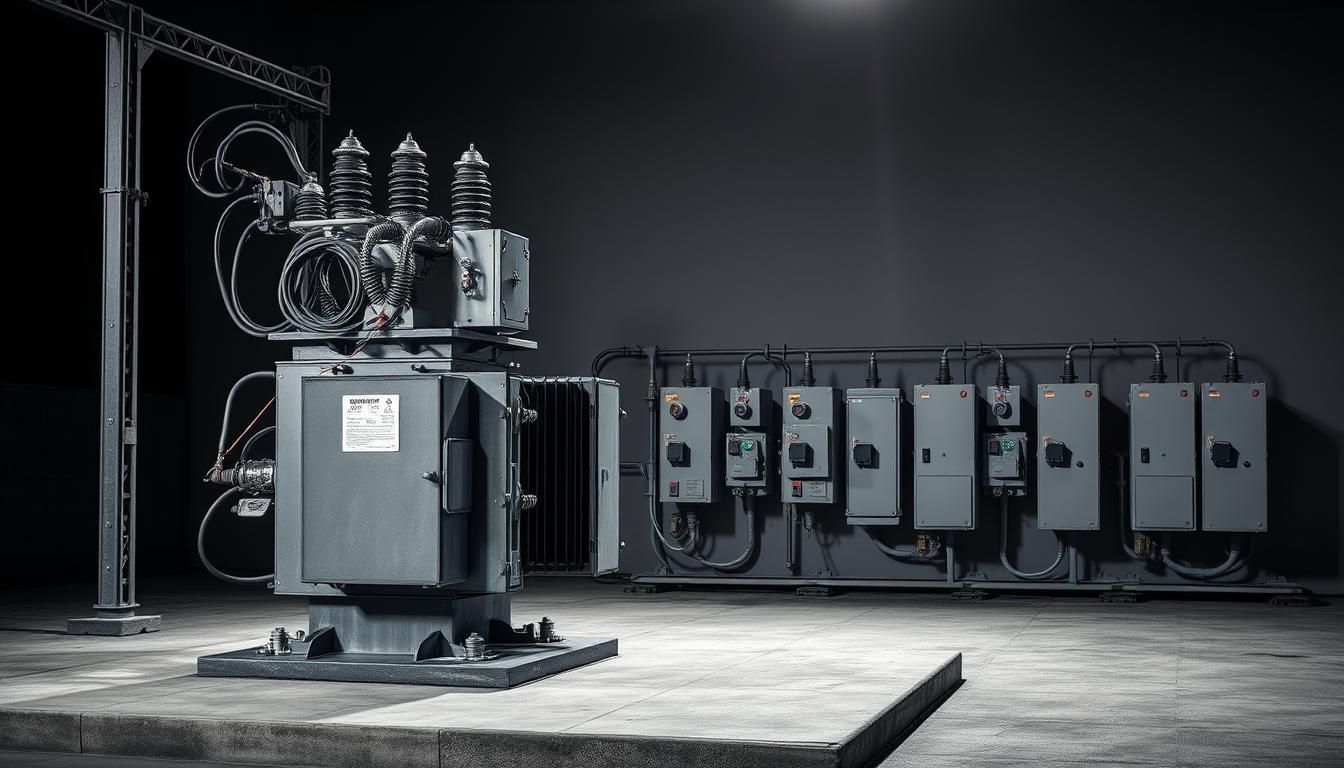
Grounding transformer protection often uses ground-fault relays to spot unbalanced currents. These indicate a ground fault. Use breakers and fuses that can handle the fault current. For systems with high neutral currents, adding negative-sequence protection is wise.
When using neutral grounding resistors or reactors, adjust relay settings and time delays. This ensures the relay responds correctly to the reduced fault current. Use thermal-magnetic breakers for steady-state and short-time currents to prevent false trips.
Protection strategies for isolation transformer-fed equipment
Isolation transformer protection focuses on detecting leakage and protecting downstream equipment. Use residual current devices or ground-fault interrupters to catch dangerous leakage. Differential protection on secondary circuits adds extra sensitivity for faults between windings and loads.
Bonding the secondary according to NEC rules improves protection reliability. Keep an eye on leakage current trends to catch insulation problems early.
Coordination tips to avoid nuisance tripping
Adjust settings for limited or shifted ground-fault currents with reactors or resistors in the neutral. Avoid overly sensitive ground-fault relays that might trip on transformer magnetizing inrush. Use NFPA 70's time grading and selective coordination to ensure the right device trips first.
Keep records of relay curves and breaker time-current characteristics. Test the system in stages to make sure it works right. Proper coordination saves time and protects important loads.
Installation considerations and best practices
Choosing the right spot for transformer installation is key. Pick a location near the main service or distribution point. This is where you need a neutral reference. Also, check the soil resistivity and plan the station grounding grid for expected fault currents.
When sizing grounding conductors, follow NEC Article 250. The size depends on the transformer's kVA, fault current, and the conductor run. Calculate the grounding resistor or reactor ratings to handle fault duty safely.
Isolation transformer grounding and bonding need clear policies. If an isolation secondary must be grounded, bond the secondary enclosure and exposed metal. For systems meant to remain isolated, label panels and document the isolation to avoid accidental bonding.
Remember ventilation and enclosure requirements. Use manufacturer guidance for ambient temperature limits and NEMA or UL enclosure ratings. Provide drip shields or weatherproof housings for outdoor installs and ensure access for safe maintenance.
Maintain physical clearances for safety. High-voltage equipment needs specified clearance for live parts and working space. Design clear access routes for routine inspection and maintenance.
Bond all non-current-carrying metal near isolation transformers. This includes cabinets and conduit to reduce stray voltages. For grounding transformer installation, connect grounding electrode conductors directly to the grounding grid. Route conductors to minimize loops and impedance.
| Consideration | Grounding Transformers | Isolation Transformers |
|---|---|---|
| Preferred location | Near the main service or distribution neutral point | Close to loads needing isolation or noise reduction |
| Conductor rules | Size per NEC Article 250; include grounding conductor sizing calculations | Bond secondary enclosures if grounded; clearly document isolated secondaries |
| Grounding approach | Direct to grounding grid; assess soil resistivity and fault duty | Optional grounding of secondary per application; avoid inadvertent bonding |
| Enclosure & ventilation | Follow manufacturer specs; provide weatherproofing for outdoor units | Match NEMA/UL ratings; ensure cooling and service access per vendor guidance |
| Clearances & safety | Maintain working space and lockout/tagout access; reduce impedance paths | Provide adequate spacing for maintenance and minimize leakage paths |
| Labeling & documentation | Record grounding grid and resistor/reactor sizing; mark connections | Document isolated systems and label to prevent accidental bonding |
Adopt standard procedures and train staff on transformer installation best practices. Use drawings that show grounding conductor sizing, bonding points, and enclosure specifications. Regularly review installations against NEC and manufacturer guidance to stay compliant and safe.
Maintenance and testing procedures
Keeping grounding and isolation transformers in good shape is key. Regular checks help spot problems before they cause trouble. Use a checklist and keep records for each inspection.
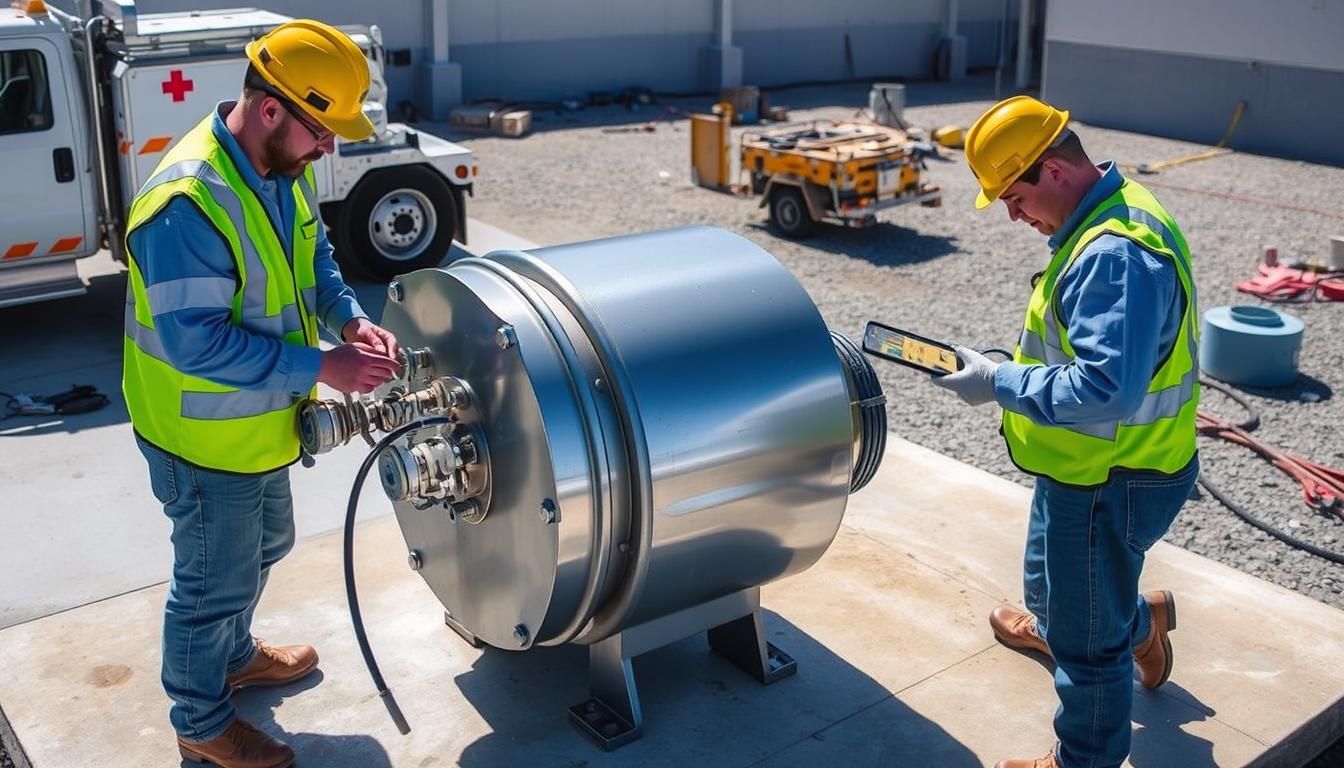
Grounding transformer maintenance starts with a visual check. Look for oil leaks on oil-filled units and check the conservators, gaskets, and bushings. Use thermal imaging to find hot spots.
Make sure the grounding resistor or reactor is working correctly. Also, check for corrosion on terminals and frames.
Measure how protective relays work and check terminal connections during each visit. Stick to the manufacturer's schedule and IEEE guidelines for maintenance. Keep test logs to track trends and make informed decisions.
Transformer testing for isolation units focuses on insulation and turn integrity. Do insulation resistance (megger) tests and record the polarization index. Run turns-ratio and winding resistance tests to find shorted turns or tap issues.
Include a measured leakage/balance test to detect capacitive coupling or early insulation breakdown. Verify electrostatic shields and, where relevant, measure common-mode attenuation. An isolation transformer leakage test must be part of commissioning and periodic checks.
Troubleshooting common issues starts with targeted measurements. High leakage currents often point to degraded insulation, poor bonding, or nearby cable routing that creates stray capacitance. Use the ma egger and leakage tests to isolate the path.
If nuisance tripping occurs, review relay settings and consider inrush suppression or staged energization. For unusual heating, perform thermography and re-torque suspect connections. Address corrosion and moisture entry promptly to prevent accelerated failure.
| Task | Grounding Transformer | Isolation Transformer | Recommended Frequency |
|---|---|---|---|
| Visual inspection | Oil level, gaskets, corrosion, grounding resistor | Enclosure, bushings, shield condition | Quarterly |
| Thermal scan | Connections, taps, resistors | Primary/secondary connections | Annually or after a load change |
| Insulation resistance | Dielectric checks on windings and ground | Megger, polarization index | Annually |
| Turns-ratio / winding resistance | Verify the ratio after repairs | Turns-ratio and winding resistance tests | Commissioning and every 3 years |
| Leakage/balance test | Check stray currents and the grounding path | Isolation transformer leakage test, balance, and capacitance | Annually or when nuisance currents appear |
| Protective relay verification | Operation and settings for ground-fault protection | Coordination with downstream devices | Annually |
| Recordkeeping | Test logs, resistor history, repairs | Test results, shield, and leakage trends | Continuous |
Cost, lifecycle, and ROI comparison
When choosing between grounding and isolation transformers, it's important to look at the cost. This includes the initial price, ongoing expenses, and the long-term benefits. Here's a quick guide to help you understand the main costs and how they affect your investment.
Initial purchase and installation
Grounding transformers are often cheaper, especially for basic zig-zag or wye-grounded models. However, specialized isolation transformers with extra features like electrostatic shields or medical certifications cost more. Installation costs can also vary, with isolation transformers needing more work for shielding and bonding.
Operational and maintenance costs
The cost of owning a transformer over time includes losses, cooling needs, and regular checks. Isolation transformers might cost more to maintain, but can save money by reducing downtime and repairs. Grounding transformers are simpler to maintain but might need extra parts like grounding resistors.
Assessing ROI by application and risk reduction
Isolation transformers offer a good return on investment in certain situations. They can reduce equipment failures and downtime, which is crucial for critical systems. For general use, grounding transformers might be more cost-effective due to their lower price and easier maintenance.
| Metric | Grounding Transformer | Isolation Transformer |
|---|---|---|
| Typical purchase price | Lower for standard zig-zag or wye-grounded units | Higher when shielded or medical-certified |
| Installation cost comparison | Lower wiring and enclosure complexity | Higher due to shielding, bonding, and certification work |
| Transformer lifecycle cost | Moderate; fewer specialized parts | Can be higher, but may reduce downstream repair costs |
| Operational impact | Improves fault handling and neutral reference | Reduces electrical noise and protects sensitive loads |
| Return drivers | Lower capital outlay, easier service | Reduced downtime, extended equipment life |
Before making a decision, consider the cost of downtime, how often you'll need to replace equipment, and the risk of non-compliance. A detailed cost-benefit analysis that includes lifecycle costs and potential failures is more informative than just looking at the initial price. Use real maintenance data and warranties from reputable brands like Siemens, Eaton, or ABB to make your comparison.
Regulatory and code influences in the United States
Designers and engineers must follow national codes and industry standards when choosing grounding or isolation transformers. They need to know the NEC transformer rules and the IEEE grounding standards. These rules help decide on neutral grounding, bonding conductors, and required tests. Local authorities also have their own rules that can change how a project is done and checked.
Key excerpts that affect transformer selection
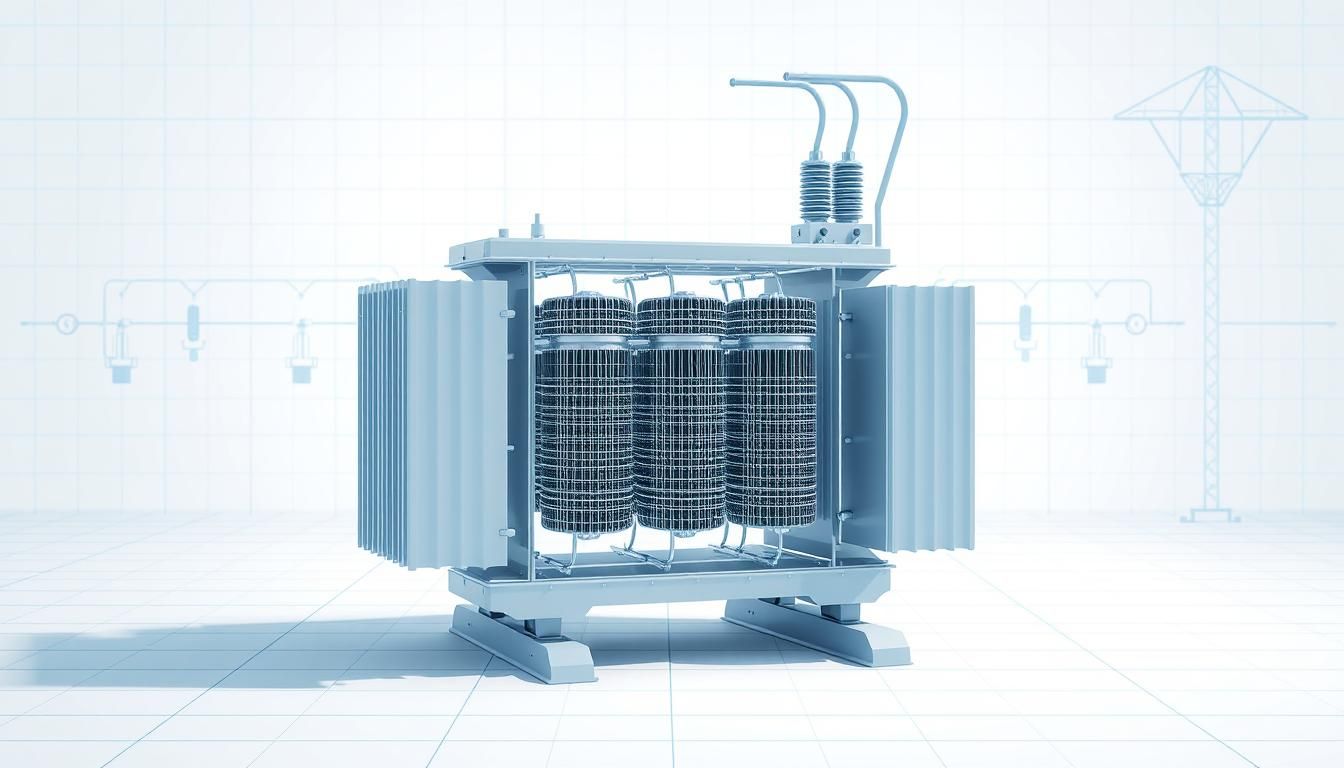
NEC Article 250 covers the basics of grounding and bonding. It often decides if a neutral must be solidly grounded or bonded through a grounding transformer. Article 450 talks about transformer installation, overcurrent protection, and spacing. Article 517 has special rules for health care facilities, where grounding and isolation choices are crucial for patient safety. IEEE Std 142 offers practical grounding advice used by electrical engineers during design and commissioning.
State and utility-specific requirements to watch for
State regulations and utility engineering standards can have their own rules. They might limit interconnections, specify station grounding methods, or set fault-current contribution caps. Large utilities might need specific substation grounding practices. State fire code offices might add extra steps for critical facilities. Project teams should talk to the local utility and AHJ early to learn about site-specific AHJ transformer requirements and interconnection procedures.
Documentation and inspection expectations for compliance
Keep detailed records: transformer nameplates, wiring diagrams, grounding calculations, commissioning reports, and test logs. Good files make permit reviews and audits easier. Inspectors and utility engineers often ask for proof of transformer code compliance and recent test results during site visits. Clear documentation helps speed up approvals and reduces rework.
Practical checklist for project teams
Verify applicable NEC transformer rules for grounding and overcurrent protection.
Cross-check designs against IEEE grounding standards for soil and mesh recommendations.
Consult the local utility and AHJ for AHJ transformer requirements and interconnection notes.
Compile nameplates, wiring diagrams, grounding calculations, and test reports before inspection.
Real-world examples and case studies
A Midwest manufacturing plant had a 480V delta distribution without a neutral. This led to frequent equipment trips and production losses. After a site study, they installed a zig-zag grounding transformer with a neutral grounding resistor.
This grounding transformer case study showed controlled neutral availability. It also limited ground-fault current to design levels and made phase-to-ground voltages more stable. Relay coordination improved, and motors and drives stopped experiencing damaging transients.
Plant managers from Eaton and Schneider Electric reported fewer unexpected shutdowns. They also found easier maintenance scheduling. This grounding transformer industrial example shows how it can reduce downtime and improve protective device performance.
An urban hospital imaging suite faced poor image contrast and unexplained alarms on MRI and CT systems. Electromagnetic interference and common-mode noise were suspected. The hospital worked with Vanderlande and Siemens Healthineers engineers to evaluate isolation options.
They selected a medical isolation transformer with electrostatic shielding and careful secondary bonding. The isolation transformer case study documented reduced common-mode voltage. It also showed clearer diagnostic images and fewer false alarms.
Compliance with NFPA 99 and hospital engineering standards remained intact. Biomedical engineering staff noted easier troubleshooting and improved patient throughput after installing the medical isolation transformer.
Lessons learned across these projects stress the need for a thorough site study. Coordination with the authority having jurisdiction and the utility is key. Important decisions include expected fault current levels, sensitivity of loads, applicable codes, and lifecycle costs.
Specifying the correct transformer class and accessories, plus fitting appropriate protective schemes, proved vital in each instance. Documenting decisions, test results, and maintenance plans helped operations teams at the plant and hospital maintain performance over time.
Owners who weighed cost trade-offs against risk reduction found that the right transformer selection paid back. It led to fewer outages, better equipment reliability, and simpler protection coordination.

Conclusion
This summary highlights the main differences between grounding and isolation transformers. Grounding transformers create a neutral reference and manage ground-fault currents. On the other hand, isolation transformers offer galvanic separation and reduce electrical noise. They don't provide a grounded neutral.
Choosing between grounding and isolation transformers depends on your needs. Use a grounding transformer for safety and predictable fault current paths. An isolation transformer is better for noise reduction and isolating sensitive equipment in medical and lab settings.
Before making a decision, follow a detailed transformer selection guide. Check NEC and IEEE rules, local regulations, and utility requirements. Also, do a power system study that includes fault analysis and protection coordination.
Keep records of your choice and testing to ensure compliance and safety. This approach will help maintain the reliability and safety of your equipment throughout its lifecycle.
FAQ
What is the primary difference between a grounding transformer and an isolation transformer?
A grounding transformer creates a neutral reference for systems without one, limits and directs ground-fault current, and helps protective relays and breakers detect and clear faults. An isolation transformer, by contrast, provides galvanic separation to reduce common-mode noise and ground loops, protects sensitive equipment, but does not create a grounded neutral unless the secondary is bonded.
Which common configurations do grounding transformers use?
Grounding transformers often use zig-zag windings for a neutral with low short-circuit current; wye-grounded transformers provide a solid neutral when possible; resistor- or reactor-grounded arrangements limit fault current for equipment protection.
Where are grounding transformers typically used in U.S. power distribution?
You'll find grounding transformers in industrial plants, mines, utility substations, and commercial facilities—specifically in delta or ungrounded systems. They aid relay coordination, reduce transient overvoltages, and limit ground-fault currents.
What are the typical applications for isolation transformers?
Isolation transformers are used where galvanic separation or noise attenuation is key, including data centers, laboratory equipment, industrial control panels, and medical imaging areas. Medical-grade units meet NFPA 99 and IEC/UL standards.
How do grounding transformers affect fault currents and protective device coordination?
Grounding transformers provide a predictable path for single-line-to-ground faults, allowing conventional ground-fault relays and overcurrent devices to operate. If a resistor or reactor is used, fault current is limited, and protective device settings must be adjusted. Proper coordination relies on accurate fault-current calculations and relay settings, with IEEE/NEC guidance being essential.
How do isolation transformers change fault detection and protection needs?
Isolation transformers break the direct conductive path between the source and the load, which can hide faults from upstream overcurrent protection. Designers often use residual-current devices, sensitive ground-fault detection, and selective coordination to detect faults reliably.
What are the safety implications of each transformer type for maintenance and touch potential?
Grounded neutrals keep phase-to-ground voltages predictable and limit transient overvoltages, aiding safe maintenance and reducing touch-potential hazards. Isolation transformers can reduce stray currents and some shock risks, but if the secondary isn't properly bonded or is mistakenly tied to ground, they can create confusing and unsafe touch-potential conditions. Clear labeling, bonding practices, and LOTO (Lockout/Tagout) procedures are essential.
When should I specify a grounding transformer versus an isolation transformer in a design?
Use a grounding transformer when a system needs a neutral reference or controlled ground-fault current—common in plants with delta distribution, substations, or large motor loads. Specify an isolation transformer when galvanic isolation or noise reduction is needed for sensitive electronics, medical equipment, or instrumentation rooms. The decision should be based on fault studies, power-quality requirements, and applicable codes.
Which codes and standards influence transformer selection in the United States?
NEC Article 250 (grounding and bonding), Article 450 (transformers), Article 517 (healthcare facilities), and Article 645 (IT equipment) are key references. IEEE guidance—such as IEEE Std 142 (grounding) and transformer standards in the C57 series—also applies. Always check local AHJ (Authority Having Jurisdiction) and utility interconnection rules for additional requirements.
How do grounding and isolation transformers affect power quality and harmonics?
Grounding transformers stabilize phase-to-ground voltages and can limit transient overvoltages; zig-zag grounding transformers offer a low-impedance path for triplen harmonics, helping control harmonic distribution. Isolation transformers with electrostatic or Faraday shields markedly reduce common-mode noise and EMI/RFI, improving the performance of sensitive loads like UPS systems and imaging equipment.
What protection devices are typically paired with grounding transformers?
Grounding transformers are commonly used with ground-fault relays, appropriately rated breakers and fuses, and neutral grounding resistors or reactors when limiting fault current. Negative-sequence protection or other phase-sensitive schemes may be added for unbalanced load or motor-heavy systems to improve fault detection and selectivity.
What protection strategies work best for isolation transformer-fed equipment?
Use residual-current devices (RCDs), sensitive ground-fault detection on the secondary, and selective coordination to avoid nuisance trips. Monitor leakage currents and ensure secondary bonding matches NEC requirements. For critical loads, pair isolation transformers with proper UPS, surge protection, and instrumentation to detect subtle insulation degradation or capacitive leakage paths.
What installation best practices should I follow for grounding transformers?
Locate grounding transformers near the service or distribution point where a neutral is required. Size grounding conductors and grounding electrode conductors per NEC Article 250. Calculate ratings for grounding resistors or reactors to handle expected fault duty. Consider station grounding grid design and soil resistivity when sizing electrodes and conductors.
How should isolation transformer grounding and bonding be handled on-site?
If the isolation secondary must be grounded, follow NEC bonding practices: bond enclosures and exposed metal, size equipment grounding conductors properly, and document the intended system configuration. For truly isolated systems, label and document the isolation clearly to prevent inadvertent bonding that would defeat the isolation’s purpose.
What maintenance and testing are recommended for grounding transformers?
Perform visual inspections, torque checks, thermal imaging of connections, and verify grounding resistor or reactor integrity. For oil-filled units, inspect and test oil regularly per manufacturer guidance. Test protective relays and record operating parameters. Maintain detailed logs of inspections and test results to support reliability and compliance.
What tests are important for isolation transformers?
Key tests include insulation resistance (megger), turns-ratio, winding resistance, polarization index, and leakage or balance tests to identify capacitive coupling or insulation breakdown. Verify electrostatic shield continuity where present and measure common-mode attenuation if noise reduction is a design objective.
How do initial cost and lifecycle expenses compare between grounding and isolation transformers?
Grounding transformers (zig-zag or standard wye grounding) are generally less expensive initially than specialized isolation transformers with electrostatic shields or medical certifications. Isolation units often have higher upfront costs but can reduce downtime and equipment failures for sensitive loads. When assessing total cost of ownership and ROI, consider lifecycle losses, maintenance, and risk reduction.
Are there real-world examples that show when each type is the right choice?
Yes. An industrial plant with a delta distribution added a zig-zag grounding transformer and grounding resistor—this limited ground-fault currents, stabilized voltages, and restored reliable relay operation, reducing nuisance outages. A hospital imaging suite installed an isolation transformer with electrostatic shielding and proper secondary bonding, which cut common-mode noise, improved image quality, and reduced false alarms while meeting NFPA 99 requirements.
What documentation should I keep to demonstrate compliance and support inspections?
Keep transformer nameplates, wiring diagrams, grounding calculations, test records, commissioning reports, and relay setting documentation. Maintain maintenance logs and manufacturer service records. These documents help during AHJ inspections, utility reviews, and future troubleshooting or expansion work.