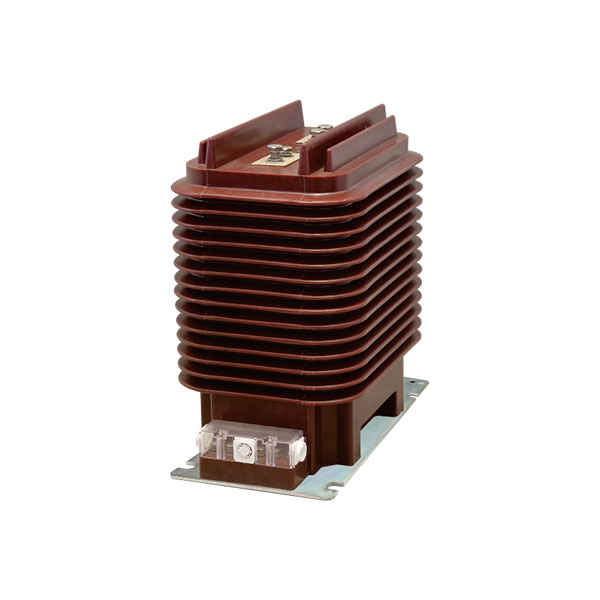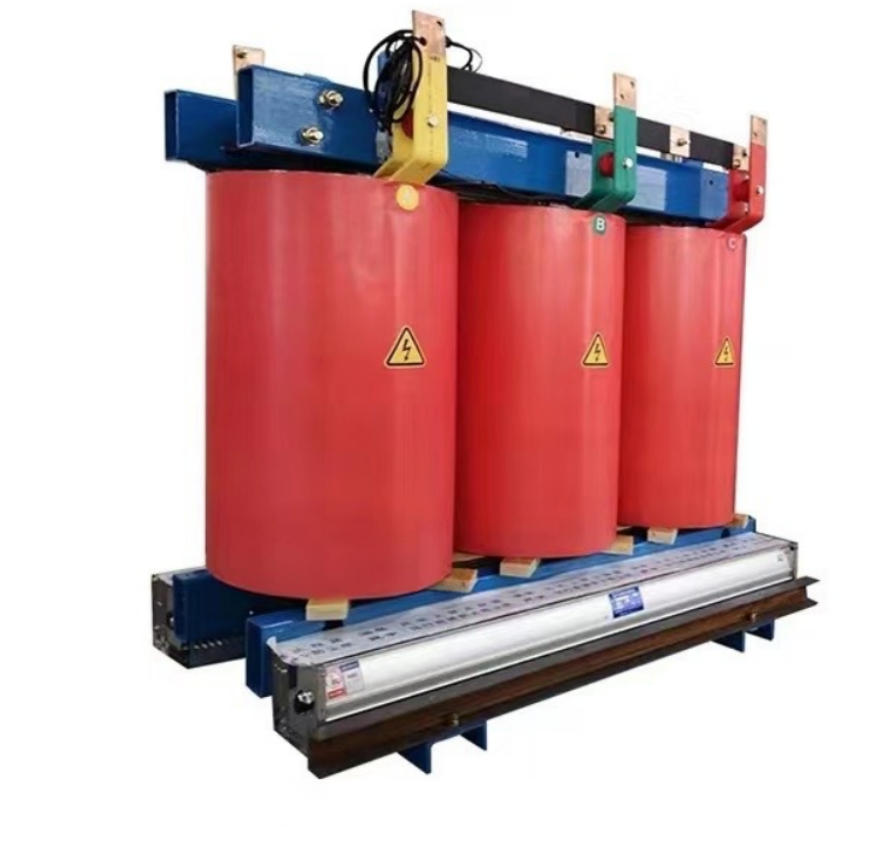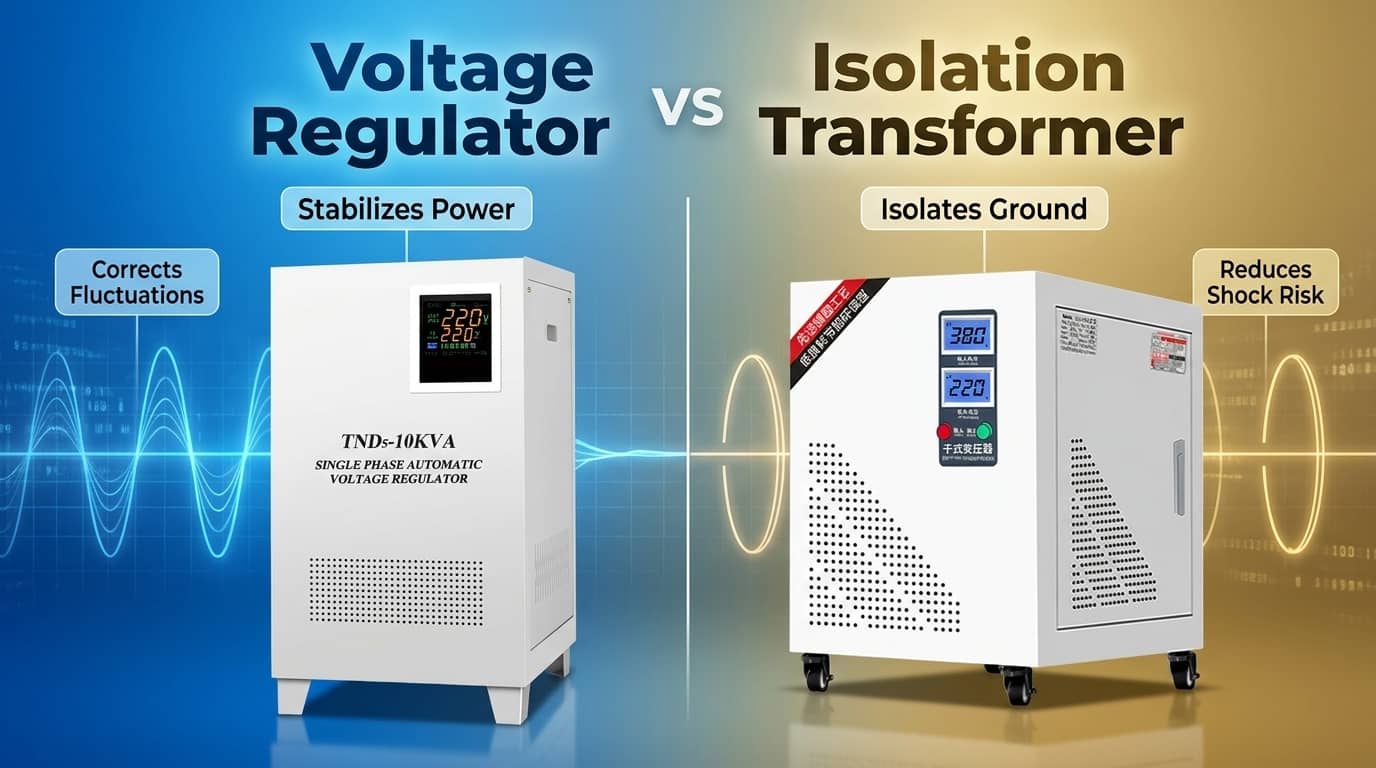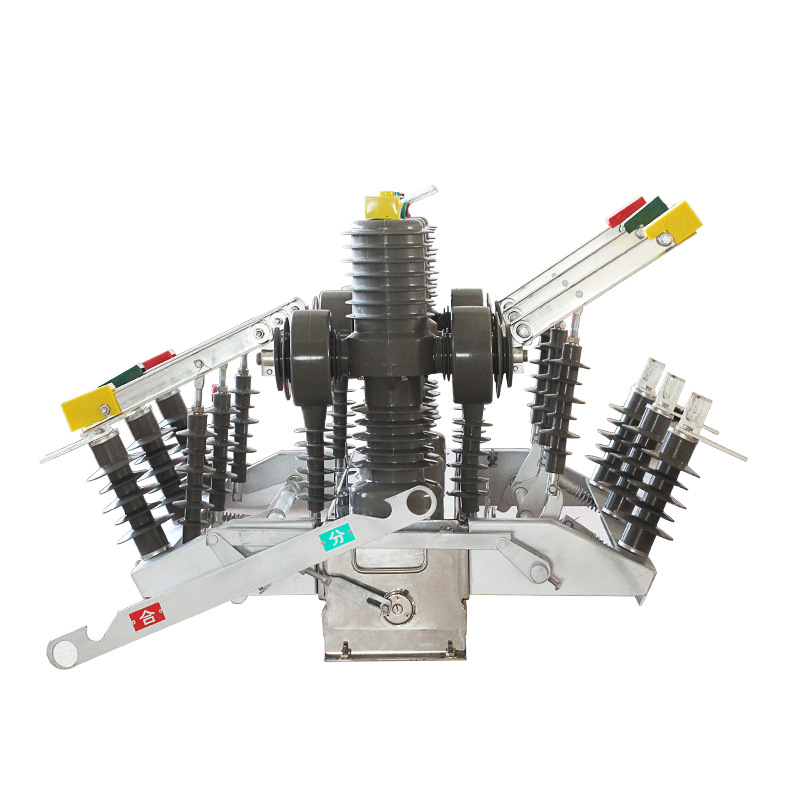
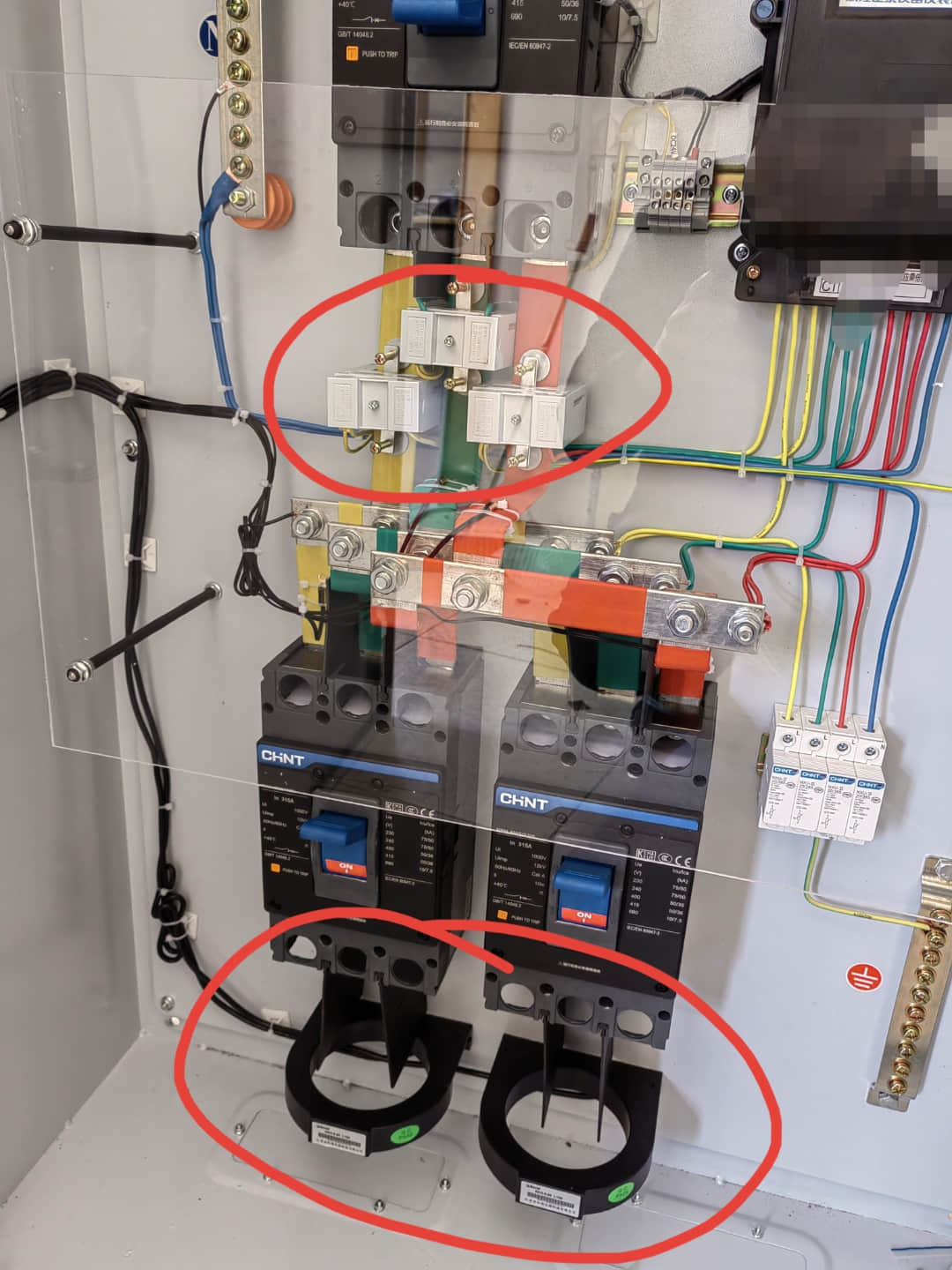
A core current transformer (CT) is a device that measures alternating current by stepping it down to a lower, safer level. It does this using a magnetic core to transfer the current from the primary to the secondary side. If you've ever wondered how large-scale power systems track current flow safely and precisely, core current transformers are the answer.
These transformers play a vital role in monitoring and protection systems. Without them, detecting overloads or faults in a high-voltage grid would be risky and imprecise. In this article, we’ll break down how core CTs work, explore different types, and explain how they differ from other current transformers—all in clear, easy-to-follow language.
👉 Want a complete guide on CBCT selection, application, and testing? Check out our latest article: Core Balance Current Transformer Guide: Selection, Test, Application.
What Is a Core Current Transformer?
A core current transformer uses a magnetic core to convert high currents into measurable values. It’s typically built with a laminated steel core and a winding that surrounds it.
These CTs are designed to handle steady current levels in power systems. They are widely used in substations, switchgear, and control panels. The stepped-down output current can then be safely read by meters, relays, and protection devices.
Because core CTs operate continuously, they need to be highly accurate and durable. Their performance ensures that readings are reliable, which is critical for safe and efficient grid operation.
How Does It Work?
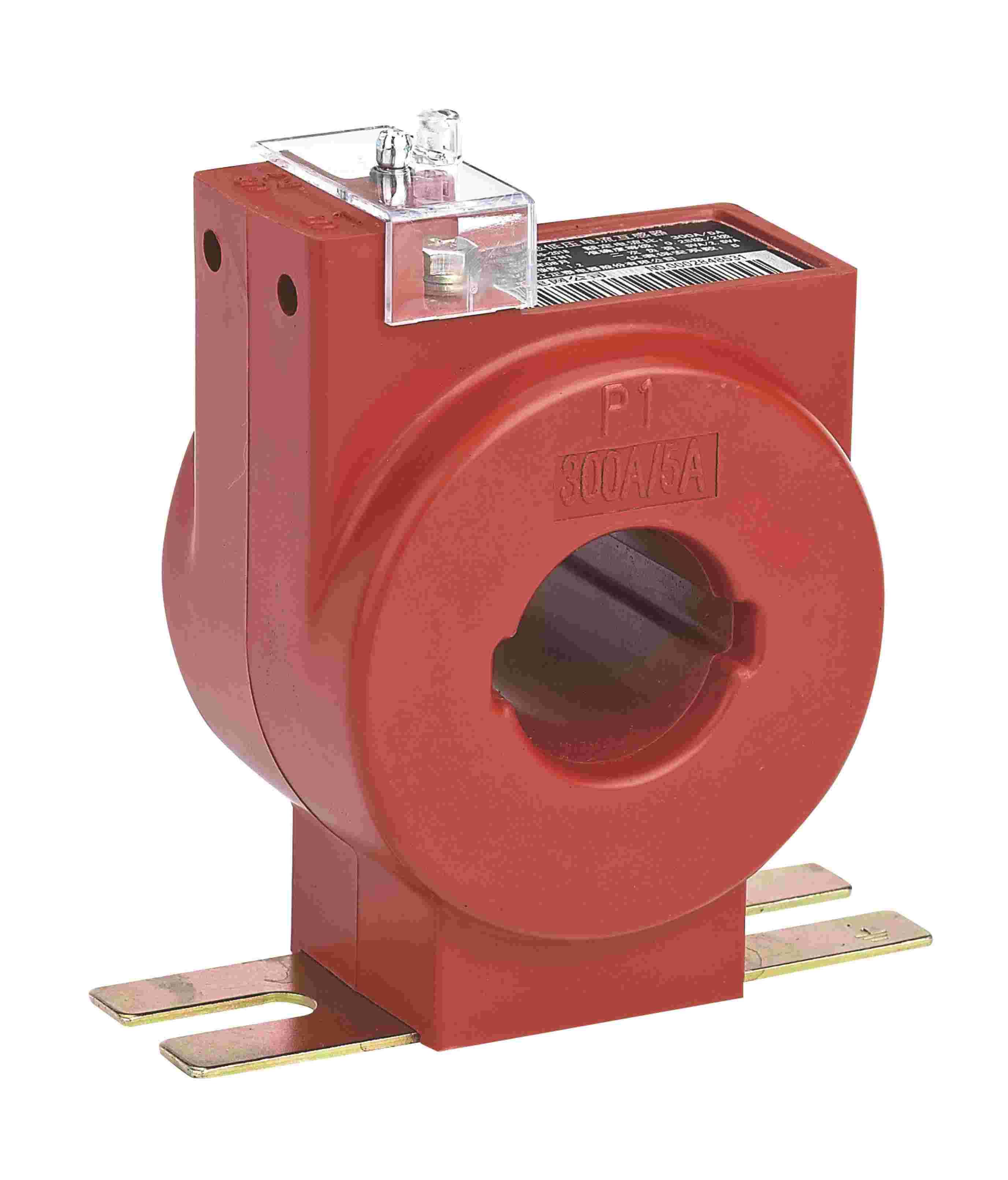
Core current transformers work on the principle of electromagnetic induction.
When alternating current flows through the primary conductor, it creates a magnetic field around the core. This field induces a current in the secondary winding, which is proportional to the primary current.
By controlling the turns ratio between the primary and secondary windings, the output current is scaled down to a level that can be safely monitored.
The accuracy of this process depends on the core material, winding design, and proper installation.
Types of Core Current Transformers
There are several types of core CTs, each suited for specific applications.
1. Wound-Type CTs
These have a primary winding of more than one turn. They are used when higher accuracy is needed or when the primary current is too low for conventional CTs.
2. Bar-Type CTs
These use a busbar or conductor as the primary winding. They're common in medium- and high-voltage switchgear and are known for their mechanical strength and stability.
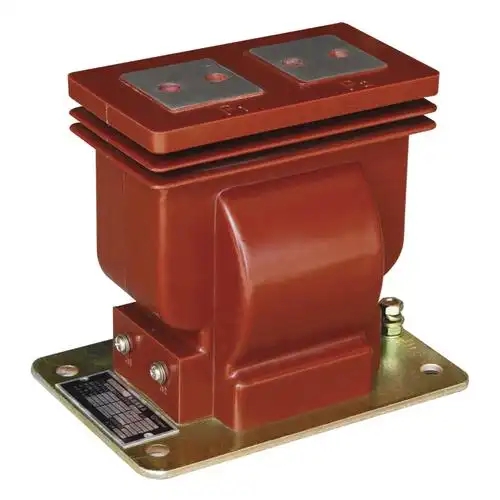
3. Toroidal CTs
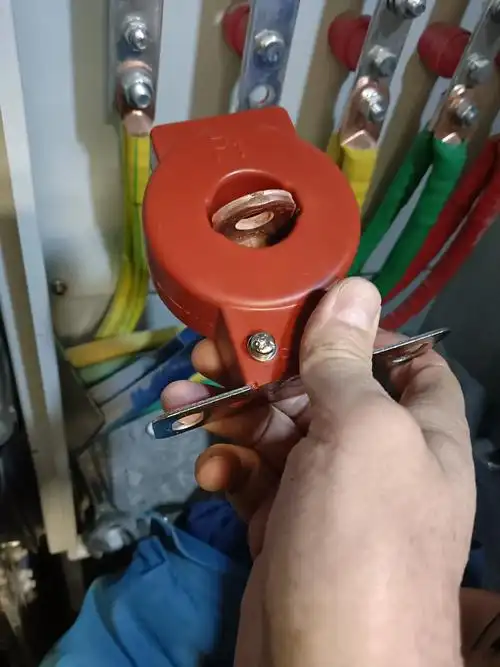
These don’t have a primary winding at all. Instead, the primary conductor is passed through the core. Toroidal CTs are easy to install and are often used in retrofit applications.
Each of these types offers different advantages depending on the voltage, current, and physical space available.
Core CT vs. General Current Transformer
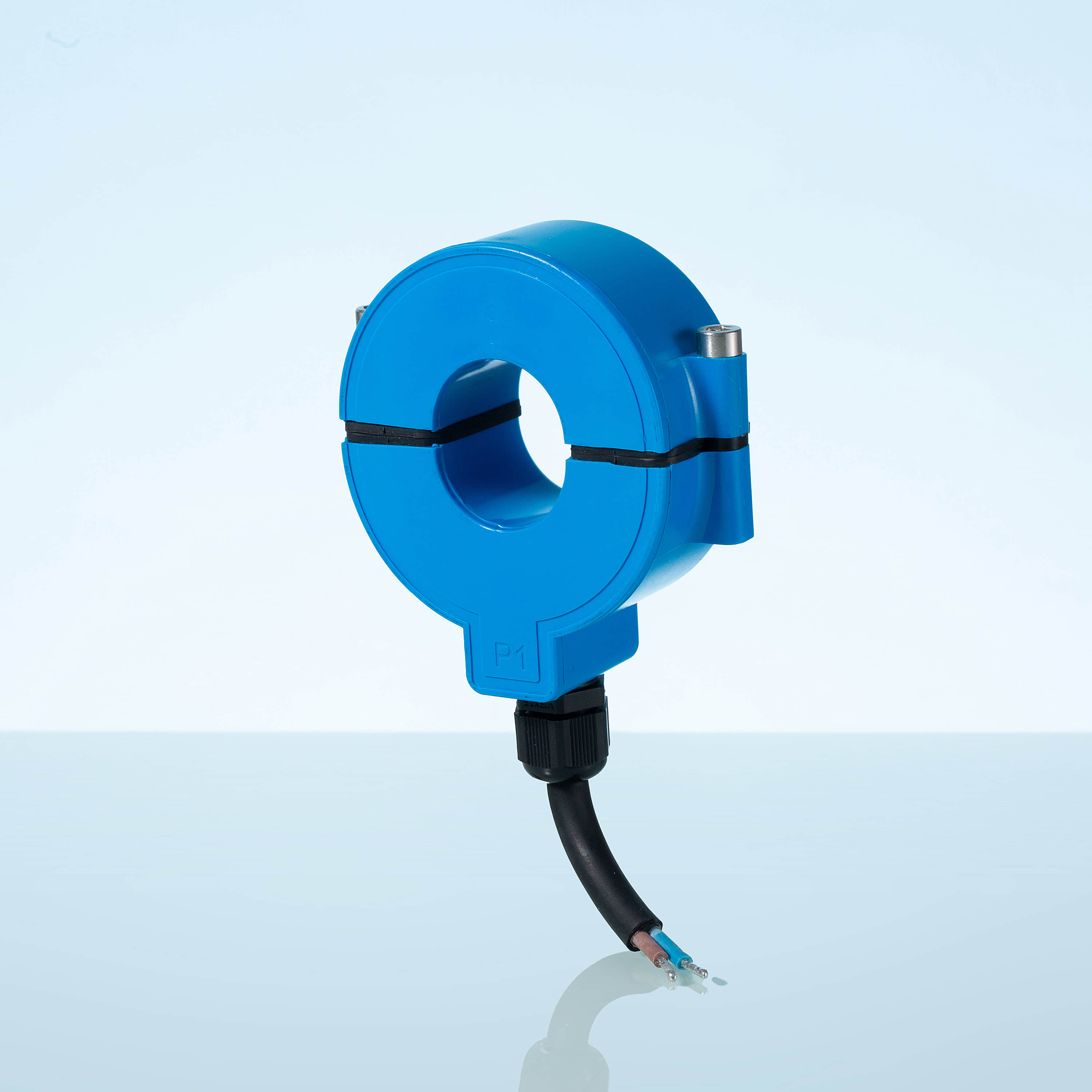
Although all current transformers share a common goal—measuring current—core CTs differ from general-purpose CTs in construction, accuracy, and application.
Feature | Core Current Transformer | General Current Transformer |
Magnetic Core Design | Laminated steel core for high accuracy | May use simpler or molded cores |
Application | Critical systems, substations, and relays | General monitoring or temporary setups |
Accuracy Class | 0.1, 0.2, 0.5 (high precision) | Often 1.0 or 3.0 |
Stability | Designed for continuous operation | May drift over time under load |
Price and Build | Higher cost, robust materials | Lower cost, basic performance |
Core CTs are essentially a high-precision subset of current transformers built for demanding environments. A core CT is the superior choice if your application requires consistent long-term accuracy, such as energy billing, protection relays, or substation monitoring.
Core CT vs. Split-Core CT
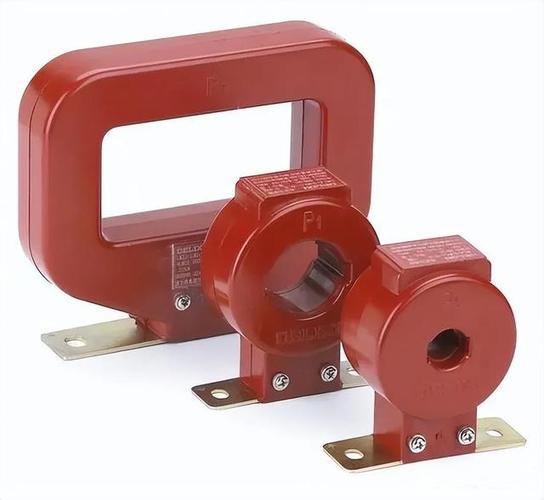
Core CTs and split-core CTs serve similar purposes but differ in construction and use cases.
Feature | Core CT | Split-Core CT |
Installation | Fixed, requires shutdown | Clamp-on, live installation |
Accuracy | High | Moderate to low |
Cost | Higher | Lower |
Use Case | Permanent setups | Temporary monitoring |
Split-core CTs are ideal for temporary measurement or where system shutdown isn’t possible. Core CTs are best for long-term, high-accuracy use in critical systems.
Real-World Use Case: Power Grid Monitoring in the UK
In 2022, the UK National Grid upgraded its monitoring system across key substations. The project included installing precision core current transformers with an accuracy class of 0.2.
This upgrade allowed more accurate detection of overload conditions and improved real-time load balancing. Thanks to the core CTs, response times during faults improved by 30%, reducing the risk of blackouts.
This case shows the real value of core CTs in advanced grid protection.
Common Problems and How to Avoid Them
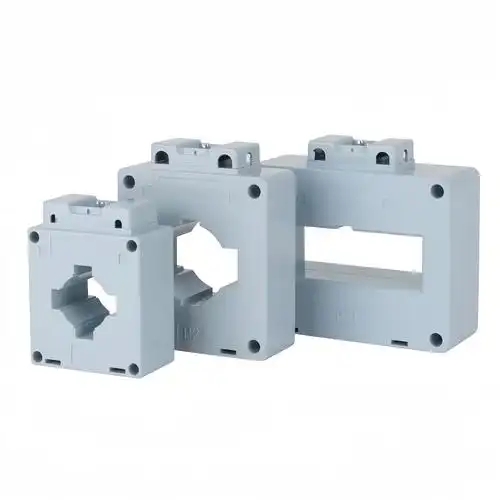
Improper installation or selection can lead to inaccurate readings and equipment failures.
1. Saturation
The CT can no longer provide accurate readings when the magnetic core becomes saturated. Always choose a CT with the correct saturation limit.
2. Incorrect Polarity
Reversing connections can confuse metering and protection logic. Always follow the marked polarity.
3. Open-Secondary Condition
Operating a CT with an open secondary can produce dangerously high voltages. Make sure the secondary circuit is always closed.
Avoiding these issues involves selecting the right CT and following the manufacturer’s guidelines during installation.
Key Selection Criteria
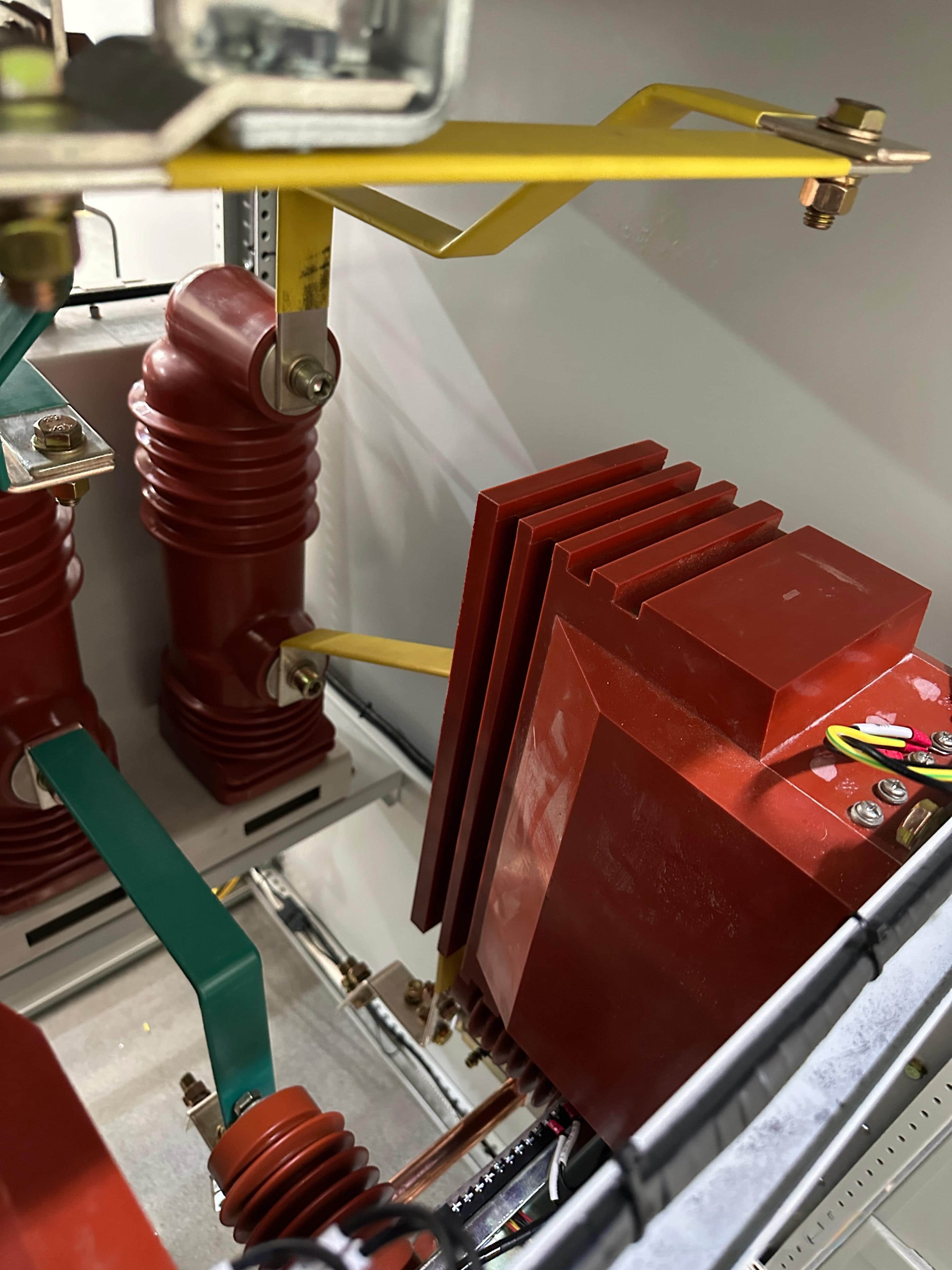
Choosing the right core current transformer involves more than just current ratings.
Accuracy Class: Select based on metering or protection needs.
Burden: Match the burden to your connected device.
Core Material: Affects accuracy and response.
Primary Current Rating: Always round up to match system load.
Installation Environment: Consider space, temperature, and exposure.
These factors help ensure the CT performs reliably under real-world conditions.
FAQ: Core Current Transformer
Q1: Can I use a split-core CT instead of a core CT?
A: Only if high accuracy and long-term stability are not required.
Q2: What accuracy class do I need?
A: For metering, 0.2 or 0.5 is typical. For protection, use 5P or 10P classes.
Q3: Are core CTs safe to handle?
A: Yes, but never leave the secondary open during operation.
Q4: How long do they last?
A: With proper care, core CTs can operate reliably for over 20 years.
Q5: Can they be used outdoors?
A: Yes, with proper enclosures and insulation.
Conclusion
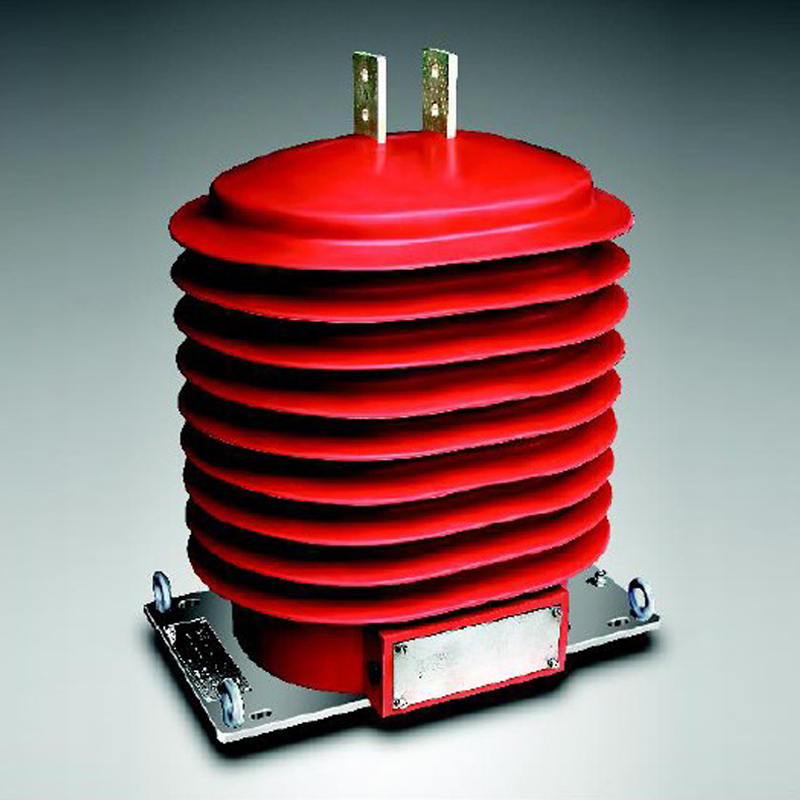
Core current transformers are essential for safe, accurate power monitoring in modern electrical systems. They step down high currents, protect equipment, and enable smart grid operation.
Don't leave it to guesswork if you’re upgrading your protection scheme or planning a new installation. Contact us for expert advice, custom solutions, or technical support tailored to your project.