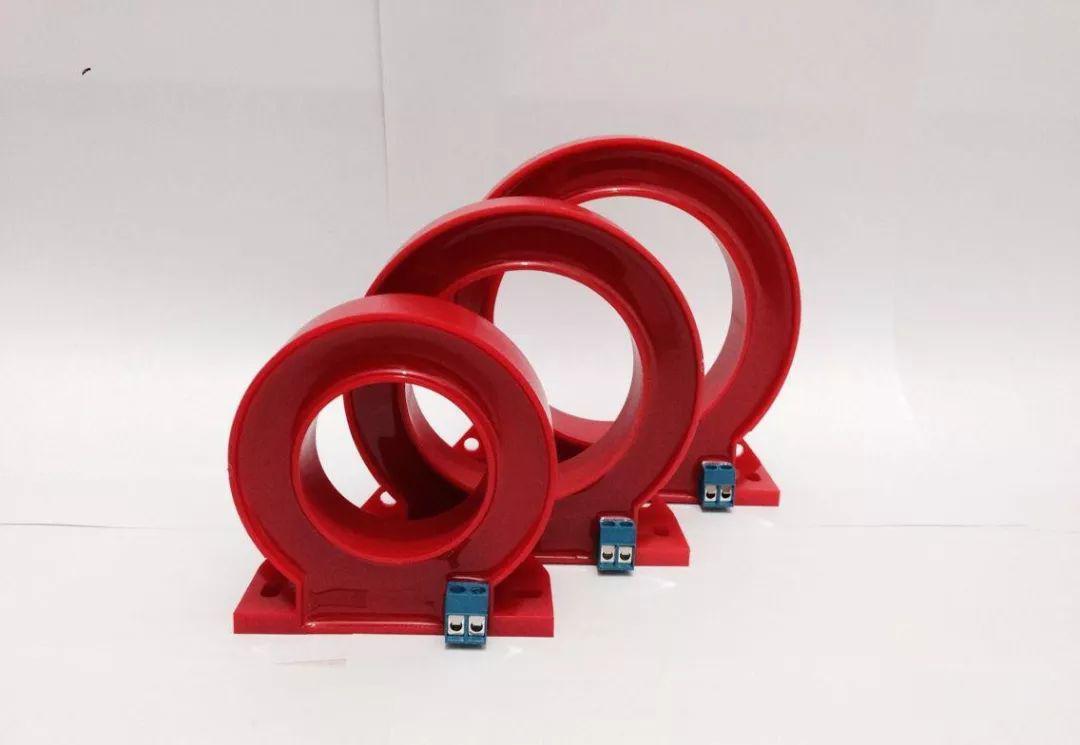
Have you ever wondered which silent "sentinel" guards our power supply or which "meter" precisely records every kilowatt-hour in complex electrical systems? Today, we're diving deep into the roles of these crucial components: the zero-sequence current transformer and the standard current transformer. While both belong to the current transformer family, their design philosophies and functional objectives are quite distinct.
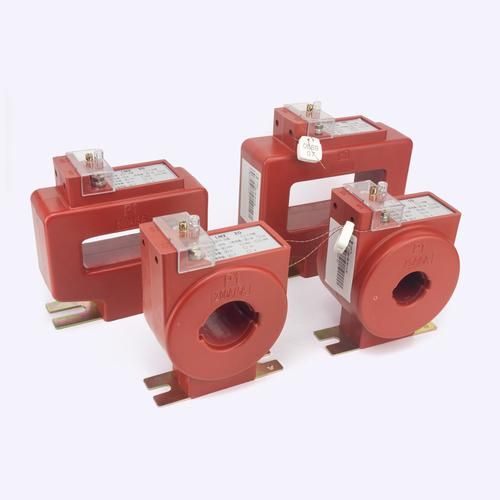
The zero-sequence current transformer, our "fault sentinel," is a specialized device used to monitor fault currents in electrical lines. Its core structure is relatively straightforward, typically consisting of just one iron core and a secondary winding. In practical applications, its usage follows clear guidelines. You'll pass the entire three-core cable through the transformer's core window to form the primary circuit.
The secondary winding then connects via leads to a dedicated relay, with the relay's output linked to a signal device or alarm system. This creates a complete fault monitoring and feedback loop. This unique design enables it to accurately capture abnormal currents, providing crucial protection for the safe operation of power systems.
In normal operating conditions, the three-phase currents in the primary circuit are largely balanced. According to the principle of vector superposition in electromagnetism, the resultant magnetic flux produced by these three currents is close to zero. Because of this characteristic, no current is induced in the secondary winding of the zero-sequence current transformer, and the device remains in a stable, standby state.
However, when a single-phase ground fault, wire break, or similar issue occurs in the primary line, the balance of the three-phase currents is disrupted. This creates an unbalanced current, known as a zero-sequence current. At this point, a tiny current (typically in the milliampere range) is induced in the secondary winding.
This small current is enough to trigger the relay, which then causes the signal device to alarm or activate corresponding protection mechanisms. This timely response helps prevent the fault from escalating. The minimal current value that triggers the relay is called the secondary current, and it also represents the sensitivity of the zero-sequence current transformer (which can also be expressed as the minimum primary operating current).
Sensitivity is a key performance indicator, and higher sensitivity means a faster response to minor fault currents. This is critical for the early detection and handling of ground faults.
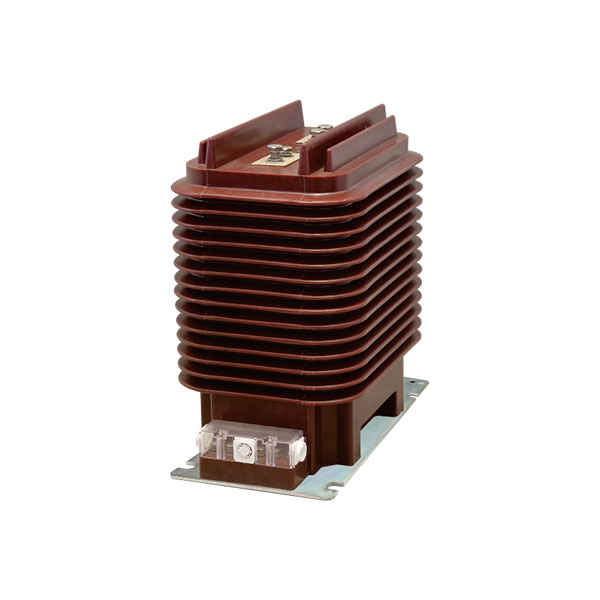
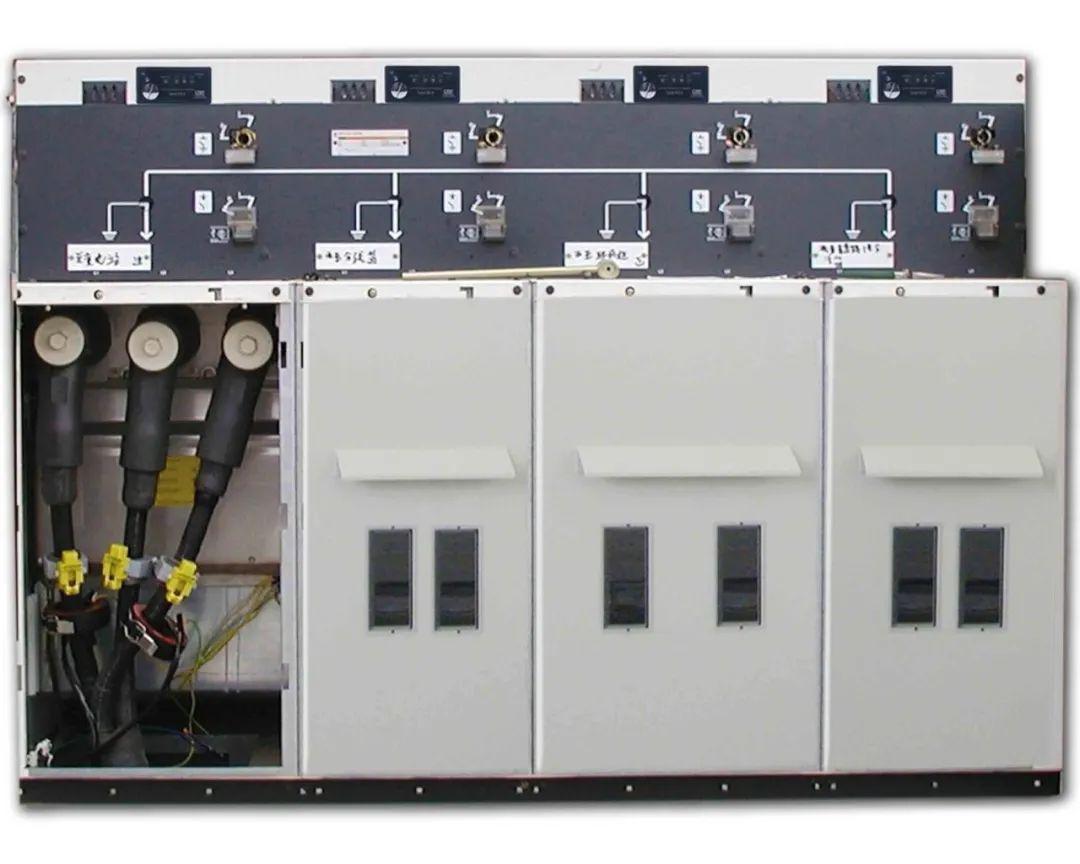
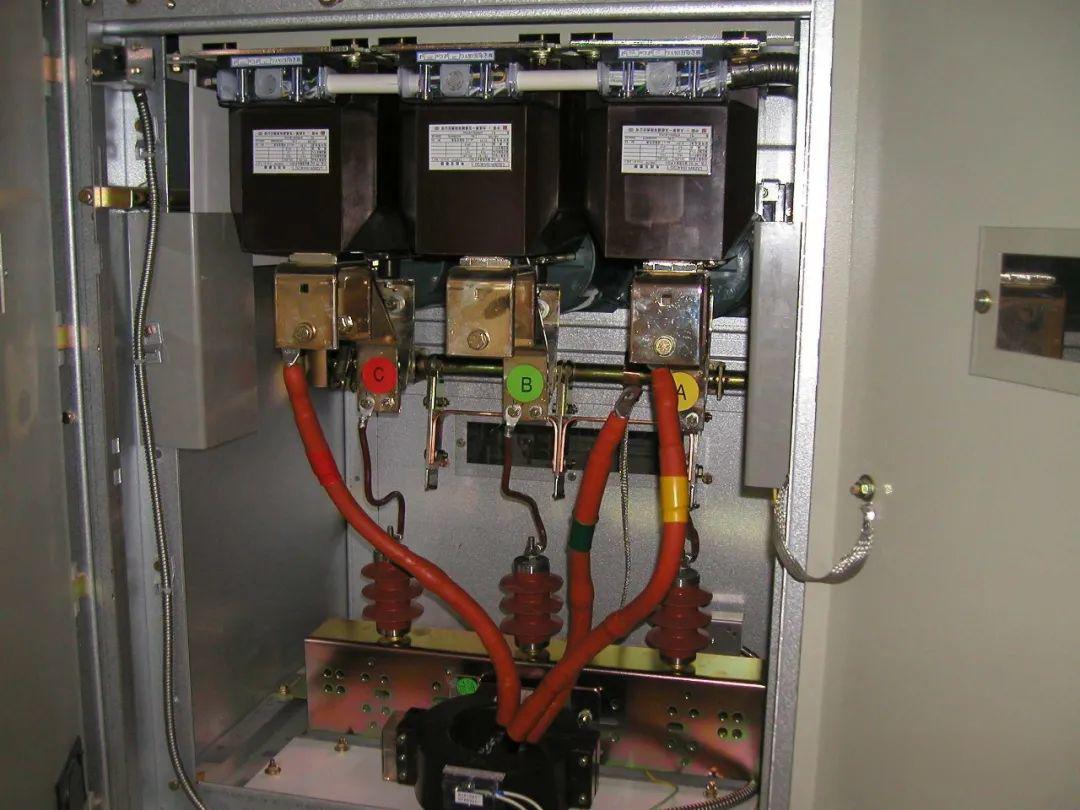
In 10kV feeder switchgear, the current transformers located inside the switch vary depending on the specific wiring configuration, typically being two-phase or three-phase types. These standard current transformers consist of a primary winding (L1, L2), a secondary winding, and an iron core. Most are encapsulated using a silicone rubber casting process.
Silicone rubber offers excellent insulation, aging resistance, and corrosion resistance. These properties ensure that the current transformer operates stably in complex electrical environments, effectively isolating its performance from external factors. So, what exactly are the differences between zero-sequence current transformers and standard current transformers? Let's analyze them in detail below.
Their Shared Electromagnetic "DNA"
Despite their distinct functions, both zero-sequence and standard current transformers operate on the same fundamental principle: electromagnetic induction. Current in the primary winding generates a magnetic field, which then passes through the iron core and induces a current in the secondary winding, facilitating current transfer and transformation. The primary differences lie in their structural design, operating conditions, and application scenarios, rather than their core principles.
Standard Current Transformers: The Precise "Meter" and "Control Messenger"
A standard current transformer's primary coil only passes through one phase conductor of the measured line. The current within its primary coil is therefore the actual load current of that specific phase line. Through electromagnetic induction, the secondary coil induces a secondary current that maintains a fixed ratio with the primary current.
This fixed ratio is called the transformation ratio (for example, 1000:5 means a primary current of 1000A results in a secondary current of 5A). This design allows it to proportionally convert high-voltage, high-current circuit currents into low-voltage, low-current signals. This conversion is crucial for subsequent metering, measurement, or control tasks.
For instance, power metering converts large line currents into smaller currents that utility meters can recognize, enabling accurate electricity consumption statistics. In relay protection, it transmits current signals to protection devices, providing the basis for these devices to determine if the line is operating normally. Furthermore, the iron core and winding designs of standard current transformers are optimized according to their application (e.g., metering, protection, measurement) to meet varying precision and stability requirements.
For example, transformers used for metering might prioritize linearity and accuracy class, while those used for protection focus more on transient response and saturation characteristics under fault currents.
Zero-Sequence Current Transformers: The Acute "Fault Detective"
A zero-sequence current transformer's primary coil, by contrast, passes simultaneously through all three phase conductors of the measured line (and sometimes the neutral line). This effectively "sums up" the three-phase currents within a single monitoring area. During normal operation, because the three-phase currents are equal in magnitude and 120 degrees out of phase, their vector sum is zero.
According to the law of electromagnetic induction, no induced magnetic flux is generated in the iron core at this time. Consequently, no current is induced in the secondary coil, and the device remains in a "silent" state, much like a sleeping detective.
When a single-phase ground fault occurs in the protected circuit—a common and often challenging "invisible killer" in power systems—the balance of the three-phase currents is broken. The vector sum is no longer zero, and at this point, an induced magnetic flux is generated in the transformer's iron core. Under the influence of this magnetic flux, a current is induced in the secondary coil.
This induced current activates a relay, prompting the protection device to act swiftly—for example, by tripping the faulty line or sounding audible and visual alarms. This action prevents the fault from spreading, minimizing equipment damage and downtime. The zero-sequence current transformer acts as a "sword" for ground fault protection precisely because of its sensitive ability to capture subtle zero-sequence currents.
The sensitivity design of a zero-sequence current transformer is critically important. Initial ground fault currents are often very small, and only a highly sensitive device can quickly capture these faint signals, preventing minor issues from escalating into major problems. Additionally, its iron core is typically made from high-permeability materials.
This enhances its ability to sense tiny magnetic fluxes, ensuring a rapid response when a fault occurs and buying valuable time for the power system's quick recovery.
Zero-Sequence Current Transformer Wiring Diagram

The diagram above clearly illustrates the operating principle and electrical connections of a zero-sequence current transformer. Please note the key components in the illustration:
1 - Zero-Sequence Current Transformer: This is typically a ring-shaped structure, with its toroidal iron core wound by the secondary coil. The entire unit is often sealed with epoxy resin to enhance insulation and moisture resistance.
2 - Three-Phase Cable Passing Through the Core: This represents the most unique wiring method for a zero-sequence transformer. The three-phase cable (and sometimes the neutral wire) passes simultaneously through the transformer, forming its primary winding. This "summing" method is precisely what allows the transformer to sense the vector sum of the three-phase currents.
3 - Cable Head: Used for securing and insulating the cable.
4 - Ground Wire: A critical connection that ensures the safety of equipment and personnel.
5 - Current Relay (KA): This component receives the minute current signal from the secondary winding and triggers subsequent protective actions based on a preset trip value.
By observing this diagram, we can intuitively understand how the transformer converts a zero-sequence current, generated by a line ground fault, into a signal recognizable by the relay. This enables a swift response to the fault condition.
Conclusion: Collaborative Guardians, Building Safety Together
In summary, while both zero-sequence and standard current transformers belong to the same family, they have distinct design philosophies and functional objectives. The standard current transformer focuses on precise measurement and transformation of single-phase current. It serves as a "basic unit" for routine scenarios like power metering and equipment control, much like a diligent "precision meter."
The zero-sequence current transformer, on the other hand, acts like an acute "fault sentinel." By monitoring changes in the vector sum of three-phase currents, it is specifically designed to detect ground fault signals in electrical lines, making it a critical component in power system fault protection.
Despite their structural and functional differences, both rely on the principle of electromagnetic induction. Together, they form a complementary system of "routine monitoring" and "fault protection" within the power grid. Whether ensuring accurate daily electricity metering or swiftly isolating hazards during a fault, each plays its vital role, collectively safeguarding the stable and secure operation of the power network.
For electrical engineers, a clear understanding of their differences and characteristics is essential. It helps in making more informed choices and applications in practical work, thereby enhancing the overall reliability and safety of the power system. If you have any questions about zero-sequence current transformers or other Weishoelec electrical products, please don't hesitate to contact us!
About the Author
This article was authored by Thor, a senior electrical engineer at Weishoelec. As a Chinese manufacturer of power equipment, Weishoelec is dedicated to providing high-quality, high-performance electrical products and solutions to customers worldwide, particularly in Europe and overseas markets. We have deep roots in the power industry, earning the trust of numerous clients through our exceptional product quality and professional technical support.
Frequently Asked Questions (FAQ)
Q1: What are the primary applications of zero-sequence current transformers?A1: Zero-sequence current transformers are mainly used in applications requiring the detection of ground faults in power systems. This includes feeder protection in distribution networks, and neutral point grounding protection for generators and transformers. They are highly effective at identifying small unbalanced currents caused by single-phase ground faults or cable insulation damage.
Q2: What should be considered when selecting the transformation ratio for a standard current transformer?A2: The transformation ratio for a standard current transformer typically depends on the maximum current of the primary circuit and the rated current of the secondary equipment (usually 5A or 1A). Selecting the correct ratio ensures measurement accuracy and reliable operation of protection devices. For metering applications, higher accuracy class transformers are generally preferred.
Q3: Our project is in Germany, and the standards there are very strict. Can Weishoelec's zero-sequence current transformers meet European CE certification and relevant IEC standards? We are particularly concerned about long-term stability and fault response speed.A3: Hello! We completely understand your stringent requirements for product standards and performance. As a Chinese manufacturer serving global markets, especially Europe and overseas, Weishoelec's zero-sequence current transformers are designed and produced in strict accordance with international standards, including the IEC 61869 series. They have also obtained CE certification, fully meeting the entry requirements for the European market. We recognize the critical importance of long-term stable operation in demanding environments.
Therefore, we use high-permeability materials in our products and ensure superior anti-interference capabilities and extremely fast fault response speeds through our manufacturing processes. We have a proven track record of successfully serving clients in Germany and other European countries, and we can provide customized solutions to meet your project's specific needs.
Q4: We're looking for a long-term Chinese supplier. Beyond the product itself, what kind of technical support and after-sales service can Weishoelec guarantee? If we encounter issues during installation or use, can we get timely assistance?A4: Absolutely! Weishoelec highly values long-term partnerships with our global clients. We don't just provide high-quality electrical products; we are committed to offering comprehensive technical support and responsive after-sales service. Our expert engineering team is ready to guide product selection, installation advice, and commissioning support.
Should you encounter any issues during installation or operation, you can reach us anytime by phone at +86-0577-62788197, via WhatsApp at +86 159 5777 0984, or by email at [email protected]. We guarantee professional remote assistance or on-site support in the shortest possible time, ensuring your peace of mind throughout your project and confident use of our products.