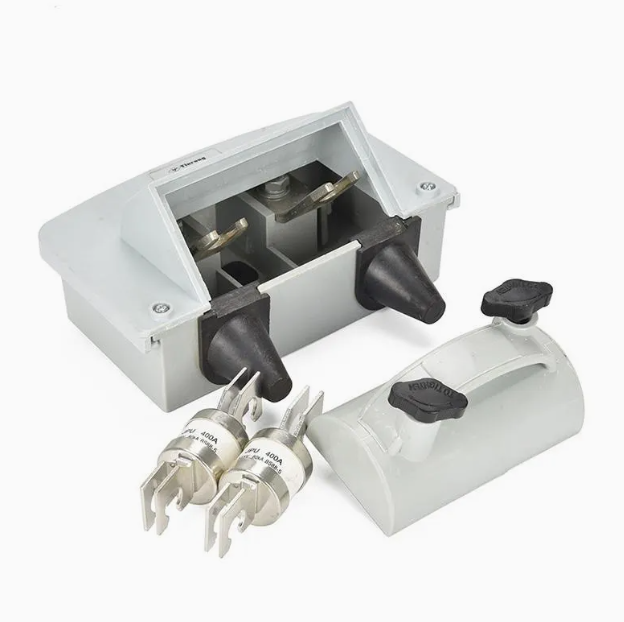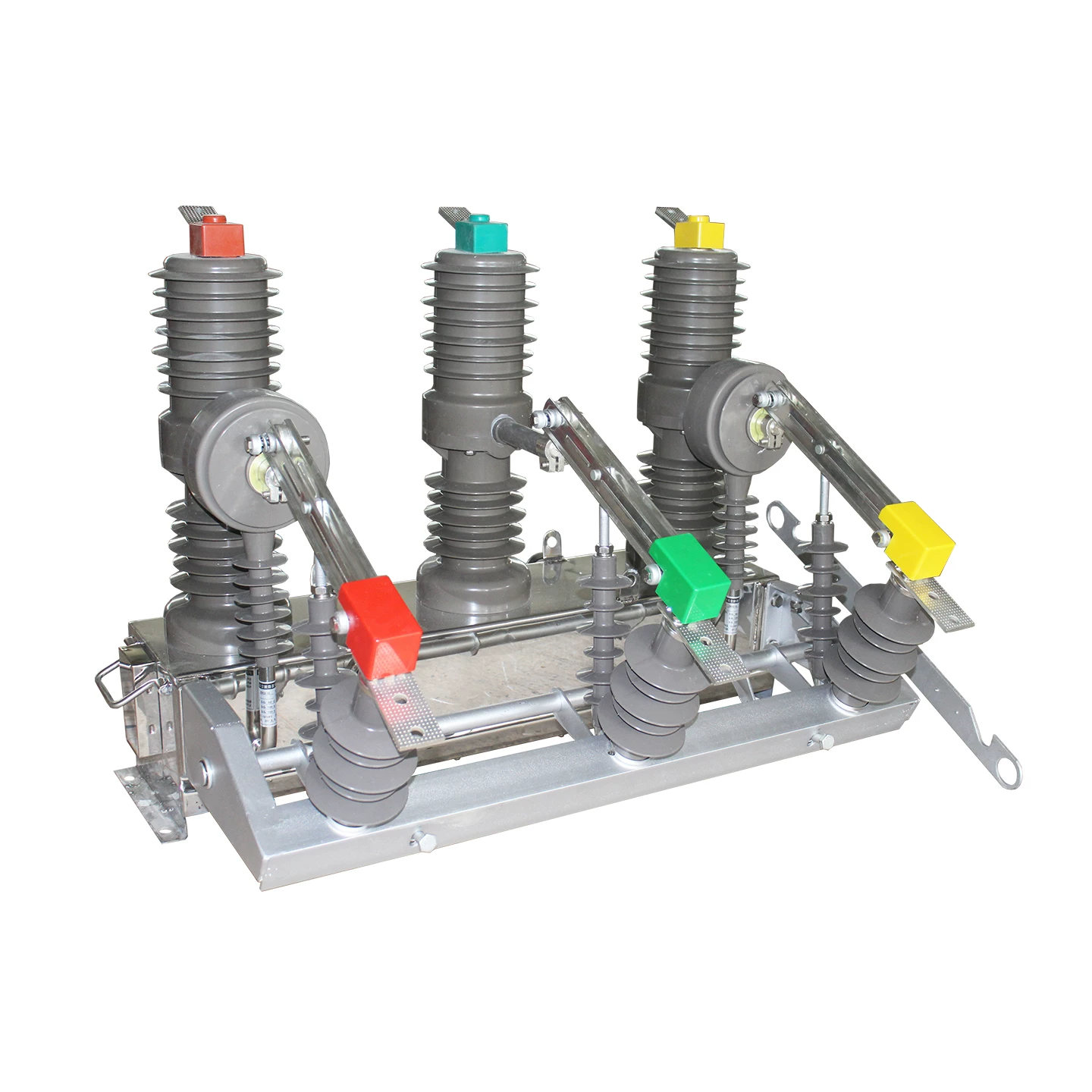
A fuse cutout plays a key role in electric systems. It's a protective device found at the high-voltage side of transformers and on overhead lines. Its main job is to stop overcurrents and quickly isolate faulty equipment. This protects transformers, wires, and devices from damage.
The fuse cutout works by melting or expelling when a short circuit or overload happens. This action stops the fault current. It also reduces stress on transformer windings and prevents fires. This way, it helps limit the area affected by an outage and speeds up repairs for others.

Key Takeaways
A transformer cutout fuse protects pole-mounted transformers by interrupting dangerous overcurrents.
The purpose of a fuse cutout is to minimize equipment damage and reduce fire risk.
The fuse cutout function enables selective isolation to limit the scope of an outage.
Pole fuse extends to lateral taps and some pad-mounted applications.
Distribution fuse protection is a low-cost, reliable first line of defense in U.S. networks.
Introduction to fuse cutouts and their role in power distribution
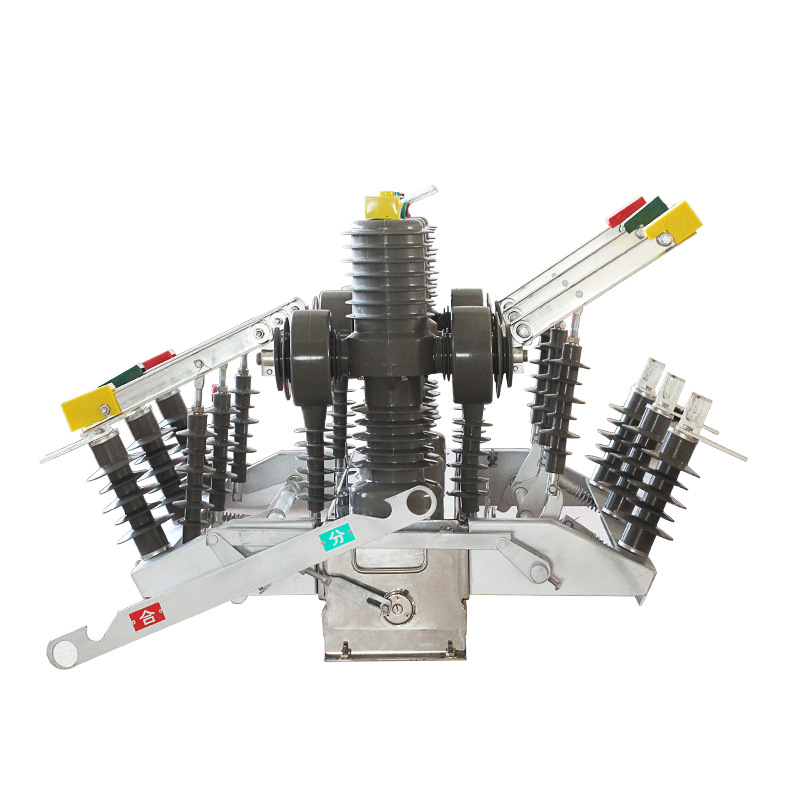
A distribution fuse cutout is a simple, rugged device. It has a fuse element inside a removable holder and an insulated body. Utilities use these assemblies on overhead lines to protect equipment.
Major suppliers like Eaton (Cooper Power Systems), Hubbell, and S&C Electric provide these cutouts. They are widely installed across U.S. networks.
The overhead distribution feeder has several key components. A substation transformer feeds feeder conductors that run down the line. Devices like reclosers and sectionalizers manage larger faults.
Laterals branch off to pole-mounted transformers and customer service drops. Cutouts sit at transformer secondary or primary points. They act as local protective and isolating devices.
Understanding cutouts is crucial for safety and reliability. Proper selection and coordination of a distribution fuse cutout limit outages. It also protects costly equipment.
Good maintenance reduces nuisance operations and lowers risks. Utilities measure performance with metrics like SAIDI and SAIFI. Effective overhead distribution protection can improve scores and meet regulatory expectations.
How a fuse cutout works: basic operating principles
A fuse works by a thin metal element melting when too much current flows. This melting creates an open circuit, stopping the fault current. Many fuses are in a carrier that pulls out or drops out when melted, making it easy to see the break.
The cutout's mechanics also control the arc when the fuse clears. Arc runners, blast shields, and insulating housings guide and quench the arc. This ensures a safe interruption and limits damage.
Current interruption and mechanical operation
When a high fault current flows, the fuse element heats and vaporizes. The carrier’s spring or gravity action then creates a visible open point. Some systems use a grounded fuse carrier for safer maintenance.
Blowing characteristics and time-current behavior
Fuses vary in how they react to overcurrent. The time-current curve shows how long a fuse takes to melt at a given overcurrent. Fast-acting fuses clear quickly near their rating. Time-delay fuses tolerate short surges yet clear serious faults.
The prospective fault current and the fuse’s I²t value determine how much energy the protected transformer sees. Choosing the right time-current curve is crucial for coordination and reducing transformer stress during faults.
Visual indicators and manual isolation features
Drop-out cutouts provide a clear visual indicator when operated. The fallen carrier or exposed fuse link tells crews the line is open. Many cutouts include a provision for an isolation switch or grounded carrier to enable safe verification before work begins.
Simple checks—visible separation, confirmed grounding, and use of an isolation switch—help linemen confirm de-energization. Clear visual cues speed repairs and improve safety on overhead distribution lines.
Types of fuse cutouts and common designs
Fuse cutouts come in several types, each for different needs. The choice affects maintenance, how easy it is to see if there's a problem, and how well it handles faults. Here's a quick guide to help you decide.
Expulsion vs. current-limiting
An expulsion fuse cutout works by pushing hot gases and metal out of a vented area. It's simple and cheap for many lines. A current-limiting cutout, on the other hand, acts faster and cuts down the energy during faults.
Expulsion types are good for simple, low-cost protection where faults aren't too high. But, if you need to protect equipment from damage and clear faults quickly, go for the current-limiting cutout.
Mounted and drop-out configurations
Mounted holders keep the fuse in place, perfect for small spaces. Drop-out fuses are visible and fall when they open. This makes it easier to check if there's a problem.
Drop-out fuses are better for pole-mounted transformers because they're easy to see from the ground. Non-dropout designs are better for places where you don't want visible hardware.
Materials and construction differences
Porcelain insulators are strong and last long, but can break if dropped. They also resist UV aging well.
Polymer housings are lighter, impact-resistant, and work better in wet or dirty conditions. Your choice between porcelain and polymer depends on the environment and your team's needs.
The table below summarizes key contrasts for quick reference.
| Feature | Expulsion Fuse Cutout | Current-Limiting Cutout |
|---|---|---|
| Operation method | Expels ionized gases and molten material to quench the arc | Interrupts fault rapidly to limit peak current and let-through energy |
| Cost | Lower initial cost, simpler construction | Higher cost, more complex components |
| Transformer stress | Higher let-through energy may stress transformers | Reduced stress; better for high fault current areas |
| Visual indication | Available in drop-out fuse designs for clear open indication | Often available with visible indicators; designs vary |
| Mounting | Both mounted and drop-out configurations exist | Both versions exist; selection based on application |
| Insulator material | Porcelain is common, durable, but heavy | Polymer housings are common for lighter, shatter-resistant options |
| Maintenance | Simple replacements; careful with brittle porcelain | May require specialized parts; polymer reduces breakage risk |
transformer cutout fuse
A transformer cutout fuse is crucial for pole-mounted transformers. It guards against faults and overloads on the high-voltage side. This fuse acts as a local protector, isolating the transformer to safeguard windings and equipment.

Specific function on pole-mounted equipment
The pole-mounted transformer fuse is between the distribution line and the transformer primary. It prevents damage or fires by clearing faults. If a fault is too big, the fuse opens, showing crews it's safe to work.
Coordination with protection schemes
Effective transformer protection considers magnetizing inrush currents. These currents can mimic faults, so time-delay or dual-element fuses are used. This way, only the affected area is shut down, making repairs quicker.
Replacement and sizing practices
When replacing fuses, crews follow datasheets from Eaton, Littelfuse, and others. They size the fuse based on the transformer's kVA and voltage. The new fuse must match the old one in voltage, size, and time-current characteristics.
Always check ratings and curves before buying a replacement. The right choice helps avoid unnecessary fuse operations and keeps transformers running smoothly.
The purpose of a fuse cutout is to protect transformers
Fuse cutouts are the first defense for transformer health and nearby equipment. They quickly clear severe faults. This helps keep the transformer safe and makes repairs safer for crews.
Preventing damage from overloads and faults
Cutouts stop excessive currents before they cause damage. They handle short circuits, lightning strikes, and other issues. By acting fast, they protect the transformer from overheating and damage.
Limiting thermal and mechanical stress on windings
They control the energy flow to prevent overheating. This reduces stress on the windings and core. Less stress means a longer life for the transformer and less chance of failure.
Isolating faulted equipment for repair
An open cutout signals that the transformer is safe to work on. This lets crews fix the problem without shutting down more of the network. It makes repairs quicker and reduces outages for customers.
Role of cutouts in feeder and lateral protection
Cutouts are simple but crucial for reliability. They protect pole-mounted transformers and laterals in distribution systems. By placing and rating them correctly, faults are limited to small sections.
Selective coordination with upstream and downstream devices
Selective coordination means the device closest to a fault clears first. Utilities do time-current coordination studies. They match fuse characteristics to other devices.
This ensures only the cutout or nearest device operates for local faults.
Protecting lateral circuits and service drops
Cutouts shield short laterals and service taps from faults. When a fault happens, the cutout opens. It isolates the transformer or service drop.
This reduces stress on upstream equipment and limits service interruptions.
Impact on outage scope and restoration time
Well-coordinated cutouts reduce outage areas. They isolate a single transformer or lateral. This means fewer customers lose power.
Field crews can fix the issue faster. This speeds up restoring power. Smaller outage areas mean less work for re-energizing.
| Protection Goal | Typical Device | Effect on Outage | Coordination Consideration |
|---|---|---|---|
| Feeder protection | Recloser or substation breaker | Protects the entire feeder when tripped | Set time delays to allow downstream cutouts to operate first |
| Lateral protection | Fuse cutout at transformer or tap | Isolates a single lateral or service drop | Choose the fuse curve and rating for short lateral fault clearing |
| Selective coordination | Coordination study tools and time-current curves | Minimizes customer interruptions | Match device operating times and interruption capacity |
| Outage restoration | Field crew procedures and spares | Faster target repair and re-energization | Labeling and isolation points improve crew efficiency |
Installation locations and mounting practices for cutouts
Choosing the right spot for cutout installation is key. It depends on whether it's a pole-mounted cutout or a pad-mounted fuse. Each has its own mounting needs and weather exposure, affecting its performance and lifespan.
Pole-mounted versus pad-mounted applications
Pole-mounted cutouts are common on overhead lines and transformers. They come in drop-out or expulsion styles and attach to crossarms or brackets. Linemen find them easy to spot and replace.
Pad-mounted fuses, on the other hand, sit on the ground in locked boxes. They offer a safer, tamper-proof choice for areas where overhead lines aren't practical. Their mounting frames and enclosures are different from those for poles.
Clearance, accessibility, and safety considerations
Ensuring enough clearance is crucial for safety. Utilities and local codes set rules for distances from streets and buildings. This keeps everyone safe from overhead work.
It's also important to make sure cutouts are easy to reach for maintenance and repairs. Avoid placing them where they could be a hazard. Plan for safe access and fall protection during service calls.
Grounding and bonding requirements
Proper grounding protects people and equipment. Bonding metal parts and grounding transformer neutrals helps direct fault currents. The National Electrical Code (NEC) and utility standards guide this process.
Good grounding reduces risks during faults. Always check grounding connections for corrosion and tightness during installation or routine checks.
| Mounting Type | Typical Use | Weather Exposure | Accessibility | Grounding Notes |
|---|---|---|---|---|
| Pole-mounted cutout | Overhead transformers, lateral taps | High; direct sun, wind, rain | Requires bucket or climb access | Ground strap to neutral and structure |
| Pad-mounted fuse | Underground distribution, residential areas | Moderate; enclosed, splash protection | Ground-level, locked enclosure for safety | Enclosure bonded to ground grid and neutral |
| Enclosed cutout assembly | Commercial sites, vandal-prone locations | Low; sealed against debris and moisture | Designed for tool access, clear service space | Integral bonding conductor and test points |
Maintenance, inspection, and common failure modes
Regular maintenance keeps lines running smoothly and cuts down on outages. Simple checks and tests can spot many issues before they cause problems. Field crews should do regular patrols and detailed scans for the best results.

Do a visual fuse check during patrols. Look for cracks, displaced or melted parts, corrosion, oil stains, and signs of arcing. Infrared scans can find hot spots that aren't visible. Make notes and mark units that need attention later.
Signs that demand immediate action
Broken porcelain, charred surfaces, or a blown link mean you need to replace the fuse right away. Physical damage, oil leaks, or heavy corrosion also mean it's time to remove it from service. These issues can lead to more damage to nearby equipment.
Common failure causes
Many fuse failures come from the environment and mechanical issues. Corrosion on contacts can lower conductivity and increase heat. Moisture can weaken insulation and change how fuses blow. Lightning strikes can cause overcurrents, and animals or falling objects can damage assemblies.
Testing and diagnostic intervals
Utilities set inspection times based on the environment and how much use the fuse gets. Schedules range from once a year to several years. High-risk areas might need checks every six months. Use infrared scans, contact tests, and visual checks to get a full picture. If tests show high resistance, pitting, or heat, plan to replace the fuse next time you're out.
When to replace after the operation
Many replace fuses after any operation that causes arcing or heating. A single use might be okay, but repeated uses or signs of wear mean it's time for a new one. Keep records of when you inspect and replace fuses.
| Item | Inspection Frequency | Key Signs | Recommended Action |
|---|---|---|---|
| Visual pole-top patrol | Annually to biannually | Cracks, oil stains, displaced carriers | Document, tag for repair, schedule immediate replacement of the cutout fuse if severe |
| Infrared scan | Annually or after heavy loading | Hot spots, uneven heating | Conduct fuse inspection, perform contact cleaning, or replace the cutout fuse if resistance is high |
| Contact resistance test | Every 1–3 years, depending on the environment | Rising milliohm values, pitting | Repair connections, replace the cutout fuse when limits are exceeded |
| Post-fault assessment | After any operation or fault | Arcing, melted elements, corrosion exposed by heat | Immediately remove and replace the cutout fuse |
How to size and select a fuse cutout for an application
Choosing the right cutout starts with a clear load picture. First, calculate the continuous current from the transformer kVA and expected secondary loading. Use nameplate ratings and recent load studies if you have them.
Apply a service factor or safety margin. This ensures the device runs below its continuous rating under normal conditions.
Next, check short-time events and inrush currents from motors or transformer magnetizing. These brief surges must be tolerated without nuisance operation. Compare measured or predicted peaks against fuse let-through data before you decide to oversize.
Determining continuous current and load characteristics
List steady-state load, typical peak demands, and duty cycle. Convert kVA to amps using the correct voltage and power factor. Add any foreseeable future load growth.
Use conservative rounding when choosing a manufacturer ampere class. This ensures reliability in sizing the fuse cutout.
Time-current curves and coordination studies
Use manufacturer time-current curves from Littelfuse or Eaton to match fuse behavior to the system. Plot curves for candidate fuses and upstream devices. Good time-current coordination ensures the smallest, fastest device clears a fault while upstream protection remains stable.
Run coordination studies with software or utility engineering tools. Verify the chosen fuse will ride through inrush and temporary overloads but will clear faults within protective margins. Record the coordination margins and any adjustments made to select the fuse rating that preserves selectivity.
Environmental and regulatory factors in selection
Consider temperature derating, altitude, pollution levels, and UV exposure. Locations near coastlines or industrial sites may need seals or polymer housings to resist salt or chemical attack. Confirm interrupting rating and voltage class meet ANSI and IEEE standards and local codes.
Create a selection checklist that includes ambient conditions, mounting type, and vendor catalog data. Review vendor tables for interrupting capacity and recommended derating. A documented environmental selection step reduces field failures and speeds approvals.
For final acceptance, request vendor data sheets and verify test certificates. Keep a concise log of calculations, time-current plots, and environmental assumptions. This supports maintenance and future upgrades.
Safety procedures for working with fuse cutouts
Working with fuse cutouts needs careful planning and strict safety rules. A clear job briefing sets expectations and outlines emergency actions. Crews must follow utility switching orders and OSHA regulations before starting.

Personal protective equipment and arc-flash considerations
Wear arc-rated clothing that matches the task's incident energy level. Linemen's PPE includes an arc-rated jacket, voltage-rated gloves, an arc-rated face shield, and a hard hat.
Insulating tools and sleeves reduce exposure. NFPA 70E guides any arc-flash risk assessment for live-line work.
De-energization, grounding, and lockout/tagout practices
De-energize the circuit and check it's open before starting work. Apply temporary grounds to prevent backfeed risks.
Use lockout/tagout procedures for equipment isolation. Some work requires live-line techniques with hot sticks, done under strict protocols.
Training and utility crew protocols
Only trained personnel should replace fuses. A formal job briefing covers task steps, tools, PPE, and rescue plans.
State utility commissions and OSHA set training standards. Regular drills and competency checks keep teams safe and aligned.
| Safety Element | Key Actions | Reference Standard |
|---|---|---|
| PPE for linemen | Wear arc-rated clothing, gloves with protectors, a face shield, a hard hat, and insulated tools | NFPA 70E, ANSI Z89.1 |
| Arc-flash cutout assessment | Perform incident energy analysis, set boundaries, and use appropriate PPE and controls | NFPA 70E |
| De-energization | Open the cutout, visually verify the separation, tag equipment, and confirm no voltage | OSHA 29 CFR 1910 |
| Grounding | Apply temporary grounds after verification to protect against induced or backfeed energy | Utility grounding procedures |
| Lockout/tagout distribution | Use LOTO devices when applicable and document isolation points | OSHA Control of Hazardous Energy |
| Training and protocols | Qualified-person training, switching orders, job briefs, and emergency drills | State utility commission rules, employer programs |
Benefits of using fuse cutouts in distribution networks
Fuse cutouts protect overhead lines and transformers. They offer a clear sign of trouble and quickly fix issues. This keeps the power on and makes fixing things easier.
Improved protection and reduced equipment damage
Cutouts cut off power right where it's needed. This stops big problems and saves other equipment. Companies like Duke Energy and Con Edison use them to find and fix issues fast.
Faster isolation and restoration of service
A blown fuse is easy to spot from the ground or a truck. This makes fixing things quicker. Often, a crew can fix it the same day, saving time and money.
Cost-effectiveness compared to alternative protection devices
Cutouts are cheaper and easier to maintain than other options. They work well for long, rural areas where money matters. They offer good value without breaking the bank.
But there are downsides. Cutouts don't have the smart features of newer devices. Companies must decide if the savings are worth it for each situation.
Limitations and challenges with fuse cutouts
Fuse cutouts are simple and reliable. Their design is straightforward. Yet, they come with specific challenges for utilities.

Nuisance tripping is a big issue. Fuses can trip for short faults or motor start-ups. This leads to more outages, mainly in areas with many fuses or lots of energy sources.
Managing these situations can be tricky. It requires careful coordination between devices to ensure safety.
Environmental risks also pose a threat. Animals, trees, salt, and corrosion can cause fuses to trip too soon. Vandalism is another concern, making it important to protect fuses in exposed spots.
Installing guards, screens, and regular checks can help. These steps reduce the risk of fuses tripping for no reason.
Some areas face more complex issues. Simple fuses might not handle transient faults or complex coordination needs. Utilities then consider upgrading to better protection.
Options include time-delay fuses, sectionalizers, and smart relays. Studies help decide if these upgrades are worth it. They look at how often outages happen, how long customers are affected, and the cost of replacing fuses.
Below is a table comparing common challenges and solutions. It helps planners make informed decisions about costs and reliability.
| Challenge | Typical Cause | Immediate Mitigation | Long-term Upgrade |
|---|---|---|---|
| Frequent nuisance tripping | Temporary faults, inrush, and DER fault contribution | Time-delay fuses, coordination study | Reclosers or smart relays with reclosing |
| Limited coordination margin | Multiple fused laterals, close TCC curves | Adjust fuse curves, stagger ratings | Sectionalizers plus reclosers for selectivity |
| Environmental vulnerability | Animals, vegetation contact, corrosion | Wildlife guards, vegetation management | Polymer housings, sealed devices |
| Intentional damage/vandalism cutout | Tampering, vandalism, theft attempts | Tamper-resistant hardware, patrols | Remote-monitoring devices, enclosed protection |
| High DER penetration | Variable fault levels, reverse power flow | Enhanced studies, adaptive settings | Smart relays, adaptive protection schemes |
Modern innovations and alternatives to traditional cutouts
Utilities are facing new challenges with more distributed generation and higher reliability standards. New technologies are moving beyond simple fuses. They offer faster and more adaptive responses on distribution networks.
Solid-state protection uses electronics to detect faults and interrupt current. Companies like Eaton and Schneider Electric are testing systems with power electronics and sensors. These devices can be programmed and offer detailed diagnostic logs for easier maintenance.
Smart fuse designs add local intelligence to fault interruption. They can monitor temperature, aging, and trip history. Utilities like Pacific Gas and Electric and Con Edison are testing these prototypes to compare costs with traditional cutouts.
Remote sensing works well with electronic protection. Remote monitoring cutouts send data on open/close events and fault magnitude to utility SCADA systems. This data helps operators quickly find and fix outages, reducing customer downtime.
Recloser communication enables coordinated actions across a feeder. With good coordination, a substation recloser can lock out or reclose based on inputs from downstream devices. This approach limits outage scope and supports automated sectionalizing during faults.
Hybrid schemes combine traditional hardware with smart elements. A fused cutout is used for mechanical isolation, while an adjacent solid-state protector handles sensitive fault clearing. This mix manages bi-directional flows from rooftop solar and battery systems safely.
Microgrid protection must handle islanding and seamless reconnection. Smart fuse logic, recloser coordination, and local control allow microgrids to detect unstable conditions and switch modes safely. Microgrid protection benefits from programmable trip behavior and fast communications to maintain power quality and safety.
The table below contrasts traditional cutouts with modern alternatives across key operational areas.
| Feature | Traditional Cutout | Smart / Solid-State Solution |
|---|---|---|
| Fault response | Thermal/melting element; finite clearing time | Programmable trip curves; near-instant electronic interruption |
| Monitoring | Visual inspection, manual reports | Remote monitoring cutouts with real-time telemetry |
| Coordination | Time-current curves, manual studies | Dynamic recloser coordination with communications |
| Maintenance | Periodic replacement and field checks | Predictive maintenance from logged diagnostics |
| Distributed generation | Limited handling of bi-directional faults | Hybrid schemes supporting microgrid protection and islanding |
| Cost profile | Lower initial cost, higher lifecycle field labor | Higher upfront cost, reduced outage and maintenance expenses |
Regulatory standards and industry best practices for cutouts
Knowing the rules and best practices for cutouts is key to safety and reliability. This section covers important standards, tests, and recordkeeping. It shows how these standards guide design, testing, and use in the field.

Applicable ANSI, IEEE, and NEC standards
ANSI and IEEE set technical expectations for live-line equipment. The ANSI C37 series covers switching and fuse equipment. IEEE guides are for distribution protection and coordination.
IEEE fuse standards focus on time-current behavior, interrupting capacity, and dielectric tests. The National Electrical Code affects grounding, service equipment, and clearances. Always follow manufacturer ratings and ANSI cutout type tests for dielectric performance and mechanical strength.
Utility specifications and acceptance testing
Utilities have detailed specs for fuse types, mounting hardware, and accessories. These specs outline performance tests like dielectric testing and mechanical endurance cycles.
Manufacturers like Eaton and Hubbell provide datasheets and type test reports. Utilities use these during procurement. Acceptance testing checks if parts meet standards and utility criteria.
Recordkeeping and compliance expectations
Keeping good records reduces audit risk and speeds up failure analysis. Keep maintenance logs, fuse replacement records, fault histories, and coordination study results organized.
State public utility commissions often require reporting on reliability indices and equipment failure investigations. Clear records support regulatory reviews and show adherence to IEEE fuse standards and testing protocols.
| Category | What to track | Relevant standard or practice |
|---|---|---|
| Design and procurement | Manufacturer datasheets, type test reports, material specs | ANSI C37 series, OEM test data |
| Field acceptance | Dielectric test results, mechanical endurance, and visual inspection | Utility acceptance testing procedures |
| Operation | Fuse blows, outage records, coordination study outputs | IEEE fuse standards and coordination guides |
| Maintenance | Inspection logs, replacement dates, torque, and hardware checks | Utility maintenance specifications |
| Regulatory reporting | Reliability indices, failure investigations, and corrective actions | State PUC rules and compliance recordkeeping expectations |
Conclusion
This summary shows why cutouts are key: they protect transformers and nearby circuits from dangerous overcurrents. They offer a visible, cost-effective way to isolate parts of distribution lines. This helps reduce damage and speeds up repairs for utilities and contractors.
For the best results, size cutouts correctly, inspect them regularly, and coordinate with other devices. Keeping them well-maintained and following ANSI and IEEE standards is crucial. Always use safety gear, de-energize, and ground properly. Think about the environment and service conditions when choosing materials and fuse types.
Looking to the future, the role of cutouts is still vital, even with new smart protection and remote monitoring. Hybrid and solid-state devices offer more control, which is important for distributed generation and reliability. Utilities should follow manufacturer advice, train their crews, and stick to standards. This ensures safety and effective distribution protection.
❓ Frequently Asked Questions (FAQ) on Fuse Cutouts
Q1: What is the primary purpose and benefit of using a fuse cutout in a distribution system?
A: The primary purpose of a fuse cutout is to protect high-value assets like transformers and lateral taps from damage due to overcurrents and short circuits. The main benefit is that it provides a cost-effective and visible means of isolation, significantly limiting the outage area and improving system reliability metrics like SAIDI and SAIFI.
Q2: Where are cutouts typically installed, and how do they provide a safety indication?
A: Cutouts are typically installed on the high-voltage side of pole-mounted transformers and at feeder lateral taps. They provide a safety indication through their drop-out design. When the fuse melts, the carrier drops or swings open, providing a clear, visual indicator to linemen that the circuit is de-energized and safe for work.
Q3: What are the two main types of cutouts, and what is their key difference in operation?
A: The two main types are Expulsion Fuses and Current-Limiting Fuses. The key difference lies in their fault-clearing method:
Expulsion clears the fault by ejecting hot material. Current-limiting fuses operate extremely fast to limit the fault current before it reaches its full peak, offering superior protection for expensive equipment by reducing the thermal energy let-through.
Q4: How do cutouts operate mechanically and electrically during a fault?
A: Electrically, when the current exceeds the rating, the fuse link melts, creating an open circuit. Mechanically, the tension is released, causing the fuse carrier to drop. Arc runners and the fuse tube material are engineered to quench the electric arc rapidly as the circuit opens, ensuring safe and complete interruption.
Q5: Why are Time-Current Characteristic (TCC) curves essential for cutouts?
A: TCC curves are essential because they dictate the exact speed and time a fuse takes to clear a fault at different current levels. Protection engineers use TCC curves to perform coordination studies, ensuring that only the fuse immediately upstream of the fault trips, isolating the issue and preserving power for the rest of the line.
Q6: What are the best practices for sizing and replacing transformer cutout fuses?
A: Sizing must be based on the transformer's kVA rating, expected load, and manufacturer's datasheets, including appropriate safety margins. Replacement fuses must exactly match the original's ampacity, voltage, TCC, and physical dimensions. Using incompatible replacements risks causing unnecessary outages or equipment damage.
Q7: What maintenance is required, and what are the common failure modes?
A: Routine inspection (often annually) is required to check for cracked insulators, corroded contacts, and signs of arcing. Common failure modes include corrosion (especially in harsh environments), moisture ingress, mechanical damage, animal contact, and UV degradation of polymer housings. Prompt replacement is necessary following any operation or visible damage.
Q8: What safety protocols govern work on cutouts, including live-line operations?
A: All work must be performed by qualified personnel following standards like NFPA 70E. Proper grounding and bonding are mandatory. Live-line work, such as replacing a fuse with a hot stick, is acceptable only under strict, documented safety protocols and by trained lineworkers.
Q9: What are the limitations of traditional cutouts, and when should utilities consider upgrading?
A: Traditional cutouts can cause nuisance outages and coordination challenges in complex grids. Utilities should consider upgrading to reclosers, smart relays, or smart fuses when fault complexity increases (e.g., in highly urbanized areas) or when the system demands higher levels of automation and faster fault response times.
Q10: How does Distributed Generation (DG) complicate the use of cutouts?
A: Distributed Generation (DG), like solar, introduces bi-directional power flow and alters the available fault current levels. This severely complicates traditional, one-way cutout coordination. Engineers must address this using hybrid protection schemes or by implementing smart fuses and relays that can adapt to changing fault directions and magnitudes.