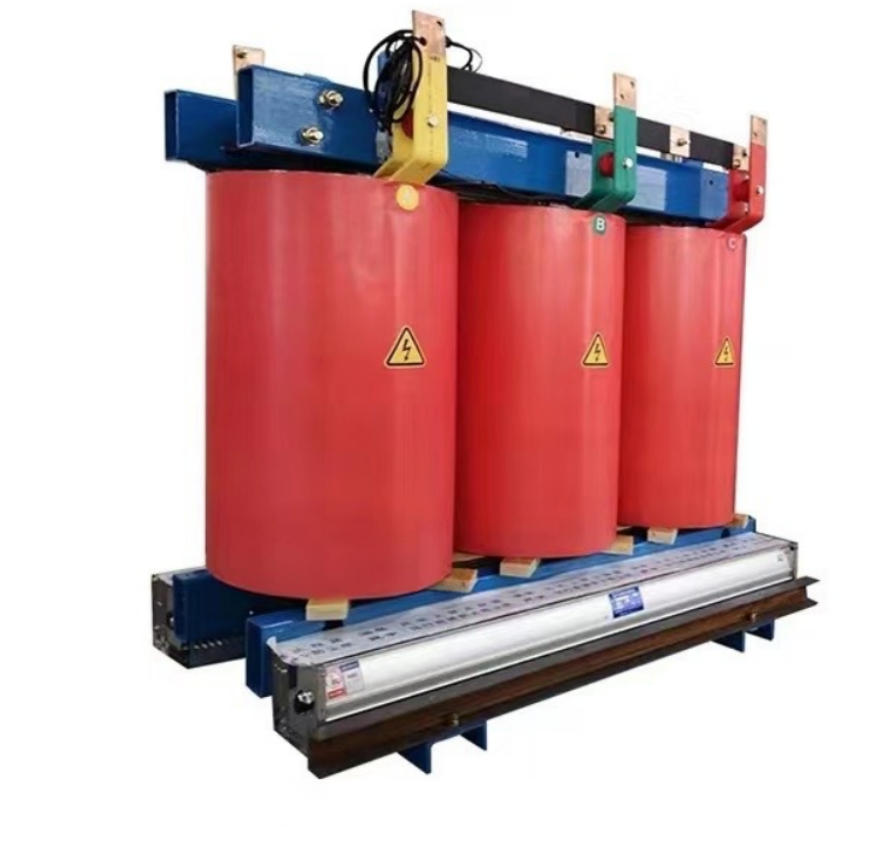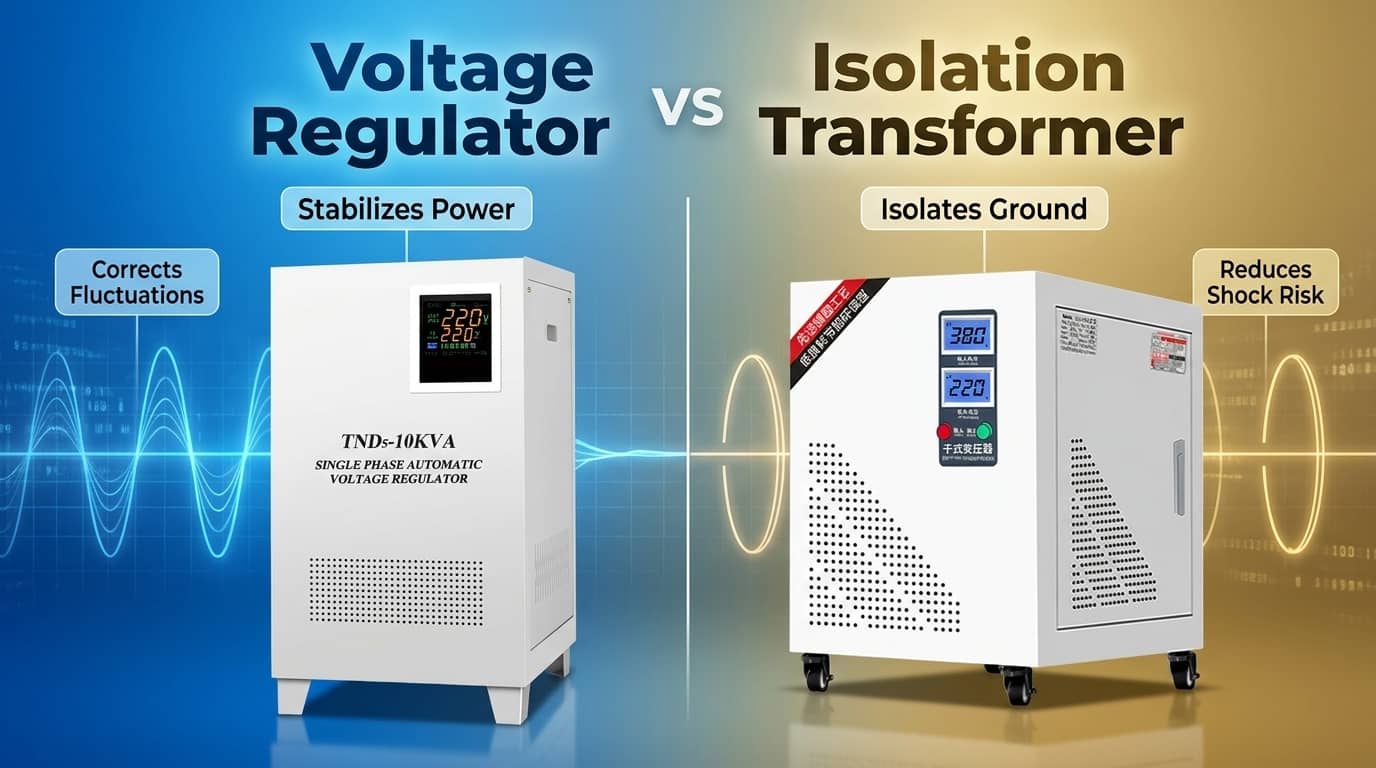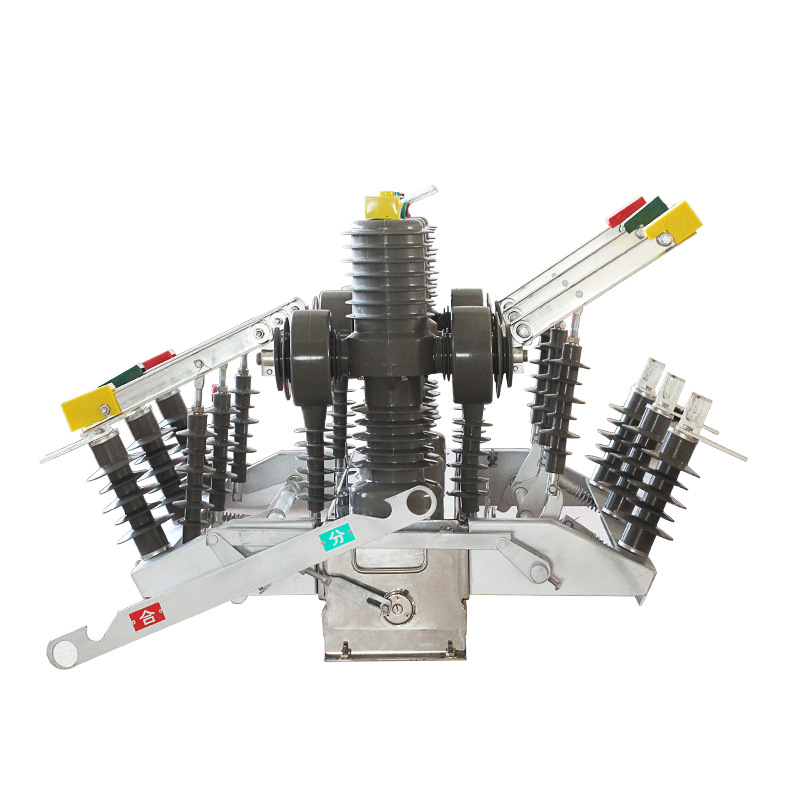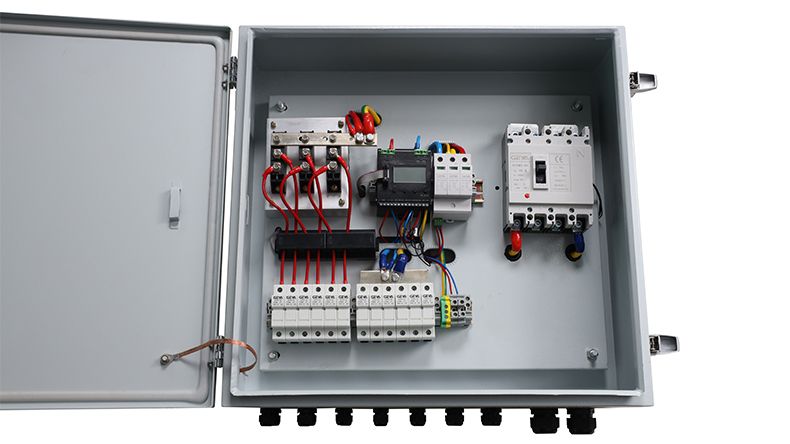
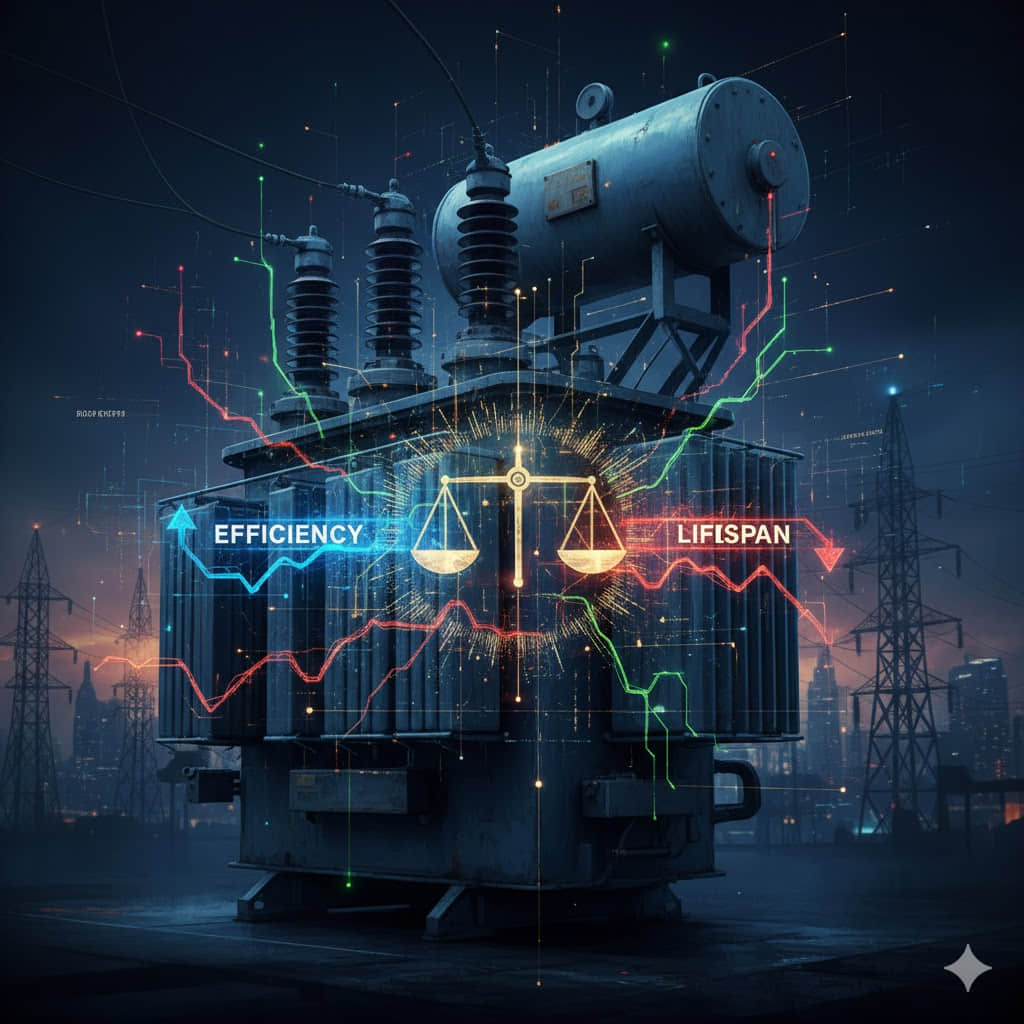
The power transformer, often considered the heart of any electrical system, has an operational status that directly dictates the reliability of power supply, energy consumption levels, and the overall lifespan of the asset. When faced with the core question, "What is the appropriate load rate for a power transformer?" the answer is never a simple number. It is, instead, a strategic equilibrium involving technical mandates, economic realities, and safety constraints.
As a seasoned electrical engineer, one must clearly understand that the most appropriate load rate for a power transformer should generally be maintained between fifty percent and seventy percent of its rated capacity. This range ensures the best operational efficiency and the longest possible service life. However, for reasons of safety and equipment protection, the continuous load rate must never exceed the range of eighty percent to eighty-five percent of its nominal capacity. Operating consistently outside this narrow window, whether too high or too low, means the system is either enduring unnecessary risk or is being operated inefficiently.
This article will move beyond generic advice to provide an authoritative and highly practical analysis, drawing from core principles of transformer loss, international thermal life standards like IEC 60076, economic load factor calculations, and modern load management strategies. Our goal is to equip you with the knowledge to maximize the profitability and optimize the operational excellence of your transformer assets.
Key Takeaways
The Golden Loading Zone: A load rate of fifty percent to seventy percent represents the optimal balance. It strikes the perfect equilibrium between running efficiency (balancing copper and iron losses) and equipment longevity.
The Safety Ceiling: The continuous load rate must not exceed eighty-five percent. This hard limit is founded upon the strict control of the transformer's winding Hot Spot Temperature (HST) to prevent accelerated insulation aging.
Economic Considerations: The Economic Load Factor (ELR) is often higher than the peak efficiency point, potentially ranging from seventy-five percent to ninety percent. This elevated figure accounts for the transformer's initial investment and depreciation costs.
Lifespan Degradation: A transformer's lifespan is extremely sensitive to thermal increases. According to the Arrhenius Law, a temperature increase of approximately six to eight degrees Celsius can effectively halve the insulation’s service life.
Capacity Selection: Scientific capacity selection must be based on the system’s peak demand, load factor, and diversity factor. This avoids the long-term, inefficient operation caused by oversizing the transformer.
I. The Transformer Load Rate: Unpacking the "Golden Zone" and Peak Efficiency
Transformer efficiency management is fundamentally a classic problem rooted in electromagnetism and thermodynamics. To truly grasp the concept of the "Golden Zone," we must first establish a clear understanding of the two primary types of losses that occur during transformer operation.
A. The Dialectical Relationship Between Load Rate and Efficiency
First, there is the No-Load Loss (Iron Loss, P-Fe), which is primarily composed of hysteresis and eddy current losses within the magnetic core. Crucially, this loss remains almost constant regardless of the actual load current, existing as long as the transformer is energized and connected to the source. Second, we have the Load Loss (Copper Loss, P-Cu), which is generated by the resistance in the windings, and this loss is directly proportional to the square of the load current. If the load rate is designated as Beta, then the Copper Loss is proportional to Beta squared.
The overall transformer efficiency reaches its maximum when the total loss is at its lowest point, a condition mathematically approximated when the Iron Loss is roughly equal to the Copper Loss. Because modern transformer design trends lean towards reducing Iron Loss, the maximum efficiency point typically occurs at a moderate load rate. This is precisely why the sweet spot for peak efficiency is usually found between a fifty percent and seventy percent load rate. Operating below this range means the Iron Loss becomes disproportionately high relative to the total loss, leading to poor energy efficiency. Operating above this range causes the Copper Loss to escalate rapidly, increasing the thermal stress and total energy waste.
Note: The fifty percent to seventy percent range is not just a theoretical maximum; it represents the best practical balance between efficiency and longevity in engineering. Consistently operating the transformer within this zone ensures the lowest overall running costs by minimizing energy wastage.
B. The Introduction of the Economic Load Factor (ELR)
However, strictly pursuing the highest possible operational efficiency can often be "uneconomical" in the broader sense of asset management. Electrical engineers must also prioritize the return on investment. The Economic Load Factor (ELR) is a sophisticated metric that seeks to establish a balanced point where the cost of operational losses is weighed against the capital cost of the transformer asset.
Definition: The ELR represents the load rate at which the combined cost of the transformer's depreciation (a capital expenditure, or CapEx) and its operational loss expenses (an operational expenditure, or OpEx) is minimized.
In-Depth Analysis: If a transformer is significantly oversized—for instance, if the average load is only thirty percent—while the running loss is minimal, the initial acquisition cost (and corresponding depreciation and maintenance costs) will heavily inflate the total comprehensive cost per unit of energy delivered. To effectively amortize the initial investment over a larger operational output, engineering decisions often favor running the transformer at a moderately higher load rate.
In many industrial and large-scale commercial applications, when factoring in the high initial equipment costs and the relative price of energy, the calculated ELR often falls within the range of seventy-five percent to ninety percent. This economic insight guides many users to utilize a higher, yet still safe, load rate to expedite their return on capital investment.
Tip: When selecting a transformer and forecasting the load, engineers should calculate the ELR in addition to identifying the maximum efficiency point. The peak efficiency point is not always the most economically viable operational point.
II. The Safety "Red Line": Thermal Life and Overload Limits
A transformer's "lifespan" is fundamentally determined by the speed at which its internal insulating materials, particularly the winding insulation, undergo thermal aging. Contrary to popular belief, transformers rarely fail due to immediate electromagnetic issues; they more often "die of heat" due to insulation breakdown.
A. The Rationale for the Maximum Continuous Load: 80% to 85%
The industry-standard "red line" of eighty percent to eighty-five percent for maximum continuous load is derived from the necessity to strictly control the Hot Spot Temperature (HST). The HST is the temperature at the hottest point of the winding insulation, and it is the single most crucial factor dictating insulation life.
When the load current consistently exceeds eighty-five percent of the rated value, the Copper Loss rapidly increases following the square law, causing the HST to quickly rise above the thermal limit of the insulating material. Continuous operation under such conditions, marked by extreme thermal stress, severely jeopardizes the long-term safety and integrity of the equipment.
B. Quantitative Analysis of Thermal Aging and Lifespan Degradation
This quantitative analysis is essential for establishing the authority of this article. The international standard IEC 60076-7 (Loading Guide for Oil-immersed Power Transformers) provides the definitive framework for transformer thermal life analysis.
Application of the Arrhenius Law: This fundamental law reveals the relationship between the rate of a chemical reaction, in this case, insulation aging, and absolute temperature. The well-established engineering rule of thumb states that for every six to eight degrees Celsius increase in the transformer's hot spot temperature, the insulation life is effectively halved.
The Life Consumption Rate (V): The IEC standard defines the relative aging rate of the transformer's insulation, V, through a mathematical formula. The actual life lost (L) is then calculated by integrating V over the period of operation.
This level of quantitative analysis is the scientific basis that engineers use to evaluate temporary overload scenarios and predict the remaining useful life of the asset. It unequivocally proves that even brief periods of excessive loading can inflict permanent and irreversible damage to the transformer's cumulative lifespan.
C. K-Factor Transformers and Harmonic Loads
In modern facilities like data centers, hospitals, and large commercial buildings, there is a significant presence of non-linear loads, such as computers, LED lighting, and variable frequency drives. These devices generate high-order harmonic currents.
The Problem: Harmonic currents not only increase the standard Copper Loss but also create significant Stray Losses which cause localized overheating in the windings and the core.
The K-Factor: The K-Factor is a rating that quantifies a transformer's ability to withstand the thermal effects of these harmonic currents. A higher K-Factor indicates a greater capacity to handle non-linear loads.
Load Rate Management Differentiation: For standard transformers not designed with a K-Factor rating, their safe continuous load rate must be de-rated—often to below the standard eighty percent to eighty-five percent limit—when subjected to substantial non-linear loads. This de-rating is necessary to prevent runaway localized Hot Spot Temperatures.

Load Classification and Transformer Overloads?
III. The Three-Way Trade-Off: Recommended Load Rates
The table below synthesizes the strategies for load rate management across different operational goals. It integrates the often-conflicting objectives of safety, efficiency, and economy, providing a comprehensive reference for engineering decision-making.
| Operational Goal | Recommended Load Range (Percentage of Rated Capacity) | Key Consideration Factors | Supporting Standard/Theory |
| Peak Operational Efficiency | Fifty percent to Seventy percent | Balancing Copper Loss and Iron Loss to achieve the lowest overall system energy consumption. | Loss minimization calculation |
| Optimal Equipment Lifespan | Fifty percent to seventy-five percent | Maintaining temperature rise well within the design margin to effectively slow the rate of insulation aging. | IEC 60076-7 Thermal Life Curves. |
| Maximum Continuous Safety Limit | Eighty percent to eighty-five percent | Preventing sustained winding overheating and averting thermal breakdown of the insulation structure. | Industry safety practices and maximum temperature limits. |
| Optimal Economic Factor (ELR) | Seventy-five percent to Ninety percent | The necessary trade-off between the cost of running losses and the initial investment/depreciation of the asset. | Economic analysis and asset management principles. |
Note: The Economic Load Factor (ELR) frequently acts as the decisive element in final engineering and operational strategy. It provides justification for utilizing a slightly higher load rate, where feasible, to maximize capital return while maintaining stringent safety parameters.
IV. The Profound Dangers of Sustained Overloading
Sustained high-load operation is widely recognized as the single leading cause of premature transformer failure. A competent engineer must clearly understand that the dangers of overloading extend far beyond a simple circuit breaker trip; the true threat lies in the irreversible, cumulative damage inflicted upon the equipment's lifespan.
Accelerated Aging of the Insulation System (The Transformer's "Heart Attack"): The insulation is the most delicate component within the transformer. Prolonged, high-temperature operation accelerates the depolymerization of the cellulosic paper fibers. This chemical process releases moisture and gases, leading to a catastrophic decline in the insulation's mechanical, tensile, and dielectric strength, and this form of degradation is permanent.
Excessive Winding and Oil Temperature Increases: Overly high winding temperatures can cause increased stress due to the continuous thermal expansion and contraction cycles of the winding conductors. When the transformer oil temperature exceeds a critical threshold, it accelerates the oil's oxidation and deterioration, leading to the formation of sludge. This sludge then compounds the problem by impeding the heat transfer process, creating a vicious cycle of overheating.
Increased Leakage Flux and Localized Structural Overheating: High load currents generate potent leakage magnetic flux fields. These fields often interact with metal components such as the tank walls and clamping structures. This interaction induces significant eddy current losses within the metal parts, creating severe localized hot spots. These intense local temperatures can cause paint to peel, welds to crack, and even lead to the failure of bushing seals.
Increased Stress on the Cooling System and Reduced Efficiency: For extended periods under high load, the forced cooling apparatus—the fans and oil pumps—must operate continuously. This not only increases the energy consumption and wear-and-tear on these auxiliary components but can also lead to reduced overall cooling efficiency as the temperature differential between the oil and the ambient environment decreases.
Risk of Transient Faults and Protection Trips: During transient events like system short circuits, a transformer already running near its limit (e.g., ninety percent load) is far more likely to quickly reach the threshold for protective device activation. This can result in unscheduled interruptions due to Buchholz (gas) protection or overcurrent relay trips, which negatively impact power supply continuity.

V. From Load Rate to Capacity Decision: Transformer Selection and Load Forecasting
The load rate is a measurement of the operational outcome, while the decision on transformer capacity is the fundamental prerequisite of the design process. Scientific capacity selection is the key to preventing long-term inefficient operation due to oversizing (low load rate) or frequent dangerous overloading (high load rate).
A. Load Characteristic Analysis and the Basis for Capacity Selection
Transformer capacity must never be determined by simply adding up the total connected equipment ratings. It must be based on a thorough engineering analysis of the actual system's electricity consumption characteristics.
Peak Demand: The baseline for capacity selection is the highest actual power demand the system experiences over a defined period, such as an entire year.
Load Factor (LF) and Diversity Factor (DF): Engineers utilize these coefficients to scientifically predict the true required capacity. The Load Factor is the ratio of average load to peak load, while the Diversity Factor measures the ratio of the sum of individual peak demands to the entire system's simultaneous peak demand. The DF is always greater than one.
The Calculation: By applying these coefficients, unnecessary capacity margins can be eliminated, ensuring the chosen transformer size is precisely matched to the actual needs. This allows the transformer to operate naturally within the fifty percent to seventy percent efficiency range.
B. Design Principles for Spare Capacity and Redundancy
In the design of substations and large-scale distribution centers, the N-1 redundancy principle is frequently employed.
Impact: If a system uses a two-transformer configuration (2 \times fifty percent capacity) operating in parallel, the load rate for each unit is only fifty percent under normal conditions, which is ideal for efficiency. However, if one unit fails, the remaining transformer must be able to temporarily carry one hundred percent of the critical load. This necessity mandates that the initial design incorporate a sufficient margin for this temporary overload, which is evaluated against the strict thermal life criteria.
VI. Modern Operations: Dynamic Load Management and Differentiated Strategies
Modern power system management has transformed, shifting from a passive "running" state to an active "optimization" process. Transformer load rate management must similarly evolve to keep pace with these advancements.
A. Real-Time Monitoring and Smart Operations
The use of SCADA and DCS systems for the real-time monitoring of winding temperature, top oil temperature, and current is now standard practice.
Tip: The real-time prediction of the Hot Spot Temperature (HST) is crucial. Smart operation systems must utilize thermal models, such as the IEC thermal model, which factor in the rate of load current change and ambient temperature, rather than simply relying on the lagging indicator of oil temperature alone.
B. Load Rate Management and Grid Interaction
This area represents the key differentiation between traditional maintenance and modern energy management.
Demand Side Response (DSR): This strategy utilizes incentive mechanisms to guide industrial users to voluntarily reduce or shift non-critical loads (for example, postponing the startup of large chillers or electric heaters) during predicted grid peak periods. This deliberate action allows for the controlled reduction of the transformer's load rate during critical peak times, effectively mitigating overload risks while also providing valuable peaking capability to the power grid.
Dynamic Loading Capability: In conditions of extremely low ambient temperatures or when the forced cooling system (fans/pumps) is operating at full capacity, the transformer's overall heat dissipation capacity is significantly enhanced. Under rigorous real-time monitoring, engineers may temporarily allow the transformer to operate at load rates slightly exceeding eighty-five percent. This practice, however, requires a robust thermal model and advanced protection systems to ensure absolute safety.

Conclusion: Achieving the Balance for Long-Term Stable Operation
The management of a power transformer's load rate is a complex engineering task that demands the electrical professional to continuously seek a dynamic balance between technical reliability, operational efficiency, and capital economics.
We must reiterate the core tenets:
Technical Assurance: The operational goal is to run the transformer in the fifty percent to seventy percent "golden zone" to ensure minimal losses and maximum longevity.
The Safety Imperative: Never continuously exceed the eighty-five percent safety ceiling, and always conduct a comprehensive life consumption assessment for any temporary overload event.
Economic Strategy: The most effective approach involves utilizing scientific load forecasting and capacity selection, coupled with the calculation of the Economic Load Factor (ELR). This prevents asset underutilization and maximizes the return on investment.
By integrating international standards, sophisticated economic models, and modern smart operation technologies, we can ensure that this critical power asset operates in the most reliable, efficient, and economically sound manner throughout its entire life cycle.
Frequently Asked Questions (FAQ)
❓ Q1: What are the risks if my transformer runs with a chronic load rate of only thirty percent or less?
A chronic low load rate, typically below forty percent, is a clear indicator of transformer oversizing, representing classic asset underutilization. The primary issues include extremely low efficiency because the Iron Loss dominates the total losses, leading to high operating costs. It also signals a significant capital waste because you have paid for a much larger transformer than was necessary for your actual needs.
Recommendation: If the low load is a long-term pattern, you should evaluate the feasibility of replacing the unit with a smaller transformer. Alternatively, you could look at consolidating multiple loads onto the unit to intentionally increase its load factor.
❓ Q2: Can a transformer operate at an overload condition for a short time during cold winter weather?
Yes, but only under strictly monitored conditions. Ambient temperature is a key factor influencing the transformer's heat dissipation capacity. According to the IEC 60076-7 standard, the maximum temperature limit remains constant, but the lower starting temperature increases the transformer's Dynamic Loading Capability.
This temporary practice requires real-time monitoring of the winding Hot Spot Temperature to ensure the insulation limits are not compromised. Crucially, this operation must follow strict, documented maintenance protocols and obtain proper authorization.
❓ Q3: How often should the transformer's load rate be checked by the maintenance team?
The required frequency depends heavily on the volatility and nature of your electrical load. For industrial or commercial users with highly variable or critical loads, a thorough analysis of the load curve data and peak demand should be performed weekly or at least monthly. For users with very stable, predictable loads, a comprehensive analysis every quarter or every six months may suffice.
Preferred Method: The most recommended and advanced method is the implementation of a smart monitoring system. This allows for the real-time tracking of the load rate, combined with predictive forecasting of thermal stress.
❓ Q4: What is the Economic Load Factor (ELR), and how does it differ from the Maximum Efficiency Load Rate?
The Maximum Efficiency Load Rate (50%-70%) is a purely technical metric. Its goal is to achieve the lowest possible energy loss (Copper Loss plus Iron Loss) during the transformer's operation.
The Economic Load Factor (75%-90%) is an economic metric. Its goal is to achieve the lowest overall comprehensive cost per unit of transferred energy by factoring in both the cost of losses and the fixed capital cost (depreciation) of purchasing the transformer. The ELR is typically higher than the efficiency peak because it attempts to leverage the fixed investment across higher energy throughput.
❓ Q5: How can a three-phase load imbalance affect the transformer's load rate and safety?
Three-phase load imbalance severely compromises both the load rate and the safety of the transformer. The unequal currents lead to the creation of zero-sequence current within the windings, which significantly exacerbates stray losses and localized overheating.
The Consequence: The phase with the heaviest load will be the first to reach the critical Hot Spot Temperature limit, potentially causing failure even if the overall average load rate seems acceptable. Best Practice: When assessing the safe load rate, you must always base the calculation on the current of the heaviest-loaded phase, and the imbalance rate should be strictly controlled, typically mandated to be no more than five percent.