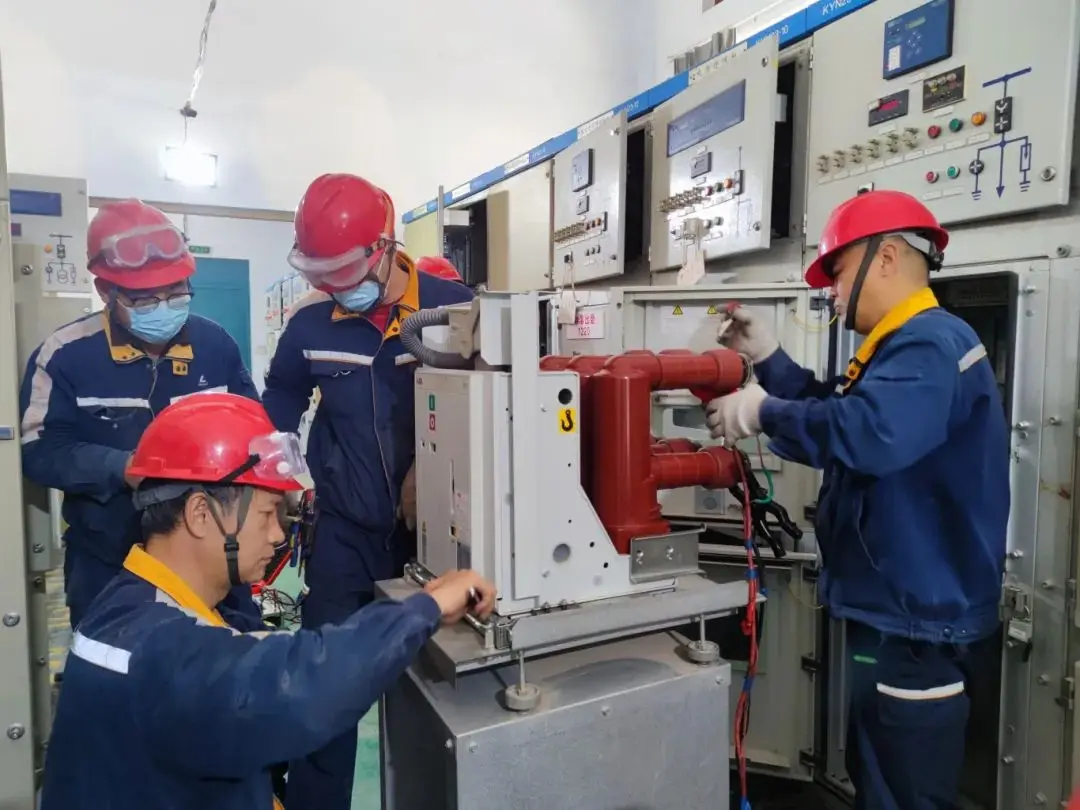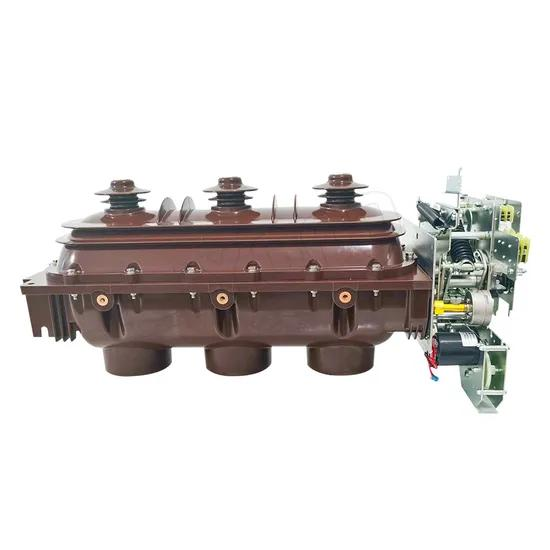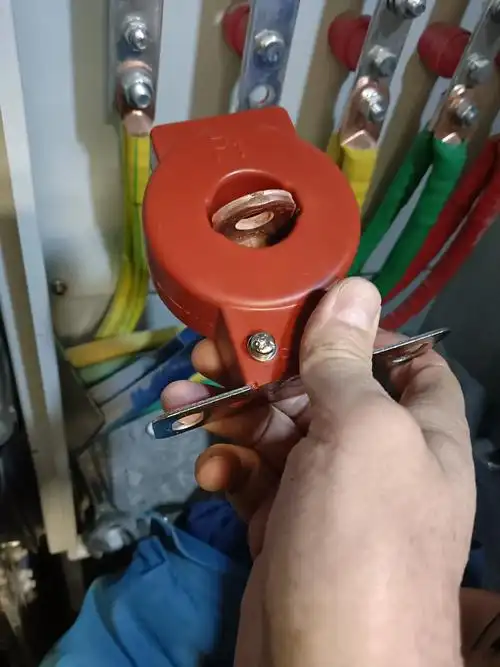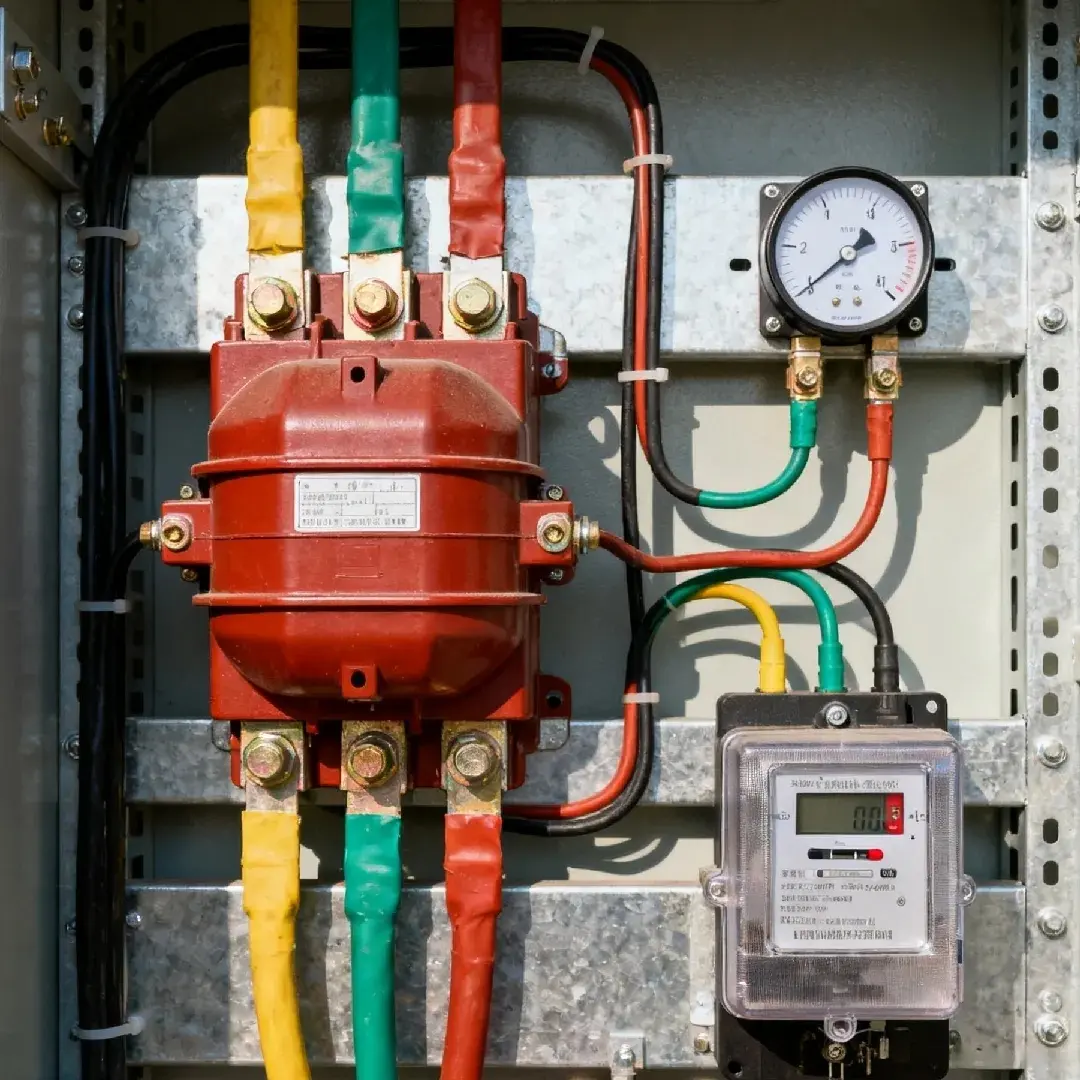
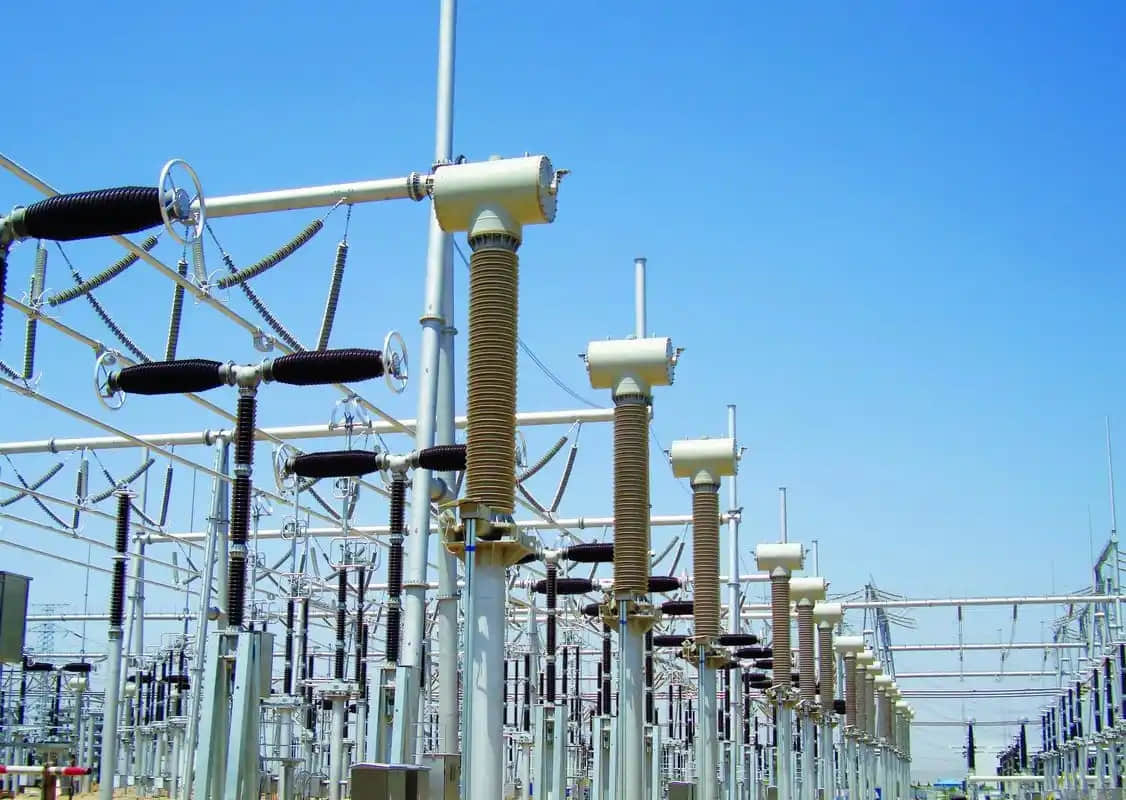
When summer thunderstorms roll in, a single lightning strike can instantly destroy an entire power system or incredibly expensive equipment. What silently protects the grid and our electrical devices? The answer is the lightning arrester.
The arrester isn't designed to "block" lightning, but rather to act as a crucial safety valve. When a dangerous high-voltage surge occurs, it quickly and safely diverts that massive energy to the ground.
This guide will take you from the basic concepts to the professional applications of the electrical system’s unseen guardian. Let's start by looking at what it is and what it does.
What Is a Lightning Arrester and How Does It Protect Electrical Systems?
A lightning arrester is a device specifically designed to shield electrical systems from the dangers of lightning and other high-voltage surges. Its core function is to provide a low-impedance path for this momentary overvoltage, safely routing the surge current to the earth and protecting the equipment it's connected to.
In simple terms, its operating principle can be summed up as "insulating at low voltage, conducting at high voltage." Under normal operating conditions, the arrester has an extremely high resistance, acting as an insulator, but once a voltage exceeds a certain threshold—like during a lightning strike—its internal resistance drops dramatically within nanoseconds, turning it into a conductor that can safely dissipate the high-voltage current.
Lightning Arresters vs. Surge Protective Devices (SPDs): Key Differences and Synergy
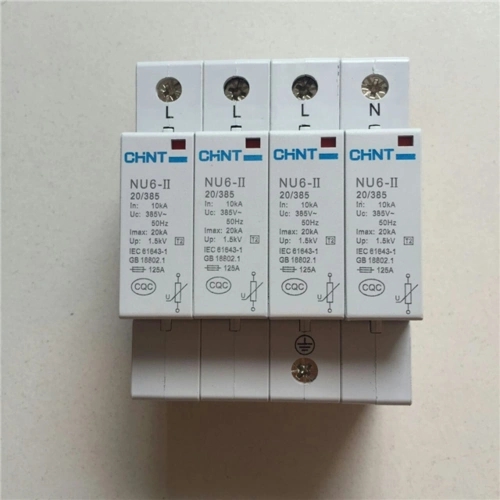
In the world of electrical protection, many people confuse lightning arresters with Surge Protective Devices (SPDs). While both devices are designed to suppress overvoltage, they have key differences in their application and purpose.
A lightning arrester is primarily for high-voltage outdoor systems, handling massive external surges caused by direct lightning strikes. It's typically installed at key points like substations and transmission lines to provide the first line of defense. An SPD, on the other hand, is mostly for low-voltage systems or terminal equipment, protecting against internal surges from switching operations or induced lightning that travels down power lines.
In real-world applications, they often work together to provide comprehensive, multi-layered protection for an entire electrical system.
How a Lightning Arrester Works: The Core Principle and Components
The core component of a modern lightning arrester is the Metal Oxide Varistor (MOV). This special material has a unique non-linear voltage-current characteristic curve.
At low voltages, its resistance is incredibly high, allowing virtually no current to pass through, effectively acting as an insulator. However, as soon as the voltage exceeds its operational threshold, the resistance drops dramatically, enabling the surge current to pass.
This process acts like an automatic valve, "clamping" the voltage at a safe level. The lowest clamping voltage an arrester can achieve is known as its Residual Voltage, a critical technical specification for measuring its protective performance. In engineering design, it's essential to ensure the arrester's residual voltage remains below the insulation withstand level of the equipment it protects, a process known as Insulation Coordination.
Main Types of Lightning Arresters
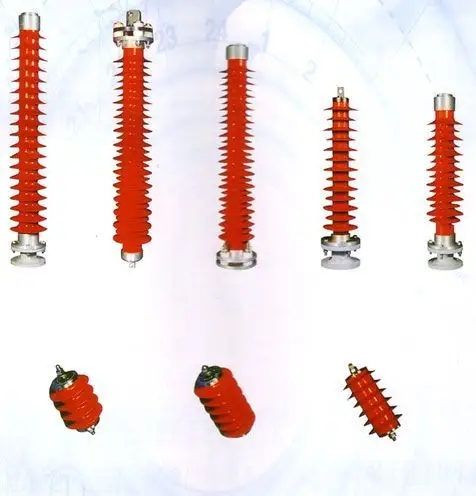
While modern arresters predominantly use MOVs, there are a few different types based on their core materials and structure. These include the MOV type, gap-type arresters that use a spark gap, and valve-type arresters that rely on valve resistors.
The MOV type is the most widely used today due to its fast response and high surge capacity. The older gap and valve types have largely been replaced by more stable and reliable MOV technology.
Applications and Selection
Lightning arresters are used in a wide range of applications, from large-scale power systems to residential buildings. They are commonly installed in substations to protect critical equipment like transformers, on transmission lines to prevent outages, and in commercial and residential buildings to protect appliances.
For selection, it's crucial to match the arrester's voltage rating to your system's voltage. You should also consider environmental factors; for instance, humid or polluted areas may require an arrester with a superior polymer housing. It's always a good idea to choose products from reputable brands with proper quality and safety certifications.
Installation Best Practices
Proper installation is key to ensuring an arrester performs its job effectively. Always install the arrester as close as possible to the equipment it's meant to protect to minimize induced voltages on the lead wires.
The ground wire should also be as short and straight as possible to provide an extremely low-resistance path for the surge current to dissipate quickly. The grounding rod is a critical part of the system, as it provides the only safe path for surge current to dissipate into the earth.
Maintenance and Common Failures
Lightning arresters aren't "install and forget" devices. After long periods of operation or multiple high-current surges, they can experience defects that are hard to spot with the naked eye.
Common failures include:
Moisture Ingress: A compromised seal can allow moisture to enter, which might lead to internal flashovers under normal voltage.
Thermal Runaway: This is a result of MOV aging, where an increase in leakage current causes the MOV to heat up.
For maintenance, regular visual checks are important to look for cracks or dirt on the housing. Professional engineers also perform Leakage Current Tests to measure the tiny current flowing through the arrester and predict if it's aging or approaching failure.
Common Questions
Q1: Can lightning arresters stop all lightning damage?
No device is 100% foolproof, but arresters greatly reduce the risk.
Q2: Do I need one in my home?
Yes, especially if you live in a storm-prone area or use sensitive electronics.
Q3: How long do they last?
Most last 10–15 years, depending on the environment and surge frequency.
Q4: Are they reusable after a surge?
Yes, most modern arresters reset automatically unless damaged.
Conclusion: The Electrical System's Solid Defense
The lightning arrester is an indispensable guardian of electrical systems. It uses its precise non-linear properties to safely divert dangerous surge energy away, fundamentally protecting sensitive equipment from damage and preventing potential fires and harm to personnel.
As we've discussed, understanding what a lightning arrester is and how it works is the first and most critical step in ensuring the safe operation of any power system. Hopefully, this guide has helped you better understand and utilize this essential electrical protection device.