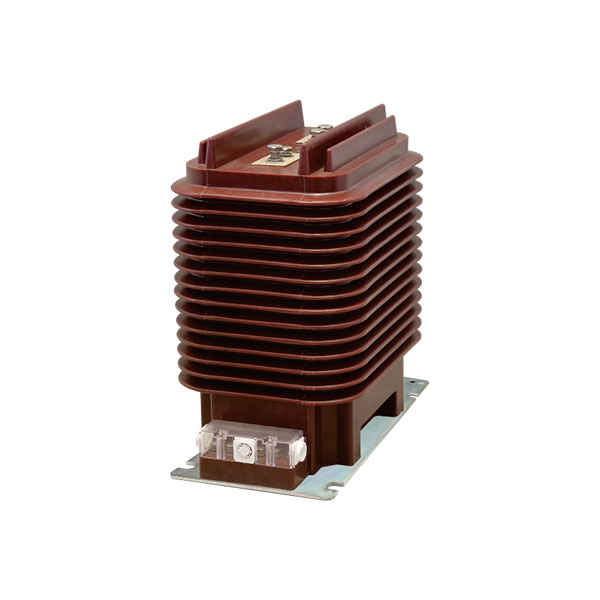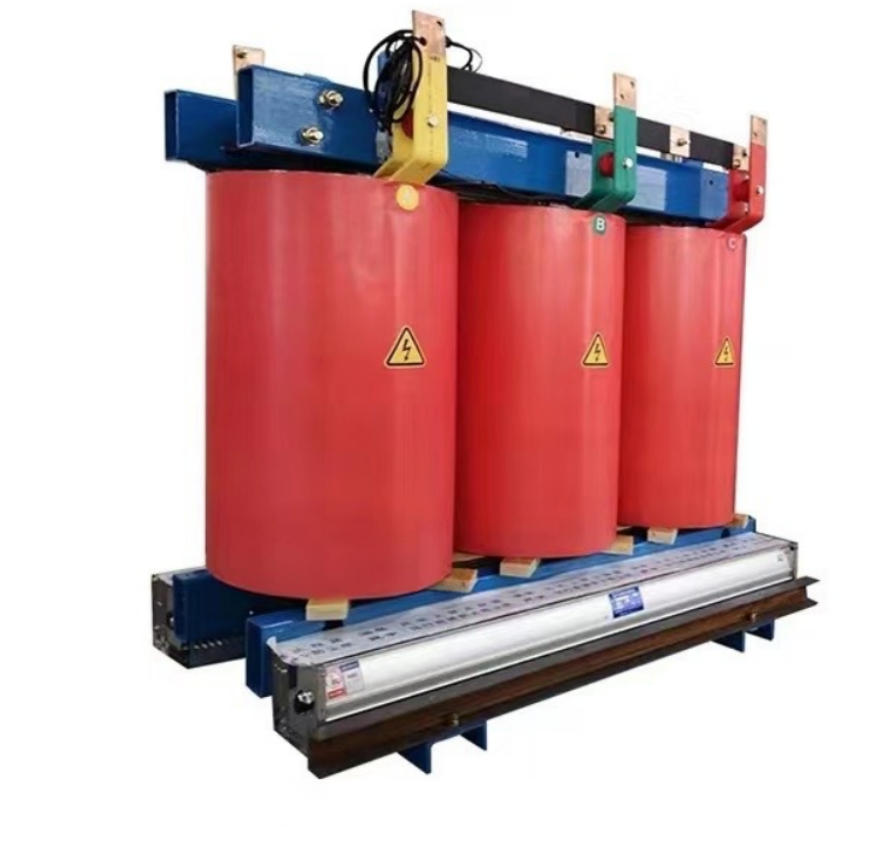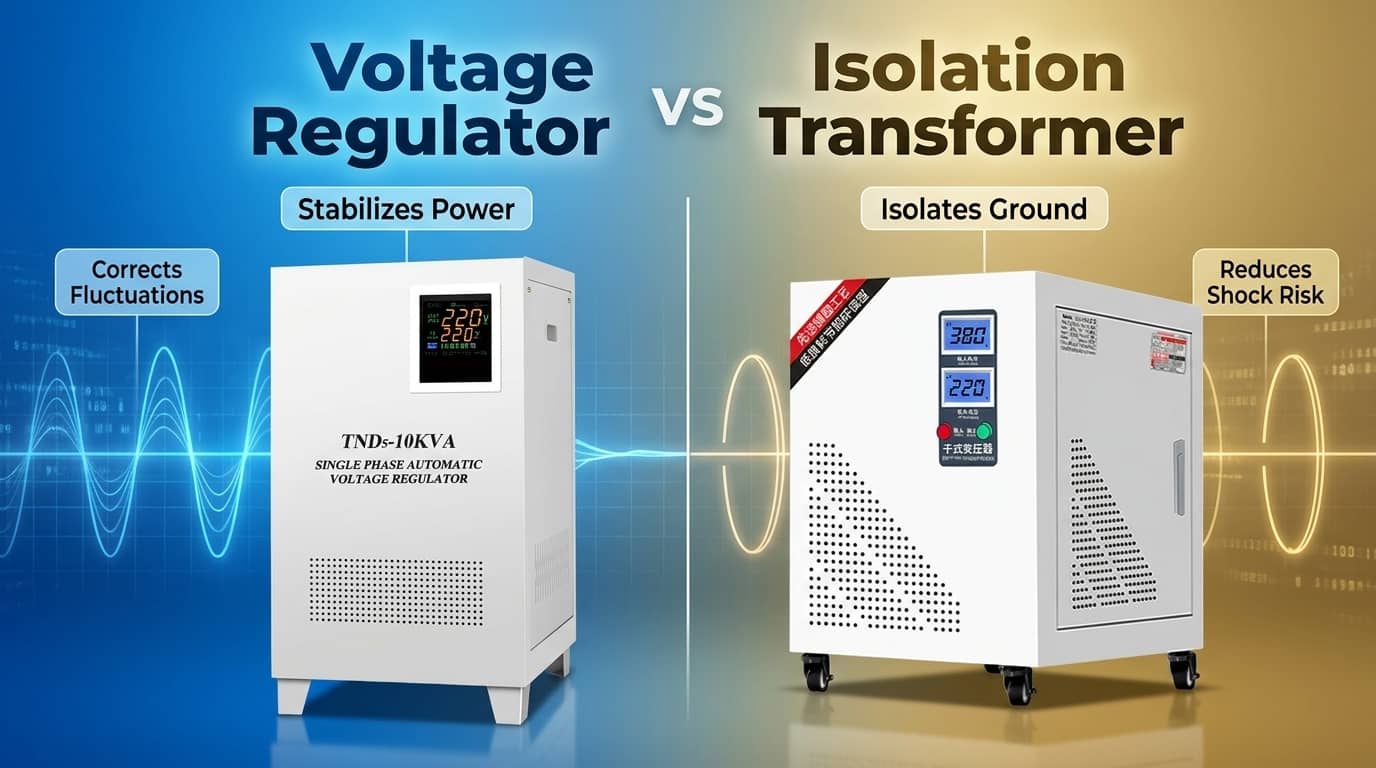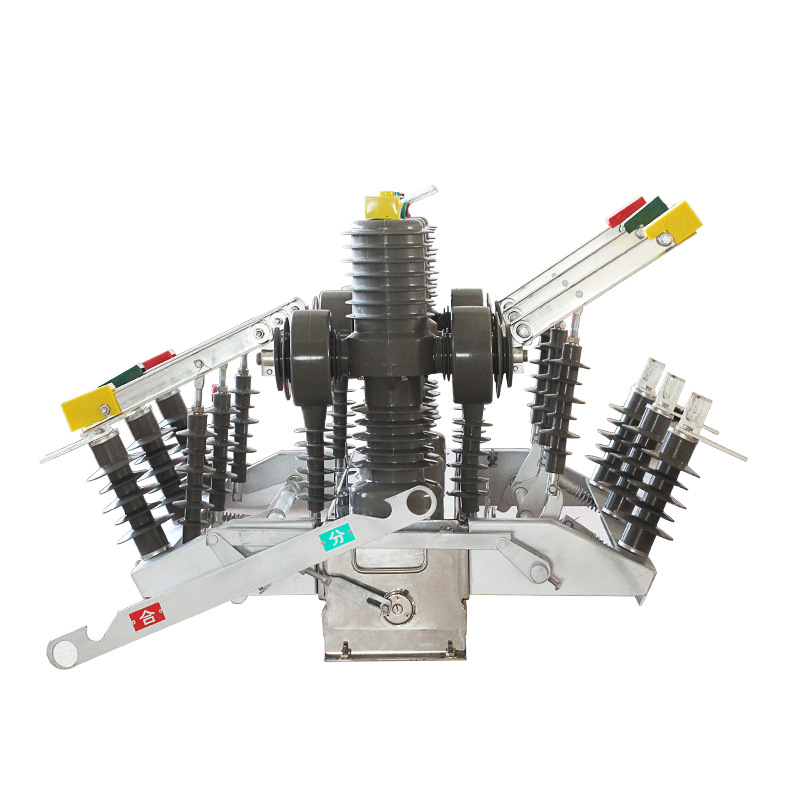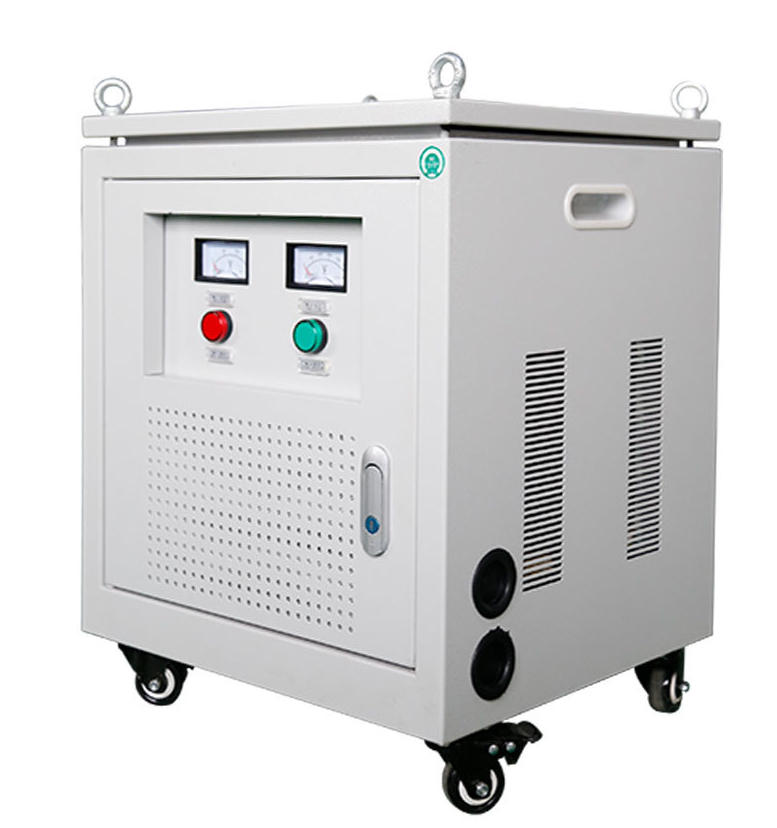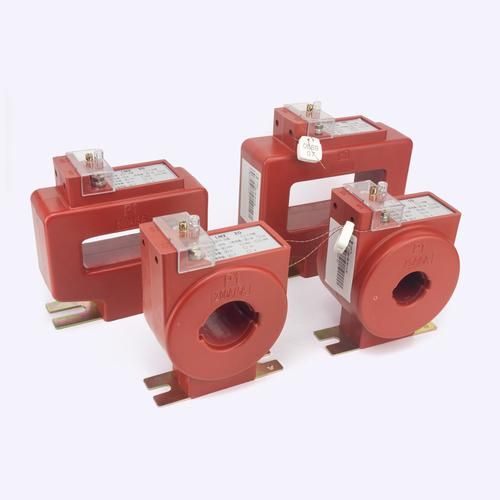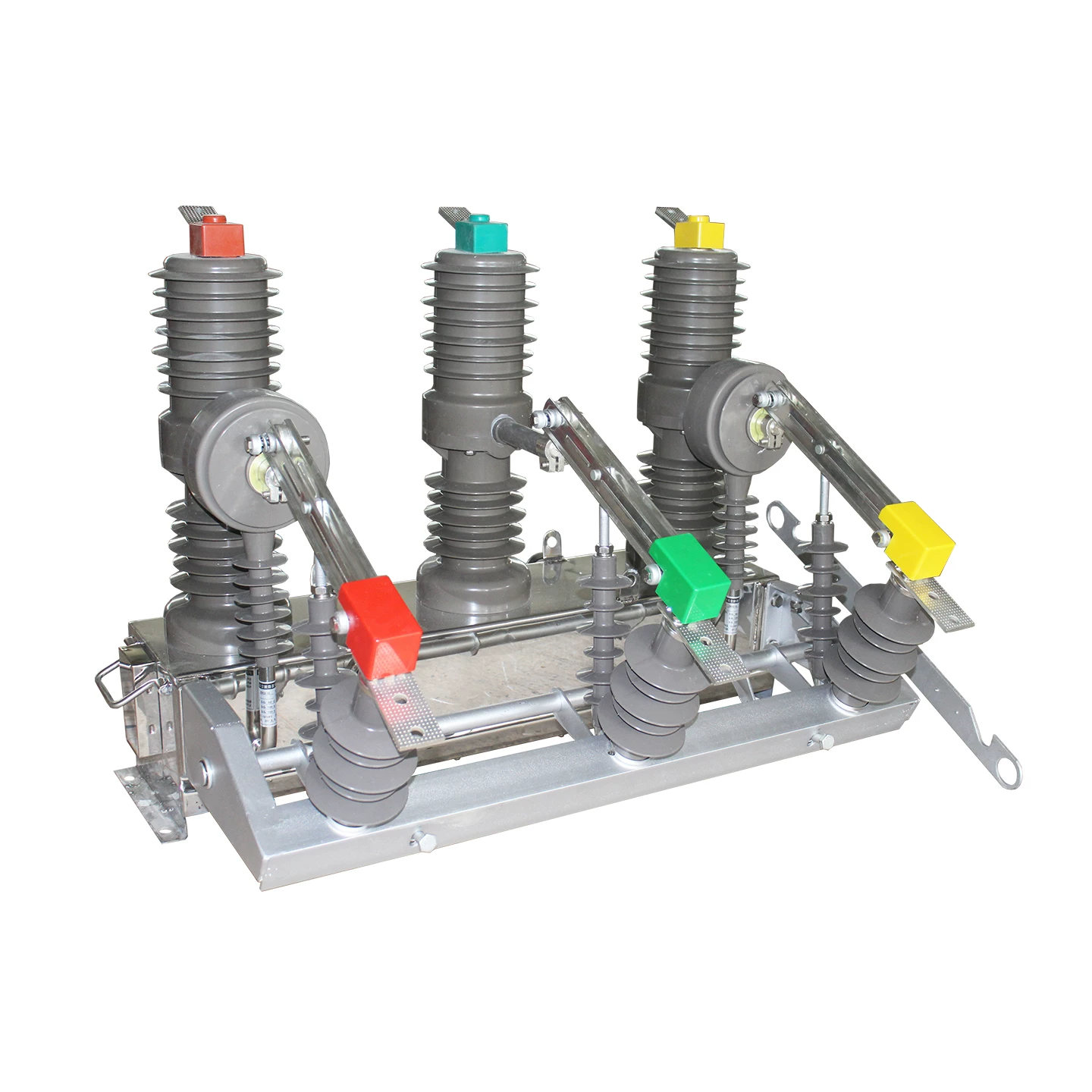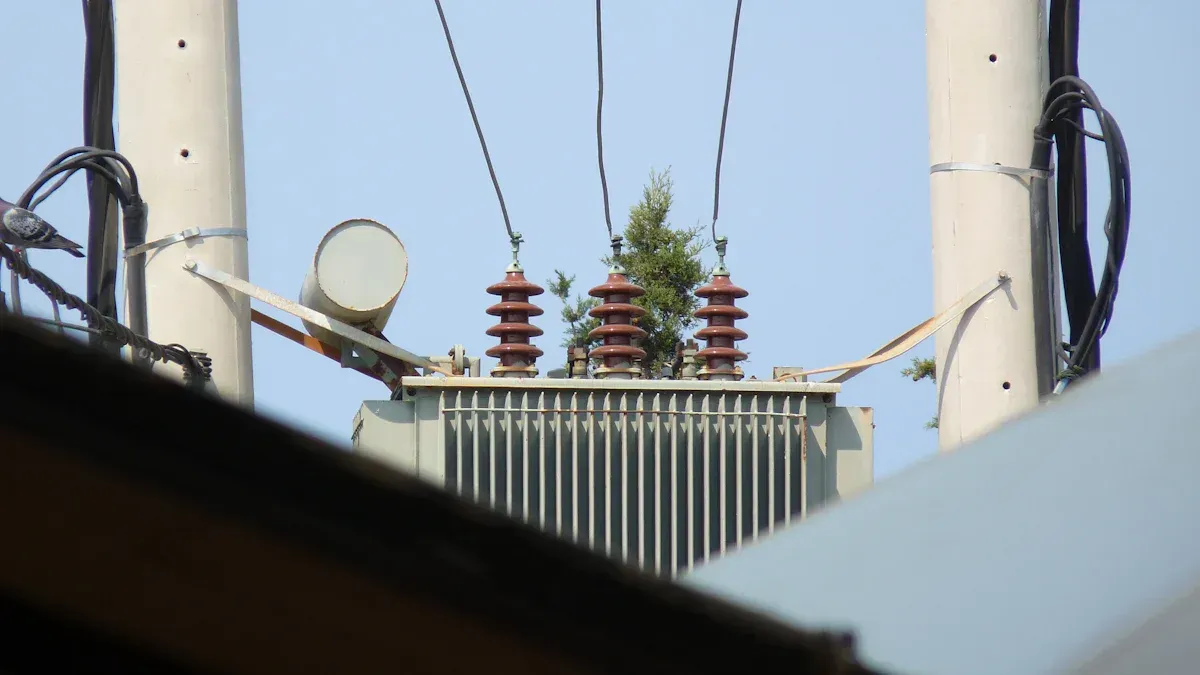
You can find many important parts inside a power line transformer. These parts are the core, windings, insulation, tap changer, bushings, terminals, tank, cooling system, conservator tank, and some extra devices. Every part helps the transformer work well and stay safe.
Most power line transformers last from 20 to 75 years. Their design and how they are used can change this. Some transformers work longer if people take good care of them.
Core
Windings
Insulation
Tap changer
Bushings
Terminals
Tank
Cooling system
Conservator tank
Optional parts
Key Takeaways
Power line transformers have many key parts. These include the core, windings, insulation, and cooling system.
The core guides magnetic energy. It helps change voltage. This makes the transformer work well.
Windings are coils that carry electricity. Their shape affects how the transformer works. It also affects how much energy is lost.
Insulation keeps the transformer safe from electrical faults. It also stops overheating. Regular checks help keep it safe.
Cooling systems stop the transformer from getting too hot. This helps it run safely. It also helps it last longer.
Tap changers let you change the voltage. They keep power steady when demand goes up or down.
Bushings and terminals make safe connections for high-voltage wires. They stop electricity from leaking out.
Monitoring devices find problems early. They help the transformer work well and stay safe.
Inside a Power Line Transformer
Main Tank Overview
A power line transformer has a big metal tank. This tank holds all the main parts inside. The tank keeps the parts safe from rain and dust. It also stops things from breaking the parts. Inside the tank, you find the core, windings, insulation, tap changer, bushings, and cooling system. Each part fits in its own spot and does a job.
The core is in the middle of the tank. Windings are coils that wrap around the core. Insulating materials fill spaces between these parts. They stop electricity from leaking out. The tap changer connects to the windings. It helps change the voltage. Bushings stick out from the tank. They let wires connect to the transformer safely. The cooling system keeps the parts from getting too hot.
The main tank works like a shield. It keeps all the parts safe. It helps the parts work together without trouble.
Here is a table that shows how the main parts fit inside a power line transformer:
Component | Description |
|---|---|
Core | Made from steel with high magnetic permeability, crucial for magnetic flux. |
Windings | Typically, copper or aluminum coils, essential for electrical conduction. |
Insulating Materials | Includes mineral oil, paper, and pressboard, used for insulation between components. |
Tap Changer | Device connected to HV windings for voltage regulation. |
Bushings | Connect windings to the power system, ensuring safe operation. |
Cooling Systems | Achieved through forced circulation of oil and water or air, maintaining optimal operating temperatures. |
Core and Windings Placement
The core and windings are in the center of every power line transformer. The core uses steel with high magnetic permeability. This helps guide magnetic flux and makes the transformer work better. Windings are wrapped around the core in layers. These coils use copper or aluminum to carry electricity.
How you place the core and windings changes how well the transformer works. Good placement means less energy is lost. It also means the transformer works better. The design helps the windings work with the core. This boosts electromagnetic efficiency. The cooling system sits close to these parts. It stops them from getting too hot.
Here is a table that shows how placement and design change efficiency and performance:
Factor | Impact on Efficiency and Performance |
|---|---|
Core Material Selection | Influences core losses, directly affecting overall efficiency. |
Winding Design | Enhances electromagnetic coupling, minimizing energy losses. |
Cooling Efficiency | Prevents overheating, reducing copper losses and maintaining performance. |
Turns Ratio | Ensures accurate voltage transformation, impacting efficiency. |
When you know how the main tank holds and arranges these parts, you see why every detail matters. The next sections will show how each part works and why it is important for safety and good performance.
Core
Core Function
The core sits in the middle of every power line transformer. It guides magnetic energy between the windings. When electricity moves through the windings, the core helps change the voltage. The core makes sure energy moves well from one side to the other. It does not carry electricity itself. The core channels magnetic flux, which is an invisible force. Magnetic flux lets transformers work. If the core is weak, you lose energy. The transformer will not work well.
The core works like a bridge for magnetic energy. It links the input and output sides of the transformer.
Laminated Steel Design
Most transformer cores use thin steel sheets stacked together. These sheets are called laminations. Each sheet is about 0.23 mm to 0.35 mm thick. Transformers that save more energy use even thinner sheets. Makers put insulation between the layers. This stops unwanted electric currents called eddy currents. Eddy currents waste energy and make heat. Stacking and insulating the sheets keeps the core cool and efficient.
Here is a quick look at common core materials and their properties:
Material Type | Magnetic Properties | Applications |
|---|---|---|
Ferrite Ceramics | High magnetic permeability, low electrical resistance, and low saturation flux density | High-frequency applications |
Grain-Oriented Silicon Steel | High permeability, low hysteresis loss | Power transformers |
Non-Oriented Silicon Steel | High electrical resistivity, stable performance | General transformer applications |
Ferro-Nickel (Permalloy) | Soft magnetic material minimizes distortion across frequencies | Audio applications |
Amorphous Steel | Low hysteresis losses, suitable for high-frequency applications | Energy-efficient transformers |
Nanocrystalline Cores | High saturation flux density, suitable for low-frequency applications | High magnetic field applications |
Grain-oriented silicon steel is the most common core material. It has high permeability and low energy loss.
Magnetic Efficiency
You want your transformer to work well and save energy. Laminated core technology helps you do this. Thin, insulated steel sheets lower eddy current losses. This means less wasted energy and less heat. You also get better magnetic performance. The transformer moves more energy with less loss. Amorphous steel cores have even lower hysteresis losses. They are great for saving energy.
Laminated cores help transformers work better and last longer. You save energy and help the environment with good core designs.
Picking the right core material and design makes your transformer work better. You get better voltage control, less heat, and longer life for your equipment.
Windings
Primary and Secondary Coils
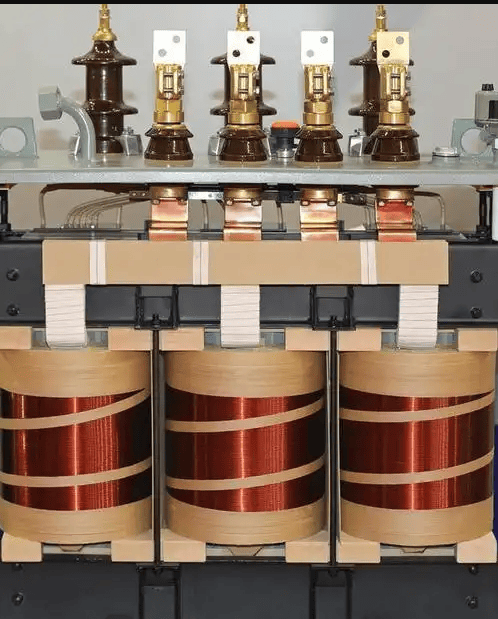
Inside a power line transformer, you see two sets of coils. These are called the primary and secondary windings. The primary coil takes in electricity from the power source. The secondary coil sends electricity out to homes or businesses. You can think of these coils like doors for electrical energy.
The number of turns in each coil changes the voltage. If the secondary coil has more turns than the primary, the transformer raises the voltage. If the secondary coil has fewer turns, the transformer lowers the voltage. The table below shows how this works:
Parameter | Description |
|---|---|
V_s / V_p | Voltage ratio between secondary and primary windings |
N_s / N_p | Turns ratio between secondary and primary coils |
If (N_s > N_p) | The transformer is a step-up transformer (increases voltage). |
If (N_s < N_p) | The transformer is a step-down transformer (decreases voltage). |
Adjusting turns | By adjusting the number of turns in the windings, transformers precisely control voltage levels. |
The way the coils are made lets you change voltage safely.
Copper and Aluminum Materials
Transformer windings are often made from copper or aluminum. Copper is used most because it carries electricity very well. It has low resistance and does not waste much energy as heat. Aluminum costs less and is lighter than copper. It also conducts electricity, but it has higher resistance. This means more energy can be lost.
Here is a quick look at these materials:
Material | Conductivity Value |
|---|---|
Copper | Excellent |
Aluminum | Approximately 60% of Copper |
Copper: Great at carrying electricity, strong, lasts long, but costs more.
Aluminum: Cheaper, lighter, a good conductor, but loses more energy.
Copper windings help the transformer work better. Aluminum windings save money and make the transformer lighter, but may lose more energy.
Energy Transfer Role
Windings help move energy inside a power line transformer. When electricity goes through the primary coil, it makes a magnetic field in the core. This field sends energy to the secondary coil. The two circuits do not touch each other. The magnetic field acts like a bridge. This keeps voltage changes safe and reliable.
Windings keep energy moving smoothly. Good winding design means less heat and fewer losses. This helps the transformer last longer and work better. Picking the right material and coil design helps the transformer stay safe and efficient.
Windings are the heart of every transformer. They make sure energy goes where it should, at the right voltage.
Insulation
Types of Insulation
Inside a power line transformer, you find different insulation types. Each type protects the parts from electrical harm. You see kraft paper, pressboard, mineral oil, synthetic esters, epoxy resin, and polyimide film. These materials keep electricity in the right place. They stop electricity from jumping between parts.
Here is a table that shows common insulation types and their dielectric strengths:
Insulation Type | Dielectric Strength |
|---|---|
Kraft Paper | 20–30 kV/mm |
Pressboard | 15–25 kV/mm |
Mineral Oil | > 30 kV (2.5 mm gap) |
Synthetic Esters | 55–70 kV (2.5 mm gap) |
Epoxy Resin | Very High |
Polyimide Film (e.g., Kapton) | Extreme |
Kraft paper and pressboard go between windings. Mineral oil and synthetic esters fill the tank and cover the parts. Epoxy resin and polyimide film protect special spots that need extra strength. Each material gives a different level of protection. You match the insulation to the voltage and design.
Preventing Electrical Shorts
Insulation keeps the transformer safe from shorts. Shorts happen when electricity goes where it should not. Problems can come from electrical stress, moisture, or movement. If insulation breaks, electricity can jump between windings or to the tank. This can cause damage or fires.
Here are some common causes of electrical shorts:
Cause Type | Description |
|---|---|
Electrical Stress | Overvoltages, switching surges, and lightning can push insulation past its limits. |
Moisture Ingress | Water or humidity can lower insulation strength and let electricity leak. |
Mechanical Stress | Vibration and movement can wear down insulation and create weak spots. |
Insulation helps stop these problems. It keeps the dielectric strength high. It blocks moisture and resists damage from movement. You protect the transformer by keeping insulation in good shape.
Tip: Check and maintain insulation often. You can find small problems early and fix them before they get worse.
Ensuring Safety
Insulation keeps the power line transformer safe. Good insulation stops electricity from escaping. It keeps people safe from shocks. It also protects the transformer from overheating and breakdowns. Strong insulation lowers the risk of fires and outages.
Insulation works in three main ways:
Keeps the dielectric strength high to stop breakdowns.
Blocks moisture and dirt that can weaken insulation.
Fights damage from movement and vibration.
You help the transformer run well by picking the right insulation. Keep it clean and dry. If you ignore insulation, you risk damage and danger. Taking care of insulation helps the transformer last longer and work better.
Remember: Insulation is more than a barrier. It is your shield against electrical trouble and safety risks.
Tap Changer
Voltage Adjustment
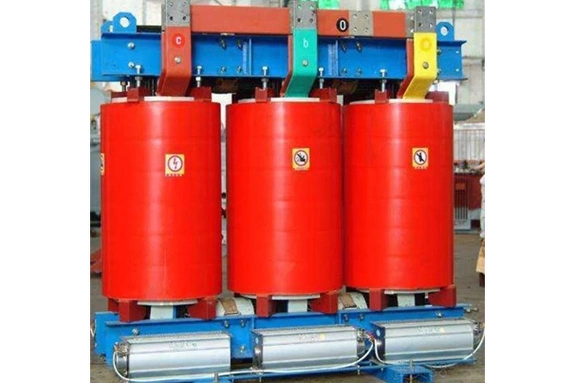
You can control the voltage in a power line transformer using a tap changer. This device connects to the windings inside the transformer. When you adjust the tap changer, you change how many coil turns are active. This lets you raise or lower the output voltage to match what your system needs.
Tap changers help you keep voltage steady, even when the load changes. If more people use electricity, the voltage can drop. You use the tap changer to bring it back up. If the load gets lighter, you can lower the voltage. This keeps your equipment safe and helps everything run smoothly.
Tip: Tap changers make sure your lights stay bright and your machines work well, even when the demand for power goes up or down.
You find tap changers in many transformers. They work with both high and low voltage windings. Some tap changers let you adjust voltage while the transformer is running. Others need you to turn off the transformer first.
On-Load vs Off-Load
You can choose between two main types of tap changers: on-load tap changers (OLTC) and off-load tap changers (NLTC). Each type works in a different way.
On-load tap changers let you adjust the voltage while the transformer stays energized. You do not need to turn off the power. This means you can fix voltage problems fast and keep the system running. On-load tap changers use special circuits to measure and process signals. These circuits help spot faults early and make the system more reliable.
Off-load tap changers need you to switch off the transformer before you make changes. You must stop the power flow, adjust the tap, and then turn the transformer back on. This takes more time and can cause downtime.
Here is a table that shows the differences between the two types:
Aspect | On-Load Tap-Changer (OLTC) | Off-Load Tap-Changer (NLTC) |
|---|---|---|
Advantages | Continuous voltage regulation without power interruptions. | Lower cost and simpler design. |
Disadvantages | Higher cost and complexity; requires regular maintenance. | Manual operation and downtime during adjustments; limited voltage control. |
On-load tap changers give you strong adjustability and fast voltage regulation. You can keep the power system stable without stopping the flow of electricity. Off-load tap changers cost less and have a simple design, but you must plan for downtime when you need to adjust them.
When you pick a tap changer for your power line transformer, think about how often you need to change the voltage and how important it is to avoid interruptions. On-load tap changers work best for places where voltage changes often and reliability matters most. Off-load tap changers fit systems where you do not need to adjust voltage often.
Note: On-load tap changers improve the reliability of your power system. They help you avoid outages and keep everything running smoothly.
Bushings and Terminals
Bushings Purpose
Bushings let high-voltage wires connect inside the transformer. They work as strong insulators. This keeps electricity from leaking out. Bushings sit where wires enter or leave the transformer. Their shape controls the electric field. This lowers electrical pressure. It helps stop breakdowns. Bushings protect against electric discharges. They help keep the transformer steady.
Bushings stop electricity from leaking. They prevent flashovers. This keeps your transformer safe and working well.
Transformer bushings use special materials and shapes. These help manage electrical stress. Bushings separate high-voltage parts from the grounded tank. This insulation is very important for safety. If bushings break, electricity can escape. This can cause damage or power outages.
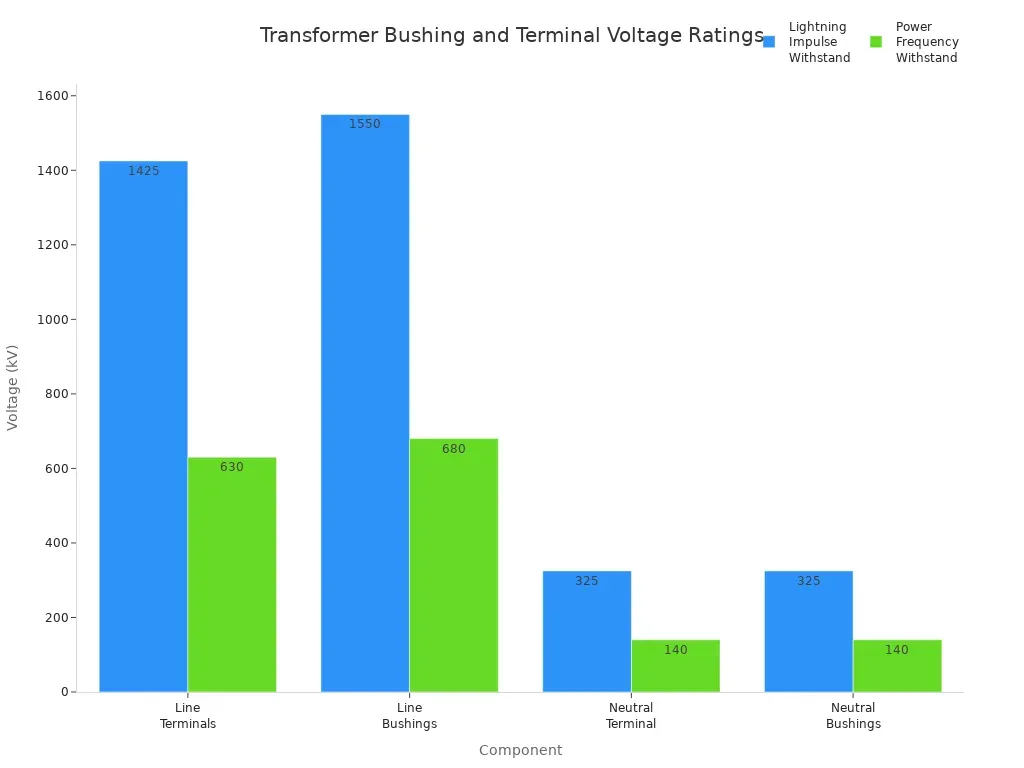
Here is a table with voltage ratings for bushings and terminals:
Component | Lightning Impulse Withstand Voltage | Power Frequency Impulse Withstand Voltage |
|---|---|---|
Line Terminals | 1425 kV crest | 630 kV rms |
Line Bushings | 1550 kV crest | 680 kV rms |
Neutral Terminal | 325 kV crest | 140 kV rms |
Neutral Bushings | 325 kV crest | 140 kV rms |
Terminal Connections
Terminals give a safe way to attach wires. You use them to connect power lines in and out. Each terminal handles high voltages and strong currents. Good design keeps connections tight. It stops overheating.
Terminals are often made from copper or aluminum. These metals carry electricity well. They also resist rust. Modern terminals have coatings and seals. These block moisture and oxygen. This helps stop rust and keeps connections strong.
Here is a table with common terminal problems and ways to prevent them:
Failure Mode | Mitigation Strategies |
|---|---|
Overheating | Check often, manage loads, use good ventilation, monitor temperature, test oil regularly. |
Insulation Deterioration | Test oil, control temperature, use surge arresters, inspect visually, use advanced checks. |
High Moisture Levels | Test oil, seal well, use moisture monitors, do predictive maintenance. |
Corrosion | Use coatings, rust blockers, seal well, control moisture and oxygen, inspect often. |
Tip: Check terminals often. You can find problems early. This keeps your transformer working well.
Safe Power Flow
Bushings and terminals work together to keep power safe. Bushings block leaks and control the electric field. Terminals give strong, stable wire connections. Both help stop shorts, overheating, and breakdowns.
Keep bushings and terminals clean and dry. Inspect and maintain them often. This stops small problems from getting worse. Using good bushings and terminals protects your equipment. It keeps your power system reliable.
Bushings and terminals:
Block electrical leaks
Stop overheating
Keep out moisture and rust
Make safe connections
Remember: Safe bushings and terminals mean safe power for everyone.
Tank and Cooling System
Tank Protection
You find the main tank at the heart of every power line transformer. This tank acts like a strong shield. It keeps all the important parts safe from weather, dirt, and damage. The tank also holds the cooling oil and keeps everything sealed tight. You need a tank that can handle pressure and last for years.
Manufacturers use different materials to build transformer tanks. Each material has its own strengths. You can see the most common choices in the table below:
Material | Characteristics |
|---|---|
Mild Steel | High strength, affordable, easy to fabricate, and withstands internal pressure. |
Stainless Steel | Superior rust resistance, ideal for corrosive environments, higher cost. |
Galvanized Steel | Improved corrosion resistance, balanced weight and cost. |
Aluminum | Lightweight, requires consideration of strength and oil compatibility. |
Mild steel is the most popular because it is strong and easy to work with. Stainless steel works best in places with lots of moisture or chemicals. Galvanized steel gives you extra protection against rust. Aluminum makes the tank lighter, but you must check that it works well with the cooling oil.
Tip: A strong tank keeps your transformer safe and helps it last longer.
Cooling Methods
Transformers get hot when they work. You need a good cooling system to keep the temperature down. Cooling helps the transformer run safely and stops parts from wearing out too fast. You can use different cooling methods depending on the size and power of your transformer.
Oil Cooling
Oil cooling is the most common way to keep a transformer cool. The tank holds special oil that flows around the core and windings. The oil picks up heat and moves it away from the parts. You do not need pumps or fans for basic oil cooling. The oil moves by itself as it gets warm.
Oil cooling works well for small and medium transformers.
The oil also helps insulate the parts and stops electrical shorts.
Air Cooling
Some transformers use air to cool down. Air cooling works by letting heat escape through the tank walls or by using fans. You see air cooling in dry-type transformers or in places where oil is not safe. Air cooling is simple, but it does not work as well for big transformers.
Air cooling is best for low-power transformers.
Fans can help move air faster and cool the parts better.
Forced Cooling
Large transformers need extra help to stay cool. Forced cooling uses pumps or fans to move oil or air quickly. This method works well for high-capacity transformers. You get better heat control and can run the transformer at higher loads.
Here is a table that shows the main cooling methods and how well they work:
Cooling Method | Description | Effectiveness |
|---|---|---|
ONAN / KNAN | Passive cooling using natural convection. | Limited in high ambient temperatures. |
ONAF / KNAF | Augments natural cooling with forced air. | Higher power ratings, but requires maintenance. |
OFAF / OFWF | Uses pumps for forced fluid flow. | Effective for high-capacity transformers. |
ODAF / ODWF | Boosts cooling with directional oil flow. | Uniform temperature distribution for ultra-high power. |
You can see the main cooling types below:
ONAN / KNAN: Works best for low loads, but struggles in hot weather.
ONAF / KNAF: Good for medium transformers, but you must check the fans often.
OFAF / OFWF: Used in big transformers, very effective but more complex.
ODAF / ODWF: Best for ultra-high power, needs careful management.
Note: Forced cooling lets you run your transformer harder and keeps it safe from overheating.
You must pick the right cooling method for your transformer. Oil cooling works for most cases. Air cooling fits small jobs. Forced cooling helps with big loads. Each method helps your power line transformer stay safe and work well.
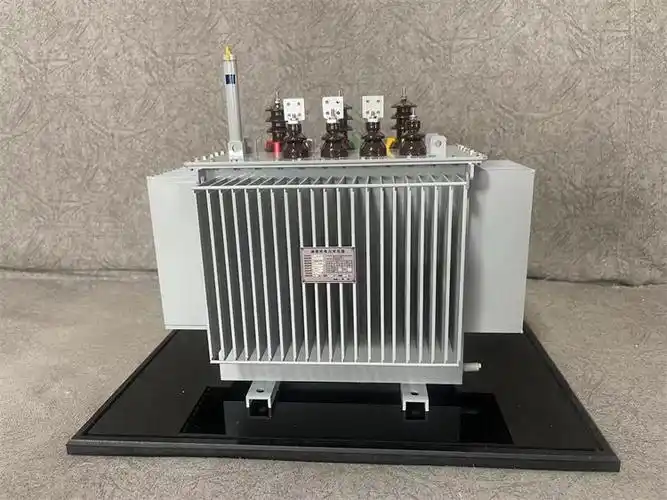
Conservator Tank and Optional Parts
Conservator Tank Role
Many big transformers have a conservator tank. This tank helps the transformer work safely and well. The conservator tank sits above the main tank. It connects to the main tank with a pipe. Its job is to control the oil inside the transformer. When it gets hot, the oil grows bigger. When it cools, the oil gets smaller. The conservator tank gives the oil space to move. This stops too much pressure or leaks.
The conservator tank acts like an air cell. Extra oil goes in when the transformer gets hot.
It keeps the oil at the right level. This helps cool the transformer and stops it from getting too hot.
The tank keeps air and water away from the oil. This stops rust and keeps the transformer working.
Insulating oil gets bigger when hot and smaller when cold. A conservator must:
Take in more oil without making too much pressure
Let air in when oil shrinks to stop a vacuum
Block air from getting into the main tank
Stop oil from spilling out or the tank from bending in
The conservator tank works like an oil room. It keeps the oil level steady and blocks air from the main tank. When the transformer gets hot, oil moves up into the conservator. When it cools, oil goes back down. This keeps the pressure even and stops damage.
Surge Arresters
Surge arresters keep your transformer safe from sudden high voltages. Lightning or switching can send dangerous surges through the lines. Surge arresters work like safety doors. They quickly send extra voltage away from the transformer and into the ground.
Surge arresters give a quick path to the ground during a surge.
They turn on as soon as the voltage gets too high.
These devices stop the insulation from breaking and keep equipment safe.
You need surge arresters to protect your transformer during storms or power changes. Without them, high voltage could hurt the windings or the core.
Pressure Relief Devices
Pressure relief devices protect your transformer from too much pressure. If something goes wrong, pressure can build up fast inside the tank. Pressure relief valves (PRV) and pressure relief devices (PRD) let out extra pressure before it causes harm.
Device Type | Standard Cracking Pressure | Reseal Pressure | Flow Rate Specification |
|---|---|---|---|
PRV | 10 PSIG +/- 2 PSIG | 6 PSIG | 50 SCFM at 15 PSIG |
PRD | Varies, usually for bigger transformers | N/A | N/A |
You need these devices to stop explosions or oil leaks. When pressure gets too high, the valve opens and lets out gas or oil. When the pressure drops, the valve closes again. This keeps your transformer safe and working.
Tip: Check pressure relief devices often. This helps you find problems early and avoid big repairs.
Monitoring Devices
You need monitoring devices to keep your transformer safe. These devices help you find problems early. They stop big breakdowns from happening. You can see different types of monitoring equipment inside and outside the transformer. Each device checks important things and sends alerts when something changes.
You often find these monitoring devices in new transformers:
Sensors
Data acquisition units
Communication systems
Analytics software
Control room screens
Sensors are inside the transformer. They measure important values. Data acquisition units collect sensor data and send it to the control room. Communication systems move data fast. This helps you react quickly. Analytics software helps you understand what is happening. You use a control room screen to see all the data together.
You need to watch many things to keep your transformer healthy. Here is a table that shows what you should check and why it matters:
Parameter | What It Tells You | Why It Matters |
|---|---|---|
Winding and Oil Temperatures | Shows how hot the transformer gets | Prevents overheating |
Top-Oil and Hot-Spot Temps | Finds the hottest points inside | Protects insulation and windings |
Load Current and Voltage | Measures how much electricity flows | Avoids overloads |
Dissolved Gas Analysis (DGA) | Detects gases from oil breakdown | Spots early faults |
Moisture Content in Oil | Checks for water in the oil | Stops insulation problems |
Partial Discharge Activity | Finds tiny electrical leaks | Prevents big failures |
Bushing Condition Monitoring | Watches for wear in bushings | Keeps connections safe |
Cooling System Status | Tracks cooling fans and pumps | Stops overheating |
Vibration and Noise | Listens for strange sounds or shaking | Finds mechanical issues |
Temperature sensors check if the transformer gets too hot. If oil or windings heat up, you get a warning. Dissolved gas analysis helps you find trouble early. If gases build up in the oil, something is breaking down inside. Moisture sensors tell you if water gets into the oil. Water can hurt insulation and cause shorts.
You also watch for partial discharge activity. This means electricity is leaking a little bit. If you catch it early, you can fix the problem. Bushing monitors show if bushings wear out or crack. Cooling system sensors show if fans or pumps stop working. Vibration and noise monitors listen for strange sounds. These can mean parts are loose or broken.
Tip: Check your monitoring devices often. If you keep sensors and software working, you can find problems early and keep your transformer running well.
You can use analytics software to look at all the data together. This helps you see patterns and know when to do maintenance. You see everything on your control room screen. If something goes wrong, you get an alert right away.
Monitoring devices help you feel safe. You know your transformer is okay. You can act fast if something changes. You protect your equipment, save money, and keep the power on for everyone.
You see many key parts inside a power line transformer. Each part does something important. The core, windings, insulation, and cooling system work together. They help save energy and stop breakdowns. The core lowers energy loss. Windings move electricity easily. Insulation blocks electrical problems. The cooling system keeps things from getting too hot.
Component | How It Helps Efficiency |
|---|---|
Core | Cuts down on energy loss |
Windings | Carries electricity with little resistance |
Insulation | Stops electrical faults |
Cooling System | Keeps the temperature safe |
Modern transformers use smart sensors and green materials. You see fewer problems if you care for insulation and check for aging. Every part is important. Knowing these things helps keep power working.
What is in a power line transformer? It is a system made for safety, efficiency, and reliability.
FAQ
What does a power line transformer do?
A power line transformer changes voltage levels. It helps move electricity from power plants to homes. The transformer keeps the power system safe and steady.
Why do transformers need cooling systems?
Transformers get hot while working. Cooling systems keep the temperature safe. Cooling stops parts from overheating and breaking. It helps transformers last longer.
How often should you check transformer insulation?
Check insulation at least once every year. Regular checks help you find problems early. Good insulation keeps transformers safe from electrical faults.
Can you adjust the voltage in a transformer?
You can change the voltage with a tap changer. This device lets you pick how many coil turns work. You keep the output voltage steady for your needs.
What happens if a transformer overheats?
If a transformer gets too hot, parts can break. Insulation can get damaged and energy can be lost. There is a risk of fire. Cooling systems and sensors help stop overheating.
Why do transformers use oil?
Transformers use oil for cooling and insulation. Oil moves heat away from the core and windings. It also stops electrical shorts and keeps parts safe.
How do surge arresters protect transformers?
Surge arresters block sudden high voltages. They send extra voltage safely to the ground. This protects transformers from damage and keeps power flowing.
What is the role of bushings in a transformer?
Bushings let wires connect to the transformer safely. They act as strong insulators. Bushings keep connections safe and stop electricity from leaking.