I. Introduction: Defining the Critical Safeguard
A. The Core Definition
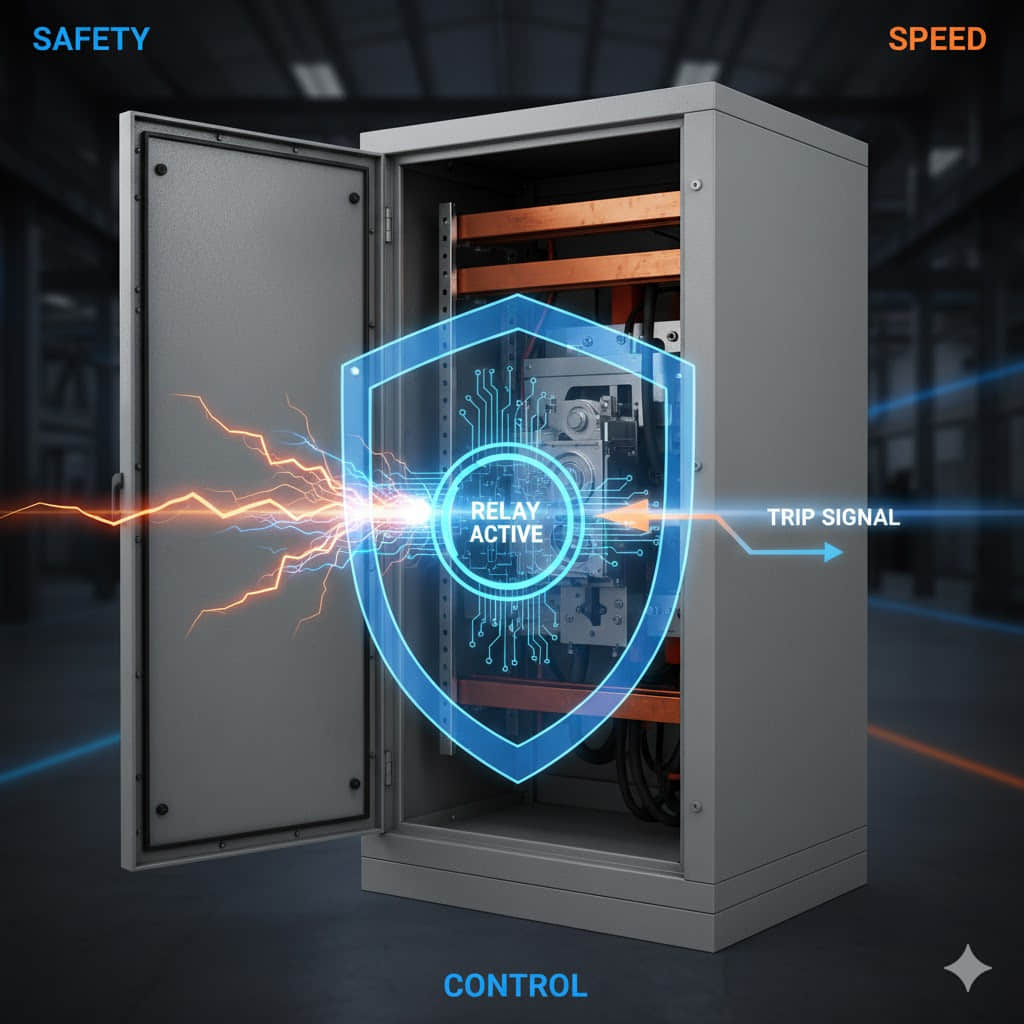
Electrical switchgear protection fundamentally involves the integrated deployment of equipment, primarily protective relays, circuit breakers, and fuses, to actively safeguard an entire electrical system by isolating and meticulously controlling power flow. Its central objective is to prevent catastrophic equipment damage resulting from common faults such as short circuits, sustained overloads, and unexpected voltage fluctuations.
By ensuring the rapid detection and instantaneous interruption of abnormal current, this sophisticated system guarantees the integrity of the electrical system, its continuous operational capability, and, critically, the safety of personnel.
B. The Role in Modern Power Systems
The switchgear protection system serves as the paramount hub between the primary power source and the downstream electrical loads, essentially acting as the vigilant "gatekeeper" of the power grid. It is an indispensable part of critical infrastructure across all major facilities, including factories, large data centers, hospitals, and expansive substations.
This system is not merely the final line of defense against electrical incidents; it is the fundamental mechanism that secures both personnel and high-value assets for continuous operation. The protection architecture demands the capability for constant monitoring, swift logical decision-making, and immediate, decisive execution.
Without this essential layer of robust protection, even the slightest fault could escalate rapidly into a catastrophic outcome, potentially causing fires, explosions, or widespread, prolonged power outages.
Key Takeaways
• Core Functionality: The essence of switchgear protection lies in the principles of “isolation and control.” It swiftly detects and interrupts fault currents to prevent equipment damage and ensure human safety.
• Three-Step Mechanism: The system operates via a tightly integrated, three-step sequence: Fault Detection (Relay) rightarrow Fault Interruption (Circuit Breaker) rightarrow Isolation and Control (Switching Devices).
• Engineering Differentiation: Engineers must precisely select switchgear based on its voltage classification (Low Voltage, Medium Voltage) and its arc-quenching medium (Vacuum, SF6 Gas). Protection complexity dramatically escalates with rising voltage levels.
• Advanced Logic: The true engineering mastery resides in Protection Coordination, which uses precisely defined Time-Current Curves (TCCs). This guarantees that only the device closest to the fault trips, ensuring system-wide “selectivity.”
• Reliability is Maintenance: Predictive maintenance, combined with essential testing protocols like Contact Resistance Tests, is vital. It ensures the circuit breaker does not fail to trip when an emergency demands it, thereby directly determining the overall system reliability.
II. The Mechanism of Protection
A. Step 1: Fault Detection and Measurement
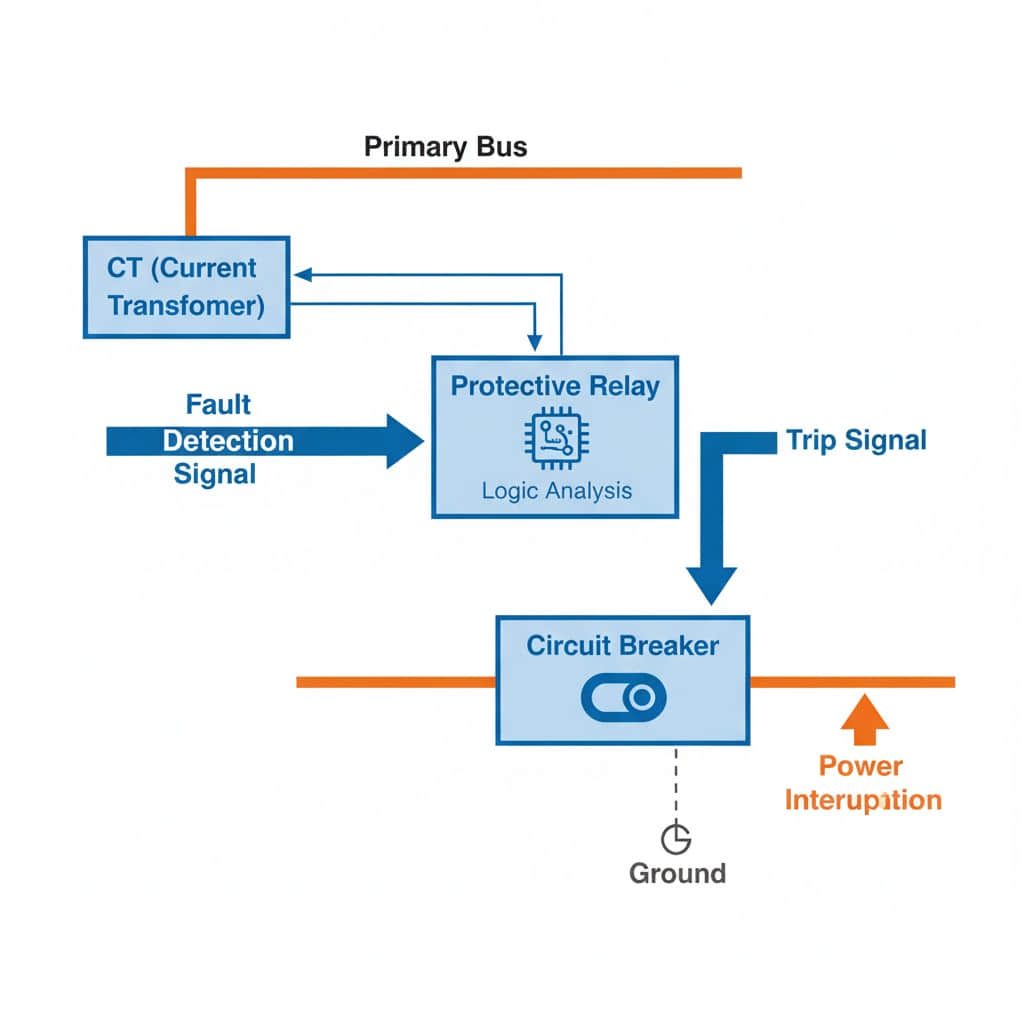
The protection process initiates with continuous, high-precision monitoring of the electrical network. This crucial task is primarily handled by Protective Relays and highly sensitive current transformers (CTs) and potential transformers (PTs).
These devices constantly measure the instantaneous values of various electrical parameters, including current flow, voltage levels, and critical phase angles.
Any electrical anomaly, whether an instantaneous short circuit or a gradual, sustained overload, immediately causes these parameters to exceed predetermined, safe operating thresholds. The speed and sensitivity of these initial relays critically determine the overall efficiency of the protection system.
B. Step 2: Fault Interruption and Clearing
Upon confirming the fault and completing its internal logical judgment, the relay instantly transmits a low-voltage electrical impulse known as the Trip Signal. This signal demands immediate action from the main current interrupting devices in a matter of milliseconds.
The Circuit Breaker or fuse is triggered, and its internal mechanism operates at high speed to physically interrupt the flow of the fault current to the affected area. The speed of this breaker is paramount; an optimized protection system can complete the entire fault-clearing process within a few milliseconds (typically 3-5 cycles).
This minimizes consequential arc energy and thermal damage. Rapid current interruption is essential for preventing both personnel injury and equipment meltdown resulting from the dangerous Arc Flash phenomenon.
The breaker’s rated interrupting capacity must be meticulously engineered to be sufficiently robust. It must safely withstand and interrupt the highest possible fault current anticipated in that specific part of the system.
C. Step 3: Isolation and System Control
Following the fault clearance, the system proceeds into the necessary isolation and control phase. The Isolation function allows authorized operators to utilize switches or disconnectors to physically cut off the faulted circuit or the equipment requiring maintenance from the energized main system.
This creates a mandatory visible break. Establishing this visible disconnect point is critically important for personnel safety, absolutely guaranteeing that the circuit is completely de-energized when maintenance work is being performed.
Furthermore, the Control function provides the essential ability to regulate the flow of electrical power. This enables operators to start, stop, and manage equipment based on current load demands, overall energy management strategies, or necessary system reconfiguration.
Note: The synergistic action between the protective relay and the circuit breaker forms the core of the protection system. The relay serves as the "brain" (responsible for the decision), while the breaker acts as the "muscle" (responsible for the execution). The reliability and speed of the communication link between these two components are the ultimate determinants of the system’s performance.
【Video Supplement: Protective Relays and Circuit Breaker Operation - Visual Demonstration of Fault Clearing】
This video should visually demonstrate the complete process of the protective relay receiving the CT signal, making its logic decision, and transmitting the trip signal to the circuit breaker. Slow-motion footage is highly recommended to show the rapid separation of the breaker contacts.
III. Key Components
A. Primary Interruption and Switching Devices
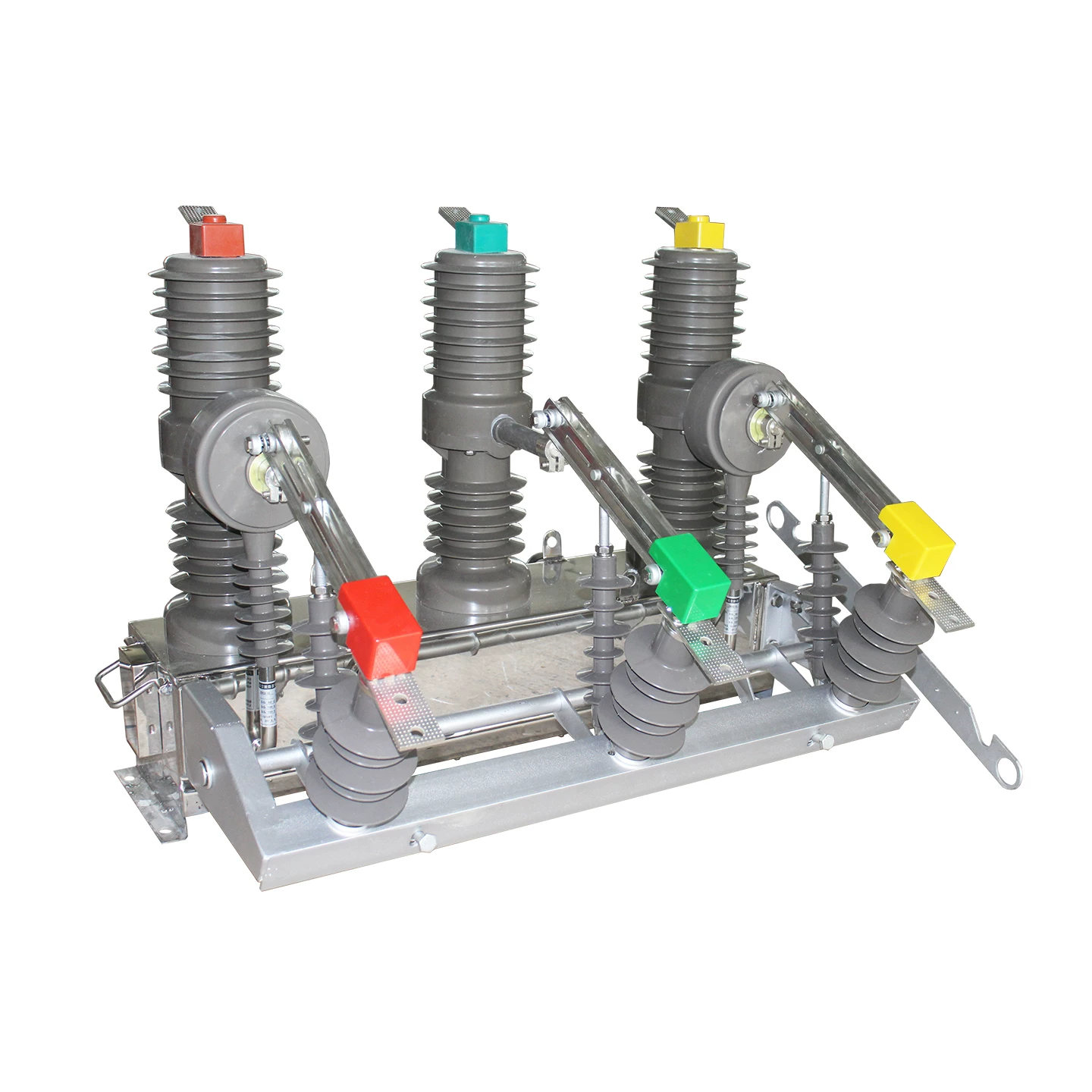
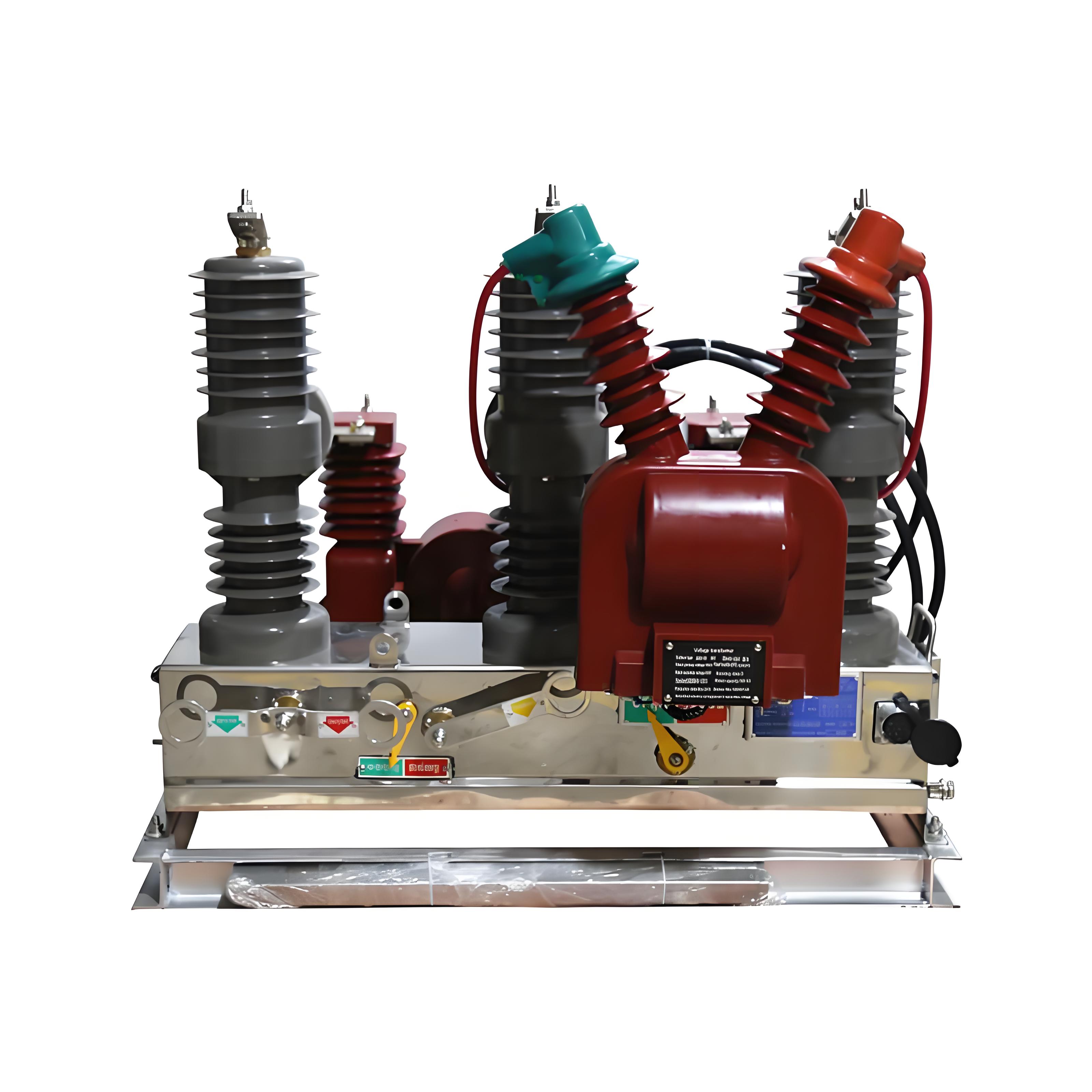
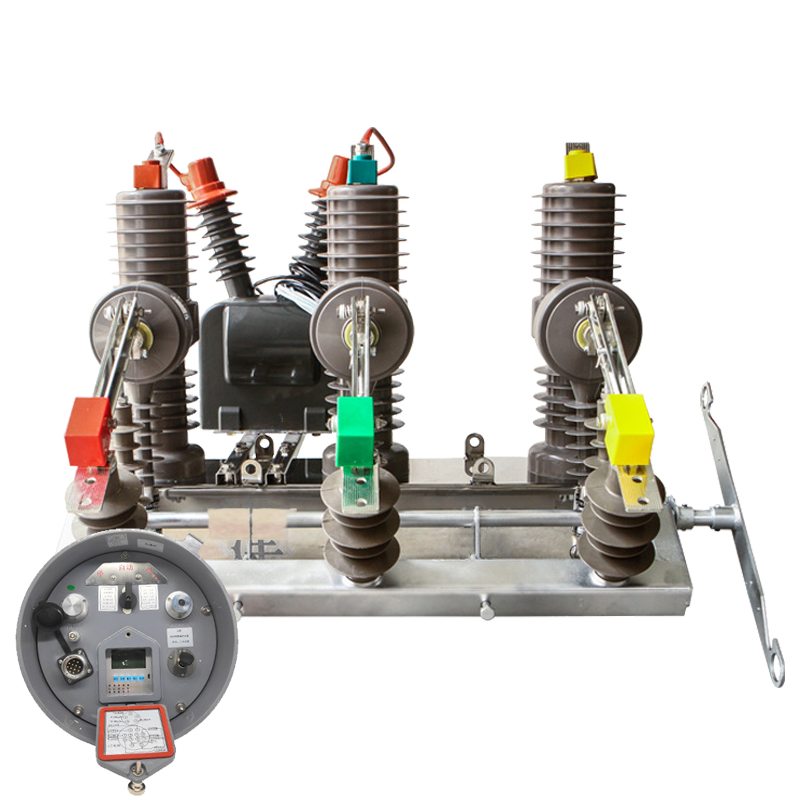
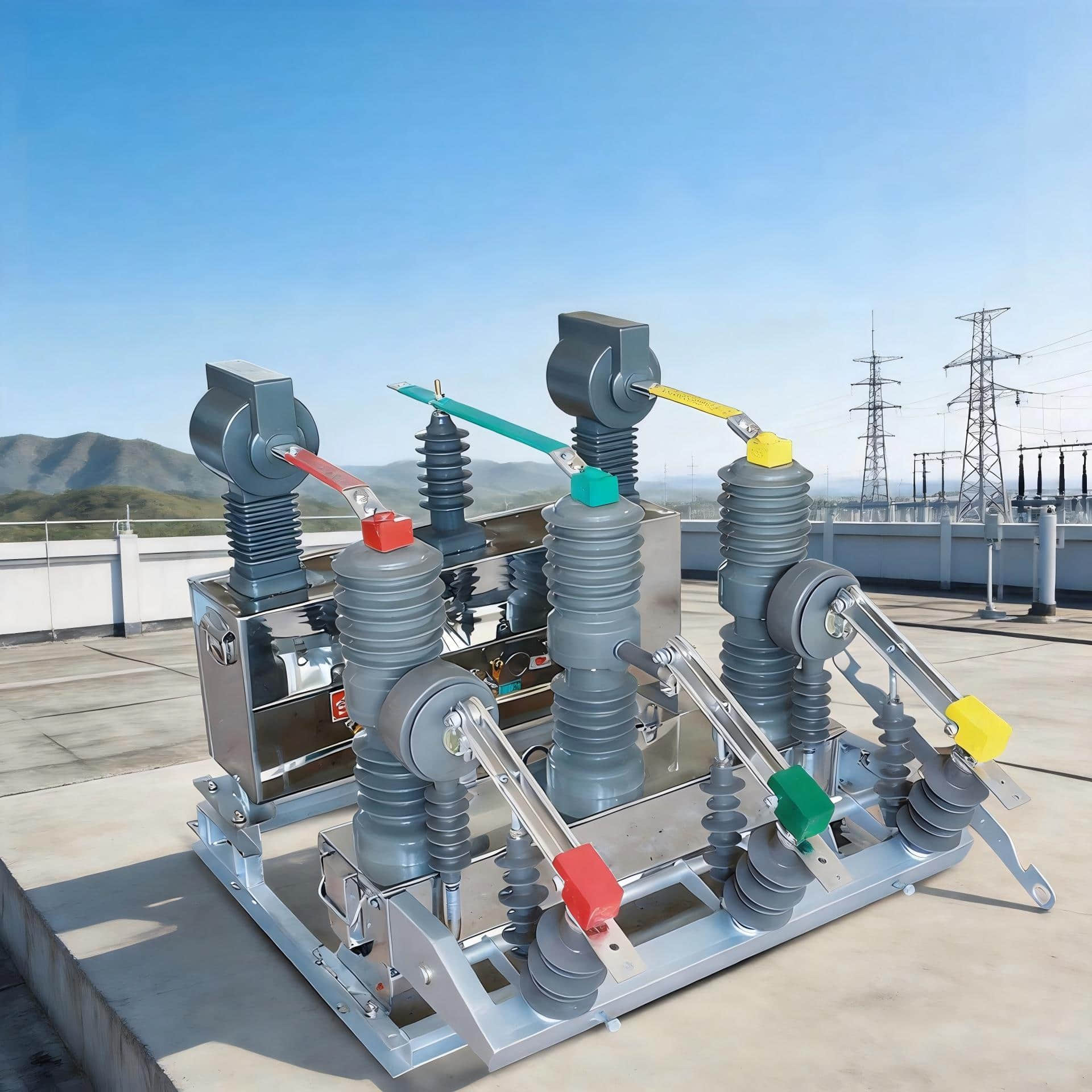
• Circuit Breakers (CBs): The circuit breaker is the most common and arguably the most crucial component within the switchgear assembly. It possesses the necessary capability to automatically and repeatedly interrupt fault currents (whether short circuit or overload), and then can be safely reclosed once the fault has been cleared.
They also function as standard switches, allowing operators to manually control the on or off state of the power supply.
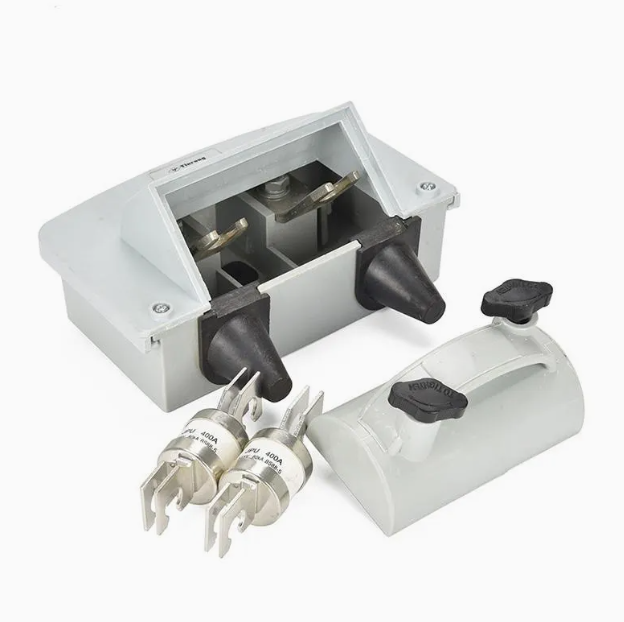
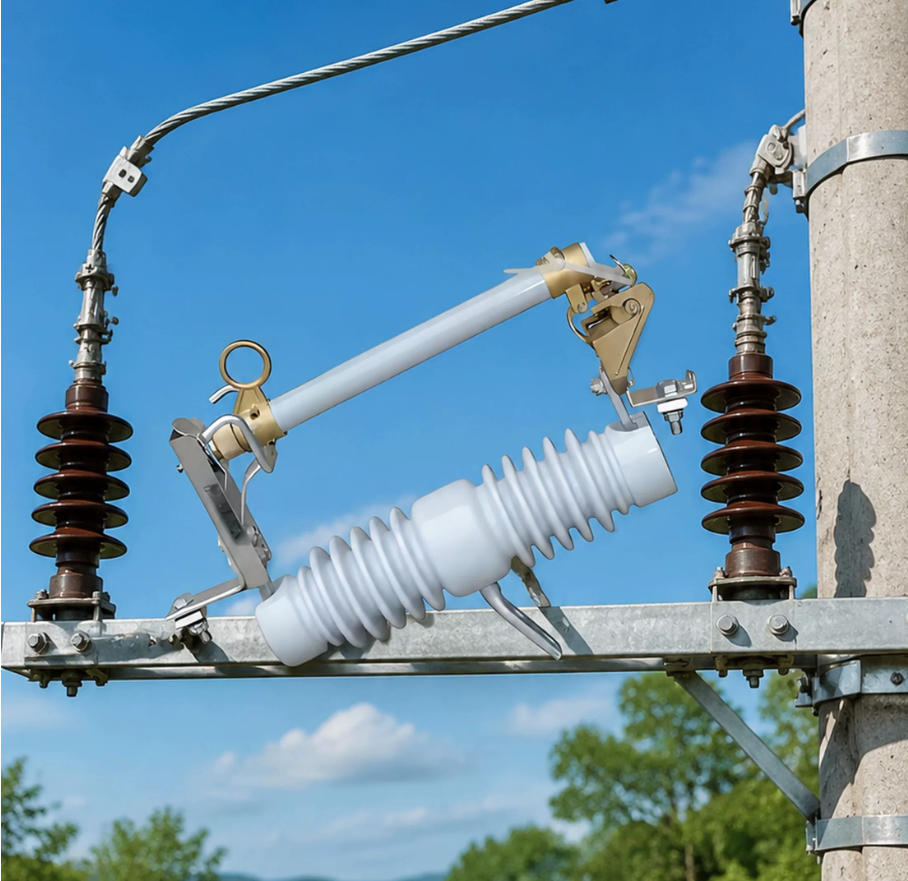
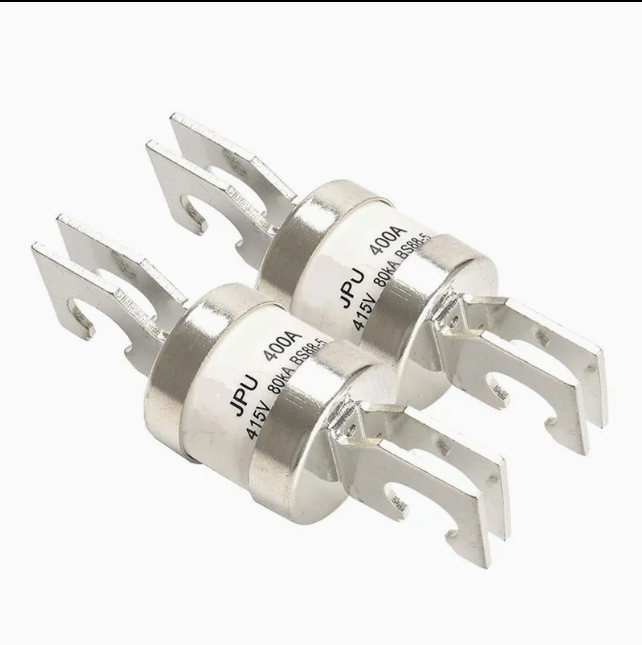
• Fuses: A fuse is a simpler, less expensive, and single-use protective device. When an overcurrent condition occurs, its specifically designed internal metal element melts, thereby physically and permanently breaking the circuit to achieve immediate protection.
Fuses are valued for their extremely fast current-limiting capability, but their main drawback is the necessity for replacement after every single operation, as they cannot be automatically reset.
B. The Monitoring and Logic Devices
• Protective Relays: These specialized devices are often referred to as the "brain" or "nerve center" of the entire system. They continuously acquire critical data from the instrument transformers and then use predefined protection logic (such as overcurrent protection, ground fault protection, or differential protection schemes) to determine the necessity of sending a trip signal.
Modern relays are typically digital microprocessor-based units, capable of performing highly complex logic assessments.
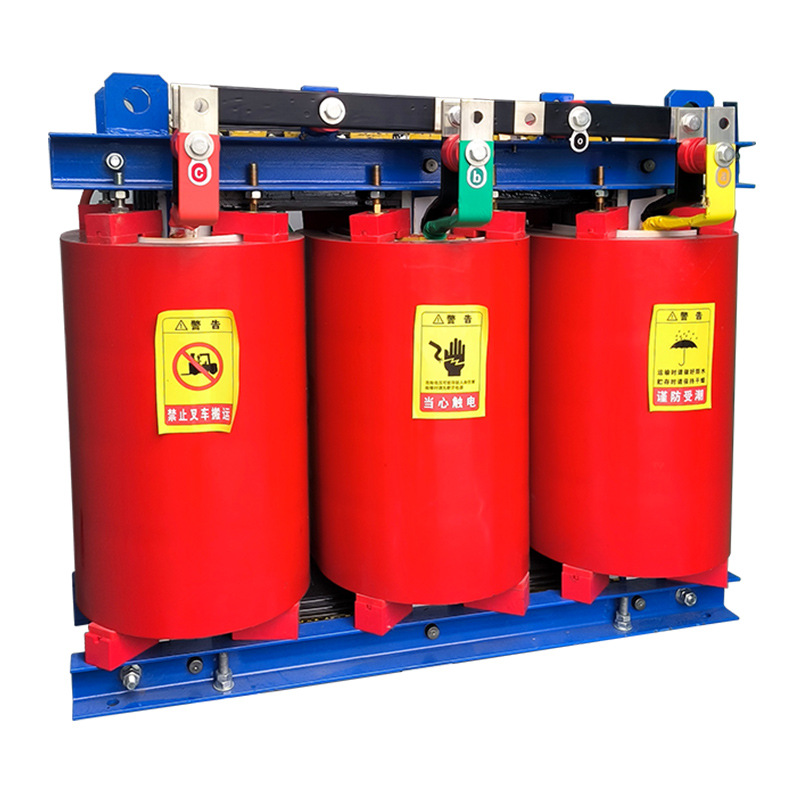
• Current and Potential Transformers (CTs/PTs): Instrument transformers (CTs/PTs) are essentially the relay's "eyes" and "ears." They precisely scale down the high voltages and high currents present in the primary power circuit (often thousands of volts and hundreds of amperes) to safe, standardized secondary levels (e.g., 5 Amperes or 120 Volts) that the delicate relays can safely handle.
They are fundamental to ensuring the accuracy and safety of the relay's measurements.
C. Operational Devices
• Switches and Disconnects: These devices are specifically used for manually opening or closing circuits, and their primary, vital function is to provide a clear, visible break in the electrical path.
This physically guarantees that the circuit is absolutely safe and isolated while maintenance and repair work are being performed on downstream equipment. Importantly, disconnect switches are generally not rated to safely interrupt current under load and must only be operated after the main circuit breaker has opened the circuit.
IV. Engineering Dimensions: Voltage Levels and Arc Quenching Media
From an electrical engineer's perspective, the specific protection strategy for switchgear is never static. Rather, it is meticulously customized based on the system's operating voltage level and the required current interrupting capability.
This level of detail is paramount to effective system design.
A. Classification by Voltage Level
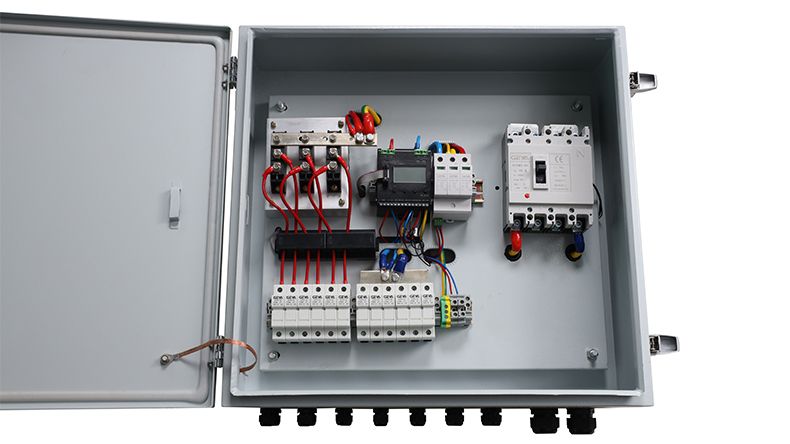
• Low Voltage (LV): This category typically refers to systems operating at 1000 Volts and below. LV switchgear predominantly utilizes Air Circuit Breakers (ACBs) or Molded Case Circuit Breakers (MCCBs).
The protection goals here are relatively straightforward, focusing mainly on short circuit and overload protection for final circuits, with a strong emphasis on ensuring human safety.
• Medium Voltage (MV): MV systems generally operate between 1 kV and 38 kV. The protection complexity for medium voltage switchgear is significantly higher than that of LV systems.
These units are deployed in large substations and industrial systems and must be capable of rapidly interrupting large currents to secure power continuity across the facility.
• High Voltage (HV): H V systems operate at 38 kV and above, primarily used in utility transmission grids. High-voltage switchgear often features outdoor designs and requires extremely high interrupting capacity and unquestionable reliability.
Protection strategies at this level involve highly complex line protection and bus differential protection schemes.
B. Arc Quenching Media
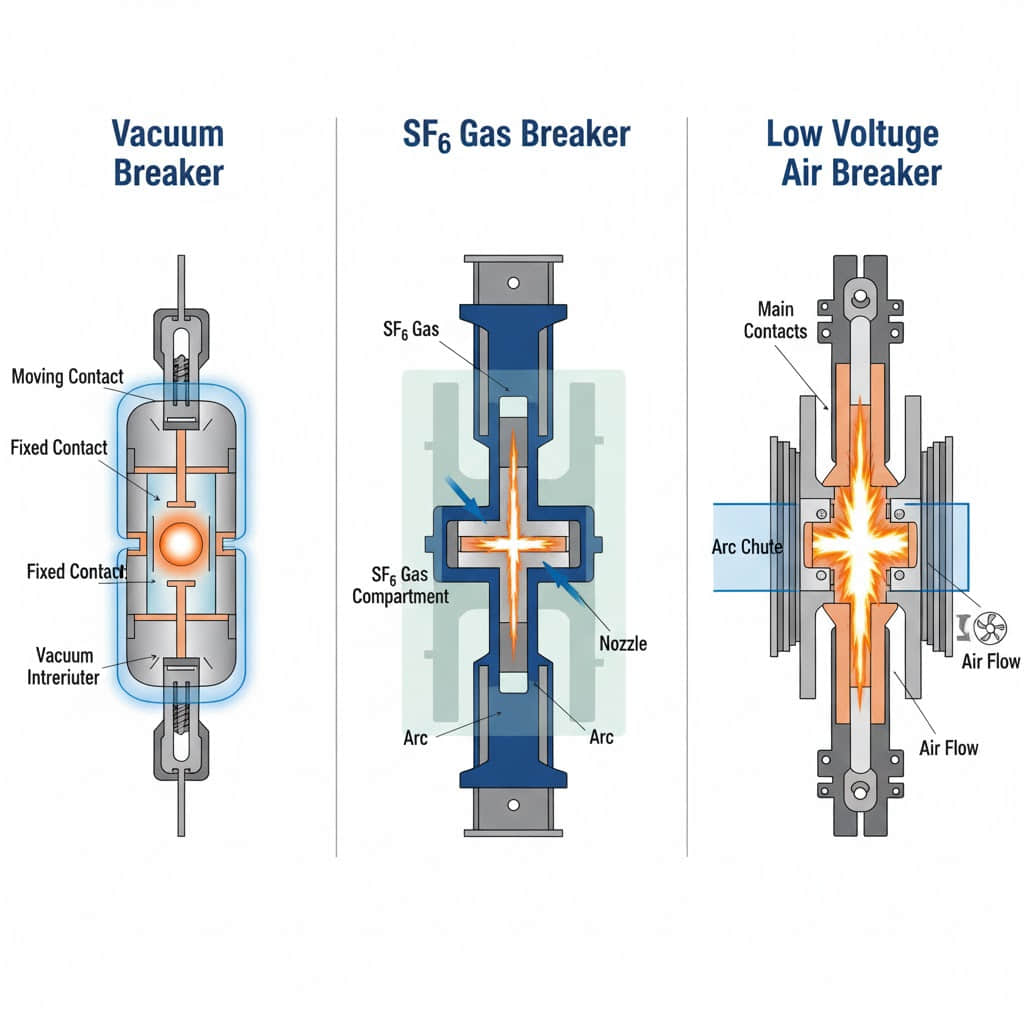
When a circuit breaker successfully interrupts a current, a high-energy arc is momentarily created between the separating contacts due to the flow of electricity through the gap. The breaker must employ a highly efficient medium to quickly extinguish, or "quench," this arc.
This prevents contact erosion and eventual equipment failure.
• Air: Commonly used in low-voltage switchgear assemblies, air is cost-effective. However, its arc-quenching speed and performance are limited compared to other specialized media when interrupting high currents.
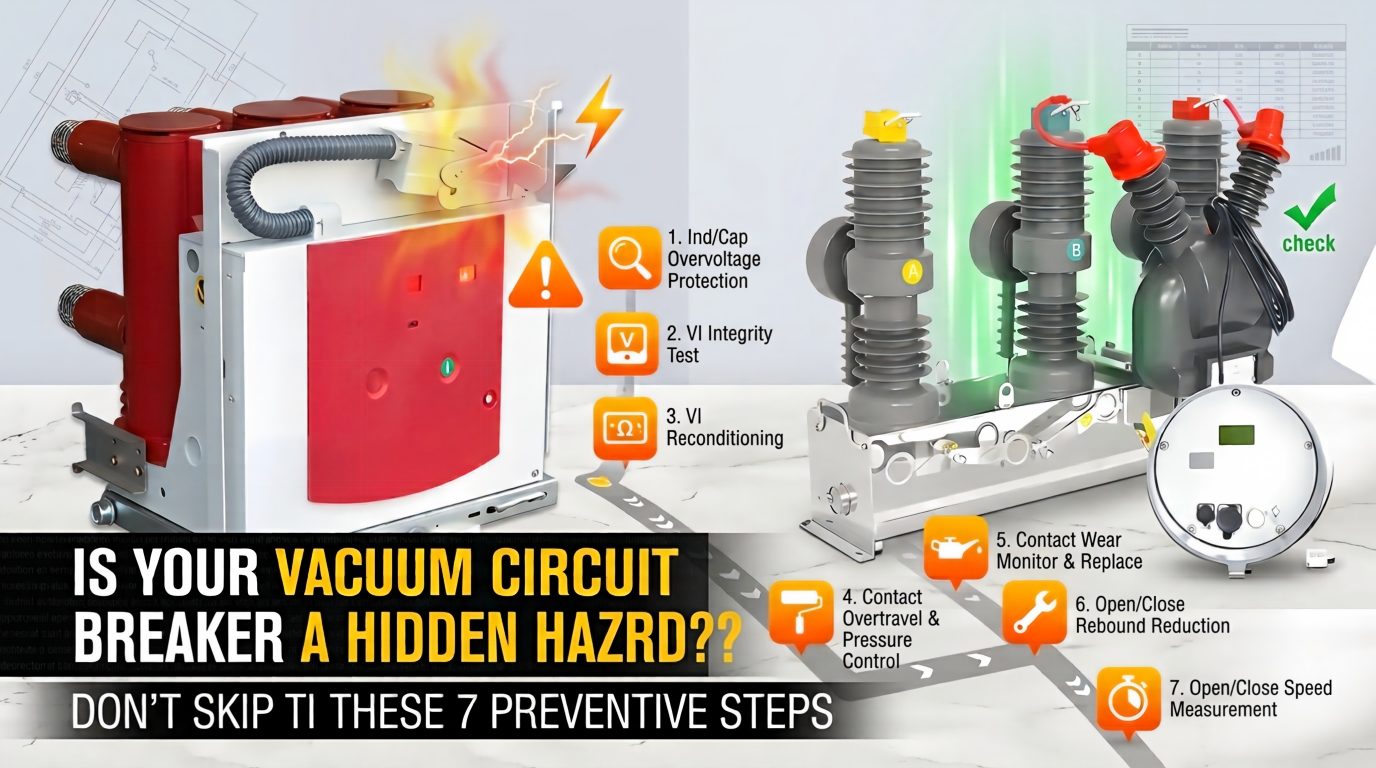
• Vacuum: Vacuum technology is widely adopted for medium-voltage switchgear applications. Vacuum provides exceptionally high dielectric strength, resulting in extremely fast arc extinction, minimal contact wear, and an extended lifespan.
This makes it an environmentally friendly and reliable choice.
• SF6 Gas (Sulfur Hexafluoride): This medium is preferred for high-voltage and high-current systems due to its superior insulating and arc-quenching performance. It allows the safe interruption of extremely high fault currents.
However, SF6 is classified as a potent greenhouse gas, posing a significant environmental impact, meaning its handling and eventual recycling are strictly regulated.
• Oil: Historically common in older medium- and high-voltage switchgear designs, oil quenches the arc by vaporizing and cooling the arc. Due to fire hazards and intensive maintenance requirements, oil-based breakers have been largely superseded by vacuum and SF6 technologies in modern designs.
Tip: When selecting switchgear, the specific arc-quenching medium directly dictates the circuit breaker’s maintenance requirements, expected operational lifespan, and its environmental footprint. For example, vacuum breakers are often near maintenance-free, whereas SF6 breakers require routine checks of gas pressure and purity levels.
V. Advanced Protection Logic: Coordination and Selectivity
The authentic engineering value and skill within the protection system reside in its intricate logic settings. A precisely designed protection system is vastly more complex than a simple on-off switching operation.
A. Protection Coordination
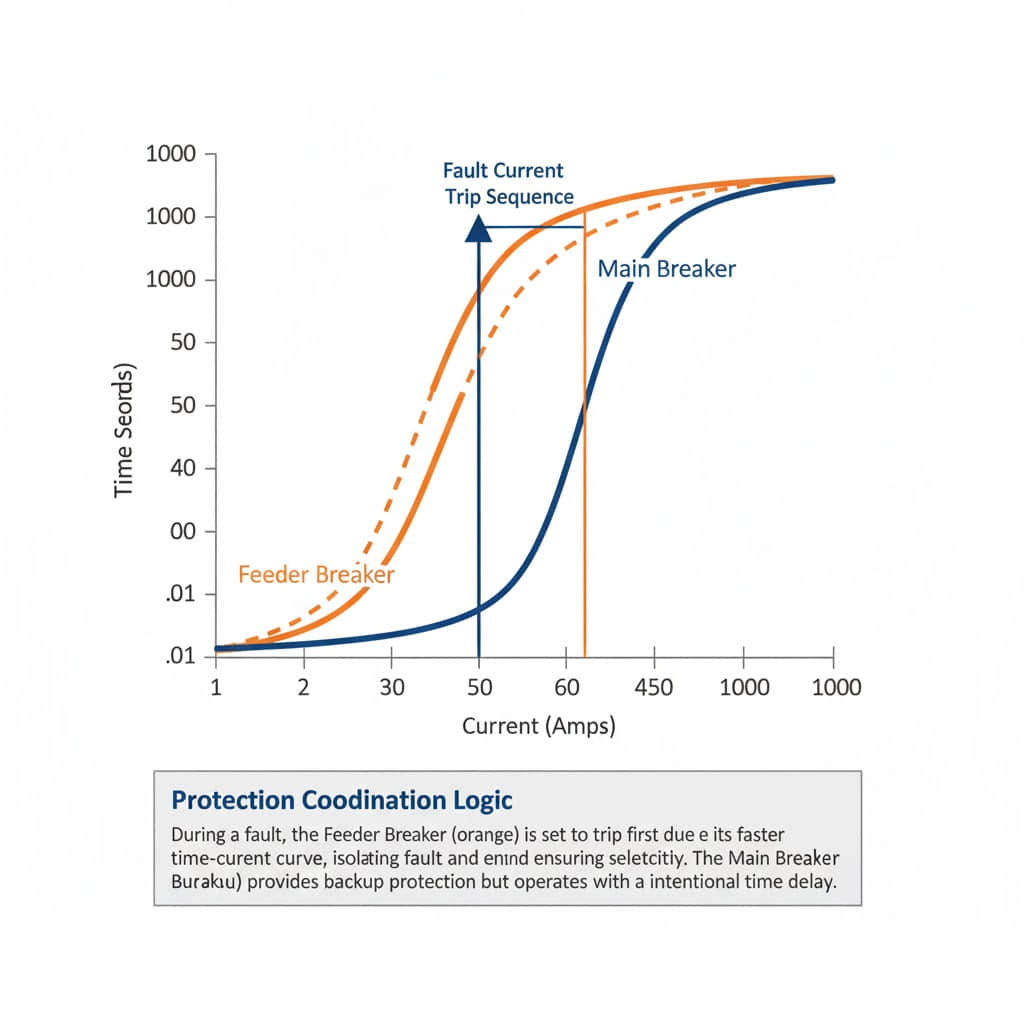
The primary objective of Protection Coordination is to achieve absolute Selectivity. Selectivity is the operational guarantee that when a fault occurs anywhere in the system, only the protection device physically closest to the fault location (i.e., the lowest device in the upstream hierarchy) is triggered to trip.
For instance, if a short circuit occurs in a small branch circuit, only that branch's breaker must open. This critically prevents the main distribution breaker from tripping and causing an unnecessary outage to the entire facility.
This necessary and precise coordination is achieved by meticulously setting different Time-Current Characteristic Curves (TCCs) for every single protection device in the system.
B. Fault Clearing Time
The Fault Clearing Time is a fundamental and mission-critical metric for assessing protection system performance. This metric is defined as the total elapsed time from the precise moment the fault initiates until the current is entirely and safely interrupted.
This duration is typically measured in Cycles of the power frequency (e.g., in a 60 Hz system, one cycle equals 1/60th of a second).
A shorter clearing time (achieved by ultra-fast breakers, sometimes operating at 3-5 cycles) dramatically reduces both the thermal damage to cable insulation and the electrodynamic stress placed upon the busbar structures caused by the high fault current.
C. Digital Relays and Communication
Modern protection systems have fundamentally shifted away from traditional electromechanical relays toward advanced Digital Protective Relays. These microprocessor-based units are powerful enough to execute highly complex, customized protection logic algorithms.
They support rapid communication protocols (such as IEC 61850), making widespread substation automation and sophisticated distributed protection schemes fully achievable.
Digital relays also incorporate valuable features like fault recording, event logging, and remote monitoring capabilities, which collectively enhance the system's overall intelligence and maintainability.
VI. The Protection Matrix: Switchgear Response to Common Faults
Effective switchgear protection relies on the system's ability to swiftly recognize, analyze, and differentiate between various types of electrical faults. Engineers must carefully tailor the relay's response speed and current thresholds for each unique fault condition.
A. Understanding Common Fault Types
The most prevalent types of electrical faults encountered in power systems include: • Short Circuit: An unintended connection between two conductors (either between phases or a phase and ground). This results in near-zero impedance and an instantaneous, dangerous surge of current. • Overload: A condition where the current continuously exceeds the cable or equipment's safe rated capacity for a long duration, though it has not yet reached a short circuit level. • Ground Fault: Current flow unintentionally diverted to the earth or the equipment's metal enclosure, typically caused by insulation failure. • Voltage or Frequency Anomalies: System parameters like voltage or frequency persistently operating outside established utility standards.
B. Protection System Response Matrix
| Fault Type | Characteristic Description | Key Component Response | Resulting Benefit |
| Short Circuit | Extremely low impedance; current instantaneously spikes to dangerous levels. | Protective relay detects fault; breaker or current-limiting fuse trips/melts instantaneously. | Prevents catastrophic events like explosions, arc flash, and total cable failure. |
| Overload | Current exceeds rated capacity, but over a sustained, longer time period. | Thermal relay or breaker trips with a deliberate delay (based on its time-current curve). | Protects cable insulation from excessive thermal degradation and safeguards motor windings. |
| Ground Fault | The current path is illegally diverted to the earth or the equipment enclosure. | Ground fault relay (via Zero Sequence CT) detects zero-sequence current, initiating a trip. | Essential for personnel safety (preventing touch potential) and preventing enclosure energization. |
| Under/Overvoltage | System voltage persistently deviates (Swell or Sag) from the utility standard. | Voltage Relays detect deviation, initiating a proactive alarm or system correction mechanism. | Protects sensitive electronic equipment, ensuring overall Power Quality compliance. |
VII. Lifespan and Reliability: Maintenance Protocols
The reliability of a switchgear protection system depends less on its initial design and far more on its ongoing maintenance regimen. From an engineer's viewpoint, an unmaintained circuit breaker is functionally equivalent to an unreliable bomb waiting to fail.
A. The Necessity of Scheduled Maintenance
Switchgear is a complex integration of mechanical, electrical, and thermal systems. Its reliability inevitably degrades over time and with each operating cycle.
Breaker contacts physically wear down from numerous switching operations, insulation materials age and deteriorate, and the critical spring mechanisms lose their designed mechanical performance.
Consequently, a lack of consistent maintenance is the leading cause of a Failure to Trip (Refusal to Act) when an emergency arises. Structured, scheduled maintenance is fundamentally critical for extending the equipment lifespan. It guarantees that the device will reliably operate when it is needed most.
B. Key Maintenance and Testing Procedures
Several critical testing procedures form the foundation for verifying switchgear reliability:
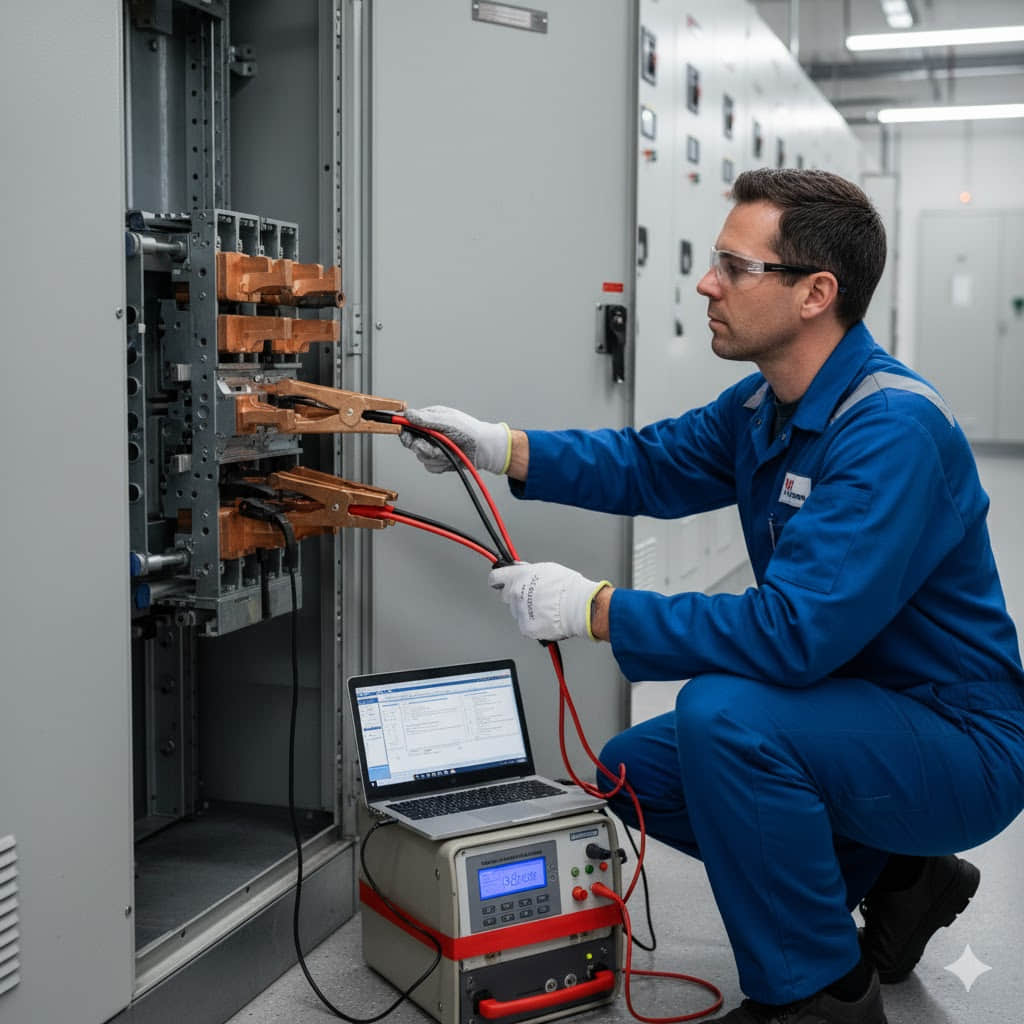
• Contact Resistance Test:
This test measures the resistance across the main contacts of the closed circuit breaker. High resistance inevitably leads to contact overheating and eventual breaker failure, making low resistance a vital indicator of component health.
• Insulation Resistance Test:
Using a megohmmeter (Megger Test), this procedure checks the health of the insulating materials in both the primary and auxiliary circuits. This prevents potential phase-to-phase or phase-to-ground short circuits.
• Mechanical Operation Test:
This assesses the speed and reliability of the breaker's trip mechanism, closing springs, and operating mechanisms. It ensures the device can actuate precisely within the design time when a fault occurs.
• SF6 Gas Analysis:
For MV/HV SF6 switchgear, regularly checking the gas pressure, purity, and moisture content is essential. This ensures that its arc-quenching and insulating properties remain optimal.
C. Predictive vs. Preventive Maintenance
The industry trend is visibly shifting away from time-based Preventive Maintenance (PM) toward data-driven Predictive Maintenance (PdM).
PM is based on fixed schedules or operation counts and can often result in unnecessary system downtime. Conversely, PdM employs advanced technologies like thermal imaging, partial discharge monitoring, and vibration analysis to monitor equipment health in real-time.
This strategy allows maintenance teams to intervene before a catastrophic failure occurs. This maximizes equipment uptime and substantially reduces maintenance costs.
VIII. Conclusion
A. Value Summary and Synthesis
Electrical switchgear protection is far more than a simple engineering requirement or a compliance checklist. It represents a non-negotiable strategic investment in the safety, reliability, asset longevity, and operational efficiency of any sophisticated power distribution system.
It achieves this through the synergistic interaction of precise hardware, complex protection logic, and ultra-fast execution. The system successfully transforms potentially catastrophic events (such as arc flash and explosions) into controlled, localized isolation incidents.
This fundamental capability forms the bedrock of the continuous power supply that modern society relies upon.
B. Future Trends and Outlook
The future of switchgear protection is firmly committed to the evolution of Smart Switchgear. This includes the integration of high-accuracy digital protective relays, wireless sensors, and cloud-based platforms for remote monitoring and advanced diagnostics.
Leveraging technologies like the Industrial Internet of Things (IIoT) and AI-driven predictive analytics will further enhance the system's responsiveness and overall reliability. This technological shift will enable grid operators to manage critical electrical infrastructure proactively and remotely, ultimately securing a greener, more stable energy future for all users.
Credible and Helpful FAQ
Q1: How critical is "Selectivity" in switchgear protection, and why not simply let the main breaker trip?
A1: Selectivity is widely considered the gold standard for any successful protection system. Its importance lies in minimizing the scope of power disruption.
If the main upstream breaker trips, it would unnecessarily de-energize an entire facility or a large service area, resulting in massive economic losses. Selectivity, enforced through protection coordination, ensures that only the specific branch breaker closest to the fault location trips. This confines the outage impact to the smallest possible local area, ensuring the remainder of the system continues to run.
Q2: What exactly is "Arc Flash," and how does switchgear protection effectively mitigate this danger?
A2: Arc Flash is a sudden, explosive phenomenon where current rapidly passes through air or insulation. It creates an extremely high-heat, high-pressure, and bright plasma explosion.
An arc flash can instantaneously generate temperatures up to 35,000°F (approx. 19,400°C), posing a severe, often lethal threat to human personnel. Switchgear protection mitigates this danger through Ultra-Fast Fault Clearing Time.
Once a relay detects the characteristic light or sharp current rise of an arc, it triggers the breaker to open extremely quickly (often in less than 4 cycles). This extinguishes the arc before dangerous energy can be accumulated.
Q3: Why is "Vacuum" the preferred arc-quenching medium in Medium Voltage switchgear?
A3: Vacuum is widely used in MV switchgear because it offers exceptionally high dielectric strength. In a vacuum environment, the arc that forms when contacts separate is extinguished almost instantly.
This gives the breaker extremely fast operation and superior current-interrupting capability. Furthermore, vacuum interrupters experience very minimal contact wear, resulting in a long mechanical lifespan and a nearly maintenance-free characteristic.
This substantially reduces operating expenditures for industrial users.
Q4: Is a "Failure to Trip" the single greatest risk facing a protection system, and how can it be prevented?
A4: Yes, a Failure to Trip is fundamentally considered the greatest risk to the protection system's reliability. It means the protective relay correctly detected the fault and sent the signal, but the circuit breaker failed to open due to a mechanical or electrical failure.
This inaction allows the fault current to continue flowing, leading to equipment meltdown, severe fires, and potential casualties. Prevention measures are rigorous: strict adherence to preventative maintenance schedules (as discussed in Section VII), regular Contact Resistance Testing and Trip Circuit Function Testing, and timely replacement of aging operating springs are mandatory.
Q5: What is the difference between a protective relay's "rating" and a circuit breaker's "rating"?
A5: Their ratings correspond to their very distinct functions. The Circuit Breaker’s rating (e.g., Interrupting Rating or Breaking Capacity) refers to the maximum fault current it is designed to safely interrupt and extinguish.
This is a critical instantaneous value defining its structural limit. The Protective Relay’s rating (or setting range) refers to the range of current values it is designed to accurately monitor and process (e.g., 5A on the CT secondary). The relay is only the decision-maker; it does not interrupt current, so its rating is based on measurement capability, not interruption force.
Q6: SF6 gas is highly effective but environmentally harmful. What are the likely replacements in the future?
A6: SF6 is a potent greenhouse gas with an extremely high Global Warming Potential (GWP), driving the industry to seek replacements. The most promising alternative technologies involve "SF6-free" or "Green Gas" switchgear.
These typically combine vacuum interruption with environmentally benign insulating gas mixtures (e.g., mixtures based on air or nitrogen) to replace the SF6 gas. As this technology matures, it is expected to phase out SF6 in many MV and HV applications.
Q7: Why does Current Transformer (CT) saturation endanger the entire protection scheme?
A7: CT saturation poses a severe threat because it directly compromises the relay's input data. During a large fault current event, if the CT's iron core saturates, it fails to linearly step down the primary current.
This results in a severely clipped and distorted current signal being sent to the relay. The relay, receiving this erroneous, understated value, may fail to correctly calculate the fault magnitude and type. This can potentially lead to the protection device delaying its action or failing to trip altogether, thus rendering the entire protection scheme ineffective.