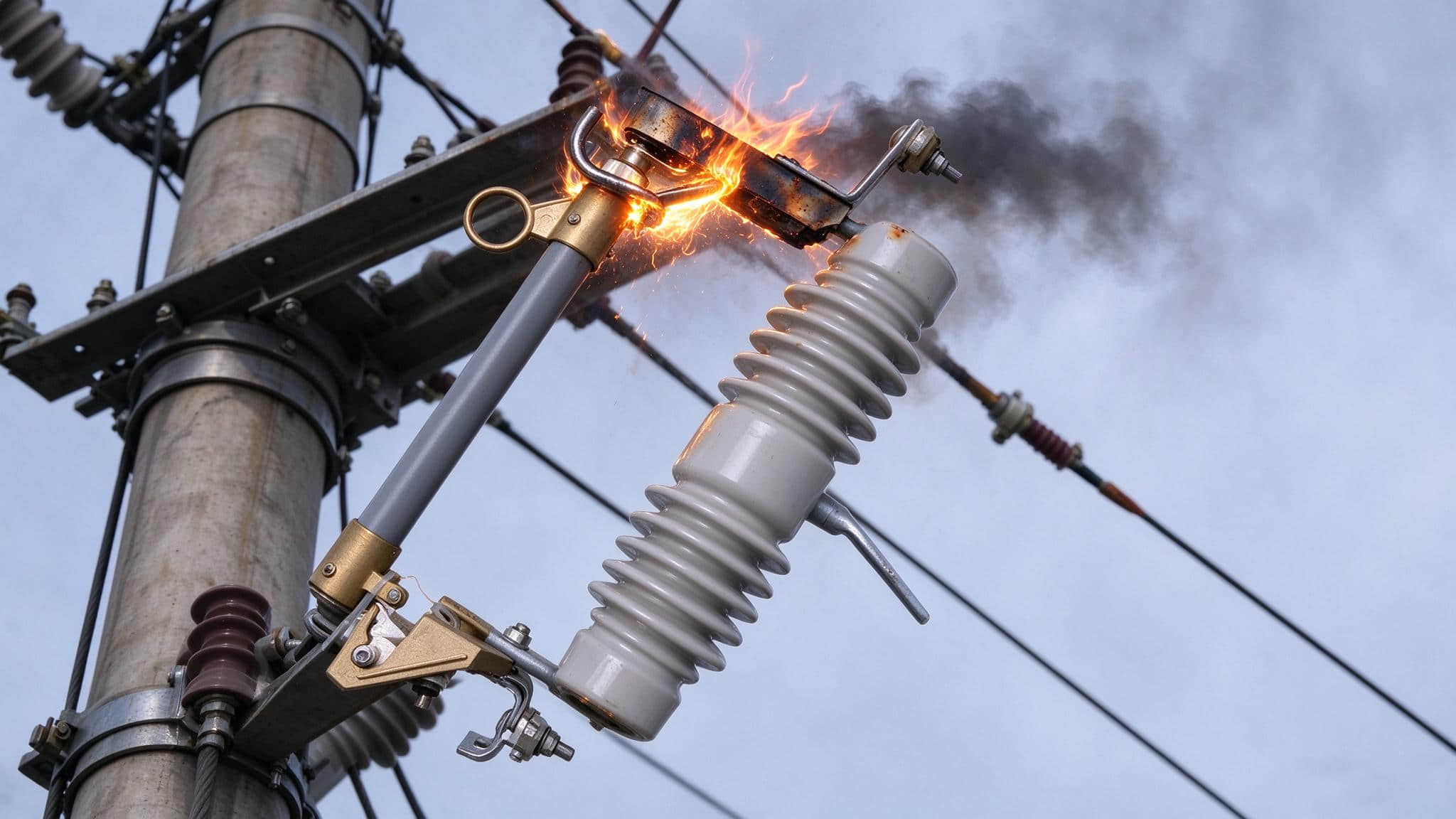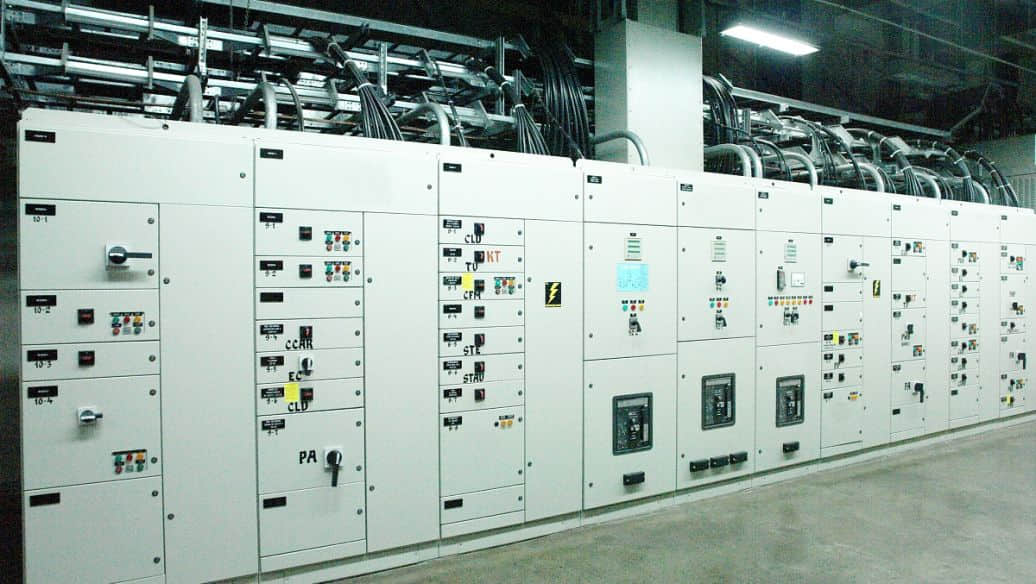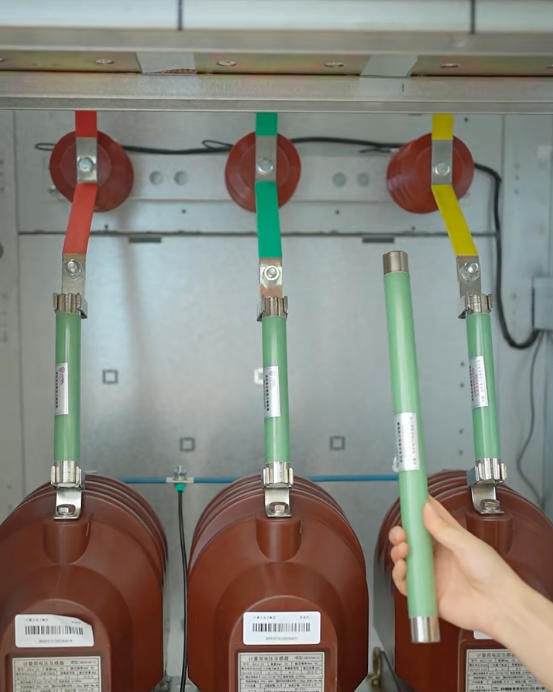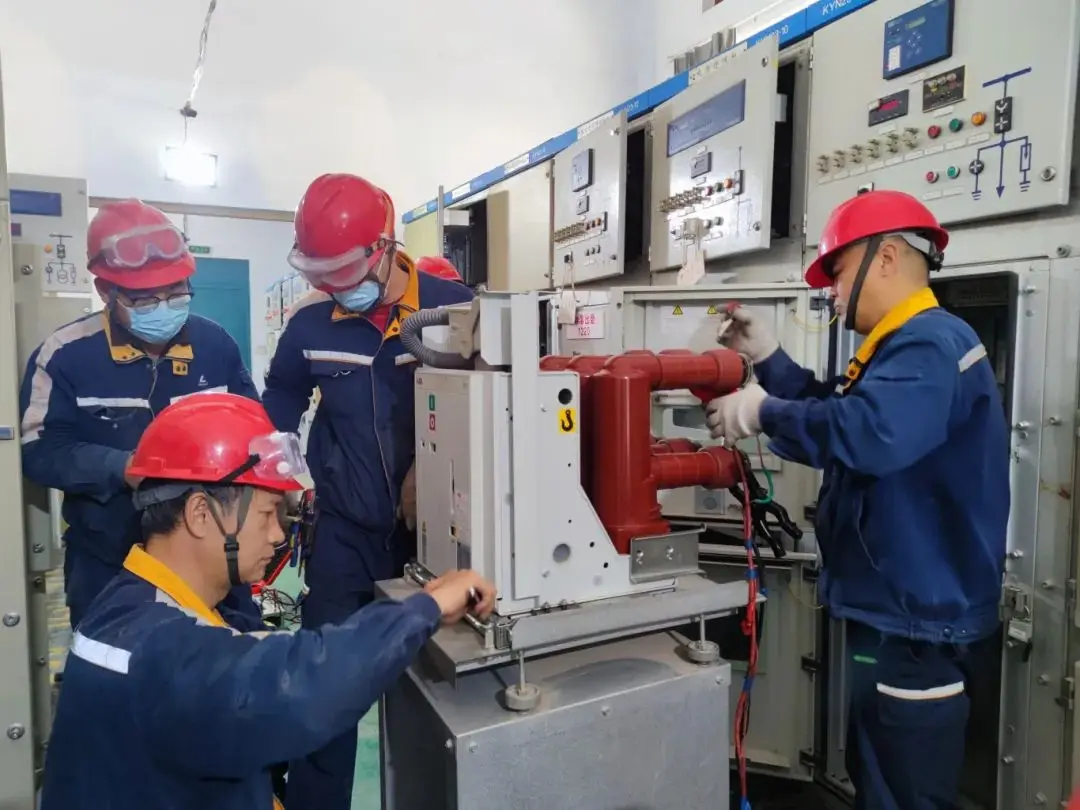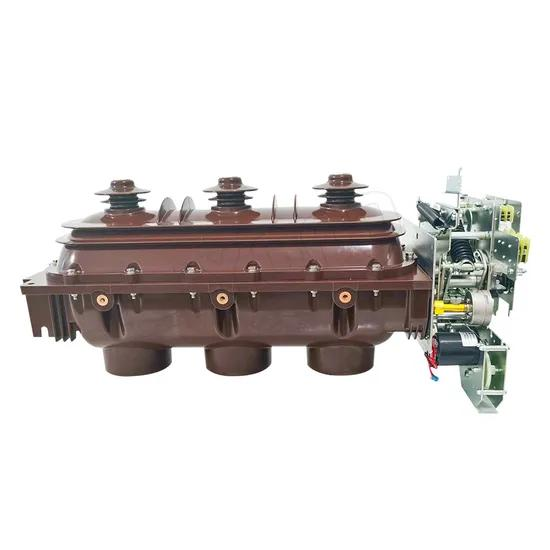
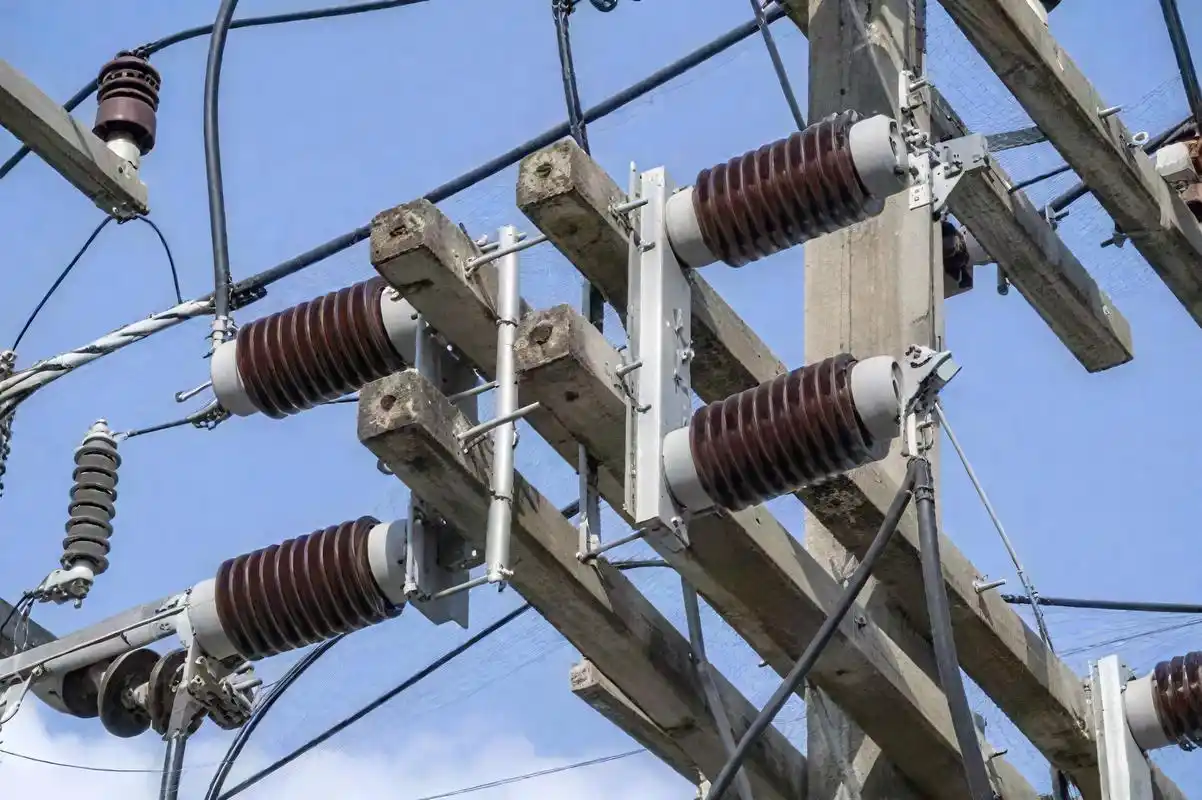
Unplanned production cessation represents a critical operational failure with substantial financial implications—industry analyses estimate losses of approximately $260,000 per hour attributable to foregone output, emergency maintenance mobilization, and contractual supply-chain penalties. Forensic investigation of such events frequently identifies a common proximate cause: the catastrophic failure of an electrical isolation device to achieve safe de-energization of a motor circuit, resulting in an arc flash incident and subsequent mandatory safety shutdown pursuant to regulatory compliance protocols.
This scenario is not hypothetical. It plays out across manufacturing plants, data centers, and commercial facilities every year — often because the wrong device was specified, or the right device was never properly maintained.
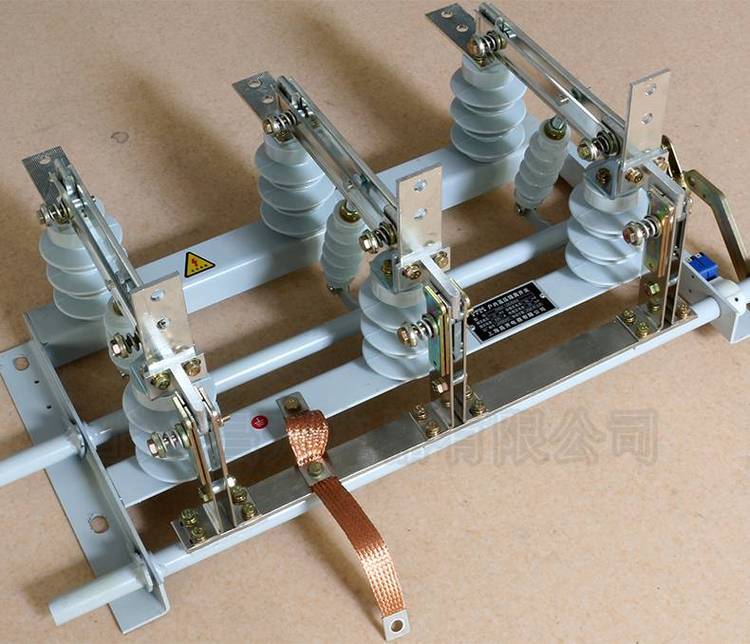
A switch disconnector is a mechanical switching device capable of making, carrying, and breaking currents under normal circuit conditions while providing a visible isolation gap that guarantees safe maintenance access. It serves a dual purpose: operational switching under load and verified electrical isolation when personnel need to work on de-energized equipment.
For business leaders, facility managers, and procurement professionals, understanding this component is not an engineering nicety — it is a matter of regulatory compliance, operational continuity, and personnel safety. This guide delivers the technical clarity and decision-making framework you need to specify, procure, and maintain switch disconnectors with confidence.
How a Switch Disconnector Works — Core Function and Operating Principles
The Mechanism Behind Electrical Isolation
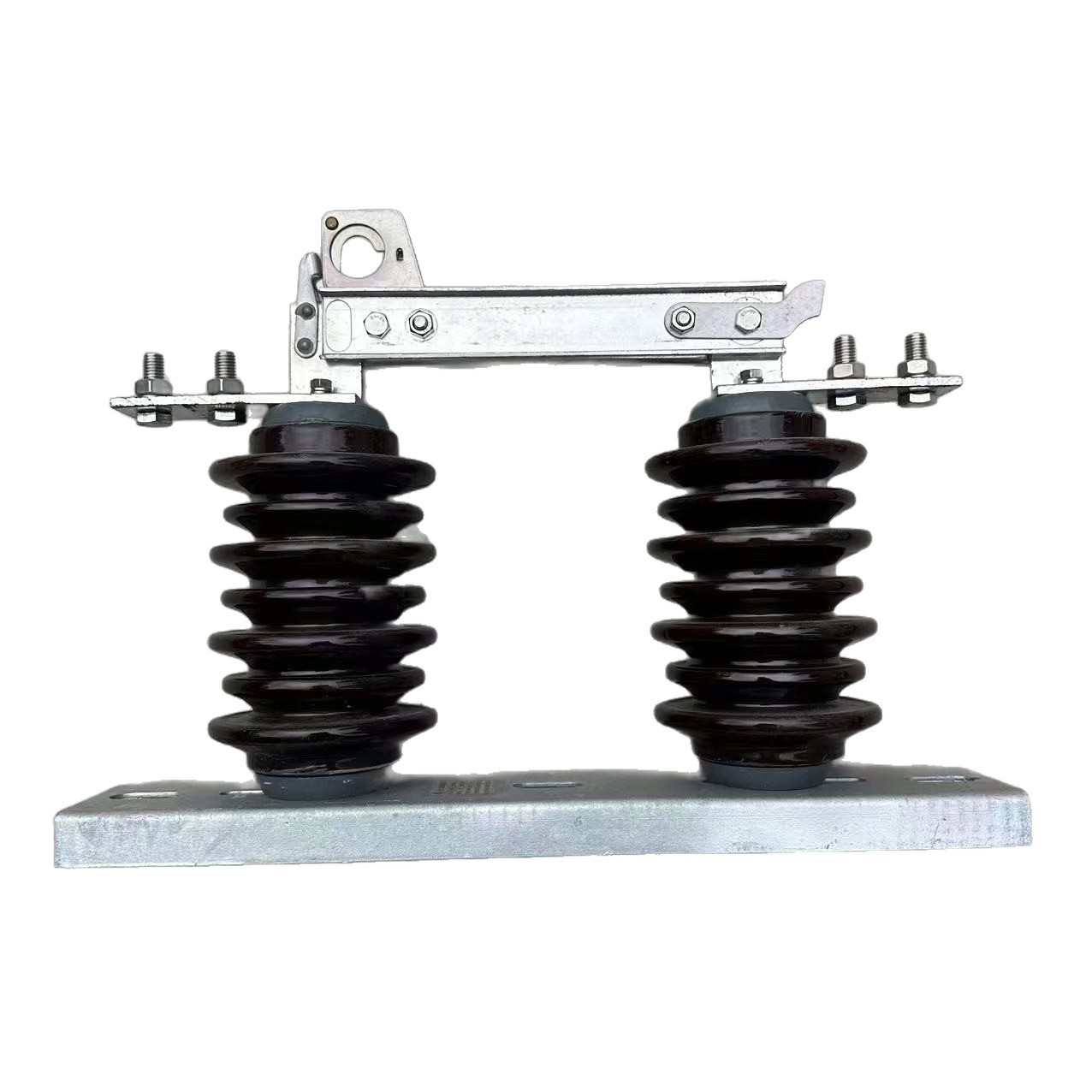
The switch disconnector function combines two critical capabilities in a single device. First, it operates as a load switch — opening and closing circuits while current is flowing under normal conditions. Second, it acts as an electrical isolation device, providing a verified physical gap between live conductors and the downstream circuit.
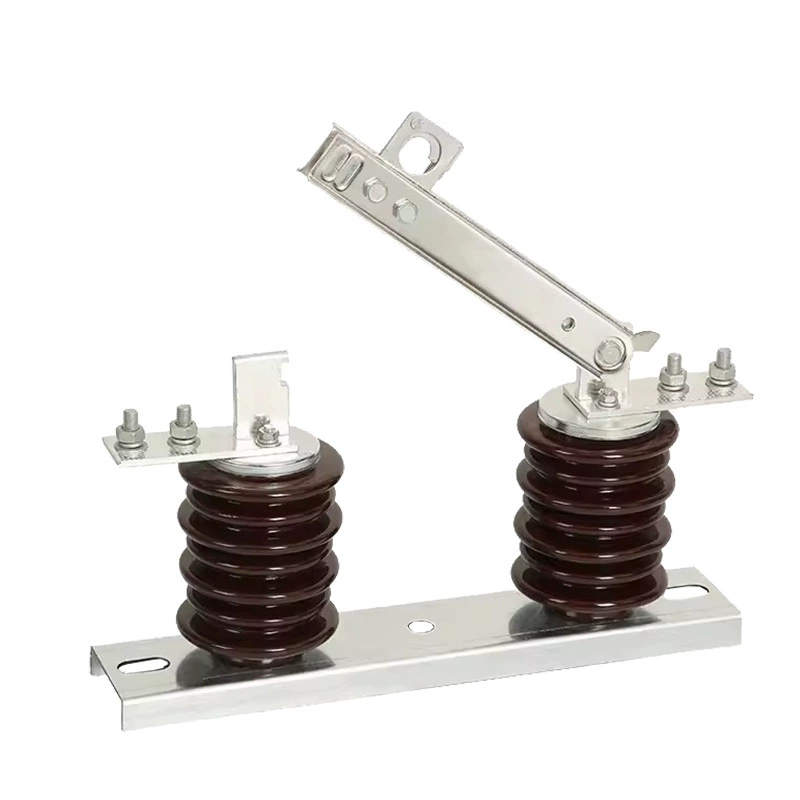
The visible contact gap is the defining safety feature. When the device is in the open position, operators can visually confirm that the contacts are fully separated. This eliminates ambiguity and provides confidence before maintenance personnel approach energized panels.
The distinction between "switching" mode and "disconnecting" mode is critical. In switching mode, the device manages routine operations — starting or stopping equipment. In disconnecting mode, it provides the safety assurance required by lockout/tagout procedures, ensuring no energy can reach downstream circuits.
Key Performance Characteristics
Rated operational current defines the maximum continuous current the device can safely carry without exceeding temperature rise limits. This is typically stated at a reference ambient temperature of 40°C.
Short-circuit withstand capability (Icw) determines how much fault current the device can endure for a specified duration — typically one second — without sustaining damage. This is not the same as breaking a fault; the device must simply survive until upstream protection clears the fault.
Breaking capacity under normal load conditions defines the maximum current the device can safely interrupt. Unlike a circuit breaker, this rating applies to operational currents, not fault currents.
Mechanical endurance ratings indicate the number of operating cycles the device can perform before requiring replacement. Industrial-grade switch disconnectors typically achieve 10,000 to 25,000 mechanical operations, depending on the manufacturer and rating.
Standards and Compliance Framework
IEC 60947-3 is the governing international standard for switches, disconnectors, switch-disconnectors, and fuse-combination units. It defines performance categories, test procedures, and marking requirements that manufacturers must satisfy.
In North America, UL 98 establishes equivalent requirements for enclosed and dead-front switches. European installations reference EN 60947-3, which is harmonized with the IEC standard. Decision makers should verify that any device under consideration carries the appropriate certification marks — CE, UL listing, or regional equivalents — before approving procurement.
Switch Disconnector vs. Isolator Switch vs. Load Break Switch — Critical Differences
Comparison Table
| Feature | Switch Disconnector | Isolator Switch | Load Break Switch |
|---|---|---|---|
| Can break the load current | Yes | No | Yes |
| Visible isolation gap | Yes | Yes | No (typically) |
| Safe for maintenance isolation | Yes | Yes | No |
| On-load switching | Yes | No | Yes |
| Meets IEC 60947-3 fully | Yes | Partial | Partial |
| Typical application | Main incoming, distribution | De-energized isolation only | Motor/transformer switching |
Why the Distinction Matters for Procurement
Specifying the wrong device creates liability exposure. If an isolator switch is installed where on-load circuit disconnection is required, operators may attempt to open the device under load, resulting in an arc flash event with potentially fatal consequences.
Over-specifying wastes the budget. Installing a full-rated switch disconnector where a simple isolator would suffice adds unnecessary cost at scale across multi-panel installations. Conversely, under-specifying to save a few hundred dollars per unit introduces safety risks that dwarf any savings.
A well-documented incident at a European manufacturing facility involved an operator opening an isolator switch under load, believing it was a switch disconnector. The resulting arc flash caused third-degree burns and a six-month regulatory investigation. The cost: €2.1 million in penalties, medical expenses, and production losses.
Types of Switch Disconnectors and Their Industrial Applications
By Construction Type
Rotary switch disconnectors — Compact design using a rotary handle mechanism; ideal for panel-front operation in limited spaces
Open-type (panel-mounted) switch disconnectors — Base-mounted units installed inside enclosures; offer maximum flexibility for custom panel builders
Enclosed switch disconnectors — Complete units with IP-rated housings for standalone installation; suitable for outdoor or harsh environments
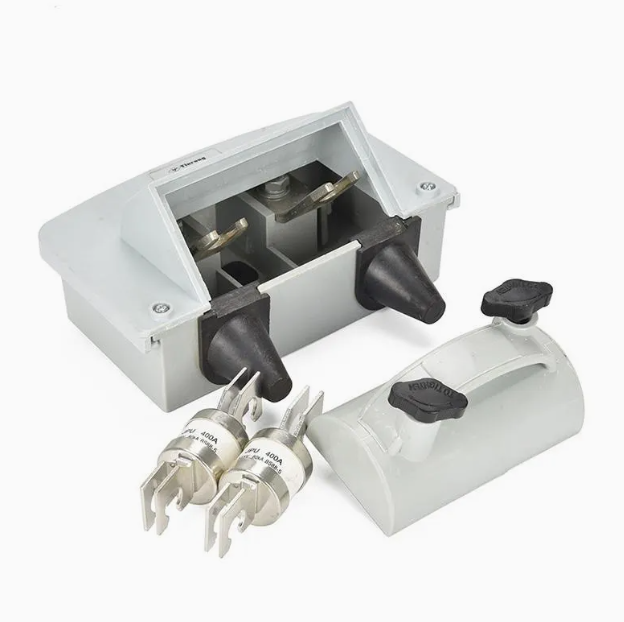
Fuse combination switch disconnectors — Integrate fuse holders directly into the device body, combining isolation and short-circuit protection in a single compact unit
By Application Sector
| Sector | Typical Use Case | Recommended Rating Range |
|---|---|---|
| Manufacturing | Main panel isolation, motor circuits | 63A–1600A |
| Commercial buildings | HVAC systems, lighting distribution | 32A–400A |
| Renewable energy | PV array disconnection, inverter isolation | 100A–800A DC |
| Data centers | UPS bypass, PDU isolation | 200A–3200A |
| Water/wastewater | Pump station disconnection | 63A–630A |
Fuse Combination Units — When to Specify
Fuse combination switch disconnectors deliver short-circuit protection and load isolation in a single device. This eliminates the need for separate fuse carriers mounted upstream, reducing panel space requirements by up to 30%.
These units are particularly valuable where coordination with downstream protection devices is critical. The fuse element provides fast-acting fault clearance, while the switch disconnector handles normal operational switching and maintenance isolation.
Specify fuse combination units when space constraints are tight, when reducing component count improves reliability, or when a single point of accountability simplifies maintenance documentation.
Why Switch Disconnectors Matter to Your Bottom Line
Safety and Regulatory Compliance
OSHA's lockout/tagout (LOTO) standard (29 CFR 1910.147) requires energy isolation devices that can be locked in the safe position. Switch disconnectors with integrated padlock provisions directly satisfy this requirement. Non-compliance carries penalties exceeding $15,000 per violation — and willful violations can reach $156,000 each.
Properly rated switch disconnectors reduce arc flash incident probability by ensuring operators never need to interrupt load current with devices not designed for that purpose. This directly reduces your facility's incident energy exposure category.
Insurance carriers increasingly differentiate premiums based on electrical safety infrastructure. Facilities demonstrating IEC 60947-3-compliant isolation across all critical circuits often qualify for reduced premiums on their electrical liability coverage.
Operational Continuity and Maintenance Efficiency
Switch disconnectors enable safe, faster maintenance windows by providing verified isolation without requiring complete upstream de-energization. Maintenance personnel can isolate a single circuit and work confidently while adjacent systems remain operational.
This targeted isolation reduces mean time to repair (MTTR) by eliminating the coordination overhead of facility-wide shutdowns. According to industry safety audit data, facilities with properly specified electrical isolation devices report 35–40% fewer electrical safety incidents compared to those relying on improvised or under-rated disconnection methods.
Reliable circuit disconnection also prevents the cascading failures that transform a single-point maintenance task into a multi-system recovery effort.
Total Cost of Ownership Considerations
Initial procurement cost represents only 15–20% of a switch disconnector's total lifecycle cost. The remainder comprises installation labor, periodic maintenance, energy losses from contact resistance, and eventual replacement.
Higher-quality devices with superior mechanical endurance ratings (20,000+ cycles) deliver significantly lower cost per operation over a 20-year installation lifespan. Budget devices rated for 5,000 cycles may require replacement three to four times within the same period.
Contact resistance directly affects heat generation within panels. Premium silver-alloy contacts maintain lower resistance over their operational life, reducing thermal stress on adjacent components and lowering cooling energy requirements in enclosed installations.
How to Select the Right Switch Disconnector — A Decision Framework
Step 1 — Define Operational Requirements
Begin with the rated current and voltage of the circuit. Apply a minimum 20% derating margin above normal operating current to account for transient conditions and future load growth.
Identify whether the application is AC or DC. This distinction is critical for solar photovoltaic and battery storage systems, where DC arcs behave fundamentally differently from AC arcs and require specifically designed interruption mechanisms.
Assess the expected frequency of switching operations. A device on a main incoming panel may operate once monthly, while one on a motor circuit might cycle daily. Match the duty cycle to the device's mechanical endurance rating.
Step 2 — Assess Environmental Conditions
Indoor installations in climate-controlled environments may require only IP20 protection. Outdoor installations or those exposed to water ingress, dust, or chemical vapors demand IP54 or higher-rated enclosures.
Temperature extremes affect current-carrying capacity. Devices installed in hot climates or poorly ventilated enclosures must be derated according to the manufacturer's temperature correction curves. Altitude above 2,000 meters also requires derating due to reduced air density and diminished cooling capacity.
Step 3 — Evaluate Safety and Integration Needs
Verify that the device offers padlock provisions compatible with your facility's LOTO program. Multiple padlock capability is essential where several trades may work simultaneously on isolated equipment.
Auxiliary contacts enable integration with building management systems (BMS) and SCADA platforms, providing remote status indication of switch position. This is increasingly important for facilities pursuing predictive maintenance strategies.
For applications requiring remote operation — such as rooftop solar arrays or hazardous locations — specify motorized actuators with manual override capability.
Step 4 — Vendor and Certification Verification
Confirm that the device holds current IEC 60947-3 certification from an accredited testing laboratory. Request copies of type test reports rather than relying solely on catalog claims.
Evaluate the manufacturer's local support infrastructure: spare parts availability, technical support response times, and warranty terms. A device from a global brand with no local representation may create procurement and support challenges.
Installation Best Practices and Common Mistakes
Correct Installation Principles
Mount switch disconnectors at a height accessible to operators — typically between 1.2 and 1.8 meters above floor level. Ensure adequate clearance for handle operation and cable access.
Follow manufacturer-specified cable termination torque values precisely. Under-torqued connections increase contact resistance and create hot spots. Over-torqued connections damage terminal hardware and may cause conductor strand breakage.
Label each device clearly with circuit identification, rated current, and the specific equipment it isolates. This is not optional housekeeping — it is a regulatory requirement under most electrical codes.
Mistakes That Cost Companies Money
Undersizing for actual load conditions — Specifying based on nominal circuit current without accounting for motor starting currents, power factor correction capacitor inrush, or future load additions
Ignoring DC-rated requirements in solar installations — AC-rated devices cannot safely interrupt DC fault currents; sustained arcs can destroy equipment and cause fires
Failing to incorporate devices into LOTO procedures — A switch disconnector provides no safety benefit if maintenance personnel bypass it or are unaware of its location
Neglecting periodic maintenance — Contact inspection, torque verification, and mechanical operation testing must occur at scheduled intervals to ensure reliability when needed most
Leading Manufacturers and Market Landscape
The global switch disconnector market is dominated by established power distribution manufacturers: ABB, Schneider Electric, Siemens, Eaton, and Socomec. Each offers comprehensive product ranges spanning from 16A to 6300A, with varying degrees of application specialization.
Selection criteria should extend beyond brand recognition. Evaluate local technical support responsiveness, typical lead times for standard and non-standard ratings, breadth of accessories (auxiliary contacts, motorized operators, extended shafts), and compatibility with your existing panel builder's preferred mounting systems.
Emerging trends in this space include smart switch disconnectors equipped with IoT-enabled monitoring. These devices report contact temperature, cycle count, and operating status to cloud platforms, enabling condition-based maintenance strategies that predict failures before they cause unplanned outages. Several manufacturers introduced commercial smart disconnector platforms in 2025, with broader market adoption accelerating through 2026.
Frequently Asked Questions
What is the main function of a switch disconnector?
A switch disconnector performs two essential functions: it safely switches load current during normal operations, and it provides verified electrical isolation with a visible contact gap for maintenance safety. This dual capability makes it the preferred device for main circuit disconnection in industrial and commercial installations.
Can a switch disconnector replace a circuit breaker?
No. A switch disconnector does not provide automatic overcurrent or short-circuit protection. It is designed for manual operational switching and isolation — not for detecting and interrupting fault currents. Both devices serve distinct roles in the protection hierarchy and are typically installed together, with the circuit breaker providing automatic protection and the switch disconnector providing manual isolation.
What is the difference between a switch disconnector and an isolator?
The critical distinction is load-breaking capability. A switch disconnector can safely open and close a circuit while current is flowing under normal conditions. An isolator switch must only be operated when the circuit is already de-energized — operating it under load risks dangerous arcing and potential equipment destruction.
How often should switch disconnectors be maintained?
At a minimum, schedule annual inspections covering contact condition, terminal torque verification, mechanical operation smoothness, and enclosure integrity. Devices in heavy-duty service (daily cycling) or harsh environments (high temperature, dust, corrosive atmospheres) require quarterly inspections. Always follow manufacturer-specific maintenance schedules.
Are switch disconnectors suitable for DC circuits?
Yes, but the device must be specifically DC-rated for the system voltage and current. DC arcs do not naturally extinguish at a zero-crossing point like AC arcs, making them significantly more difficult to interrupt. AC-rated devices used on DC circuits may fail to clear the arc, resulting in sustained arcing, device destruction, and fire. Always verify the DC rating independently — it is not interchangeable with the AC rating.
What does "visible break" mean on a switch disconnector?
A visible break means the operator can physically see that the contacts are fully open, confirming the circuit is disconnected. This is achieved through a viewing window or through a direct mechanical linkage between the handle position and the contact position that makes false indication mechanically impossible. It is a regulatory and safety requirement under IEC 60947-3 for devices classified as disconnectors.
Take Action: Protect Your Operations and Your People
Electrical isolation is not a commodity purchasing decision — it is a safety-critical specification that directly affects your facility's regulatory standing, insurance exposure, and operational resilience. The cost of getting it wrong is measured in injuries, shutdowns, and regulatory penalties.
Your immediate next step: Conduct an audit of your current electrical isolation provisions across all critical circuits. Verify that every device specified for maintenance isolation meets IEC 60947-3 (or UL 98) requirements, carries current certification marks, and is properly incorporated into your LOTO program.
If gaps exist — and in most facilities over ten years old, they do — engage a qualified electrical engineer or accredited panel builder to review your switch disconnector specifications. Request a site assessment from a certified distributor who can evaluate your current installation against current standards and operational requirements.
Every day of operation with under-specified or non-compliant isolation devices is a day of unnecessary risk. The investment in proper specification pays for itself many times over in avoided incidents, reduced insurance costs, and uninterrupted production.