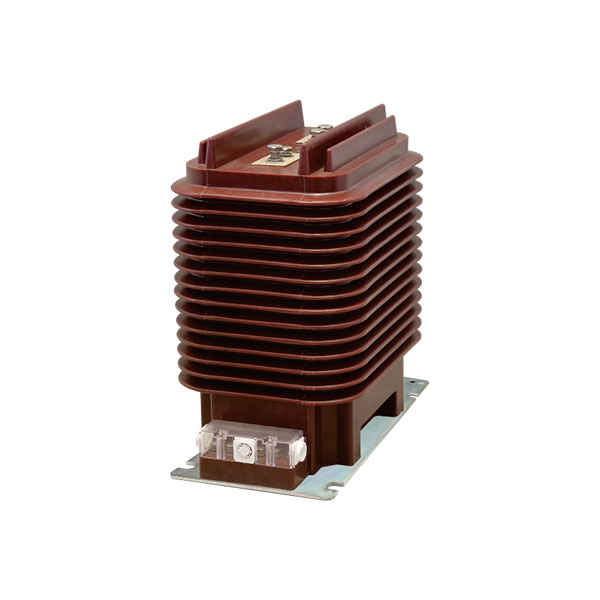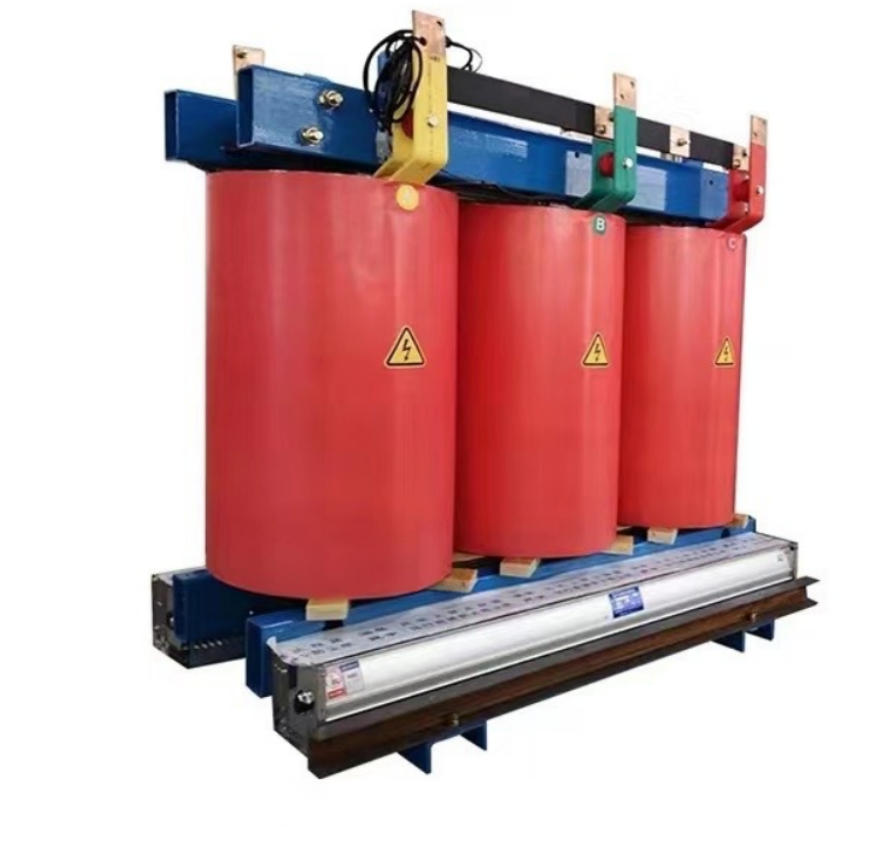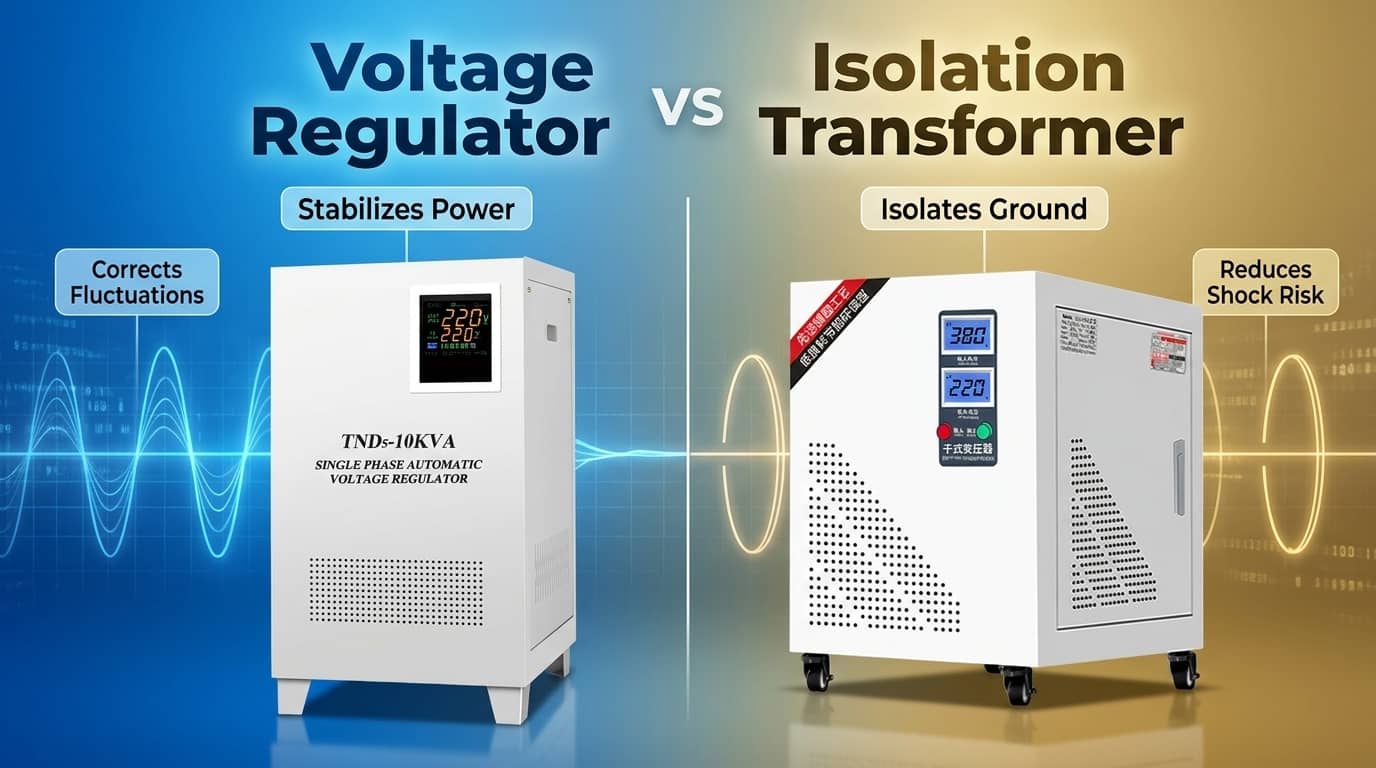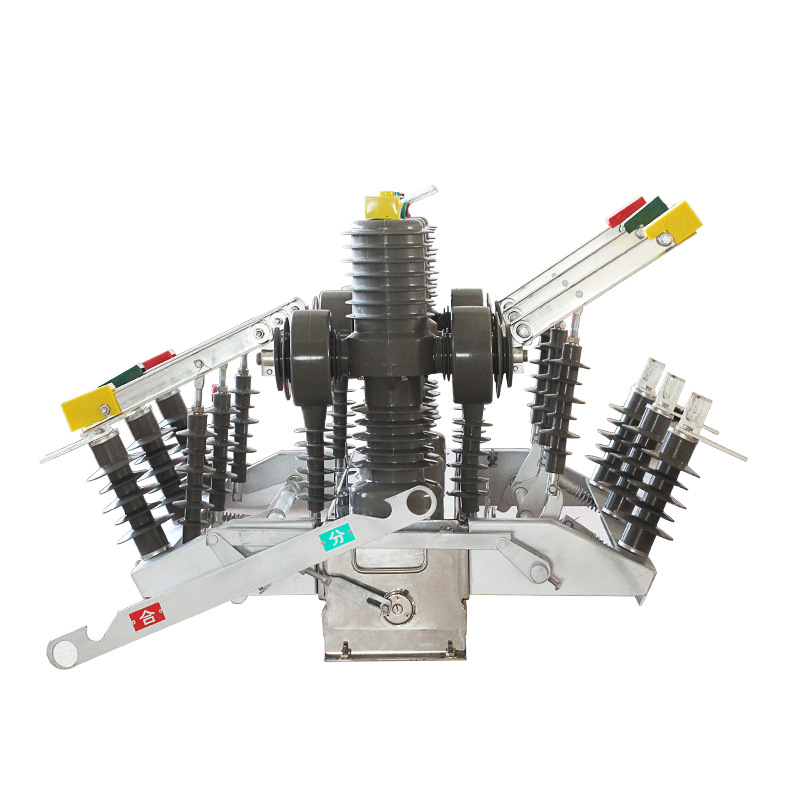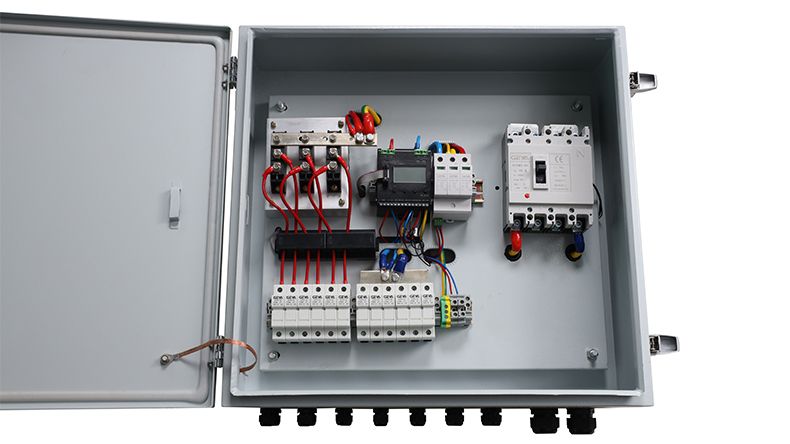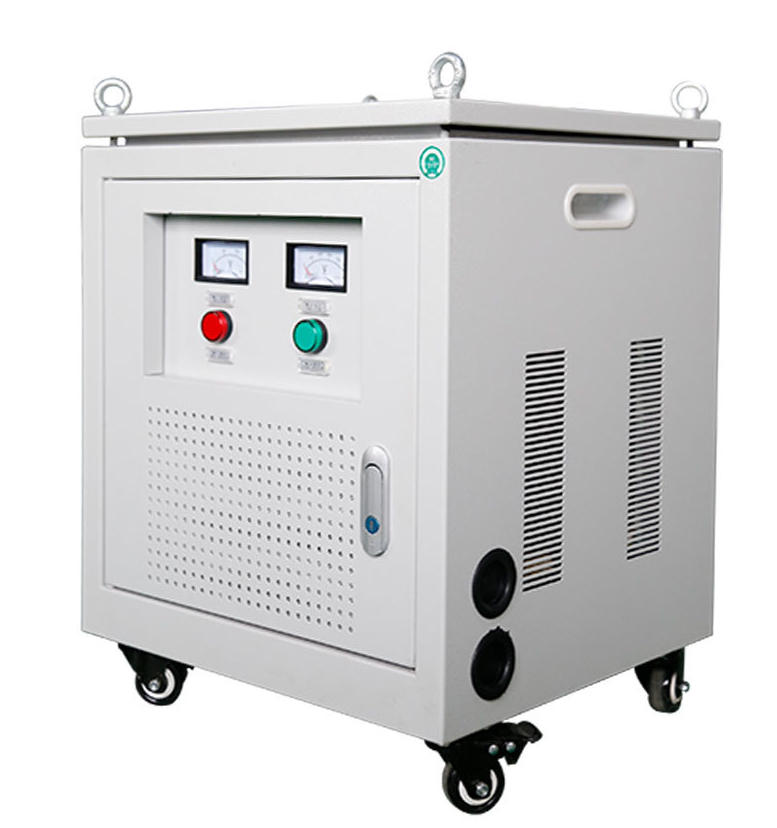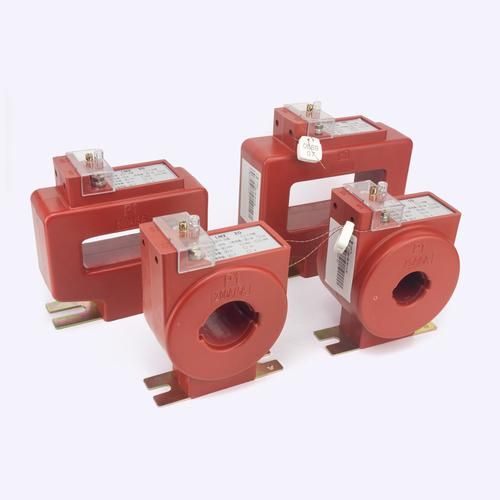
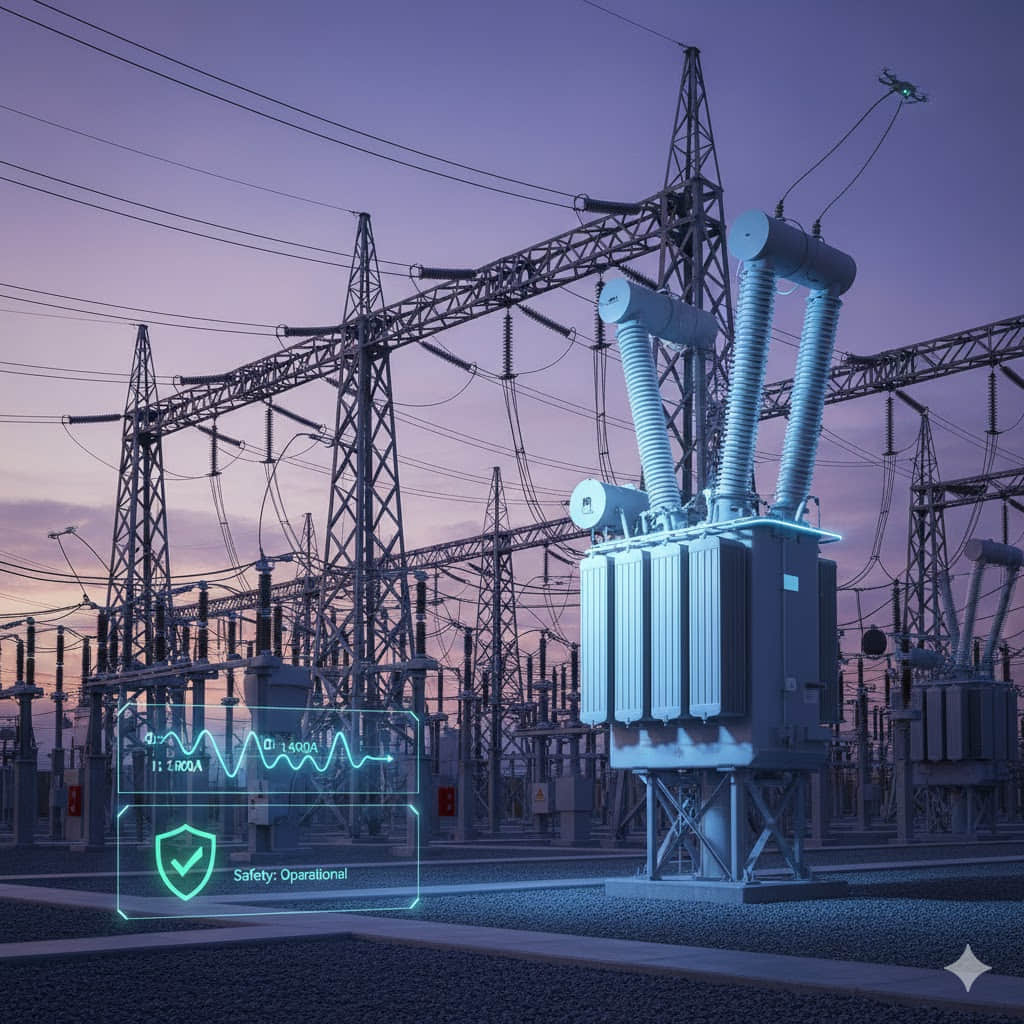
Instrument Transformers (ITs) are specialized electrical devices that serve a critical function in modern power grids. Their fundamental purpose, rooted in the principle of electromagnetic induction, is to proportionally reduce dangerously high voltages and large currents to safe, standardized low values for measurement, revenue metering, and protective relaying purposes.
These indispensable components primarily fall into two major categories: Current Transformers (CTs) for stepping down current, and Voltage Transformers (VTs), often called Potential Transformers (PTs), for stepping down voltage. The inception of ITs provided the definitive solution to a seemingly intractable problem.
This problem was how to accurately monitor and control immense electrical parameters without risking the destruction of sensitive instruments or, more importantly, the lives of operating personnel. Within any modern power system—be it the output of a generating station or the busbars of an ultra-high-voltage (UHV) substation—voltages can soar into hundreds of thousands of volts, with currents reaching thousands of amperes. Any attempt to directly connect standard measuring or monitoring equipment to these high-energy circuits would instantly result in catastrophic failure.
The Critical Role of ITs in System Integrity
It functions as the essential "bridge" that successfully resolves this core operational paradox. They perform a critical dual role: reducing the grid’s operational parameters to standardized, manageable levels while simultaneously providing a robust safety barrier through high-grade electrical isolation. This mechanism allows low-voltage, low-current secondary equipment to safely and accurately receive true information about the primary system's condition.
Consequently, ITs are far more than mere auxiliary apparatus; they are the foundational keystones upon which secure operation, precise energy measurement, and dependable protection of the entire electrical infrastructure are built. Without properly designed and functioning instrument transformers, the operation of modern electric power transmission and distribution would be utterly impractical and unsafe.
In this deep-dive article, written from the perspective of a seasoned electrical engineer, we will guide you through the core definition, structural attributes, and operational characteristics of the two primary IT types. We will meticulously detail the four fundamental functions ITs perform within the power system, placing a strong emphasis on the critical performance specifications that design engineers and field technicians must consider during selection and maintenance.
We will particularly illuminate complex professional concepts often overlooked in general publications, such as Burden, the Accuracy Limit Factor (ALF), and the crucial issue of core saturation. Finally, we will examine the exciting frontier of Non-Conventional Instrument Transformers (NCITs), equipping you with insights into the latest evolutionary trends in electrical measurement and control technology.
Key Takeaways
Core Definition: Instrument Transformers (ITs) scale down high voltage/current proportionally to safe, standardized low values.
Two Types: Current Transformers (CTs) step down current (Secondary: 5 A or 1 A); Voltage Transformers (VTs/PTs) step down voltage (Secondary: 100 V or 110 V).
The Two Cardinal Safety Rules: A CT's secondary side MUST NEVER BE OPEN-CIRCUITED; a VT's secondary side MUST NEVER BE SHORT-CIRCUITED.
Engineering Focus: Selection requires rigorous attention to Burden and the Accuracy Limit Factor (ALF) to ensure robust protection system performance.
Future Trend: Non-Conventional Instrument Transformers (NCITs) are progressively replacing traditional electromagnetic ITs, driving the evolution toward fully digital substations.
Section II: Core Construction and Fundamental Principles
1. Defining the Device and its Functional Distinction
At its core, an instrument transformer is a specialized type of static electromagnetic device. Its operational mechanism is directly analogous to that of a power transformer, relying entirely on Michael Faraday's law of electromagnetic induction to function.
However, despite this structural similarity, the operational goals of ITs and large Power Transformers are fundamentally different. A Power Transformer is designed to transfer bulk electrical energy between different voltage levels efficiently and is characterized by a massive capacity, where overall energy efficiency is the paramount concern.
Conversely, an Instrument Transformer (IT) is engineered to precisely replicate and condition a signal; its capacity is intentionally small, and its performance is overwhelmingly judged based on accuracy and the provision of safety.
The IT achieves its goal by utilizing a fixed and precisely known Transformation Ratio (K) to convert the primary measured parameters (U₁, I₁) into standardized secondary parameters (U₂, I₂).
Current Transformer (CT): Converts a high primary current (I₁) to a low secondary current (I₂).
Voltage Transformer (VT/PT): Converts a high primary voltage (U₁) to a low secondary voltage (U₂).
2. The Principles of Voltage and Current Transformation
The essential construction of an IT includes a core (typically laminated iron), primary winding, secondary winding, and robust insulation. When the primary winding is connected to the measured circuit, the flow of current (in a CT) or the presence of voltage (in a VT/PT) establishes an alternating magnetic flux (Φ) within the core material.
The ratios of voltage (for VTs) or current (for CTs) between the primary and secondary windings are approximately equal to the respective turns ratio, as dictated by electromagnetic principles.
Voltage Transformer (VT)
The ratio of the primary voltage (U₁) to the secondary voltage (U₂) is approximately equal to the ratio of the primary turns (N₁) to the secondary turns (N₂).
This fixed proportional value is known as the Voltage Transformation Ratio (Kᵤ).
Formally, this relationship is expressed as:
U₁ / U₂ ≈ N₁ / N₂ = Kᵤ
Current Transformer (CT)
The ratio of the primary current (I₁) to the secondary current (I₂) is approximately equal to the ratio of the secondary turns (N₂) to the primary turns (N₁).
This fixed proportional value is known as the Current Transformation Ratio (Kᵢ).
Formally, this relationship is expressed as:
I₁ / I₂ ≈ N₂ / N₁ = Kᵢ
Crucially, the IT’s transformation ratio must be fixed, known, and certified. By accurately measuring the standardized value on the secondary side and multiplying it by the corresponding ratio (Kᵤ or Kᵢ), engineers can precisely deduce the true magnitude of the primary parameter.
This action effectively accomplishes the critical goal of “scaling down the large and mitigating the dangerous.”
The core engineering value of the instrument transformer lies in its dual capacity for high-precision scaling and reliable physical isolation, establishing it as the essential “mathematician” and “safety officer” within the intricate power system.
Section III: The Two Principal Types and Their Essential Characteristics
In all facets of power system operation—from basic monitoring to emergency protection—the accurate acquisition of both current and voltage is paramount. Consequently, instrument transformers are definitively classified into two distinct apparatus: the Current Transformer and the Voltage Transformer.
1. The Current Transformer (CT)
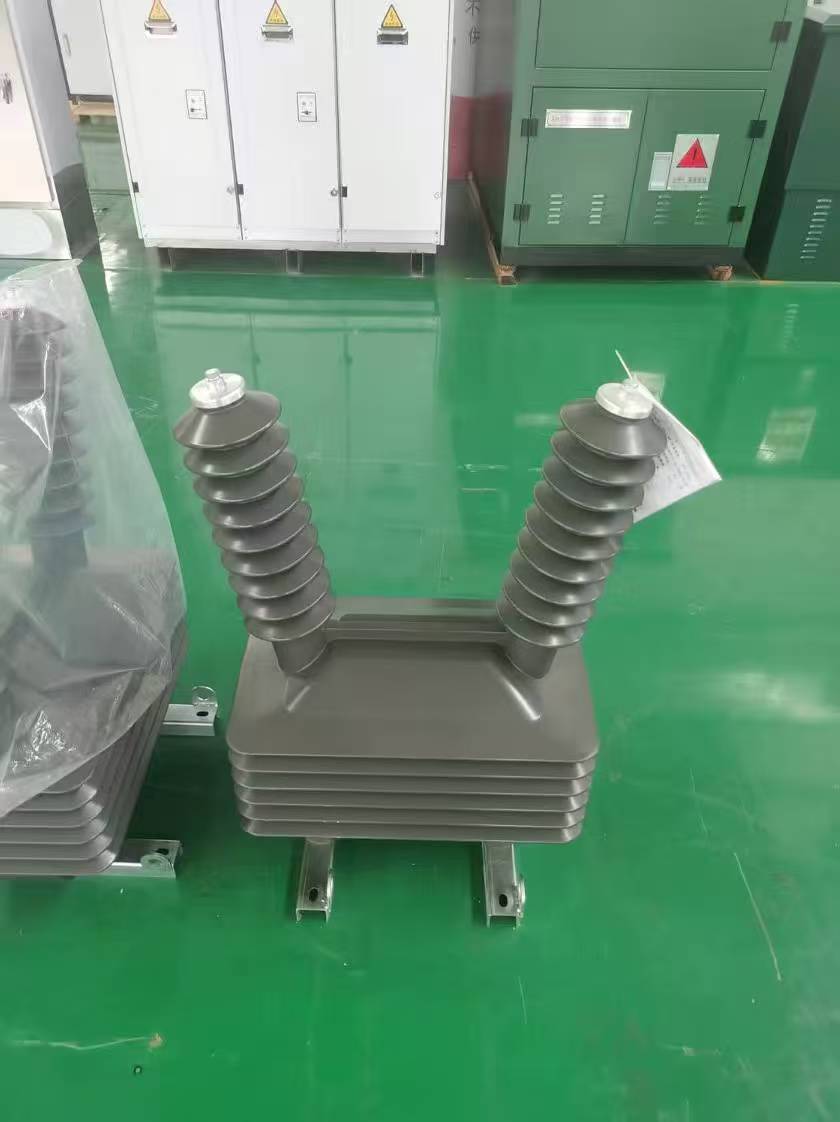
Current Reduction and Connection Attributes: The CT's primary winding intentionally has a very small number of turns, often a single turn or even just the primary conductor passing through the core. It must be connected in series with the line under test, ensuring the entire primary current flows through it.
The CT's central function is to proportionally step down the massive current in the high- or extra-high-voltage circuit to a standard secondary current of either 5 Amperes (A) or 1 A.
The First Cardinal Safety Rule: The secondary side must never be open-circuited while the primary is energized! This is the foundational and non-negotiable "Iron Law" that every electrical engineer must internalize.
Should the secondary side be inadvertently opened, the entire primary current will be utilized to generate a substantial magnetic flux in the core. This action induces an extremely high voltage (potentially several thousand volts) across the open secondary terminals, which is guaranteed to puncture the insulation, initiate destructive arcing, and pose a severe, often lethal, hazard to personnel.
Therefore, any CT secondary circuit that is not connected to an instrument must, as a strict safety protocol, be short-circuited and reliably grounded immediately.
2. The Voltage Transformer (VT) or Potential Transformer (PT)
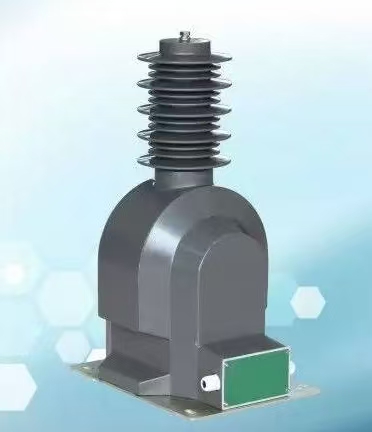
Voltage Reduction and Connection Attributes: The VT's primary winding consists of a very large number of turns and must be connected in parallel across the measured circuit, aligning itself with the main line voltage. Its role is to proportionally reduce the high voltage of the primary circuit to a standard secondary voltage, typically 100 V or 110 V.
The Second Cardinal Safety Rule: The secondary side must never be short-circuited! Similar to a conventional power transformer, a short circuit would cause an extremely large, destructive current to flow in the secondary winding.
This would rapidly overheat and burn out the secondary coils or trigger the primary fuse operation. For this reason, the secondary circuits of VTs are invariably protected by fuses or miniature circuit breakers to mitigate the risk of a dangerous and damaging short-circuit event.
Structural Diversity in High Voltage: While the traditional Electromagnetic VT is standard for lower voltages, the Capacitor Voltage Transformer (CVT) is exceptionally common in high-voltage lines (110 kV and above). The CVT is favored not only for its superior performance and lower cost in UHV applications but also because it inherently integrates a coupling capacitor, allowing it to function simultaneously as a carrier for Power Line Carrier Communication (PLCC).
Safety Mnemonic for CTs and VTs
The mnemonic for remembering the two safety rules is simple:
A Current Transformer (CT) acts like a current source, preferring a short circuit (low impedance) on its secondary side.
A Voltage Transformer (VT) acts like a voltage source, preferring an open circuit (high impedance) on its secondary side.
Always remember:
I₂ must not be zero for a CT,
and U₂ must not be zero for a VT secondary circuit.
Table: Comparison of Principal Instrument Transformer Types
To clearly delineate the operational differences between these two vital pieces of equipment, the table below summarizes their core engineering distinctions.
| Feature | Current Transformer (CT) | Voltage Transformer (VT/PT) |
| Primary Function | Steps down high current to standard low current (Current Reduction) | Steps down high voltage to standard low voltage (Voltage Reduction) |
| Standard Secondary Value | 5 Amperes (A) or 1 Amperes (A) | 100 Volts (V) or 110 Volts (V) |
| Connection Method | Series connection in the circuit (Low Impedance Source) | Parallel connection across the circuit (High Impedance Source) |
| Safety Requirement | Secondary MUST NOT be open-circuited (To prevent dangerous high voltage) | Secondary MUST NOT be short-circuited (To prevent damaging high current) |
| Ideal Operating State | Operates close to a short-circuit condition | Operates close to an open-circuit condition |
| Core Applications | Current measurement, Overcurrent protection, Differential protection | Voltage measurement, Power metering, Insulation monitoring |
Section IV: Four Essential Functions of ITs in Power Systems
The intrinsic value of instrument transformers extends far beyond simple voltage and current reduction. They constitute the four foundational pillars that enable the central nervous system of the modern power grid to function reliably and safely.
1. Providing Critical Safety Isolation
This is perhaps the most fundamental and least recognized function of the IT. The device provides a robust and high-grade electrical isolation barrier between the immensely energetic primary side and the low-energy secondary side.
This design principle ensures the safety of both personnel and equipment. Personnel Protection: Technicians performing connection, calibration, or maintenance on secondary devices, such as relays and meters, are effectively shielded from direct contact with the hazardous high voltage of the primary circuit, ensuring their physical safety.
Equipment Protection: The isolation layer meticulously safeguards sensitive, microprocessor-based electronics (like modern digital relays and advanced energy meters) from dangerous phenomena. This includes extreme voltage fluctuations, transient overvoltages, or the destructive surges caused by primary short-circuit currents, all of which would instantly destroy unprotected devices.
2. Enabling Precise and Standardized Measurement
ITs are the ultimate enablers of standardized and accurate power system data. Their ability to deliver standardized signals simplifies the entire utility ecosystem.
Standardization Across the Grid: The diverse operating parameters across the grid are uniformly converted to standard 5 A/1 A and 100 V signals. This standardization allows for the mass production and interchangeability of meters and relaying equipment, drastically simplifying inventory, selection, and maintenance procedures worldwide.
Accuracy for Commerce: The ITs designated as Metering Class (e.g., 0.2S class) are specifically designed to deliver extremely high accuracy within the normal operating range. The precise, scaled numerical values they provide are the absolute foundation for revenue metering (the process of billing customers for electricity) and for essential system operational monitoring. Any error in this scaling directly impacts financial accountability and the security of the grid's operational data.
3. Implementing System Protection and Reliability
In the event of critical faults, such as short circuits, earth faults, or severe overloads, the protective relays must execute a trip command with extreme speed and unwavering reliability to isolate the fault. ITs are the literal "eyes" of this relay protection system, acting as the immediate and essential signal source.
Fault Signal Fidelity: When a fault occurs, the CTs and VTs must faithfully and instantaneously transmit the rapidly changing current and voltage signals from the primary side to the waiting protective relays on the secondary side. This requires high-fidelity signal reproduction, even during severe transient events.
Basis for Protection Decisions
The relays use these precise signals—for example, detecting that the current magnitude has exceeded a predefined thresholdIset—to accurately determine the type, location, and severity of the fault.
A subsequent, rapid trip command is then issued to the associated circuit breaker. This decisive action:
Clears the fault with minimal operational cost,
Prevents the fault from escalating,
Safeguards expensive power equipment from permanent damage.
4. Auxiliary Fault Analysis and Diagnostics
Modern protective relaying equipment is universally equipped with sophisticated Fault Recording (Oscillography) capabilities. The high-speed, high-fidelity data streams provided by the ITs form the bedrock of this fault recording.
The Data Stream: The fault recorder captures and stores the voltage and current waveforms for a period immediately before, during, and after the fault event. This provides an invaluable temporal record of the system's behavior.
Post-Mortem Analysis: Electrical engineers utilize this recorded data to conduct a meticulous analysis of the three-phase currents, voltages, magnitude, phase angle differences, waveform distortion, and the crucial zero-sequence components. This detailed forensic examination allows them to accurately determine the exact nature of the fault (e.g., single-phase to ground, two-phase short circuit, three-phase short circuit) and the precise moment of its occurrence. The accuracy of the IT data directly validates the reliability of the analysis, which is crucial for root cause troubleshooting and system improvement initiatives.
Section V: Critical Performance Parameters and Engineering Considerations
For a professional electrical engineer, the process of selecting and evaluating an instrument transformer involves far more complexity than simply checking the ratio and the voltage class. The following technical parameters are absolutely critical for assessing the long-term performance and reliability of any IT.
1. Matching Burden and Rated Capacity
Definition of Burden:
Burden is fundamentally defined as the total impedance presented by all connected equipment—such as relay coils, measuring instrument coils, and connecting cables—to the IT's secondary winding. It is commonly expressed in either Ohms (Ω) or Volt-Amperes (VA).
Rated Burden (Rated Capacity):
This specification defines the maximum VA the IT's secondary can safely and accurately supply while maintaining its specified accuracy class. For instance, a CT might have a rated burden of 10 VA.
Engineering Consideration:
A mismatch between actual and rated burden can be severe:
If the actual operational burdenZactual exceeds the rated capacityZrated, the IT becomes overloaded, causing measurement errors, particularly phase angle error, to rise sharply.
This affects metering accuracy and protection reliability.
Excess secondary power dissipation,Ploss=I2R, leads to undue heating and potential damage.
Design Principle:
Zactual≤Zrated
Ideally, the burden is closely matched to fully utilize the transformer's performance.
2. Accuracy Class and Error Assessment
The accuracy class is the primary indicator of IT quality and a commitment to its performance specifications. Errors are mainly of two types:
Ratio Error (%) – the percentage difference between the actual and rated transformation ratios, affecting the magnitude accuracy of the measured parameter.
Phase Angle Error (minutes or radians) – the angular difference between primary and secondary quantities, crucial for power measurement and protection schemes such as differential protection.
IT Accuracy Classes by Use:
Metering Class:
Examples: 0.2, 0.5.
Used for revenue trade settlement and applications demanding high precision during normal system operation.Protection Class:
Examples: 5P10, 10P.
Must maintain error limits even under high fault currents (e.g., ≤5% composite error at rated ALF), ensuring reliable relay operation in critical scenarios.
3. The Accuracy Limit Factor (ALF) and Saturation Characteristics
ALF (Accuracy Limit Factor):
The ALF specifies the maximum multiple of rated primary current at which the CT's composite error (Ie) remains within its permissible limit (e.g., 5% for 5P10). This defines the linear operational range under fault conditions.
Magnetic Saturation:
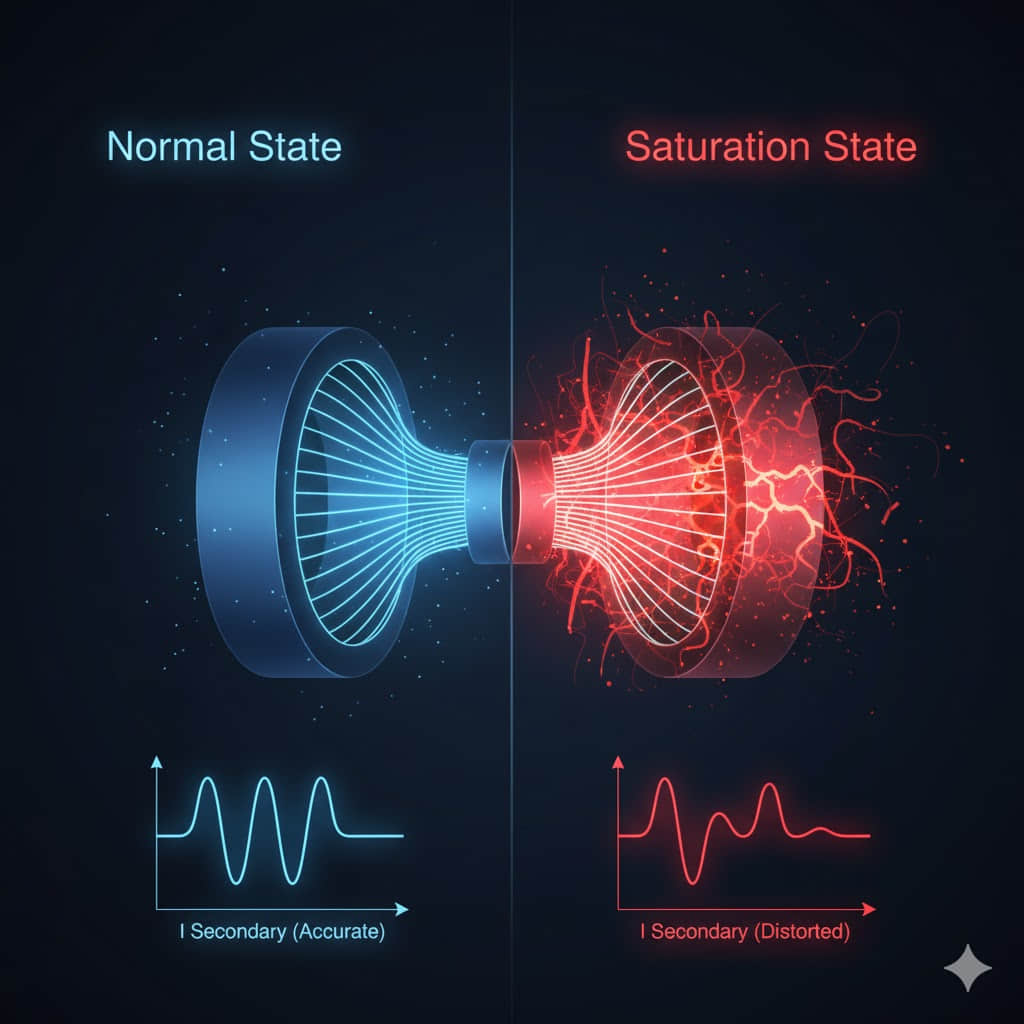
During severe short circuits, primary current spikes may cause the core’s magnetic flux density to exceed a critical threshold, entering deep saturation. This drastically reduces magnetic permeability, distorting the secondary current waveform and reducing its magnitude below proportional values.
Danger of Saturation:
Protective relays may receive distorted or insufficient signals, potentially resulting in:
Refusal to trip, or
Slow and unsafe operation
Engineer's Countermeasure:
Calculate the maximum prospective short-circuit current in the substation.
Select a CT with an adequate ALF (e.g., 10 or 15) to prevent saturation during critical fault conditions.
Takeaway:
The ALF is the "lifeline" of protection-class CTs, ensuring stability and reliable relay operation during the most hazardous faults.
This informative video (4:08 duration) provides an excellent visual and auditory supplement to the article, succinctly explaining the core concepts, principles, and basic specifications of Current Transformers (CTs) and Potential Transformers (PTs).
Section VI: Essential Installation and Operational Maintenance Points
Ensuring the long-term reliability of ITs hinges upon strict adherence to established installation protocols and a commitment to proactive, periodic maintenance. The following points represent crucial, on-the-ground knowledge gleaned from years of field experience.
1. Installation Safety and Regulatory Requirements
CT Secondary Grounding: The CT secondary winding must be reliably grounded at one point only. This grounding is mandatory to limit the voltage potential of the secondary circuit with respect to earth, effectively preventing insulation breakdown and eliminating the risk of electrical shock to personnel.
Strict Prohibition of Open-Circuit Operation: It must be reiterated that a CT secondary must never be open-circuited while the primary circuit is carrying current. Any procedure necessitating the disconnection of the CT's secondary circuit for testing or maintenance must only be executed after one of two stringent conditions is met: either the primary circuit is completely de-energized and isolated, or a reliable shorting link is first connected across the secondary terminals.
Correct Polarity Connection: The IT's polarity must be strictly observed and connected according to the markings (e.g., P1-P2 corresponding to S1-S2). Incorrect polarity reversal in a CT will cause energy meters to display negative power values, or, more dangerously, lead to a severe false trip or complete failure of sensitive differential protection schemes.
2. Field Testing and Preventive Maintenance Procedures
Instrument transformers are categorized as "static equipment," yet their crucial internal insulation and magnetic characteristics are subject to degradation and aging over time. Therefore, regularly scheduled preventative testing is not merely recommended, but essential for continued operational safety.
Insulation Resistance Testing (Megger Test): This is the most basic yet fundamental field test, used to assess the integrity of the insulation between the primary winding, the secondary winding, and the ground structure. The test is vital for detecting moisture ingress, insulation degradation, or premature aging within the transformer.
Ratio and Polarity Testing: Ratio testing is performed to verify that the IT, as installed, perfectly conforms to the rated transformation ratio specified on its nameplate. Polarity testing confirms the correct directional flow of current or voltage between the primary and secondary sides, ensuring the correct operational logic of all protection and metering circuits.
【Expert Insight】Demagnetization Procedure: After a CT has experienced severe fault current through-faults or undergone certain types of DC testing, the iron core can develop undesirable residual magnetism. This residual flux permanently alters the CT’s core characteristics, increasing measurement error and potentially causing a dangerous nuisance trip of the protection scheme during a minor fault. Skilled maintenance professionals must use specialized demagnetizers or specific AC injection sequences to meticulously demagnetize the CT core, restoring it to its original, specified performance.
Section VII: Conclusion and Future Outlook
1. Conclusion: The Unsung Guardians of the Grid
Instrument transformers, through their unique abilities to provide safety isolation and precise scaling, serve as the foundational support for reliable data acquisition and safety enforcement across the entire power grid. Whether their application is in the rigid realm of revenue energy metering or in the life-or-death function of protective relaying during a major fault, CTs and VTs stand as the indispensable Safety Guardians and Data Sources of modern power systems. The integrity and quality of their operation directly determine the overall reliability, economic efficiency, and diagnostic accuracy of the electrical network.
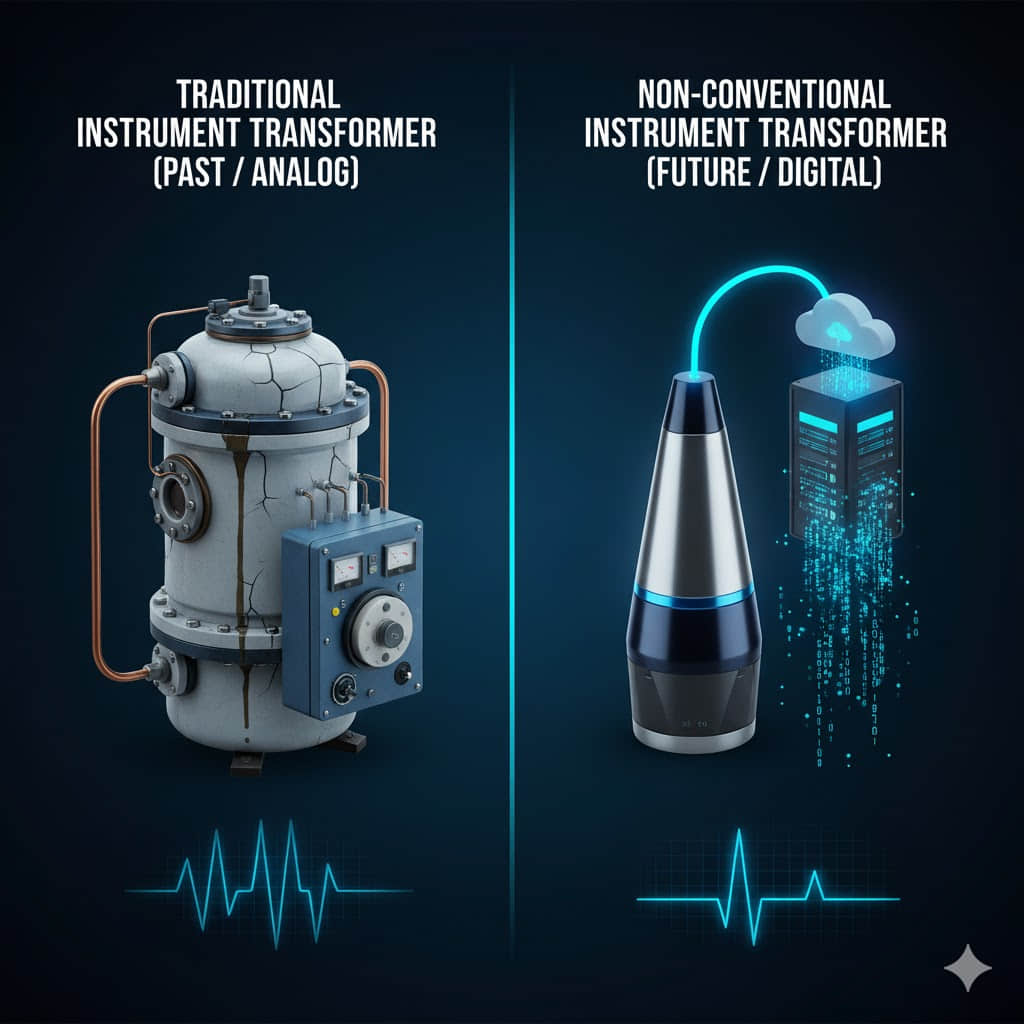
2. The Trend Towards Non-Conventional Instrument Transformers (NCIT/FET)
The electrical utility sector is currently undergoing a profound transformation toward digitalization and smart grid integration. Against this backdrop, traditional electromagnetic ITs are starting to show inherent limitations, including large physical size, the fundamental risk of core saturation, and restricted frequency bandwidth.
The emerging generation of measurement devices, known as Non-Conventional Instrument Transformers (NCITs)—often referred to as Fiber-optic Electronic Transformers (FETs)—is rapidly becoming the standard for next-generation substations. These devices represent a fundamental shift in measurement technology.
| Feature Comparison | Traditional Electromagnetic IT (CT/VT) | Non-Conventional IT (NCIT/FET) |
| Operating Principle | Electromagnetic induction (Relies on an iron core) | Optical sensing (Utilizes the Faraday or Pockels effect) |
| Signal Output | Analog signal (5 A / 100 V) | Digital signal (Optical signals or standardized MMS format) |
| Size and Weight | Large, heavy (Contains oil, porcelain, and heavy iron cores) | Small, lightweight (No iron core, dry-type construction) |
| Saturation Issue | Present (Risk of saturation during large fault currents) | Saturation-Free (Based on optical sensing; no magnetic core) |
| Frequency Response | Narrow (Susceptible to transient components distortion) | Wide (Accurate measurement of harmonics and high-speed transients) |
Unique Insight: The digital output of NCITs is perfectly compatible with the Substation Automation System (SAS), positioning them as the crucial enabler for building the modern Digital Substation. Their broad measurement bandwidth and complete immunity to magnetic saturation make them uniquely suited for integration with Phasor Measurement Units (PMUs) in Wide Area Measurement Systems (WAMS). This provides precisely synchronized data streams on a millisecond scale, dramatically enhancing the system's ability for advanced monitoring, stability control, and complex operational analysis. The future of electrical measurement and control is unequivocally digital, and NCITs are poised to progressively replace traditional electromagnetic products, ushering in this new era.
Frequently Asked Questions (FAQ)
Q1: Why is it absolutely forbidden to open-circuit the secondary side of a Current Transformer (CT)?
A: This is the paramount safety concern in CT operation. When the secondary circuit is opened, the entire primary current, even a nominal operating current, is forced to exclusively generate magnetic flux. This action drives the CT core into extreme deep saturation, which in turn induces a dangerously high voltage (potentially thousands of volts) across the secondary terminals.
This voltage will instantaneously destroy insulation, cause arcing, and pose a severe electrocution risk to personnel. The massive thermal stress on the windings also follows the destructive $I^2R$ power loss relationship. Therefore, field operations must strictly adhere to the protocol: "Always short the secondary before disconnecting."
Q2: How do engineers distinguish between a metering-class and a protection-class IT?
A: Their design objectives and operational priorities are fundamentally different. Metering Class (e.g., 0.2S Class): These prioritize achieving extremely high accuracy within the normal operating range (e.g., 1% to 120% of the rated value) and are used for revenue settlement and precision monitoring where financial stakes are high.
Protection Class (e.g., 5P10 Class)
Purpose: Protection-class instrument transformers do not prioritize ultra-high precision during normal operation.
Design Focus: They are engineered to ensure that their error remain within a specified limit even under high fault currents.
Example: Composite error ≤ 5% at 10× rated current.
Primary Goal: Guarantee that the protective relay operates reliably during emergencies.
Metering Role: These devices are not intended for highly accurate energy metering.
Q3: What exactly is the IT's "Burden," and how does it affect accuracy?
A: Burden and Its Impact on Instrument Transformer Performance
Definition of Burden:
“Burden” refers to the total load impedance on the IT's secondary side, including all connected devices (relays, meters, coils) and the resistance of connecting cables. It is commonly expressed in VA (Volt-Amperes).Rated Capacity vs. Actual Burden:
If the actual operational burden exceeds the IT’s rated capacity, the secondary terminal voltage may rise beyond its designed limits, altering the core’s magnetic behavior.Consequences of Mismatch:
Sharp decline in measurement accuracy, particularly phase angle error.
Critical disruption of power measurement and phase-sensitive protection functions.
Increased thermal losses in the secondary circuit due to theI2R effect, potentially causing overheating and damage.
Q4: What is a Non-Conventional Instrument Transformer (NCIT), and what are its main advantages?
A: NCITs are next-generation devices that replace the traditional electromagnetic induction principle with advanced opto-electronic conversion technology, often utilizing phenomena like the Faraday or Pockels effects in optical fibers (FETs). Their primary advantages include the complete elimination of magnetic core saturation, resulting in a much smaller size and lower weight.
Furthermore, they offer an extremely wide measurement bandwidth capable of capturing high-order harmonics and transients, and crucially, they output a standardized digital signal, making them ideal for modern digital substation architecture.
Q5: Why is a "Polarity Test" mandatory after replacing a CT?
A: The polarity test is essential to confirm that the directional relationship between the CT's primary and secondary windings is correct. In complex protection schemes like differential or directional protection, an incorrectly reversed CT polarity will cause the currents to sum during normal operation, potentially leading to a hazardous nuisance trip of the protection system.
Conversely, during an actual fault, the currents might cancel out, resulting in a catastrophic refusal to trip. Therefore, ratio and polarity verification is a critical commissioning step for any new or replacement IT installation.
Professional Consultation and Service
Is your substation undergoing an upgrade, or are you grappling with complex conditions like high-order harmonics and transient surges?
The selection of your instrument transformers is directly correlated with the operational integrity of your entire protection system. Do not proceed without expert validation.
Contact our team of Senior Electrical Engineers immediately. We will utilize a deep understanding of your system's maximum prospective short-circuit current, actual secondary burden, and specific protection requirements to deliver a highly optimized and customized Current and Voltage Transformer Selection and Specification Solution. Our goal is to ensure your power grid investments are safe, precise, and maximally reliable.
Embrace the future of the Digital Substation. The shift to advanced measurement technology is inevitable, but the migration requires specialized knowledge.
If you have any questions regarding the performance, installation, commissioning, or integration of Non-Conventional Instrument Transformers (NCIT/FET) with the IEC 61850 standard, please reach out to us. We are ready to provide a detailed System Upgrade Path and Implementation Plan, guiding your transition from traditional electromagnetic apparatus to advanced optical ITs, ensuring your grid achieves the next level of intelligent control and automation.