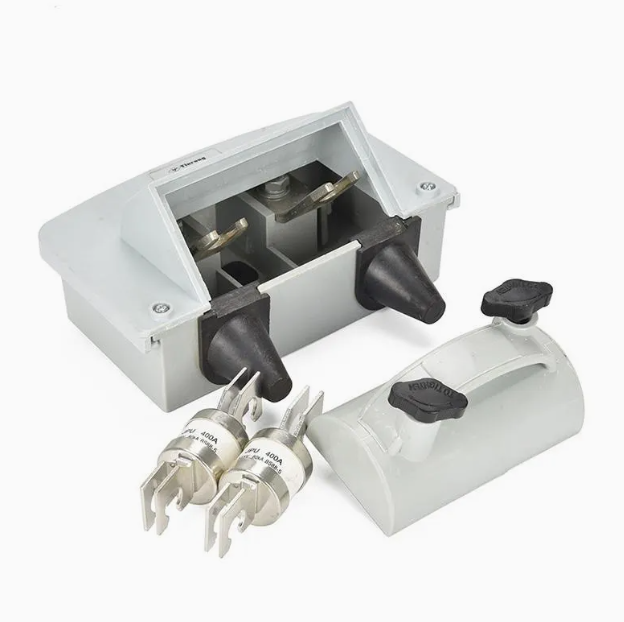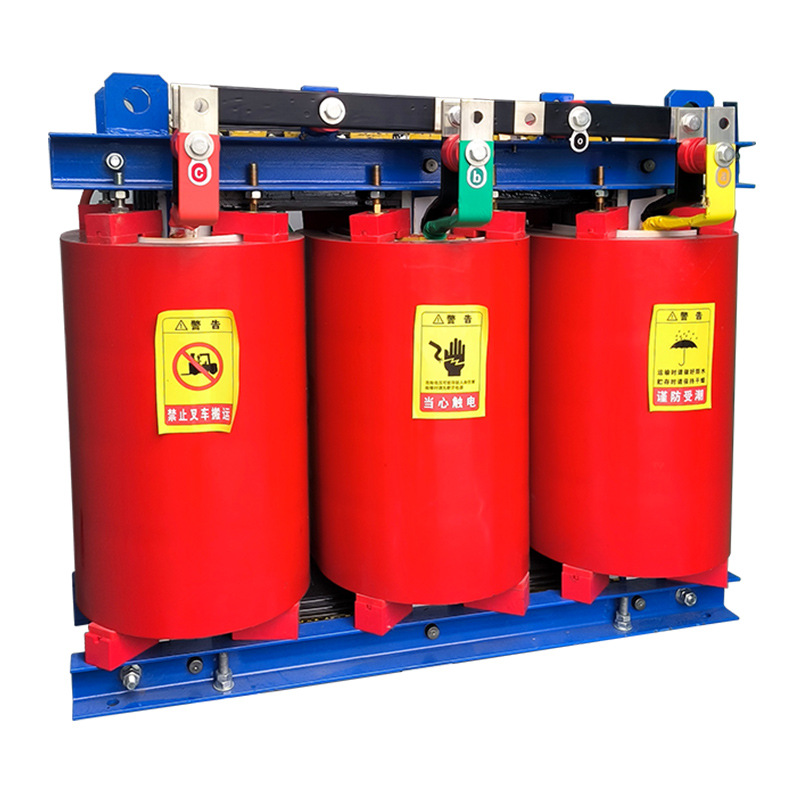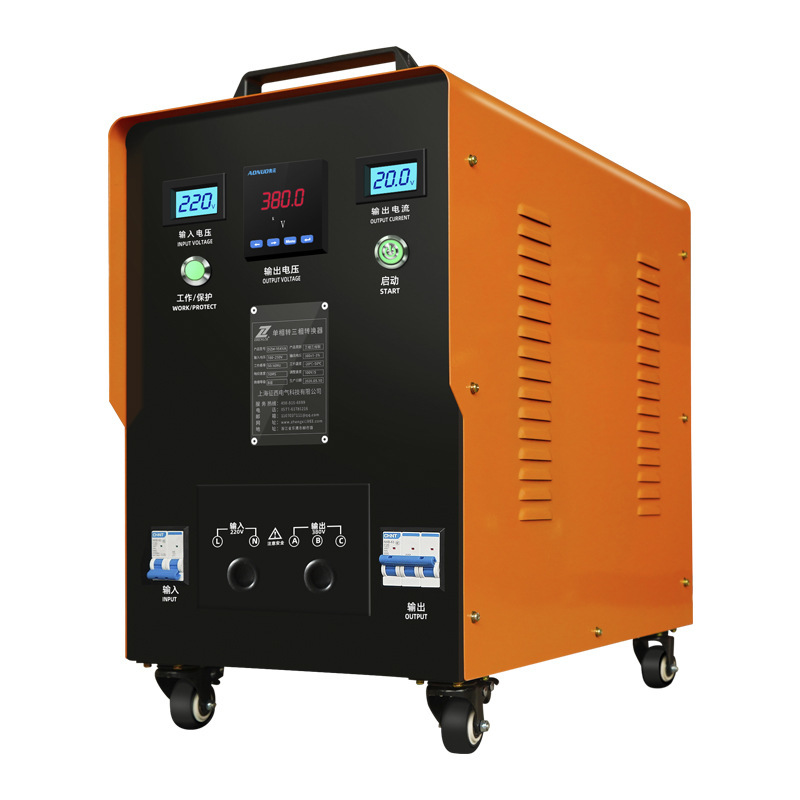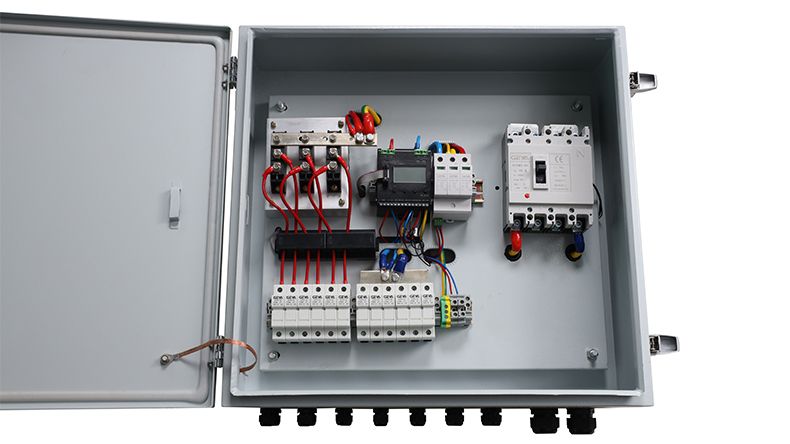
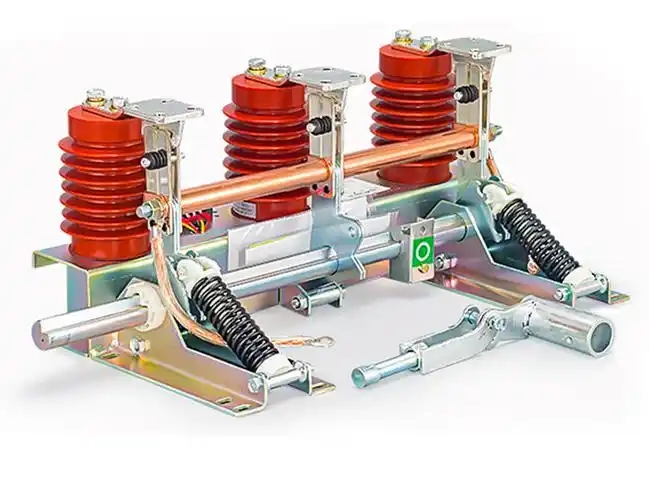
In this guide, we’ll explain what a grounding switch is, how it works, where it’s used, and why it’s critical to the safety and stability of power systems. You’ll learn about the different types of grounding switches, their advantages and disadvantages, and how to apply them correctly in real-world scenarios. Whether you’re an engineer, technician, or simply curious about electrical infrastructure, this article gives you practical, easy-to-understand knowledge that you can apply.
Note: A grounding switch is also commonly referred to as an earthing switch, especially in regions using IEC standards (Europe, Asia, Africa). Both terms describe the same function.
What Is a Grounding Switch?
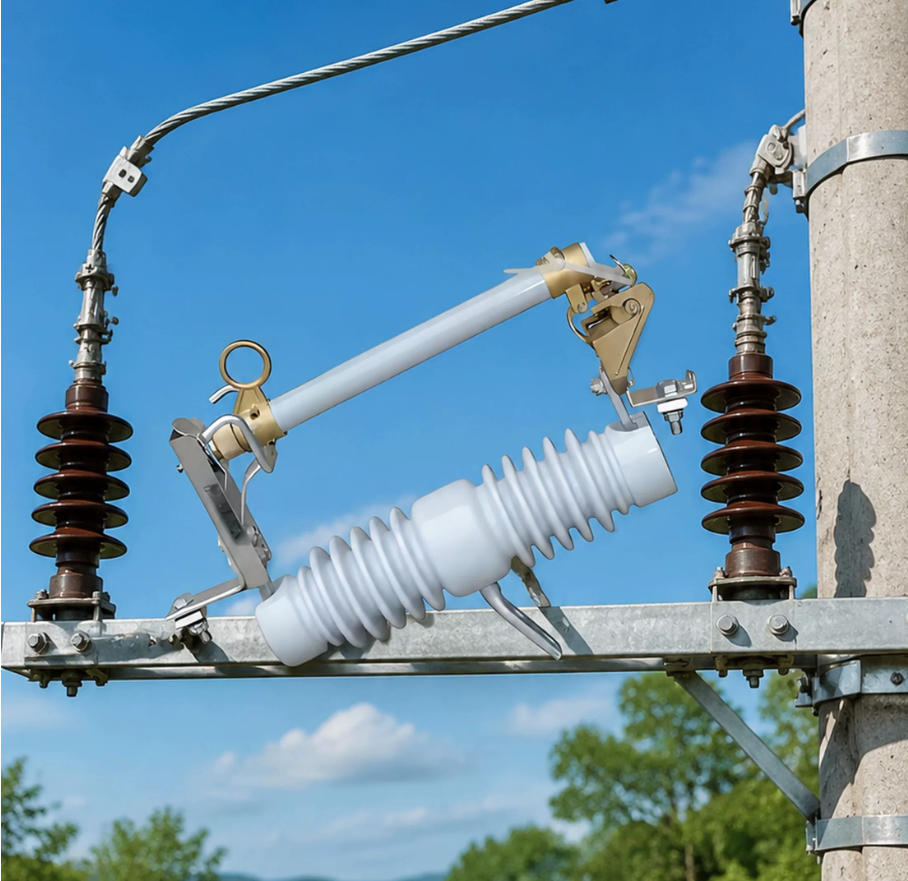
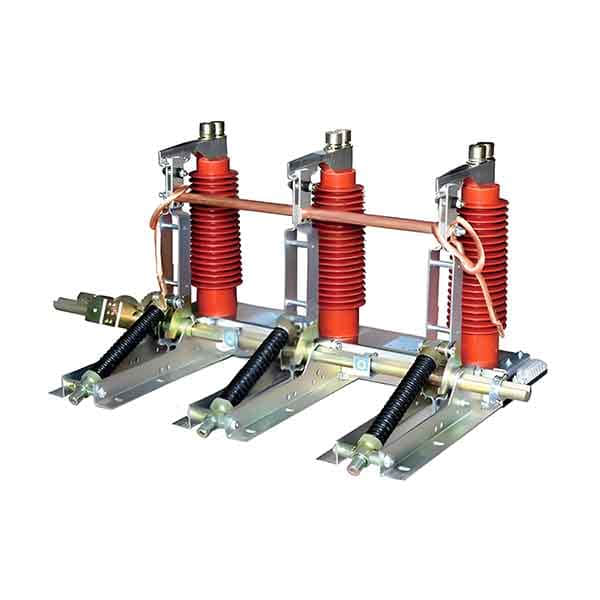
A grounding switch is a protective device used in power systems to safely ground electrical circuits and equipment. Its primary role is to prevent electric shock, equipment damage, and operational hazards by connecting live parts to the ground when needed. Normally, it carries no current and is used only during maintenance or fault conditions.
Grounding switches are often integrated with disconnect switches and come in two main types:
Maintenance grounding switches, used during routine servicing.
Fault-making grounding switches, designed to ground live circuits in case of emergencies.
Both types play a vital role in safeguarding personnel and equipment.
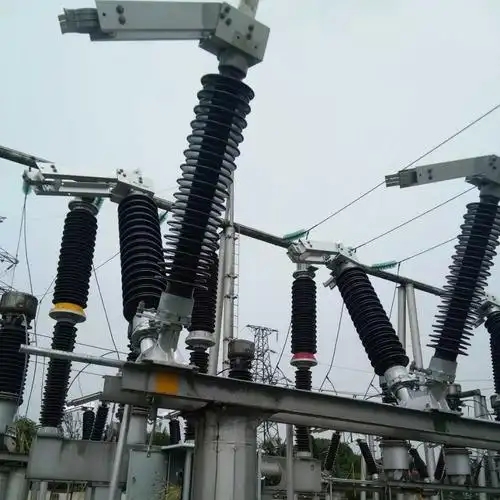
Why Grounding Switches Matter
1. Protecting People from Electric Shock
Even when a system is switched off, residual current or leakage may remain. If someone touches ungrounded components, an electric shock can occur. A grounding switch safely diverts this current to the ground, keeping people safe.
2. Ensuring Equipment Safety
During faults like short circuits or insulation breakdowns, grounding switches help isolate the problem by grounding the faulty part. This prevents further damage and protects sensitive equipment from overcurrent or overheating.
3. Lightning Protection
In areas prone to lightning, a grounding switch can redirect surge currents into the ground, minimizing the risk of damage to electrical infrastructure and enhancing system reliability.
How Does a Grounding Switch Work?
The working principle of a grounding switch is simple but effective. When activated, the switch physically connects live conductors to the ground. This action is usually performed by rotating or sliding a mechanical arm into position.
When closed (grounded), the switch creates a direct path for current to flow into the earth. When opened, it isolates the circuit. In automated systems, sensors and mechanical interlocks ensure the switch only operates under safe conditions, preventing incorrect operation.
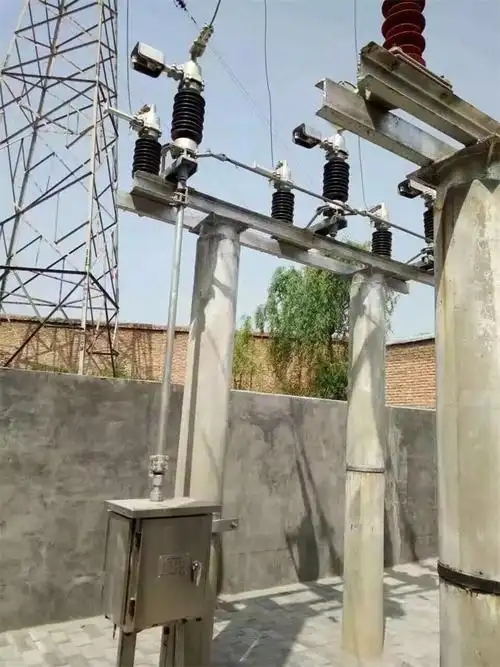
Where Are Grounding Switches Used?
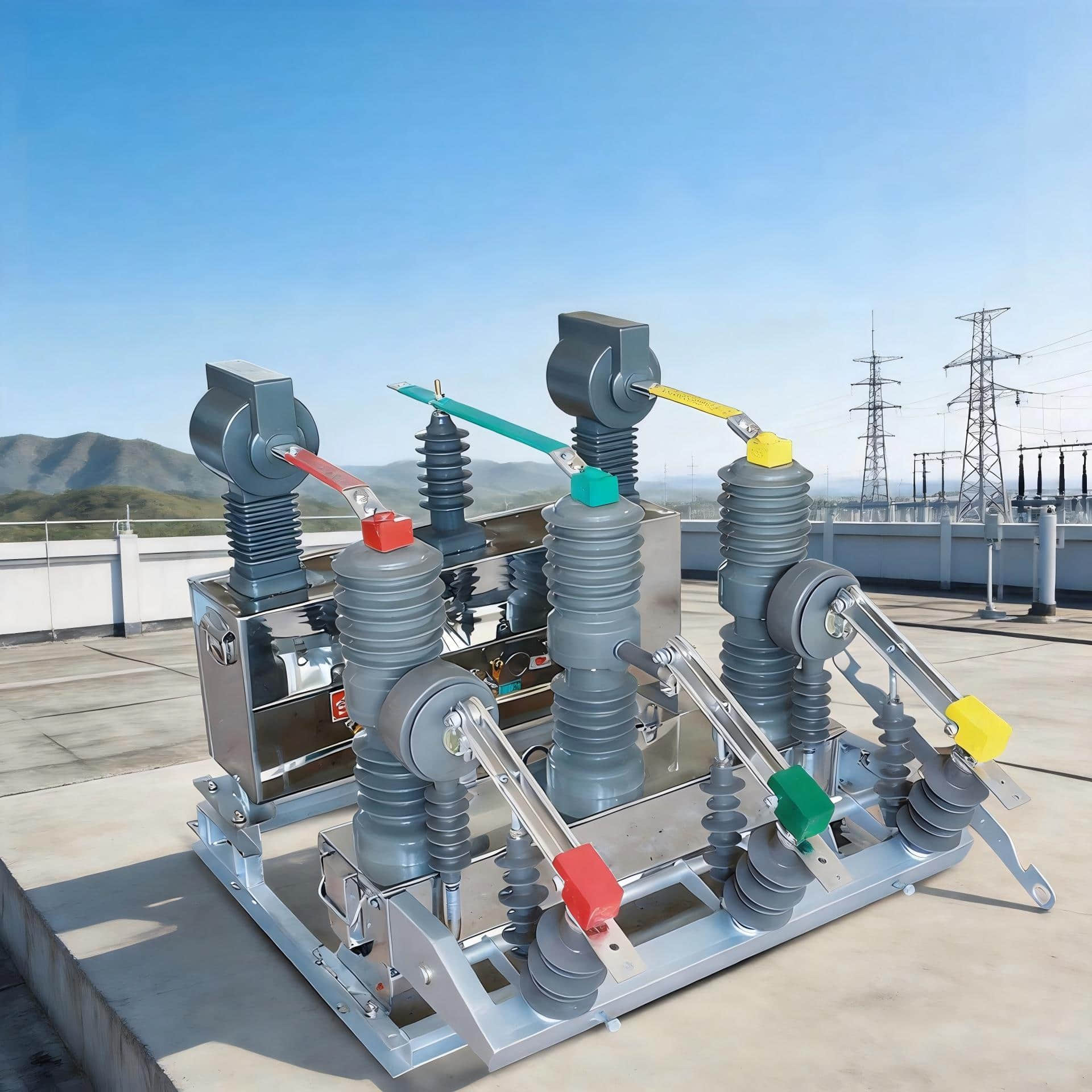
Grounding switches are widely used across medium- and high-voltage power systems. You’ll find them in:
Substations: To isolate sections for maintenance and fault handling.
Distribution rooms: For the safe operation of low-voltage to medium-voltage networks.
Cable tunnels: Ensuring the safety of personnel working near energized cables.
Railways, mining, marine, and aviation: Where safe isolation is crucial for both people and equipment.
Their versatility makes them essential in almost every segment of power infrastructure.
Key Benefits of Grounding Switches
1. Enhanced Safety
Grounding switches ensure complete disconnection from the power source during maintenance, reducing the risk of accidental electrocution. In case of faults, they isolate the faulted section instantly, preventing escalation.
2. System Stability
By controlling grounding points, engineers can manage system impedance and balance voltage distribution. This helps reduce overvoltages, suppress electromagnetic interference, and improve power quality.
3. Easy Operation
Modern designs often feature intuitive interfaces and simplified mechanisms, allowing quick and reliable operation even under challenging conditions.
4. High Adaptability
These switches are compatible with various voltage levels and system types, from small-scale installations to large industrial grids.
5. Long-Term Cost Efficiency
While initial investment may be higher, grounding switches significantly reduce downtime, minimize damage, and lower long-term maintenance costs.
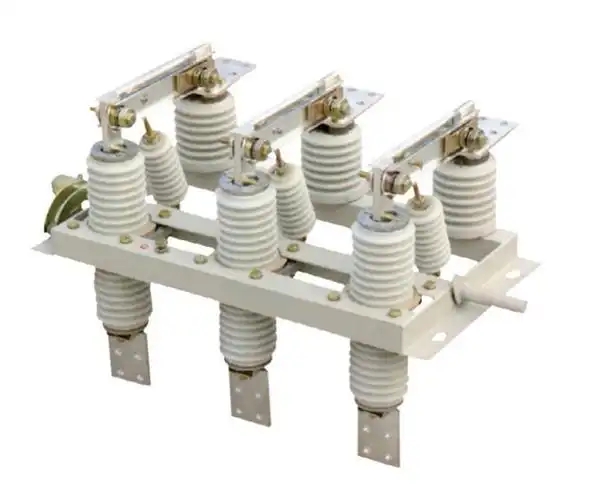
Potential Drawbacks to Consider
1. Complex Structure
High-end grounding switches, especially those used in HV systems, may include intricate mechanical and electronic components that require skilled maintenance.
2. Space Requirements
In large substations, these devices can take up valuable floor space, which can be a limitation in compact installations.
3. Environmental Constraints
They need to operate within certain temperature and humidity ranges. Harsh environments can affect performance or even cause failure if not properly protected.
4. Mechanical Wear Over Time
Like all mechanical devices, parts may wear down due to frequent use, resulting in poor contact or delayed response, which can compromise safety.
5. Manual Operation Risk
Many systems still rely on human operation. Without proper training and interlocks, there’s always a risk of human error.
Maintenance Tips for Long-Term Performance
Inspect regularly for mechanical wear, loose connections, or signs of corrosion.
Test functionality during scheduled outages to ensure the switch operates smoothly.
Clean and lubricate moving parts to prevent friction-related issues.
Verify interlocks to ensure the system doesn’t allow unsafe operations.
Keep records of inspections and repairs for compliance and diagnostics.
Choosing the Right Grounding Switch
When selecting a grounding switch for your system, consider the following factors:
Voltage level and current rating
Type of application (maintenance or fault-making)
System layout (space, cable routing, accessibility)
Environmental conditions (humidity, dust, temperature)
Manual or motorized operation
Compliance with international standards like IEC 62271-102
Work with a trusted supplier who can provide tailored solutions and technical support.
Conclusion: Make Safety a Priority in Your Power System
A grounding switch may not be the most visible component in an electrical system, but it’s one of the most vital. It keeps people safe, protects your infrastructure, and ensures system stability in the face of faults or routine maintenance. By understanding how it works and applying it correctly, you gain more than compliance—you gain confidence in the reliability of your power system.
Need help selecting or implementing a grounding switch for your project?
Contact us today. Our experts are ready to provide the technical support and customized solutions you need to power your systems safely and efficiently.