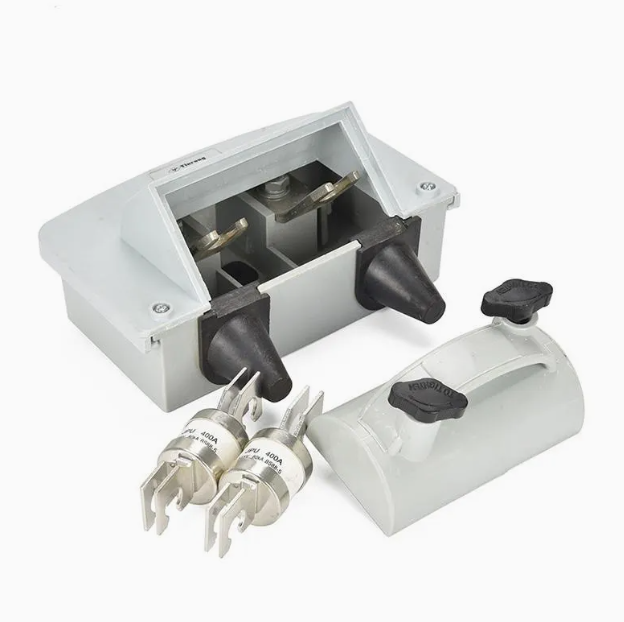
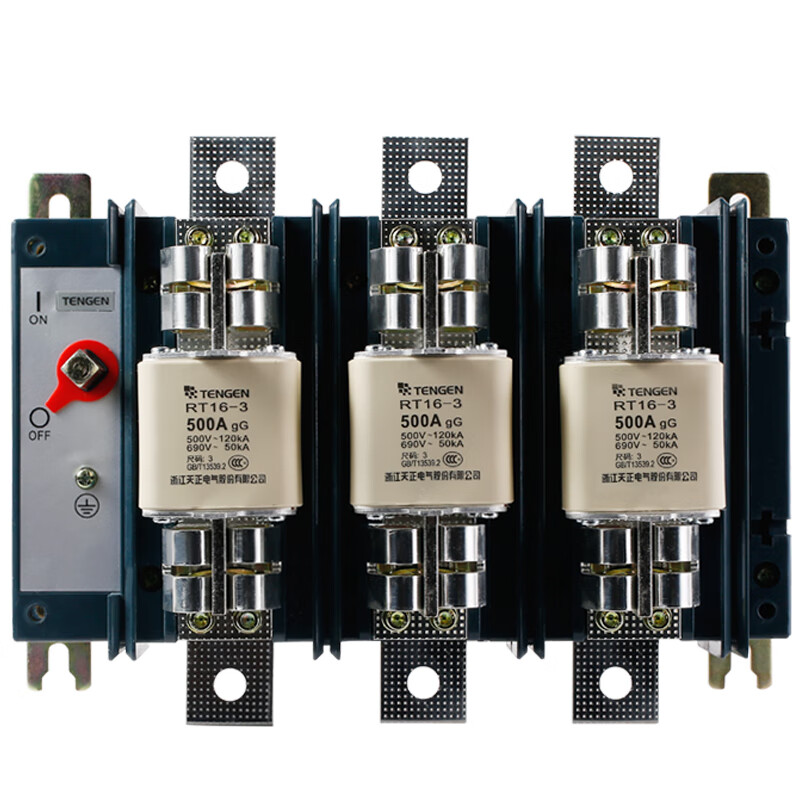
Suppose you work with electrical panels, solar PV systems, or industrial switchboards. In that case, you’ve probably seen the term “fuse disconnector switch” and wondered what makes it different from a regular switch, isolator, or circuit breaker.
Here’s the simple truth:
A fuse disconnector switch combines two critical functions in one compact device:
Isolation – safely disconnecting a circuit with a clear, visible break
Overcurrent protection – using a fuse to interrupt dangerous fault currents
That means you get one integrated, safer, and often more cost-effective solution instead of installing a separate isolator and fuse base.
In this guide, you’ll quickly learn:
What a fuse disconnector switch is in practical terms
How it works inside (without drowning in jargon)
Where it’s used in solar PV, EV charging, industrial distribution, and more
How to choose the right model that actually matches your application and standards
As a manufacturer focused on safe, reliable switching and protection, WEISHO has seen this device become a go‑to choice in modern installations—from 1500V DC PV strings to heavy-duty industrial feeders.
Let’s get straight into what a fuse disconnector switch really does, and when you should use one instead of a standard isolator or circuit breaker.
Fuse Disconnector Switch – Simple Definition
What Is a Fuse Disconnector Switch in Plain Language?
A fuse disconnector switch (also called a fused isolator switch or fuse combination switch) is a compact device that combines two things in one unit:
A switch disconnector – to safely isolate a circuit
A fuse holder – to provide overcurrent and short‑circuit protection
In plain language:
It’s a switch you can turn off for safe isolation that also contains fuses to protect the circuit. When a fault or overload happens, the fuse blows, not the switch. When you need to work on the circuit, you open the handle and get a visible break.
Typical examples include NH fuse disconnectors, HRC fuse disconnectors, and DC fuse disconnect switches for solar PV and battery systems.
Core Functions: Isolation + Overcurrent Protection in One Device
A fuse disconnector switch is designed to do two core jobs:
Isolation (Disconnection)
Provides a clear on/off function with a mechanical handle
Creates a visible isolation gap between the line and the load
Can be padlocked in the OFF position for lockout‑tagout (LOTO)
Overcurrent / Short‑Circuit Protection
Uses high‑rupturing capacity (HRC) fuses (NH, cylindrical, Class J/CC, BS88, etc.)
Clears short circuits and overloads extremely fast
Delivers high breaking capacity and selective coordination with upstream devices
This is why many engineers treat a fuse switch disconnector as the “backbone” device in critical feeders, PV strings, BESS, MCCs, and DC fast charging equipment.
Why Use a Fuse Disconnector Instead of a Basic Switch or Isolator?
A basic isolator (disconnector) is just a mechanical switch. It:
Does not provide overcurrent protection
Cannot interrupt high fault currents
It is usually rated for off‑load operation only
A fuse disconnector switch solves these gaps:
Integrated protection
You get fuses + isolation in one device, not separate fuse holders plus a switch.
High fault performance
Fuses can handle very high short‑circuit currents safely.
Space and wiring savings
One compact fused disconnect switch instead of multiple devices and extra cabling.
Safer operation
Handle interlocks ensure you can’t open the fuse carrier under load on many designs.
In short, when you need both isolation and protection, a simple isolator isn’t enough. That’s when a fuse disconnector is the right tool.
Fuse Disconnector vs Load Break Switch vs Circuit Breaker
You’ll often be choosing between a fused load break switch, a regular load break switch, and a circuit breaker. Here’s how they compare in practice:
| Feature / Device | Fuse Disconnector Switch (Fused Isolator) | Load Break Switch (No Fuse) | Circuit Breaker (with Separate Isolator) |
|---|---|---|---|
| Overcurrent protection | Yes – via fuses | No | Yes – via breaker trip unit |
| Isolation function | Yes – switch disconnector | Yes – switch disconnector | Often, but may still need a dedicated isolator |
| Breaking capacity | Very high (depends on HRC/NH fuses) | Limited (not for large faults) | High (depends on frame and trip unit) |
| Selective coordination | Excellent, easy to coordinate with fuses | Not applicable | Good, but more complex to engineer |
| Maintenance | Replace fuses; the mechanism is simple | Very low, but must add external protection | Test and maintain trip units and mechanisms |
| Cost at higher fault levels | Often more cost‑effective | Low device cost, but needs protection | Can get expensive at high fault and high current |
| Best use cases | Feeders, PV strings, BESS, MCCs, DC applications | Simple isolation where protection is elsewhere | Critical feeders, adjustable protection, motor protection |
When I choose each:
I use a fuse disconnector switch when I need:
High fault level handling
Simple, reliable protection
Visible, lockable isolation
DC or PV applications (e.g., 1500V DC fuse switch disconnector)
I use a standard load break switch when:
Protection is already handled upstream
I only need local isolation, not local protection
I use a circuit breaker + isolator when:
I need adjustable trips, metering, or communication
I want one device to trip and automatically reclose (after investigation)
For many US projects—especially solar, BESS, industrial feeders, and EV charging—a DC fuse disconnect switch or IEC 60947‑3 switch disconnector with NH or Class J fuses delivers a very clean balance of safety, simplicity, and cost.
How a Fuse Disconnector Switch Works
A fuse disconnector switch (also called a fuse combination switch or fused isolator switch) combines a switch mechanism and a high‑rupturing‑capacity (HRC) fuse in one compact body. Here’s how it actually works inside your panel.
Main Internal Parts (Plain Language)
Inside a typical NH fuse disconnector or DC fuse disconnect switch, you’ll find:
Handle – The part you turn or rotate on the door/front. It drives the internal switching mechanism. Often padlockable for lockout/tagout.
Moving contacts – Metal parts linked to the handle that physically move to open or close the circuit.
Fixed contacts – Stationary terminals that connect to line and load cables or busbars.
Fuse carriers/fuse holders – Insulated trays or clips that grip the NH, cylindrical, BS88, or UL Class J/CC fuse and connect it between the contacts.
When the switch is ON, current flows: line terminal → fixed contact → fuse → moving contact → load terminal.
How the Handle Opens and Closes the Fuse Disconnector Switch
When you operate the handle:
Switch ON (closing)
Rotating the handle to ON drives the moving contacts into the fixed contacts and compresses them firmly around the fuse terminals.
Spring mechanisms ensure a fast, “snap” action so contacts close quickly, limiting arcing and heating.
Switch OFF (opening)
Turning the handle to OFF pulls the moving contacts away from the fixed contacts, breaking the circuit on both sides of the fuse.
In many designs, you can then pull out the fuse carrier for inspection or replacement.
On quality devices, the handle can be door‑interlocked so you can’t open the panel door with the switch ON, which is a big safety win in U.S. industrial and commercial installs.
On‑Load vs Off‑Load Operation
Not every switch with a fuse can be used under load. You need to check its utilization category (like AC‑22, AC‑23, DC‑21, DC‑22, DC‑23) on the nameplate per IEC 60947‑3 switch disconnector rules.
On‑load fuse disconnector (fused load break switch)
Designed to be safely operated with current flowing.
Has arc‑chutes and contact design to safely break load current and, in many models, motor or transformer inrush.
Typical for industrial feeders, PV DC strings, and BESS cabinets.
Off‑load fuse disconnector
Must be switched OFF only when the load is already disconnected or at no‑load.
Used mainly for isolation and fuse replacement, not routine load switching.
In U.S. projects, always verify the AC‑/DC‑ utilization category or UL rating (UL 98 / UL 508) to confirm if you can operate it on‑load.
Arc Formation and Arc Extinction
Whenever you open a fuse switch disconnector carrying current, an arc tends to form between the separating contacts. Inside a quality device:
Contact geometry stretches the arc quickly as the contacts separate.
Arc chutes/arc barriers split and cool the arc into smaller segments.
Insulating walls and chambers drive the arc away from the operator and sensitive parts.
The design is especially critical for 1500V DC fuse switch disconnectors used in solar and BESS, where DC arcs are harder to extinguish than AC arcs.
How the Fuse Element Melts and Clears a Fault
The fuse inside the disconnector is what actually interrupts severe overcurrents and short circuits:
1. Under normal load, the fuse element runs cool and carries rated current indefinitely.
2. During an overload, the element heats up over time and eventually melts, opening the circuit.
3. In a short‑circuit, the current spikes sharply. The HRC fuse (NH, BS88, Class J, etc.) melts in milliseconds, and its filler material (often quartz sand) helps extinguish the resulting arc.
4. The fault is cleared inside the fuse body, while the disconnector itself provides the switching and isolation function.
That’s why fuse disconnectors offer very high short‑circuit rating and breaking capacity, often higher than equivalently sized molded‑case circuit breakers and commonly used alongside other gear like vacuum circuit breakers in medium‑voltage systems.
What “Visible Isolation” Means
A major benefit of a lockable fuse isolator is visible isolation:
In many NH and vertical fuse switch disconnector designs, when the handle is OFF and the fuse carrier is swung or pulled out, you can literally see a physical gap between line and load.
This gives technicians clear confirmation that the circuit is isolated before working.
Combined with padlocking and mechanical interlocks, it supports OSHA lockout/tagout practices widely used in U.S. plants and data centers.
Visible isolation is one big reason fuse disconnectors are trusted in safety‑critical applications.
Where the Fuse Disconnector Sits in a Panel or PV String
In real‑world installations, you’ll typically see fused disconnect switches in these spots:
Main LV distribution boards/switchboards
As incoming or outgoing feeders for large loads, subpanels, or transformers.
Often panel‑mounted with busbar connections.
Motor control centers (MCCs)
At the top of each motor feeder (line side) there is short‑circuit protection and an isolator for maintenance.
Solar PV combiner boxes and DC string circuits
PV string fuse holders with disconnect on each string or group of strings.
Common at 1000V and 1500V DC for utility‑scale arrays.
Battery energy storage systems (BESS) and inverter cabinets
On each battery rack output and on the DC input/output of inverters.
EV fast chargers and DC power supplies
On the DC side, for fault protection and safe isolation during service.
Placement is always upstream of the equipment you want to protect and isolate—line side tied into the busbars or incoming conductors, load side feeding the downstream cables, drives, inverters, or racks.
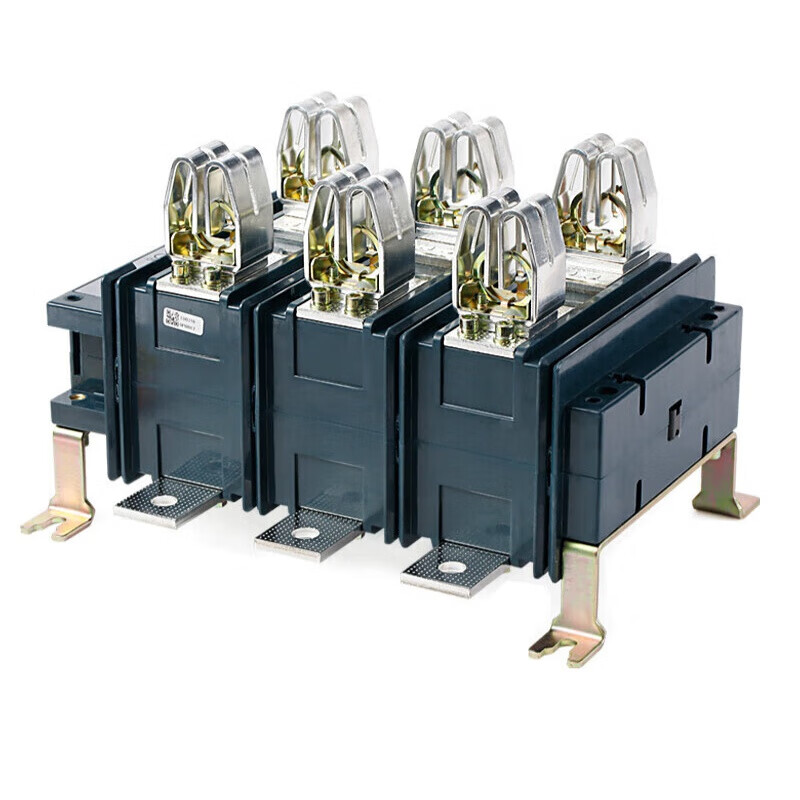
Fuse Disconnector vs Other Protection Devices
Fuse disconnector vs isolator (disconnector)
A basic isolator (disconnector) only does one thing: it provides a visible, lockable break so you can safely work on the circuit. It does not protect against overloads or short circuits.
A fuse disconnector switch combines:
Isolation – clear, visible open contacts, usually lockable for LOTO.
Overcurrent protection – built‑in fuses that blow on overloads or short circuits.
When I use each in US projects:
Isolator only
Upstream of the gear is already protected by breakers
Non‑critical, low fault level circuits
Where the panelboard breaker already handles all protection
Fuse disconnector switch
High fault levels (industrial, PV, BESS, EV DC)
When I want fast, selective fault clearing with fuses
When codes or equipment OEMs specifically call for fused isolation
If you only need a safe “off” point, use an isolator. If you need protection + isolation in one device, go with a fuse disconnector.
Fuse disconnector vs load break switch
A load break switch is designed to safely open and close circuits under load, but it usually has no fuses inside. It’s for switching, not protection.
A fuse disconnector can be:
Off‑load (must be opened only after current is cleared by the fuse), or
On‑load / fused load break switch (rated to make/break load current and also has fuses).
When I choose each:
Load break switch
As a main switch where breakers upstream provide protection
For simple feeder switching in commercial panels
Fuse disconnector / fused load break switch
For feeders or PV strings where I need both switching and high‑performance fuse protection
For motors, transformers, and DC circuits, where MCCBs are less cost‑effective
Think of a load break switch as a switch only, and a fuse disconnector as a switch + fuse combo.
Fuse disconnector vs fused switch disconnector (naming)
The terms can get confusing because they change by region:
Fuse disconnector/fuse switch disconnector – common under IEC 60947‑3.
Fused disconnect switch / fused isolator switch – common wording in the US.
In practice, when we say:
Fuse disconnector – focus is on safe disconnection + integrated fuses.
Fused switch disconnector / fused load break switch – usually means it’s rated for on‑load switching plus fuse protection.
Most US‑market “fused disconnect switches” from major brands are technically fuse switch disconnectors under IEC.
Fuse disconnector vs circuit breaker + separate isolator
In a lot of US panels, engineers will specify:
Molded case circuit breaker (MCCB) for protection + switching
Separate isolator (or the breaker itself) for visible isolation
With a fuse disconnector switch, you get:
Fuses for protection
A clearly visible, lockable isolating switch
One compact, often less expensive, assembly
Key differences:
Protection element
Fuse disconnector: fuses (NH, HRC, BS88, Class J/CC, etc.)
Breaker: trip unit (thermal‑magnetic or electronic)
Fault performance
Fuses: extremely high interrupting rating, very fast on high faults
Breakers: adjustable, reusable, but sometimes lower interrupting rating at a given price point
Isolation
Fuse disconnector: clear knife‑blade style visible break
MCCB: may not provide as obvious a visible break; sometimes an external isolator is still used
I use MCCBs + isolators where I want:
Adjustable trips
Integration with trip units, comms, and metering
I use fuse disconnectors where I want:
Very high short‑circuit capacity, low let‑through energy
Compact, cost‑effective, code‑compliant isolation and protection together
Pros and cons vs molded case circuit breakers (MCCBs)
Fuse disconnector switch – pros:
Very high interrupting capacity using NH/HRC fuses
Excellent selective coordination and low let‑through energy
Simple, robust operation; no trip units to configure
Compact footprint; often cheaper than equivalent MCCB in high‑fault DC and PV systems
Easy to visually verify isolation
Fuse disconnector switch – cons:
Fuses must be replaced after a fault
No adjustable trip curves – you select them via fuse type/rating
Monitoring and remote indication are usually simpler than with smart MCCBs
MCCB – pros:
Resettable after clearing a fault
Adjustable settings, electronic trip options, metering, and communications
Often preferred as main breakers and in UL 489 panelboards
MCCB – cons:
It can be more expensive at high interrupting ratings
May not coordinate as cleanly as fuses in some stacked protection schemes
Larger size in high‑amp, high‑fault applications compared to a fused switch
In US industrial projects, I often use MCCBs for mains and large feeders, and fuse disconnector switches for high‑risk branches like PV DC, BESS, and motor feeders that need tight protection.
When a simple isolator is not enough
A plain isolator is not enough when:
The availablefault current is high and needs serious limiting
You have PV strings, DC buses, BESS racks, or EV DC outputs that must be both isolated and protected at 600–1500 VDC
Equipment OEM manuals or UL/IEC standards require fused protection
You need reliable selective coordination downstream of a main breaker
The system is safety‑critical: data centers, hospitals, rail power, or process lines
In those cases, we’ll specify a fuse disconnector switch (often a DC fuse disconnect switch for PV/BESS) instead of just a handle‑operated isolator. For high‑voltage overhead or outdoor distribution, we’ll complement this approach with external high‑voltage devices like a drop‑out high‑voltage fuse on the utility side for upstream protection.
If a device must both protect the circuit and serve as the safe, lockable isolation point, a simple isolator won’t cut it—you need a properly rated fuse disconnector switch.
Main Applications of a Fuse Disconnector Switch
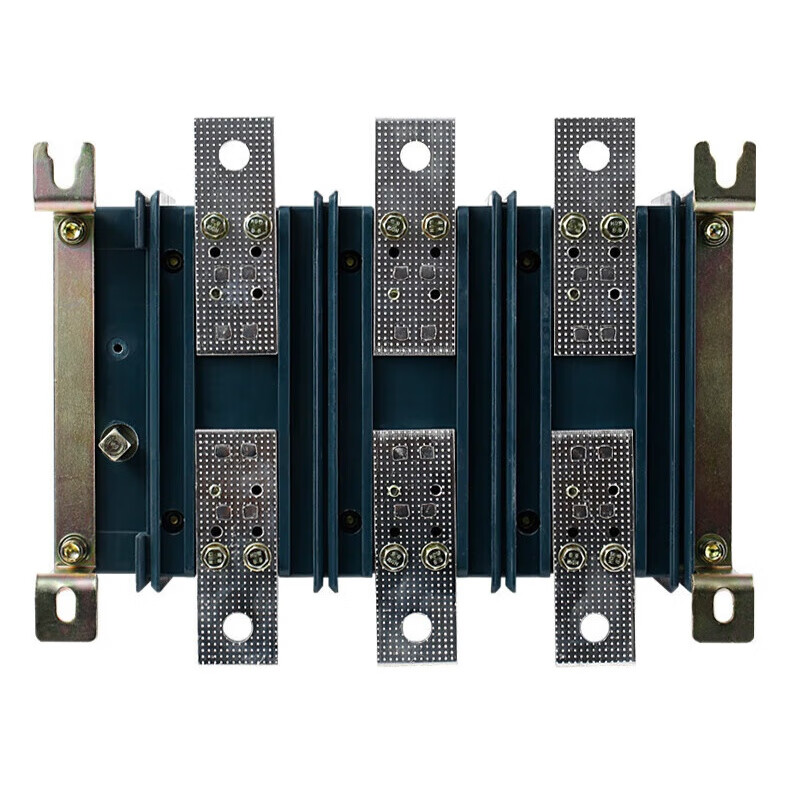
Fuse disconnector switches (also called fused isolator switches or fuse combination switches) show up anywhere you need safe isolation and high‑performance overcurrent protection in one compact device. Here’s where I see them used most in the U.S. market.
Solar PV Systems and DC String Protection (Up to 1500V)
On modern solar farms, a DC fuse disconnect switch is almost standard:
Used on PV strings, array junction boxes, and combiner boxes
Rated up to 1000V or 1500V DC for utility‑scale plants
Protects cables and equipment from short circuits and reverse currents
Provides a lockable, visible isolation point so techs can work safely
Often used as a PV string fuse holder with disconnect for each string input
For large solar + grid systems, these devices sit alongside other primary gear like medium‑voltage switchgear and transformers, similar to what’s described in guides on GIS switchgear for compact substations.
Industrial Distribution Boards and Motor Control Centers
In industrial plants, an NH fuse disconnector or HRC fuse disconnector is a workhorse:
Feeds sub‑panels, motor control centers (MCCs), and large loads
Handles high inrush currents and short‑circuit levels better than many breakers
Supports selective coordination with upstream fuses and downstream devices
Lets you isolate and protect motors, transformers, and feeders in one device
This is where 3‑pole and 4‑pole IEC 60947‑3 switch disconnectors with NH fuses are very popular.
EV Charging Stations and DC Fast Chargers
With EV infrastructure, reliability and safety are non‑negotiable:
Used on the AC input side to protect feeders and distribution panels
Used on the DC side of fast chargers to protect DC buses and modules
Supports high continuous current plus high interrupting rating for faults
Provides a lockable fuse isolator for safe maintenance and service
For high‑power DC fast chargers, a 1500V DC fuse switch disconnector is becoming common, especially in large charging hubs and fleet depots.
Railway, Traction, and Rolling Stock Power
Rail and traction systems push equipment hard:
Used in DC traction substations and auxiliary distribution panels
Protects traction feeders, auxiliary converters, HVAC units, and control circuits
Needs high breaking capacity and very robust, vibration‑resistant construction
Often designed as vertical fuse switch disconnectors for tight, tall panels
Here, fused load break switches are chosen because they clear faults fast and handle high fault currents without taking out the entire system.
Commercial Buildings, Data Centers, and Critical Loads
For commercial power distribution, fuse disconnector switches help keep uptime high:
Installed in main switchboards, sub‑panels, and UPS input/output panels
Protects UPS systems, chillers, large AHUs, IT loads, and riser feeders
Offers selective protection so a fault in one branch doesn’t drop the whole site
Gives a clear isolation point for safe work on critical feeders and equipment
Data centers and hospitals often prefer fuses because of their fast fault clearing and predictable behavior during short circuits.
Battery Energy Storage Systems (BESS) and Inverter Cabinets
For BESS and hybrid systems, fuse disconnector switches are key for DC safety:
Used between battery racks, DC busbars, and inverters
Provides short‑circuit protection and isolation at DC voltages up to 1500V
Helps limit fault energy in lithium battery systems, reducing damage risk
Allows quick visual confirmation that a battery string or rack is isolated
Many U.S. integrators specify fused disconnect switches for solar plus storage, rather than only breakers, to control fault energy and improve selectivity.
Typical Installation Locations
You’ll usually find fuse disconnector switches in:
Main switchboards – as incomers, feeders, and sectionalizers
Distribution panels – for large branch circuits and motor groups
PV combiner boxes and DC junction boxes – one per string or per group of strings
Inverter cabinets and power skids – between DC source and power electronics
Control panels and MCCs – as fused isolators for motors, transformers, and drives
Whether you call it a fused load break switch, fused disconnect switch, or fused isolator switch, the idea is the same: one compact device that safely disconnects and reliably protects high‑value equipment and critical loads.
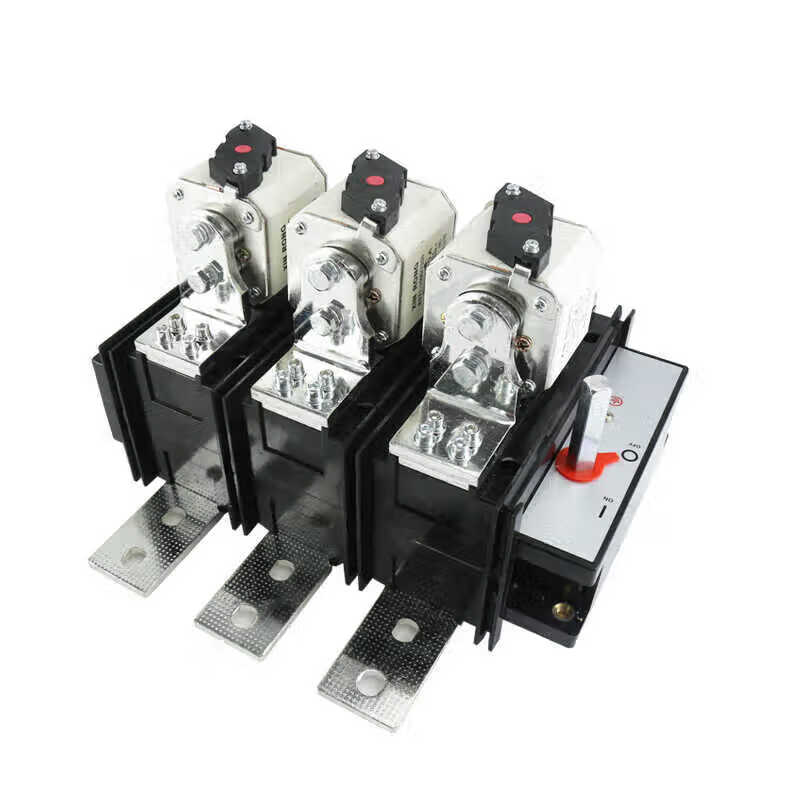
Types and Classifications of Fuse Disconnector Switches
When I pick a fuse disconnector switch for a U.S. project, I always start with a few basics: AC vs DC, number of poles, current rating, fuse type, duty category, and where it’s going to be installed. Getting these right is what separates a safe, clean install from a problem project.
AC vs DC Fuse Disconnector Switch
An AC fuse disconnector switch and a DC fuse disconnector switch are built for very different jobs.
AC fuse disconnector switches are used on standard building and industrial power (120/240/480/600V AC).
DC fuse disconnect switches are designed for PV strings, BESS, EV chargers, and DC busbars, often up to 1000V–1500V DC.
DC versions have stronger arc control and clear DC ratings on the label (look for DC‑21/22/23 or DC‑PV and 1000–1500V DC).
For solar and storage, I always go with a 1500V DC fuse switch disconnector that’s listed specifically for PV or battery use—no guessing, no mixing AC-only gear on the DC side.
Number of Poles: 1P, 2P, 3P, 4P
Pole count is about how many conductors you want to switch and protect at the same time.
1P: Simple DC string or single hot leg; common for PV string fuse holder with disconnect.
2P: Single‑phase 240V AC (L‑L), or positive and negative on DC; typical in small PV and BESS cabinets.
3P: Three‑phase 480V/600V industrial loads, motor panels, and distribution boards.
4P: Three‑phase plus neutral isolation; I use this in commercial panels where we want full neutral disconnection and clear isolation.
Current Ratings: 32A to 1600A+
Fuse disconnector switches cover a wide range, so I match the current rating to the feeder or equipment:
Common sizes: 32A, 63A, 100A, 160A, 250A, 400A, 630A, 800A, 1250A, 1600A+.
For small branch circuits and PV strings: 32–160A.
For mains, motor control centers, and big switchboards: 400–1600A and higher.
At higher currents, I often coordinate them with upstream devices like medium‑voltage vacuum circuit breakers to keep protection selective and reliable (vacuum circuit breaker solutions).
Supported Fuse Types and Sizes
A fuse disconnector switch is basically a fuse combination switch or fused isolator switch, so the fuse type matters a lot:
NH (DIN) fuses / NH fuse disconnector: Very common in high‑current industrial and utility work; great breaking capacity.
Cylindrical fuses (e.g., 10x38, 14x51, 22x58 mm): Used for PV strings, control circuits, and smaller loads.
BS88 fuses: Popular in many commercial/industrial specs, especially on legacy or UK‑influenced designs.
UL Class J/CC fuses: Standard in North American panels and motor applications; I use these when I want tight let‑through energy and easy UL coordination.
High‑rupturing‑ca" pacity (HRC) fuses are what give a HRC fuse disconnector its high breaking capacity on serious fault currents.
Utilization Categories: AC‑20 AC‑22 AC‑23 DC‑21 DC‑22 DC‑23
On IEC‑style nameplates (IEC 60947‑3 switch disconnector standard) the utilization category tells you what duty the device can actually handle:
AC‑20 / DC‑20: Isolation only no load switching—basically off‑load disconnect.
AC‑22 / DC‑22: Mixed resistive/inductive loads moderate switching duty.
AC‑23 / DC‑23: Heavy motor or highly inductive loads frequent switching—think fused load break switch duty.
In real terms: if I’m switching motors transformers or DC strings under load I look for AC‑23 or DC‑23. If it’s only for lockout/tagout isolation AC‑20 or DC‑20 can be enough.
Indoor vs Outdoor and Enclosure Ratings
For U.S. jobs I align IEC IP ratings with the environment just like NEMA types:
Indoor fuse disconnector switches: Often IP20/IP30 inside a panel enough for finger‑safe operation.
Outdoor or harsh environment: I use devices in IP65 or IP66 housings or mounted inside NEMA 3R/4/4X enclosures.
In washdown coastal or dusty sites (food plants wastewater solar farms) a sealed lockable fuse isolator with at least IP65 makes maintenance and safety a lot easier.
Mounting Styles: Panel Switchboard Inline
Mechanical design matters a lot when I lay out a panel or combiner box:
Panel‑mounted fuse disconnector switch: Mounts through a door or panel front with a handle; good for MCCs and commercial switchboards.
Switchboard‑mounted / vertical fuse switch disconnector: Fits on busbars or in vertical sections; ideal for high‑current feeders and modular switchgear.
Inline fuse disconnector: Installed in cable runs for field equipment PV strings or roof‑mounted gear where you need a local fused disconnect.
By matching type poles rating fuse style duty category enclosure and mounting I can dial in exactly the fused disconnect switch the project needs—no overspending no under‑spec and clean inspections.
Standards and Certifications for Fuse Disconnector Switches
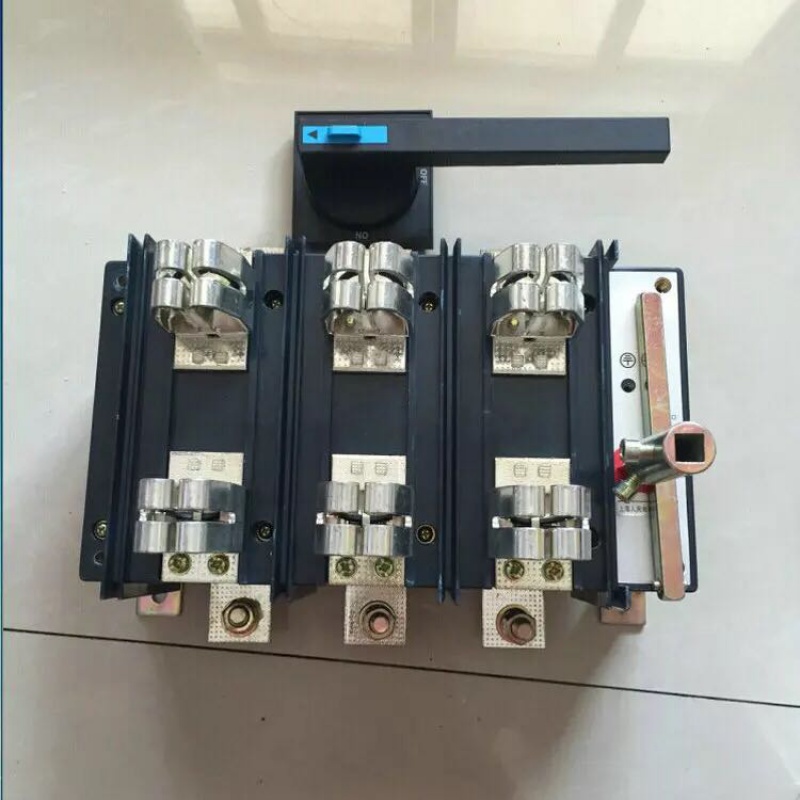
When you’re choosing a fuse disconnector switch for a U.S. project standards and certifications are non‑negotiable. They tell you if the device is actually tested to do what the label claims—especially under fault conditions.
IEC 60947‑3 – Global Baseline for Fuse Switch Disconnectors
For most industrial and energy projects IEC 60947‑3 is the main global standard behind a fuse switch disconnector (also called a fuse combination switch or fused isolator switch). It defines:
Switching and isolation performance (making/breaking capacity utilization categories like AC‑22 AC‑23 DC‑21 DC‑23)
Dielectric and impulse withstand voltage
Mechanical endurance (number of operating cycles)
Temperature rise limits at rated current
Clearance and creepage distances for safety
If a fuse disconnector doesn’t state “IEC 60947‑3” on the data sheet or nameplate I’d treat that as a red flag for any serious industrial PV or storage job.
For medium‑voltage projects where you’re mixing low‑voltage panels with higher‑voltage equipment it’s also worth understanding how the low‑voltage fuse switch pairs with upstream indoor high‑voltage disconnect switches that comply with related IEC standards like a GN38‑12 indoor high‑voltage disconnect switch.
UL 98 and UL 508 – North American Requirements
In the U.S. you should be looking at UL marks especially for anything going into:
UL‑listed industrial control panels
Commercial buildings
Data centers
EV charging gear
Solar and BESS enclosures
Key standards:
UL 98 – Enclosed and Dead‑Front Switches
This is the go‑to for fused disconnect switches feeding building loads and distribution equipment. UL 98 focuses on:Safe on‑load switching
Short‑circuit performance
Proper enclosure and operator protection
UL 508 – Industrial Control Equipment
Applies when the fuse disconnector is built into industrial control panels and motor control centers. You’ll usually see UL 508A on panel labels which means all switchgear inside (including fuse disconnects) must be compatible with that ecosystem.
If you’re doing U.S. work I always recommend: IEC + UL together. IEC gives strong design/performance guidance; UL ensures smooth acceptance by AHJs and inspectors.
Special PV and DC Standards: IEC DC‑PV2 and UL 98B
For solar PV and battery energy storage—especially at 1000–1500V DC—you’re in a different league. You need devices specifically tested for high‑DC arcs.
Look for:
IEC 60947‑3 DC‑PV2
This classification tells you the DC fuse disconnector switch is tested for:High DC voltage (up to 1500V DC)
PV‑type fault conditions
Specific DC utilization categories (e.g. DC‑21B DC‑22B DC‑23B)
UL 98B – Enclosed and Dead‑Front Switches for Use in PV Systems
This is critical for fused disconnect switches for solar in North America. It validates:DC switching performance
PV fault clearing
Temperature performance under real PV loading
Any 1500V DC fuse switch disconnector you install on PV strings combiner boxes or DC feeders should clearly show compliance with these PV‑DC standards.
Why CE UKCA and Third‑Party Testing Matter
For U.S. engineers sourcing globally you’ll often see:
CE (European Economic Area conformity)
UKCA (United Kingdom conformity)
These marks show the product meets relevant EU/UK directives but what really matters is third‑party testing:
Independent lab reports (TÜV DEKRA UL Intertek etc.)
Type‑test certificates for:
Short‑circuit performance
Temperature rise
Endurance testing
CE or UKCA alone is not proof of robustness. I always ask for test reports and type certificates for any critical NH fuse disconnector HRC fuse disconnector or vertical fuse switch disconnector we’re putting into mission‑critical systems.
Short‑Circuit Rating Breaking Capacity and Coordination
For U.S. projects inspectors and insurers will always look at how your fuse disconnect switch behaves in a fault. You must check:
Rated short‑circuit current (Icc or Icu/Ics)
The maximum fault current the device (with the correct fuse) can safely interrupt.Breaking capacity of the fuse
Especially for NH BS88 UL Class J/CC or cylindrical fuses. Fuses typically have very high breaking capacities which is a major advantage vs some molded case breakers.Coordination with upstream devices
Ensure:The upstream breaker or fuse doesn’t trip first on minor faults.
The downstream fuse combination switch clears the fault quickly and locally.
You maintain selective coordination so you don’t black out large sections of the plant.
Short‑circuit ratings must be equal to or higher than the available fault current at that point in your system—this is one of the first things I validate in a design review.
Labeling Marking and Documentation to Check
Before I approve a fused load break switch or lockable fuse isolator for a job I always verify the nameplate and paperwork. Key items:
On the device / nameplate:
Rated voltage (e.g. 690V AC 1000V DC 1500V DC)
Rated current (e.g. 160A 400A 800A 1600A)
Utilization category (AC‑20 AC‑22 AC‑23 DC‑21 DC‑23 DC‑PV2 etc.)
Short‑circuit rating and associated fuse class/type
Number of poles (1P 2P 3P 4P)
Standard marks: IEC 60947‑3 UL 98 UL 98B UL 508 where relevant
Manufacturer model and serial or batch number
IP rating (e.g. IP65 or IP66) for indoor/outdoor usage if in its own enclosure
In the documentation:
Installation manual with:
Wiring diagrams
Torque values for terminals
Mounting orientations allowed
Fuse selection tables for:
Motor circuits (aM/gG)
PV strings and arrays (gPV or DC‑PV rated)
BESS and inverter DC feeders
Coordination charts with upstream breakers or fuses
Certification copies (IEC UL test reports)
Well‑documented fully certified fuse disconnect switches dramatically reduce commissioning issues and help you clear inspections faster—especially in stricter U.S. jurisdictions where electrical inspectors expect to see recognizable standards on every critical device.
Advantages of Using a Fuse Disconnector Switch
Isolation + Fuse Protection in One Compact Device
A fuse disconnector switch combines two jobs in one body:
Safe isolation – you can physically disconnect power for service or emergency shutdown.
Overcurrent/short‑circuit protection – the built‑in fuse blows and clears a fault before it damages equipment.
Instead of installing a separate isolator plus separate fuse holders you get a single compact “fuse combination switch” that’s easier to design around wire and operate.
Visible Break and Lockout‑Tagout Safety
For U.S. plants data centers and commercial sites safety and OSHA compliance matter. A quality fused isolator switch gives you:
Visible isolation – you can clearly see when the fuse carriers are open so the circuit is truly disconnected.
Lockable handle – you can padlock the handle in the OFF position for lockout‑tagout (LOTO) during maintenance.
Door interlock options – the door can’t open unless the switch is OFF reducing arc and shock risk.
That combination makes a fuse disconnector switch a very practical “lockable fuse isolator” for maintenance crews and contractors.
High Breaking Capacity with NH and HRC Fuses
Using NH (DIN) and HRC fuses a fuse disconnector switch can handle very high fault currents:
High breaking capacity (often 50–120 kA depending on fuse class).
The fuse clears the fault in milliseconds keeping let‑through energy low.
Ideal for short‑circuit heavy environments like MCCs switchboards and large PV or BESS installations.
You get the mechanical isolation of a switch with the fault‑clearing performance of a high‑rupturing‑capacity fuse disconnector.
Selective Coordination and Fast Fault Clearing
Fuses are still hard to beat for selective coordination:
Faster more predictable time‑current curves than many breakers.
Downstream fuses clear first so upstream feeders stay on.
Less nuisance tripping and fewer large‑scale outages.
In real U.S. projects (especially hospitals data centers and critical industrial loads) a fused load break switch design often makes it easier to meet selective coordination requirements than stacking multiple molded‑case breakers.
Space and Wiring Savings vs Separate Devices
Compared with a separate isolator plus fuse holders a fuse switch disconnector:
Cuts down panel width and depth.
Reduces wiring runs and termination points.
Simplifies panel layout and cable routing.
In tight combiner boxes MCC buckets and compact switchboards this space saving is a big deal. It also lowers labor time because you’re terminating into one unit instead of two or three.
If you’re comparing device footprints and wiring paths the savings are similar to the difference between a dedicated load break switch and a basic disconnect as covered in guides on products like an indoor load break switch for distribution panels.
Cost vs Circuit Breaker Solutions
In many applications a fuse disconnector switch is more cost‑effective than a full breaker package:
The device itself is often cheaper than an equivalent molded case circuit breaker with the same interrupting rating.
You don’t need additional fuse bases or a separate isolator.
Short‑circuit ratings can be achieved without paying for premium high‑IC breakers.
For high‑current feeders PV arrays and BESS strings we regularly see project bills of material where a 1500V DC fuse switch disconnector plus fuses comes in under the price of a DC breaker with similar fault ratings especially at higher voltages where breakers get expensive.
Easy Maintenance and Fast Fuse Replacement
Fuse disconnector switches are straightforward to maintain:
Quick fuse change – open the switch pull the NH or cylindrical fuse drop in a new one.
No need to recalibrate or test trip units like you would on an adjustable breaker.
Visual indication (blown fuse indicators visible carriers) simplifies troubleshooting.
Less complex mechanics usually mean longer service life with fewer failures.
For U.S. facility teams and service contractors that means less downtime simpler spares management and fewer surprises during inspections—especially in critical systems where you can’t afford long outages.
Safety and Installation Best Practices for a Fuse Disconnector Switch
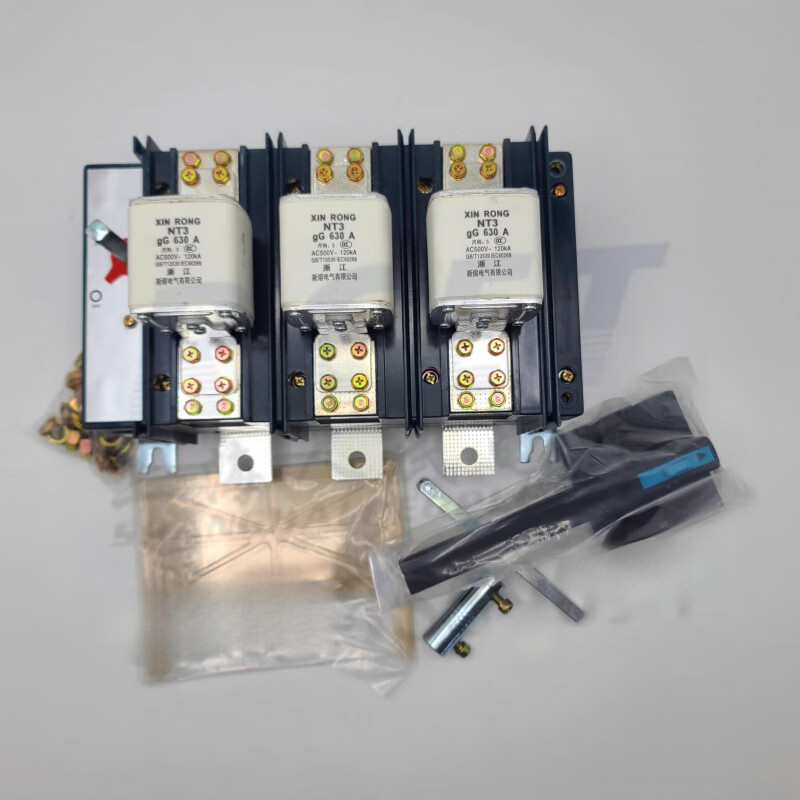
When you’re installing or maintaining a fuse disconnector switch (fuse combination switch fused isolator switch NH fuse disconnector DC fuse disconnect switch etc.) getting the basics right is what keeps people and equipment safe. Here’s how I approach it on real U.S. projects.
Choose the Right Fuse Rating Voltage and Breaking Capacity
Start with the fault level and system data not the catalog.
Voltage rating
AC systems: select a fuse disconnector and fuses with Ue/Ui ≥ system nominal voltage (e.g. 480Y/277 V 600 V).
DC and PV: for 1000–1500 V strings use a 1500V DC fuse switch disconnector or dedicated fused disconnect switch for solar tested for that exact DC rating (per IEC 60947‑3 DC‑PV2 or UL 98B).
Current rating
The switch rating (In) must be ≥ maximum continuous load current with margin for ambient temperature and enclosure heating.
Fuse rating (In fuse) is usually sized at 1.25–1.5× the continuous load depending on NEC article and application (motors PV BESS).
Breaking capacity / short‑circuit rating
Check the Icu / Icc rating of the fuse and the short‑circuit withstand rating of the switch.
The available fault current at the installation point must be ≤ the tested breaking capacity.
For high fault levels use HRC / NH fuse disconnectors or BS88 / UL Class J fuses with high interrupt ratings.
Match Fuse Type (gG aM aR etc.) to the Job
Use the right fuse curve for what you’re protecting:
gG / gL fuses
General‑purpose full‑range protection (overload + short‑circuit).
Good for feeders distribution boards commercial loads.
aM fuses
Motor‑rated short‑circuit only; must be paired with overload relays.
Right choice for motor control centers (MCCs) and large HVAC or pump motors.
aR / gR fuses
Very fast semiconductor fuses.
Use for inverters drives EV chargers BESS power electronics.
PV and DC‑rated fuses
Use dedicated PV string fuses and DC fuse disconnector switches tested for 1000–1500 V DC reverse current and high ambient temps.
Never mix AC‑only fuses into a PV or BESS DC circuit.
Always verify the fuse utilization category and time‑current curve in the datasheet against your NEC coordination and protection requirements.
Cable Sizing Terminations and Tightening Torque
Most failures I see come from bad terminations not bad products.
Cable sizing
Size conductors per NEC ampacity tables for continuous load ambient and conduit fill.
Check the fuse disconnector’s terminal size range (Cu/Al solid/stranded).
Terminations
Strip the conductor to the manufacturer’s spec—no exposed bare copper outside the terminal.
Use proper lugs or ferrules; avoid mixing aluminum cable with terminals rated Cu‑only.
Keep bending radius within cable limits especially on large NH fuse disconnectors.
Tightening torque
Follow the torque values printed on the device or in the datasheet.
Use a calibrated torque wrench or driver.
Re‑torque after initial energization if the manufacturer recommends it (thermal cycling can loosen strands).
Mounting Direction Ventilation and Heat Dissipation
Fuse disconnector switches and HRC fuses run warm—plan for it.
Mounting position
Respect any “vertical only” or “upwards handle” instructions especially on vertical fuse switch disconnectors and high‑current NH types.
Wrong orientation can affect contact pressure and fuse performance.
Ventilation and spacing
Leave clearance above and below the device for airflow; don’t push it tight against the enclosure roof.
In compact switchboards and combiner boxes consider vented doors or side louvers.
Grouping multiple high‑current fuse disconnects? Derate or add spacing based on manufacturer tables.
Temperature checks
On full load use an IR camera for hot‑spot checks on terminals and fuse links.
Persistent hot spots mean: wrong cable size loose terminations or overloaded fuse disconnector.
Handle Interlocks Padlocking and Safe Isolation
A fuse switch disconnector is a safety device—treat the handle like your last line of defense.
Visible “OFF” and “ON”
Use a door‑mounted or front‑mounted handle with clear OFF/ON indication.
For lockout‑tagout (LOTO) pick a lockable fuse isolator that accepts padlocks in the OFF position.
Door interlocks
On enclosed units use door interlock mechanisms so the door can’t be opened with the handle ON.
For maintenance there should be a defeat feature accessible only with a tool as allowed by code.
Mechanical interlocks
On transfer systems use mechanically interlocked fused load break switches to prevent backfeeding sources.
Common Installation Mistakes (and How to Avoid Them)
These are the problems I see most often in U.S. installations:
Using AC‑only devices in DC/PV circuits
Fix: always choose a DC fuse disconnector with appropriate DC utilization category (e.g. DC‑21 DC‑22 DC‑23 or DC‑PV2).
Under‑rated short‑circuit capability
Fix: calculate available fault current and match Icc / interrupt rating of the fuse and switch to that value.
Mixed or wrong fuse types
Fix: standardize on the correct gG aM aR PV type per circuit; never mix curves in the same pole or phase.
Loose terminations and overheating
Fix: follow torque specs use proper lugs check tightness during commissioning and early maintenance.
No space for fuse replacement
Fix: allow enough front clearance to fully withdraw fuse carriers and replace fuses without stressing cables.
Inspection Testing and Periodic Maintenance
Fuse disconnector switches need simple but consistent attention:
Visual checks (at least annually or per site policy)
Inspect for discoloration cracking or deformation of the housing and fuse carriers.
Check that the handle operates smoothly from ON to OFF with no binding.
Confirm labels ratings and LOTO markings are still readable.
Mechanical and electrical tests
Verify contact operation (OFF means a real visible break when opened).
For critical systems perform insulation resistance testing with fuses removed if the manufacturer allows.
Fuse condition
Replace any fuses that show signs of overheating or corrosion.
After any major fault or nuisance trip investigate the cause then replace fuses with the same type and rating.
Thermal and torque re‑checks
Periodically scan with thermal imaging under load.
Re‑torque terminals on maintenance intervals aligned with your facility’s electrical safety program.
If your project also includes outdoor medium‑voltage gear like vacuum circuit breakers or high‑voltage insulators run the same disciplined approach: correct ratings clean terminations proper mounting and regular inspections. That mindset is what keeps fuse disconnector switches safe and reliable over the long term.
How to Choose the Right Fuse Disconnector Switch
Picking the right fuse disconnector switch is mostly about doing the basics right then checking a few critical details. Here’s how I walk through it on real U.S. projects.
Step‑By‑Step Selection Checklist
Use this quick checklist before you buy:
| Step | What to Confirm | What You’re Looking For |
|---|---|---|
| 1 | System voltage | Rated ≥ max system voltage (AC or DC) |
| 2 | Rated current | In line with load + cable size |
| 3 | Fault level | Short‑circuit rating ≥ available fault current |
| 4 | AC / DC type | AC fuse disconnector or DC fuse disconnect switch |
| 5 | Poles | 1P 2P 3P 4P to match phases and neutral |
| 6 | Standards | IEC 60947‑3 UL 98 / UL 98B UL 508 where needed |
| 7 | Fuse type | NH cylindrical BS88 UL Class J/CC as per design |
| 8 | Environment | Indoor/outdoor NEMA / IP rating temperature |
| 9 | Accessories | Lockable handle extension shaft door coupling |
| 10 | Brand & docs | Test reports datasheets coordination data |
Define Voltage Current and Fault Level First
Before you touch catalogs lock in the basics:
System voltage
Confirm: phase‑to‑phase (e.g. 480V AC) DC bus (e.g. 1000V or 1500V DC).
Your fuse combination switch must be rated for that voltage or higher. If you’re not sure how your upstream transformer is set up review the one‑line and if needed revisit the basics of a transformer in electricity.
Rated current
Base it on continuous load × safety factor (typically 1.25× for many continuous loads).
Make sure the fuse disconnector’s rated current fits both the load and the conductor sizing rules in NEC.
Available fault current
Ask: “What’s the worst‑case short‑circuit current at this point?”
The device’s short‑circuit rating (Icu/Icc) must be ≥ that value and the fuses (HRC NH or Class J/CC) must handle that energy.
AC vs DC Fuse Disconnector Choice
Never mix this up:
AC fuse disconnector switch
Used on 208/240/277/480V distribution MCCs and building panels.
Look for IEC 60947‑3 AC‑22 / AC‑23 and UL 98 compliance.
DC fuse disconnect switch
Used on PV strings battery racks DC busbars EV chargers and rectifier outputs.
Look for DC utilization categories (DC‑21 / DC‑22 / DC‑23) and PV‑specific ratings like DC‑PV2 on the nameplate.
For 1000–1500V PV and BESS a dedicated 1500V DC fuse switch disconnector is mandatory; an AC fused isolator switch is not acceptable.
Check Standards Certifications and Test Reports
For U.S. and export jobs I never skip this part:
Core standards
IEC 60947‑3 switch disconnector / fuse switch disconnector
UL 98 or UL 98B (fused disconnect switch for solar and DC)
UL 508 / UL 508A panel builds where applicable
What to verify on the datasheet
Voltage rating (AC / DC and PV if applicable)
Short‑circuit rating with specific fuse class
Utilization category (AC‑23A DC‑21B etc.)
Environmental rating (IP / NEMA temperature range)
Test reports & labeling
Ask for third‑party test reports for critical systems.
Confirm CE / UKCA if you’re selling or shipping gear outside the U.S.
Questions to Ask Your Fuse Disconnector Supplier
When I qualify a fuse switch disconnector I usually ask:
What is the maximum short‑circuit current it’s tested for with the recommended fuses?
Is this an AC‑only device or is it also certified as a DC fuse disconnect switch and up to what voltage?
Which fuse types and classes are approved (NH cylindrical BS88 UL Class J/CC)?
Can you provide time‑current curves and selective coordination data with upstream breakers?
Do you have field‑installable accessories (aux contacts door handles shaft kits)?
For PV or BESS: is it certified to IEC 60947‑3 DC‑PV2 or UL 98B for 1000/1500V DC systems?
Example: Selecting a 1500V DC Fuse Disconnector for a Solar PV Project
Let’s say you’re designing a utility‑scale PV plant with 1500V DC strings going into combiner boxes and then to centralized inverters:
1. System data
Max DC voltage: 1500V
String current: 12A; combiner input per pole: 15A fuse 200A total bus
Available DC fault current at combiner bus: 25 kA
2. Device choice
Voltage rating: ≥ 1500V DC DC‑PV2 category
Current rating: 250A fuse disconnector to feed the inverter input
Fuses: PV‑rated gPV cylinders (or NH gPV where higher currents are needed)
3. Compliance
IEC 60947‑3 DC‑PV2
UL 98B for the U.S. market
Verified short‑circuit rating at 25 kA with specified fuse type
4. Why I’d use a WEISHO WSD‑FDS series here
Our WEISHO WSD‑FDS 1500V DC fuse switch disconnectors are designed specifically for utility‑scale PV and BESS with high DC breaking capacity and compact footprints that fit tight combiner boxes.
The handle is lockable in OFF giving a clear visible isolation point for maintenance crews which is a big deal on U.S. solar sites with strict LOTO procedures.
Why Many Engineers Pick WEISHO WSD‑FDS for Critical Systems
On critical DC systems (solar BESS EV fast charging) engineers in the U.S. keep coming back to branded vertical fuse switch disconnector solutions like WEISHO WSD‑FDS because:
They combine a fused load break switch and lockable fuse isolator in one robust device.
Short‑circuit ratings and HRC / NH fuse disconnector options support high fault levels without upsizing the entire switchboard.
The documentation is complete: IEC 60947‑3 UL testing coordination tables and wiring diagrams so panel builders can size conductors correctly and if needed tie back into guidelines similar to those used when choosing the right wire size for a 60‑amp circuit in residential or light commercial work.
They drop into standard PV combiner boxes and BESS cabinets with minimal busbar modification saving labor on every build.
If you follow the checklist above match the AC/DC rating to your real system and insist on proper certification and test data you’ll end up with a fuse disconnector switch that’s safe code‑compliant and easy to live with in the field.
Fuse Disconnector Switch Frequently Asked Questions
Can a fuse disconnector switch replace a circuit breaker in my panel?
Sometimes yes. It depends on what you need:
Use a fuse disconnector switch when:
You want high short‑circuit protection (NH / HRC fuses handle huge fault currents).
You need a visible lockable isolator for maintenance.
You’re okay with replacing fuses after a fault instead of just resetting a breaker.
You want a cost‑effective compact solution for feeders PV strings or DC systems.
Use a circuit breaker when:
You need frequent manual switching and easy reset.
You want adjustable trip settings (thermal‑magnetic or electronic).
You need advanced protection (overload short‑circuit sometimes ground fault) in one device.
In a lot of U.S. commercial and industrial panels we mix both: molded case circuit breakers for branch circuits and fuse disconnector switches for high‑fault or DC/PV/BESS circuits.
Is it safe to operate a fuse disconnector switch under load?
Only if it’s rated for load breaking.
Check the nameplate:
AC‑20 / DC‑20 → isolation only off‑load operation (no load current).
AC‑22 / DC‑22 → mixed resistive/inductive load breaking.
AC‑23 / DC‑23 → heavy inductive loads and motor loads.
If it’s not AC‑22/23 or DC‑22/23 you should:
Switch the load off upstream first (breaker contactor etc.).
Then operate the fuse disconnector as an isolator only.
Never assume it’s “on‑load‑ready” without reading the label.
What’s the difference between AC‑23 and DC‑21 on the nameplate?
These are utilization categories from IEC 60947‑3. In plain terms they tell you what kind of load the device can switch.
| Code | Use Case (Simplified) | Typical Application |
|---|---|---|
| AC‑21 | Resistive loads low inductance | Heaters simple resistive loads |
| AC‑22 | Mixed resistive & inductive | General purpose distribution |
| AC‑23 | Highly inductive / motor loads | Motors transformers heavy industrial loads |
| DC‑21 | Resistive DC loads | Pure DC resistive circuits |
| DC‑22 | Mixed DC loads | DC distribution with some inductance |
| DC‑23 | Highly inductive DC loads | DC motors some PV/BESS switching under load |
So:
AC‑23 = safe for switching AC motors and inductive loads.
DC‑21 = only for resistive DC loads not harsh inductive ones.
Match the utilization category to what you’re actually switching.
Do I really need a DC fuse disconnector on the PV side of a solar inverter?
In most U.S. PV systems above small residential sizes: yes you do.
You need a DC fuse disconnect switch when:
You’re dealing with high‑voltage strings (600–1500 V DC).
Code AHJ or utility requires DC isolation near the inverter.
You want string‑level or combiner protection with fast fault clearing.
Your inverter doesn’t provide all required DC protection internally.
Look for:
DC‑PV2 rating per IEC 60947‑3 (or UL 98B for PV DC disconnect switches).
Voltage rating up to 1000 V DC or 1500 V DC depending on your design.
Matching PV fuses (gPV) and string currents.
For critical PV projects engineers in the U.S. prefer branded tested DC fuse switch disconnectors over generic PV string fuse holders especially at 1500 V DC.
How often should I check and replace fuses in a fuse disconnector?
General practice for commercial/industrial sites in the U.S.:
Visual inspection:
At least once a year or during scheduled maintenance.
Check for discoloration overheating loose terminals damaged handles.
Fuse condition:
Replace immediately after a blown fuse or nuisance trip.
Verify the cause of the fault before re‑energizing.
For critical systems (data centers hospitals BESS) keep spare fuses on site.
Torque and connections:
Re‑torque terminals according to the manufacturer’s instructions during periodic maintenance.
If your system has very high fault levels (like medium‑voltage feeders feeding into low‑voltage switchgear) coordinate fuse maintenance with your overall protection system similar to what’s done with higher‑voltage gear like an 11 kV vacuum breaker.
Can I retrofit a fuse disconnector switch into an existing distribution board?
Usually yes , but check these points first:
Space & clearances:
Enough physical space and depth in the panel.
Respect required creepage and clearance distances especially for DC and higher voltages.
Busbar / cable compatibility:
Match busbar spacing bar size or cable lugs.
Confirm line and load routing fits safely.
Ratings:
Voltage current and short‑circuit rating must match or exceed your system.
Confirm coordination with upstream breaker or fuse.
Code & listing:
Use UL‑listed / recognized devices in UL‑labeled panels where required.
Follow panel manufacturer instructions and local NEC/CEC rules.
For heavy outdoor retrofits or overhead line applications you’d use dedicated outdoor disconnects (similar Idea to an outdoor disconnect switch) not a standard indoor panel fuse disconnector.
What size and type of fuse should I use for motors PV strings and BESS?
Here’s a quick guide. Always cross‑check with NEC manufacturer data and your engineer.
| Application | Recommended Fuse Type | Typical Notes |
|---|---|---|
| Motors (AC) | aM (motor protection) or time‑delay Class J/CC | Use motor FLA & inrush; often 125–175% of FLA depending on code and design |
| General feeders | gG/gL (general‑purpose) or full‑range Class J/CC | Protect cables and equipment against overload + short circuit |
| PV strings | gPV fuses in a DC fuse disconnector | Rated for PV voltage (up to 1500 V DC) string current × safety factor |
| PV array/combiner outputs | gPV or Class gPV NH fuses | Sized for combiner output current and inverter specs |
| BESS (battery energy storage) | aR (semiconductor) or specific BESS/ESS fuses | Consider battery short‑circuit current, inverter specs , and DC bus ratings |
| Drives/inverters | aR/semiconductor fuses | Very fast operation to protect IGBTs/semiconductors |
Key rules:
Never exceed the max fuse size listed for the fuse disconnector.
Match the voltage rating (AC or DC and the exact voltage level).
For motors and PV/BESS, always refer to equipment manuals and NEC articles for final sizing.