In everyday life, we rarely deal directly with current transformers (CTs), but they are Essential components in power systems. From household electricity to industrial production and high-voltage transmission, CTs ensure accurate monitoring, protection, and control of electrical current.
This article aims to introduce readers to the essential functions, structures, and Types of current transformers. No matter if you are an engineer, technician, or enthusiast, this guide will help you understand how CTs work. This will also help you choose the right one for your needs.
I. What Is a Current Transformer?
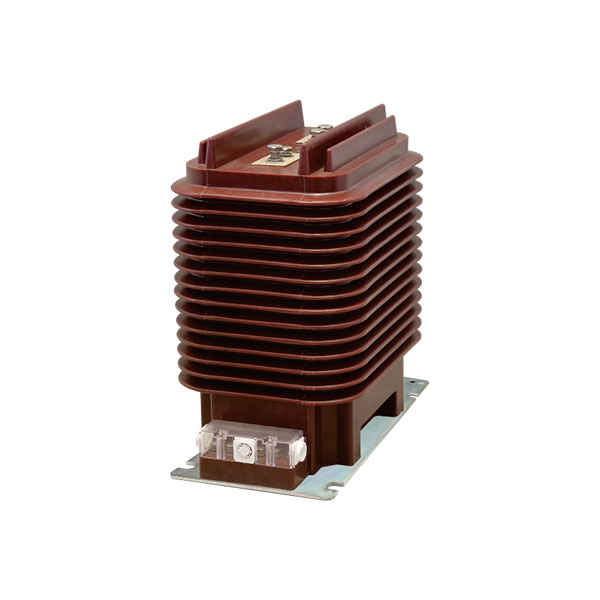
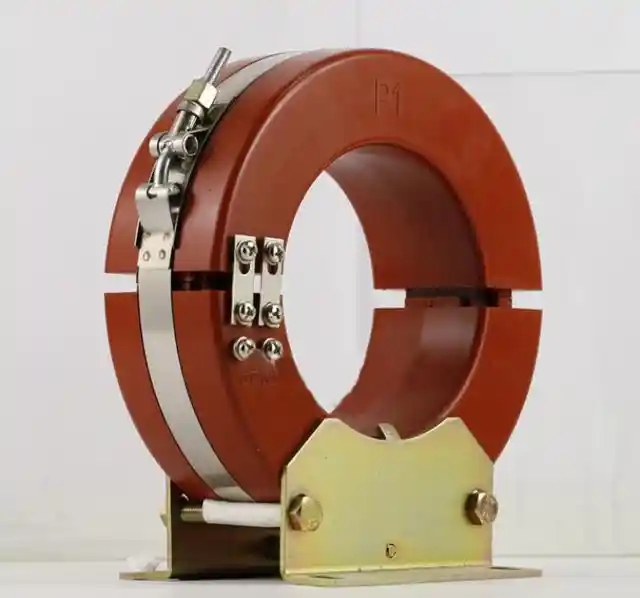
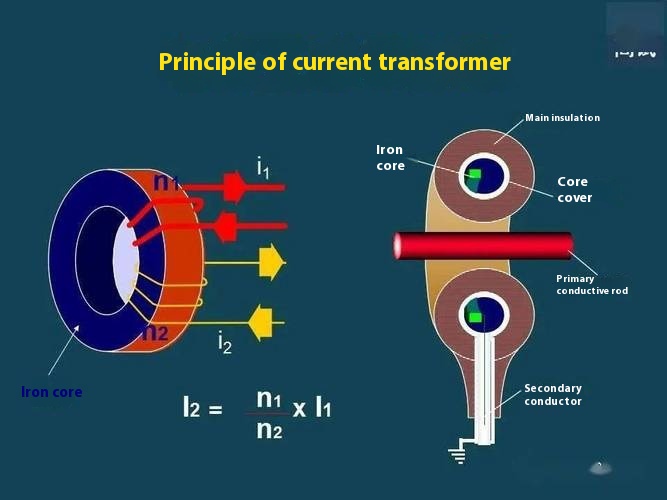
A current transformer is a special type of transformer. It reduces high current to a lower, proportional value. This makes it safe for monitoring and control by protective relays and measuring instruments.
1. Basic Structure
• The primary winding carries the high current and is connected in series with the main circuit.
• The secondary winding outputs a much smaller current (commonly 5A or 1A) and connects to meters or relays.
• The iron core enhances magnetic induction and ensures high measurement accuracy.
• The insulating enclosure provides safety and protection from high-voltage breakdown.
2. Operating Principle
CTs work on the principle of Electric induction. When alternating current flows through the primary winding, it creates a magnetic field in the core. This field induces a current in the secondary winding that is proportional to the primary current.
For instance, a CT with a 1000:5 ratio will produce 5A at the secondary side when 1000A flows through the primary circuit. The ratio remains consistent as long as the transformer operates within its rated limits.
II. Key Functions of Current Transformers
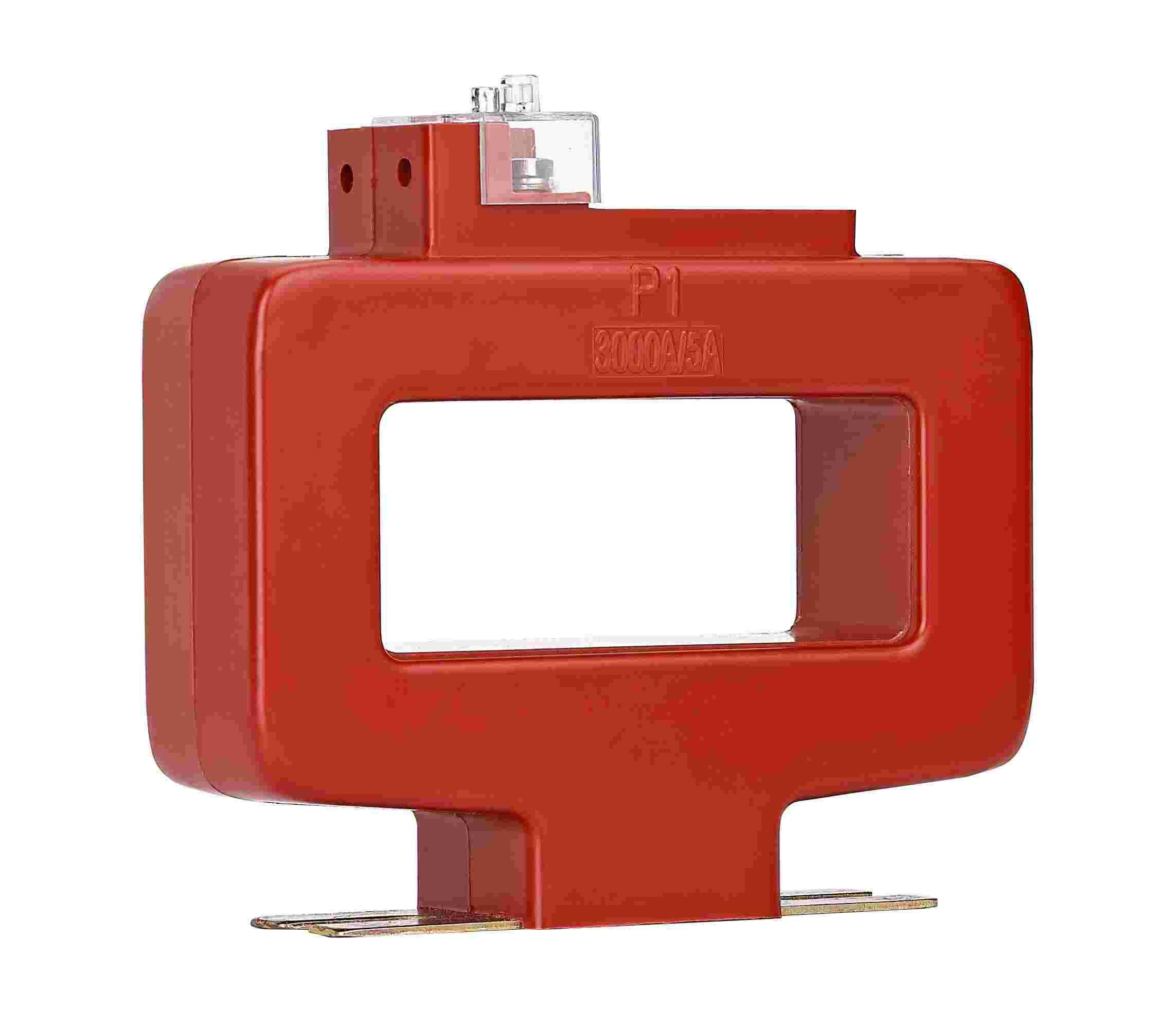
CTs serve multiple purposes in electrical systems, mainly in monitoring, protection, and safety enhancement.
1. Current Measurement
• Measuring high current directly is unsafe and impractical.
• CTs reduce current to a manageable level, enabling the use of standard measuring instruments.
• Typical applications include power utility metering, industrial load monitoring, and smart residential metering.
2. Relay Protection
• When a fault like a short circuit or overload occurs, CTs detect the abnormal current.
• They send signals to relays, enabling rapid disconnection of faulty sections.
• Common uses include overcurrent protection in substations, motor fault detection, and ground fault identification.
3. Energy Metering
• Accurate billing requires precise current and voltage measurements.
• Users employ CTs alongside voltage transformers to provide inputs to energy meters.
• This is especially important in smart grids, solar power systems, and utility billing.
4. Electrical Isolation
• CTs isolate high-voltage systems from low-voltage measurement devices.
• This makes it safer for personnel to monitor and maintain the system.
• The isolation reduces the risk of electric shock and equipment damage.
III. Types of Current Transformers
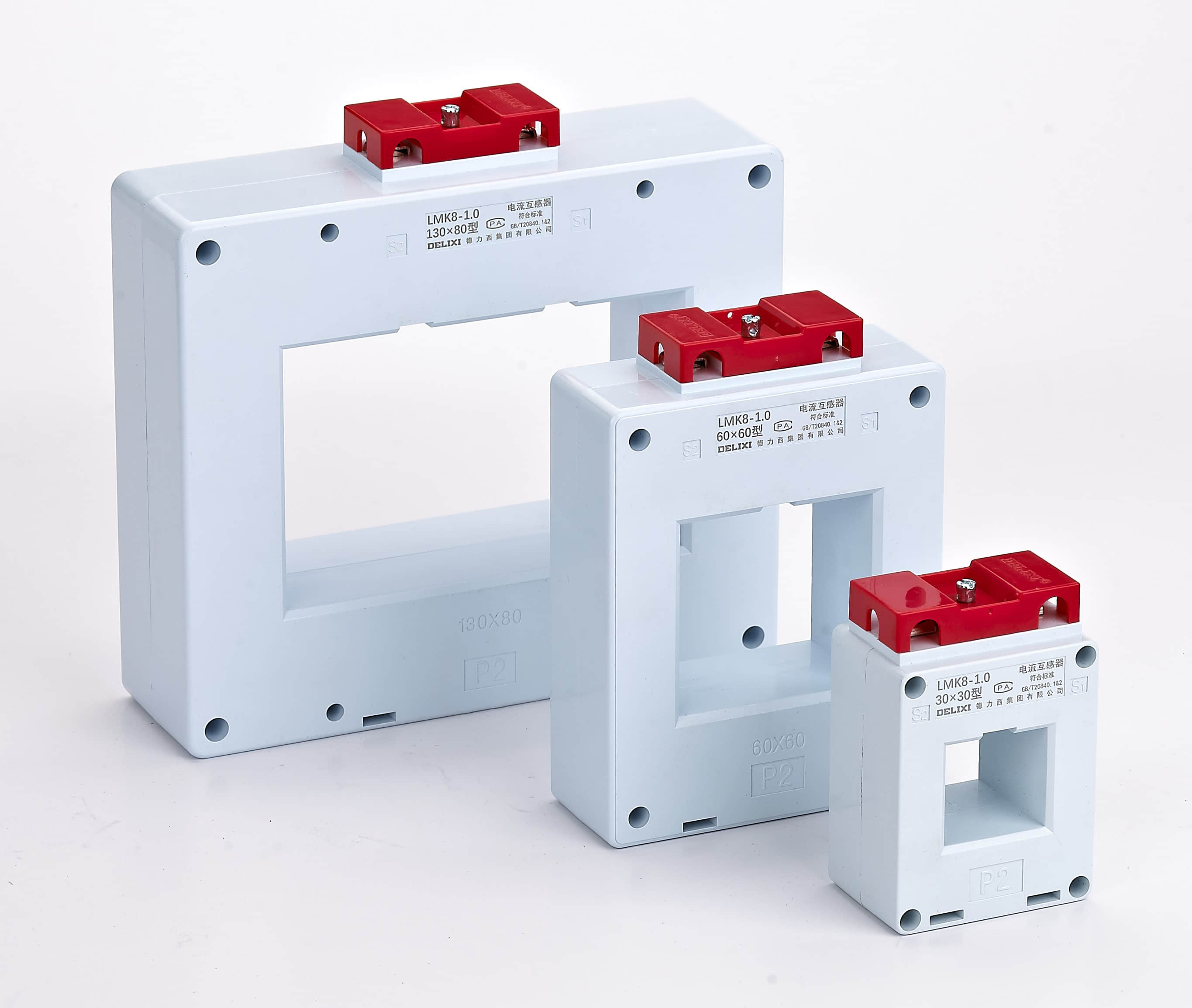
CTs are categorized by their function, installation method, and insulation type to suit different applications.
1. By Function
• Measuring CTs are designed for accuracy in monitoring and billing.
Protection CTs optimize their performance to handle fault currents and ensure accurate relay signals during abnormal conditions.
2. By Installation Method
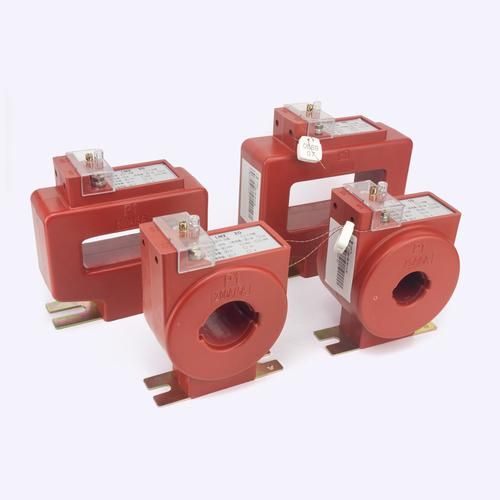
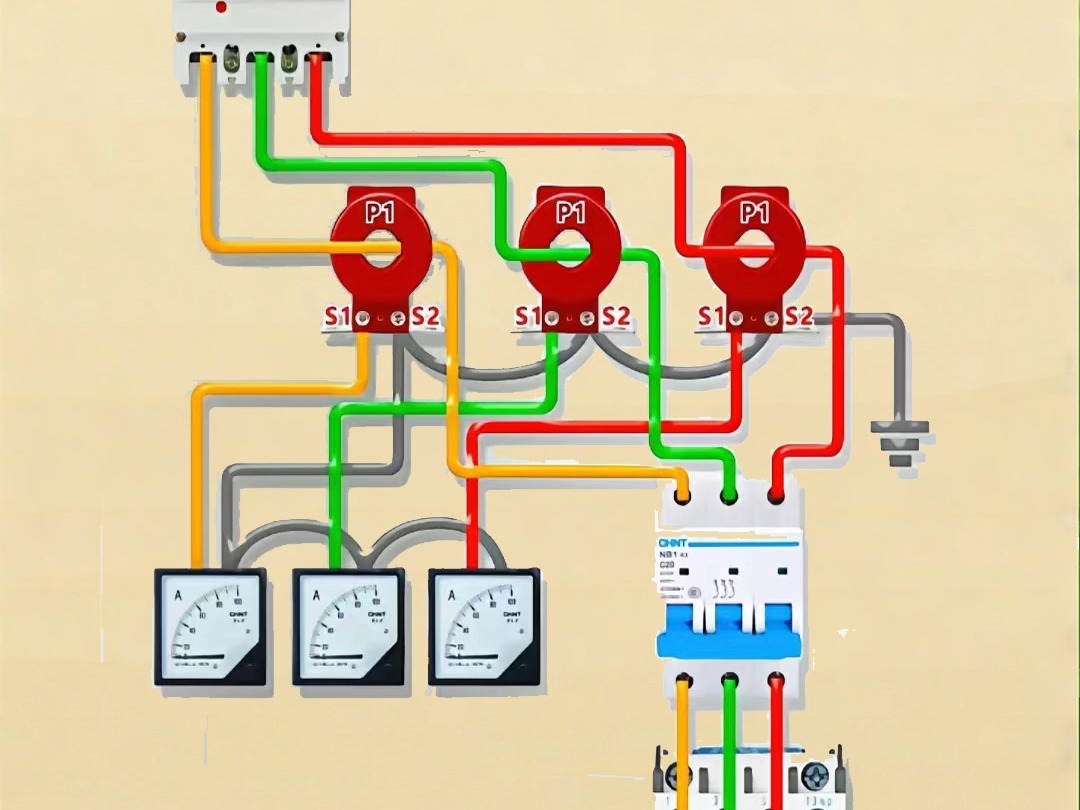
• Window-type CTs (through-core): Conductor passes through the CT window; easy to install.
• Support-type CTs: Mounted on supporting structures; used in high-voltage substations.
• Busbar-type CTs: Designed for current measurement in busbar systems.
3. By Insulation Medium
• Oil-immersed CTs: Used in high-voltage systems; require periodic maintenance.
• Dry-type CTs (epoxy resin): Maintenance-free; suitable for low and medium-voltage systems.
• Gas-insulated CTs (SF₆): Used in ultra-high-voltage environments with superior dielectric strength.
IV. How to Choose the Right Current Transformer
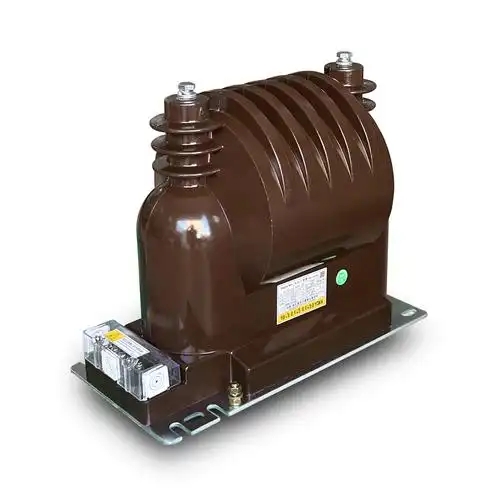
Choosing the appropriate CT involves considering several technical and environmental factors.
1. Rated Current Ratio
• Select a CT based on the maximum expected primary current.
• Typical ratios include 600:5 or 1000:5, with secondary current commonly at 1A or 5A.
2. Accuracy Class
• Measuring CTs typically requires 0.2 or 0.5 accuracy classes for precise readings.
• Protection CTs use 5P or 10P classes for reliable operation under fault conditions.
3. Rated Burden
• The total impedance of connected meters or relays must not exceed the CT’s rated burden.
• Overloading the secondary can reduce measurement accuracy or cause device failure.
4. Environmental Fit
• For outdoor installations, CTs must be resistant to moisture, UV, and corrosion.
• In high-temperature environments, insulation and material durability are critical.
V. Common Issues and Maintenance Guidelines
Proper maintenance ensures long-term performance and system safety.
1. Common Faults
• Open secondary circuit: May generate dangerously high voltage and damage connected devices.
• Core saturation: Leads to inaccurate readings or incorrect relay operation.
• Insulation degradation: Increases the risk of breakdown and electrical hazards.
2. Maintenance Tips
• Inspect terminal connections regularly to prevent loose wiring.
• Monitor temperature rise and replace units showing signs of overheating.
• Conduct routine insulation resistance tests to verify safety compliance.
VI. Emerging Trends in Current Transformer Technology
As power systems modernize, CT technology is evolving to meet new challenges.
1. Electronic Current Transformers (ECTs)
• ECTs use optical or Rogowski coil technology instead of magnetic cores.
• They eliminate core saturation and improve accuracy across wider ranges.
• Ideal for digital substations and smart grid integration.
2. Wireless and IoT Integration
• IoT-enabled CTs allow real-time remote monitoring and diagnostics.
• Utilities can perform predictive maintenance and system optimization.
• This reduces downtime and enhances overall grid efficiency.
3. Making smaller and Higher Precision
• Modern CTs are becoming more compact without sacrificing performance.
• They meet the demands of space-constrained installations and complex energy networks.
• High-precision models support advanced analytics and real-time decision-making.
VII. Conclusion
Current transformers are small, but they are crucial. They keep power systems stable, safe, and efficient. They allow accurate measurement, reliable protection, and safe electrical isolation, all critical to modern power infrastructure.
CTs are quiet guardians that keep electricity flowing. Utility companies, industrial plants, smart homes, and substations use them. Their roles will only expand as technology advances, bringing even greater value to the electrical grid.
By learning how current transformers work and how to choose the right model, you can make better and safer choices in any power project. We created this guide to help you do just that—and we hope it has provided the clarity and insight you were looking for.