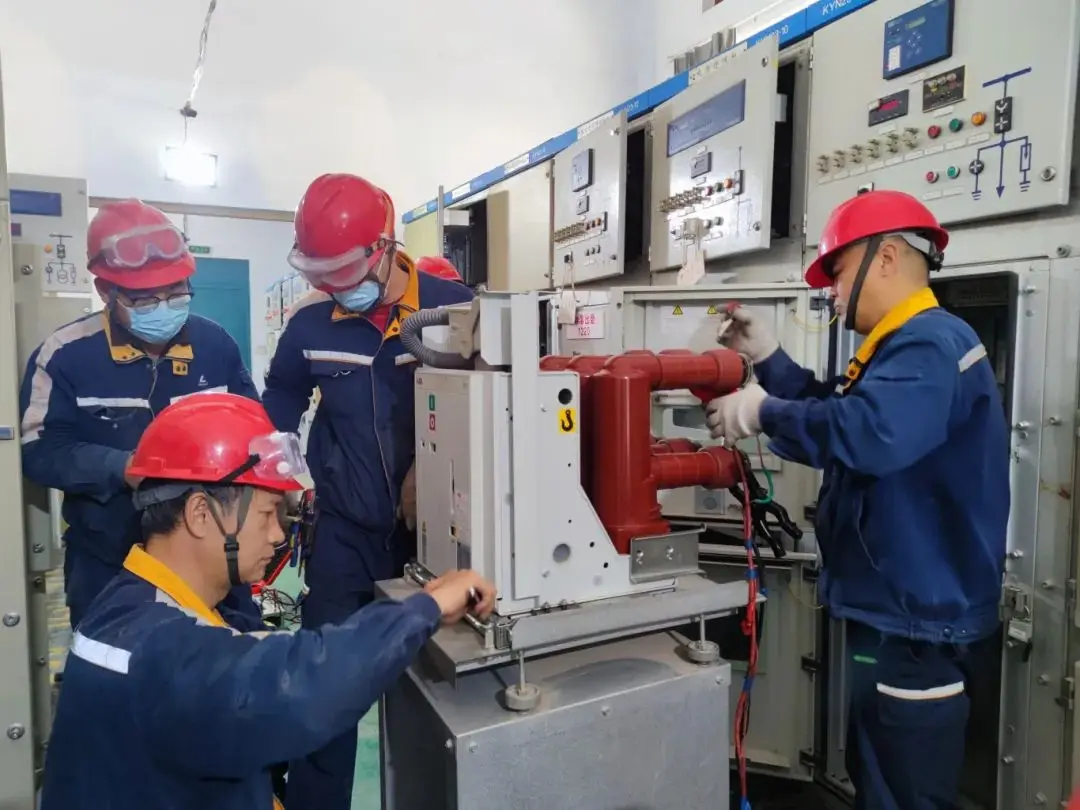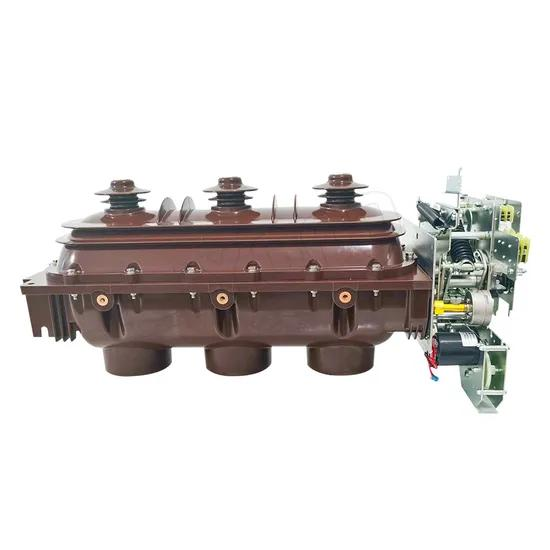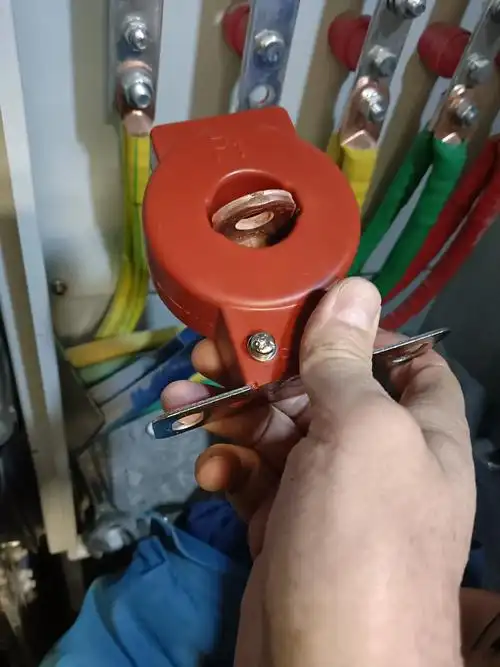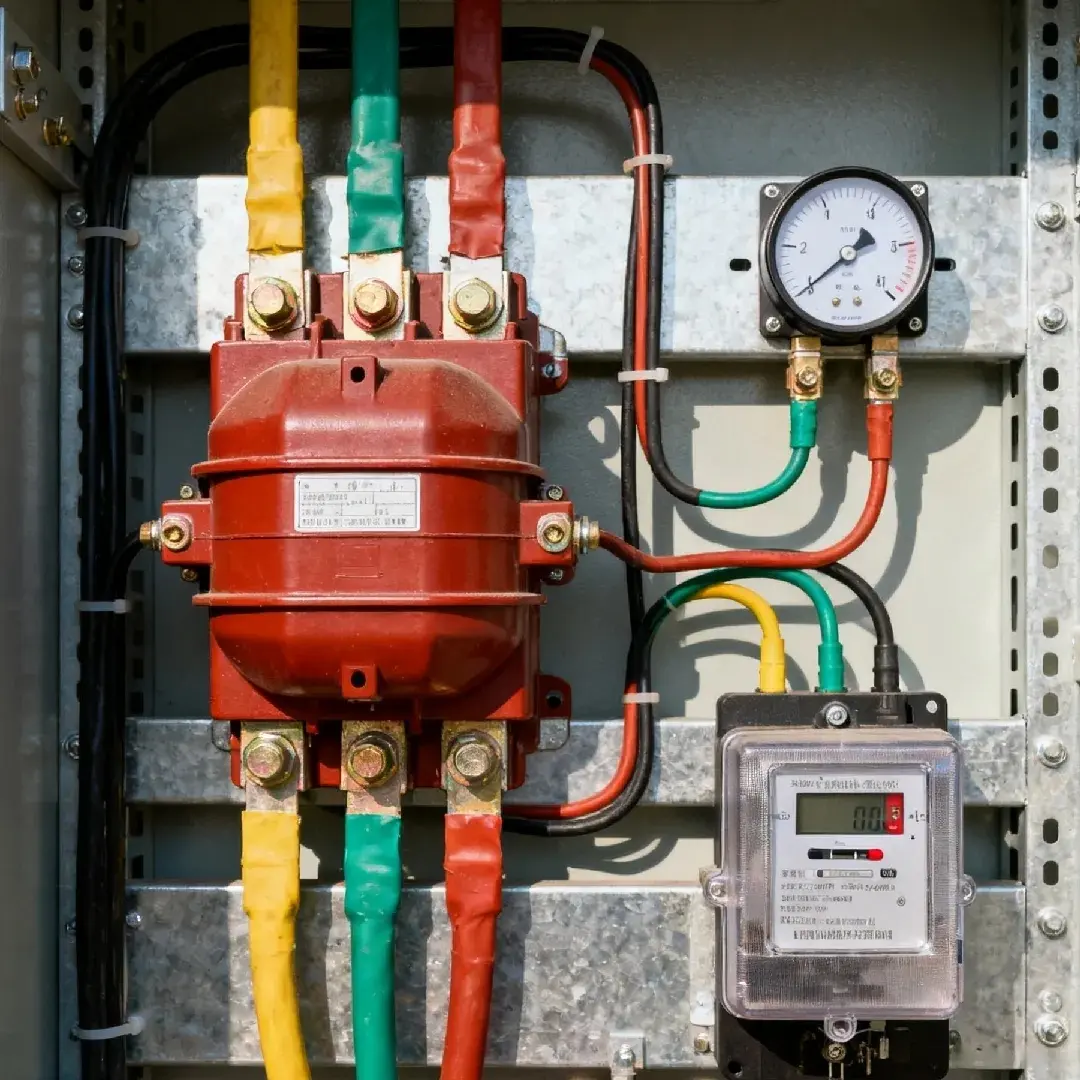
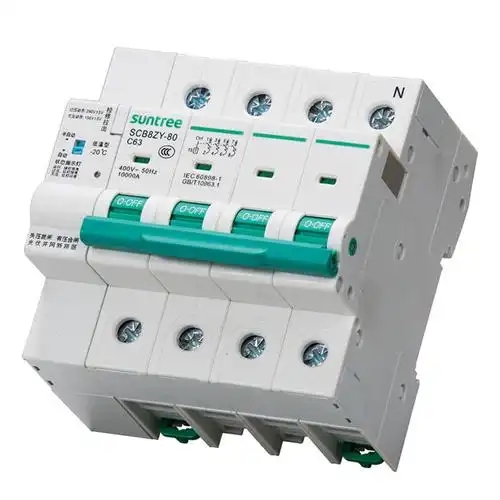
How does a rural power grid bounce back fast after a fault? A recloser steps in, swiftly reconnecting power lines to cut downtime. As an electrical engineer at Wei Shoe Elec, I’m eager to share the types of reclosers and how they keep electricity flowing.
A downed branch can leave villages dark for hours. In 2023, U.S. rural grids faced 2.5-hour average outages from faults (IEEE Power Reliability Report 2023). Reclosers fix temporary issues like lightning strikes in seconds. Let’s explore manual, mechanical, electric, and smart reclosers, their action steps, and tips for reliable power.
What Is a Recloser and Why Does It Matter?
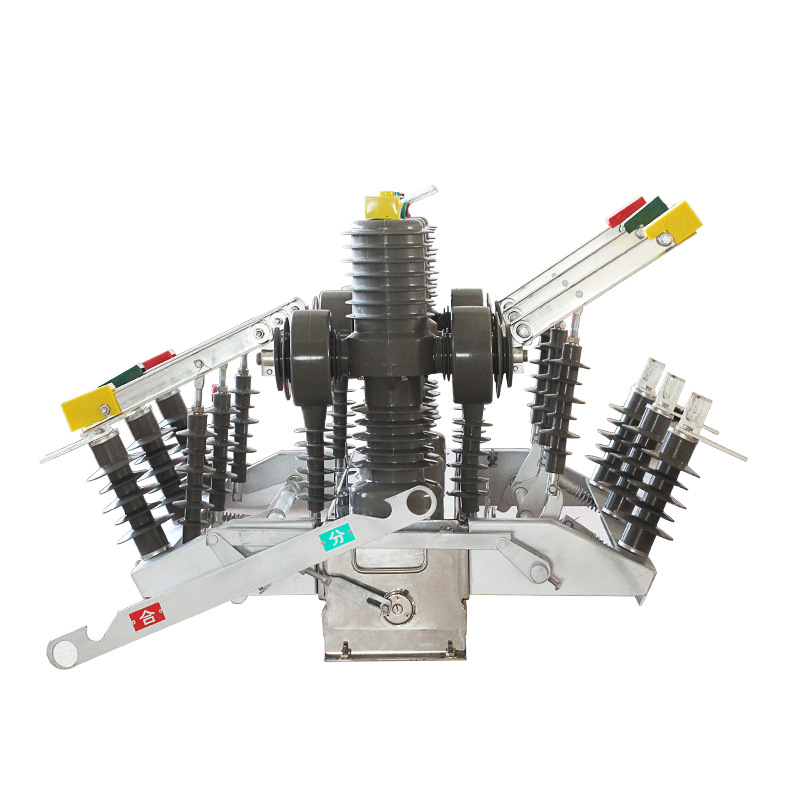
A recloser is a device in power systems that restores electricity by reconnecting a circuit after a fault. Think of it as a first responder for your grid.
Saves Time: Restores power without sending a crew.
Boosts Reliability: Keeps electricity flowing during minor faults.
Example: In 2022, Duke Energy used reclosers to cut outage times by 35% in North Carolina (source: Duke Energy Reliability Report 2022).
Reclosers are critical because even a brief outage can disrupt lives. Let’s explore their types and how they work.
Main Types of Reclosers
Reclosers come in four main types, each suited for different needs. Here’s a breakdown.
Manual Recloser
A manual recloser relies on a person to flip a switch and restore power.
How It Works: An operator manually reconnects the circuit.
Best For: Small equipment or emergency power restoration.
Pros: Flexible and simple.
Cons: Slow and labor-intensive.
Use Case: Temporary setups like construction sites.
Mechanical Recloser
This type uses mechanical parts to detect faults and reconnect automatically.
Mechanism: Sensors monitor the circuit, and a mechanical driver closes it.
Applications: Small substations and local power grids.
Key Parts:
Sensors to check voltage or current.
Mechanical actuator to act.
Example: In 2021, Georgia Power used mechanical reclosers in rural grids, reducing outages by 20% (source: Georgia Power Annual Report 2021).
Electric Recloser
Electric reclosers use motors for precise, remote-controlled operations.
How It Operates: A motor drives the reclosing action, often via remote systems.
Ideal For: Large substations and complex grids.
Advantages:
High accuracy.
Safe remote operation.
Integrates with smart grids.
Use Case: Urban power systems need reliable automation.
Smart Recloser
Smart reclosers are the future, combining sensors, controllers, and communication tech.
Features:
Real-time monitoring of grid conditions.
Fault diagnosis and adaptive reclosing logic.
Remote control via IoT networks.
Benefits: Uses data analytics to predict maintenance and optimize performance.
Example: In 2023, Con Edison in New York deployed smart reclosers, improving grid uptime by 15% (source: Con Edison Sustainability Report 2023).
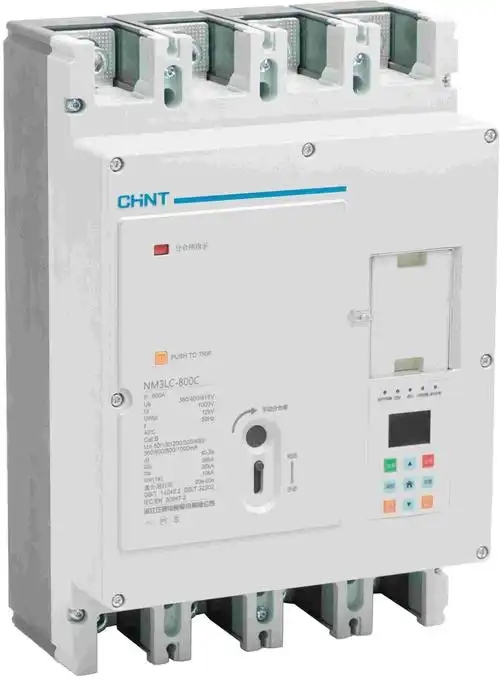
How Does a Recloser Work? A Step-by-Step Guide
To understand reclosers, let’s walk through the action steps of a mechanical recloser as an example.
Step 1: Disconnect the Circuit
A fault, like a short circuit, triggers the breaker to open.
Triggers: Overcurrent, maintenance, or manual command.
Action: The circuit disconnects to stop the fault.
Step 2: Monitor Circuit Conditions
Sensors check if the fault is gone.
What’s Measured: Current, voltage, or short-circuit signals.
Tools: Sensors send real-time data to the recloser.
Goal: Confirm the circuit is safe to reconnect.
Step 3: Perform the Reclosing Action
If the fault is cleared, the recloser acts.
Logic: The mechanical driver closes the breaker.
Result: Power flows again.
Timing: Often completes in milliseconds to minimize downtime.
Step 4: Verify and Restore Power
The recloser checks if power is stable.
Post-Check: Ensures no new faults appear.
Safety: If issues like overcurrent persist, the breaker trips again.
Example: A recloser might lock out after two failed attempts to protect equipment.
Key Tips for Safe and Effective Recloser Operation
Using reclosers correctly keeps your power system safe and reliable. Here are must-know tips.
Prioritize Safety
Always ensure the circuit is safe before reclosing.
Steps:
Test for live wires (use a voltage tester).
Ground the system to prevent shocks.
Why? Unsafe reclosing risks injury or equipment damage.
Standard: Follow OSHA guidelines for electrical safety.
Optimize Timing and Speed
Fast reclosing cuts outage time, but timing matters.
Speed Requirement: Mechanical reclosers act in milliseconds.
Choosing Equipment: Match recloser speed to your grid’s needs.
Example: A 35kV grid needs faster reclosers than a 1kV line.
Monitor and Protect
Continuous monitoring prevents failures.
Real-Time Checks: Track voltage, current, and faults during reclosing.
Protection:
Stop reclosing if faults persist.
Use relays to cut power if abnormalities occur.
Benefit: Saves equipment from damage and avoids bigger outages.
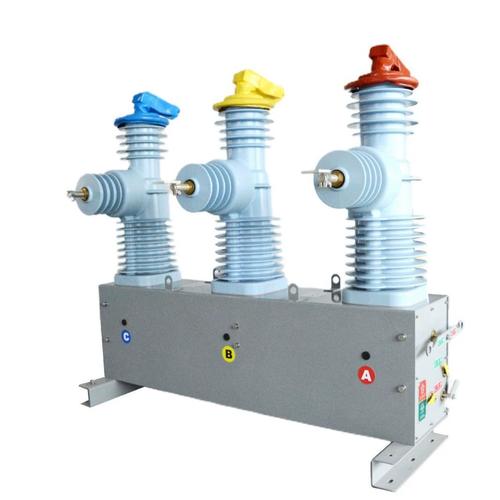
Why Choose the Right Recloser Type?
Picking the right recloser depends on your system’s size and needs.
Small Systems: Manual or mechanical reclosers are cost-effective.
Large Grids: Electric or smart reclosers offer automation and precision.
Future-Proofing: Smart reclosers integrate with IoT for advanced control.
Case Study: In 2020, Pacific Power in Oregon upgraded to smart reclosers, reducing fault-related outages by 25% (source: Pacific Power Reliability Update 2020).
The wrong choice can lead to delays or equipment stress, so assess your grid carefully.
The Future of Reclosers: Smart and Beyond
Reclosers are evolving with technology. Smart reclosers are just the start.
IoT Integration: Remote control via cloud platforms.
AI Insights: Predict faults using machine learning.
Blockchain Potential: Track recloser actions for transparency.
Trend: By 2030, 60% of U.S. grids may use smart reclosers (source: IEEE Smart Grid Forecast 2024).
These advancements promise even fewer outages and smarter grids.
FAQ About Recloser Types
Got questions about reclosers? Here are answers to common ones.
What’s the difference between manual and smart reclosers?
Manual reclosers need human action, while smart ones use sensors and automation for faster, safer operation.Are mechanical reclosers outdated?
No, they’re reliable for small systems but less advanced than electric or smart options.Can smart reclosers prevent all outages?
They reduce temporary faults but can’t fix permanent issues like broken lines.How fast should a recloser act?
Ideally, in milliseconds for temporary faults, but timing depends on the grid’s voltage.
Conclusion
Reclosers—whether manual, mechanical, electric, or smart—are vital for keeping power flowing by quickly fixing faults. Each type has unique strengths, from simple manual switches to AI-powered smart systems. At Wei Shoe Elec, I hope this guide helps you pick the right recloser and understand their action steps. Need a custom solution? Email us at [email protected] or call +86-0577-62788197. Share this article—just credit Wei Shoe Elec. Let’s keep your grid reliable and ready for the future!