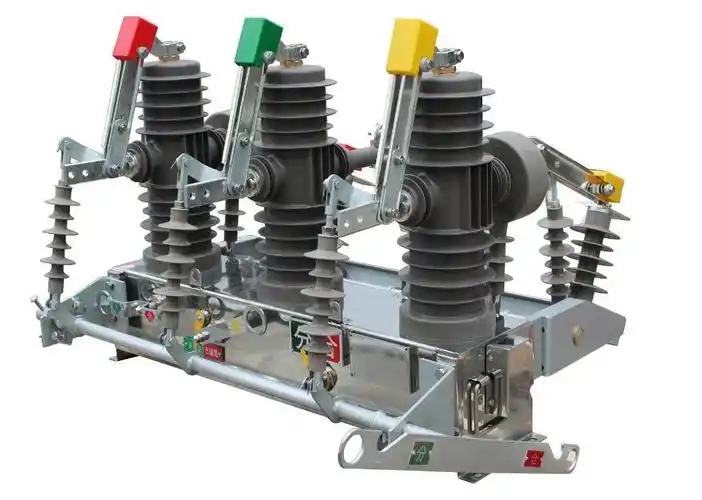
If you’re searching for the best circuit breaker for medium voltage applications, you’ve probably come across Vacuum Circuit Breakers (VCB) and SF6 Circuit Breakers. Choosing between these two is a common challenge many engineers and buyers face.
I’m Thor, an electrical engineer at Wei Shoe Elec, and I’ve helped design and maintain dozens of systems across various voltage levels. I’ve seen how the wrong choice can lead to excessive maintenance, regulatory challenges, and even project delays.
In this guide, we’ll break down the key differences between VCB and SF6 Circuit Breakers, so you can make an informed decision that fits your needs perfectly, based on voltage level, environment, budget, and long-term reliability.
What is a Vacuum Circuit Breaker?
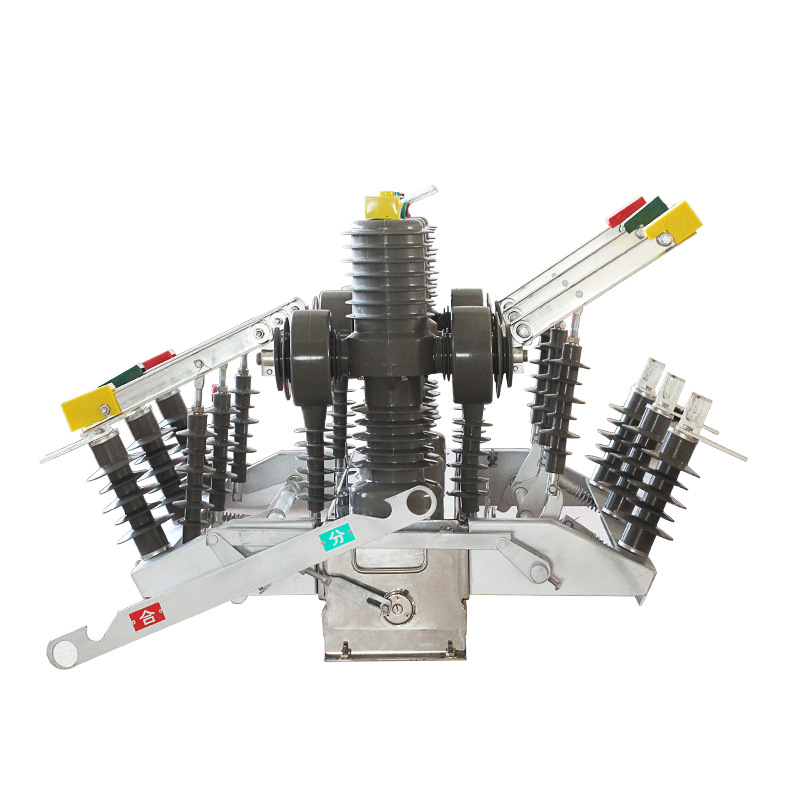
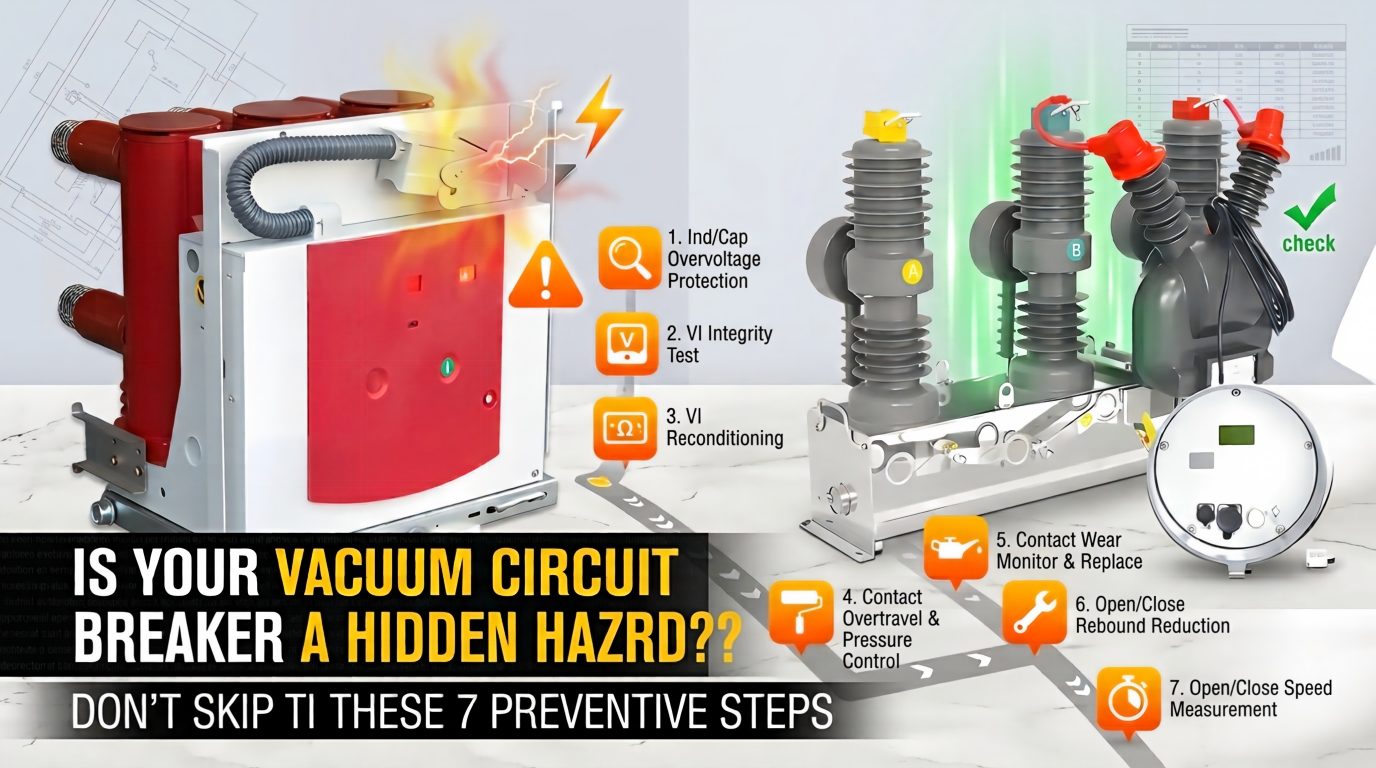
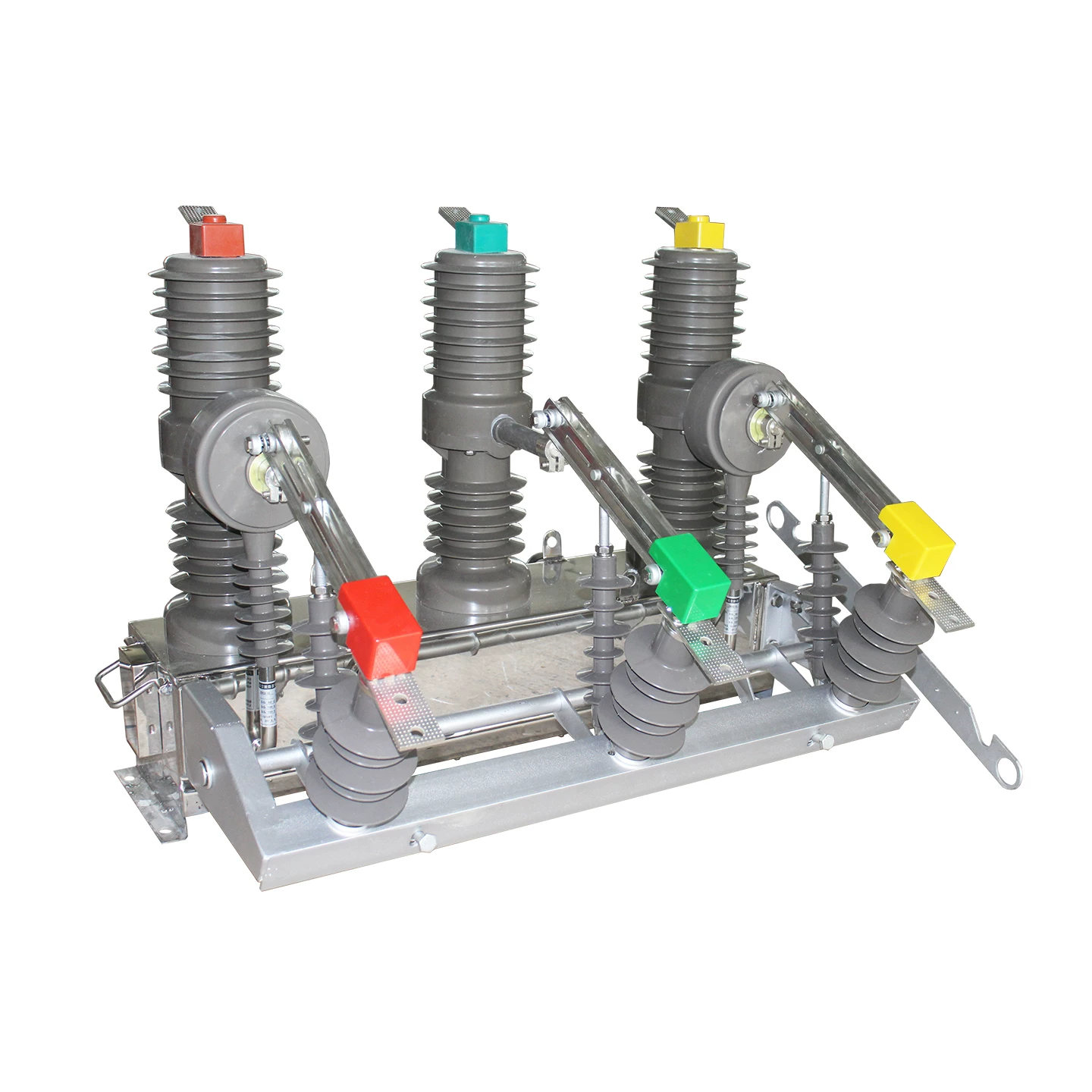
A Vacuum Circuit Breaker uses vacuum as the medium to extinguish the electric arc when switching off. The vacuum inside the breaker interrupts the arc quickly, which protects the system from damage.
Key Features:
Fast arc quenching
Compact design
Low maintenance needs
VCBs are widely used in medium voltage applications such as industrial plants, commercial buildings, and smart grid infrastructure. They are known for reliability and long mechanical life, especially in environments where frequent switching is required.
What is an SF6 Circuit Breaker?
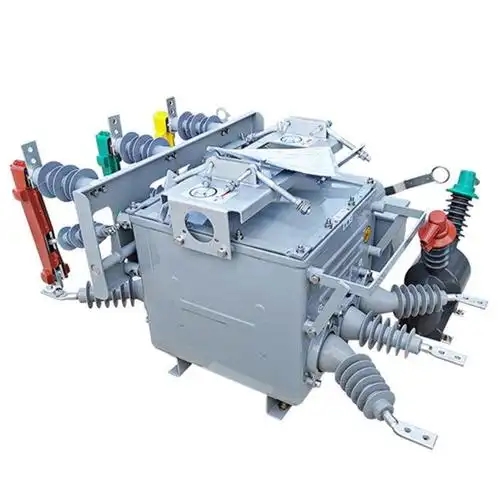
SF6 Circuit Breakers use sulfur hexafluoride (SF6) gas to extinguish the arc. The gas has excellent insulating properties, making these breakers suitable for high voltage and medium voltage systems.
Key Features:
Superior insulation
Good arc-quenching ability
Proven technology with decades of use
SF6 breakers are common in utilities and heavy industries but have come under scrutiny because SF6 is a potent greenhouse gas.

SF6 vs VCB – Quick Comparison Table
| Feature | VCB | SF6 |
|---|---|---|
| Arc Quenching | Vacuum | SF6 Gas |
| Voltage Range | 12–36kV | 36kV–800kV |
| Insulation | Solid | Gas |
| Maintenance | Low | Medium to High |
| Environmental Impact | No GHG emissions | High (SF6 = greenhouse gas) |
| Service Life | 20–30 years | 15–20 years |
| Size & Weight | Compact | Bulkier (unless GIS) |
Performance Comparison
Breaking Capacity and SpeedVCBs interrupt current in a vacuum chamber almost instantly, minimizing contact erosion. SF6 breakers also operate quickly but rely on pressurized gas for arc suppression.
Insulation and Voltage Levels SF6 provides superior insulation, ideal for higher voltages and compact switchgear layouts. VCBs are optimized for voltages up to 36–38kV.
Fault Handling can manage short circuits, but VCBs have better endurance under frequent switching.
Safety and Environmental Impact
SF6 Gas Concerns gas has a global warming potential over 23,500 times higher than CO2. Leaks are difficult to detect and are tightly regulated in many countries.
Vacuum Breaker Advantages are environmentally friendly, require no gas refilling, and pose no emission risks, making them ideal for green projects.
Maintenance and Lifespan
Vacuum Breakers:
Require less frequent maintenance
Fewer moving parts reduce failure risks
Typically lasts 20–30 years
SF6 Breakers:
Require regular gas monitoring
Leak detection and handling procedures are needed
Lifespan varies depending on gas integrity
Cost Analysis
Initial CostSF6 breakers often cost more upfront due to gas handling systems. VCBs have a lower initial investment.
Operating CostVCBs reduce maintenance and environmental compliance costs. SF6 panels can incur regulatory and gas replenishment expenses.
Long-Term ValueWhen considering total cost of ownership, VCBs generally offer better value in medium voltage scenarios.
Application Recommendations
Use VCB if:
You operate within 12–36kV
Your system requires frequent switching
You prioritize eco-compliance and low maintenance
Use SF6 if:
Your system exceeds 66kV
The project involves GIS or space-constrained environments
You need time-tested reliability for transmission networks
Real-World Case Studies
Germany – Industrial Plant Upgrade German plant replaced SF6 breakers with VCBs, cutting maintenance by 30% and removing gas management risks. The decision aligned with their environmental goals.
USA – Utility Compliance California utility, facing SF6 regulations, adopted VCBs for new builds. They met operational demands while avoiding fines and environmental impact.
Future Trends
Green Technology push to phase out SF6 has led to alternatives like dry air, vacuum, and fluoronitrile blends. VCBs are already compliant with most new environmental standards.
Smart Systems IoT-enabled breakers with predictive diagnostics are being introduced in both VCB and SF6 variants, improving system reliability and maintenance.
Flexible DesignsModular switchgear and hybrid panels are now supporting mixed technologies for tailored project needs.
Frequently Asked Questions (FAQ)
Q1: What voltage levels are VCBs suited for?
Typically up to 38 kV—suitable for most MV systems.
Q2: Are SF6 breakers eco-friendly?
No. SF6 is a powerful greenhouse gas. VCBs are safer for the environment.
Q3: Which requires less maintenance?
VCBs—no gas, fewer parts, easier upkeep.
Q4: Can VCBs handle frequent operations?
Yes. They’re ideal for high-switching environments.
Q5: Are SF6 breakers more expensive?
Generally, yes—due to gas systems and compliance needs.
Q6: Are there SF6-free options available?
Yes—like dry air, vacuum-only, and fluoronitrile solutions.
🔧 Ready to Choose the Right Circuit Breaker?
Whether you're upgrading an existing system or designing a new one, selecting the right breaker is critical to long-term performance and compliance.
👉 Need expert help? Our engineering team at Wei Shoe Elec can guide you step-by-step.
📩 Get a free quote or technical consultation today
Email us at: [email protected]
📞 Or call: +86-0577-62788197
💬 WhatsApp: +86 159 5777 0984
✅ Let’s work together to build a safer, greener, and more reliable medium voltage system.