I. Introduction:
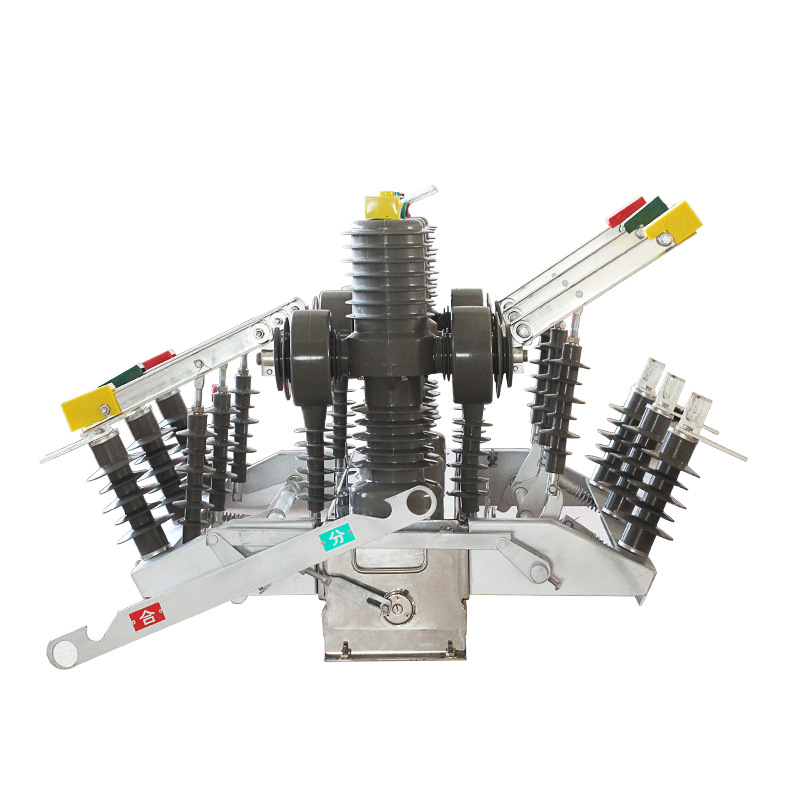
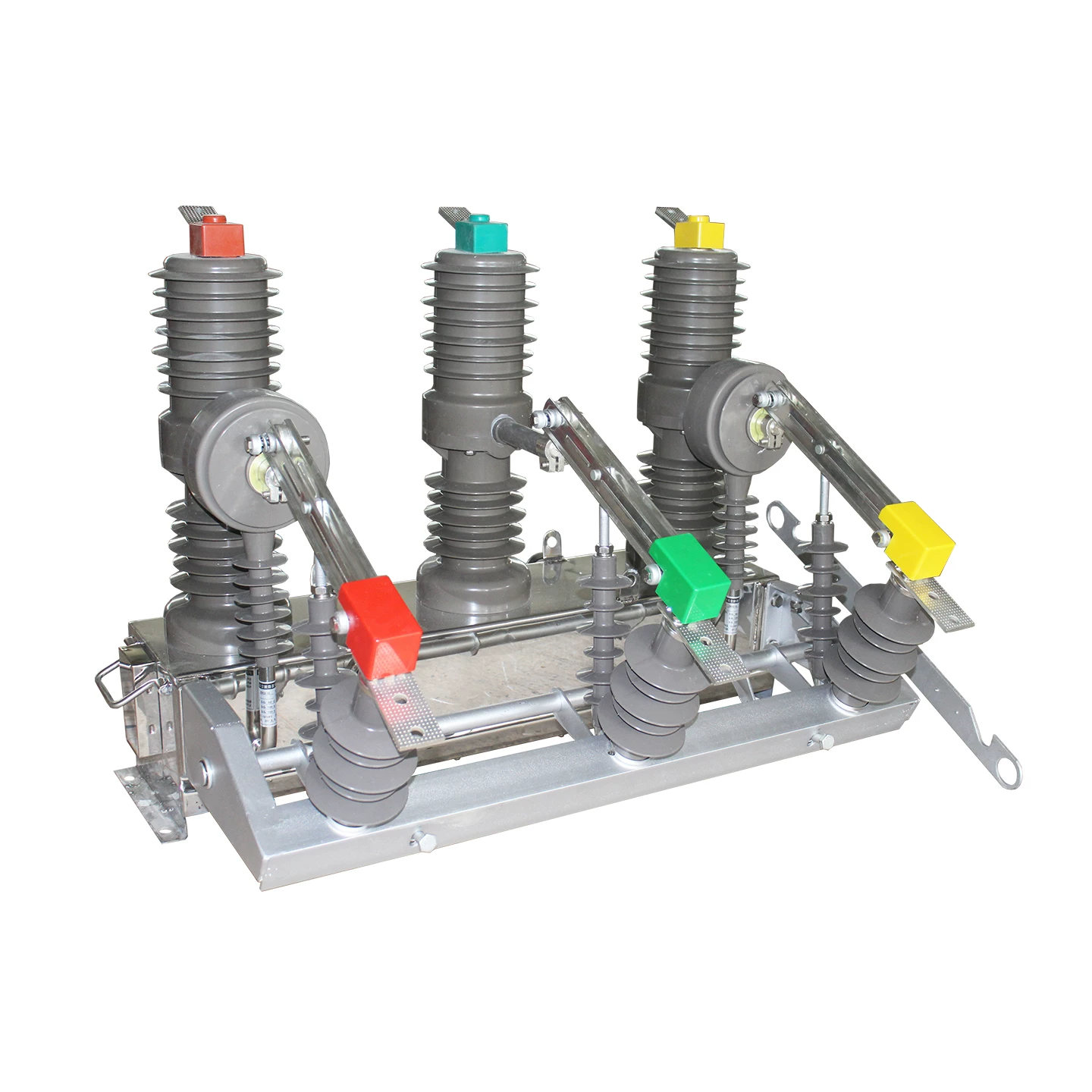
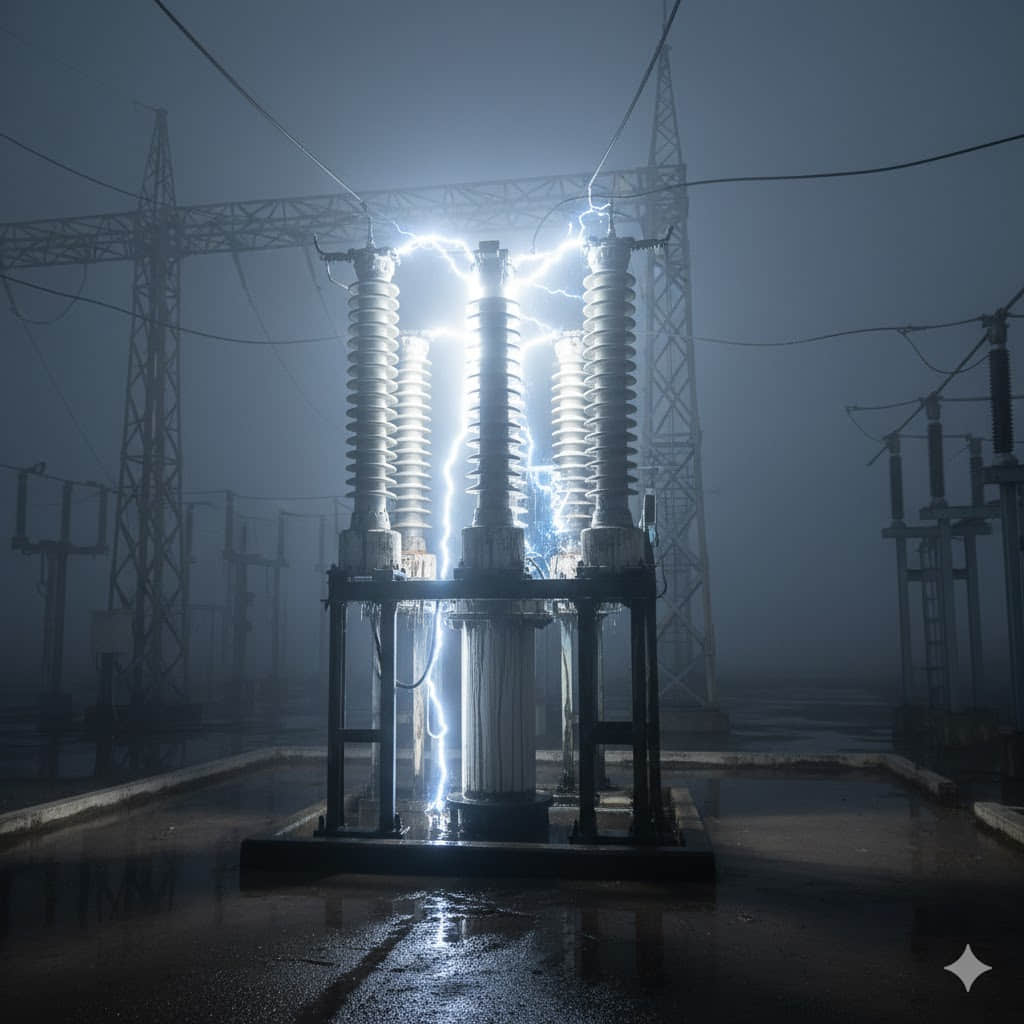
The phenomenon of insulator flashover is defined as an unexpected, high-voltage electrical discharge. This discharge occurs along the surface of external insulators on power equipment, such as Outdoor Vacuum Circuit Breakers (OCBs), ultimately creating an electrical short circuit.
This catastrophic event frequently triggers system tripping or causes severe damage to the critical utility asset. Pollution flashover refers to a discharge fault initiated by a layer of accumulated contamination on the insulator surface that becomes electrically conductive when exposed to moisture. This represents one of the most common and arguably the most persistent challenges to the safe and reliable operation of high-voltage outdoor switchgear.
The Role of Outdoor Vacuum Circuit Breakers (OCBs)
Outdoor Vacuum Circuit Breakers serve as indispensable control and protection elements within both transmission and distribution grids. Consequently, the integrity and reliability of their external insulators (bushings) are paramount to ensuring a high-quality and consistent power supply across the network.
The risk of pollution flashover continues to escalate due to increasingly complex industrial air pollution and the growing intensity of extreme weather patterns. This comprehensive analysis adopts the rigorous perspective of an electrical engineer, moving beyond simple identification to deliver actionable insights.
The objective is not merely to dissect the physical mechanism and environmental causes of pollution flashover, but to introduce quantifiable engineering metrics, explore cutting-edge diagnostic technologies, and provide a detailed economic analysis of prevention measures. Our goal is to furnish electric utility operations and maintenance (O&M) teams with a systematic, practical, and deeply valuable set of strategies for proactive flashover mitigation.
Key Takeaways
Flashover Essence: The core mechanism is a short-circuit discharge (dry-band arcing) that tracks the insulator surface, triggered by the dangerous coupling of "Contaminant Accumulation + Critical Moisture". This interaction is fundamentally critical.
Engineering Foundation: Selecting new insulators and scheduling necessary maintenance must be anchored in quantitative metrics, specifically ESDD (Equivalent Salt Deposit Density) and NSDD (Non-Soluble Deposit Density). These values govern design choices.
Precursor Diagnostics: Utilize Infrared Thermography to precisely pinpoint localized hot spots (dry bands) and employ UV Imaging to monitor partial discharge (dry arcing) for effective risk anticipation. Combining these two techniques provides superior warning capability.
Material Excellence: The adoption of Composite Insulators with superior hydrophobicity and the application of RTV (Room Temperature Vulcanizing) coatings are foundational techniques in modern anti-pollution flashover defense. These materials suppress the initiation of surface conductivity.
Strategic Decision Insight: When evaluating and selecting preventive solutions, the primary focus must be on the Life Cycle Cost (LCC) of the solution, rather than being short-sighted by only considering the initial capital expenditure (CapEx). A true professional outlook demands this long-term perspective.
II. The Physical Mechanism of Insulator Pollution Flashover: The Dry-Band Arcing Process
Outdoor vacuum circuit breakers mandate that their insulators perform the task of isolating high voltage from ground potential over extended periods. These bushings face continuous exposure to wind, rain, fog, solar radiation, and diverse atmospheric pollutants, presenting a substantially more complex challenge than indoor equipment.
The cumulative effects of coupled electrical and environmental stresses accelerate the deterioration of the surface dielectric properties.
2.2 The Four Critical Steps to Flashover: From Leakage Current to Complete Failure
Pollution flashover is not an instantaneous event, but rather a progressive deterioration that culminates in a sudden, high-energy discharge. The entire sequence is fundamentally centered on the self-propagating mechanism known as Dry-Band Arcing. Understanding this sequence is key to prevention.
Step 1: Contamination and Wetting - Formation of the Conductive Film.
Contaminants such as salt spray or industrial dust combine with ambient moisture, establishing a highly electrolytic, conductive film across the insulator surface. At this initial stage, a measurable and often non-destructive leakage current begins to flow along the surface of the insulator.
Step 2: The Onset of Localized Dry Bands (Dry-Band Formation).
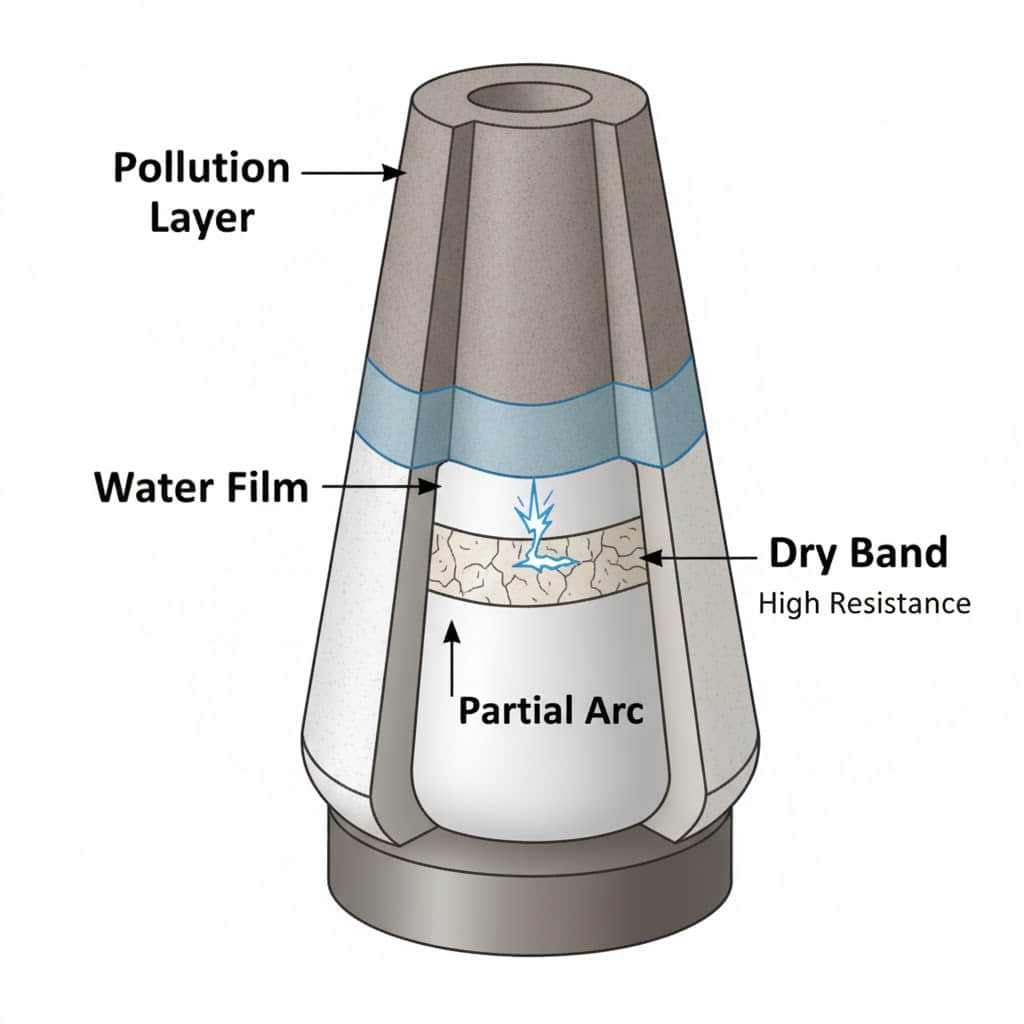
The leakage current flowing through the resistive contaminant film generates heat via the Joule effect. In specific localized hot spots where the rate of moisture evaporation exceeds the rate of moisture replenishment, areas of extremely high resistance—known as dry bands—rapidly form.
Step 3: Local Arcing and Discharge Propagation.
Because the dry band possesses significantly higher resistance than the adjacent wet areas, the total system voltage concentrates dramatically across the narrow air gaps formed by the dry band. This intense voltage stresses the air and ultimately causes a breakdown, initiating a partial arc (or dry arc) across the dry band. The energy from this arc further heats the immediately adjacent wet regions, accelerating moisture evaporation and propagating the discharge.
Step 4: Complete Pollution Flashover.
Driven by the continuous line voltage, the initial dry arc swiftly extends along the path of moist and contaminated surfaces. This process rapidly bridges the entire leakage distance of the insulator in a fraction of a second, culminating in a violent ground short circuit—the full flashover event.
Note: The core of pollution flashover is the "Dry-Band Arc", which is fundamentally a thermal imbalance process. Heat from the leakage current evaporates water, establishing the high-resistance dry band, which then triggers the destructive arc, leading to thermal runaway and complete failure.
【 Dynamic Demonstration of Flashover Mechanism】
Visual Supplement: Watch a slow-motion video demonstration of a high-voltage insulator in a laboratory setting as it progresses from conductive contamination to localized discharge, and finally to complete flashover. This dynamic view offers an invaluable, direct understanding of the destructive "dry-band arcing" mechanism.
⚡ Watch Video: Dry band arcing Process Demonstration
III. Analysis of Key Engineering Factors Contributing to Pollution Flashover
Pollution flashover is a complex problem rooted in the synergistic interaction of three primary areas: environmental factors, design specifications, and ongoing maintenance practices. Effective mitigation requires a holistic approach addressing each of these contributors.
3.1 Environmental Factors: The Coupling of Contamination Sources and Climate
The nature of the primary contaminant dictates the severity of the risk; for instance, coastal regions face heightened threats from high concentrations of chloride ions (salt spray), which are highly conductive. Conversely, industrial zones must contend with electrically conductive or corrosive particulate matter, such as carbon black and metallic oxides.
The role of moisture is critically nuanced, often acting as the direct catalyst for failure. Paradoxically, severe downpours often flush contaminants away, yet light fog, dew, or thin frost provides the precise critical moisture condition where the pollution layer is fully wetted but cannot be effectively washed off. These specific conditions present the highest flashover risk.
Tip: When developing comprehensive inspection and cleaning schedules, utility operators should place particular emphasis on areas prone to high contamination during heavy fog or nighttime dew events. These windows represent the absolute peak of the pollution flashover risk profile.
3.2 Insulator Design and Inherent Deficiencies
A fundamental design requirement is that the insulator bushing's creepage distance must be precisely matched to the operating region's assessed pollution severity. A design that fails to adequately account for the worst-case pollution environment immediately introduces a high probability of flashover and system failure.
Beyond dimensioning, the surface material integrity is paramount; traditional porcelain insulators are vulnerable to surface glaze aging or micro-cracks that dramatically increase moisture absorption and contaminant adhesion. Even modern Composite Insulators (Silicone Rubber) can suffer increased flashover risk if their critical hydrophobicity begins to degrade due to surface wear or chemical exposure.
3.3 The Coupling Effect of System Overvoltages
While surface contamination provides the necessary low-resistance path, the transient electrical stresses from the power system often serve as the final trigger for failure. Switching overvoltages—transients generated during OCB closing or when disconnecting long, unloaded lines—can momentarily stress the insulator.
Similarly, induced overvoltages from lightning strikes may serve as the final impulsive factor, initiating the complete flashover once the insulator has reached its contamination-induced critical state.
IV. Consequences of Pollution Flashover and Critical Engineering Quantification Metrics
Pollution flashover impacts the outdoor vacuum circuit breaker system in a manner that is both immediate and systemic, demanding a calculated engineering response. The consequences extend far beyond a simple equipment fault.
4.1 Systemic Hazards: Impact on the OCB and Grid Reliability
The most immediate consequence is the short-circuit condition created by the flashover, which instantly triggers protective devices, causing the OCB to trip and resulting in localized or widespread power outages. This leads directly to a loss of supply quality and potential financial penalties for the utility.
The physical damage to the equipment is often permanent; the extreme heat (thousands of degrees Celsius) and powerful electromagnetic forces generated by the arc lead to localized carbonization, scorching, and permanent erosion of the insulator's surface glaze or composite material. These irreparable scars significantly reduce the insulator's dielectric strength and establish a critical weak point for subsequent flashover events.
Furthermore, the economic losses encompass not only the repair and replacement costs for high-voltage bushings and labor but also the massive financial impact on industrial production and commerce caused by the outage duration.
4.2 【Engineering Quantification Metrics and Standards】(The Professional Insight)
In competent engineering practice, the qualitative description of pollution must be converted into precise, quantitative metrics to properly inform insulator selection, design specifications, and the maintenance cycle. This conversion from observation to data is non-negotiable for reliable operation.
Basis for Pollution Level Classification: ESDD and NSDD
The industry standard for assessing contamination risk relies on two critical measured values: ESDD (Equivalent Salt Deposit Density) and NSDD (Non-Soluble Deposit Density).
ESDD directly quantifies the electrical conductivity of the pollution layer, typically measured in $mg/cm^2$. A higher ESDD value denotes a more conductive surface and thus a higher risk of flashover initiation.
NSDD quantifies the non-conductive components of the contamination; these materials are crucial because they affect the thickness and the water-retention capacity of the pollution layer. Pollution Grade Classification then uses these measured ESDD/NSDD values, referencing standards such as DL/T 620 or IEC 60815, to classify operating regions into distinct pollution zones.
Creepage Distance Requirement (Specific Creepage Distance)
This is arguably the most vital parameter in insulator design and selection, representing the ratio of the insulator's minimum leakage distance (creepage distance) to its highest operating voltage, typically expressed in cm/kV.
For engineers operating in Very Heavy (Level IV) pollution zones, the required specific creepage distance might be mandated to be $3.5 \text{cm/kV}$ or even higher, emphasizing the need for rigorous selection based on the quantitative pollution assessment.
Leakage Current Monitoring Threshold
The leakage current is the real-time electrical signature of the insulator's surface conductivity. A stable and sustained leakage current (e.g., exceeding a threshold of 0.5mA or 1.0mA) provides a direct warning that a stable conductive film has formed. This status places the insulator in a critical, pre-flashover state.
Note: ESDD and NSDD are the recognized gold standards for quantitatively assessing pollution risk in the utility industry. All decisions regarding the selection of high-voltage equipment and the subsequent maintenance scheduling must be definitively anchored to these two rigorous quantitative metrics.
V. Fault Diagnosis and Condition Assessment Techniques
In contemporary electrical engineering, prevention is complemented by a structured diagnostic framework that accurately assesses risk and precisely locates potential failures. This systematic approach is the hallmark of modern, proactive maintenance and embodies true professional experience.
5.1 Post-Fault Analysis: Interpreting Flashover Traces
After a failure event, a detailed analysis of the traces left on the insulator surface can effectively reverse-engineer the nature of the fault. Understanding these tell-tale marks is critical for accurate reporting and future prevention.
Pollution Flashover Trace Characteristics show continuous, multi-branch surface scorch marks that follow the contours or grooves of the insulator sheds. These marks are usually shallow, indicating a lower-energy arc that tracked the surface path.
Lightning Flashover Trace Characteristics typically leave a single, deep, and coarse burn or fracture mark. These traces are often concentrated along the shortest air-gap distance, representing a pure dielectric breakdown.
5.2 Non-Destructive Online Monitoring Technologies (Precursor Detection)
Advanced diagnostic tools allow operators to identify developing issues long before they escalate into a catastrophic flashover. Integrating these technologies provides a powerful predictive capability.
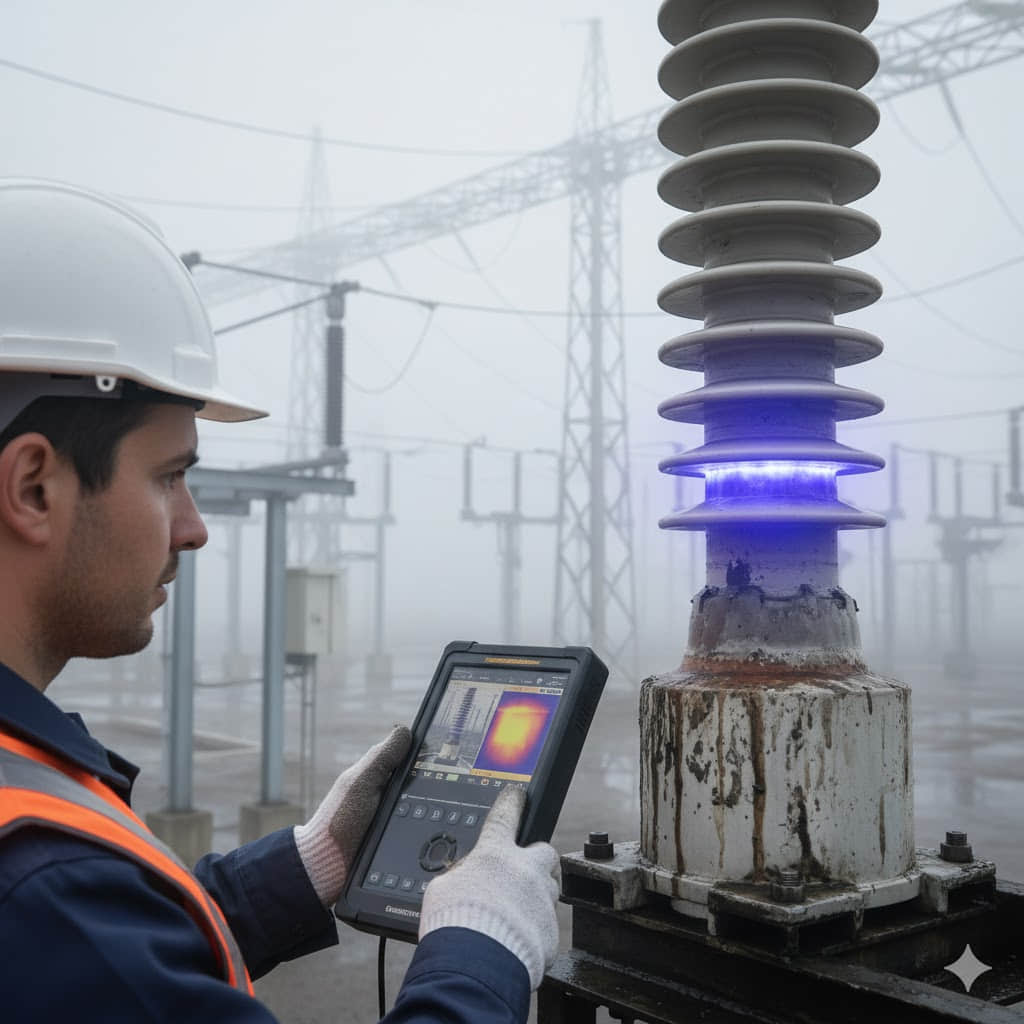
Infrared Thermography: Infrared cameras can accurately detect localized overheating within the insulator string. These hot spots are typically the high-resistance dry bands or areas of internal defects, signaling an active stage of flashover precursor activity.
UV Imaging Technology (Corona Camera): UV cameras filter visible light, allowing the operator to locate, visualize, and quantify corona and partial discharge activity on the insulator surface. The localized arcs (dry arcs) that precede a full flashover emit a distinct and measurable ultraviolet signal, offering an early warning.
Tip: For routine maintenance inspections, the most robust strategy is the combined use of Infrared technology (to detect thermal anomalies) and UV technology (to detect discharge anomalies). This integrated approach ensures a comprehensive, highly accurate diagnosis of the insulator's condition and significantly enhances risk warning capability.
VI. Comparison of Flashover Types, Causes, Phenomena, and Prevention
This table summarizes the three principal types of flashover events that threaten outdoor vacuum circuit breaker insulators. A clear distinction between these modes is essential for accurate root-cause analysis.
| Flashover Type | Primary Cause | Typical Impact on OCB | Key Prevention Measures (Expanded in Article) |
| Pollution Flashover | Contaminant accumulation + Critical moisture conditions | Sudden OCB trip, distinct continuous arc scorch marks on the insulator surface. | Hydrophobic coatings (RTV), scheduled live-line water washing, and increasing the creepage distance. |
| Lightning Flashover | Overvoltage generated by direct or induced lightning strikes | Potential mechanical shattering of the OCB insulator bushing, resulting in catastrophic equipment destruction. | Optimal placement of Metal-Oxide Arresters (MOA), enhancing substation grounding systems. |
| Switching Flashover | Transient overvoltages generated during power system switching operations | Fault occurrence during the transient moment of switching can compromise the vacuum interrupter's lifespan and system stability. | Limiting switching overvoltages through controlled closing, utilizing high-performance breaker technologies. |
VII. EEAT-Grade Strategies for Preventing and Mitigating Outdoor OCB Pollution Flashover
An effective anti-flashover strategy must be a systems engineering solution that is both technologically advanced and economically sound. This comprehensive approach moves beyond simple fixes to implement long-term reliability.
7.1 Insulator Selection and Design Optimization
A foundational preventive step involves the critical choice of insulating material and its physical design. Utilities are increasingly moving towards modern materials for enhanced resilience.
Material Upgrade: Prioritize the use of Composite Insulators (Silicone Rubber). The inherent hydrophobicity of the silicone rubber surface fundamentally suppresses the mechanism of contamination wetting, providing a built-in defense against flashover.
Structural Design: Insulator selection must strictly adhere to the Specific Creepage Distance requirements derived from the quantitative assessment of the local pollution severity, as established in Section IV. Custom ordering or meticulous selection based on these criteria is paramount.
7.2 Operations, Maintenance Strategy, and Application Measures
Proactive maintenance based on real-time condition monitoring significantly extends asset life and prevents failures. These strategies represent the operational cornerstone of flashover prevention.
Cyclical Cleaning: Implement a dynamic maintenance schedule driven by the results of ESDD/NSDD monitoring. Scheduled live-line water washing (using high-pressure water jets) or manual cleaning must be performed before contaminants accumulate to the measured critical threshold.
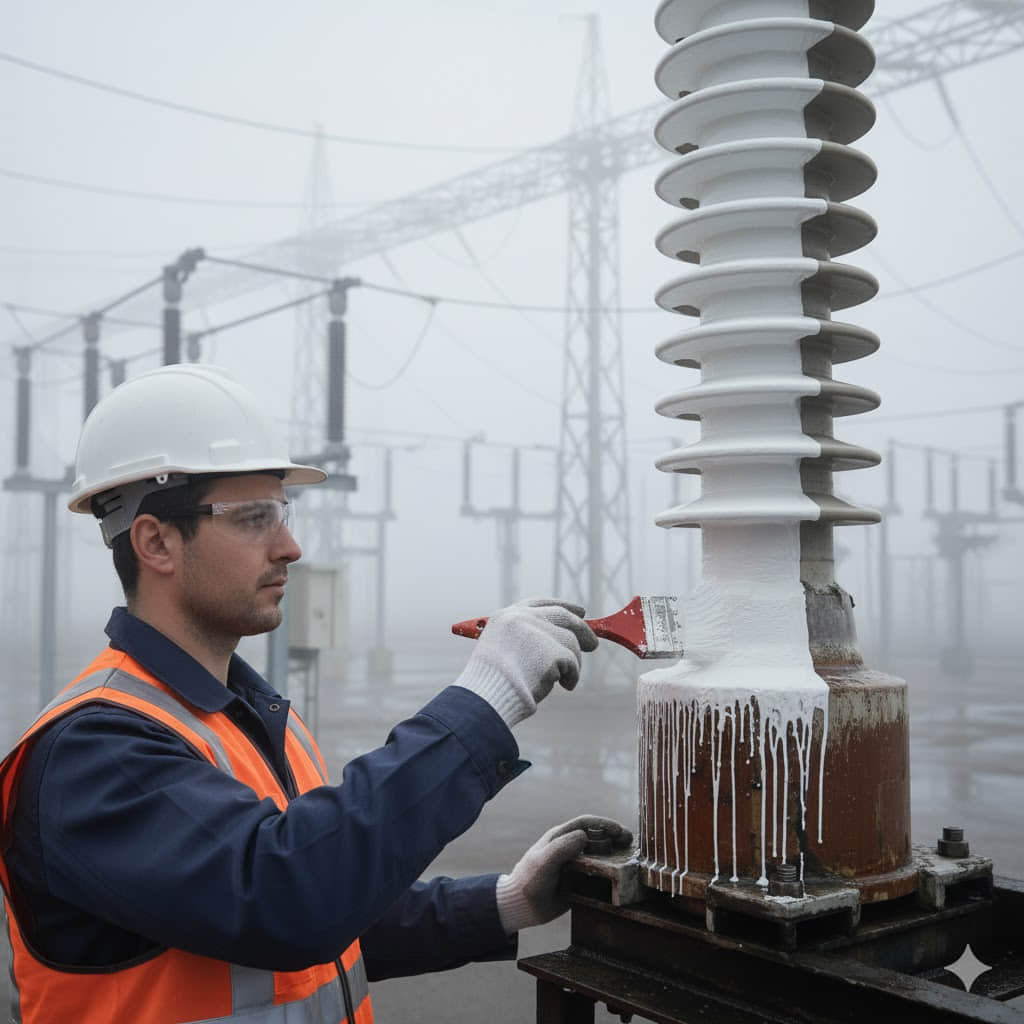
High-Performance Anti-Flashover Coatings: Apply high-performance RTV (Room Temperature Vulcanizing) Silicone Coatings. A key feature of RTV coatings is the migration of Low Molecular Weight (LMW) silicone species, which can diffuse through thin layers of contamination to continuously restore the surface's essential hydrophobic state.
【O&M Operation Demonstration】
Visual Supplement: Watch a video demonstrating utility personnel performing the professional spray application of RTV coating to an insulator. This footage illustrates the rigorous standard procedures and safety requirements mandated for on-site maintenance work.
🔧 Watch Video: RTV Coating Spray Application (Example: Indoor Insulator)
7.3 【Economic and Life Cycle Assessment】
From a pure engineering economics standpoint, the optimal solution is rarely the most expensive capital investment, but rather the strategy that yields the lowest overall Life Cycle Cost (LCC). This financial metric should govern major maintenance decisions.
Economic Comparison of Maintenance Strategies: The RTV Coating Strategy demands a low initial capital outlay but necessitates recurrent operational expenditures (OpEx) for periodic recoating and ongoing inspection. Conversely, the Composite Insulator Strategy requires a high initial purchasing cost (CapEx) but offers significantly reduced maintenance frequency and lower OpEx over its lifespan.
Decision Analysis: A rigorous LCC analysis often demonstrates that in Very Heavy pollution zones, the strategy of installing new composite insulators (high CapEx) is financially superior over the long term compared to the frequent maintenance costs associated with RTV application (high OpEx).
Long-Term Asset Management: Engineers must maintain long-term management of material health by regularly conducting surface hydrophobicity tests (Contact Angle testing). This testing accurately assesses the degradation of the composite insulator's performance, informing the timely scheduling of localized repairs or eventual replacement.
Note: The final selection of any prevention measure must be guided by the principle of achieving the lowest Life Cycle Cost (LCC), ensuring that decisions are not skewed solely by minimizing the initial implementation cost.
VIII. Conclusion: The Ongoing Challenge of Flashover Control and Future Outlook
The effective control and prevention of pollution flashover on outdoor vacuum circuit breaker insulators requires a multifaceted and highly technical approach from electrical engineers. This comprehensive strategy is built upon three non-negotiable pillars of technical competence.
8.1 Summarizing the Core Engineering Tenets
In the design and selection phase, the engineer must base all decisions on quantified ESDD/NSDD data. In the operational and maintenance environment, the team must integrate advanced diagnostic technologies such as Infrared and UV imaging for accurate risk prediction.
Finally, at the strategic decision level, all parties must carefully weigh the life cycle economic viability of different preventive measures.
8.2 Future Directions and Predictive Maintenance
The future of reliable power transmission will inevitably be driven by Insulation Condition Predictive Maintenance Systems powered by the Internet of Things (IoT) and Artificial Intelligence (AI). By deploying real-time monitoring and intelligent data analysis, these systems will achieve the precise assessment and active intervention needed to mitigate flashover risk. This technological evolution promises to build a smarter, significantly less failure-prone electricity transmission network.
IX. Authoritative and Helpful Frequently Asked Questions (FAQ)
1. Q: How frequently should ESDD/NSDD measurements be performed?
A: The required measurement frequency must be determined based directly on the assessed local pollution level. For Heavy or Very Heavy (Level III/IV) pollution zones, it is highly recommended to conduct scheduled ESDD/NSDD sampling and laboratory analysis at least once per year. This annual assessment should directly inform and refine the scope of the annual maintenance and cleaning plan.
For areas with lower pollution ratings, the cycle may be extended, but operators should still adjust the schedule based on seasonal factors like periods of heavy fog or low rainfall.
2. Q: Can Composite Insulators (Silicone Rubber) permanently solve the pollution flashover issue?
A: No, they cannot provide a permanent, "set-and-forget" solution. While composite insulators offer excellent hydrophobicity, this essential property will gradually degrade due to environmental erosion, UV radiation exposure, and the corrosive effects of certain contaminants (e.g., acidic or alkaline particles).
Though their maintenance cycle is substantially longer than that of traditional porcelain, they still require periodic hydrophobicity assessments (like contact angle testing) and necessary surface cleaning or repairs.
3. Q: What is the typical effective lifespan of RTV coating?
A: High-quality RTV anti-flashover coatings generally maintain their effective hydrophobic properties for a period of 10 to 15 years. However, the actual service life is highly dependent on the quality of the application, the initial coating thickness, and the local severity of industrial pollution.
In areas with high industrial emissions, this lifespan may be shortened; conversely, if the coating exceeds its useful life and begins to crack or peel, it can paradoxically increase flashover risk and requires immediate inspection and recoating.
4. Q: When is the optimal time for an infrared thermography inspection?
A: The ideal time for an effective inspection is during a period when the electrical load is relatively stable and the temperature differential is maximized. This window typically occurs before sunrise or immediately after sunset.
During these times, stable ambient temperatures allow even minor temperature variations on the insulator surface—caused by internal defects or concentrated leakage current—to be more clearly detected and analyzed. Inspection during periods of intense direct sunlight should be avoided, as solar radiation can easily mask genuine fault-related thermal signals.
5. Q: Is it always mandatory to replace an OCB insulator after a flashover?
A: Not necessarily; if the flashover trace is confined to only minor surface scorching and the insulator body (porcelain or fiberglass core) is not fractured, cracked, or exploded, a repair may be feasible.
This repair typically involves professional surface grinding, deep cleaning, and the application of a new RTV coating. However, if the burn marks are deep and severe, or if glaze has chipped away or core cracks are evident, replacement is mandatory to ensure operating reliability and prevent subsequent failure.
Professional Consultation and Service
Do you need to ensure the long-term, reliable operation of your Outdoor Vacuum Circuit Breakers in extreme pollution environments?
We deliver comprehensive, advanced insulation system engineering services for high-voltage power equipment. Our expertise is built on decades of hands-on experience and quantitative analysis.
Insulator Pollution Grade Quantification: We provide professional on-site ESDD/NSDD sampling and laboratory analysis services.
Anti-Flashover System Design & Implementation: Offering consultation on OCB insulator selection review, RTV coating application project management, and composite insulator replacement strategy.
Advanced Condition Monitoring: Deployment solutions for integrated Infrared/UV co-inspection systems and online leakage current monitoring platforms.
Contact our team of Senior Electrical Engineers today to receive your custom-tailored Outdoor Insulator Pollution Flashover Risk Assessment Report and a refined mitigation strategy.
📞 &WhatsApp: +86 1595 7770984
📧 Professional Inquiry: [email protected]