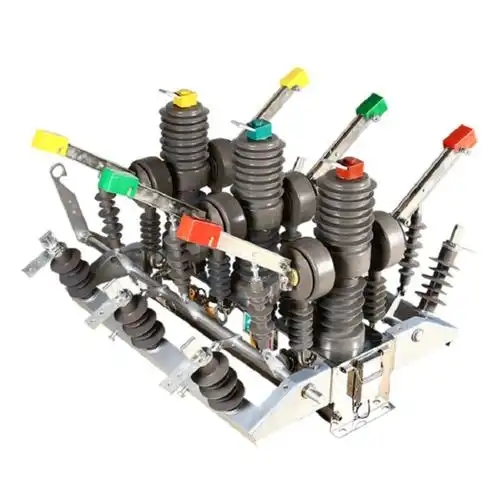
Why Insulation Structures Matter in Vacuum Circuit Breakers
Vacuum circuit breakers (VCBs) are vital for safe power distribution, and their insulation structure determines performance and cost. As an electrical engineer at Wei Shoe Elec, I’ve seen how choosing the wrong insulation type can lead to inefficiencies or failures. Let’s break down the differences in vacuum circuit breaker insulation structures to help you pick the best one.
Picking the right VCB is crucial. The Electrical Safety Foundation International (ESFI) reports that improper electrical equipment choices cause over 30,000 incidents annually in the U.S. (ESFI, 2023). Join me as we explore the two main insulation types and their practical applications.
Types of Vacuum Circuit Breaker Insulation
VCBs come in two primary insulation structures: standard insulation (cylindrical) and solid-sealed insulation. Each has unique features, benefits, and drawbacks. Understanding these helps you make informed decisions for your electrical system.
Standard Insulation (Cylindrical)
This type uses a vacuum interrupter fixed inside an epoxy resin shielding cylinder, with an air gap providing dual insulation. It’s a common choice for budget-conscious projects but has limitations in harsh environments.
Solid-Sealed Insulation
Here, the vacuum interrupter and conductive parts are embedded in solid epoxy resin, forming a compact, fully sealed unit. This design excels in demanding conditions but comes with trade-offs.
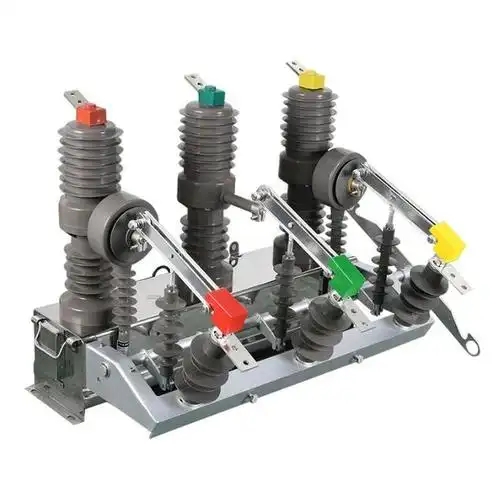
Key Differences Between Insulation Structures
Let’s compare the two insulation types to see which suits your needs. I’ve worked with clients across industries, and these differences often dictate project success.
Solid-Sealed Insulation: Strengths and Weaknesses
Solid-sealed VCBs are compact and robust, ideal for tough environments. Here’s what sets them apart:
Compact size: Smaller pole size saves space in switchgear.
High insulation strength: Embedded design boosts reliability.
Resistant to harsh conditions: Protects against dust, moisture, and pollutants.
Impact protection: Shields the interrupter from physical damage.
However, they have downsides:
Poor heat dissipation: Sealed design traps heat, limiting high-current applications.
Higher cost: Manufacturing complexity increases prices.
For example, a data center in California chose solid-sealed VCBs for their reliability in a dusty environment, reducing downtime by 20% (Source: IEEE Power & Energy Society, 2022). These are perfect for industrial or high-demand settings.
Standard Insulation: Pros and Cons
Standard insulation VCBs are simpler and more affordable but less versatile. Here’s what you need to know:
Better heat dissipation: Air gaps allow cooling, ideal for high-current systems.
Lower cost: Simpler design reduces manufacturing expenses.
The drawbacks include:
Larger size: Bulky poles take up more space.
Weaker impact resistance: Interrupters are more exposed to damage.
Poor environmental adaptability: Dust or moisture can accumulate in gaps.
A factory in Ohio saved 15% on costs by using standard insulation VCBs for a low-demand system (Source: Electrical Contractor Magazine, 2023). These work well in basic, clean environments.
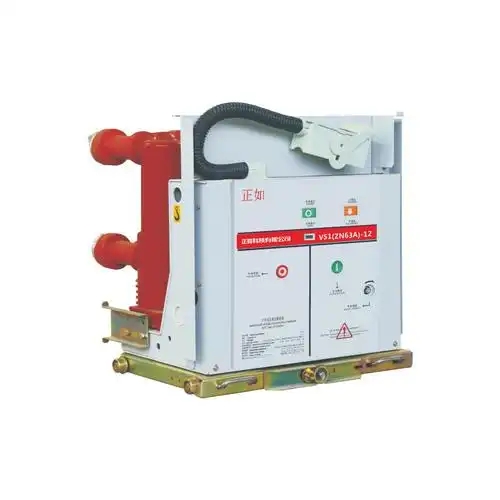
How to Identify Insulation Types by Appearance
Not sure which VCB you’re looking at? Physical features make it easy to tell them apart. Here’s a quick guide:
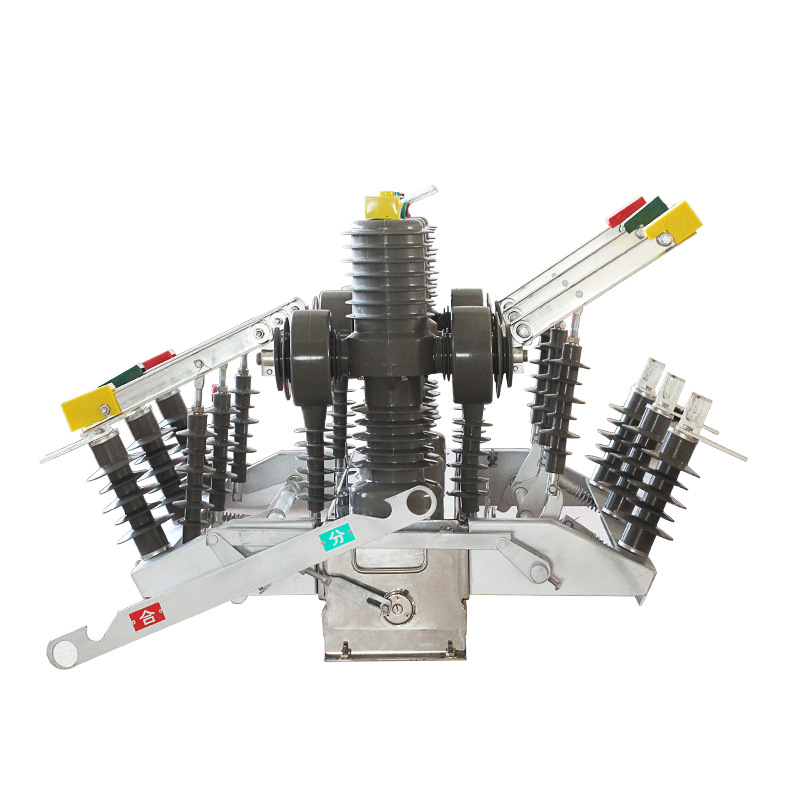
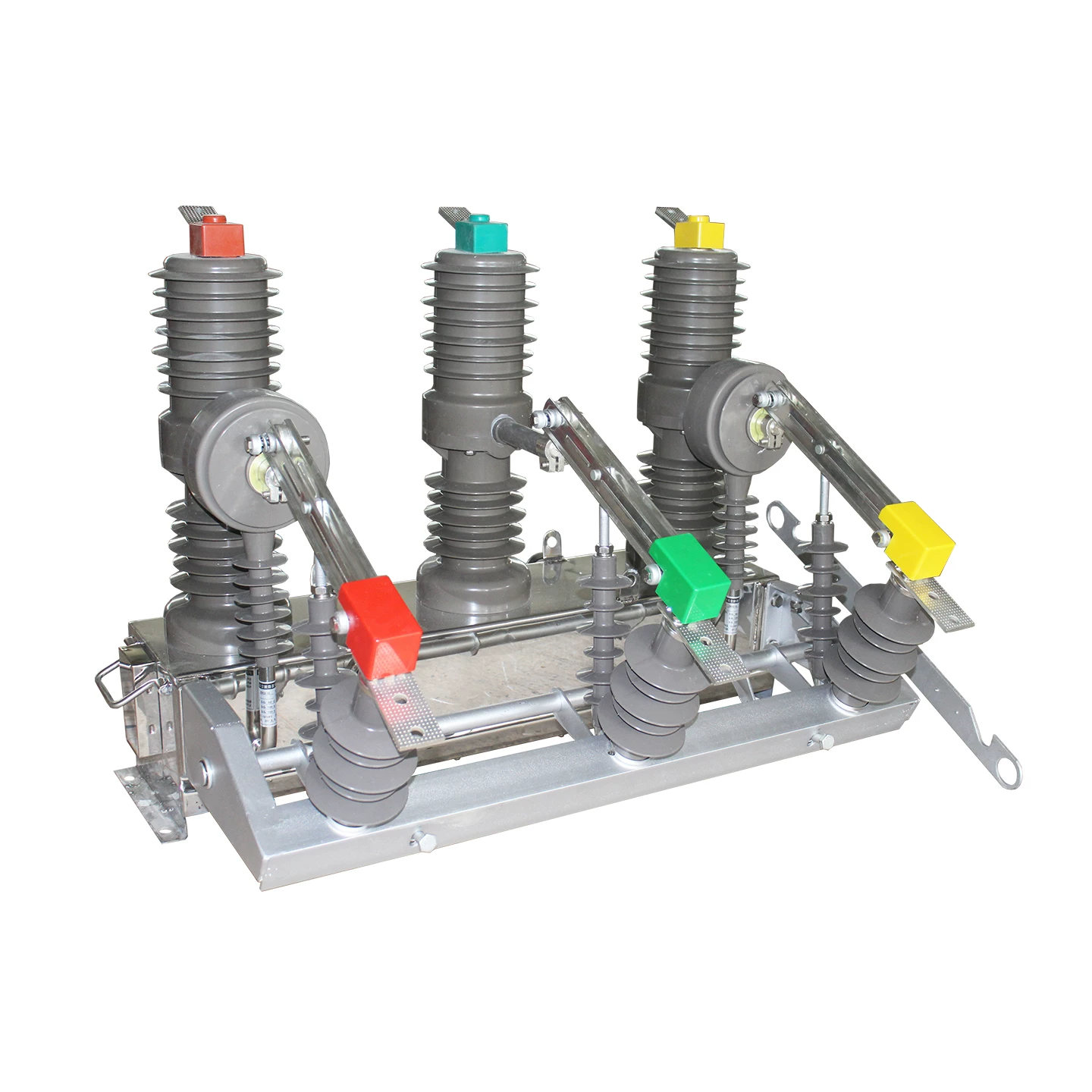
Pole size: Standard insulation poles are larger; solid-sealed poles are compact.
Molding style: Standard insulation uses non-integrated molding; solid-sealed is fully integrated.
Structural details: Standard poles often have a top cover; solid-sealed poles don’t.
Next time you’re inspecting equipment, check these traits to confirm the vacuum circuit breaker insulation types.
Case Study: Indoor Vacuum Circuit Breaker Design
Let’s look at a real-world example of indoor VCBs to see how insulation choices impact performance. I recently worked on a project for a New York office building, where we tailored VCBs to their needs (Source: Wei Shoe Elec Project Records, 2024).
Design Highlights
Modern indoor VCBs offer flexibility and efficiency:
Flexible selection: Choose standard or solid-sealed poles, fixed or withdrawable styles.
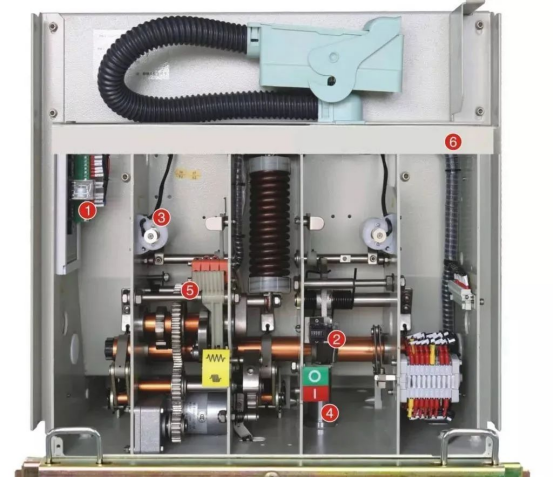
Integrated design: Combines the interrupter and operating mechanism for better performance, lower energy use, and reduced noise.
Advanced mechanism: Uses spring-energy storage for manual or electric operation.
Key Technical Parameters
These specs ensure reliability:
Interrupter: Longitudinal magnetic field technology, with breaking capacities of 25kA, 31.5kA, or 40kA.
Mechanical performance: 30,000-cycle mechanical life, E2 electrical life, <2ms three-phase asynchrony, 20- 50ms breaking time, <2ms contact bounce.
Reliability: 4-second thermal stability, 3mm contact overtravel, and robust interlock to prevent errors.
This design helped the New York project cut maintenance costs by 10% while ensuring safety.
FAQ: Common Questions About VCB Insulation Structures
Q: How do I choose between standard and solid-sealed insulation?
A: Pick standard insulation for cost-sensitive, low-demand SETTINGS. Choose solid-sealed for harsh environments or high-reliability needs.
Q: Does solid-sealed insulation overheat easily?
A: Yes, it traps heat, so avoid it in high-current applications unless cooling is addressed.
Q: Can I use standard insulation in dusty areas?
A: It’s not ideal, as dust can accumulate in gaps. Solid-sealed is better for such conditions.
Q: How do I spot a solid-sealed VCB?
A: Look for a compact, fully molded pole without a top cover, unlike the larger, covered standard poles.
Wrapping Up: Choose the Right Insulation for Your Needs
Understanding the differences in vacuum circuit breaker insulation structures is key to picking the right equipment. Standard insulation saves money in simple setups, while solid-sealed insulation excels in tough conditions. As your partner at Wei Shoe Elec, I hope this guide helps you choose vacuum circuit breaker insulation wisely and avoid costly mistakes.
Need help selecting the perfect VCB for your project? Contact Wei Shoe Elec for expert advice. Call us at +86-0577-62788197, message us on WhatsApp at +86 159 5777 0984, or email [email protected] for a tailored quote today!