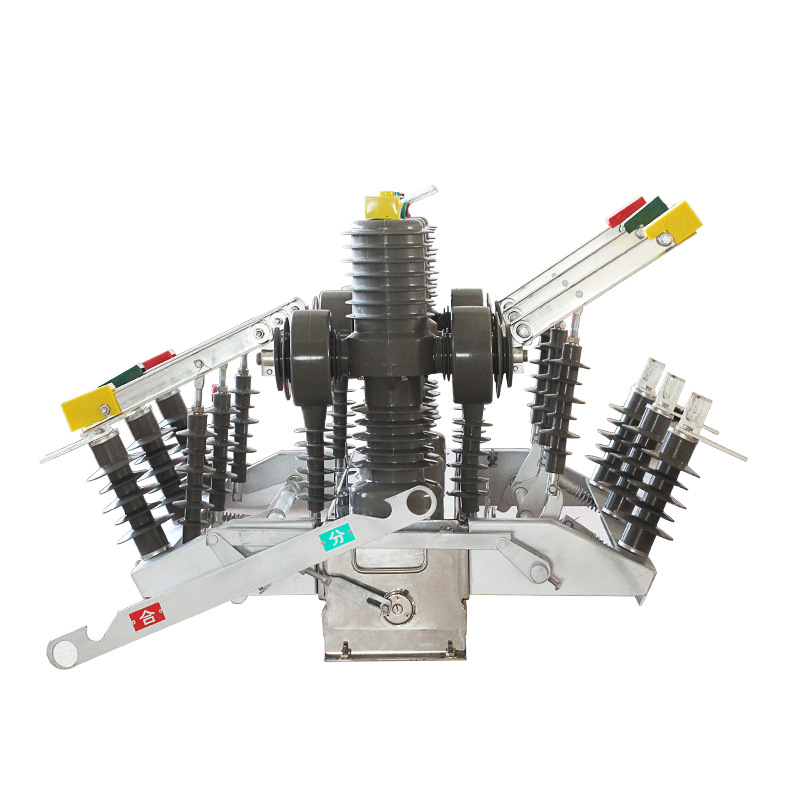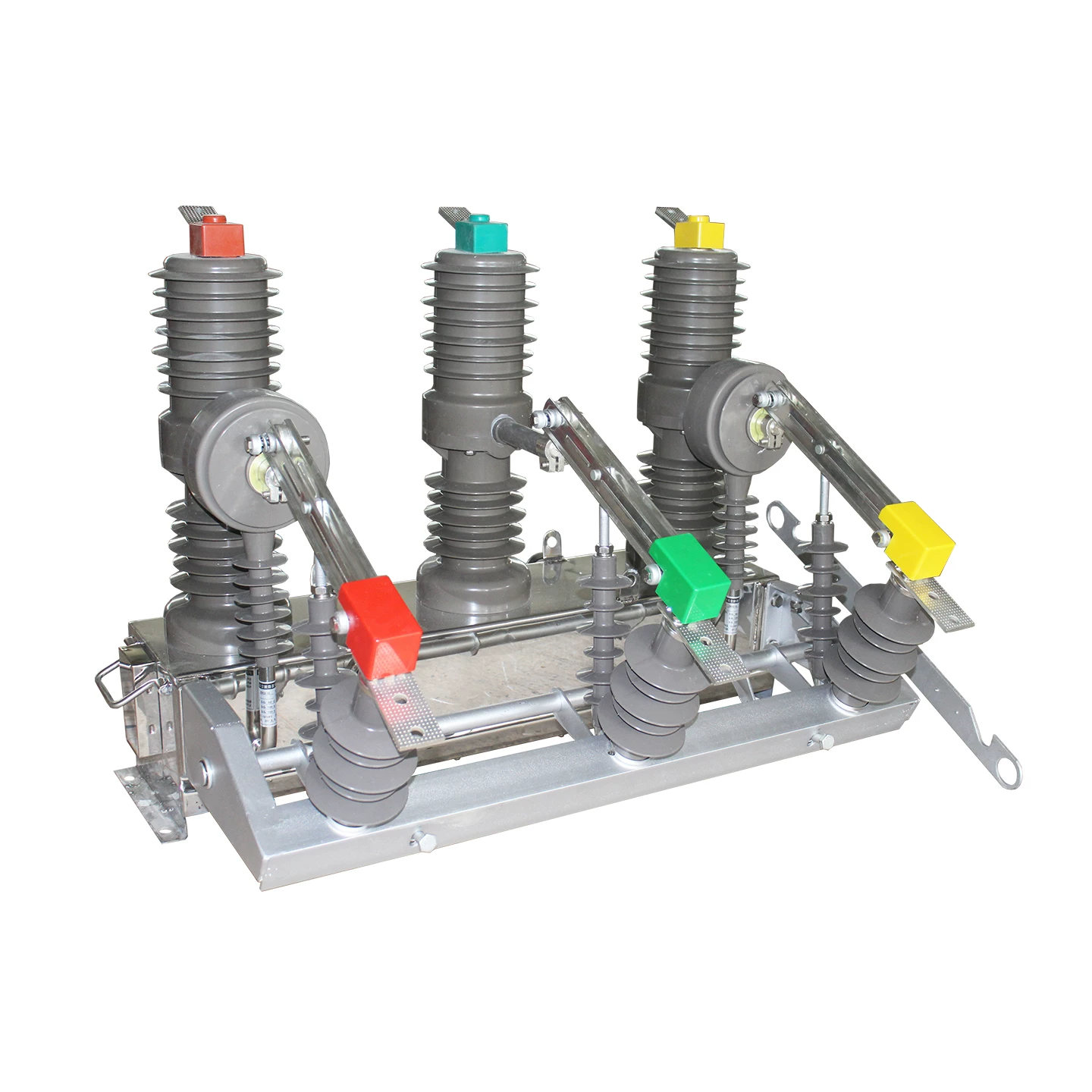
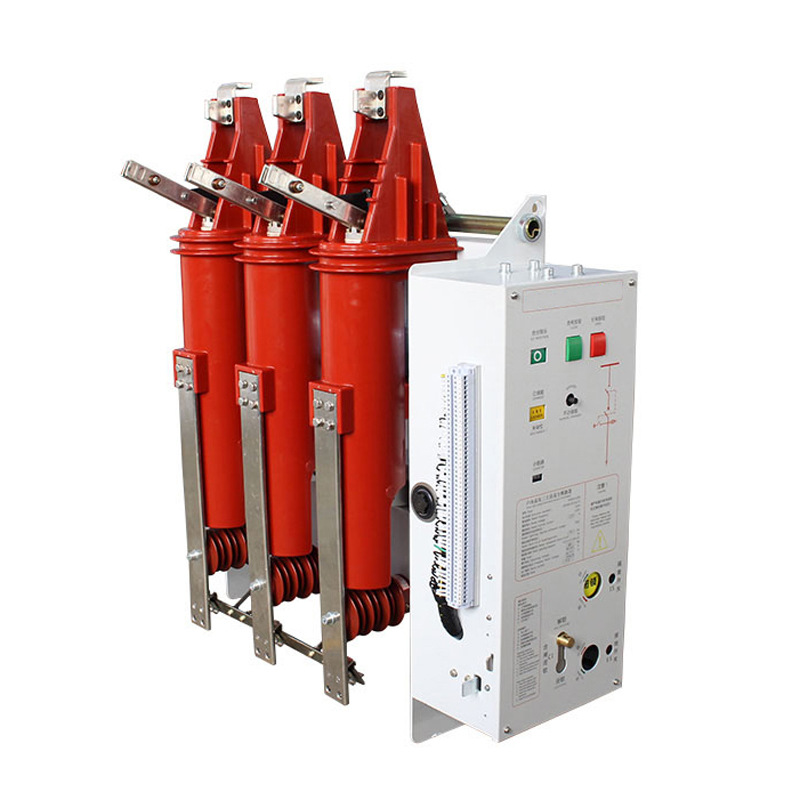
A three-position integrated vacuum circuit breaker is a multifunctional switchgear device that combines a circuit breaker, isolating switch, and earthing switch into a single, compact unit. This advanced design allows for seamless transition between breaking, isolating, and grounding positions, significantly enhancing safety, efficiency, and space utilization in medium-voltage power systems.
Whether you're managing a substation or designing a compact switchgear room, understanding this device helps you reduce footprint, streamline operations, and prevent accidents caused by human error or equipment failure.
1. Definition and Functional Role
What Does “Three-Position Integrated” Mean?
Three-Position: Refers to the three functional states—ON (Circuit Breaker Closed), ISOLATED, and EARTHED.
Integrated: All three functions are mechanically and electrically interlocked within the same housing, eliminating the need for separate components.
Why Is This Important?
Traditional setups use separate devices for each function. This increases:
Installation space
Wiring complexity
Risk of misoperation
The three-position integrated breaker simplifies this by offering:
Unified operation
Compact footprint
Improved personnel safety
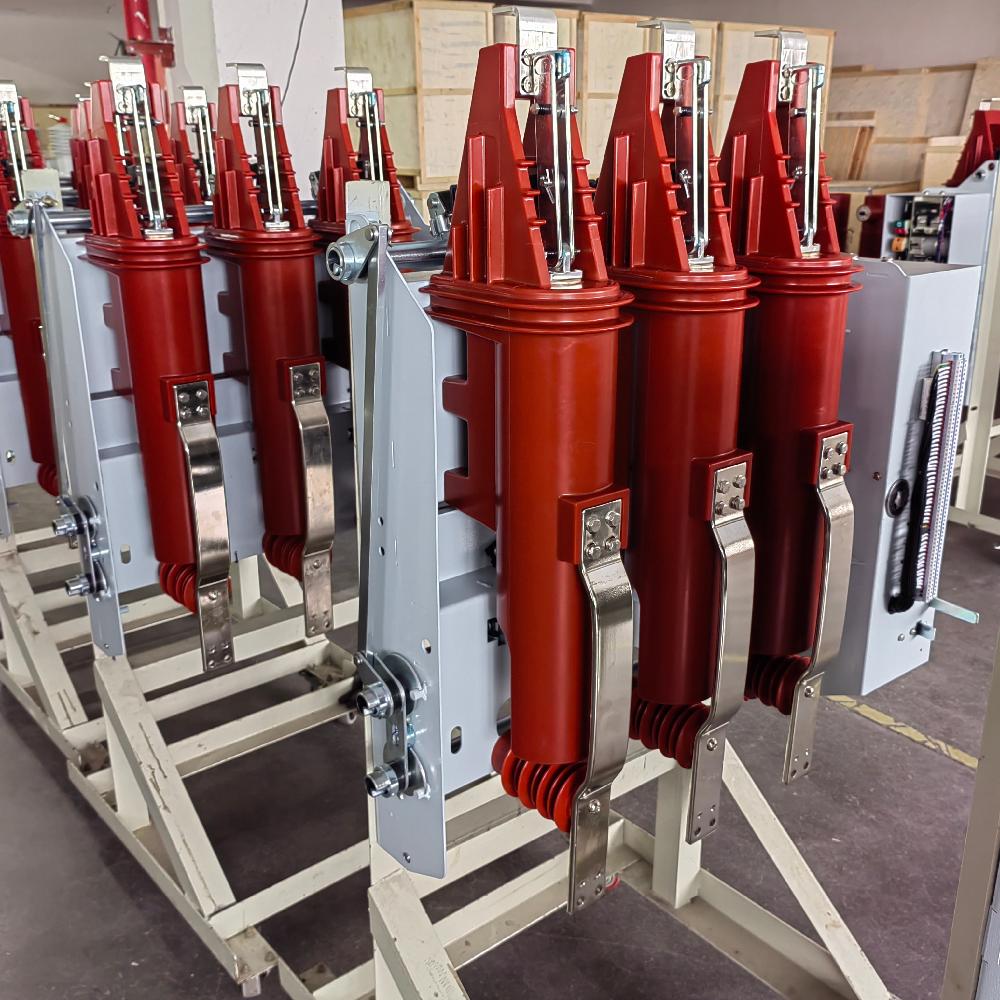
2. Structural Design and Core Features
Compact Integration
The device uses a modular design to fit all components within a single cabinet, significantly reducing the footprint compared to traditional multiple-unit setups.
Vacuum Interruption Technology
At its core is a vacuum interrupter, known for:
High arc-extinguishing capability
Minimal maintenance
Long operational life
Key Advantages
Feature | Benefit |
Single operating mechanism | Simplifies switching between functions |
Multiple interlocks | Prevents unsafe operations |
Reliable arc quenching | Ensures durability and low maintenance |
Space-efficient design | Ideal for compact substations or RMUs |
3. How Each Position Works
Breaker Position
Function: Automatically opens when an overload or short circuit is detected.
Application: Protects transformers, cables, and other power equipment.
Isolating Position
Function: Provides visible isolation for safe maintenance.
Application: Used before personnel work on the downstream equipment.
Earthing Position
Function: Grounds the circuit to eliminate residual charges or static buildup.
Application: Ensures zero-voltage condition before inspection or repair.
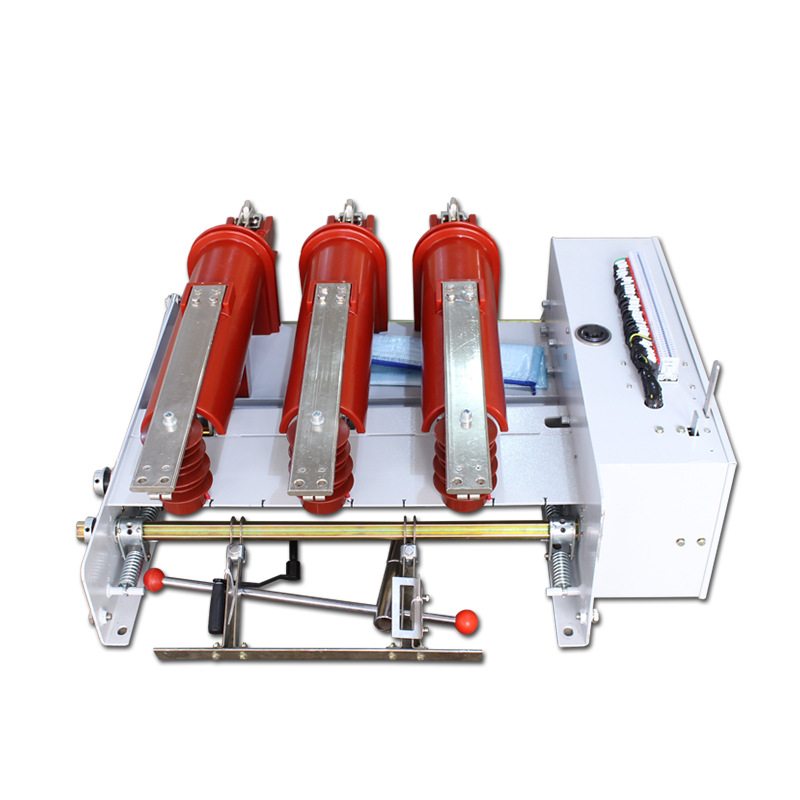
4. Operating the Device: Step-by-Step Guide
Pre-operation Checklist
Verify current position via the indicator panel
Confirm power control status and interlock readiness
Switching Sequence
🔁 Breaker → Isolating
1. Press “Trip” to open the circuit breaker.
2. Turn the handle or use a remote control to switch to “Isolated.”
3. Confirm position via mechanical or electronic indicators.
🔁 Isolating → Earthing
1. Ensure the breaker remains in the open position.
2. Operate the grounding switch to move to “Earth.”
3. Verify grounding path continuity and the visual indicator.
🔁 Earthing → Breaker Close
1. Return from Earth to isolation.
2. Switch isolator to prepare for close.
3. Press the “Close” button to resume power.
Operation Modes
Electric: Via 220V DC/AC remote or local control
Manual: Emergency use with hand lever, only when the control power is off
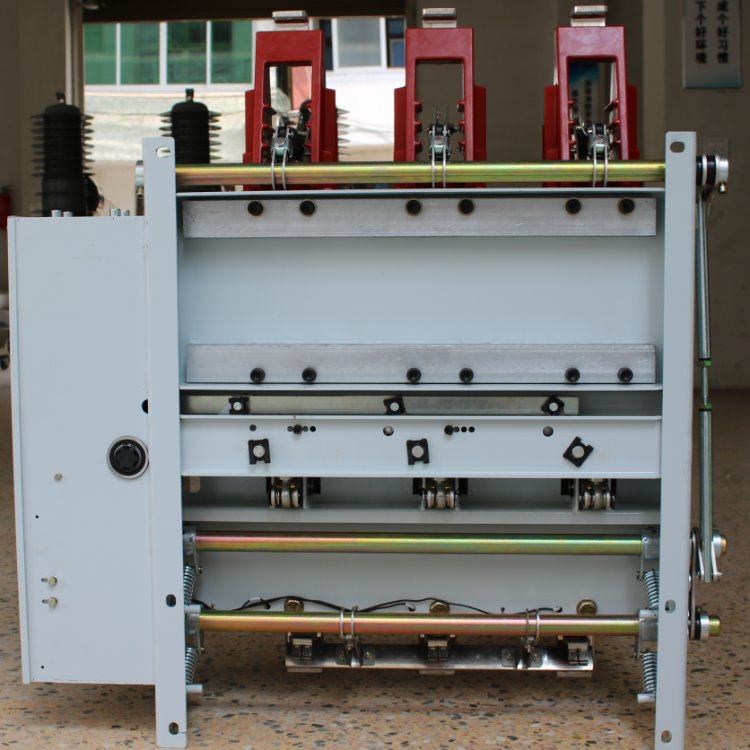
5. Interlocking and Safety Mechanisms
Mechanical Interlocks
Prevent isolator movement if the breaker is closed
Electrical Interlocks
Lock the breaker circuit if the earth switch is engaged
Sequential Logic
Forces operate in a safe order:
Breaker → Isolate → Earth
Earth → Isolate → Breaker
These systems virtually eliminate risks of arc flash, false energization, or maintenance accidents.
6. Maintenance Guidelines
Routine Inspections
Visual check: Any signs of vacuum bottle damage or condensation
Indicator verification: Does the position match the actual switch state?
Listen and feel: Unusual sounds or mechanical resistance?
Periodic Testing
Item | Frequency | Standard |
Vacuum level | Yearly | ≤ 10⁻⁴ Pa |
Contact resistance | Every 1–2 years | ≤ 50μΩ |
Timing test | Every 2 years | Open/close sync ≤ 2ms |
Component Upkeep
Mechanism lubrication: Every 2 years for springs and bearings
Seal replacement: Every 5 years to ensure insulation integrity
Ground resistance test: Should be ≤ 4Ω
7. Value in Power Distribution Systems
✅ Optimized Space Usage
Replaces three separate units with one integrated system
✅ Simplified Workflows
Fewer operations, less training required
✅ Enhanced Personnel Safety
Interlocks and clear visual indicators minimize operator errors
✅ Faster Troubleshooting
Quickly identify and isolate faulted sections
✅ Long-Term Reliability
Vacuum technology ensures long MTBF (mean time between failures)
This makes it ideal for:
Prefabricated substations
Ring main units (RMUs)
Industrial switchgear panels
8. Frequently Asked Questions (FAQ)
1. How is this different from a traditional circuit breaker setup?
A traditional setup uses three separate devices, while this integrates all of them into one. This saves space and time and reduces wiring complexity.
2. Is the three-position breaker suitable for outdoor use?
Yes, when installed in a properly rated enclosure. It's often used in outdoor compact substations and wind power applications.
3. How do I know if the vacuum interrupter needs replacement?
Annual vacuum testing will detect pressure loss. If the vacuum level exceeds 10⁴ Pa or arc extinguishing fails, replacement is required.
4. Can I operate it manually in an emergency?
Yes, using the hand lever, but only after cutting the control power and following safety protocols.
5. What’s the service life of this equipment?
Typically 20+ years with regular maintenance and normal load cycles.

✅ Get Expert Support or a Quote Today
If you're designing a new substation, upgrading switchgear, or looking for a safer and smarter breaker solution, Wei Shoe Elec is ready to help.
👉 Need tailored technical advice or pricing?
Click here to contact us now →
Or email: [email protected]