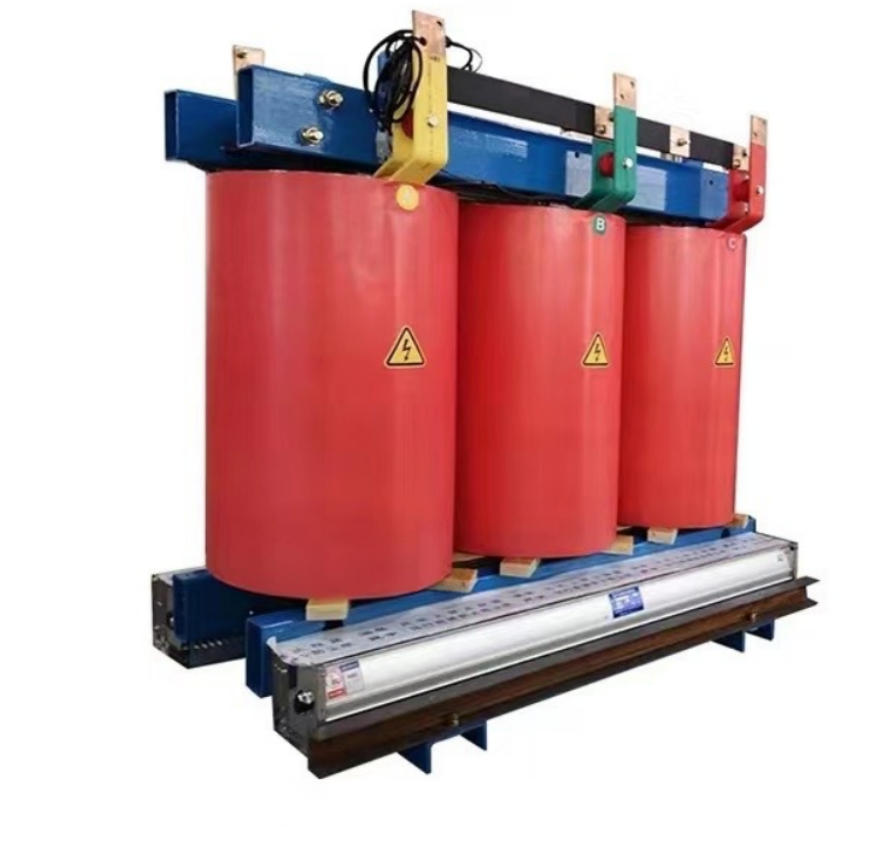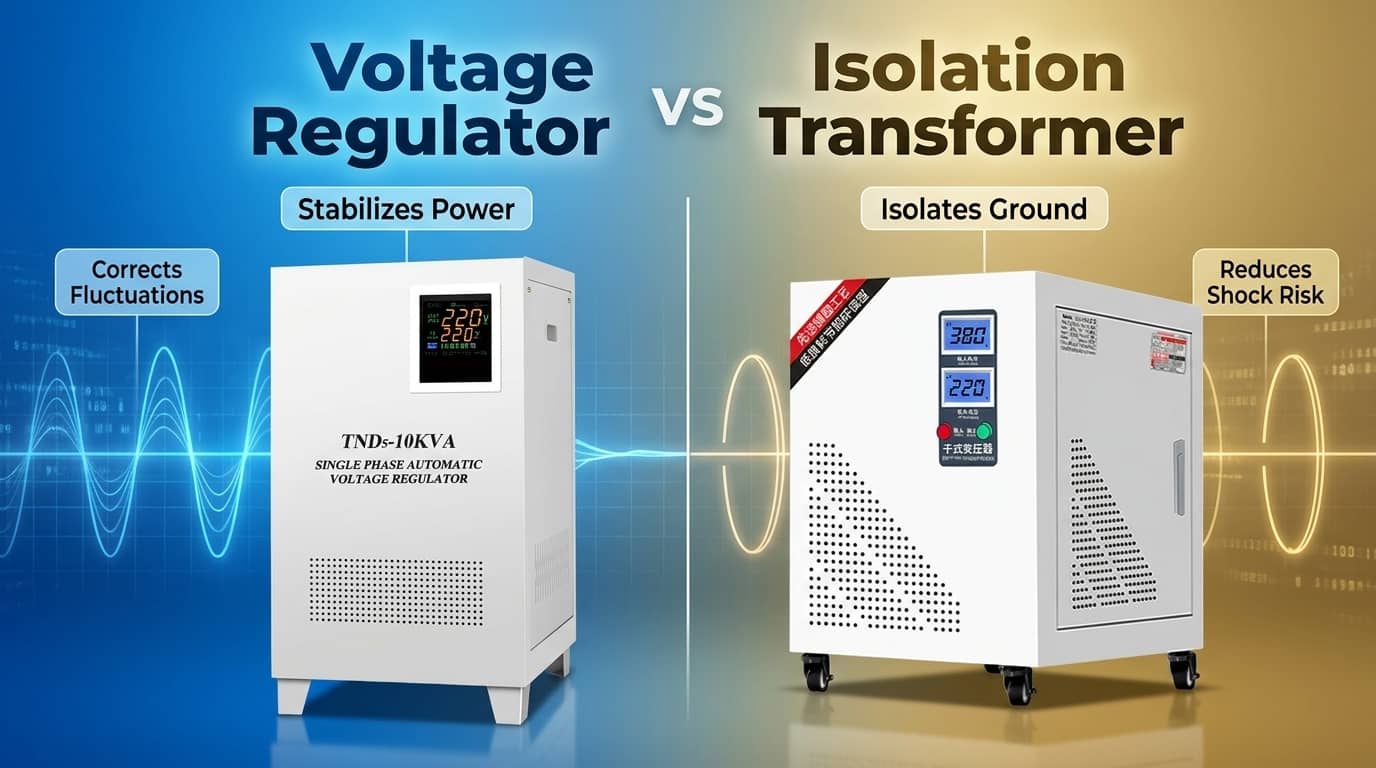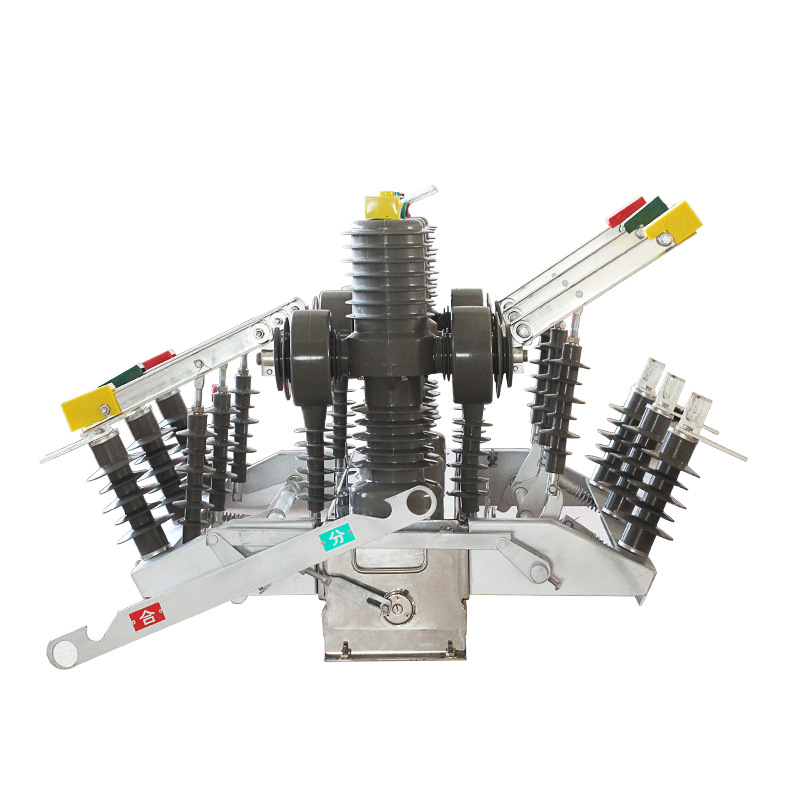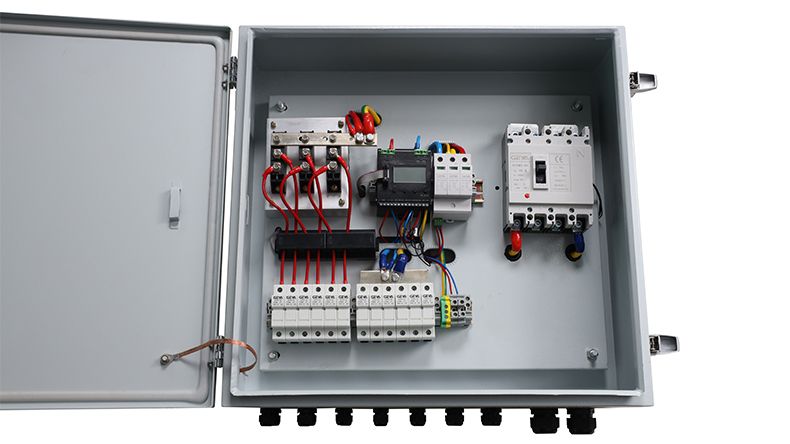
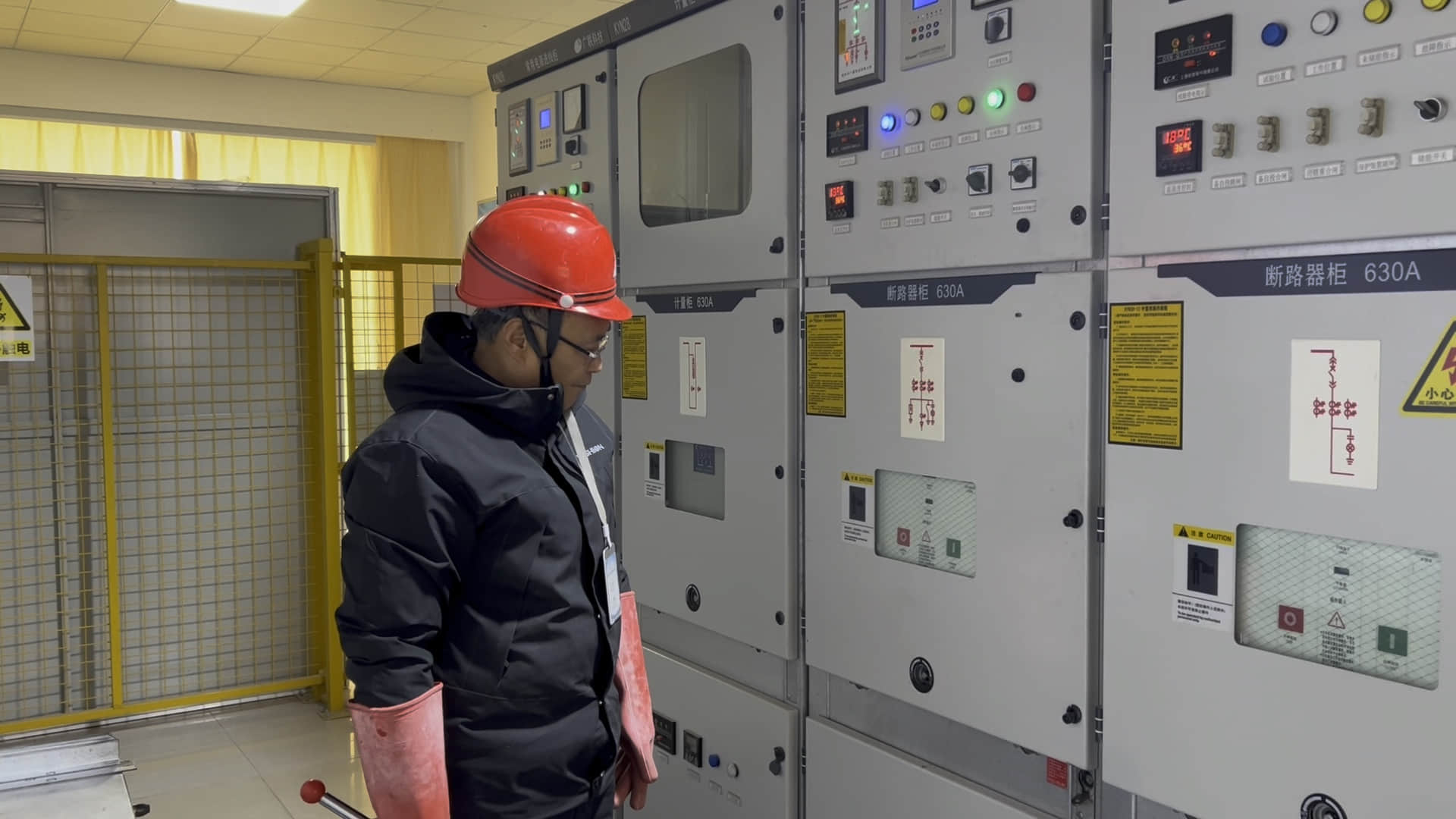
As a core hub of the power system, the safe and stable operation of high-voltage switchgear is crucial. For electrical engineers, mastering its key technical parameters and safety standards isn't just fundamental to ensuring a reliable grid supply; it's also vital for personal safety and equipment longevity.
This article, based on IEEE standards and UL certification requirements, will deeply analyze core technical points like switchgear temperature rise limits and partial discharge detection. It aims to help you accurately control equipment performance and mitigate potential risks in your daily work.
I. High-Voltage Switchgear Temperature Rise Limits: Key to "Cooling Down" Your Equipment
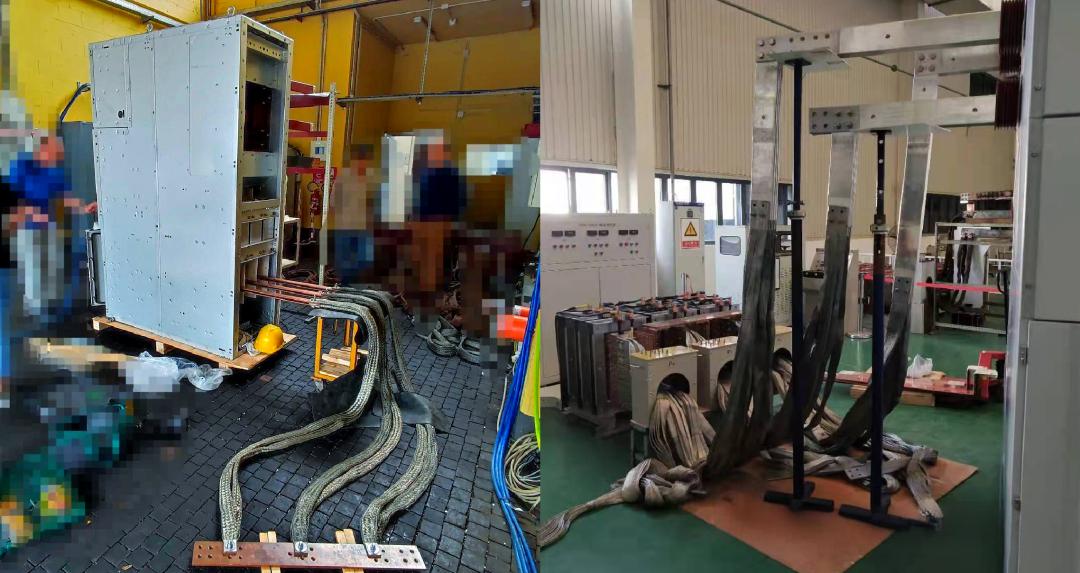
As everyone knows, electrical appliances generate heat with prolonged use, and high-voltage switchgear is no exception. However, if the temperature gets too high, it's like a person running a high fever—it can "burn out the brain" and trigger various malfunctions.
In the United States, IEEE standards and UL certification requirements have established detailed rules for switchgear heating. For example, relevant IEEE standards specify the maximum temperature for different components during normal operation, such as contacts and connection points. These are critical "nodes" for current transmission, and their temperatures must be strictly controlled.
If the temperature exceeds the standard, it's like a pipe joint under too much pressure starting to leak; current transmission will be affected, and in severe cases, it could even lead to a fire. From IEEE C37.20.2 Standard, the temperature rise for contacts and connection points in normal operation usually shouldn't exceed 65°C (at 40°C ambient temperature). This is like setting a "body temperature red line" for them; once exceeded, contact performance will degrade. For external casings and covers, which you can touch, there are also strict temperature limits to prevent burns and signal internal overheating. For busbars and conductors, the "highways" of current, temperature limits are closely related to their materials and insulation levels. Exceeding the standard accelerates insulation aging, like road surfaces starting to break down on a highway, jeopardizing driving safety.
Q: So, how do we "cool down" switchgear?
A: It's quite similar to cooling down a computer:
Upgrade to "High-Performance Parts": Use highly conductive copper and aluminum materials, and increase conductor cross-sections, just like widening a water pipe for smoother flow. Connection points can be specially treated, such as silver plating, and conductive paste applied to reduce contact resistance. This is akin to putting high-performance spark plugs in a car for smoother engine operation.
Optimize "Cooling Design": Improve the cabinet structure by adding more ventilation holes, like opening more windows in a house. For large-current switchgear, fans or heat pipes can be installed to actively "blow away" the heat. This is like installing air conditioning in a stuffy room for rapid cooling.
Routine "Health Checks": During installation, always tighten screws to standard torque values. During operation, use high-tech "assistants" like infrared thermometers and wireless sensors for real-time temperature monitoring. If abnormal temperatures are detected, immediately reduce the load or shut down for inspection. Never delay, or a small problem could escalate into a major disaster.
Ignoring excessive temperatures can lead to brittle insulation, burnt contacts, and in severe cases, even arc flash explosions, with unimaginable consequences!
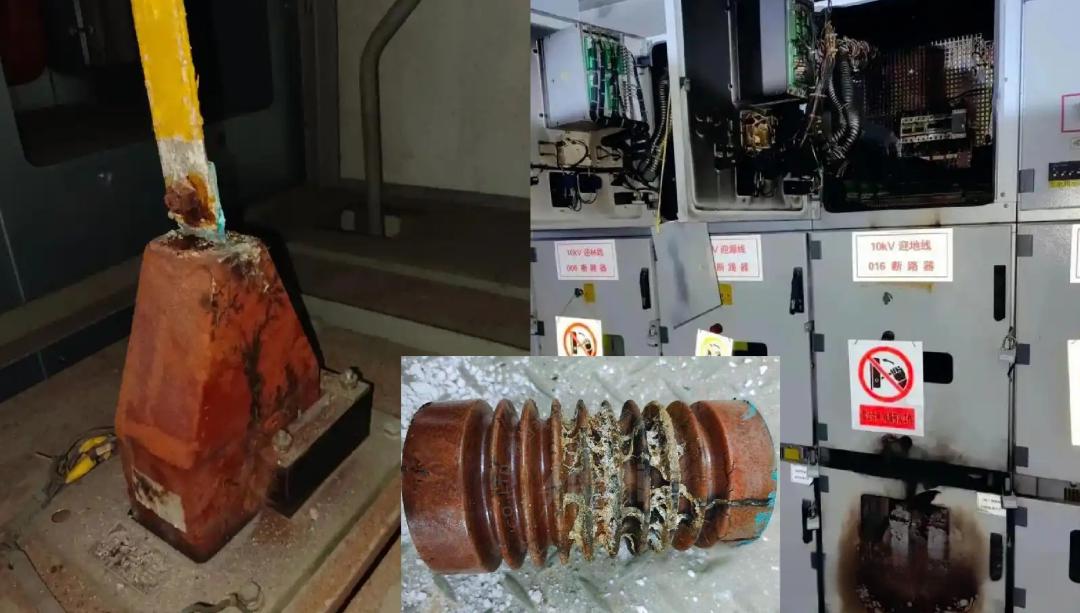
II. Partial Discharge: The "Invisible Killer" Hiding in Switchgear
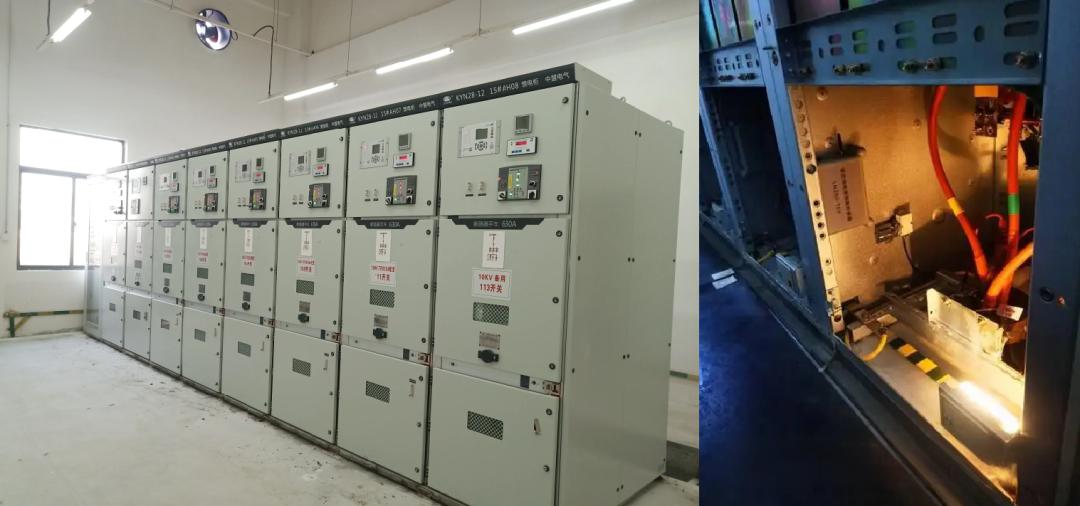
Imagine a tiny air bubble within an insulator. When current passes through, the bubble acts like a squeezed balloon, suddenly "popping" with a discharge—this is partial discharge. It won't immediately cause insulation breakdown, but like water dripping on a stone, over time it will "eat away" large holes in the insulation layer.
Q: Why does partial discharge occur?
A: The reasons are diverse:
Design and Manufacturing "Shortcuts": Some manufacturers might reduce phase-to-phase distances to shrink cabinet size without adequate insulation reinforcement, leading to concentrated electric fields and easier discharge. This is like a small room with poorly arranged furniture, making movement difficult.
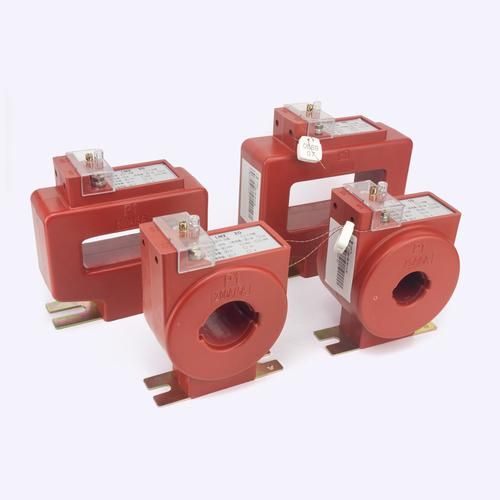
Careless Installation and Maintenance: Loose screws, cracked instrument transformers, or poor-quality insulators can all cause uneven electric fields, leading to discharge. It's like building with unstable blocks; a slight touch can make them collapse.
Environmental "Damage": Excessive dust, high humidity, or strong vibrations can degrade insulation and even create floating potentials on metal components, becoming sources of discharge. This is similar to how harsh weather conditions can damage roads, making driving unsafe.
Q: How do we detect this "invisible killer"?
A: There are three "detection tools" available today:
Transient Earth Voltage (TEV) Detection: This is like performing an "ECG" on the switchgear. It uses capacitive coupling to detect high-frequency currents induced by electromagnetic waves generated during discharge. TEV can precisely capture the subtle electrical signal changes produced by partial discharge.
Ultrasonic Detection: This acts like a "stethoscope," receiving ultrasonic signals generated during discharge to determine its location and intensity. It's similar to a doctor using a stethoscope to listen to a patient's heart and breath sounds to diagnose their condition.
Ultra-High Frequency (UHF) Detection: Like "radar," this method captures ultra-high frequency electromagnetic waves produced by discharge. These waves can transmit through gaps and observation holes to be detected. UHF can quickly find "clues" of partial discharge, issuing timely warnings.
III. Short-Circuit Withstand Current: Testing the Switchgear's "Pressure Resistance"
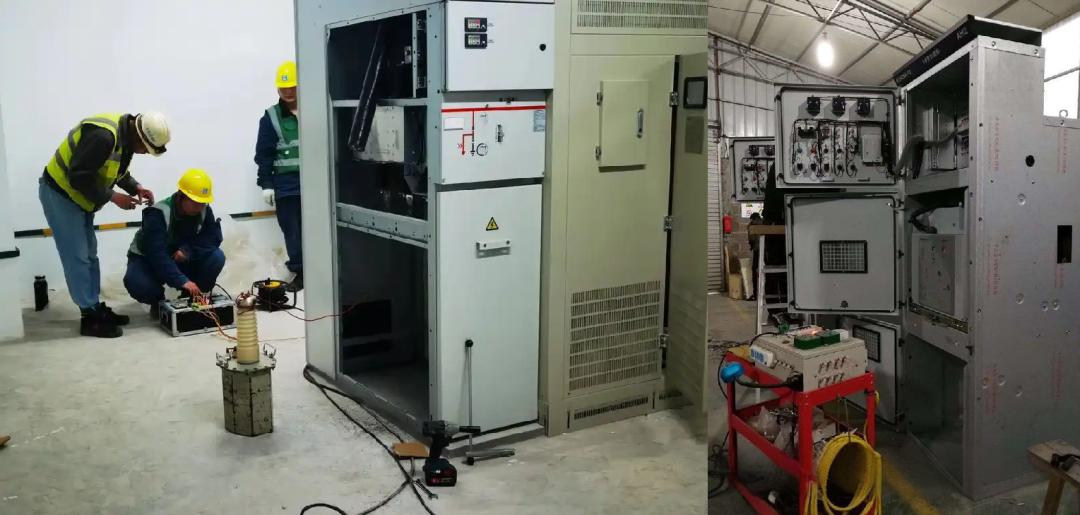
A short circuit is like a sudden "flood" in a circuit, releasing immense energy instantly. At this moment, the switchgear must act like a strong dam, withstanding the current surge. Its pressure resistance primarily depends on two indicators:
Short-Time Withstand Current (Thermal Stability Current): This refers to the RMS value of the short-circuit current that the switchgear can withstand for a few seconds (typically 3-4 seconds). It tests the equipment's "heat resistance." If it can't withstand it, internal components will be "cooked" by the high temperature. This is like a firefighter needing to endure high temperatures in a burning building for a period without being overwhelmed by the heat.
Peak Withstand Current (Dynamic Stability Current): Facing the peak of the first large half-wave of the short-circuit current, the switchgear must withstand the "critical blow" of electromagnetic forces. Otherwise, busbars and the cabinet itself could be deformed by the powerful electromagnetic forces. This is like a boxer needing to withstand heavy punches from an opponent, requiring a strong body to avoid being knocked down.
Q: What factors influence the switchgear's "pressure resistance"?
A:
System Short-Circuit Capacity: This is like the size of the flood, depending on the power source and lines. For example, in a typical 10kV system, if a transformer has a capacity of 10MVA and a short-circuit impedance of 6%, the short-circuit current can reach 25kA. The switchgear's rated value must be greater than this for safety. This is like building a dam; its height and strength must be designed according to the maximum possible flood flow.
Inherent "Physical Quality": Materials with good conductivity and large cross-sectional areas generate less heat. Insulation with a high heat resistance rating has stronger temperature endurance. A robust cabinet structure can withstand electromagnetic force impacts. This is like an athlete needing strong muscles, good endurance, and resilient bones to perform well in a competition.
Environmental "Buffs": In high-altitude or high-temperature regions, heat dissipation becomes more difficult, so switchgear might need to be "derated" or have enhanced cooling measures. This is similar to running at high altitudes, where people feel more strain and need to reduce exercise intensity or take measures to adapt to the altitude.
IV. Mechanical Life and Operating Force: The Switchgear's "Stamina" and "Strength"
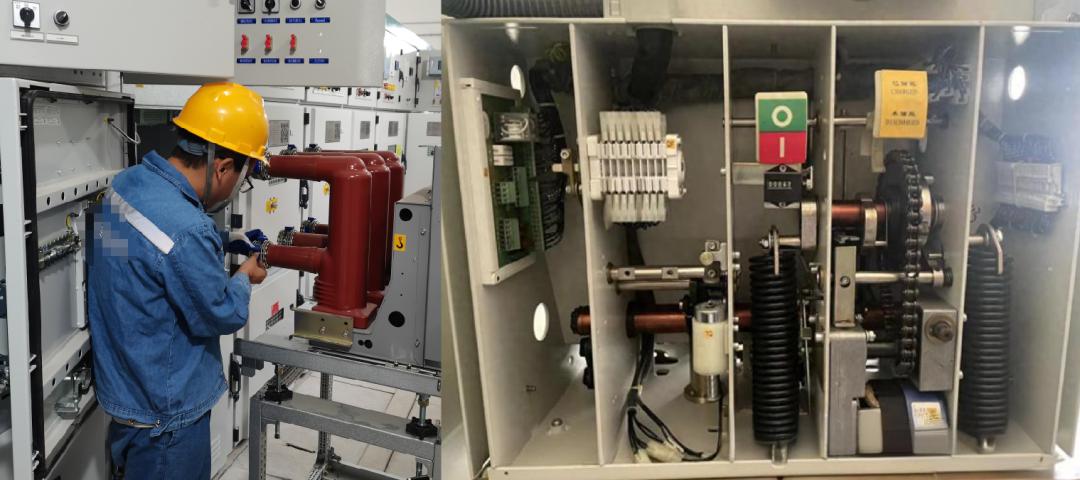
Switchgear opens and closes daily, just like a person performs repetitive opening and closing motions. Over time, mechanical components also get "tired." Its mechanical life is related to the operating mechanism, component quality, and usage frequency:
Operating Mechanisms "Vary in Merit": Electromagnetic mechanisms are like "strongmen" but consume more energy and generate more heat. Spring and permanent magnet mechanisms are like "skillful experts," operating more easily after energy storage, with longer lifespans. This is comparable to two different types of vehicles: one with powerful dynamics but high fuel consumption, the other energy-efficient and flexible.
Component Quality "Determines Durability": "Joints" like connecting rods, pins, and springs, made from high-strength, wear-resistant materials and regularly lubricated, will last longer. This is like a bicycle chain that needs regular oiling to ensure smooth riding.
Usage Habits "Affect Health": Frequent opening and closing, or excessive operating force, is like overwork or overexertion, accelerating component wear. This is similar to a person working at high intensity constantly; their body will eventually give out.
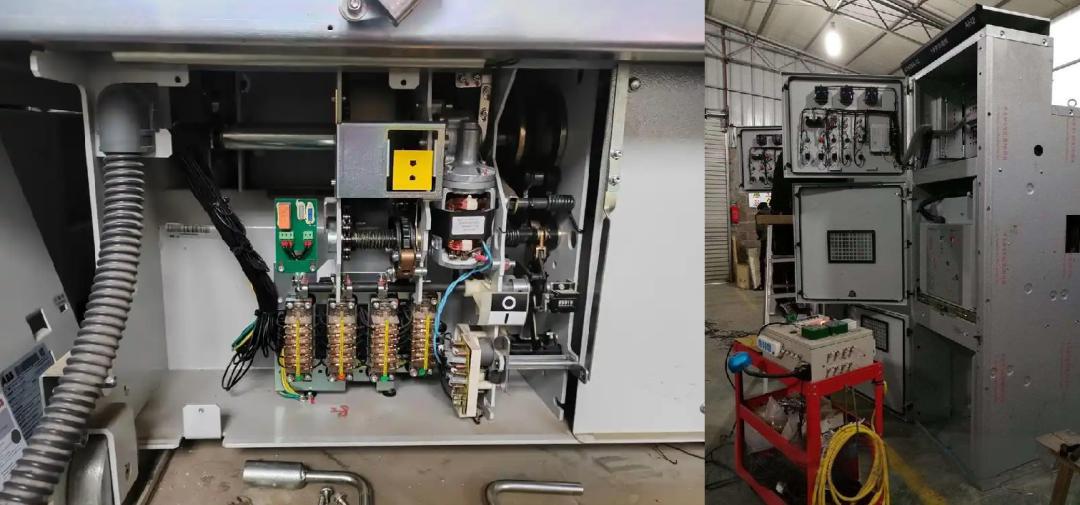
Operating force is also critical; too little, and the breaker won't close; too much, and components can be damaged. After opening and closing, any remaining energy must be "dissipated smoothly," just like brakes should be applied smoothly, without abrupt stops or starts. The design requires repeated debugging to find the "golden balance point" between operating force and mechanical life.
V. Safety Markings: The "Silent Sentinels" Protecting Safety
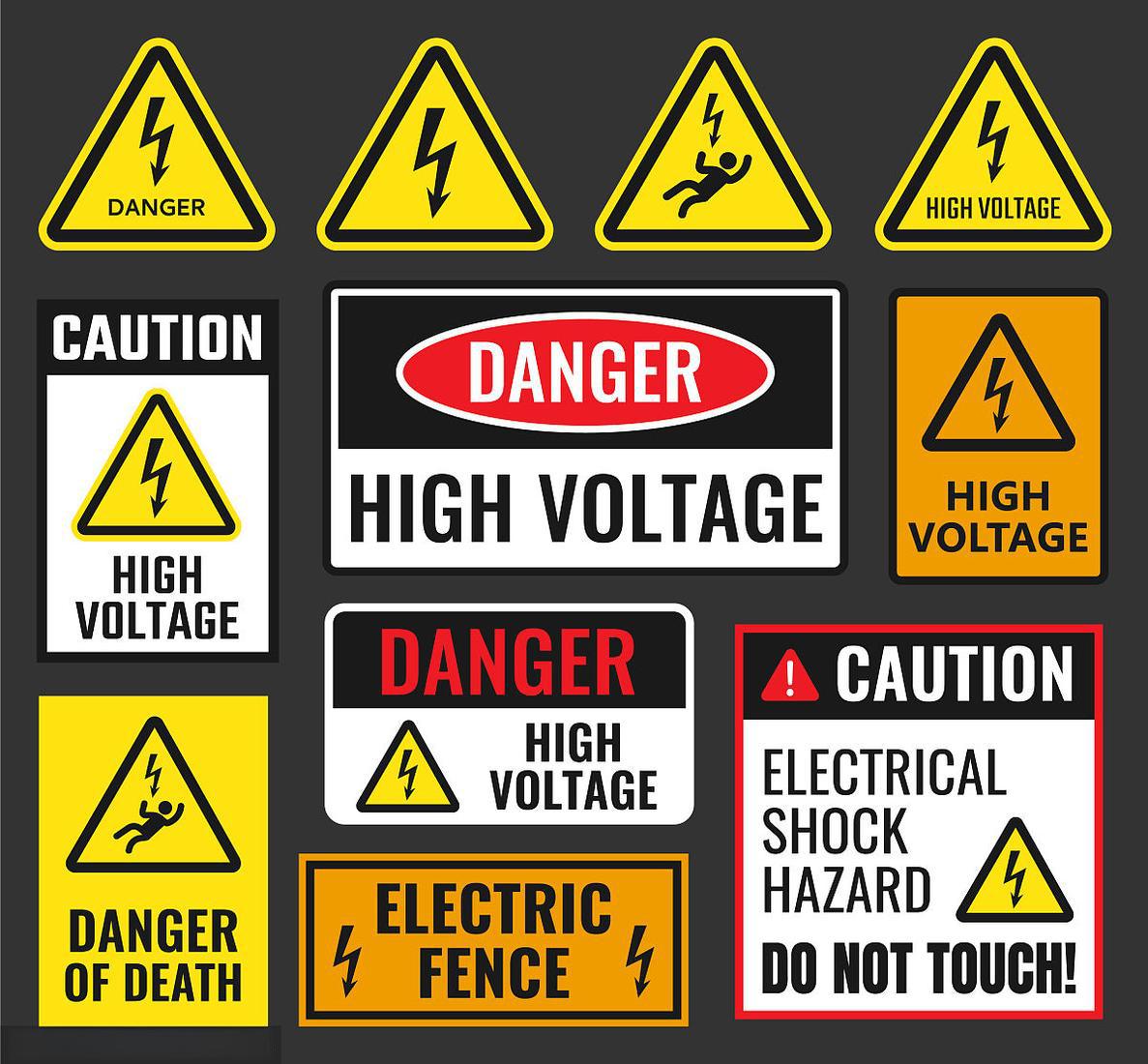
Safety markings are like the switchgear's "safety slogans," potentially saving lives in critical moments! There are four common types:
Warning Signs: Yellow background with black text like "High Voltage Danger" or "Danger of Electric Shock," paired with a lightning bolt symbol, can catch attention from afar. This is like warning signs at an intersection, alerting people to danger ahead.
Operation Signs: On/off indicator lights and operating procedure flowcharts guide you step-by-step for correct operation. This is like an instruction manual, clearly showing you how to operate the equipment.
Prohibition Signs: White background with red text like "Do Not Operate" or "No Entry," often reflective at night, remind you to avoid hazards. This is like roadblocks in a dangerous area, prohibiting entry.
Protective Signs: Grounding locations and insulation tool usage tips inform you how to protect yourself. This is like a construction site telling you to wear a hard hat and other protective gear.
These markings must be placed in conspicuous locations, with multiple signs in critical areas. The materials should be sun-resistant, rain-resistant, and wear-resistant, ideally fluorescent at night, ensuring they are "on duty" 24 hours a day.
The core knowledge about high-voltage switchgear discussed above is crucial for ensuring the safe and stable operation of power systems. Whether it's equipment selection, daily operation and maintenance, or fault diagnosis, these key points will provide you with strong technical support.
At Weishoelec, we're a professional Chinese manufacturer dedicated to serving clients in Europe, the Americas, and other overseas markets. If you encounter specific issues in your work or wish to delve deeper into any technical detail, please feel free to reach out!
I'm Thor, an Electrical Engineer at Weishoelec, and I look forward to connecting with you.
Weishoelec Contact Information:
Phone: +86 0577-62788197
WhatsApp: +86 159 5777 0984
Email: [email protected]