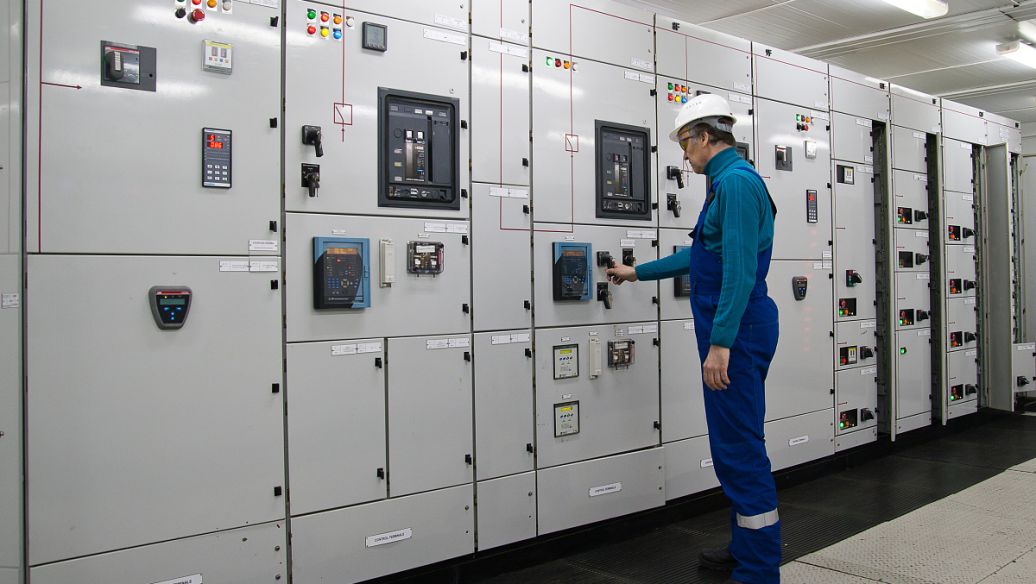
In 2021, a problem with differential protection caused a 72-hour outage at a data center in Hamburg, Germany. This led to losses of over €230 million. In 2020, a poor GIS selection triggered a cascading blackout in California, affecting 250,000 people.
These cases show important problems in power system design. They include bad equipment choices, wrong protection coordination, and risks of cascading failures. This guide looks at five technical comparisons and eight real-world fault scenarios.
These examples come from projects like a Silicon Valley data center and the Dogger Bank wind farm. It offers engineers end-to-end solutions from design to operation.
I. GIS vs AIS: A Crucial Choice for Western Projects
Key Insight: GIS accounts for over 65% of the high-end Western market, but selection must align with strict site requirements.
1.1 Space Efficiency: A Real Case from Silicon Valley
Google’s Mountain View data center used Siemens 8DN8 GIS. It required only one-third the space of a traditional AIS setup and saved $12 million in land costs. However, its initial investment was 45% higher. A full lifecycle cost (LCC) analysis showed:
Cost Comparison
AIS Setup:
Equipment cost: $3.2M
Land cost: $2.1M
20-year O&M: $6.8M
GIS Setup:
Equipment cost: $4.7M
Land cost: $0.5M
20-year O&M: $2.4M
→ GIS saves $5.4M overall, including carbon penalty avoidance.
1.2 Harsh Environments: Tested at Dogger Bank
The UK’s Dogger Bank offshore wind farm chose ABB ELK-04 GIS. It passed IEC 62271-203 Class C4 salt fog tests, operating fault-free in over 95% humidity and high salt exposure. Key performance metrics show:
Feature | AIS (Outdoor) | GIS (SF6 Insulated) |
Protection | IP54 | IP67 |
Seismic rating | 0.3g (Class 2) | 0.5g (Class 3) |
Maintenance cost | $12,000/time | $4,500/time |
II. Protection System Failures: Europe’s Top 3 Coordination Mistakes
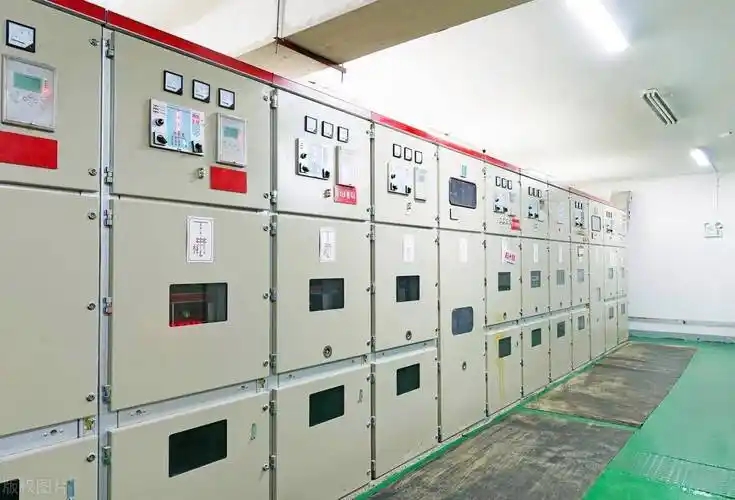
Key Insight: 72% of protection failures stem from poor coordination, not equipment flaws.
2.1 Time Delay Issues: The Amsterdam Metro Blackout
In 2020, the Amsterdam Metro had several outages. This was because of a timing issue of just 0.15 seconds.
This gap was between the overcurrent protection and circuit breakers. The standard timing is 0.3 seconds. The solution involved:
Four Steps to Time Coordination:
1. Record short-circuit waveforms (Fluke 1750)
2. Simulate time curves in ETAP
3. Inject 80% fault current and measure real-time delay
4. Set IDMT curve on Schneider MiCOM P3 (IEC 60255)
2.2 CT Saturation Causing Cascading Faults
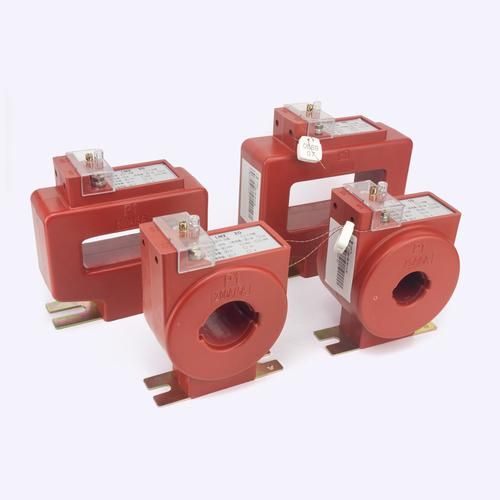
A chemical plant in Lyon suffered false tripping because of overloaded 600/5A CTs. The solution included:
CT Sizing Formula:
Ksec=IratedIfault(max)×RctRburden+Rlead
Saturation Prevention:
Use Rogowski coils (error < 0.5%) or TPY-rated CTs.
III. Scenario-Based Design: From Tier IV Data Centers to Smart Factories
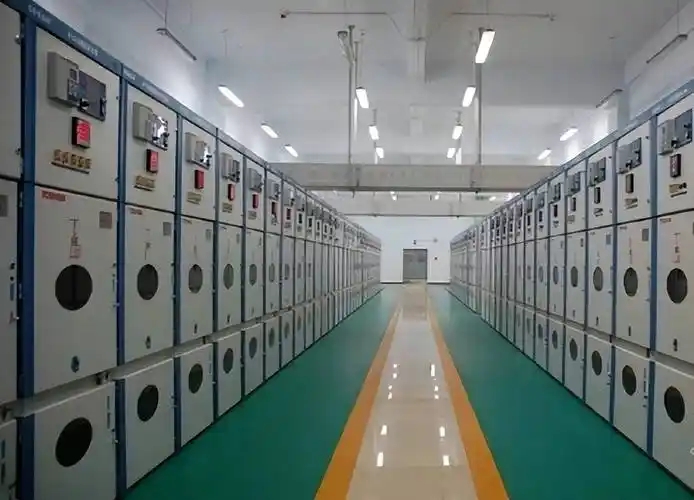
Key Insight: Protection must react in under 50ms with <3% error margin in critical systems.
3.1 Gold Standard at a Tier IV Silicon Valley Data Center
Switchgear Used: Eaton Power Xpert XGIS (40.5kV, 31.5kA)
Protection Devices:
Bus differential: GE UR T60 (32ms trip time)
Harmonic suppression: Littelfuse Varistor (>95% efficiency)
Lesson Learned: Lack of selective ground fault protection (SEP) led to a single-phase fault spreading.
3.2 Millisecond Defense at BMW Germany Plant
Coordination Setup: Siemens Siprotec 7SJ82 (EI curve) + ABB VD4 breaker (42ms trip time)
Fault Protection Measures:
Harmonic blocking (locks if 2nd harmonic >20%)
Fault recorder triggers at I > 1.2× rated current
IV. Brand Showdown: Comparing ABB, Siemens, and Eaton
Key Insight: Technical differences in specs can swing procurement costs by 15–20%.
4.1 Industrial Champion: Siemens NXAir Plus
Advantage: Modular design cuts breaker replacement time to 15 minutes (vs. 2 hours typical)
Reference: Volkswagen Wolfsburg plant (37% fault reduction)
4.2 Infrastructure Leader: ABB UniGear ZS1
Key Cert: Passed KEMA arc test (20kA/1s)
Reference: UK National Grid (10 years of zero false trips)
4.3 Safety Specialist: Eaton Power Defense
Innovation: Built-in arc energy calculator (meets NFPA 70E)
Use Case: Amazon AWS data centers (arc fault isolation in <8ms)
V. Troubleshooting: Top 5 Causes of Protection Failures and Tools to Fix Them
Key Insight: 83% of failures can be quickly resolved using standardized processes.
Fault Type | Root Cause | Diagnostic Tool |
Differential mis-trip | CT polarity reversed | OMICRON CMC tester |
Overcurrent no trip | Curve settings error | ETAP simulation |
Ground fault failure | CT ratio mismatch | Fluke 3540 clamp meter |
Conclusion and Technical Support
GIS systems help protect against earthquakes in California. Differential relays trip in 35 milliseconds to keep data centers safe. The reliability of power systems relies on precision at the millisecond level.
For custom equipment selection plans or coordination tools, contact Wei Sho Elec’s technical team at [email protected]. We offer:
Comparison tables for major brands (ABB, Siemens, Schneider)
Protection setting templates (IEC/ANSI compliant)
48-hour emergency fault diagnosis