Choosing between solid insulated switchgear (SIS) and vacuum circuit breakers (VCB) can feel like solving a puzzle with missing pieces. At first glance, they both seem to do the same thing. But in reality, each serves a different purpose and fits different needs. If you’re planning a power system upgrade or a new installation, understanding their differences is the key to avoiding mistakes that could cost you time, money, and safety.
As an engineer at Wei Shoe Elec, I’ve seen clients make the wrong call simply because the two devices sound similar. I’ll walk you through exactly how they differ—not in jargon, but in practical, real-life terms. You’ll learn when to use each one, what to expect in maintenance, and how the right choice can keep your system running smoothly for years.
What Is Solid Insulated Switchgear (SIS)?
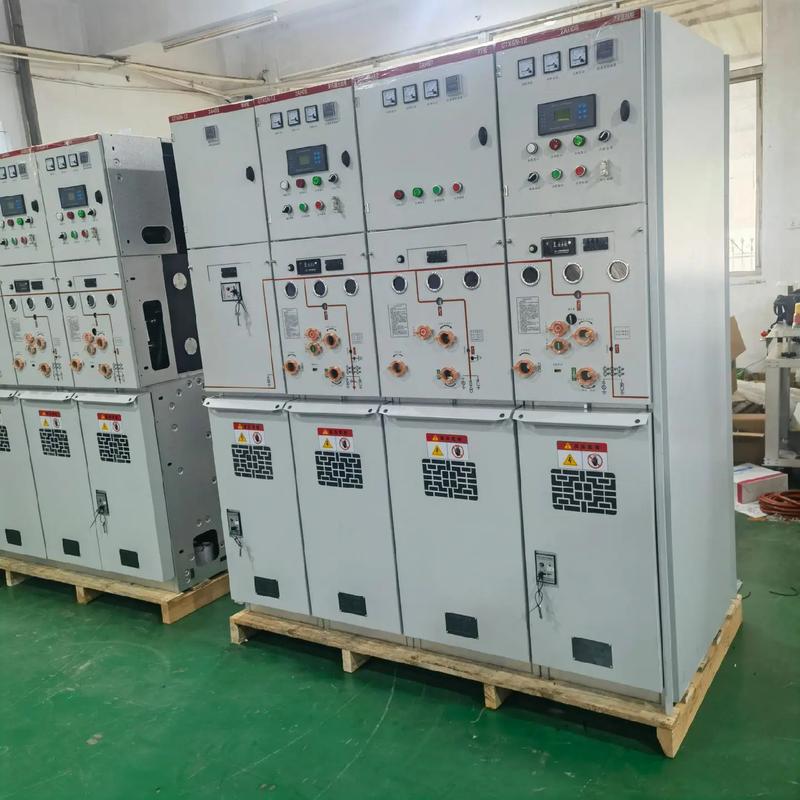
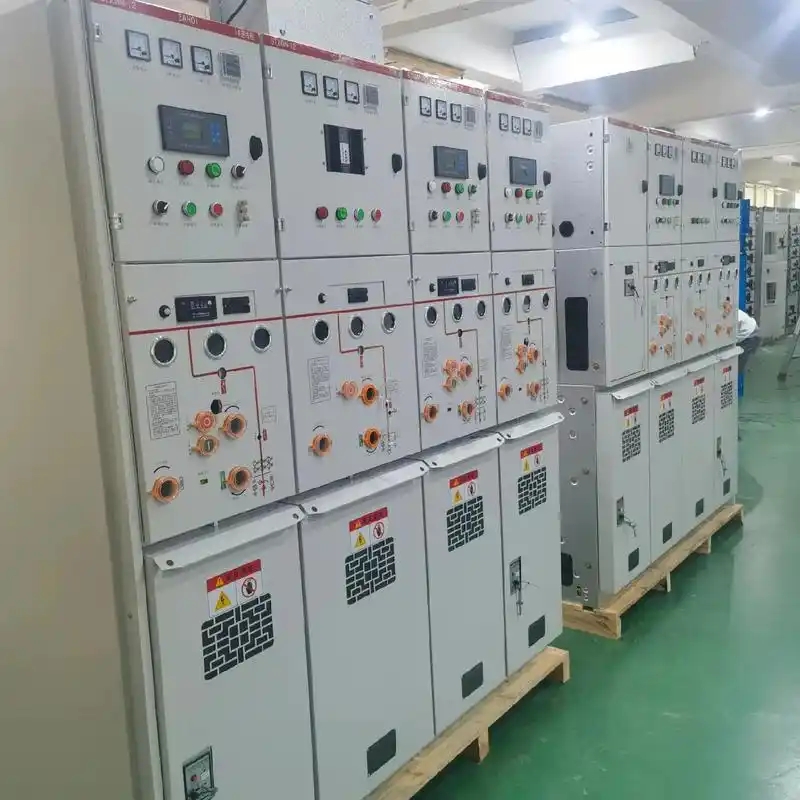
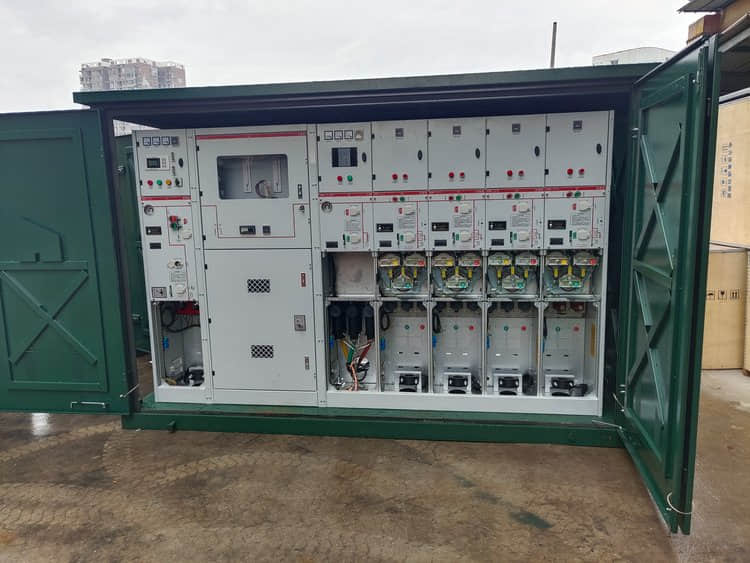
Solid insulated switchgear is a type of compact, sealed switchgear system that uses solid epoxy resin to insulate its internal parts instead of air or gas. Everything—from the breaker to the busbar—is encased in a solid insulation layer.
Key Features of SIS:
Compact and fully sealed: Great for tight spaces and outdoor use.
Environmentally friendly: No SF6 gas, which is a greenhouse gas.
Touch-safe: Safer for technicians during operation and maintenance.
SIS is often used in hospitals, commercial buildings, underground substations, and anywhere space, safety, and low maintenance are critical.
What Is a Vacuum Circuit Breaker (VCB)?
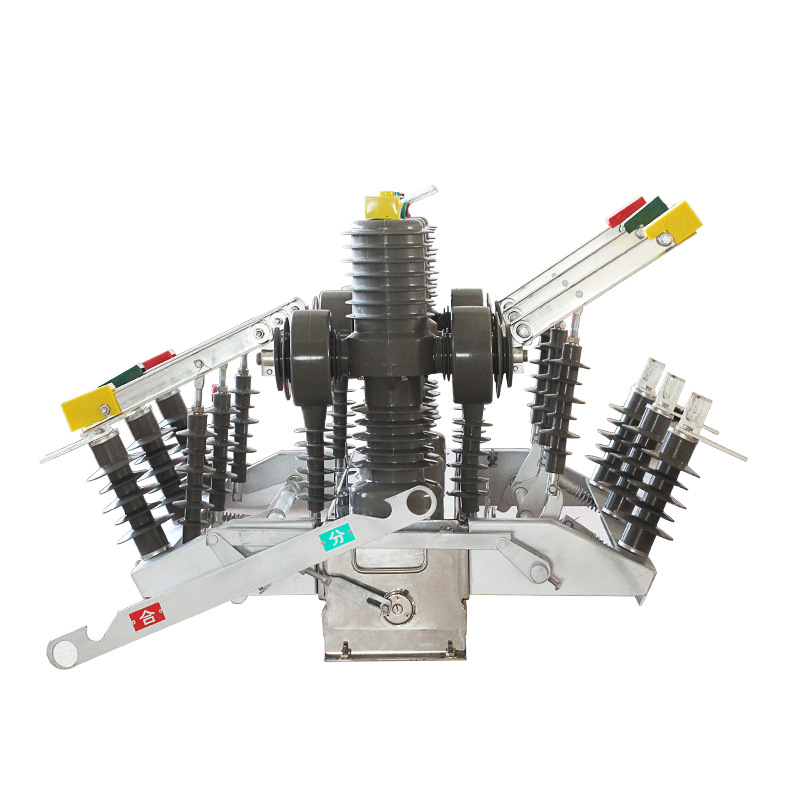
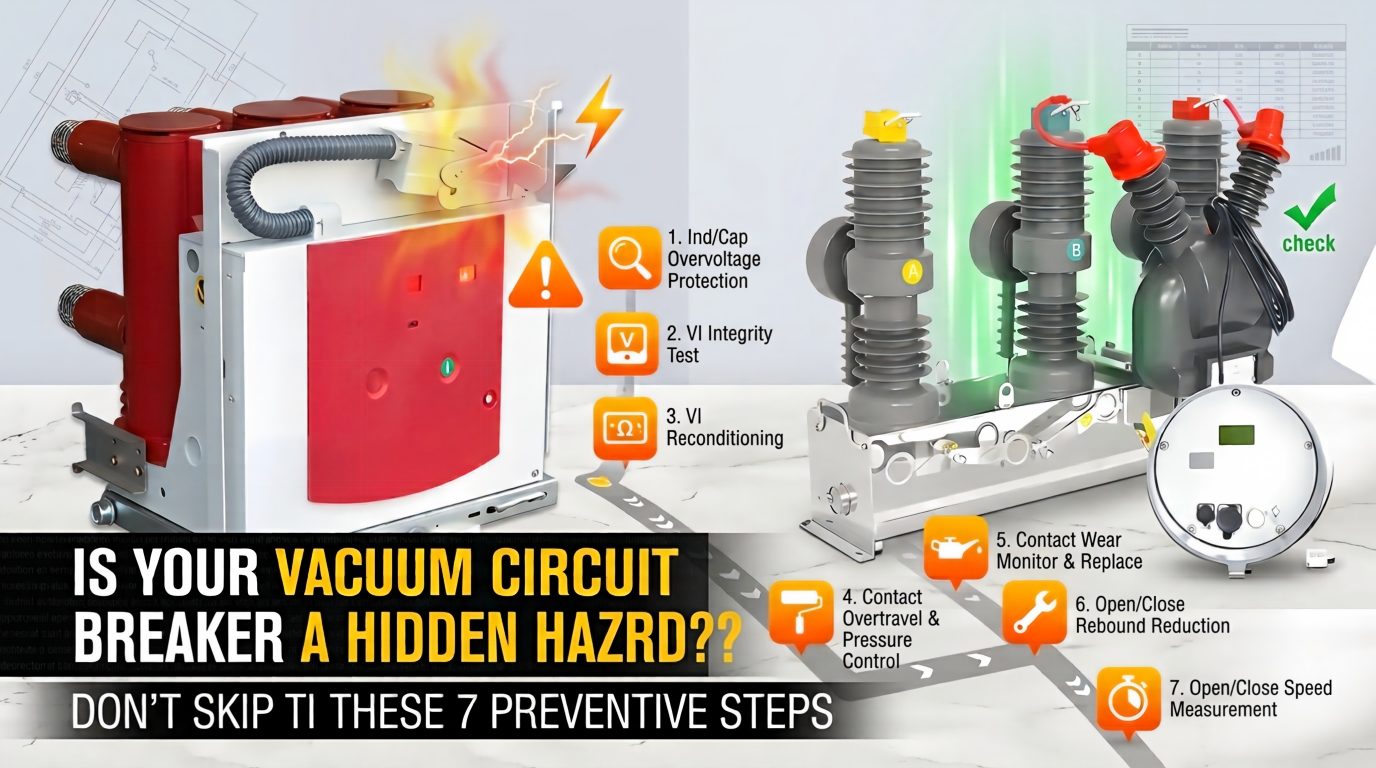
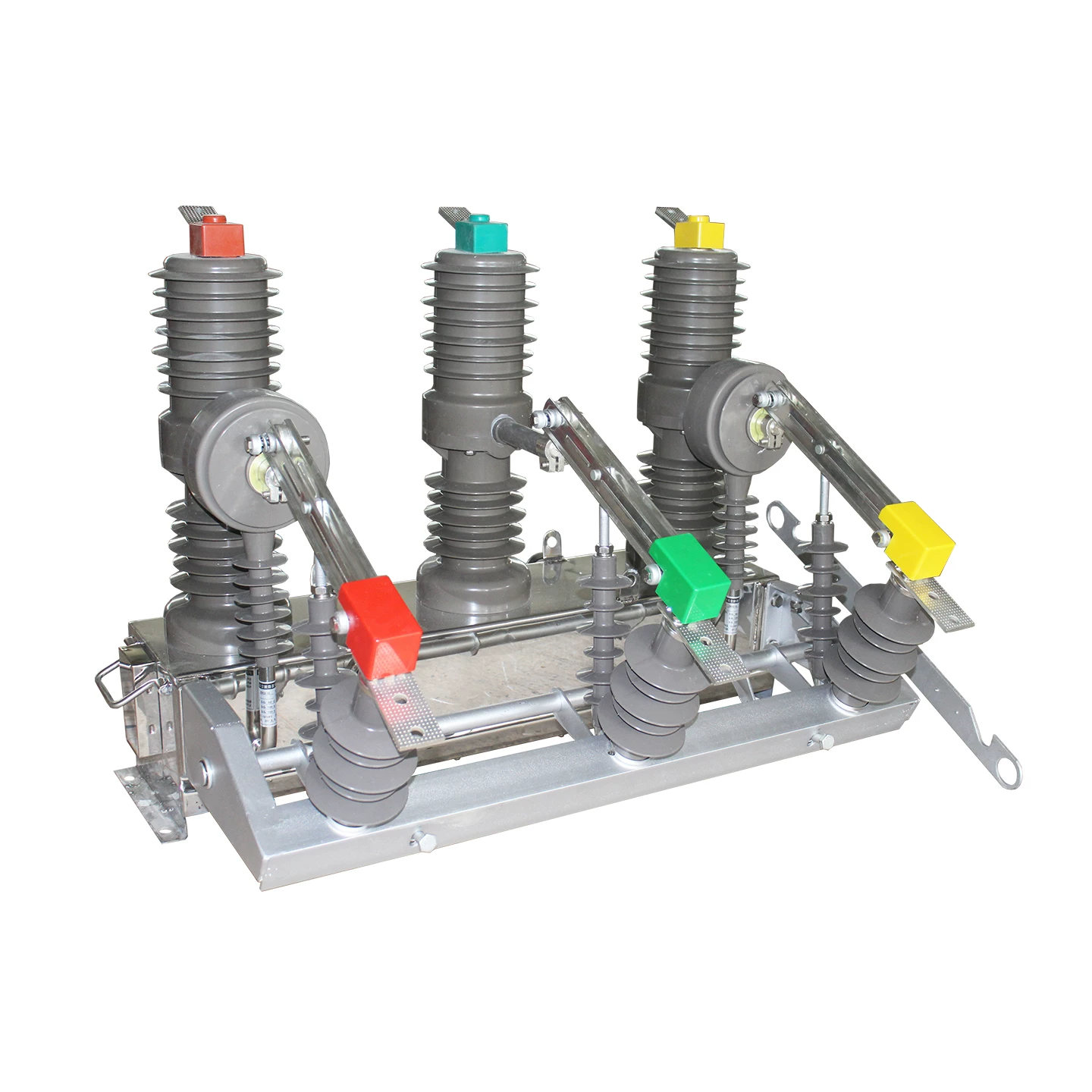
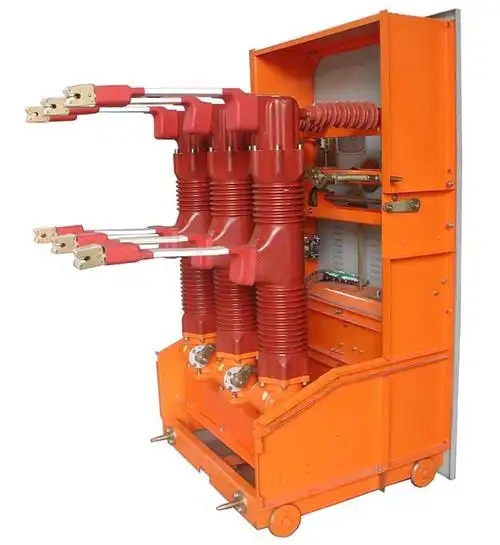
A vacuum circuit breaker is a device that interrupts current flow using vacuum technology. It’s one part of a larger switchgear system and is mostly used for fault protection.
Key Features of VCB:
Excellent arc extinguishing: Uses vacuum to quench arcs quickly and cleanly.
Modular design: Easy to install and replace in air-insulated or gas-insulated switchgear.
Widely available and cost-effective: A standard choice in many medium-voltage systems.
VCBs are the go-to solution for substations, industrial plants, and utility grids where high reliability is essential.
SIS vs VCB: A Side-by-Side Comparison
| Feature | Solid Insulated Switchgear (SIS) | Vacuum Circuit Breaker (VCB) |
|---|---|---|
| Insulation Type | Solid epoxy resin | Vacuum interrupter + external medium |
| Function Scope | Complete switchgear system | Single protective component |
| Footprint | Smaller, more compact | Larger, requires a cabinet |
| Maintenance | Low, sealed for life | Moderate, moving parts wear |
| Environmental Impact | No SF6 gas | May be part of an SF6-filled system |
| Cost | Higher initial cost | Lower upfront cost |
| Modularity | Harder to modify or upgrade | Easy to replace parts |
When to Choose SIS: The Case for Solid Insulation
Use SIS when space is limited and safety matters most.
I once worked with a healthcare facility in Toronto that needed compact switchgear for an MRI unit. Traditional air-insulated gear was simply too big. SIS allowed them to fit equipment in a tight mechanical room while meeting strict safety and electromagnetic compatibility standards.
Advantages of SIS:
Perfect for space-constrained installations
Low maintenance over 20+ years
No risk of gas leaks or SF6 handling requirements
Safer for staff with fully insulated live parts
Disadvantages of SIS:
High initial purchase cost
The whole system must often be replaced if one part fails
Fewer vendors and customization options
If you’re building a green energy site or installing switchgear in a school, hospital, or high-rise, SIS might be the safest and most future-ready solution.
When to Choose VCB: Classic Reliability That Scales
Use VCB when you need flexibility and cost efficiency.
For a wind farm project in Texas, I helped select VCBs housed in traditional air-insulated cabinets. The goal was modularity and easy servicing. When one breaker wore out, the maintenance team could swap it in under 30 minutes. That’s the kind of agility large-scale operations need.
Advantages of VCB:
Easy to integrate into existing switchgear systems
Components are widely available and easy to replace
Great for high-load protection and rapid fault response
Disadvantages of VCB:
Larger footprint compared to SIS
Requires regular maintenance and inspections
Some systems use SF6, which requires special handling
If you operate a utility substation or industrial facility, a well-maintained VCB setup will offer the balance of protection, cost, and flexibility you need.

Cost and Maintenance: Which Saves More in the Long Run?
Many buyers get stuck comparing only the price tags. That’s a mistake. Here’s what you really need to know:
Upfront Costs:
SIS systems usually cost 20–30% more initially
VCBs are cheaper to purchase and install
Maintenance Needs:
SIS: Minimal (sealed design), check every 5–10 years
VCB: Lubrication, contact resistance tests every 1–2 years
Total Cost Over 20 Years:
SIS may cost less overall if downtime and labor savings are considered
VCBs cost less upfront, but could add up in maintenance over time
A study by IEEE (2022) found that SIS had 35% fewer maintenance-related outages compared to traditional VCB systems in commercial buildings.
Real-World Examples: Decisions That Made a Difference
Germany: A solar plant in Bavaria used SIS to meet environmental goals and reduce maintenance, increasing uptime by 28% (Siemens Report, 2023).
USA: A manufacturing plant in Ohio replaced aging VCBs with modular new ones, cutting maintenance time by half (ABB Case Study, 2022).
Canada: A utility provider combined SIS in urban zones and VCBs in rural substations for a hybrid strategy that saved over $200,000 annually (Hydro One, 2023).
These examples show that there’s no one-size-fits-all solution, but the right fit makes a measurable impact.
Final Thoughts: Choose Based on What Matters Most
At Wei Shoe Elec, I’ve worked with both SIS and VCB solutions across industries and continents. What I’ve learned is this:
Choose SIS if you prioritize safety, space, and long-term reliability.
Choose VCB if you value flexibility, cost efficiency, and ease of replacement.
In the end, both technologies are powerful tools—but only when used in the right setting.
If you're still unsure, don’t guess. Reach out to our team. We’ll review your project specs and help you pick the smartest solution for your site. Contact us at [email protected] for a free consultation. Let's make your power system smarter, safer, and more future-ready.