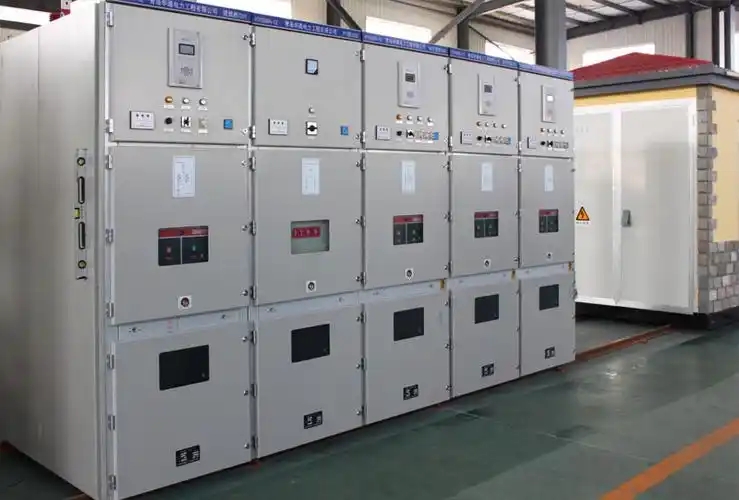
When choosing between Solid Insulated Switchgear (SIS) and Vacuum Circuit Breakers (VCB), engineers and procurement teams wonder: which one is the best fit for their project?
At Wei Shoe Elec, I’ve worked with both technologies extensively, so I want to guide you through the key factors that can help you make an informed choice. This article explains their differences. It also gives real-world examples, maintenance tips, and a clear decision-making process. If you’re working on a substation project or upgrading electrical systems, you’ll find useful insights here.
1. Understanding the Basics
Solid Insulated Switchgear (SIS): SIS uses solid materials, like epoxy or composite resin, to cover live parts. This compact design reduces air gaps and keeps out outside contaminants. So, SIS works well in tough or tight spaces.
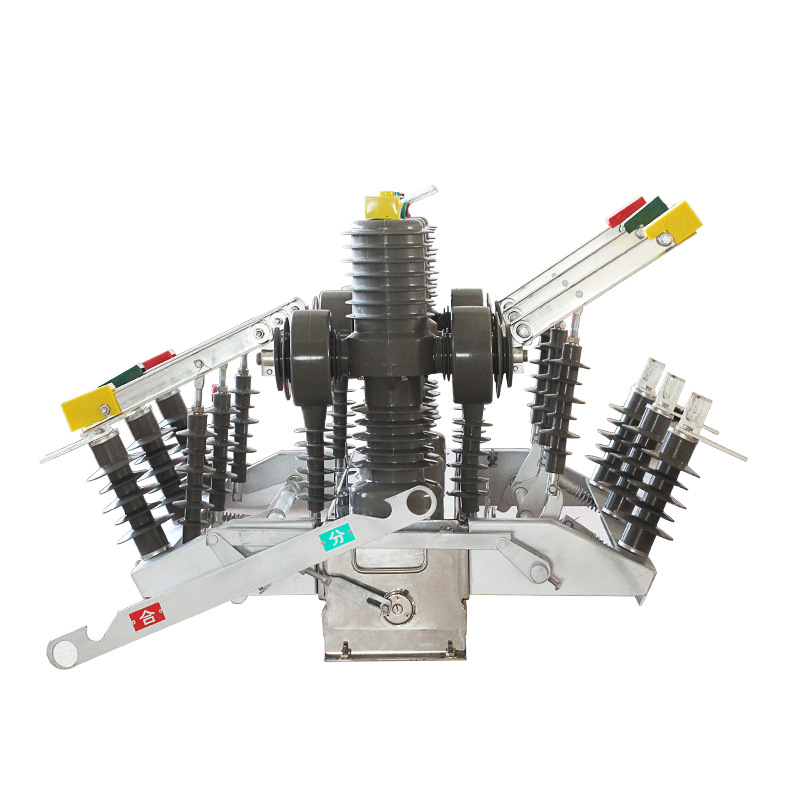
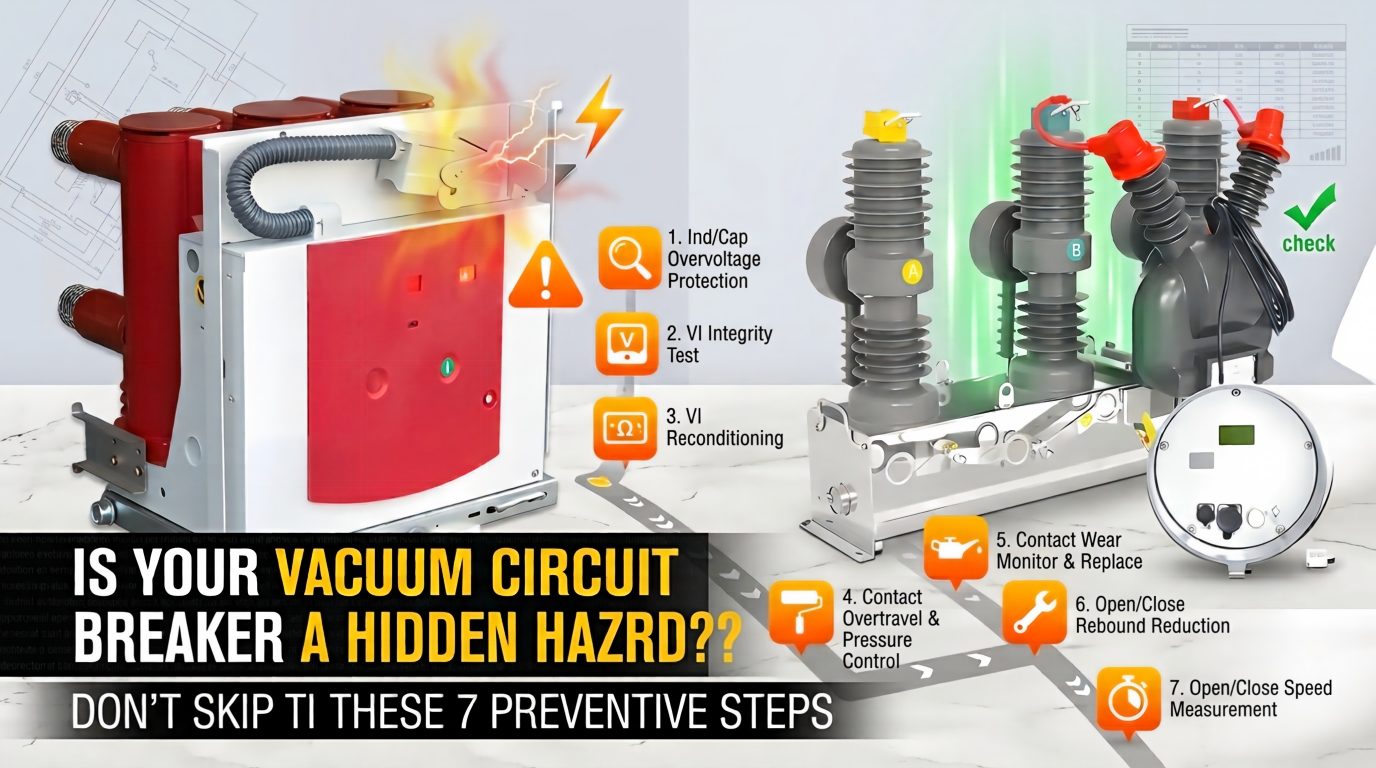
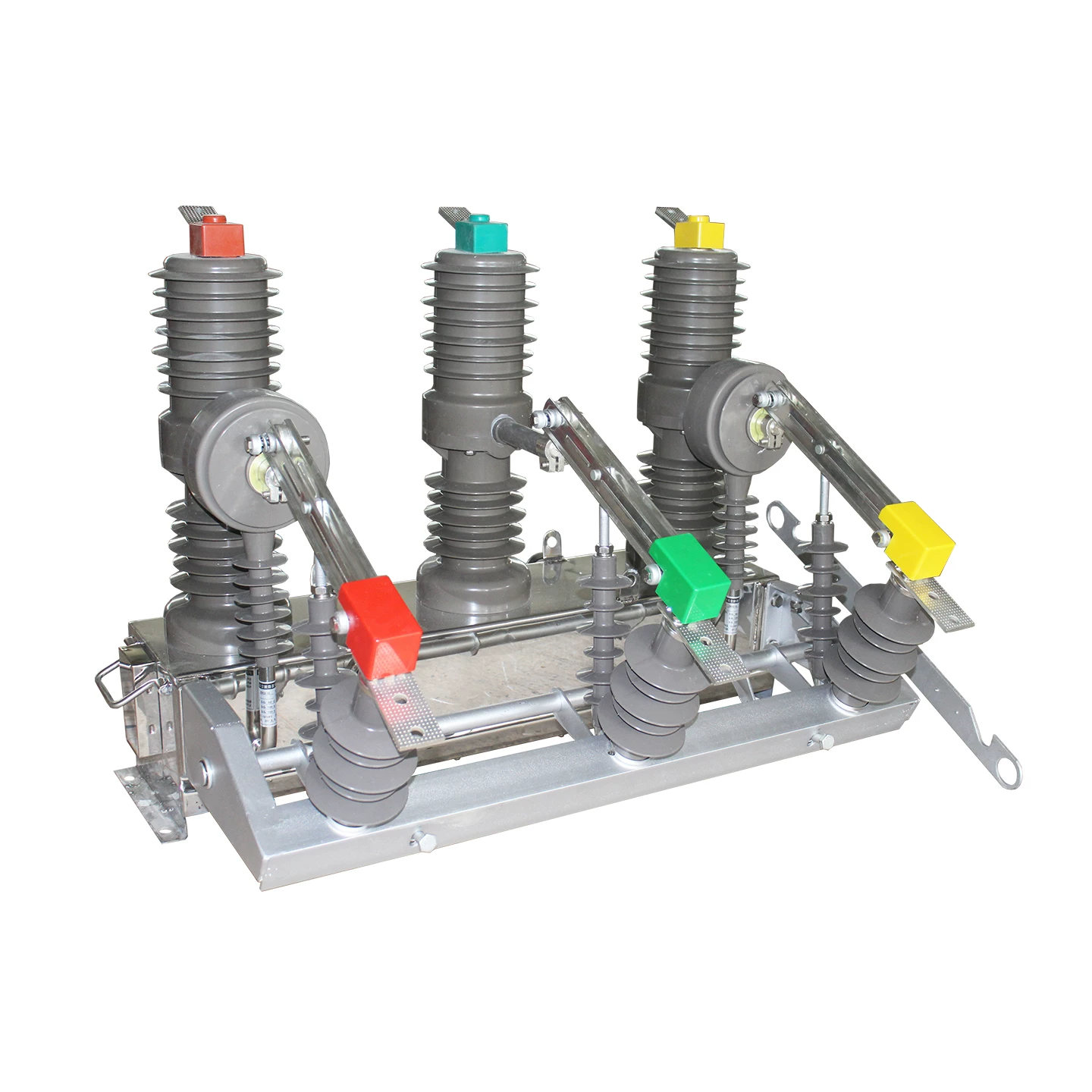
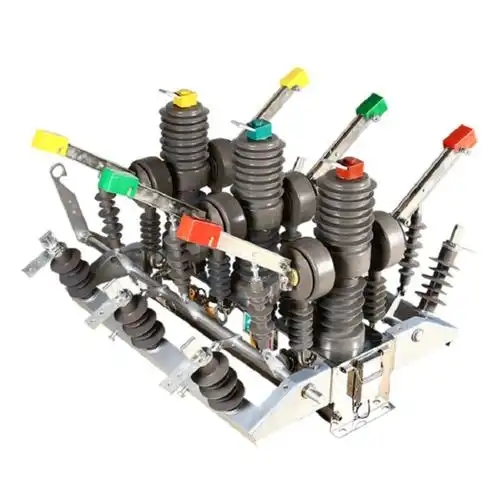
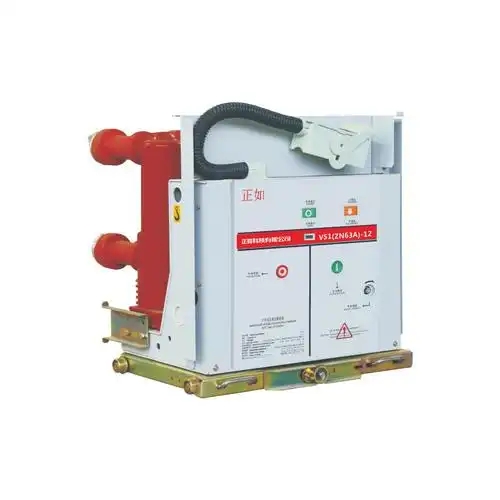
Vacuum Circuit Breaker (VCB): VCBs open and close contacts inside a vacuum interrupter. The vacuum quickly extinguishes the arc because of its strong dielectric properties. VCBs are widely recognized for their reliability and long service life.
2. Key Technical Differences and What They Mean
Feature | Solid Insulated Switchgear | Vacuum Circuit Breaker |
Insulation Medium | Solid epoxy resin or composite | Vacuum |
Size and Weight | More compact and lightweight | Generally bulkier |
Maintenance | Low, sealed design reduces maintenance | Requires periodic vacuum integrity checks |
Environmental Suitability | Excellent for polluted or humid areas | Sensitive to extreme environments |
Arc Extinction Speed | Moderate | Very fast |
Lifecycle | Long, but material aging is possible | Very long due to vacuum reliability |
Initial Cost | Higher due to complex materials | Lower than SIS |
Safety | High, less risk of gas leaks | High, proven safety record |
3. Practical Decision-Making Process for Your Project
Choosing between SIS and VCB depends on several project-specific factors. Below is a step-by-step guide:
Step 1: Evaluate Environmental Conditions
If your site has high humidity, dust, or a corrosive atmosphere, then SIS is often a better choice. It features sealed solid insulation.
For cleaner, controlled environments, VCBs remain a cost-effective and reliable choice.
Step 2: Consider space constraints.
SIS units are compact. They work well in urban substations or retrofit projects where space is tight.
VCBs may require more room, but are easier to handle in large-scale installations.
Step 3: Analyze Maintenance Capacity
If your maintenance team prefers minimal interventions, SIS’s sealed design minimizes upkeep.
VCBs need vacuum checks and occasional contact replacements, but have mature, well-known procedures.
Step 4: Review Budget and Lifecycle Costs
SIS has higher upfront costs. However, it may have lower total lifecycle costs. This is because it needs less maintenance and has longer upgrade intervals.
VCBs are cheaper initially but may incur more maintenance costs over time.
Step 5: Safety and Standards Compliance
Check if your local rules support one technology. Look for safety certifications or environmental compliance.
4. Real-World Case Studies with Sources
Case Study 1: Urban Substation Upgrade in Germany A utility in Hamburg upgraded its old air-insulated switchgear.
They switched to SIS units. This change cut maintenance costs and reduced the footprint.
They reported a 30% reduction in downtime over 3 years. Source: Siemens Energy Report 2021
Case Study 2: Industrial Plant in Texas, USA An industrial facility picked VCBs. They are easy to maintain and work well in dry conditions.
The decision saved 20% on the initial investment and met strict operational schedules. Source: ABB Whitepaper 2020
5. Maintenance and Troubleshooting Tips
Solid Insulated Switchgear Maintenance:
Inspect the external casing for cracks or damage annually.
Monitor the temperature and humidity inside the unit to prevent resin degradation.
Use infrared thermography to detect hot spots.
Minimal internal inspection is needed due to the sealed design.
Vacuum Circuit Breaker Maintenance:
Check vacuum interrupter integrity every 3 to 5 years using leakage current tests.
Replace contacts when erosion reaches the manufacturer’s limits.
Regular lubrication of operating mechanisms.
Ensure quick, clean arc interruption by monitoring the contact condition.
Troubleshooting Common Issues:
SIS may show insulation aging symptoms; test the dielectric strength if arcing occurs.
VCB failures often occur because of contact wear, vacuum leaks, or the track breaker trip history.
6. User Pain Points and How to Address Them
High Maintenance Costs: SIS reduces maintenance frequency, easing operational budgets.
Environmental Challenges: SIS excels in polluted environments; VCBs may need protective enclosures.
Installation Complexity: VCBs are more straightforward to install but require more space.
Initial Investment: VCBs are budget-friendly upfront; SIS is an investment in reliability.
7. Frequently Asked Questions (FAQs)
Q1: Can SIS and VCB be used together in one substation? Yes, many modern substations combine both to optimize performance and cost.
Q2: How long does a typical SIS last compared to a VCB? SIS typically has a lifecycle of 30+ years; VCBs about 25-30 years with proper maintenance.
Q3: Are there safety concerns unique to SIS? SIS uses solid insulation, reducing gas leakage risks, but material aging must be monitored.
Q4: What certifications should I look for when buying these devices? Look for IEC 62271 compliance and third-party safety certifications like UL or CE.
Q5: How to choose between air-insulated switchgear and SIS? SIS is compact and needs less maintenance, but it costs more. It's great for tight spaces or tough conditions.
Conclusion
Choosing Solid Insulated Switchgear or Vacuum Circuit Breakers isn’t simple. It depends on your specific needs. At Wei Shoe Elec, I learned to check your project’s environment, maintenance needs, budget, and safety rules. SIS works well in tight spaces and needs little maintenance. VCBs are reliable and cost-effective for many standard setups. I hope this guide helps you choose the best technology for your electrical system. Contact me anytime for personalized advice, technical solutions, or quotes. You can reach me by phone, WhatsApp, or email. Let’s ensure your project achieves the highest reliability and efficiency possible!
Contact Wei Shoe Elec:
Phone: +86 0577-62788197
WhatsApp: +86 159 5777 0984
Email: [email protected]