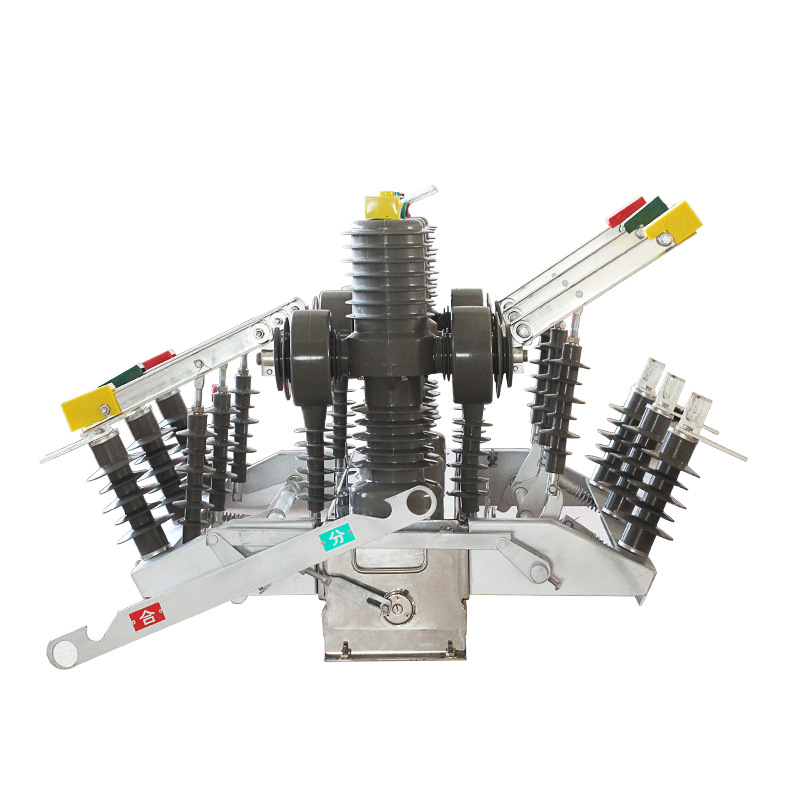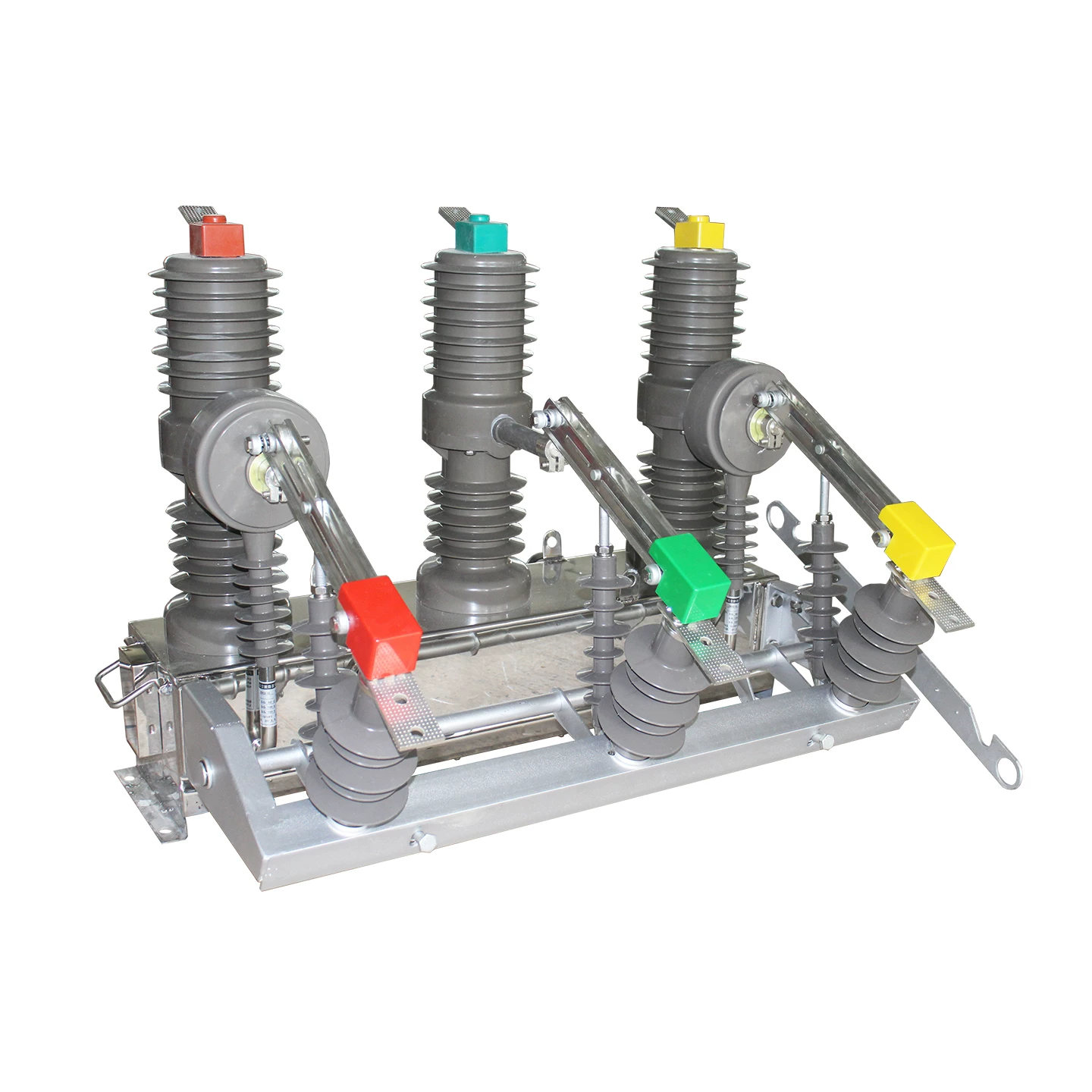
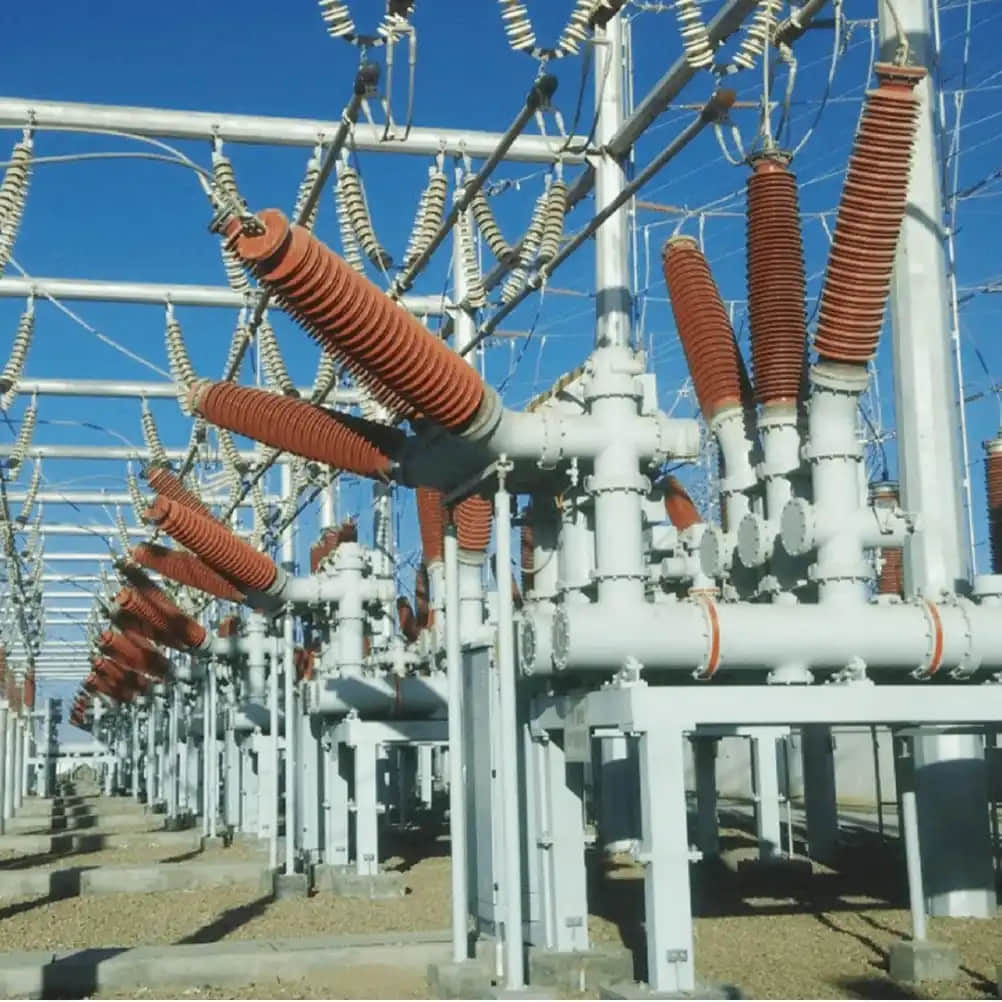
Hi there, I'm Thor, an electrical engineer at Weishoelec. In the power system, the Sulfur Hexafluoride (SF6) circuit breaker plays a crucial role. Thanks to SF6 gas's exceptional arc-extinguishing and insulating properties, it has become a reliable "safety guardian" for medium and high-voltage circuits, surpassing traditional oil and air circuit breakers with its unparalleled advantages.
At Weishoelec, we're focused on "Made in China" and committed to providing high-quality electrical products to markets across Europe, America, and the rest of the world. We understand how critical these devices are to your daily operations. Therefore, mastering the key maintenance knowledge for SF6 circuit breakers is essential to keeping them in optimal condition, ensuring the safety of your entire power system.
I. Core Advantages of SF6 Circuit Breakers — Why Choose Them
Strong Breaking Capacity, Instantaneous Arc Extinction
When an abnormal current occurs in a circuit, you'll see the SF6 circuit breaker quickly blast out SF6 gas. With an arc-extinguishing capability tens of times that of air, it extinguishes the arc in an extremely short time. Whether it's a capacitive or inductive load, it can reliably interrupt the circuit, eliminating the risk of re-ignition and providing a "safety umbrella" for your equipment.
Long-Life Design, Reduced Maintenance Burden
You won't need frequent maintenance for SF6 circuit breakers. At 50kA full capacity, they can interrupt continuously 19 times, with a cumulative breaking current of up to 4200kA. Even in scenarios with frequent operations, they can run stably, significantly reducing your maintenance costs and the risk of power outages.
High Insulation Level, Adapts to Harsh Environments
At 0.3MPa gas pressure, the SF6 circuit breaker easily passes various insulation tests, maintaining ample margins. Whether in the humid south or dusty north, SF6 gas provides stable insulation protection for internal components. This means you won't have to worry about insulation failure issues.
Excellent Sealing Performance, Easier Maintenance
Its arc-extinguishing chambers, resistors, and support insulators feature independent gas-tight designs. Coupled with the inherent low moisture content of SF6 gas, this makes its sealing performance far superior to comparable products. You won't need to frequently open the internal structure during installation; simple external checks will maintain the equipment's airtightness and reliability.
However, no equipment is perfect, and SF6 circuit breakers have their limitations. If you want a more comprehensive understanding of their pros and cons to make better decisions for selection and operation, you can check out this dedicated analysis: Pros and Cons of SF6 Circuit Breakers. Now, let's dive deeper into common faults and troubleshooting methods for SF6 circuit breakers in practical use.
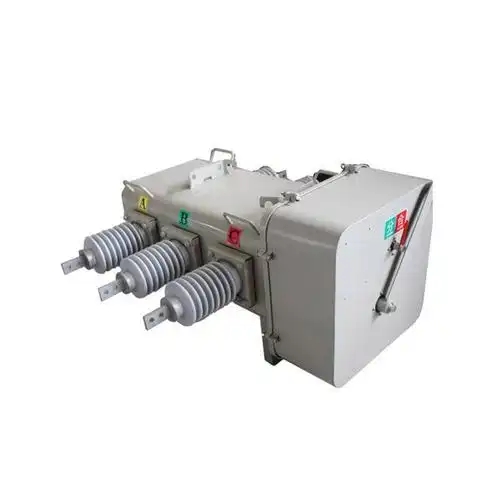
II. Low Gas Pressure? Start with These Two Checks
When you notice an abnormal reading on your SF6 circuit breaker's pressure gauge, the first two steps are crucial for diagnosis:
Temperature Conversion: Convert the current pressure reading to a standard temperature of 20℃ (68°F) using the formula: If the converted value falls below the manufacturer's specified alarm threshold (e.g., 0.4MPa), a gas leak is likely.
Initial Investigation: Review the most recent gas filling record. If the gas density drops by more than 0.01MPa per year, you must immediately use a leak detector to inspect the equipment.
III. Gas Leakage Troubleshooting — Rapidly Locating Leaks by Scenario
Rapid Leakage Scenario (Sudden Pressure Drop)
In cases of a sudden, rapid pressure drop, you can first recharge the SF6 circuit breaker to its rated pressure, then closely monitor the gauge for changes. Simultaneously, use a halogen leak detector to scan along pipe joints and flange connections inch by inch; a sharp alarm will sound at the leak point.
If the leak is hidden, try the bagging method: enclose the suspected leak point with a plastic bag. After 30 minutes, test the gas concentration inside the bag to pinpoint the leak accurately.
Common Leakage Locations and Targeted Solutions
In practical operation, SF6 circuit breakers have several common leak points, each with distinct causes and corresponding solutions. Please refer to the table below for targeted troubleshooting:
Micro-Moisture Content Detection
Upon detecting an SF6 gas leak, you must simultaneously test the gas's micro-moisture content. Under normal conditions, moisture content should be ≤150ppm. If it exceeds this, you'll need to vacuum the system, then purge it with dry nitrogen before refilling it with compliant SF6 gas (which should have a moisture content ≤64.88 ml/m³).
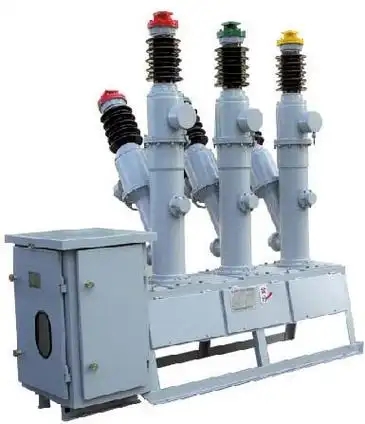
IV. Secondary Circuit Faults — From Indicator Lights to Step-by-Step Troubleshooting
When the control panel shows abnormal behavior, you can follow this procedure to troubleshoot the SF6 circuit breaker's secondary circuit:
All Indicator Lights Off
First, check the control power supply: Measure the voltage across the fuse. If it's 0V, replace the fuse with one of the same specifications (be sure to distinguish between DC and AC fuses).
Next, inspect the anti-pumping relay: Use a multimeter's resistance setting to measure its coil resistance. If it reads infinite or near 0Ω, the relay is damaged and needs replacement.
Red Light Off, Green Light Flashing After Closing
First, confirm the circuit breaker's mechanical position: Manually press the auxiliary switch linkage and observe if the indicator lights toggle. If not, the auxiliary contacts might be oxidized or loose, requiring fine sandpaper to clean and re-tighten them.
If the contactor doesn't operate, measure the voltage across the closing coil. If there's rated voltage but the coil doesn't energize, it indicates an inter-turn short circuit in the coil, requiring a complete replacement.
Automatic Tripping After Closing
First, check the protection device's operation record: If it shows an overcurrent or ground fault, there's a genuine electrical fault in the line, and you must troubleshoot that fault first.
If no protection device is operated, examine the closing retaining spring's tension: Use a force gauge to measure the pull. If it falls below the manufacturer's specified value (e.g., 80±5N), adjust the spring's compression or replace the spring.
Density Relay Moisture Intrusion
You'll often find this type of fault in outdoor-installed equipment. Rainwater ingress can lead to internal node short circuits. We recommend installing the density relay vertically upwards, sealing the connections with waterproof tape and sealant to prevent moisture intrusion from the source.
V. Excessive Gas Moisture Content — A Hidden Insulation Killer
How Serious is the Danger of Excess Moisture?
When the moisture content in SF6 gas is too high, the potential hazards are very serious. Moisture condensation on insulating parts can drastically reduce insulation resistance, potentially leading to surface flashovers. Additionally, arc decomposition products like HF (hydrofluoric acid) will corrode contacts and seals. These damages often manifest 3-5 years into operation, leading to sudden circuit breaker failure.
Six Major Root Causes and Preventive Measures
Understanding the root causes of excessive gas moisture content is critical for prevention. Here are six common sources of moisture, along with their preventive measures and key operational considerations:
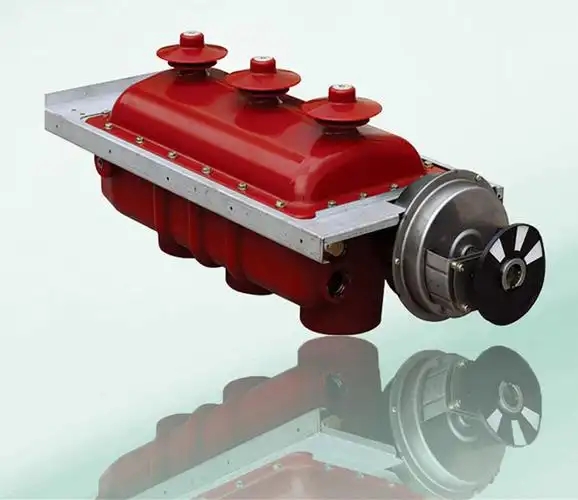
VI. Maintenance Strategies — Key Focus Areas for Different Scenarios
To ensure the long-term reliable operation of SF6 circuit breakers, different maintenance strategies should be employed based on the situation:
Temporary Maintenance (During Sudden Faults)
In the event of a sudden fault, prioritize addressing critical defects such as gas leaks, severe abnormal noises, or abnormal indicator lights. After addressing the issue, meticulously record key data like leakage volume and operation time.
Always bring a portable SF6 recovery unit to the site to prevent SF6 gas from being released directly into the atmosphere. Remember, SF6's global warming potential is 23,500 times that of CO₂, which aligns with international environmental standards like IEC 60376.
Minor Maintenance (Annually)
Annual minor maintenance primarily includes checking the operating mechanism's lubrication. Apply high-temperature lubricating grease (such as molybdenum disulfide grease) to critical components like transmission shafts and gears.
Additionally, calibrate the density relay. Use a standard pressure source to calibrate the alarm and lockout contacts, ensuring the error is ≤±1.5%. This calibration typically follows guidelines from IEEE C37.100 or IEC 62271-1.
Major Maintenance (Every 5-8 Years)
For major maintenance, it's advisable to contact professional teams from manufacturers like Weishoelec. The focus of major maintenance is replacing aged seals and inspecting contact wear (contacts must be replaced if wear depth is >3mm).
After major maintenance, a power frequency withstand voltage test is typically performed. The test voltage is 1.3 times the rated voltage, sustained for 1 minute without any discharge, which complies with testing standards such as IEEE C37.09 or IEC 62271-100.
Conclusion
Your SF6 circuit breaker is like a "loyal guardian" in your power system. By regularly monitoring its pressure gauge, prioritizing gas quality, and following standardized maintenance procedures, it will consistently provide reliable performance, safeguarding your electrical grid. The next time you encounter a fault, remember to refer to this guide and troubleshoot step-by-step—your diligence in equipment care will ultimately translate into stable system operation.
As an electrical engineer at Weishoelec, we are dedicated to providing high-quality, internationally compliant electrical products and professional technical support to customers worldwide. If you have any further questions or needs regarding circuit breaker selection, application, or any other electrical matters, please feel free to contact us:
Phone: +86-0577-62788197WhatsApp: +86 159 5777 0984Email: [email protected]
I look forward to discussing and collectively advancing electrical technology with you!