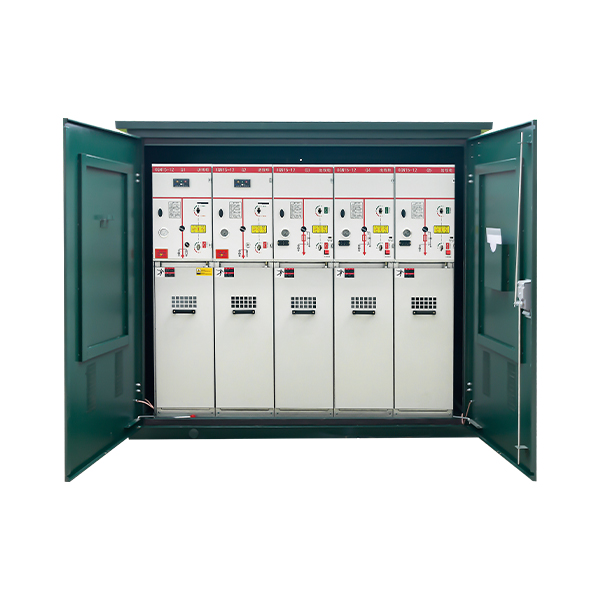
If you’ve ever been involved in a medium-voltage (MV) distribution project, you’ve likely encountered a common dilemma: Should you choose a Ring Main Unit (RMU) or traditional switchgear? At first glance, they seem similar—both control and protect power distribution—but their structure, maintenance, and suitability differ significantly.
I’m Thor, an electrical engineer at Wei Shoe Elec, and I’ve spent the past decade guiding power utilities and EPC contractors through this exact decision. This guide cuts through the confusion with clear, engineering-backed insights, practical application cases, and up-to-date industry trends—so you can avoid costly missteps and confidently choose the right solution.
What Is Switchgear?
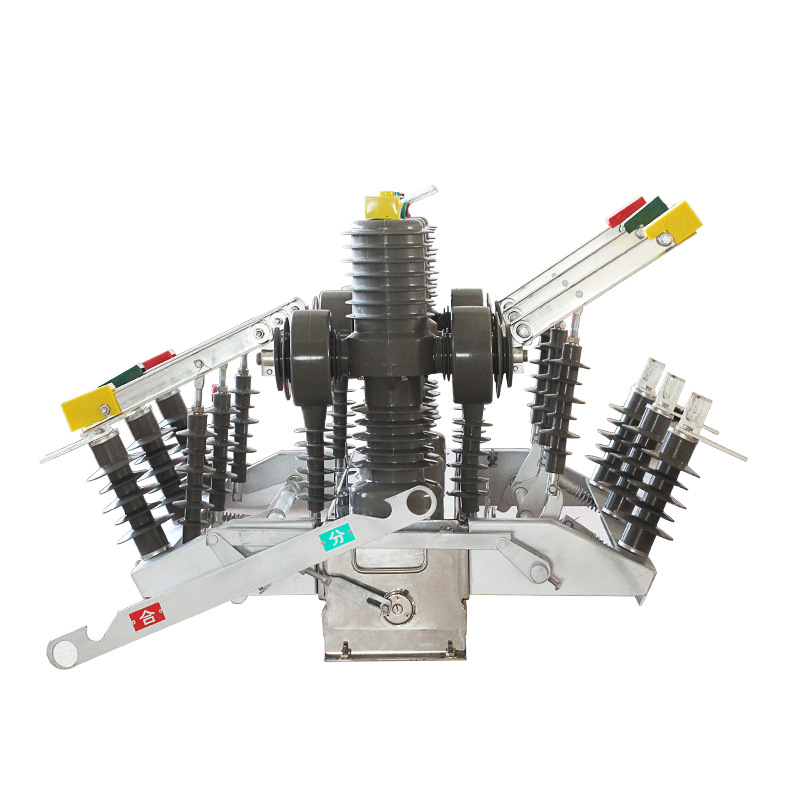
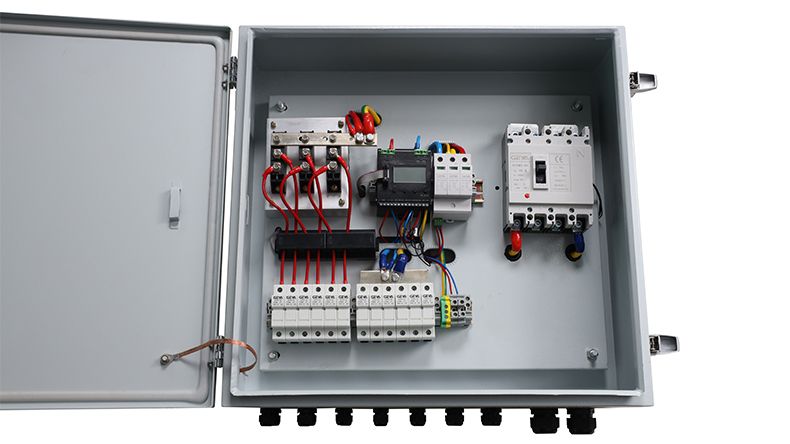
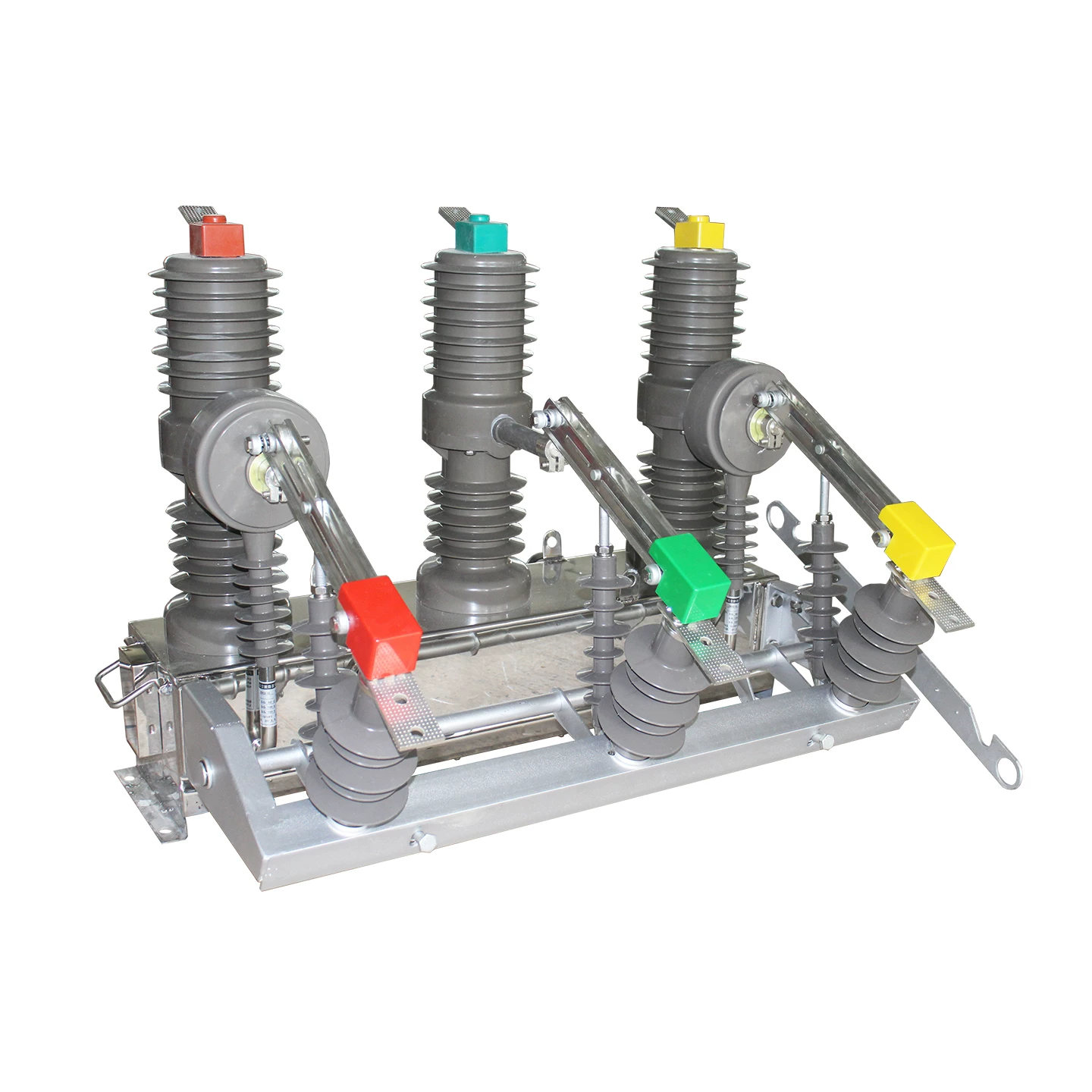
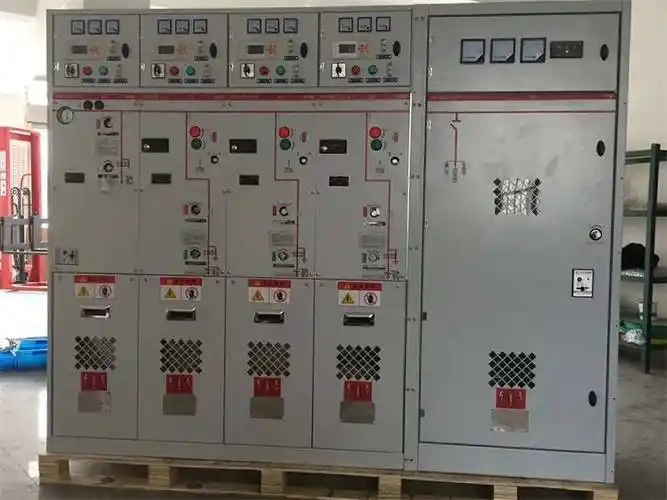
Switchgear is a broad term that encompasses various devices used to control, protect, and isolate electrical equipment. It typically includes circuit breakers (CBs), disconnect switches, fuses, and **relays, **arranged in cabinets to handle medium to high voltage.
In an MV setup, switchgear serves as the backbone of power control and safety. Its flexibility in configurations (fixed, withdrawable, air—or gas-insulated) makes it suitable for a wide range of industrial and utility applications.
Engineer’s Note: Many confuse switchgear with just a CB panel. In reality, it’s a coordinated system that includes protection, control, and interlocking components.
What Is an RMU?
A Ring Main Unit is a compact, fully enclosed switchgear assembly that enables looped distribution. Most RMUs are factory-sealed, gas-insulated (often SF6), and designed for urban networks, compact substations, and underground systems.
It typically features:
2 incoming feeders + 1 transformer feeder
Load break switches and/or circuit breakers
Compact footprint for limited spaces
Key Advantage: RMUs simplify distribution design while ensuring continuity of supply. They allow one feeder to be de-energized for maintenance while the other continues to operate.
RMU vs Switchgear: Key Differences
| Parameter | Switchgear | RMU |
|---|---|---|
| Structure | Modular, open, or enclosed | Compact, sealed enclosure |
| Insulation | Air, SF6, or solid | Mostly SF6 or solid insulation |
| Application | Factories, utilities, substations | Urban, underground, space-limited |
| Maintenance | Visual, manual, regular | Minimal, sealed system |
| Cost (Initial) | Lower | Higher |
| Cost (Lifecycle) | Depends on the use frequency | Lower with minimal maintenance |
| Space Required | More | Less |
| Typical Configuration | Flexible—expandable modules | Fixed—standardized functions |
When to Use RMU vs Switchgear
✅ Choose RMU When:
The project site is tight on space (e.g., metro stations, basements)
You need looped redundancy for reliability
Maintenance access is limited
Sealed system preferred (dusty, wet, or corrosive areas)
✅ Choose Switchgear When:
System complexity requires customized configurations
Skilled staff are available for regular inspection
Budget constraints prioritize initial cost
High flexibility or expansion is expected
Field Examples
Singapore MRT Underground Substation (GIS RMU): Due to strict space limits, RMU panels were installed in underground vaults. These panels cut installation time by 40% and allowed uninterrupted maintenance cycles.
UK Manufacturing Plant (Indoor Air-Insulated Switchgear): The plant selected modular switchgear with withdrawable VCBs, allowing live maintenance and easy upgrades. Long-term, the system paid off in reduced downtime during equipment changes.
Engineering Insights: The Misunderstood Differences
1. RMU Is a Type of Switchgear—But Not All Switchgear Is RMU
This confusion leads to wrong procurement. RMU is a switchgear designed for looped, compact, sealed operations. But it lacks the modularity of broader switchgear systems.
2. RMU = Lower Long-Term Cost, Higher Upfront Investment
A mistake I’ve seen often: project teams select RMUs thinking they’re cheaper due to their smaller size. But SF6-filled sealed designs are pricier upfront. Yet over 20 years, they often beat open-type switchgear in lifecycle cost.
3. Environment and Regulation Matter
RMUs using SF6 face increasing global restrictions (EU Regulation 2024/573). If you’re future-proofing a project, consider RMUs with solid insulation or explore hybrid switchgear options.
FAQs
Q1: Is RMU a switchgear?
Yes, it’s a specialized type of medium-voltage switchgear for loop distribution.
Q2: What’s the difference between RMU and a main breaker panel?
RMU contains load break switches and sometimes breakers—it’s not just a main disconnect. It manages looped power with segmentation.
Q3: Can I use RMUs in renewable energy plants?
Yes, especially in solar or wind farms where footprint and reliability are critical.
Q4: What’s the CB inside the switchgear?
CB = Circuit Breaker. It’s the core protective device, whether inside RMU or standard switchgear.
Q5: Can I mix RMUs and traditional switchgear?
Absolutely. Many substations use RMUs upstream and standard switchgear downstream to balance space and flexibility.
Final Thoughts: Choose Smart, Not Just Familiar
Whether you choose RMU or traditional switchgear depends on your project’s specific constraints, including footprint, maintainability, environmental policy, and future expandability.
Over the years, we’ve helped global clients design distribution networks using both approaches. No two projects are the same, but every choice has tradeoffs.
⚡ Ready to Choose the Right Solution?
Need help evaluating your medium-voltage options? Want a tailored RMU vs switchgear comparison for your site?
👉 Contact us now for a technical proposal or fast quote.
Thor – Electrical Engineer, Wei Shoe Elec
📞 Phone: +86-0577-62788197
📧 Email: [email protected]
💬 WhatsApp: +86 159 5777 0984